

Navigating the complexities of apparel contract services is crucial for brands aiming for efficient and scalable garment production. This guide, tailored for those seeking actionable insights, delves into the core aspects of outsourcing apparel manufacturing, specifically within the landscape of garment manufacturers in Vietnam. We will explore key considerations such as cost optimization, quality control processes, supply chain management, and strategies for building successful partnerships with manufacturers in 2025. Furthermore, we’ll provide practical advice on navigating legal compliance, ensuring ethical sourcing, and maximizing the benefits of leveraging Vietnam’s robust apparel industry.
Key Benefits of Outsourcing Apparel Manufacturing
Outsourcing apparel manufacturing offers a multitude of advantages for brands seeking to optimize their operations and gain a competitive edge, especially when leveraging apparel contract services. By entrusting production to specialized partners, businesses can unlock significant cost savings, enhanced efficiency, and greater flexibility in their supply chains. This strategic move allows companies to concentrate on core competencies such as design, marketing, and brand building, fostering innovation and sustainable growth.
One of the most compelling reasons to outsource garment production is the potential for substantial cost reduction. Apparel contract manufacturers often operate in regions with lower labor costs, reduced overhead expenses, and access to cheaper raw materials. This translates to significant savings on production costs, allowing businesses to reinvest in other critical areas. For instance, a brand might save 15-25% on manufacturing costs by shifting production to Vietnam, a hub for apparel contract services, according to industry reports.
Beyond cost, outsourcing apparel manufacturing significantly boosts operational efficiency. Specialized contract manufacturers possess the expertise, infrastructure, and technology to optimize the production process. This leads to faster turnaround times, improved quality control, and reduced waste. Contract manufacturers through local sourcing support also offer advanced supply chain management capabilities, ensuring timely delivery and minimizing disruptions.
Another key advantage lies in the increased flexibility and scalability that outsourcing provides. Brands can easily adjust production volumes based on market demand, seasonal fluctuations, or changing consumer preferences, without incurring the heavy capital investments associated with expanding in-house manufacturing facilities. This agility allows businesses to respond quickly to market opportunities and mitigate risks.
Furthermore, outsourcing to established apparel contract service providers grants access to specialized expertise and advanced technologies. Contract manufacturers often possess in-depth knowledge of fabrics, garment construction, and production techniques that smaller brands may lack. This access to specialized knowledge can lead to higher-quality products and innovative designs.
Finally, focusing on core competencies becomes easier through apparel contract manufacturing. Outsourcing non-core activities like production frees up internal resources, allowing businesses to dedicate more time and effort to activities that directly contribute to brand value, such as product design, marketing, and customer service.
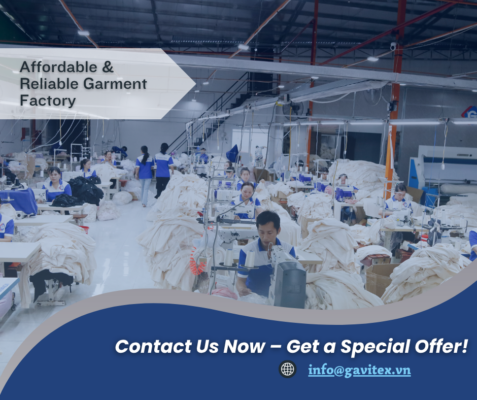
Explore the advantages of outsourcing apparel manufacturing and discover how it can elevate your brand’s success.
Finding the Right Apparel Contract Service Provider in Vietnam
Identifying the ideal apparel contract service provider in Vietnam is crucial for businesses seeking to outsource garment manufacturing, demanding a strategic approach to ensure alignment with your specific needs and expectations. Vietnam has emerged as a prominent hub for apparel manufacturing outsourcing, attracting global brands with its competitive labor costs, skilled workforce, and established infrastructure. Navigating the landscape of potential apparel contract manufacturers requires careful consideration of several key factors.
To effectively pinpoint the best partner for your apparel contract manufacturing needs, focus on these critical aspects:
-
Define Your Specific Needs: Start by thoroughly outlining your project requirements. What types of garments do you need produced? What are your quality standards? What is your desired production volume and turnaround time? Clear specifications will streamline the search process and enable you to target providers with the relevant expertise and capabilities.
-
Assess the Provider’s Capabilities and Expertise: Investigate the manufacturer’s specialization. Do they have experience working with similar materials, garment types, and production volumes? Request samples of their previous work and inquire about their quality control processes. A provider with a proven track record in your specific apparel niche will be better equipped to meet your expectations.
-
Evaluate Production Capacity and Infrastructure: Assess the provider’s production capacity to ensure they can handle your order volume within your desired timeframe. Consider their machinery, technology, and factory size. A well-equipped facility with modern infrastructure indicates a commitment to efficiency and quality.
-
Verify Certifications and Compliance: Ensure the provider adheres to ethical and environmental standards. Look for certifications such as WRAP, BSCI, or SEDEX, which demonstrate their commitment to fair labor practices and sustainable manufacturing. Compliance with international regulations is essential for maintaining your brand’s reputation and avoiding legal issues.
-
Communicate Effectively and Establish Clear Expectations: Open and transparent communication is vital for a successful partnership. Clearly communicate your requirements, expectations, and concerns to the provider. Establish clear protocols for communication, quality control, and dispute resolution.
-
Conduct Factory Audits and Visits: If possible, conduct on-site factory audits and visits to assess the provider’s operations firsthand. Inspect their facilities, equipment, and working conditions. Meeting the management team and observing their processes will provide valuable insights into their capabilities and culture.
-
Consider Cultural and Language Differences: Be mindful of potential cultural and language barriers. Choose a provider with strong English communication skills and a good understanding of Western business practices. Clear communication is essential for preventing misunderstandings and ensuring smooth collaboration.
By carefully evaluating these factors, you can increase your chances of finding the right apparel contract service provider in Vietnam, establishing a mutually beneficial partnership that supports your business goals. The overseas buyers brand is dedicated to helping you navigate this process.
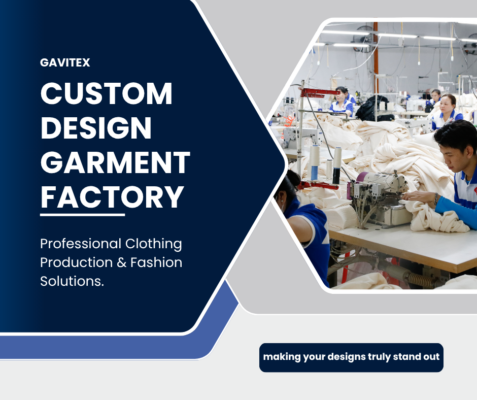
Uncover the secrets to finding the perfect apparel contract service provider in Vietnam, ensuring quality and reliability for your brand.
The Apparel Contract Service Process: From Design to Delivery
The apparel contract service process encompasses a series of interconnected stages, transforming initial design concepts into tangible, finished garments through outsourced apparel manufacturing. This streamlined process ensures efficiency and quality control, allowing overseas buyers to focus on core competencies while entrusting production to specialized partners.
The journey begins with design conceptualization and specification, where the client provides detailed design specifications, including sketches, technical drawings, fabric preferences, and sizing charts. Contract manufacturers then create samples based on these specifications. This stage is crucial for aligning expectations and ensuring the final product meets the brand’s vision. The sample approval is very important for further production.
Next, sourcing and procurement involve acquiring the necessary raw materials, such as fabrics, trims, and accessories. The apparel contract manufacturer leverages its network of suppliers to obtain materials that meet the client’s quality and cost requirements. This frequently includes fabric testing to confirm compliance with industry standards and specifications.
Production and quality control are at the heart of the apparel contract manufacturing process. The manufacturer implements stringent quality control measures at each stage of production, from cutting and sewing to finishing and packaging. These measures may include in-line inspections, final inspections, and random audits to ensure consistent quality and adherence to the brand’s standards. According to a report by McKinsey, quality control is a critical factor for success in apparel sourcing, with companies increasingly demanding higher standards from their contract manufacturers.
The final step involves packaging, shipping, and delivery, ensuring the finished garments are securely packaged and transported to the client’s designated location. This includes managing customs clearance, documentation, and logistics to ensure timely and cost-effective delivery. For instance, overseas buyers works closely with logistics partners to streamline the shipping process and minimize delays, which results in better service.
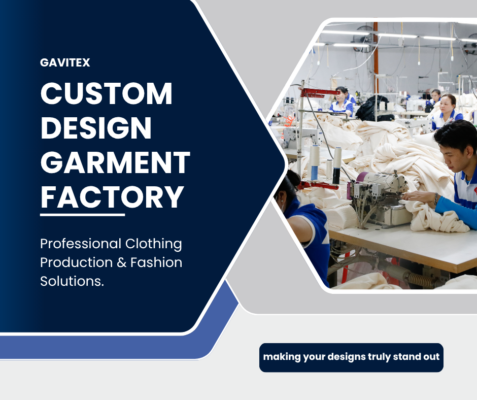
Delve into the intricacies of the apparel contract service process, from initial design concepts to final product delivery.
Essential Factors to Consider Before Signing an Apparel Contract
Before committing to an apparel contract, it’s crucial to conduct thorough due diligence to ensure a successful and mutually beneficial partnership with your chosen apparel contract services provider. Neglecting this essential step can lead to costly mistakes, delays, and ultimately, damage to your brand’s reputation.
One of the most critical factors is the manufacturer’s experience and expertise. Verify their track record in producing similar types of apparel, assess their technical capabilities, and review their quality control processes. Request samples of their previous work and, if possible, visit their facilities to gain a firsthand understanding of their operations. Confirming alignment in these critical aspects will safeguard your brand integrity throughout the apparel manufacturing process.
Secondly, a comprehensive understanding of pricing and payment terms is essential. Obtain a detailed breakdown of all costs involved, including raw materials, labor, manufacturing overhead, shipping, and any applicable taxes or duties. Clearly define payment schedules, milestones, and penalties for late payments or breaches of contract. Establishing transparency in pricing will prevent unexpected financial burdens and promote a healthy working relationship.
Another crucial consideration is intellectual property (IP) protection. Ensure the contract includes robust clauses safeguarding your designs, patterns, and trademarks from unauthorized use or disclosure. Understand the legal framework governing IP rights in Vietnam and confirm that the manufacturer has a proven track record of respecting and protecting IP. Without this safeguard, your unique designs are vulnerable.
Finally, communication and responsiveness are key indicators of a reliable partner. Assess their ability to communicate effectively in your preferred language, their responsiveness to inquiries, and their willingness to address your concerns promptly. A strong communication channel is vital for managing expectations, resolving issues, and ensuring smooth collaboration throughout the apparel contract service process.
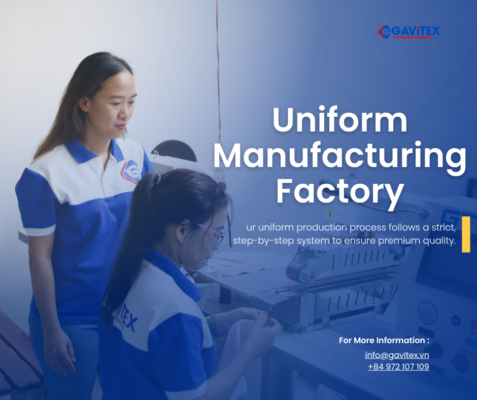
Learn the essential factors to consider before signing an apparel contract, protecting your interests and ensuring a successful partnership.
Common Challenges and Solutions in Apparel Contract Manufacturing
Apparel contract manufacturing, while offering numerous benefits, is not without its challenges; understanding these hurdles and implementing effective solutions is crucial for a successful and profitable partnership. Identifying and addressing these common obstacles proactively can mitigate risks and ensure a smooth production process for overseas buyers and its clients.
One of the most pervasive issues in apparel contract manufacturing is quality control. Maintaining consistent quality standards across large production runs, especially when dealing with intricate designs or specific fabric requirements, can be difficult; to combat this, overseas buyers advocates for establishing clear and detailed quality control protocols from the outset. These protocols should encompass every stage of production, from raw material sourcing and fabric inspection to cutting, sewing, and finishing. Regular inspections, adherence to Acceptable Quality Limits (AQL), and detailed documentation are essential elements of a robust quality control system. Furthermore, investing in training programs for factory staff can significantly improve their understanding of quality expectations and minimize errors.
Another frequent challenge arises from communication barriers. Misunderstandings, delays in responses, and inaccurate information can lead to costly mistakes and missed deadlines; therefore, overseas buyers emphasizes the importance of establishing clear and open communication channels. This involves designating a dedicated point of contact, utilizing project management software for efficient information sharing, and conducting regular meetings to discuss progress, address concerns, and make necessary adjustments. Language barriers can be overcome through the use of translation services or by employing bilingual staff. Proactive communication and a willingness to address concerns promptly are vital for building trust and fostering a strong working relationship.
Production delays pose another significant hurdle. Unexpected events such as raw material shortages, equipment malfunctions, or labor disputes can disrupt the production schedule and impact delivery timelines; to minimize these risks, overseas buyers suggests that businesses should work with manufacturers that have robust contingency plans in place. These plans should include alternative sourcing options for raw materials, backup equipment, and strategies for managing labor disruptions. Regular monitoring of the production process, proactive identification of potential delays, and transparent communication with clients are crucial for managing expectations and mitigating the impact of unforeseen circumstances. Implementing lean manufacturing principles can also help to streamline production processes and reduce waste, thereby minimizing the risk of delays.
Finally, intellectual property protection is a paramount concern. Sharing designs and technical specifications with a third-party manufacturer inherently carries the risk of unauthorized use or disclosure; to address this concern, overseas buyers recommends implementing strong intellectual property protection measures. This includes signing Non-Disclosure Agreements (NDAs) and manufacturing agreements that clearly define ownership rights and prohibit the manufacturer from using the designs for any purpose other than fulfilling the contract. Regular monitoring of the market for potential infringements and legal recourse options in case of unauthorized use are also essential aspects of protecting intellectual property.
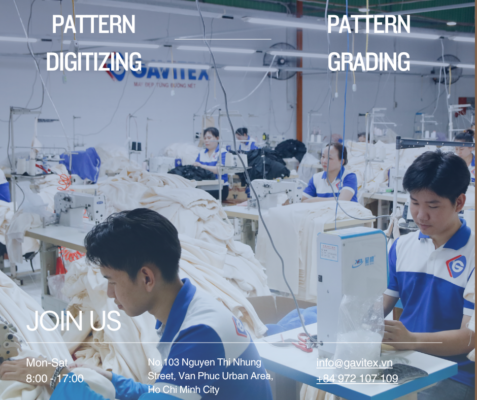
Navigate the complexities of apparel contract manufacturing by understanding common challenges and discovering effective solutions.
Vietnam Biz Rep supports overseas buyers with garment supplier search, factory verification, sample coordination, production follow-up, and quality inspection in Vietnam. Learn more on our clothing sourcing agent page or visit Vietnam sourcing agent for our full range of services. Contact Vietnam Biz Rep to discuss your sourcing requirements.
