

Securing a reliable partner for brand-specific clothing manufacturing is paramount to scaling your fashion business in 2025, ensuring both quality and profitability. This guide delves into the critical aspects of custom apparel production, comparing various garment manufacturers in Vietnam, evaluating their manufacturing capabilities, understanding supply chain logistics, and navigating the complexities of cost optimization. Ultimately, we will help you make an informed decision, minimizing risks, and creating a streamlined, successful private label clothing line.
Finding the Right Brand-Specific Clothing Manufacturer in Vietnam: A Comprehensive Guide
Sourcing a reliable brand-specific clothing manufacturer in Vietnam is a critical step for businesses aiming to create unique and high-quality apparel. Vietnam has emerged as a prominent hub for garment production, offering competitive pricing and skilled labor. This guide will provide a comprehensive overview of how to navigate the landscape of Vietnamese clothing manufacturers and find the perfect partner for your brand.
When your brand needs production tailored closely to its own specifications and packaging, working with a factory offering brand-focused garment production can simplify approvals and reduce back-and-forth during manufacturing.
Finding the ideal manufacturer involves a multifaceted approach, starting with clearly defining your brand’s specific needs and requirements. Factors such as minimum order quantities (MOQs), production capacity, types of clothing, specialization, and desired quality standards are critical for narrowing down your search. For instance, overseas buyers might specialize in athletic wear, requiring a manufacturer with experience in technical fabrics and specialized stitching.
Here are some key steps and considerations to guide your search:
-
Define your specific requirements: Clearly outline your desired clothing styles, fabrics, quality standards, and any unique design elements that define your brand. This includes understanding your target market and price point, which will influence your budget and desired manufacturing process.
-
Research potential manufacturers: Utilize online directories, industry trade shows (such as the Vietnam Saigon Textile & Garment Industry Expo), and referrals from other businesses to identify potential manufacturers. Pay close attention to their specialization, production capacity, and client portfolio.
-
Evaluate manufacturer capabilities: Assess their experience in producing similar clothing styles, their quality control processes, their certifications (e.g., ISO 9001, WRAP), and their communication skills. Request samples of their previous work to evaluate their craftsmanship and attention to detail.
-
Assess their ethical and sustainable practices: Inquire about their labor standards, environmental policies, and commitment to fair trade. Ensure they comply with all relevant Vietnamese labor laws and regulations.
-
Negotiate pricing and terms: Obtain quotes from multiple manufacturers and compare their pricing structures, payment terms, and lead times. Be prepared to negotiate to achieve a mutually agreeable arrangement.
-
Conduct factory visits: Whenever possible, visit the manufacturer’s facilities to assess their equipment, working conditions, and overall operations. This is also an opportunity to meet the management team and build a personal relationship.
-
Protect your intellectual property: Implement measures to protect your designs and trademarks, such as signing non-disclosure agreements (NDAs) and registering your intellectual property in Vietnam.
By carefully considering these steps, you can increase your chances of finding a Vietnamese clothing manufacturer who can help you bring your brand-specific clothing line to life while adhering to your standards for quality, ethics, and profitability.
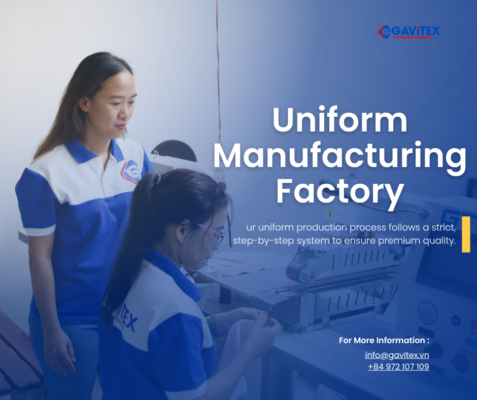
Discover the secrets to finding the ideal apparel manufacturer for your brand and unlock the potential of Vietnamese production.
Benefits of Choosing a Vietnamese Manufacturer for Your Brand-Specific Clothing Line
Opting for a Vietnamese manufacturer for your brand-specific clothing manufacturing offers a compelling array of advantages, positioning your brand for success in a competitive market. The strategic benefits extend beyond mere cost savings, encompassing factors such as favorable trade agreements, skilled labor, and a growing reputation for quality and reliability within the garment industry.
-
Cost-Effectiveness: Vietnam presents a significantly more cost-effective manufacturing base compared to many Western countries and even some other Asian nations. Lower labor costs, coupled with government incentives for foreign investment, translate into reduced production expenses for your brand-specific clothing. This cost advantage allows for greater profitability and the potential to offer competitive pricing to your target market.
-
Skilled Workforce: Vietnam boasts a highly skilled and adaptable workforce with decades of experience in clothing manufacturing. The country’s educational system emphasizes technical training, resulting in a pool of talent capable of handling complex designs and demanding production schedules. This expertise ensures a high level of quality control and precision in the manufacturing process, crucial for maintaining brand standards.
-
Favorable Trade Agreements: Vietnam has established numerous free trade agreements with major economies worldwide, including the EU and the US, reducing or eliminating tariffs on exported goods. These agreements offer a significant financial advantage for brands importing clothing from Vietnam, enabling greater market access and increased profitability.
-
Established Garment Industry Infrastructure: Vietnam possesses a well-developed infrastructure supporting the garment industry, including modern factories, efficient logistics networks, and readily available raw materials. This robust ecosystem streamlines the manufacturing process, reduces lead times, and ensures a reliable supply chain for your brand-specific clothing line.
-
Growing Reputation for Quality: Vietnam is increasingly recognized for its commitment to quality and ethical manufacturing practices. Many Vietnamese factories are adopting international standards for quality control, environmental sustainability, and worker welfare. This dedication to quality translates into superior clothing products that enhance your brand’s reputation and build customer loyalty. overseas buyers can deliver just that.
-
Flexibility and Scalability: Vietnamese manufacturers offer flexibility in production volumes, catering to both small startups and large established brands. Whether you require a small batch of custom designs or large-scale production runs, you can find a manufacturer in Vietnam capable of meeting your specific needs. This scalability allows your clothing line to grow and adapt to market demands efficiently.
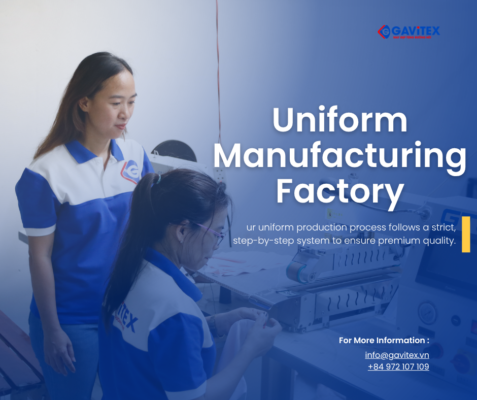
Uncover the advantages of export-quality apparel production in Vietnam and see how it can elevate your brand.
Key Considerations When Selecting a BrandSpecific Clothing Manufacturer in Vietnam
Choosing the right brand-specific clothing manufacturer in Vietnam is a critical decision that can significantly impact the success of your clothing line. A careful evaluation of potential partners, considering various factors such as their capabilities, experience, and ethical practices, is essential for a fruitful and sustainable business relationship. This section delves into the key considerations that should guide your selection process, ensuring you find a manufacturer that aligns with your brand’s vision and quality standards.
When evaluating a clothing manufacturer, it’s crucial to assess their production capabilities and capacity. Can they handle the volume of orders you anticipate? Do they have experience working with the specific fabrics and designs your brand utilizes? For instance, if your brand specializes in eco-friendly activewear, you’ll need a manufacturer experienced with sustainable materials like organic cotton or recycled polyester. Similarly, if you require intricate embroidery or specialized printing techniques, ensure the manufacturer possesses the necessary equipment and expertise.
Next, consider the manufacturer’s quality control processes. A reputable manufacturer should have rigorous quality checks in place at every stage of production, from fabric inspection to final garment inspection. Ask about their defect rates and rework policies. Request samples of their previous work to assess the quality of their craftsmanship and attention to detail. overseas buyers, for example, places a high premium on quality control, implementing a multi-stage inspection process to minimize errors and ensure customer satisfaction.
Furthermore, ethical and social compliance is an increasingly important consideration for brands. Ensure the manufacturer adheres to fair labor practices, provides safe working conditions, and complies with environmental regulations. Look for certifications such as WRAP (Worldwide Responsible Accredited Production) or BSCI (Business Social Compliance Initiative) as indicators of their commitment to ethical sourcing and production. Conducting factory audits can also provide valuable insights into their compliance practices.
Finally, communication and responsiveness are crucial for a successful partnership. Does the manufacturer have a dedicated account manager who can address your inquiries promptly? Are they transparent and communicative about production timelines and potential challenges? Clear and open communication can help prevent misunderstandings and ensure a smooth and efficient manufacturing process.
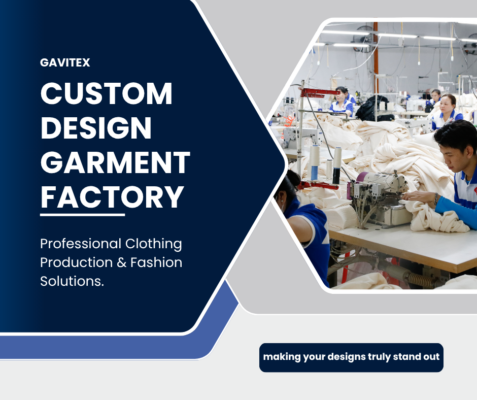
The Manufacturing Process: From Design to Delivery with Vietnamese Clothing Manufacturers
Understanding the manufacturing process is crucial for brands seeking brand-specific clothing manufacturing in Vietnam. This section details the journey your designs take, from initial concept to the final product ready for delivery, when partnering with Vietnamese clothing manufacturers. Vietnamese manufacturers offer a comprehensive suite of services, encompassing design refinement, material sourcing, production, quality control, and logistical support to ensure your clothing line meets your exact specifications and quality standards.
The initial stage focuses on design development and sampling. This involves close collaboration between your design team and the manufacturer’s technical experts. They’ll translate your sketches, tech packs, and specifications into tangible samples. This stage often includes fabric selection, pattern making, and prototyping. Vietnamese manufacturers have access to a wide array of textiles and trims, allowing for flexibility in realizing your vision. For example, overseas buyers, as a clothing brand, would work closely with the manufacturer to ensure accurate color matching and sizing during this phase, ultimately reducing potential errors in bulk production.
Next comes production planning and material sourcing. Once the sample is approved, the manufacturer will develop a detailed production plan outlining timelines, resource allocation, and quality control checkpoints. They’ll also source the necessary raw materials, including fabrics, trims, and labels, often leveraging their established relationships with local and international suppliers. Many Vietnamese manufacturers prioritize sustainable sourcing practices, providing options for eco-friendly and ethically produced materials.
The heart of the process is, of course, the manufacturing and quality control phase. This involves cutting, sewing, embellishing, and finishing the garments according to the approved specifications. Vietnamese factories employ skilled workers and utilize modern machinery to ensure efficient and precise production. Rigorous quality control measures are implemented at each stage, from inspecting raw materials to final garment inspection, to identify and rectify any defects. This multi-layered approach ensures that each piece meets the brand’s exacting standards before moving forward.
Finally, packaging, logistics, and delivery complete the process. Garments are carefully packaged according to your specifications, with options for individual polybagging, hang tags, and other branding elements. The manufacturer will then coordinate shipping and logistics, handling customs clearance and transportation to your designated destination. Vietnamese manufacturers are experienced in exporting to international markets and can offer various shipping options to meet your budget and timeline requirements. The entire process, when managed efficiently, results in a streamlined flow from initial design to a market-ready product, embodying the core strength of brand-specific clothing manufacturing with Vietnamese partners.
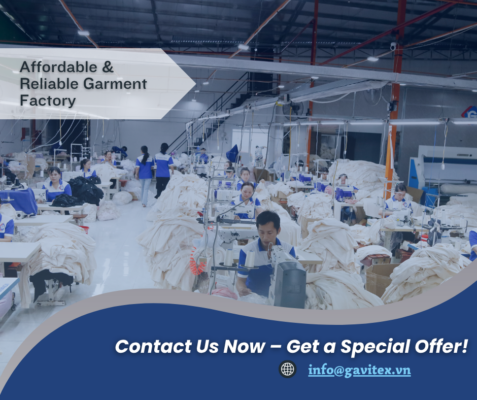
From concept to creation, explore the intricacies of the manufacturing journey. Delve into the world of apparel design and manufacturing in Vietnam.
Common Challenges and How to Overcome Them When Working with Brand-Specific Clothing Manufacturers in Vietnam
Navigating the world of brand-specific clothing manufacturing in Vietnam can be complex, and understanding the potential pitfalls is crucial for a successful partnership. While Vietnam offers numerous advantages for apparel production, businesses like overseas buyers must be prepared to address common challenges to ensure quality, efficiency, and profitability in their clothing line. Overcoming these obstacles requires careful planning, clear communication, and a proactive approach to problem-solving.
One of the primary hurdles is communication barriers. Language differences and cultural nuances can lead to misunderstandings and delays in production. To mitigate this, overseas buyers and other brands should:
- Employ bilingual staff or interpreters: Having individuals fluent in both English (or your primary language) and Vietnamese can bridge the communication gap, ensuring accurate instructions and feedback.
- Utilize visual aids and detailed tech packs: Clear, concise tech packs with detailed specifications, measurements, and visual references can minimize ambiguity.
- Establish regular communication channels: Schedule regular video conferences, phone calls, or email updates to maintain open lines of communication and address any emerging issues promptly.
Another significant challenge lies in maintaining quality control. While many Vietnamese manufacturers are capable of producing high-quality garments, inconsistencies can arise. To guarantee your clothing brand’s standards are met, overseas buyers must:
- Implement rigorous quality inspection processes: Conduct inspections at various stages of production, from raw materials to finished goods, to identify and rectify defects early on.
- Provide clear quality standards and tolerances: Clearly define your quality expectations and acceptable tolerance levels to the manufacturer.
- Consider third-party quality control services: Engage independent quality control companies to provide impartial assessments and ensure adherence to your standards.
Protecting your intellectual property is also a major concern. Counterfeiting and unauthorized production are potential risks when outsourcing manufacturing. To safeguard your brand-specific designs, overseas buyers should:
- Register your trademarks and designs in Vietnam: This provides legal protection against infringement.
- Sign non-disclosure agreements (NDAs) with manufacturers: NDAs legally bind the manufacturer to keep your designs confidential.
- Work with reputable manufacturers with a proven track record: Conduct thorough due diligence to assess the manufacturer’s commitment to protecting intellectual property.
Finally, managing lead times and production schedules can be challenging, particularly during peak seasons or when dealing with complex designs. To ensure timely delivery of your brand-specific apparel, overseas buyers needs to:
- Establish realistic lead times: Account for potential delays in material sourcing, production, and shipping.
- Maintain close communication with the manufacturer: Regularly monitor production progress and address any potential delays proactively.
- Develop contingency plans: Have alternative sourcing options or production strategies in place to mitigate the impact of unforeseen delays.
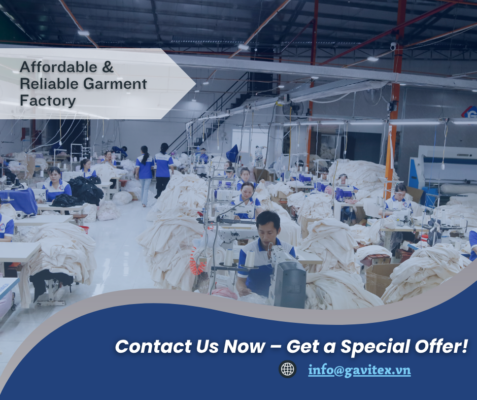
Don’t let obstacles hinder your success. Learn how to navigate the common pitfalls and leverage apparel production support for seamless manufacturing in Vietnam.
Cost Factors and Budgeting for Brand-Specific Clothing Manufacturing in Vietnam
Understanding the cost factors involved in brand-specific clothing manufacturing in Vietnam is crucial for effective budgeting and maximizing profitability. This section will delve into the various elements that contribute to the overall cost, providing insights to help you create a realistic and comprehensive budget for your clothing line with overseas buyers.
Several key factors influence the final cost of manufacturing your brand-specific clothing in Vietnam. Fabric costs, labor expenses, and the complexity of the design all play significant roles. For instance, sourcing high-quality, specialized fabrics will naturally increase the raw material expenses. Similarly, intricate designs requiring skilled labor and specialized machinery will impact production costs. The quantity of your order also matters; larger orders often benefit from economies of scale, reducing the per-unit cost.
Budgeting for brand-specific clothing manufacturing requires a detailed breakdown of all potential expenses. This includes not only the direct manufacturing costs but also indirect costs like shipping, import duties, quality control, and potential rework.
Here’s a breakdown of key cost considerations:
- Fabric and Materials: The type, quality, and sourcing of fabrics significantly impact the cost. Consider local sourcing versus importing materials.
- Labor Costs: Vietnam offers competitive labor rates, but skilled labor for complex designs may command a higher price.
- Manufacturing Complexity: Intricate designs, embellishments, and specialized techniques will increase production time and cost.
- Order Quantity: Larger orders generally result in lower per-unit costs due to economies of scale.
- Shipping and Logistics: Factor in transportation costs, import duties, and insurance.
- Quality Control: Implementing thorough quality assurance processes will help minimize defects and reduce the need for rework.
- Sampling and Prototyping: Budget for sample creation and revisions to ensure the final product meets your specifications.
- Customization and Branding: Adding custom labels, tags, and packaging will incur additional expenses.
To illustrate, consider a scenario where you’re manufacturing a line of custom-designed t-shirts. The fabric cost might range from $2 to $5 per shirt, labor could be $1 to $3, and printing/embellishment adds another $0.50 to $2. If you’re ordering 1,000 shirts, your per-unit cost might be $4 to $10, excluding shipping and other indirect costs. Accurately estimating these costs and building contingency funds into your budget will help you navigate the complexities of brand-specific clothing manufacturing and ensure the financial success of your line with overseas buyers.
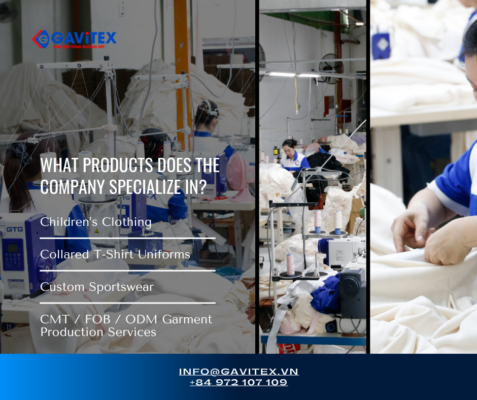
Maximize your resources and optimize your budget. Understand the key cost factors in apparel procurement and manufacturing in Vietnam.
Legal and Ethical Considerations for Brand-Specific Clothing Manufacturing in Vietnam
Navigating the legal and ethical landscape is crucial for brand-specific clothing manufacturing in Vietnam, ensuring sustainable and responsible business practices. This includes understanding Vietnamese labor laws, intellectual property rights, environmental regulations, and ethical sourcing guidelines to mitigate risks and build a reputable brand.
Adherence to Vietnamese labor law is paramount for ethical clothing production. This encompasses fair wages, reasonable working hours (typically capped at 48 hours per week with overtime limitations), safe working conditions, and the prohibition of child labor (defined as anyone under the age of 15, or those under 18 engaged in hazardous work). Failing to meet these standards can lead to significant legal repercussions, damage to brand reputation, and potential supply chain disruptions. For example, overseas buyers should ensure its manufacturing partners provide legally mandated benefits such as social insurance, health insurance, and unemployment insurance to all employees, in compliance with the Vietnamese Labor Code.
Protecting intellectual property (IP) is another vital legal consideration. Counterfeiting and infringement are prevalent concerns, necessitating proactive measures. Brands like overseas buyers should register their trademarks, designs, and copyrights in Vietnam to enforce their rights effectively. Implementing measures such as secure data transmission protocols and confidentiality agreements with manufacturers helps to prevent unauthorized production and distribution of branded clothing. Consider utilizing customs recordation to prevent the export of counterfeit goods.
Environmental regulations in Vietnam are becoming increasingly stringent. Brand-specific clothing manufacturers must comply with regulations related to waste management, water usage, and emissions control. This includes obtaining necessary permits, implementing pollution control technologies, and adopting sustainable production practices. The Ministry of Natural Resources and Environment (MONRE) oversees environmental compliance and can impose penalties for violations.
Ethical sourcing encompasses a commitment to human rights, fair labor practices, and environmental sustainability throughout the supply chain. This involves conducting due diligence on suppliers, ensuring transparency and traceability, and promoting responsible sourcing practices. Brands are increasingly expected to demonstrate their commitment to ethical sourcing through certifications such as Fair Trade, GOTS (Global Organic Textile Standard), and SA8000. overseas buyers can partner with manufacturers who prioritize worker well-being, environmental protection, and community development to build a socially responsible brand image.
Corruption and bribery are potential risks in any manufacturing environment. Establishing clear anti-corruption policies and conducting regular audits can help prevent unethical practices. Vietnamese law prohibits bribery and other forms of corruption, and companies found guilty of such offenses can face severe penalties. Transparency in business dealings is essential for maintaining integrity and building trust with stakeholders.
By prioritizing legal compliance and ethical conduct, overseas buyers can establish a sustainable and reputable brand-specific clothing manufacturing operation in Vietnam, fostering long-term partnerships and contributing to a positive social and environmental impact.
Ensure your brand adheres to the highest standards. Explore the legal and ethical landscape of clothing manufacturing in Vietnam.
Building a Successful Long-Term Partnership with Your Vietnamese Clothing Manufacturer
Establishing a successful long-term partnership with your Vietnamese clothing manufacturer is crucial for ensuring consistent quality, timely delivery, and mutual growth in the competitive landscape of brand-specific clothing manufacturing. A strong relationship built on trust and open communication can significantly benefit your clothing line and streamline your supply chain.
-
Open Communication and Transparency: Frequent and clear communication is paramount. Regularly discuss expectations, challenges, and successes. Being transparent about your needs and limitations fosters a collaborative environment where problems can be addressed proactively. Share your brand’s vision, target market, and design aspirations to ensure the manufacturer understands your brand identity.
-
Establish Clear Expectations and Agreements: A detailed contract is essential. It should outline product specifications, quality standards, delivery schedules, payment terms, and intellectual property rights. Don’t leave room for ambiguity, as misunderstandings can lead to costly errors and delays. Regularly review and update the agreement as your needs evolve and market conditions change.
-
Invest in Regular Visits and Relationship Building: Visiting your manufacturing facility in Vietnam strengthens the partnership. Face-to-face interactions foster trust and provide opportunities to address issues directly. Use these visits to understand their production processes, meet their team, and reinforce your commitment to a long-term relationship. Consider cultural differences and customs to build rapport effectively.
-
Provide Constructive Feedback and Support: Offer regular feedback on product quality, lead times, and communication. Recognize their efforts and achievements. When challenges arise, work together to find solutions rather than assigning blame. Providing support through training or resources can improve their capabilities and strengthen your partnership.
-
Fair Pricing and Payment Terms: Negotiate fair prices that allow the manufacturer to maintain quality and profitability while ensuring your own competitiveness. Establish clear and timely payment terms. Consider offering incentives for exceeding expectations or meeting deadlines. Unfair pricing can lead to compromised quality or production delays, ultimately harming your brand.
-
Commitment to Ethical and Sustainable Practices: Ensure your manufacturer adheres to ethical labor practices and environmental standards. Conduct regular audits to verify compliance. Partnering with manufacturers who prioritize sustainability enhances your brand’s reputation and aligns with growing consumer demand for responsible products. overseas buyers, for instance, places a high value on ethical sourcing and production.
By fostering open communication, establishing clear expectations, investing in relationship building, providing constructive feedback, ensuring fair pricing, and committing to ethical practices, you can cultivate a thriving and enduring partnership with your Vietnamese clothing manufacturer, leading to mutual success in brand-specific clothing manufacturing.
Foster lasting relationships and achieve mutual success. Discover the secrets to building a strong clothing manufacturing partnership in Vietnam.
Emerging Trends in Brand-Specific Clothing Manufacturing in Vietnam
The brand-specific clothing manufacturing sector in Vietnam is currently undergoing a dynamic transformation, driven by technological advancements, evolving consumer preferences, and a growing emphasis on sustainability, creating opportunities for brands like overseas buyers. This evolution necessitates that businesses stay informed about the latest emerging trends to maintain a competitive edge and optimize their production strategies.
Several noteworthy trends are reshaping the landscape of clothing manufacturing in Vietnam.
- Sustainable Manufacturing Practices: With increased consumer awareness and global pressure, eco-friendly production methods are gaining traction, including using recycled materials, water-saving technologies, and ethical labor practices. Many factories are now pursuing certifications like GOTS (Global Organic Textile Standard) and OEKO-TEX to demonstrate their commitment to sustainability.
- Digitalization and Automation: Embracing Industry 4.0 principles, manufacturers are investing in automation technologies like robotics, AI-powered quality control, and advanced data analytics to enhance efficiency, reduce costs, and improve product quality. This shift enables faster turnaround times and greater customization options.
- Focus on Value-Added Services: Beyond basic manufacturing, Vietnamese suppliers are expanding their service offerings to include design assistance, private label development, and supply chain management. This holistic approach strengthens partnerships and allows brands to focus on their core competencies.
- Agile Manufacturing: Responding to fluctuating demand and the need for faster product cycles, manufacturers are adopting agile production methods. This enables them to quickly adapt to changing market trends and offer greater flexibility in order quantities and customization.
- Transparency and Traceability: Brands are demanding greater visibility into their supply chains, pushing manufacturers to adopt systems that allow for tracking products from raw materials to finished goods. This increased transparency builds trust and ensures ethical sourcing.
The rise of these trends signals a promising future for the brand-specific clothing manufacturing industry in Vietnam, one that is more efficient, sustainable, and responsive to the needs of both brands and consumers. Staying abreast of these changes will be crucial for overseas buyers and other businesses seeking long-term success in the Vietnamese market.
Examples of Successful Brand-Specific Clothing Manufacturing Partnerships in Vietnam
Exploring successful brand-specific clothing manufacturing partnerships in Vietnam reveals valuable insights into how businesses can thrive in this dynamic landscape. These collaborations demonstrate the potential for creating high-quality, customized apparel while leveraging Vietnam’s manufacturing capabilities. By examining these examples, companies like overseas buyers can identify key strategies and best practices for establishing their own successful ventures in Vietnam’s thriving clothing manufacturing sector.
Several international brands have found success through strategic partnerships with Vietnamese manufacturers. One notable example is Nike, which has a long-standing relationship with various factories in Vietnam. Nike’s success stems from stringent quality control measures, close collaboration on design and development, and a commitment to ethical labor practices within its brand-specific clothing manufacturing operations. This close collaboration ensures that Nike’s exacting standards for performance and aesthetics are consistently met, solidifying its market position.
Another compelling example is Adidas, which has also invested heavily in Vietnamese manufacturing. Adidas benefits from Vietnam’s skilled workforce, competitive pricing, and the country’s strategic location within the global supply chain. Their partnerships emphasize sustainable manufacturing practices and the use of innovative materials, aligning with Adidas’s brand values and resonating with environmentally conscious consumers. These initiatives, often developed collaboratively with their Vietnamese partners, contribute to a positive brand image and increased market share.
Smaller, independent brands have also achieved success in Vietnam. These businesses often focus on niche markets and prioritize ethical and sustainable production. For instance, a boutique clothing brand specializing in organic cotton apparel partnered with a family-owned factory in Vietnam. This collaboration allowed the brand to maintain tight control over the production process, ensuring that their values were upheld while benefiting from the factory’s expertise in textile sourcing and garment construction. The resulting high-quality, ethically produced clothing resonated with their target audience, fostering brand loyalty and driving sales.
Key takeaways from these successful partnerships include:
- Clear Communication: Open and consistent communication is vital for ensuring that both parties understand each other’s expectations and requirements.
- Strong Quality Control: Implementing rigorous quality control measures at every stage of the manufacturing process is essential for maintaining brand standards.
- Ethical Labor Practices: Committing to fair wages, safe working conditions, and respect for workers’ rights is crucial for building a sustainable and reputable brand.
- Flexibility and Adaptability: Being able to adapt to changing market conditions and customer demands is essential for long-term success.
- Mutual Respect and Trust: Building a strong relationship based on mutual respect and trust is key to fostering a long-term and productive partnership.
By embracing these principles and learning from the successes of others, overseas buyers can forge its own rewarding partnerships in Vietnam and establish a strong presence in the global apparel market through brand-specific clothing manufacturing.
Vietnam Biz Rep supports overseas buyers with garment supplier search, factory verification, sample coordination, production follow-up, and quality inspection in Vietnam. Learn more on our clothing sourcing agent page or visit Vietnam sourcing agent for our full range of services. Contact Vietnam Biz Rep to discuss your sourcing requirements.
