

B2B clothing production is the backbone of any successful apparel brand, and understanding its intricacies is crucial for scaling your business in 2025. This guide dives deep into navigating the complexities of garment manufacturers in Vietnam, exploring key aspects like sourcing fabrics, optimizing production costs, ensuring quality control, and establishing robust supply chain management. Discover how to find reliable clothing manufacturers, leverage private label clothing opportunities, and streamline your custom clothing manufacturing processes for maximum efficiency and profitability. Whether you’re a seasoned entrepreneur or just starting your apparel line, this article provides actionable strategies to optimize your B2B clothing production and achieve sustainable growth.
Finding the right B2B clothing manufacturer in Vietnam is crucial for businesses seeking reliable and cost-effective apparel production. This comprehensive guide provides a step-by-step approach to navigating the Vietnamese garment industry, ensuring you find a partner that aligns with your specific needs and brand values. Whether you’re a startup or an established brand, understanding the nuances of B2B clothing production in Vietnam is key to success.
Vietnam has emerged as a significant hub for apparel sourcing, offering competitive pricing, skilled labor, and a growing commitment to quality and sustainability. However, the vastness of the market requires a strategic approach. This guide will equip you with the knowledge to identify, evaluate, and build lasting relationships with Vietnamese clothing manufacturers.
To begin your search effectively, define your specific requirements. Consider factors such as:
- Minimum order quantities (MOQs): What is the smallest order size you can place?
- Product specialization: Does the manufacturer specialize in the type of clothing you need (e.g., sportswear, knitwear, denim)?
- Price point: What is your target budget per unit?
- Quality expectations: What level of quality control do you require?
- Compliance standards: What certifications and ethical practices are essential?
Once you have a clear understanding of your needs, you can begin exploring potential manufacturing partners through online directories, trade shows, and sourcing agents. Vietnam Biz Rep, with its extensive network and expertise in Vietnamese garment production, can assist you in this process, ensuring you connect with manufacturers that meet your specific criteria.
Remember that building a successful B2B relationship requires thorough due diligence. Don’t hesitate to ask potential manufacturers for references, visit their facilities (if possible), and request samples to assess their capabilities and quality standards. By taking a proactive and informed approach, you can confidently navigate the Vietnamese garment industry and find the ideal partner to support your clothing production needs.
Key Considerations When Choosing a B2B Clothing Production Partner in Vietnam
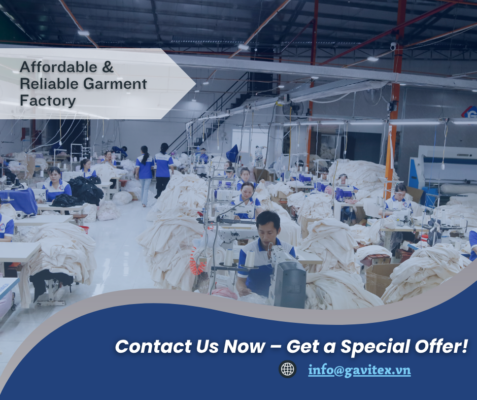
Selecting the right B2B clothing manufacturer in Vietnam is a critical decision that significantly impacts your brand’s success, demanding careful consideration of several factors. Finding a reliable clothing production partner involves more than just comparing prices; it requires a holistic assessment of their capabilities, ethical standards, and communication proficiency to ensure a mutually beneficial and lasting relationship for your B2B clothing production needs. Buyers weighing multiple options may also want our broader guide to sourcing garment suppliers in Vietnam.
Experience and Expertise:
A manufacturer’s experience directly translates to their ability to handle complex projects and deliver high-quality products consistently. Look for manufacturers with a proven track record in producing similar clothing items to yours. Inquire about their past projects, the types of fabrics they have worked with, and their familiarity with different garment construction techniques. A wealth of experience minimizes the learning curve and potential errors, ensuring a smoother production process.
Production Capacity and Capabilities:
Understanding a manufacturer’s production capacity is crucial to ensure they can meet your demands without compromising quality or delivery timelines. Assess their machinery, workforce size, and overall factory infrastructure. Can they handle bulk orders efficiently? Do they have the capabilities to accommodate your specific design requirements, including specialized printing, embroidery, or embellishment techniques? A capable manufacturer should demonstrate the ability to scale production in line with your business growth.
Quality Control Standards:
Stringent quality control is paramount in B2B clothing production. A reputable manufacturer will have clearly defined quality control procedures at every stage of the production process, from fabric inspection to final garment assessment. Request information about their quality control protocols, the certifications they hold (e.g., ISO 9001), and their willingness to implement your specific quality standards. Consistent quality is essential for maintaining brand reputation and customer satisfaction.
Ethical and Sustainable Practices:
In today’s market, ethical and sustainable practices are increasingly important to consumers. Partner with manufacturers who prioritize fair labor practices, safe working conditions, and environmentally responsible production methods. Inquire about their commitment to fair wages, worker welfare, and environmental protection. Certifications like WRAP, BSCI, and Oeko-Tex can provide assurance of their ethical and sustainable commitment. overseas buyers prioritize these practices, building trust with conscious customers.
Communication and Responsiveness:
Effective communication is vital for a successful B2B partnership. Your chosen manufacturer should be responsive to your inquiries, proactive in providing updates, and clear in their communication style. Consider language proficiency, time zone differences, and the availability of dedicated project managers. A reliable manufacturer will prioritize open communication, addressing concerns promptly and fostering a collaborative working relationship.
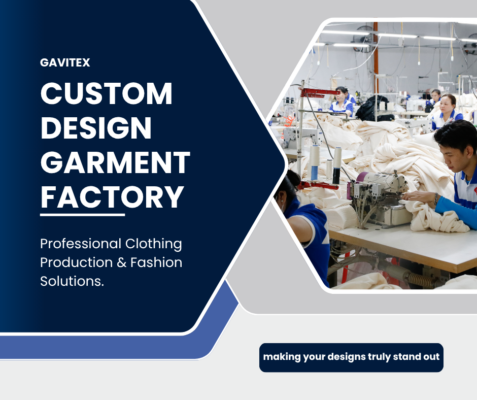
Ready to choose the best partner? Uncover essential elements for successful apparel production in Vietnam.
Navigating the B2B Clothing Production Process in Vietnam: From Design to Delivery
Successfully navigating the B2B clothing production process in Vietnam requires a strategic approach, transforming initial concepts into tangible, high-quality garments ready for market. This process, from the first design sketches to the final shipment, involves multiple stages, each demanding careful planning and execution. By understanding the intricacies of each step, businesses can ensure a smooth and efficient production cycle with Vietnamese clothing manufacturers.
-
Initial Consultation and Design Development: The journey commences with a comprehensive consultation between the client and the clothing manufacturer. This stage involves detailed discussions regarding design specifications, target market, and budgetary constraints. A crucial aspect is the translation of design ideas into technical specifications that Vietnamese manufacturers can readily understand and implement. This includes providing detailed tech packs that outline everything from measurements and materials to stitching and finishing.
-
Sample Production and Approval: Before full-scale production commences, creating a sample garment is vital. This prototype allows businesses to assess the manufacturer’s capabilities and identify potential issues with the design, fit, or construction. Sample production should be rigorously evaluated, and all necessary adjustments made before the final approval. overseas buyers, for instance, emphasizes the importance of multiple sampling rounds to ensure the final product aligns perfectly with the client’s vision.
-
Fabric Sourcing and Material Selection: Choosing the right fabrics is critical for the quality and appeal of the final product. The textile industry in Vietnam offers a wide range of options, from locally produced cotton and silk to imported synthetic materials. Businesses should collaborate closely with their manufacturers to select materials that meet their specific requirements in terms of cost, durability, and aesthetic appeal. Leveraging local resources and partnerships can often lead to cost-effective material sourcing.
-
Production and Manufacturing: The mass production phase involves cutting, sewing, and assembling garments according to the approved designs and specifications. Effective communication and coordination are essential during this stage to ensure that the production process stays on track. Regular monitoring of production timelines and adherence to quality standards are also critical to prevent delays and maintain consistency.
-
Quality Assurance and Inspection: Maintaining stringent quality control throughout the production process is paramount to delivering high-quality garments. Implementing a multi-stage inspection protocol, from initial material checks to final product inspections, is vital. Identifying and rectifying any defects or inconsistencies before the garments are packaged can save significant time and resources.
-
Packaging and Logistics: The final stage involves packaging and shipping the finished products to their final destination. Careful attention to detail is needed to ensure that the garments are appropriately packaged to prevent damage during transit. Coordinating logistics with reliable shipping partners is also crucial for timely and cost-effective delivery. Understanding customs regulations and import/export requirements can further streamline the delivery process.
By meticulously managing each stage, from initial concept to final delivery, businesses can unlock the full potential of B2B clothing production in Vietnam and establish a reliable supply chain that consistently delivers high-quality garments.
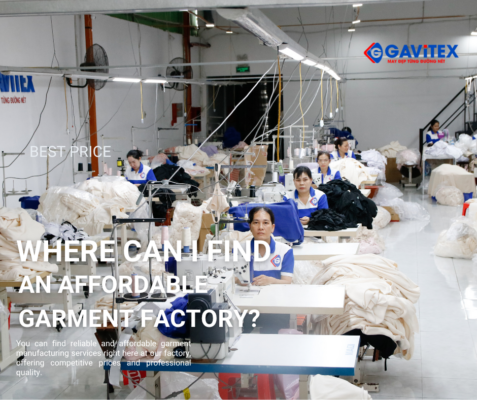
Want a smooth production journey? Get a detailed view of the clothing manufacturing process, from initial designs to final delivery.
Understanding the Vietnamese Garment Industry Landscape for B2B Sourcing
Navigating the complexities of B2B clothing production requires a thorough grasp of the Vietnamese garment industry. This section provides essential insights into the textile and apparel sector in Vietnam, highlighting key manufacturing regions, industry strengths and weaknesses, and emerging trends to empower informed sourcing decisions for your clothing manufacturing needs. Understanding these nuances is crucial for businesses like overseas buyers seeking reliable and cost-effective production partners in Vietnam.
Vietnam’s textile and apparel sector is a cornerstone of its economy, playing a significant role in global B2B clothing production. As a major exporter, the industry boasts a comprehensive supply chain, from raw material sourcing to finished goods, and contributes substantially to the country’s GDP. The sector’s growth is fueled by competitive labor costs, government support, and increasing integration into global trade networks, solidifying Vietnam’s position as a prime destination for garment manufacturing.
Several key manufacturing hubs drive clothing production in Vietnam. These regions offer specialized capabilities and infrastructure that cater to diverse production needs:
- Ho Chi Minh City and surrounding provinces form a major center with established factories and skilled labor, particularly strong in high-fashion apparel.
- Hanoi and the northern provinces are becoming increasingly prominent, offering lower labor costs and specialized expertise in knitwear and outerwear.
- Da Nang and the central region are emerging as alternative sourcing destinations, providing a balance between cost and quality.
The Vietnamese clothing industry presents both strengths and weaknesses for B2B sourcing. Its strengths include competitive pricing, skilled workforce, and increasing adoption of sustainable practices. However, challenges exist in raw material sourcing (reliance on imports), limited design capabilities compared to other countries, and potential for supply chain disruptions. Identifying these factors is crucial for effectively mitigating risks and maximizing the benefits of apparel sourcing in Vietnam.
The B2B clothing production landscape in Vietnam is constantly evolving, presenting new trends and opportunities. Increasing focus on sustainable fashion, adoption of advanced technologies in manufacturing, and growing demand for specialized apparel are driving innovation. By understanding these trends, businesses can proactively adapt their sourcing strategies and leverage Vietnam’s capabilities to meet evolving market demands and gain a competitive edge in the global clothing market.
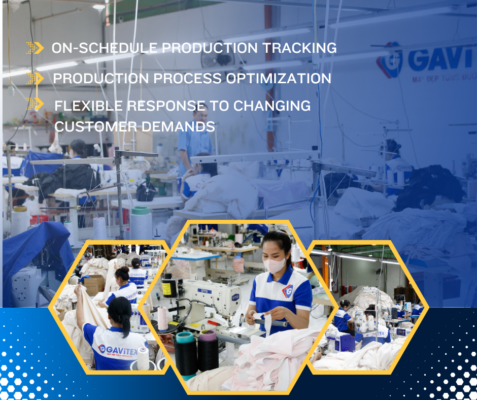
Curious about Vietnam’s garment landscape? Discover vital insights into apparel industry manufacturing for informed sourcing decisions.
Cost-Effective B2B Clothing Production in Vietnam: Strategies for Budget Optimization
Navigating the world of B2B clothing production in Vietnam requires a keen understanding of cost optimization strategies. Achieving cost-effective production without sacrificing quality is crucial for businesses seeking to maximize their profit margins. This section delves into proven methods for streamlining expenses throughout the production cycle, ensuring competitive pricing and sustainable profitability for your clothing line when partnering with Vietnamese manufacturers.
Vietnam’s garment industry offers a compelling blend of skilled labor and favorable production costs, but strategic planning is essential to fully capitalize on these advantages. To achieve optimal pricing, you must negotiate favorable payment terms with the manufacturer, deeply understand production costs and margins, apply different strategies to minimize waste, and utilize local resources and partnerships efficiently.
Negotiating Prices and Payment Terms
Securing competitive pricing with your Vietnamese clothing manufacturer begins with thorough market research to understand prevailing industry rates. Develop a clear understanding of the cost breakdown, including raw materials, labor, and overhead. This knowledge empowers you to negotiate from a position of strength. Consider exploring flexible payment terms such as letter of credit (L/C), documents against payment (D/P), or open account to improve cash flow. Building a strong relationship with your manufacturer can also lead to more favorable pricing in the long run.
Understanding Production Costs and Margins
Transparency in production costs is paramount for effective budget management. Request a detailed cost breakdown from your manufacturer, covering fabric sourcing, cutting, sewing, finishing, and packaging. Analyzing these figures allows you to identify potential areas for savings. Consider offering design modifications that can streamline production or reduce material consumption. By understanding the manufacturer’s profit margins, you can engage in informed negotiations to reach a mutually beneficial agreement.
Minimizing Waste and Improving Efficiency
Waste reduction is a direct path to budget optimization. Work closely with your manufacturer to implement efficient cutting and sewing techniques to minimize fabric waste. Implementing lean manufacturing principles can streamline production processes, reducing cycle times and improving overall efficiency. Encourage the manufacturer to invest in updated machinery and technologies that can enhance productivity and reduce energy consumption.
Leveraging Local Resources and Partnerships
Vietnam boasts a rich ecosystem of local suppliers and service providers. By leveraging these local resources, you can potentially reduce costs associated with sourcing materials and transportation. Explore partnerships with local fabric mills, dyeing facilities, and packaging suppliers to gain access to competitive pricing and shorter lead times. Building strong relationships with these local partners can provide a competitive edge and contribute to long-term cost savings.
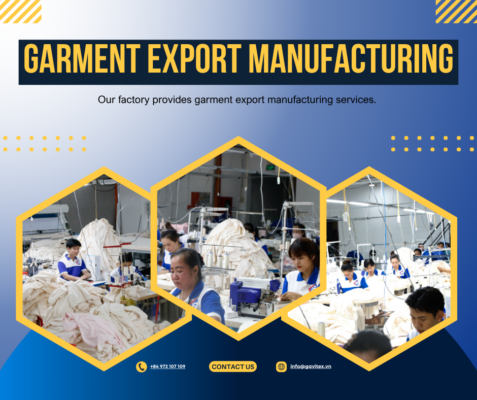
Ensuring Quality and Compliance in B2B Clothing Production in Vietnam
In the realm of B2B clothing production in Vietnam, ensuring quality and compliance is not just a desirable attribute, but a fundamental necessity for building trust and long-term partnerships. This section delves into the critical strategies and procedures for maintaining high standards and adhering to relevant regulations throughout the manufacturing process, ensuring your brand’s reputation remains untarnished. Vietnamese garment factories are increasingly focusing on quality management systems to meet international demands and ethical sourcing standards.
Implementing Quality Control Procedures
Establishing robust quality control procedures is paramount. This entails setting clear quality benchmarks from the initial design stage and meticulously monitoring each step of the production process. Implementing AQL (Acceptable Quality Limit) standards, performing in-line inspections, and conducting final product assessments before shipment are crucial steps. Partnering with a manufacturer that has a dedicated quality control team can significantly reduce the risk of defects and inconsistencies.
Adhering to International Standards and Regulations
Navigating the complex landscape of international standards and regulations is vital for any B2B clothing operation. This includes compliance with standards like ISO 9001 for quality management, REACH regulations concerning chemical substances, and Oeko-Tex Standard 100 for textile safety. Demonstrating commitment to these standards enhances credibility and provides assurance to customers about the safety and environmental impact of your products. Vietnam Biz Rep is committed to supporting partners in meeting these standards.
Conducting Factory Audits and Inspections
Regular factory audits and inspections are essential for verifying that your chosen manufacturer adheres to the agreed-upon standards and ethical practices. Audits should cover aspects such as working conditions, environmental impact, and compliance with labor laws. Independent third-party audits can offer an unbiased assessment and identify areas for improvement, ultimately minimizing risks and promoting transparency.
Verifying Certifications and Compliance Documents
Scrutinizing certifications and compliance documents provides further validation of a manufacturer’s commitment to quality and ethical production. Check for certifications such as SA8000 for social accountability, WRAP (Worldwide Responsible Accredited Production) certification, and BSCI (Business Social Compliance Initiative) membership. Confirming the validity and scope of these certifications ensures that your B2B clothing production partner in Vietnam operates responsibly and ethically.
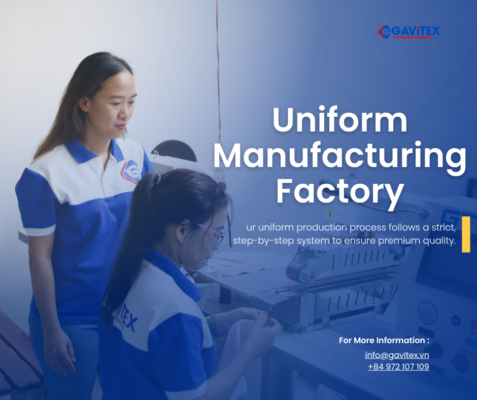
Worried about quality? Learn how to maintain the highest standards with our guide to apparel quality control in Vietnam.
Building a Successful Long-Term Relationship with Your Vietnamese Clothing Manufacturer
Establishing a strong, lasting partnership with your Vietnamese clothing manufacturer is crucial for consistent quality, reliable delivery, and ultimately, the success of your B2B clothing production ventures. This goes beyond simply securing a contract; it involves nurturing a mutually beneficial relationship built on trust, clear communication, and shared goals. A well-maintained partnership unlocks access to better pricing, prioritized production slots, and collaborative innovation, directly impacting your bottom line and market competitiveness.
Establishing Clear Communication Channels
Effective communication is the bedrock of any successful business relationship, and it’s especially vital in cross-cultural collaborations like B2B clothing production in Vietnam. This means establishing clear, consistent, and accessible communication channels from the outset. Designate specific points of contact on both sides, utilizing platforms like email, instant messaging, and video conferencing for regular updates and discussions. Proactively share information regarding forecasts, design changes, or potential challenges, ensuring your manufacturer is always informed and prepared. Consider using project management software to track progress, share documents, and streamline communication further. Regular meetings, even virtual ones, are crucial for fostering open dialogue and addressing any concerns promptly.
Fostering Trust and Transparency
Trust is earned, not given, and transparency is the key to building it. Be upfront and honest about your expectations, needs, and concerns from the very beginning. Share your business goals and values with your manufacturer, demonstrating your commitment to a long-term partnership. In turn, encourage your manufacturer to be transparent about their production processes, capabilities, and any potential challenges they may face. Conduct regular factory visits (when feasible) to gain firsthand insight into their operations and build rapport with their team. Openly discuss pricing structures, material sourcing, and labor practices to foster a sense of mutual understanding and respect. This collaborative approach minimizes misunderstandings and creates a foundation of trust that can withstand challenges.
Providing Regular Feedback and Support
Your Vietnamese clothing manufacturer is an extension of your business, and providing regular feedback and support is essential for continuous improvement. Offer constructive criticism on sample quality, production timelines, and communication effectiveness, focusing on solutions rather than blame. Recognize and appreciate their efforts and contributions, celebrating successes together. Proactively address any concerns or challenges they may raise, offering your support and expertise to find mutually agreeable solutions. Providing training or resources to enhance their capabilities can also strengthen the partnership and improve overall performance. Remember, a supportive relationship fosters a sense of loyalty and encourages your manufacturer to go the extra mile for your business.
Collaborating on Product Development and Innovation
A successful long-term relationship goes beyond simply placing orders; it involves collaboration on product development and innovation. Engage your manufacturer in the design process, soliciting their expertise and insights on fabric selection, construction techniques, and cost-effective solutions. Explore new materials and technologies together, driving innovation and enhancing the competitiveness of your clothing line. Sharing market trends and customer feedback can also help your manufacturer understand your target audience and develop products that meet their needs. This collaborative approach not only strengthens the partnership but also unlocks new opportunities for growth and differentiation.
Avoiding Common Pitfalls in B2B Clothing Production Sourcing in Vietnam
Navigating B2B clothing production sourcing in Vietnam presents lucrative opportunities, but also necessitates careful consideration to avoid potential setbacks. Understanding the landscape and proactively mitigating risks is crucial for a successful and profitable partnership when engaging in apparel manufacturing and textile sourcing within the Vietnamese market.
Successfully sourcing clothing production in Vietnam requires a proactive approach to identifying and avoiding common pitfalls. Here’s a breakdown of potential challenges and mitigation strategies:
-
Language and Cultural Barriers: Miscommunication stemming from language differences and cultural nuances can significantly impact project timelines and quality. Solution: Employ bilingual staff or translators experienced in the garment industry. Invest in cultural sensitivity training for your team to foster better understanding and collaboration with your Vietnamese partners.
-
Intellectual Property Protection: Protecting your designs and proprietary information is paramount. Solution: Establish clear confidentiality agreements (NDAs) with your manufacturers. Register your designs in Vietnam to legally safeguard your intellectual property. Regularly monitor the market for potential infringements.
-
Contractual Agreements and Legal Considerations: Vague or incomplete contracts can lead to disputes and financial losses. Solution: Work with legal professionals familiar with Vietnamese business law to draft comprehensive contracts that clearly define scope of work, payment terms, quality standards, and dispute resolution mechanisms.
-
Supply Chain Disruptions and Risk Management: Unforeseen events such as natural disasters, political instability, or economic fluctuations can disrupt the supply chain. Solution: Diversify your sourcing base and develop contingency plans to address potential disruptions. Consider insurance options to mitigate financial risks associated with supply chain interruptions.
By proactively addressing these challenges, you can minimize risks and foster a successful and sustainable B2B clothing production partnership in Vietnam. Vietnam Biz Rep is committed to providing comprehensive support and guidance to our clients, ensuring a smooth and profitable sourcing experience.
Want to sidestep costly mistakes? Protect your investment with expert advice on apparel sourcing pitfalls to avoid.
The Future of B2B Clothing Production in Vietnam: Sustainability and Innovation
The future of B2B clothing production in Vietnam is inextricably linked to embracing both sustainability and innovation. As global consumer demand shifts towards eco-conscious and ethically produced garments, and as technology rapidly transforms manufacturing processes, Vietnamese manufacturers must adapt to maintain their competitive edge in the global apparel market. This requires a fundamental shift in mindset, moving beyond traditional cost-focused strategies towards a holistic approach that integrates environmental responsibility, social equity, and cutting-edge technology.
Eco-Friendly Materials and Production Methods
The adoption of eco-friendly materials and sustainable production methods is no longer a niche trend but a necessity for Vietnamese clothing manufacturers seeking long-term success.
This includes:
- Sourcing organic cotton, recycled polyester, and other sustainable fibers.
- Implementing water-saving dyeing and finishing techniques.
- Reducing waste through efficient cutting and pattern making.
- Investing in renewable energy sources to power manufacturing facilities.
For example, Vietnam Biz Rep is actively exploring partnerships with local farmers to promote the cultivation of organic cotton, reducing reliance on imported materials and supporting local communities.
Technological Advancements in Garment Manufacturing
Technological advancements are revolutionizing the garment industry, offering Vietnamese manufacturers opportunities to enhance efficiency, improve quality, and reduce costs.
These include:
- Automated cutting and sewing systems.
- 3D printing for sample development and customized production.
- AI-powered quality control and defect detection.
- Digital supply chain management platforms for improved transparency and traceability.
Embracing these technologies will enable Vietnamese manufacturers to streamline their operations, shorten lead times, and cater to the growing demand for personalized and on-demand apparel.
Social Responsibility and Fair Labor Practices
Social responsibility and fair labor practices are increasingly important considerations for B2B buyers when sourcing clothing. Vietnamese manufacturers must prioritize worker well-being, ensure safe working conditions, and provide fair wages and benefits.
This involves:
- Adhering to international labor standards and certifications.
- Investing in worker training and development programs.
- Promoting gender equality and diversity in the workplace.
- Establishing transparent grievance mechanisms and worker representation.
By prioritizing social responsibility, Vietnamese manufacturers can build trust with buyers, enhance their brand reputation, and attract and retain skilled workers.
Adaptability and Resilience in a Changing Global Market
The global apparel market is constantly evolving, and Vietnamese manufacturers must demonstrate adaptability and resilience to navigate challenges and capitalize on new opportunities. This includes:
- Diversifying product offerings and targeting new markets.
- Building strong relationships with suppliers and customers.
- Investing in research and development to stay ahead of the curve.
- Developing robust risk management strategies to mitigate supply chain disruptions.
For example, the recent COVID-19 pandemic highlighted the importance of supply chain diversification, prompting many Vietnamese manufacturers to explore alternative sourcing options and invest in domestic production capabilities.
Eager to see what’s next? Explore the future of apparel production with a focus on sustainability and innovation.
Resources for Finding and Evaluating B2B Clothing Manufacturers in Vietnam
Finding reliable B2B clothing manufacturers in Vietnam is crucial for businesses looking to source high-quality apparel at competitive prices. This section provides a comprehensive overview of the various resources available to identify and assess potential production partners, enabling informed decisions and fostering successful collaborations in the Vietnamese garment industry. Utilizing these resources effectively can streamline the sourcing process and mitigate risks associated with overseas clothing production.
Online Directories and Platforms
Online directories and B2B platforms serve as valuable starting points in your search for clothing manufacturers. Platforms like Alibaba, Global Sources, and Made-in-China list numerous Vietnamese suppliers, offering a broad overview of potential partners. However, it’s crucial to exercise caution and conduct thorough due diligence. Check for verified suppliers, review customer feedback, and request samples before committing to any large-scale production. Gavitec also offers a selection of verified partners upon request.
Trade Shows and Exhibitions
Attending trade shows and exhibitions in Vietnam or internationally provides an excellent opportunity to meet manufacturers face-to-face, assess their capabilities, and build relationships. Events like the Vietnam International Textile & Garment Industry Exhibition (VTG) showcase a wide range of manufacturers, allowing you to directly compare their offerings and discuss your specific requirements. Direct interaction provides valuable insights beyond what can be gleaned from online resources.
Sourcing Agents and Consultants
Engaging a sourcing agent or consultant with expertise in the Vietnamese garment industry can significantly streamline the sourcing process. These professionals possess in-depth knowledge of the local market, established relationships with manufacturers, and experience in negotiating prices and managing production. They can help you identify suitable partners, conduct factory audits, and ensure quality control throughout the production process, ultimately mitigating risks and saving you valuable time and resources.
Government Agencies and Industry Associations
Leveraging resources from government agencies and industry associations can offer valuable support in your search for reputable clothing manufacturers. Organizations like the Vietnam Textile and Apparel Association (VITAS) provide information on industry trends, regulations, and potential partners. These resources can help you navigate the complexities of the Vietnamese garment industry and ensure compliance with ethical and quality standards. The Vietnamese government also offers support programs for foreign investors, including assistance with finding suitable suppliers and navigating the legal framework.
Need help finding the right manufacturer? Access essential clothing production companies and evaluation resources.
Finding the right production partner starts with thorough supplier research. Vietnam factory sourcing support helps buyers identify and compare manufacturers based on their specific product needs, while Vietnam quality control services help maintain consistent standards throughout production.
Vietnam Biz Rep supports overseas buyers with garment supplier search, factory verification, sample coordination, production follow-up, and quality inspection in Vietnam. Learn more on our clothing sourcing agent page or visit Vietnam sourcing agent for our full range of services. Contact Vietnam Biz Rep to discuss your sourcing requirements.
