


Securing reliable Asia clothing manufacturers is paramount for businesses aiming to optimize supply chains and reduce costs in 2025. This guide delves into the diverse landscape of garment production across Asia, exploring key hubs like Vietnam, China, and Bangladesh, while uncovering the critical factors for choosing the right partner. You’ll gain actionable insights on assessing manufacturing capabilities, navigating quality control, understanding pricing structures, and ensuring ethical sourcing practices. Finally, we’ll focus specifically on navigating the advantages of garment manufacturers in Vietnam through local sourcing support, offering a detailed roadmap to help you make informed decisions and build successful, long-term partnerships in the Asian apparel market.
This guide is written for buyers who are still comparing manufacturing countries across Asia — Vietnam is one strong option among several profiled here, not the only one. If you have already decided to source specifically from Vietnam, our dedicated clothing manufacturers in Vietnam guide covers vetting and factory selection in more depth.
Finding the Right Asia Clothing Manufacturer: A Comprehensive Guide
Sourcing from Asia clothing manufacturers can significantly benefit your apparel business, but selecting the ideal partner requires careful consideration. This guide provides a comprehensive roadmap for navigating the complexities of Asian clothing manufacturing, from identifying suitable countries to conducting thorough due diligence. We will explore key factors that influence your decision, empowering you to make informed choices and establish successful, long-term collaborations.
Understanding Your Needs and Defining Project Scope: Before embarking on your search, clearly define your project’s scope, including garment types, order volumes, target price points, and required quality standards. A detailed tech pack outlining design specifications, materials, and sizing is essential for effective communication with potential clothing manufacturers in Asia. This proactive approach allows you to narrow down your options and identify factories specializing in your specific product categories.
Researching Potential Asian Manufacturing Hubs: Asia offers a diverse range of garment manufacturing hubs, each with its unique strengths and weaknesses. China, Vietnam, Bangladesh, India, and Indonesia are among the leading contenders. Factors to consider include labor costs, infrastructure, expertise, and trade regulations. For instance, Vietnam is increasingly popular for its skilled workforce, competitive pricing, and favorable trade agreements, making it a prime location for overseas buyers seeking high-quality garment production.
Identifying and Screening Potential Manufacturers: Once you’ve identified your target countries, utilize online directories like Alibaba, Global Sources, and industry-specific platforms to find potential clothing suppliers. Request quotes and samples from multiple factories to compare pricing, quality, and lead times. Don’t hesitate to ask probing questions about their production capacity, quality control processes, and ethical sourcing practices. Checking references and online reviews can provide valuable insights into their reputation and reliability.
Conducting Due Diligence and Factory Audits: Before committing to a partnership, conduct thorough due diligence to verify the manufacturer’s legitimacy, financial stability, and compliance with ethical and environmental standards. Consider engaging a reputable third-party auditing firm to assess the factory’s production capabilities, quality control systems, and working conditions. This crucial step helps mitigate risks and ensures that your chosen manufacturer aligns with your brand’s values and requirements.
Looking for the perfect partner? Discover our comprehensive guide to finding the right Asia clothing manufacturer for your needs.
Top Asian Countries for Clothing Manufacturing: A Comparison
Asia has long been the global hub for clothing manufacturing, offering a diverse range of options for brands seeking cost-effective and high-quality production. This section provides a comparison of the top Asian countries in the garment industry, analyzing their strengths, weaknesses, and specializations to help you make informed decisions about your supply chain. Understanding these nuances is crucial when selecting the right Asian clothing manufacturers for your specific needs.
Several Asian nations have emerged as leaders in apparel production, each with its unique advantages. China, for instance, boasts massive production capacity and a complete supply chain ecosystem, making it ideal for large-scale orders. Vietnam, on the other hand, is gaining popularity due to its competitive labor costs and growing expertise in high-quality garment manufacturing. Other countries like Bangladesh and India offer specialized skills in areas such as denim, knitwear, and intricate embroidery, catering to niche markets.
To choose the best Asian country for your clothing production, consider the following key factors:
- Cost: Analyze labor costs, material prices, and import duties in each country.
- Quality: Evaluate the quality control standards, technological capabilities, and skilled workforce.
- Specialization: Determine whether the country specializes in the type of garments you need (e.g., sportswear, denim, formal wear).
- Lead Times: Assess the typical production lead times and shipping times.
- Ethical Considerations: Research the labor practices, environmental regulations, and social compliance standards.
Vietnam stands out as a particularly attractive destination for garment manufacturing, presenting a compelling blend of cost-effectiveness, quality, and ethical sourcing. With strategic trade agreements and a government committed to fostering a business-friendly environment, Vietnam’s garment industry continues to grow, attracting global brands seeking reliable and responsible production partners. However, navigating the complexities of Asian manufacturing requires careful due diligence and a thorough understanding of the specific challenges and opportunities presented by each country.
Curious which country offers the best manufacturing conditions? Compare top Asian countries for clothing production.
Assessing Asia Clothing Manufacturers: Key Factors to Consider
Choosing the right Asia clothing manufacturer is a crucial step in ensuring the success of your apparel business. Thoroughly assessing Asia clothing manufacturers across multiple critical factors is essential before making a final decision. These factors range from their production capacity and quality control processes to their ethical practices and communication skills, all of which directly impact the quality of your products, the efficiency of your supply chain, and the overall profitability of your venture.
-
Production Capacity and Capabilities: A key factor is the manufacturer’s capacity to handle your order volume. Ensure they possess the equipment and manpower to meet your production needs, both current and future. Check the range of services they offer, including design, pattern making, sampling, and different types of garment construction, especially if you need specialized techniques.
-
Quality Control Processes and Standards: Implementing stringent quality control is essential. Evaluate the manufacturer’s quality assurance procedures at each stage of production, from sourcing raw materials to final inspection. Look for certifications like ISO 9001, which demonstrates a commitment to quality management.
-
Ethical and Sustainable Practices: Increasingly important is the manufacturer’s adherence to ethical labor standards and sustainable practices. Inquire about their policies on fair wages, safe working conditions, and environmental impact. Certifications like WRAP (Worldwide Responsible Accredited Production) can provide assurance of ethical compliance. For example, a factory that openly shares its energy consumption data and actively works to reduce waste demonstrates a commitment to environmental responsibility.
-
Communication and Project Management: Effective communication is critical for a smooth production process. The manufacturer should have a dedicated team capable of communicating clearly and promptly in your preferred language. Evaluate their project management skills to ensure they can meet deadlines and manage the production process efficiently.
-
Cost-Effectiveness and Pricing Structures: While cost is always a factor, prioritize value over the lowest price. Get a detailed breakdown of their pricing structure, including raw material costs, labor costs, and any additional fees. Compare quotes from multiple manufacturers, considering not only the price but also the quality and service offered.
By carefully evaluating these key factors, Vietnam Biz Rep can help you identify an Asia clothing manufacturer that aligns with your business goals and ensures a successful and sustainable partnership.
Don’t make a costly mistake! Learn the key factors to consider when assessing Asia clothing manufacturers.
Asia Clothing Manufacturers: A Focus on Garment Manufacturers in Vietnam
For businesses seeking reliable and cost-effective clothing production, Vietnam’s garment manufacturers present a compelling option within the broader landscape of Asia clothing manufacturers. This section delves into the specific advantages of choosing Vietnam as a sourcing destination, outlining how to identify reputable factories and emphasizing the importance of due diligence. Understanding the nuances of Vietnam’s manufacturing sector is crucial for companies aiming to establish a successful and sustainable supply chain.
Vietnam has emerged as a significant player in the global apparel industry due to several key strengths. Its competitive labor costs, strategic geographic location, and increasing integration into global trade networks, particularly through free trade agreements, make it an attractive alternative to China. Furthermore, the Vietnamese government has actively supported the development of its textile and garment industry, leading to infrastructure improvements and a skilled workforce.
Buyers still weighing both markets can cross-check options using a China manufacturers directory alongside Vietnam-focused sourcing to compare pricing and lead times side by side.
Finding reputable garment manufacturers in Vietnam requires a strategic approach. Online directories, trade shows, and sourcing agents can be valuable resources. However, it’s essential to go beyond initial listings and conduct thorough research.
- Verify the manufacturer’s business license and export certifications.
- Request references from existing clients and contact them to gather feedback on the manufacturer’s performance.
- Visit the factory in person to assess its capabilities, working conditions, and adherence to quality standards.
Due diligence and factory audits are paramount to mitigating risks and ensuring ethical sourcing. Audits should cover various aspects, including:
- Social compliance: Ensuring fair wages, safe working conditions, and compliance with labor laws.
- Quality control: Evaluating the manufacturer’s quality management system and its ability to consistently produce high-quality garments.
- Environmental impact: Assessing the manufacturer’s environmental practices, such as waste management and water usage.
By focusing on garment manufacturers in Vietnam, businesses can leverage the country’s strengths, navigate the sourcing process effectively, and build long-term partnerships that contribute to a successful and sustainable supply chain.
Why is Vietnam becoming a manufacturing hotspot? Explore garment manufacturers in Vietnam and their unique advantages.
Navigating Cultural and Business Differences When Working with Asia Clothing Manufacturers
Successfully collaborating with Asia clothing manufacturers requires more than just finding the right price and production capacity; it demands a keen understanding and navigation of diverse cultural and business practices. Understanding these nuances is crucial for overseas buyers and other businesses aiming to forge strong, productive relationships with their Asian counterparts. Ignoring these differences can lead to misunderstandings, delays, and ultimately, failed partnerships.
Cultural differences significantly impact communication styles. For example, direct communication, common in Western business culture, may be perceived as rude or aggressive in some Asian cultures where indirect communication and emphasis on politeness are preferred. Similarly, the concept of “face” – maintaining dignity and avoiding embarrassment – is paramount. Criticizing a manufacturer publicly, even constructively, can damage the relationship irreparably. Businesses need to be mindful of these sensitivities and adapt their communication approach accordingly. For instance, Japanese business culture emphasizes building relationships and trust over immediate results, requiring patience and long-term commitment.
Business etiquette also varies across Asia. In some countries, gift-giving is a customary practice, while in others, it may be perceived as bribery. Understanding appropriate titles and forms of address is also vital. Failing to acknowledge hierarchy or using incorrect titles can be seen as disrespectful. Furthermore, punctuality may be interpreted differently; while deadlines are important, flexibility and understanding of potential delays due to unforeseen circumstances are equally essential. It’s crucial for overseas buyers to conduct thorough research and seek guidance from cultural consultants to navigate these complexities effectively.
Building trust is the cornerstone of any successful partnership with Asian clothing manufacturers. This often involves spending time getting to know your counterparts on a personal level, demonstrating respect for their culture, and showing a genuine commitment to a long-term relationship. Transparency and open communication are also key. Clearly outlining expectations, addressing concerns promptly, and being upfront about any potential challenges can foster trust and mutual understanding.
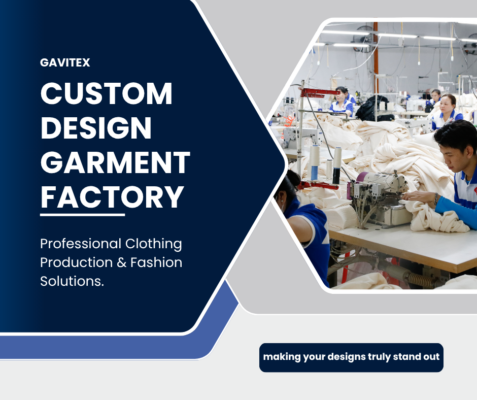
Worried about cultural missteps? Navigate cultural and business differences effectively when collaborating with Asia clothing manufacturers.
Building Long-Term Relationships with Asia Clothing Manufacturers
Cultivating long-term relationships with Asia clothing manufacturers is paramount for sustained success in the garment industry, moving beyond transactional interactions to forge partnerships built on mutual trust and shared objectives. These relationships are not simply about placing orders; they are about establishing a foundation for collaborative growth, improved product quality, and enhanced supply chain resilience with garment factories.
Developing strong, enduring partnerships with your clothing suppliers in Asia requires a multifaceted approach. Building trust through consistent communication, transparency, and honoring commitments is fundamental to a strong partnership. Furthermore, understanding and respecting cultural nuances plays a crucial role in fostering a positive and productive working environment, ultimately contributing to the longevity and mutual benefit of the relationship. Vietnam Biz Rep, with its commitment to ethical and sustainable sourcing, understands the importance of these long-term collaborations for ensuring both quality and responsible practices.
Here are some key aspects to consider:
-
Open and Transparent Communication: Consistent and clear communication channels are essential. Regular updates on forecasts, design changes, and potential challenges allow manufacturers to plan effectively. Transparency regarding your business needs and expectations builds trust and encourages a collaborative problem-solving environment.
-
Fair Pricing and Payment Terms: Negotiating fair pricing that allows manufacturers to maintain profitability while ensuring competitive rates for your business is crucial. Offering reasonable payment terms and adhering to agreed-upon schedules demonstrates respect and strengthens the partnership.
-
Respect for Cultural Differences: Understanding and appreciating the cultural nuances of your Asian partners fosters stronger rapport and avoids misunderstandings. This includes being mindful of communication styles, holidays, and business etiquette.
-
Investing in Factory Development: Providing support and resources for factory improvements, such as training programs for workers or investments in new equipment, can significantly enhance production capabilities and product quality, strengthening the relationship.
-
Regular Visits and Audits: Periodic visits to the manufacturer’s facilities to conduct audits, discuss performance, and build personal connections are invaluable. These visits provide opportunities to address concerns, identify areas for improvement, and reinforce your commitment to the partnership.
-
Shared Goals and Vision: Aligning your business goals with those of your manufacturing partners creates a sense of shared purpose. Working together towards common objectives, such as improving sustainability or reducing lead times, fosters a strong and enduring partnership.
By prioritizing these elements, businesses can move beyond transactional relationships with Asian garment manufacturers and cultivate long-term collaborations that drive mutual success and foster a more sustainable and ethical garment industry.
Case Studies: Successful Partnerships with Asia Clothing Manufacturers
This section explores case studies that highlight successful partnerships between businesses and Asia clothing manufacturers, providing valuable insights into how to forge mutually beneficial relationships and achieve desired outcomes in the global garment industry. Examining these real-world examples allows businesses to understand the critical factors that contribute to a thriving collaboration with overseas manufacturing partners, ultimately leading to enhanced product quality, efficient production processes, and increased profitability. By understanding these success stories, businesses can learn to better navigate the complexities of international manufacturing and create strong, lasting relationships with their clothing manufacturers in Asia.
One prominent example involves a fast-fashion brand collaborating with a garment factory in Vietnam. The brand prioritized clear and consistent communication, conducting regular video conferences and factory visits to address any concerns promptly. This proactive approach enabled them to resolve issues quickly, prevent delays, and maintain a strong working relationship. Furthermore, the brand invested in training programs for the factory staff to improve their skills and enhance the quality of their output. This investment not only benefited the factory workers but also resulted in a higher quality product for the brand, which led to increased customer satisfaction and sales.
Another case study features a sustainable apparel company partnering with a manufacturer in Bangladesh committed to ethical and environmental practices. The apparel company conducted thorough due diligence to ensure the factory adhered to fair labor standards and utilized eco-friendly materials and production processes. This commitment to sustainability resonated with the brand’s target audience and significantly enhanced its brand reputation. The partnership also involved collaborative design processes, where the manufacturer contributed valuable insights into material sourcing and production techniques that further reduced the environmental footprint of the clothing line.
A sportswear company’s successful partnership with a Chinese manufacturer demonstrates the importance of transparent pricing and cost-effective production. The company established a clear pricing agreement with the manufacturer, ensuring that all costs were transparent and justifiable. They also worked together to streamline production processes, reduce waste, and improve efficiency. This collaboration not only lowered production costs but also enabled the sportswear company to offer competitive prices to its customers while maintaining a healthy profit margin. This partnership highlights the benefits of open communication and mutual trust in achieving cost-effectiveness and mutual success.
Looking for inspiration? See how others have succeeded with successful partnerships with Asia clothing manufacturers.
Common Challenges and Solutions When Working with Asia Clothing Manufacturers
Working with Asia clothing manufacturers offers numerous benefits, but it’s crucial to acknowledge and address potential pitfalls to ensure a successful and profitable partnership. This section explores common hurdles encountered when collaborating with garment factories in Asia and provides actionable solutions to mitigate these challenges. By understanding these issues upfront, businesses like overseas buyers can navigate the complexities of overseas manufacturing more effectively and build strong, lasting relationships with their suppliers.
One frequent challenge is communication barriers. Language differences, varying time zones, and distinct business cultures can lead to misunderstandings and delays. To overcome this, implementing clear communication protocols is vital. This includes designating a dedicated point of contact, using visual aids and detailed tech packs, and employing translation services or bilingual staff when necessary. Regularly scheduled video conferences can also foster stronger relationships and minimize misinterpretations. Tools like project management software (Asana, Trello) are helpful in tracking communications, tasks and deadlines.
Another significant concern is maintaining quality control. Distance and differing quality standards can result in inconsistencies and defects in the final product. Implementing a robust quality control process is paramount. This entails conducting regular factory audits, establishing clear quality specifications (AQL levels), and employing independent third-party inspection services at various stages of production. For example, overseas buyers can implement a three-tier inspection system: pre-production inspection, in-line inspection, and final inspection. Sharing detailed product samples and setting up a golden sample (approved reference sample) with the manufacturer is crucial to minimize product deviations and ensure the products conform to the brand’s standards.
Ethical and labor compliance presents another challenge. Ensuring that Asia clothing manufacturers adhere to fair labor practices and environmental regulations is not only ethical but also crucial for brand reputation. Implementing a thorough vetting process for potential suppliers, including on-site audits to verify compliance with international labor standards (e.g., SA8000, WRAP), is essential. For instance, overseas buyers can prioritize factories that are certified by reputable organizations and demonstrate a commitment to worker welfare and sustainable practices. Furthermore, regularly monitoring factories through unannounced audits and providing training on ethical sourcing can help maintain compliance and prevent violations.
Finally, intellectual property (IP) protection is a critical concern. Sharing designs and technical information with overseas manufacturers carries the risk of IP theft or unauthorized production. To safeguard IP, businesses should implement legal safeguards, such as signing non-disclosure agreements (NDAs) and registering trademarks and patents in the relevant Asian countries. Moreover, overseas buyers should break down the manufacturing process across multiple factories to avoid one factory gaining access to the entire product design. Building strong relationships with trusted manufacturers and regularly monitoring the market for counterfeit products are also essential for IP protection.
By proactively addressing these challenges, overseas buyers can cultivate successful partnerships with Asia clothing manufacturers, minimize risks, and ensure the delivery of high-quality, ethically produced garments.
Facing a manufacturing hurdle? Find solutions to common challenges when working with Asia clothing manufacturers.
Emerging Trends in the Asia Clothing Manufacturing Industry
The Asia clothing manufacturing industry is experiencing dynamic shifts, driven by evolving consumer demands, technological advancements, and a growing emphasis on sustainability. These emerging trends are reshaping the landscape, impacting everything from production processes to supply chain management, and influencing the future of garment manufacturing across the continent.
One significant trend is the increasing adoption of automation and digital technologies. Robotics, AI-powered quality control, and 3D printing are being implemented to enhance efficiency, reduce labor costs, and improve accuracy. For example, smart factories are leveraging IoT sensors to monitor production in real-time, optimizing resource allocation and minimizing waste. This technological integration is not just about cutting costs; it’s about enhancing the agility and responsiveness of Asian clothing manufacturers to meet the fast-changing demands of the fashion industry.
Another key trend is the rising demand for sustainable and ethical manufacturing practices. Consumers are increasingly aware of the environmental and social impact of their clothing choices, pushing brands to prioritize eco-friendly materials, fair labor practices, and transparent supply chains. Asia clothing manufacturers are responding by investing in sustainable production processes, such as water recycling, renewable energy, and the use of organic or recycled fabrics. Certifications like Fair Trade and GOTS are becoming increasingly important for manufacturers to demonstrate their commitment to sustainability and gain a competitive advantage.
Finally, there’s a growing focus on supply chain diversification and regionalization. While China has long been the dominant player in clothing manufacturing, rising labor costs and geopolitical tensions are prompting companies to explore alternative sourcing destinations within Asia. Countries like Vietnam, Bangladesh, and India are emerging as attractive options, offering competitive labor costs and growing manufacturing capabilities. This diversification not only reduces reliance on a single source but also allows for greater flexibility and resilience in the face of disruptions.
Stay ahead of the curve! Explore the emerging trends shaping the Asia clothing manufacturing industry.
Future of Asia Clothing Manufacturers: Technology and Innovation
The future of Asia clothing manufacturers is inextricably linked to technology and innovation, as these advancements are poised to reshape the entire garment production landscape. With increasing global competition and demand for faster, more sustainable, and cost-effective solutions, Asian garment factories are increasingly embracing cutting-edge technologies to stay ahead. These innovations are not only optimizing existing processes but also paving the way for entirely new business models, allowing manufacturers to offer greater customization, transparency, and responsiveness to consumer needs.
One of the most significant technological advancements is the adoption of automation and robotics. These technologies are revolutionizing traditional manufacturing processes by streamlining tasks like cutting, sewing, and material handling, which not only increases production speed and efficiency but also minimizes errors and reduces labor costs. For example, automated cutting machines utilizing AI-powered pattern recognition can optimize fabric usage, reducing waste and improving material yield. Similarly, robotic sewing systems are being developed to handle complex stitching tasks with greater precision and consistency, further enhancing productivity.
Furthermore, digitalization and data analytics are playing a crucial role in optimizing supply chains and improving decision-making. By leveraging real-time data on inventory levels, production schedules, and customer demand, manufacturers can better forecast trends, manage resources, and respond quickly to market changes. Predictive analytics can also be used to identify potential bottlenecks and optimize production workflows, ensuring smoother operations and minimizing disruptions. Cloud-based platforms and ERP (Enterprise Resource Planning) systems are becoming increasingly popular, enabling seamless communication and collaboration across different departments and stakeholders, fostering greater transparency and agility.
Another key area of innovation is the development of sustainable and eco-friendly manufacturing processes. With growing consumer awareness and stricter environmental regulations, Asian clothing manufacturers are investing in technologies that minimize their environmental impact. This includes adopting waterless dyeing techniques, using recycled and biodegradable materials, and implementing closed-loop production systems that recycle waste and reduce pollution. For instance, 3D printing is emerging as a viable alternative to traditional manufacturing methods, enabling on-demand production with minimal waste and allowing for greater customization and personalization.
Finally, the integration of virtual and augmented reality (VR/AR) technologies is transforming product development and customer engagement. VR/AR allows designers to create virtual prototypes and test them in realistic environments, reducing the need for physical samples and speeding up the design process. Customers can also use AR apps to virtually try on clothes before making a purchase, enhancing their shopping experience and reducing returns. These immersive technologies are poised to revolutionize the way clothing is designed, marketed, and sold, offering new opportunities for Asian clothing manufacturers to connect with customers and build brand loyalty.
What’s next for Asian apparel production? Explore the future of Asia clothing manufacturers through technology and innovation.
Vietnam Biz Rep supports overseas buyers with garment supplier search, factory verification, sample coordination, production follow-up, and quality inspection in Vietnam. Learn more on our clothing sourcing agent page or visit Vietnam sourcing agent for our full range of services. Contact Vietnam Biz Rep to discuss your sourcing requirements.
