


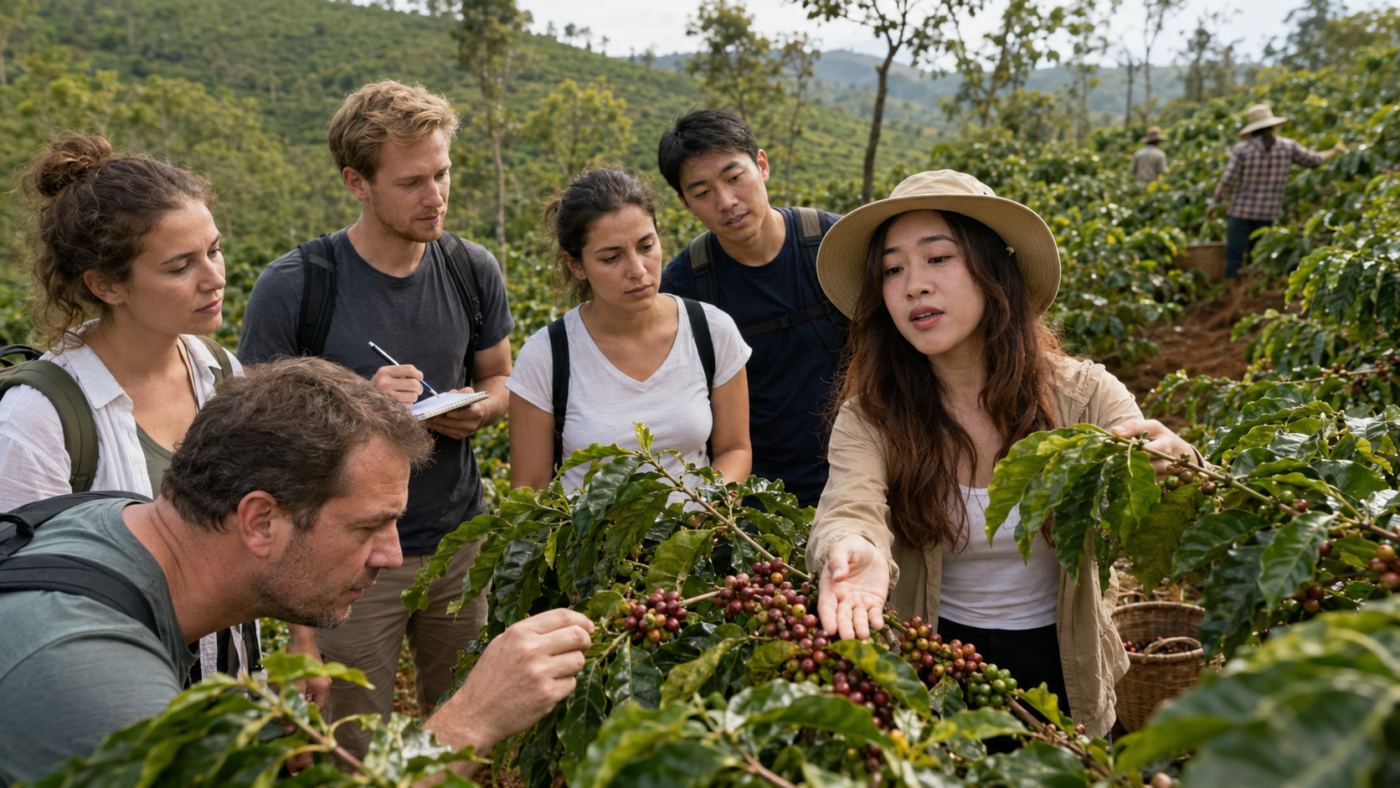
When sourcing coffee from Vietnam, overseas buyers frequently face an early decision: should they be sourcing Robusta, Arabica, or a combination of both? The answer depends on the buyer’s end-use application, their customers’ preferences, and the supply chain realities of each variety in the Vietnamese context. This vietnam robusta vs arabica coffee guide is written from a buyer’s perspective — focusing on use cases, sourcing considerations, and how to approach specification and sample evaluation when choosing between the two. It does not duplicate the specific supplier information covered in the dedicated Vietnam Robusta coffee suppliers and Vietnam Arabica coffee suppliers pages.
Why the Robusta vs Arabica Choice Matters for Buyers
The choice between Robusta and Arabica is not simply a quality preference — it is a functional sourcing decision that affects cost, application suitability, supply availability, and the supplier landscape a buyer needs to navigate. Understanding the practical implications of each option helps buyers communicate more precisely with suppliers and make better-informed decisions about which variety to source for their specific situation.
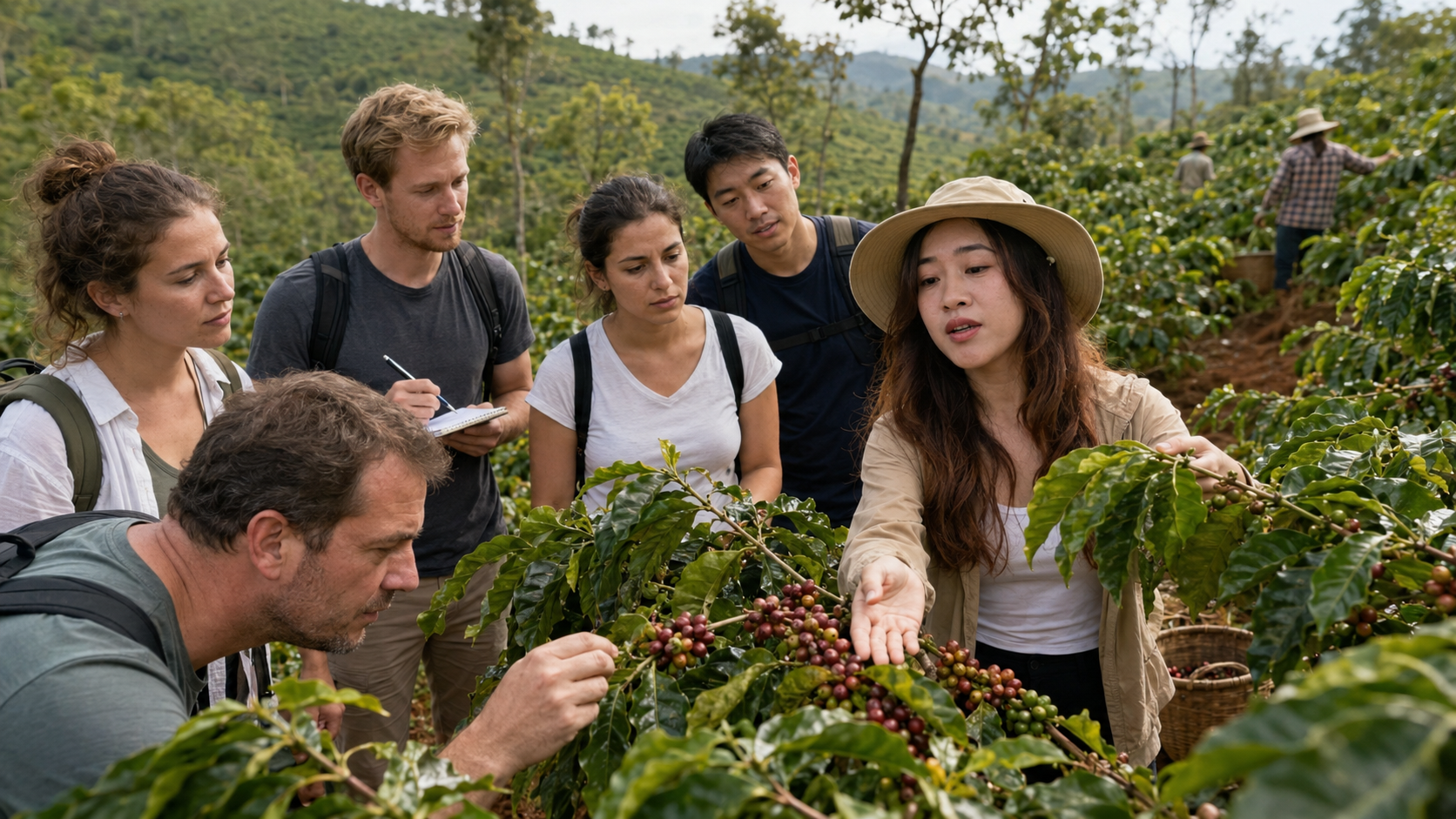
Vietnam is primarily known as a Robusta-producing country. Robusta accounts for the substantial majority of Vietnam’s total coffee output, and the country is one of the world’s leading Robusta suppliers. Arabica is produced in smaller quantities, primarily in highland regions such as Son La and Lam Dong. Buyers sourcing Arabica from Vietnam will encounter a more limited supplier pool than those sourcing Robusta, which affects both pricing dynamics and the effort required to find and verify a suitable supplier.
Use Cases: Where Robusta and Arabica Differ
Robusta coffee is commonly used in applications where body and caffeine content are priorities over nuanced flavour complexity. It is a standard ingredient in espresso blends, where its dense body and natural crema-enhancing properties make it commercially valuable at scale. It is also the primary raw material for instant coffee manufacturing, where its extraction efficiency and stability under processing conditions suit the product format. Buyers purchasing for blending, instant coffee production, or high-volume food service applications commonly source Robusta for these reasons.
Arabica coffee is typically associated with a wider range of flavour profiles and is used in premium retail products, specialty coffee applications, and markets where consumer preference for Arabica is established. Buyers sourcing for specialty roasters, direct-to-consumer retail brands, or markets with strong Arabica demand would typically consider Vietnamese Arabica — though they should be aware that Vietnam’s Arabica production is relatively small and availability varies by season and growing region.
Some buyers source both — purchasing Robusta as a primary commodity component and Arabica for premium or specialty product lines. This dual-sourcing approach requires managing relationships with different suppliers, as Robusta and Arabica processing and exporting operations in Vietnam often operate separately.
Sourcing Landscape in Vietnam
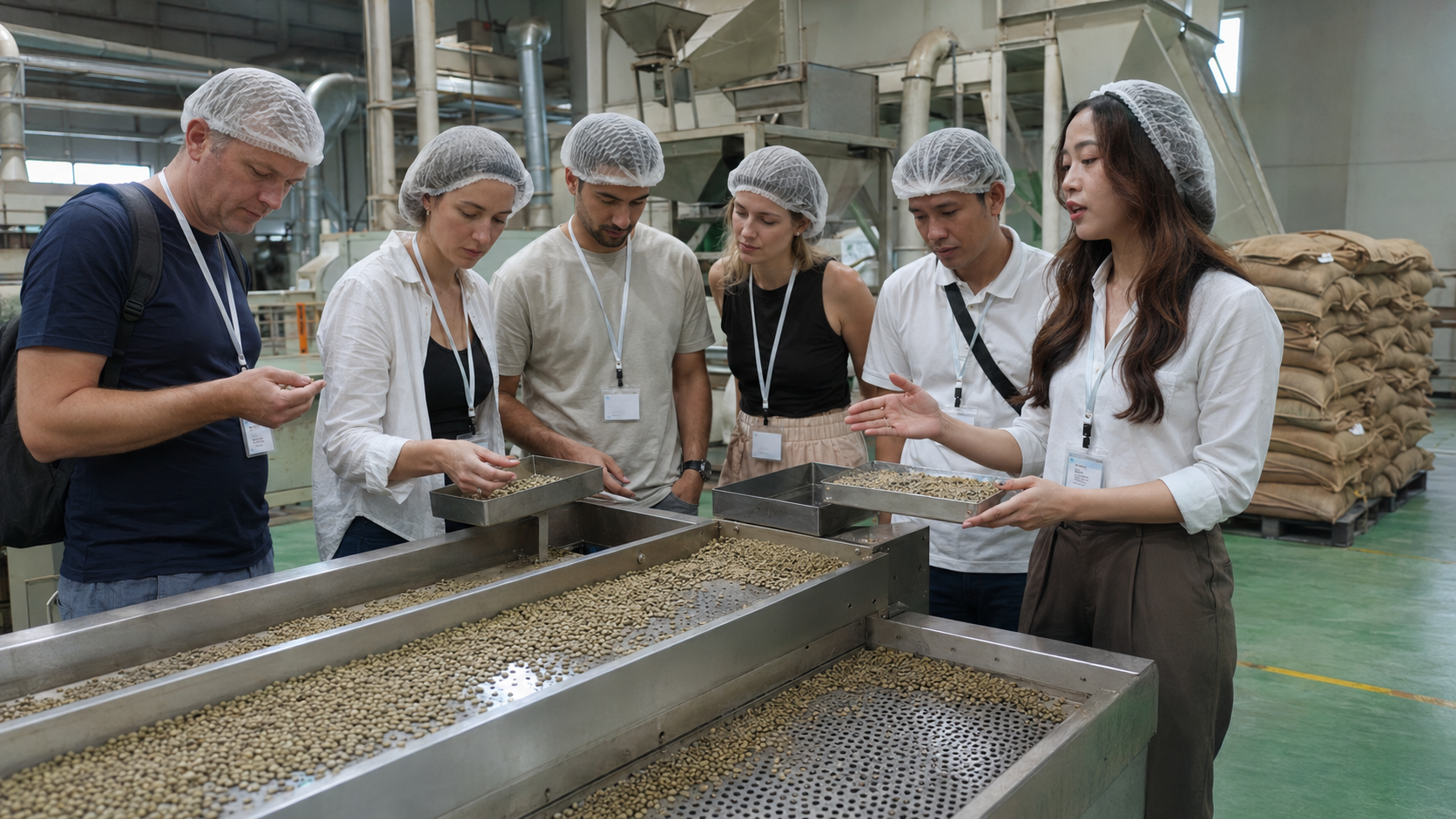
For Robusta, Vietnam has a large and established supplier ecosystem — including licensed exporters, processing companies, cooperatives, and traders. The volume of Robusta passing through the Vietnamese export market means there are many potential suppliers to evaluate, but also a range of quality levels and operational standards. Buyers need structured verification and inspection processes to identify suppliers who can consistently meet their specification from among the many available options. The Vietnam coffee supplier verification page explains the verification process in detail.
For Arabica, the supplier pool is smaller and the geographic concentration is more defined. The highland regions of Vietnam — particularly Son La in the north and Lam Dong in the central highlands — are the primary Arabica-growing areas. Buyers sourcing Vietnamese Arabica may find it useful to engage a local representative who can identify suppliers in these regions and facilitate visits, as Arabica processing operations are less standardised and less visible internationally than the mainstream Robusta export market.
Specification Approach for Each Variety
Buyers should develop a written specification for whichever variety they are sourcing before engaging with suppliers. For green Robusta, relevant specification elements typically include the processing method (wet-hulled, dry-processed), the intended screen size range, moisture expectations, and defect tolerance — all of which should be agreed in the purchase contract rather than assumed. Screen size and defect allowances are defined in the purchase agreement and may vary from one buyer to the next; there is no single universal standard that applies to all Robusta transactions.
For Arabica, specification may additionally cover processing method (washed, natural, honey), regional origin where relevant, and the sensory profile the buyer is aiming for. Sensory specification requires cupping evaluation, which is a specialised process — buyers who do not have in-house cupping capability should consider engaging a qualified cupper to evaluate samples on their behalf before approving a supplier’s Arabica lot.

Sample Evaluation Before Committing to a Variety
Buyers who are unsure whether Vietnamese Robusta or Vietnamese Arabica is the better fit for their application should consider requesting and evaluating samples of both before making a sourcing decision. Comparing samples side by side — under consistent roasting and evaluation conditions — provides more reliable information than reading descriptions or relying on general market claims about each variety.
Sample evaluation should be conducted against a written specification, so that the buyer’s conclusions are based on measurable criteria rather than general impressions. Whatever variety is selected, the approved sample should be retained as the reference standard for future shipments. The Vietnam coffee sample evaluation page covers the sample process in detail. Vietnam Biz Rep can coordinate sample collection from suppliers of either variety, supporting buyers in receiving representative samples rather than pre-selected showcase lots.
For buyers ready to identify and evaluate specific suppliers, the Vietnam coffee suppliers overview covers the full supplier landscape. For ongoing local representation through the sourcing and verification process, the Vietnam sourcing agent service provides the local presence that overseas buyers typically need. The supplier verification page covers the general verification methodology applicable across all product types.

Price and Supply Availability Differences
Robusta from Vietnam is generally priced lower than Arabica on a per-kilogram basis, reflecting the scale of production and the commodity nature of the Vietnamese Robusta export market. Price levels fluctuate with global coffee commodity markets, seasonal supply conditions, and the specific grade and processing method requested. Buyers sourcing Robusta at volume should monitor market conditions and build some pricing flexibility into their supply agreements.
Vietnamese Arabica is available in smaller volumes and from a more limited supplier base, which affects pricing dynamics. Buyers purchasing Arabica from Vietnam may encounter longer lead times for specific lots, greater variability in availability between seasons, and fewer directly competitive supplier options compared to the Robusta market. Understanding these supply chain differences before selecting a variety helps buyers build realistic procurement plans.
For both varieties, buyers should be cautious about suppliers who offer prices significantly below apparent market levels without explanation. Unusual pricing can reflect lower quality than described, substitution of one variety for another, or other issues that carry risk for the buyer. Independent verification and sample evaluation before placing large orders remain important regardless of price level.
Frequently Asked Questions
Is Vietnamese Arabica of comparable quality to Arabica from other origins?
Vietnamese Arabica varies in quality depending on the growing region, processing method, and the care taken during harvesting and post-harvest handling. Some highland-grown Vietnamese Arabica from well-managed farms and cooperatives has received positive evaluations at specialty level. Buyers should evaluate specific lots against their own specification rather than relying on generalised quality assessments of Vietnamese Arabica as a category — just as they would for any other origin.
Can I source both Robusta and Arabica from the same Vietnamese supplier?
Some Vietnamese exporters and traders handle both Robusta and Arabica, sourcing or processing each separately. However, buyers should verify the supplier’s actual capability for each variety rather than assuming that a Robusta specialist can supply equivalent-quality Arabica. Verification and sample evaluation apply separately to each product type, even when dealing with the same company.
Does it matter which growing region in Vietnam the coffee comes from?
Growing region affects the characteristics of the coffee, particularly for Arabica where altitude, soil, and microclimate play a significant role. For commodity Robusta, regional origin is less commercially significant than for specialty Arabica. Buyers sourcing Arabica who want to communicate regional origin to their customers should confirm the actual origin of the lot with their supplier and verify that origin documentation supports the claim.
Does Vietnam Biz Rep work with Arabica sourcing as well as Robusta?
Yes. Vietnam Biz Rep’s services — supplier identification, verification, facility visits, sample coordination, and quality inspection — apply regardless of whether the buyer is sourcing Robusta, Arabica, or processed coffee products. The approach and specific considerations differ, but the service framework applies across all Vietnamese coffee product types.
Should I tell suppliers which variety I want before asking for samples?
Yes. Specifying the variety you want to evaluate before requesting samples avoids receiving a mixed lot or a different product than intended. However, if you are genuinely undecided between Robusta and Arabica for a particular application, you can request samples of both simultaneously from suppliers who handle each — or from different suppliers specialising in each variety — and evaluate them against your application requirements under consistent conditions.
To discuss your Robusta or Arabica sourcing requirements in Vietnam, contact Vietnam Biz Rep with details about your product specification and volume requirements.
