


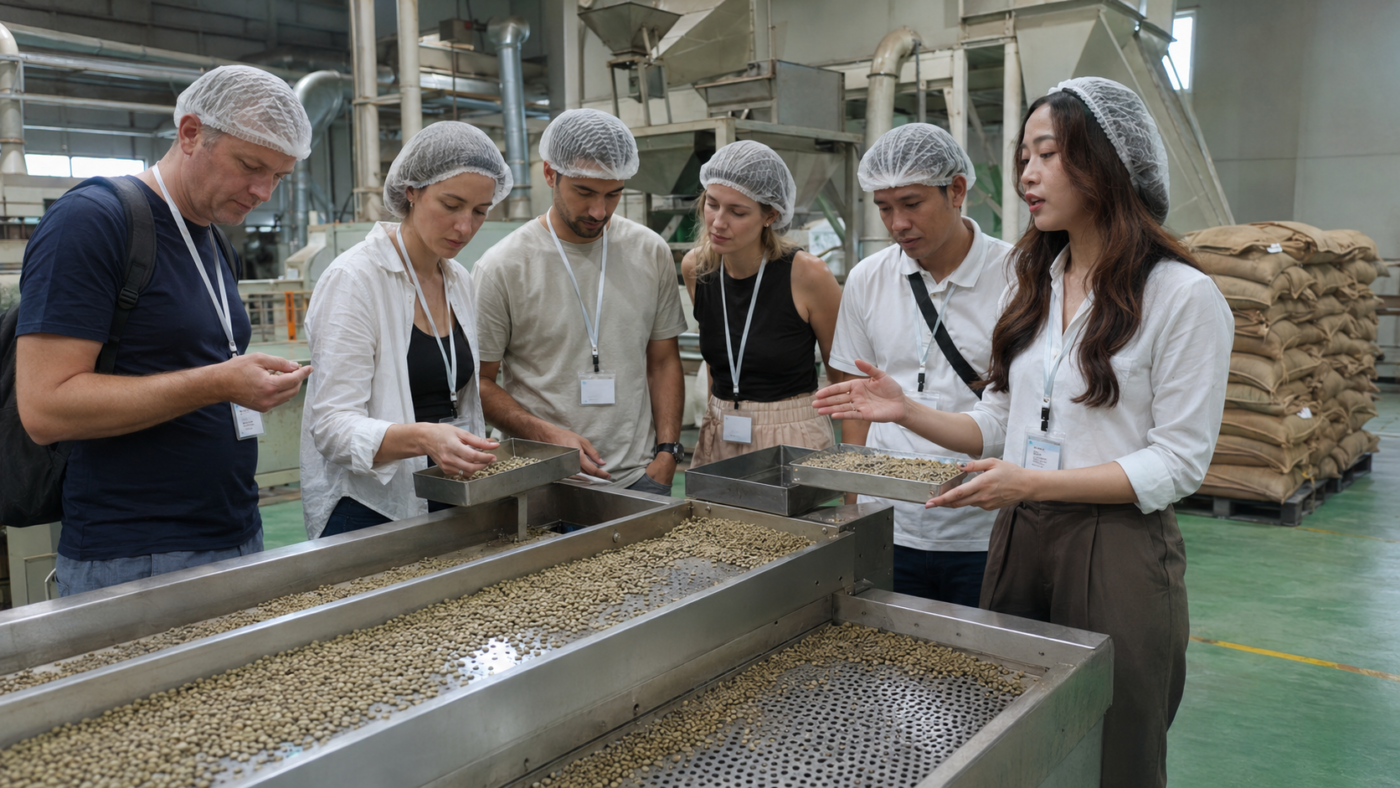
One of the fundamental sourcing decisions buyers face when purchasing Vietnamese coffee is whether to buy green coffee beans vs roasted coffee. The right choice depends on the buyer’s downstream processing capability, business model, quality control requirements, and the markets they serve. This guide explains the practical differences from a wholesale buyer’s perspective and the considerations that should inform the decision — without advocating for one option over the other as universally superior.
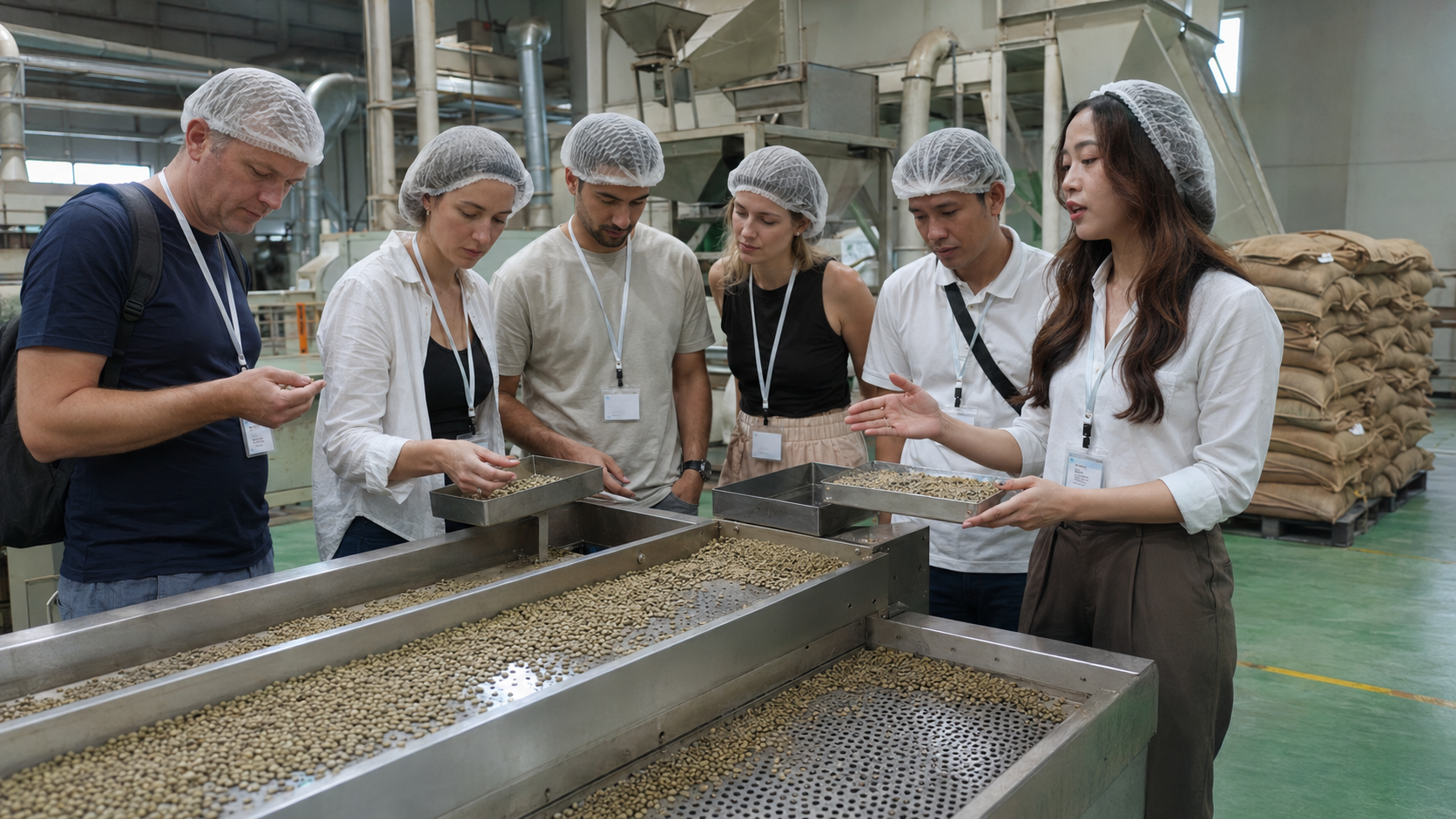
Buying Green Coffee Beans from Vietnam
Green coffee beans are unroasted coffee in their most fundamental exportable form. Buyers who purchase green beans typically have their own roasting capability, work with a contract roaster, or are purchasing for blending and further processing in their home market. Green beans offer the buyer maximum control over the roasting process, flavour development, and product differentiation — but they require investment in roasting infrastructure or a reliable roasting partner.
Green coffee has significantly longer shelf life than roasted coffee when stored correctly. Properly dried green beans stored in appropriate conditions can remain in acceptable condition for a year or more, which provides buyers with flexibility in inventory management. This is particularly relevant for buyers who purchase in large lots and need to manage drawdown over time, or for those navigating supply chain unpredictability.
The green bean market in Vietnam is large and well-established, particularly for Robusta. Buyers have access to a range of processing methods and grades, though the range of specification options and the depth of quality data available from suppliers varies considerably. A Vietnam green coffee bean suppliers page covers the sourcing landscape for this product type in more detail. Quality assessment of green beans requires appropriate knowledge and equipment — including the ability to evaluate moisture, defect count, and where relevant, sensory quality after roasting.
Buying Roasted Coffee from Vietnam
Buyers who purchase roasted coffee from Vietnamese suppliers are outsourcing the roasting process to the supplier. This simplifies the buyer’s operations — there is no need for roasting infrastructure or technical roasting expertise — but it also transfers control over a quality-critical process to the supplier. Roast consistency, freshness, and product stability over the shipping duration become the buyer’s key concerns.
Roasted coffee has a shorter shelf life than green beans. The roasting process accelerates oxidation, and roasted coffee degrades meaningfully within weeks to months without appropriate packaging. Buyers sourcing roasted coffee from Vietnam for international markets need to evaluate the total time from roasting to arrival in their destination market and ensure that shelf life at the point of delivery is adequate for their supply chain and customer expectations.
Roasted coffee also requires careful packaging. Foil packaging with one-way degassing valves is standard for whole bean and ground coffee intended for export — bags without this feature allow oxygen ingress that accelerates staling. Buyers should specify packaging requirements clearly and include packaging condition as part of a pre-shipment inspection before the shipment leaves the supplier’s facility. The Vietnam roasted coffee suppliers page covers sourcing for this product format specifically.
Customisation and Quality Control
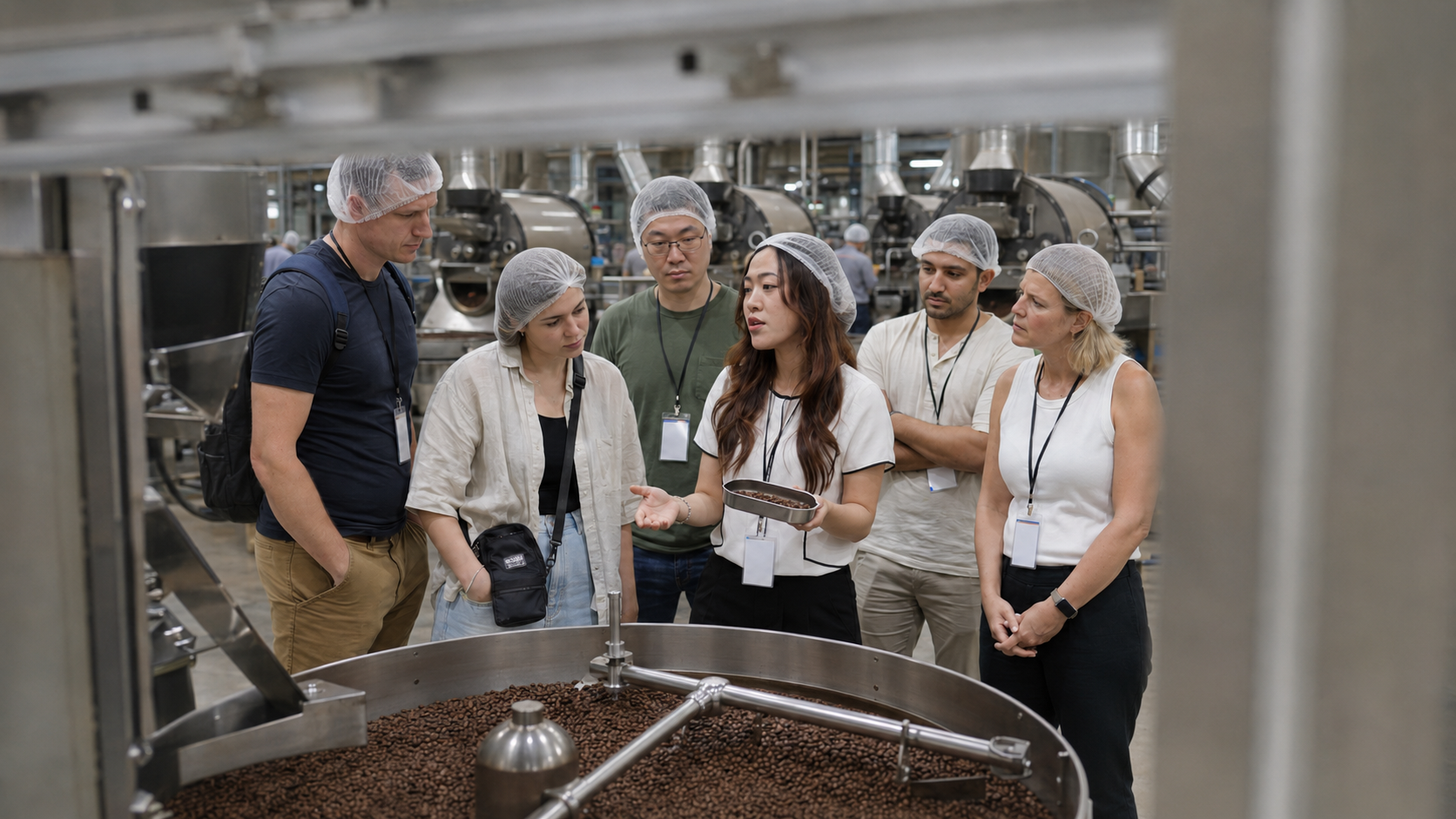
Buying green beans gives the buyer maximum flexibility for customisation. The buyer (or their roaster) can develop a specific roast profile for the product — adapting the roast to suit a target flavour, a product line, or a customer’s preference. This level of control is important for buyers who sell branded or specialty coffee products where product differentiation matters. It also means the buyer can adjust the roast as market conditions or customer feedback change, without needing to renegotiate with a Vietnamese supplier.
Buying roasted coffee means the supplier controls the roast. Buyers can provide a roast profile specification — light, medium, or dark; target colour on a Agtron or similar scale — but enforcing consistency between batches depends on the supplier’s roasting discipline and quality management systems. This is where a factory audit of the roasting facility becomes relevant, helping buyers assess whether the supplier has the equipment and process controls to deliver consistent roast output across orders.
Quality inspection applies differently depending on which format is purchased. For green beans, inspection covers the physical condition of the lot — moisture, visual defects, foreign matter, and packaging integrity. For roasted coffee, inspection additionally covers roast colour consistency, packaging seal integrity, and label accuracy. The Vietnam coffee quality inspection page explains the inspection process in detail for both product types.
Regulatory and Customs Considerations
Green coffee beans and roasted coffee may be classified under different HS codes, which affects applicable tariff rates at the destination. Some markets impose higher import duties on processed goods (roasted coffee) than on raw commodities (green beans), which can affect the total landed cost calculation. Buyers should confirm the applicable HS code and tariff rate for their specific product format and destination market with their customs broker before finalising sourcing plans.
Phytosanitary requirements also differ between green and roasted coffee. Green coffee beans are subject to plant health inspection requirements in most markets. Roasted coffee is a processed product and typically faces different import conditions. Both require appropriate documentation, including a commercial invoice, packing list, and certificate of origin. The Vietnam coffee export documents guide covers the documentation requirements for each product format.
How Vietnam Biz Rep Supports Both Sourcing Approaches
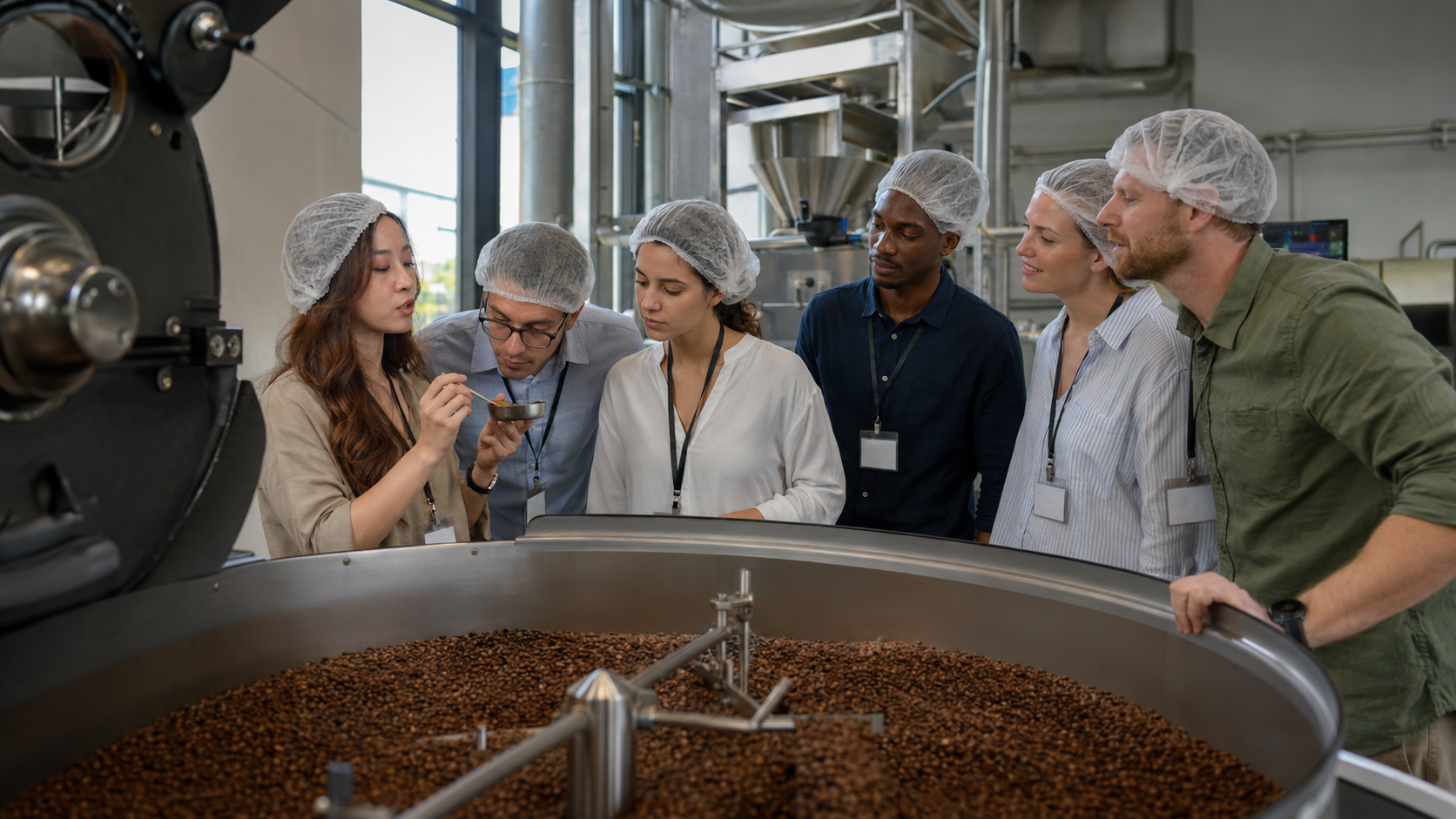
Vietnam Biz Rep supports buyers sourcing both green coffee beans and roasted coffee from Vietnam. For green bean buyers, the service covers supplier verification, facility visits to observe processing and storage conditions, sample coordination, and pre-shipment inspection. For roasted coffee buyers, the same services apply, with the addition of roasting facility audits and packaging compliance checks as part of the pre-shipment inspection scope.
Buyers who are undecided between green and roasted can use the coffee sample evaluation process to compare samples of each format from the same or different suppliers, giving them direct evidence of what the final product quality looks like before committing to a format. The Vietnam coffee suppliers overview explains the full supplier landscape. For ongoing local representation, the Vietnam sourcing agent service covers all stages of the supply relationship. General supplier verification principles apply regardless of which product format is purchased.

Supplier Types and What Each Format Requires
The supplier landscape differs between green bean and roasted coffee sourcing. Green bean suppliers in Vietnam are primarily processors and exporters who handle raw coffee from wet or dry processing through to export packaging. They typically have more established export operations, larger trading volumes, and more experience dealing with international buyers at commodity scale.
Roasted coffee suppliers require roasting equipment and the technical capability to produce a consistent roasted product to a buyer’s specification. Not all green bean exporters also roast — and not all roasters have robust export experience. When sourcing roasted coffee, buyers should verify the supplier’s roasting capability specifically, not just their general export standing. A factory audit that covers the roasting operation provides the most direct evidence of this capability.
For buyers considering private label or OEM arrangements — where they want the supplier to produce coffee to their brand specifications — the supplier’s production and packaging capability becomes central to the evaluation. This topic is covered in depth on the Vietnam private label coffee manufacturers page, which addresses OEM production, minimum order quantities, and packaging approval processes.
Frequently Asked Questions
Which is more cost-effective — buying green beans or roasted coffee?
This depends on the buyer’s total cost structure. Green beans have a lower purchase price per kg but require roasting infrastructure or contract roasting costs at the buyer’s end. Roasted coffee has a higher purchase price per kg but eliminates the roasting step from the buyer’s operations. The total cost comparison should account for roasting costs, packaging, shelf life implications, and the value of quality control flexibility before drawing conclusions.
Can I ask a Vietnamese supplier to roast my green bean specification to my profile?
Yes, if the supplier has roasting capability and is willing to roast to a buyer-specified profile. This is a common private label or OEM arrangement in Vietnam. Buyers should provide a clear roast specification, request pre-production samples for approval before bulk production, and verify the supplier’s roasting consistency through a factory audit or quality inspection. The Vietnam private label coffee manufacturers page covers this type of arrangement in more detail.
How does shelf life affect the green vs roasted decision for distant markets?
For buyers in markets with long ocean transit times (four weeks or more), roasted coffee shelf life deserves careful consideration. If the coffee roasts to a one-year shelf life but takes six weeks in transit and one to two months to reach retail, the remaining shelf life at point of sale may be insufficient. Green beans do not face the same time pressure. Buyers purchasing roasted coffee for distant markets should discuss roast-to-shelf-life expectations with their supplier and factor transit time into packaging and labelling requirements.
Does Vietnam Biz Rep help with roasting facility audits?
Yes. Vietnam Biz Rep can conduct facility visits and audits at roasting operations in Vietnam, covering equipment condition, process controls, and quality management practices. This is an extension of the general factory audit service applied specifically to roasting facilities.
To discuss sourcing green beans or roasted coffee from Vietnam, contact Vietnam Biz Rep with details about your product type, intended market, and volume requirements.
