
Before placing a bulk coffee order with a Vietnamese supplier, overseas buyers increasingly require more than a product sample and a price quote. A vietnam coffee factory audit provides a structured on-site evaluation of a supplier’s facility — covering physical infrastructure, processing equipment, operational practices, and quality-related documentation. This page explains what a facility audit involves, how it differs from a simple site visit or a quality inspection, and how Vietnam Biz Rep supports buyers through the process.
What Is a Coffee Factory Audit?
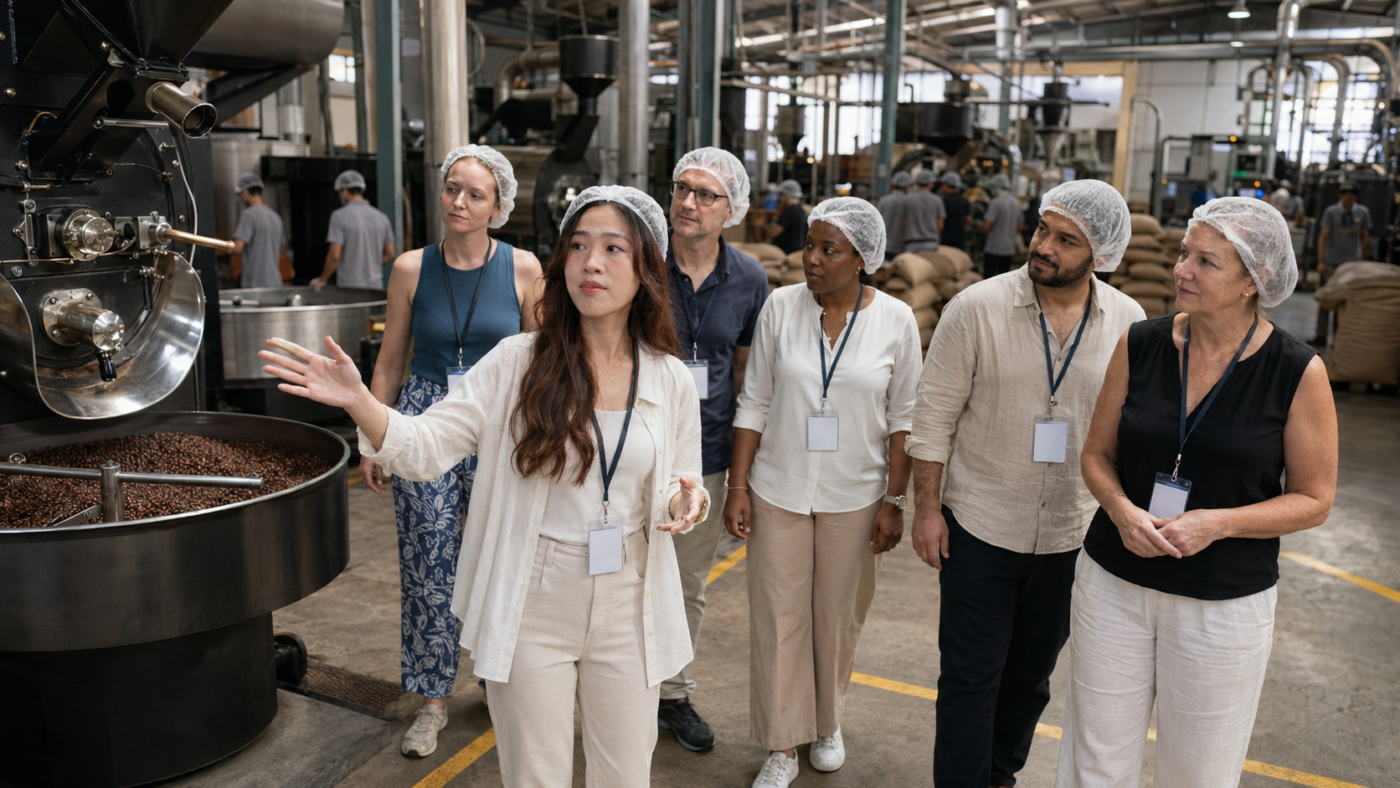
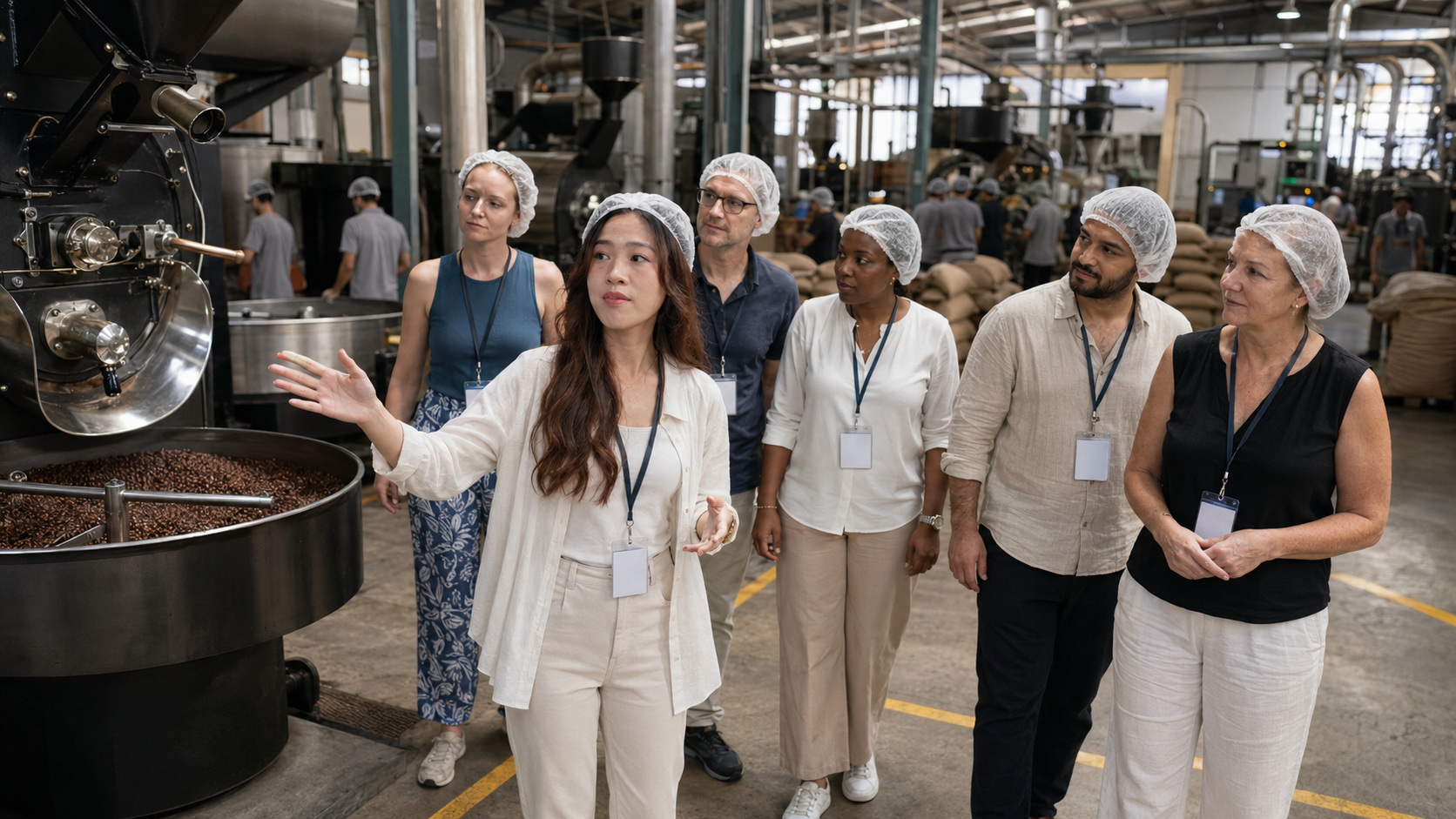
A factory audit is a systematic evaluation of a supplier’s facility carried out before a commercial order is placed or a supply contract is signed. In the context of coffee sourcing, it goes beyond a general site visit by working through defined audit areas in a structured way — documenting observations, identifying gaps, and producing a written report the buyer can use to make an informed sourcing decision.
Unlike a quality inspection, which focuses on an outgoing shipment, a factory audit examines the system behind the product: the equipment available, the processes followed, the hygiene standards maintained, and the documentation practices in place. A supplier may produce acceptable samples while still operating with unreliable processes — an audit helps identify this before the buyer commits to an order. For buyers who need a broader picture of a supplier’s legitimacy before auditing begins, coffee supplier verification is often a useful prior step.
Key Areas Covered During a Coffee Facility Audit
The scope of a factory audit will vary depending on the product type (green beans, roasted coffee, instant coffee, private label) and the buyer’s specific requirements. The following areas are typically covered:
Physical infrastructure: The condition and appropriateness of the processing building — roof integrity, floor condition, ventilation, and whether the environment is suitable for coffee storage and handling. An unsuitable environment affects product quality regardless of how good the raw material is.
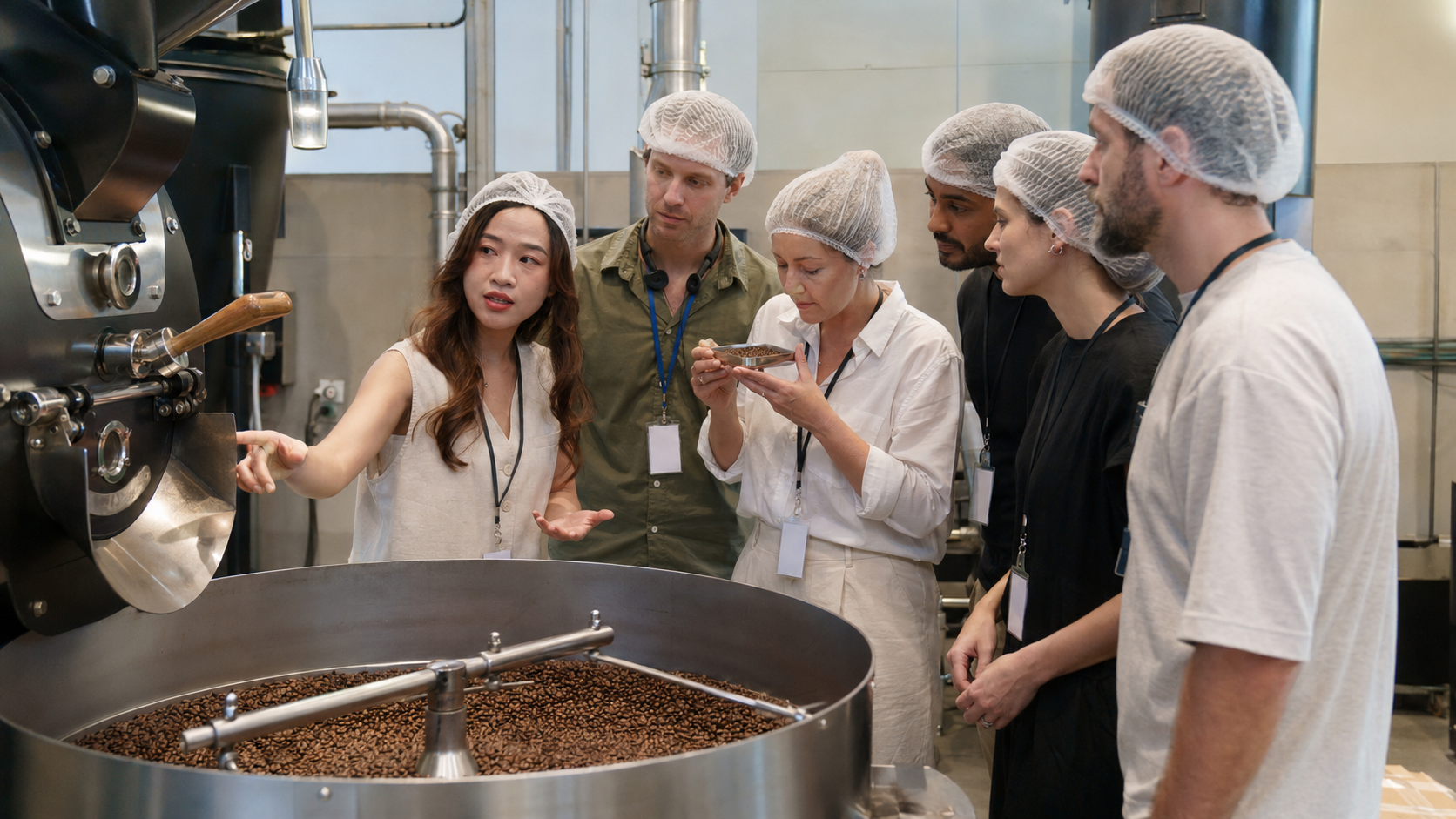
Processing equipment: For green bean suppliers, this may include hulling, sorting, and grading equipment. For roasted coffee operations, it includes roasting machines and cooling systems. The audit checks whether equipment is present, operational, and maintained, and whether capacity aligns with what the supplier has claimed.
Storage and hygiene: Coffee is sensitive to moisture, temperature, and contamination. The audit evaluates whether green beans are stored in appropriate conditions, whether bags and packaging materials are clean and stored correctly, and whether general hygiene practices in the facility are consistent with food-grade handling.
Quality control practices: Does the supplier conduct incoming material checks? Is there a system for tracking lot identity from receipt through to shipment? Are moisture meters or other basic QC tools in use? These practices affect the buyer’s ability to rely on consistency between shipments.
Documentation and Records Review
A meaningful factory audit includes a review of the documentation systems the supplier maintains. This is not about passing a certification checklist — it is about understanding whether the supplier keeps records that would allow a buyer to trace product identity, understand production history, and identify the source of a problem if one arises after shipment.
Relevant documents include batch or lot records, incoming material inspection records, processing logs, and any quality certificates the supplier has obtained. Export documentation history — particularly phytosanitary certificates issued for previous shipments — helps buyers understand whether the supplier is familiar with the compliance requirements of international trade.
Vietnam Biz Rep reviews available documentation during the audit visit and reports on what was provided, what was absent, and what the supplier indicated as the reason. Buyers can then assess whether gaps in documentation represent a meaningful risk for their specific sourcing requirements.
Staffing and Operational Capacity
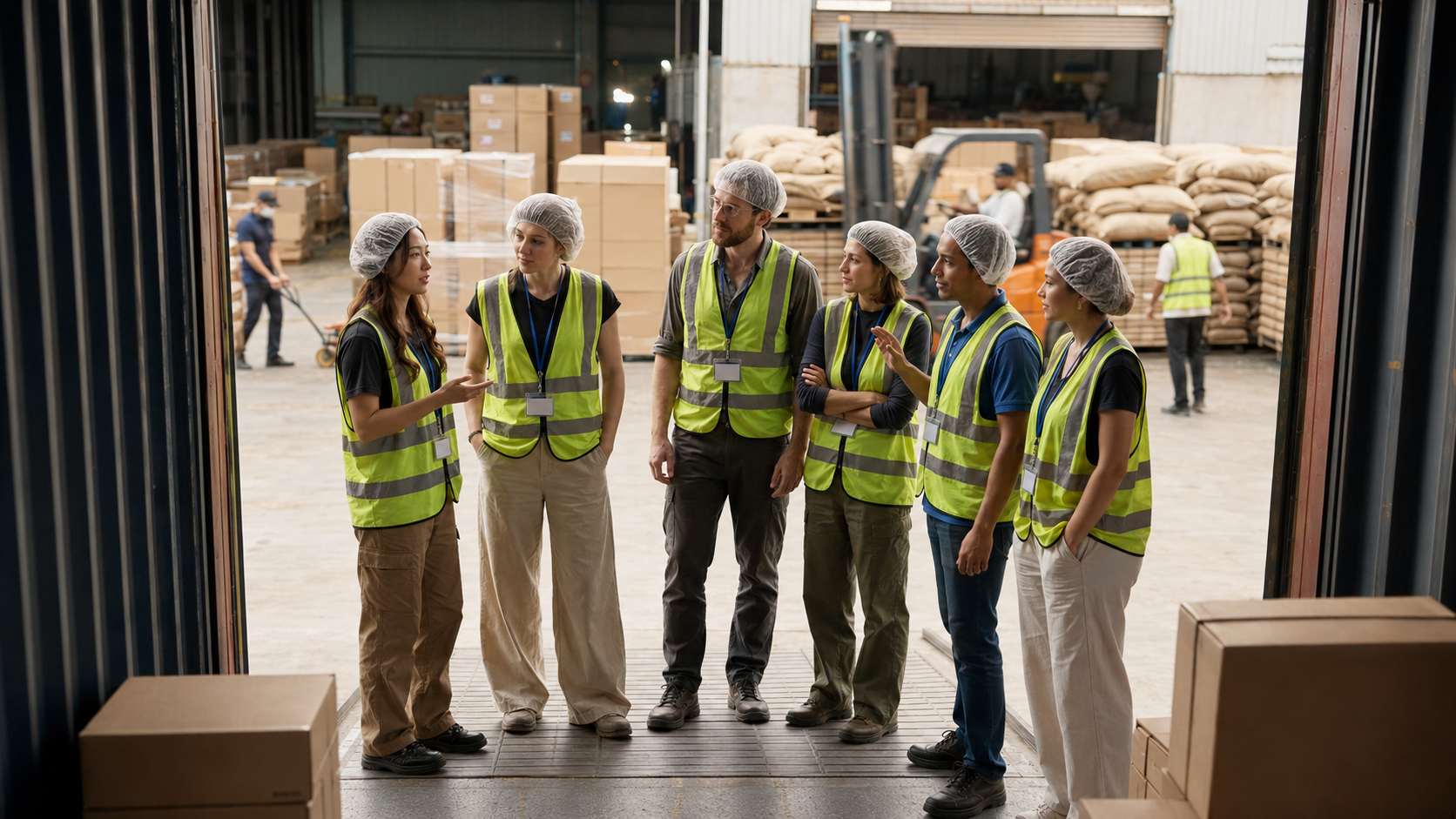
An audit also provides an opportunity to observe staffing levels and the practical operation of the facility at the time of the visit. A supplier that claims to process several hundred metric tons per month should be able to demonstrate staffing, equipment, and activity that is consistent with that claim. Observations about staffing levels, shift patterns, and the volume of material in process or storage help buyers calibrate the supplier’s stated capacity against what is actually present.
Vietnam Biz Rep reports observations rather than making capacity certifications. What is observed on a given day reflects one point in time. Buyers should use audit findings alongside other verification inputs — including business registration review, sample evaluation, and reference checks — when forming a view of a supplier’s capabilities.

How Vietnam Biz Rep Conducts Coffee Factory Audits
Vietnam Biz Rep acts as the buyer’s representative on the ground. Before the audit visit, the buyer provides the areas they want covered and any specific concerns or questions about the supplier. Vietnam Biz Rep prepares accordingly and conducts the visit at the supplier’s facility, working through the agreed scope systematically.
Following the visit, a written report is prepared covering each audit area — what was observed, what documentation was reviewed, and any gaps or areas that warrant follow-up. The report does not make a sourcing recommendation; that decision remains with the buyer. It gives the buyer an independent set of observations from someone physically present at the facility.
Buyers can also combine a factory audit with a Vietnam coffee quality inspection if a shipment is being prepared at the same time, or with broader supplier verification activities if the relationship is new. The Vietnam factory audit page covers the general audit service applicable across multiple industries. For buyers building a longer-term sourcing relationship, the Vietnam sourcing agent service covers ongoing local representation beyond the initial audit.
Preparing the Buyer’s Brief Before the Audit
A factory audit is most useful when the buyer has prepared a clear brief in advance. This brief should describe what the buyer needs to understand about the supplier and what specific areas they want the audit to cover. For a green bean buyer, this might focus on hulling and sorting equipment, green bean storage conditions, and moisture management practices. For a roasted coffee buyer, the brief might prioritise roasting capacity, cooling systems, packaging equipment, and how the supplier controls roast consistency.
Vietnam Biz Rep works with the buyer to refine the brief before the visit, ensuring that the audit covers the areas most relevant to the buyer’s product type and risk profile. A well-prepared brief reduces the chance that important areas are overlooked and makes the resulting report more actionable. Buyers who have already received a sample from the supplier can include notes on that sample in the brief, so that the audit can explore whether the production environment is consistent with sample quality.
It is also useful for the buyer to specify any certification or compliance requirements relevant to their market — for example, whether the supplier needs to demonstrate organic handling practices, BRC compliance, or specific food safety management. Vietnam Biz Rep can focus observations on whether the facility appears to be operating in a manner consistent with those requirements, though certification verification remains the buyer’s responsibility through the relevant certification body.
Frequently Asked Questions
How long does a coffee factory audit take?
A standard factory audit visit typically takes a half day to a full day at the facility, depending on the size of the operation and the scope agreed with the buyer. Report preparation adds additional time after the visit. Vietnam Biz Rep will provide an estimated timeline at the time of engagement based on the supplier’s location and the agreed scope.
Do I need to be present during the audit?
No. Vietnam Biz Rep can conduct the factory audit on your behalf without the buyer being present. The written report provides the key observations and findings. Buyers who wish to join remotely via video call during part of the visit may request this as part of the engagement.
What is the difference between a factory audit and a pre-shipment inspection?
A factory audit evaluates the supplier’s facility, processes, and systems — typically before an order is placed. A pre-shipment inspection focuses on verifying the actual goods being shipped against the buyer’s specification — quantity, packaging, markings, and condition — once the product is ready for loading. Both can be part of a complete quality assurance approach.
Will the audit result in a pass or fail rating?
Vietnam Biz Rep provides factual observations rather than a scored or graded audit result. The buyer uses the report to make their own sourcing decision. Some buyers provide Vietnam Biz Rep with their own internal audit criteria in advance, in which case findings can be mapped against those criteria in the report.
Can a factory audit be arranged for a supplier I have not yet contacted?
Yes, though coordination with the supplier is required before the visit. Vietnam Biz Rep can assist with making initial contact with the supplier and arranging access for the audit visit. This is commonly part of a broader sourcing engagement that includes supplier identification and initial communication.
For context on the types of coffee suppliers operating in Vietnam and what to expect from the audit process, the Vietnam coffee suppliers overview is a useful starting reference. To discuss a coffee factory audit for a specific supplier in Vietnam, contact Vietnam Biz Rep with details about the supplier and the scope of evaluation you are looking for.
