
Finding reliable vietnam fabric suppliers is crucial for businesses aiming to optimize costs and ensure quality. This article delves into the intricacies of sourcing textiles in Vietnam, exploring the country’s diverse manufacturing landscape and its significance within the global supply chain. Whether you’re interested in cotton, silk, linen, or synthetic fabrics, understanding the nuances of the Vietnamese market is paramount. We’ll guide you through identifying trustworthy textile manufacturers, navigating export regulations, and securing competitive pricing for your business. As part of vietnambizrep‘s series on international business resources, this guide offers practical insights for navigating the vibrant world of Vietnam’s fabric industry in 2025.
Finding the Right Vietnam Fabric Suppliers: A Comprehensive Guide
Sourcing fabric from Vietnam can be a strategic advantage for businesses seeking high-quality materials at competitive prices. This comprehensive guide provides a roadmap for finding the right Vietnam fabric suppliers, ensuring a successful and profitable sourcing experience. We will explore key considerations and proven strategies to help you navigate the Vietnamese textile market effectively.
To begin your search for reliable fabric suppliers in Vietnam, consider these essential steps:
- Define Your Specific Fabric Needs: Accurately outline the type of fabric you require (e.g., cotton, silk, polyester), desired specifications (e.g., weight, weave, finish), and quantity. This clarity will significantly narrow your search and enable suppliers to provide accurate quotes.
- Conduct Thorough Online Research: Leverage online directories, industry-specific platforms, and search engines to identify potential suppliers. Vietnamebizrep can be a valuable partner here. Be sure to use targeted keywords such as “Vietnam textile manufacturers”, “fabric wholesalers Vietnam”, or “Vietnam garment fabric suppliers” to refine your results.
- Attend Trade Shows and Industry Events: Participating in trade shows like the Vietnam Textile & Garment Industry Expo (VTG) provides face-to-face interaction with numerous suppliers, allowing you to assess their capabilities, view samples, and establish initial contact.
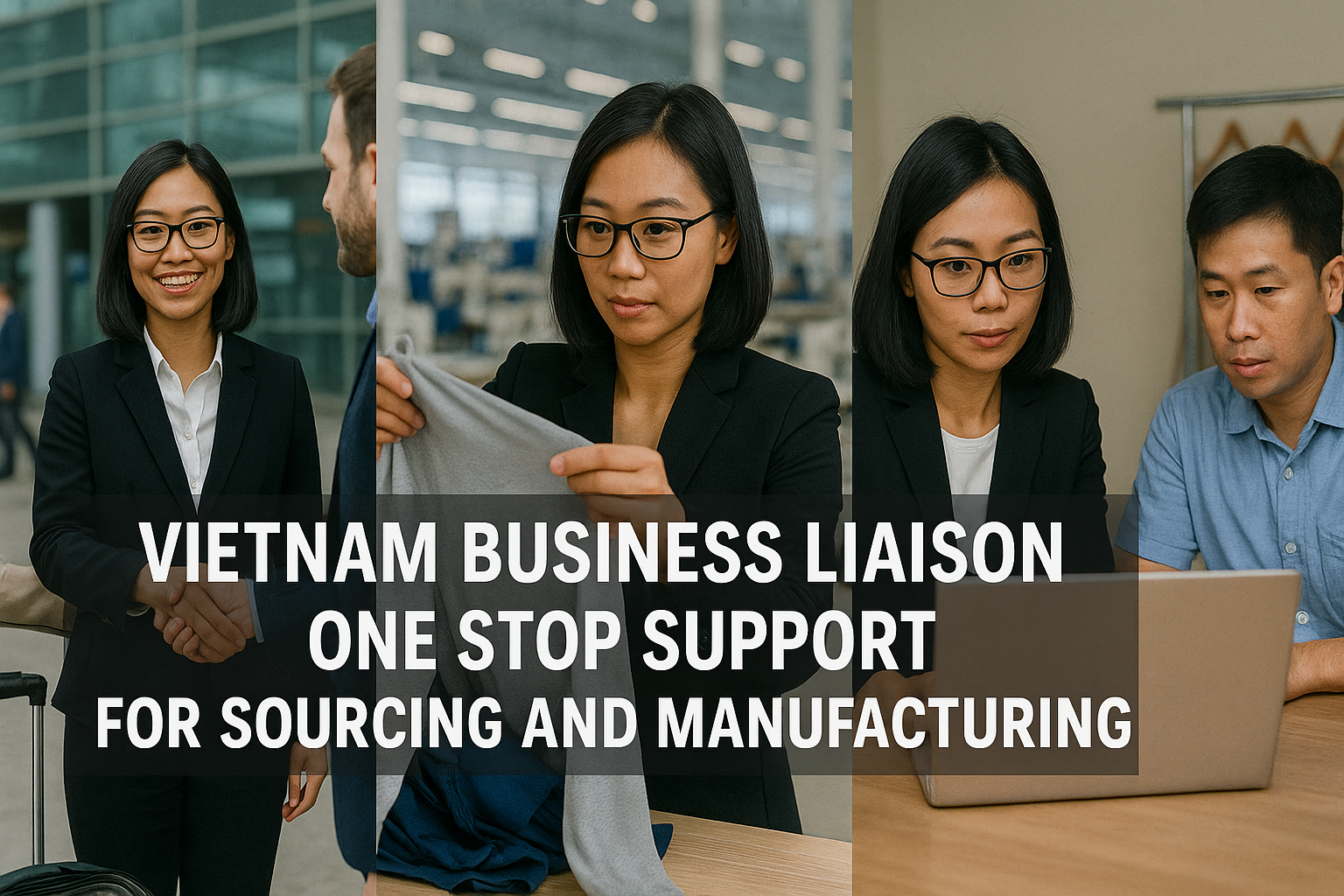
- Utilize Sourcing Agents: Engage reputable sourcing agents with expertise in the Vietnamese textile industry. These agents can leverage their network, conduct preliminary assessments, and negotiate on your behalf, saving you time and resources. Vietnamebizrep offers this service.
- Verify Supplier Credentials and Reputation: Conduct due diligence to ensure potential suppliers possess the necessary certifications (e.g., ISO 9001, WRAP), adhere to ethical labor practices, and have a proven track record of delivering quality products on time. Request references from existing clients and conduct factory audits if feasible.
By meticulously following these guidelines, you can increase your chances of establishing a successful and long-lasting partnership with reliable Vietnam fabric suppliers, ultimately contributing to the growth and profitability of your business.
Need help navigating the world of Vietnam fabric suppliers? This guide will show you how to find the right one for your needs.
Types of Fabrics Sourced from Vietnam: An Overview of Quality and Applications
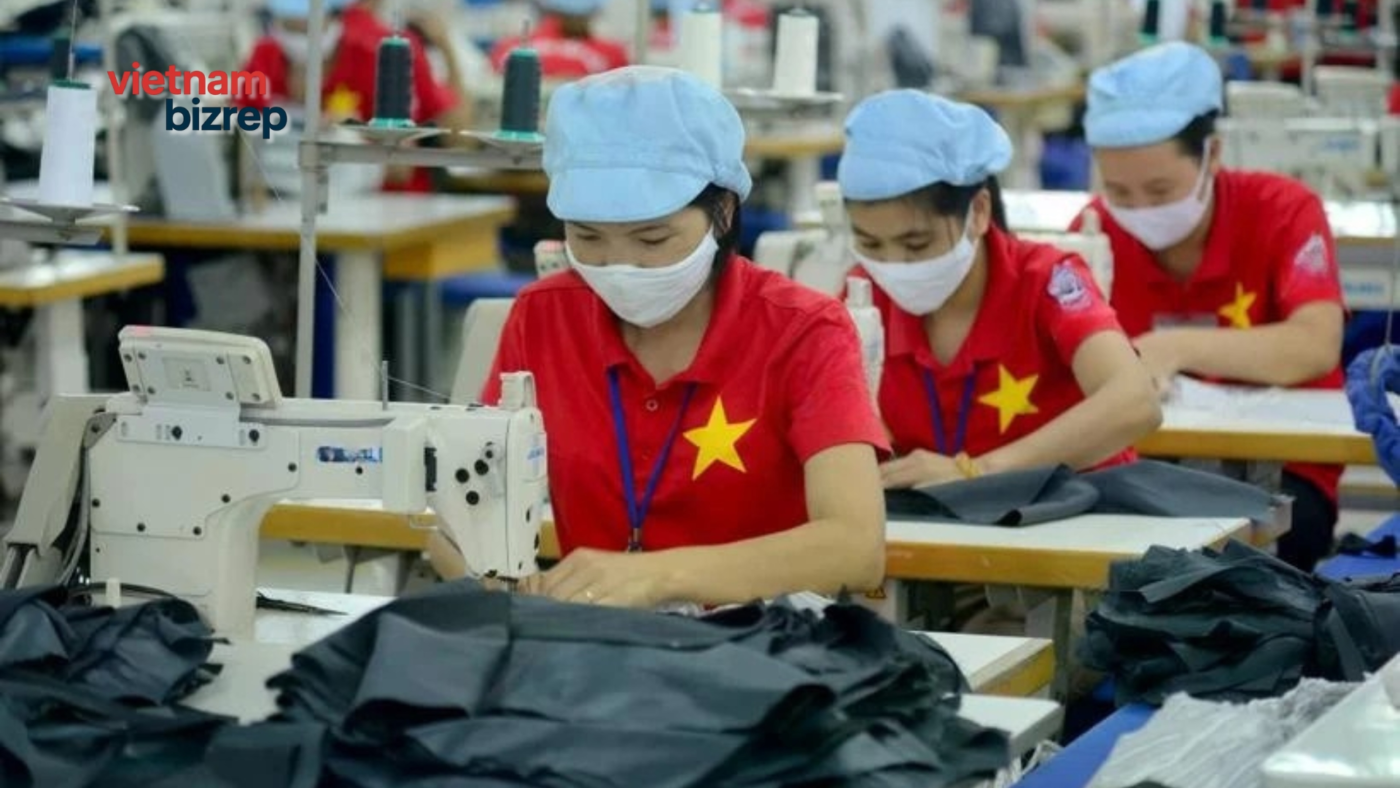
Vietnam has emerged as a significant hub for textile manufacturing, offering a diverse range of fabrics that cater to various industries and applications, making it a prime location for businesses seeking Vietnam fabric suppliers. This section provides an overview of the common types of fabrics sourced from Vietnam, highlighting their qualities, applications, and key considerations for businesses aiming to leverage Vietnam’s textile capabilities. The country’s textile industry benefits from a skilled workforce and strategic investments, allowing it to produce both commodity and specialized fabrics for global markets.
One of the most commonly sourced fabric types is cotton, known for its breathability, comfort, and versatility. Vietnamese cotton fabrics are widely used in apparel, home textiles, and industrial applications. The quality of cotton can vary depending on the grade of cotton fiber used, with premium long-staple cotton commanding higher prices. Beyond cotton, polyester fabrics are also extensively produced in Vietnam, prized for their durability, wrinkle resistance, and affordability. Polyester finds applications in sportswear, outerwear, and various industrial textiles. The blend of polyester with natural fibers like cotton is a common practice to enhance the properties of the resulting fabric, creating poly-cotton blends which offer a balance of comfort and durability.
Beyond the mainstream options, Vietnam also specializes in various other fabric types.
- Silk: A luxurious option, often used in high-end fashion and traditional garments.
- Linen: Valued for its breathability and texture, suitable for warm-weather clothing and home textiles.
- Denim: A durable cotton twill fabric, commonly used in jeans and casual wear.
- Knitted Fabrics: Including jersey, rib knit, and interlock, these materials are frequently used in apparel due to their stretch and comfort.
- Technical Textiles: Vietnam is increasingly producing specialized fabrics for industrial and medical applications, demonstrating growing capabilities in this sector.
When sourcing fabrics from Vietnam, businesses should consider the specific application of the fabric. Apparel manufacturers may prioritize cotton, linen, or knitted fabrics for their comfort and aesthetic appeal, while industrial users may focus on the durability and functionality of polyester or technical textiles. Understanding the intended use will guide businesses in selecting the appropriate Vietnam fabric suppliers and ensuring the quality and performance of the fabrics meet their requirements.

What kind of fabrics can you get from Vietnam? See our overview of the quality and applications of different fabric types sourced from Vietnam.
Evaluating Vietnam Fabric Suppliers: Key Factors for Quality, Reliability, and Pricing
Selecting the right Vietnam fabric suppliers is a critical decision that significantly impacts the success of your sourcing endeavors; careful evaluation of these suppliers across key metrics like quality, reliability, and pricing is paramount. A comprehensive assessment ensures you secure fabrics that meet your specifications, are delivered on time, and align with your budget. By focusing on these core aspects, businesses can mitigate risks and foster long-term, mutually beneficial partnerships with Vietnamese manufacturers.
When evaluating Vietnam fabric suppliers, understanding their quality control processes is paramount. Look for certifications like ISO 9001 or WRAP, which indicate adherence to international standards. Request samples and conduct thorough testing to assess fabric properties such as colorfastness, shrinkage, and durability. Visiting the supplier’s factory allows you to observe their production methods firsthand, ensuring they align with your quality expectations. For example, if sourcing cotton fabrics, verify the cotton source and its fiber length, as longer fibers typically result in stronger and softer materials.
Reliability is another crucial factor in selecting fabric suppliers. Assess their production capacity and lead times to ensure they can meet your demands. Inquire about their experience in handling orders of similar size and complexity. Request references from existing clients and contact them to gather feedback on the supplier’s performance, communication, and problem-solving abilities. A supplier’s financial stability is also important, as it indicates their ability to invest in infrastructure and maintain consistent operations.
Finally, a comprehensive pricing analysis is necessary to determine the true cost-effectiveness of a fabric supplier. Compare quotes from multiple suppliers, considering not only the price per yard but also factors like minimum order quantities, payment terms, and shipping costs. Negotiate pricing based on order volume and long-term commitments. Be wary of suppliers offering significantly lower prices than the market average, as this may indicate compromised quality or unethical labor practices. Consider the total cost of ownership, including potential costs associated with defects, delays, or communication barriers.

How do you ensure you’re working with a trustworthy supplier? Learn about the key factors to consider when evaluating Vietnam fabric suppliers.
Navigating the Vietnam Fabric Sourcing Process: Regulations, Customs, and Logistics
Successfully navigating the Vietnam fabric sourcing process requires a thorough understanding of Vietnamese regulations, customs procedures, and logistics operations. This section serves as a guide to unraveling the complexities involved in importing fabrics from Vietnam, ensuring a smooth and compliant sourcing journey.
Understanding the regulatory landscape is paramount for any business aiming to source fabric from Vietnam. Vietnam’s Ministry of Industry and Trade (MOIT) and the General Department of Vietnam Customs (GDC) oversee the import and export of goods, including textiles. These agencies enforce regulations related to product standards, labeling requirements, and import/export licenses. Familiarizing yourself with Circular No. 37/2015/TT-BCT, which regulates the import of garments and textiles, is essential. Ensuring compliance with these regulations avoids potential delays, penalties, and even seizure of goods.
Customs clearance is another critical aspect of fabric sourcing from Vietnam. Proper documentation is key to a seamless process. Importers must provide accurate and complete information on the commercial invoice, packing list, bill of lading, and certificate of origin. The certificate of origin is particularly important, as it determines the applicable import duties and eligibility for preferential trade agreements, such as the Comprehensive and Progressive Agreement for Trans-Pacific Partnership (CPTPP) or the EU-Vietnam Free Trade Agreement (EVFTA). Misdeclaration or incomplete documentation can lead to delays and fines. Utilizing a reputable customs broker with expertise in textile imports can significantly streamline the clearance process.
Effective logistics are vital for timely and cost-effective delivery of Vietnamese fabrics. Vietnam boasts a well-developed network of ports, including Cai Mep, Ho Chi Minh City, and Hai Phong, facilitating efficient shipping to major international destinations. Selecting the right shipping method – sea freight, air freight, or land transport – depends on factors such as urgency, volume, and budget. Sea freight is generally more cost-effective for large shipments, while air freight offers faster transit times for urgent orders. Inland transportation within Vietnam requires careful planning, considering factors like road infrastructure and potential traffic congestion. Partnering with a reliable logistics provider experienced in handling textile shipments can ensure efficient transportation, warehousing, and delivery.
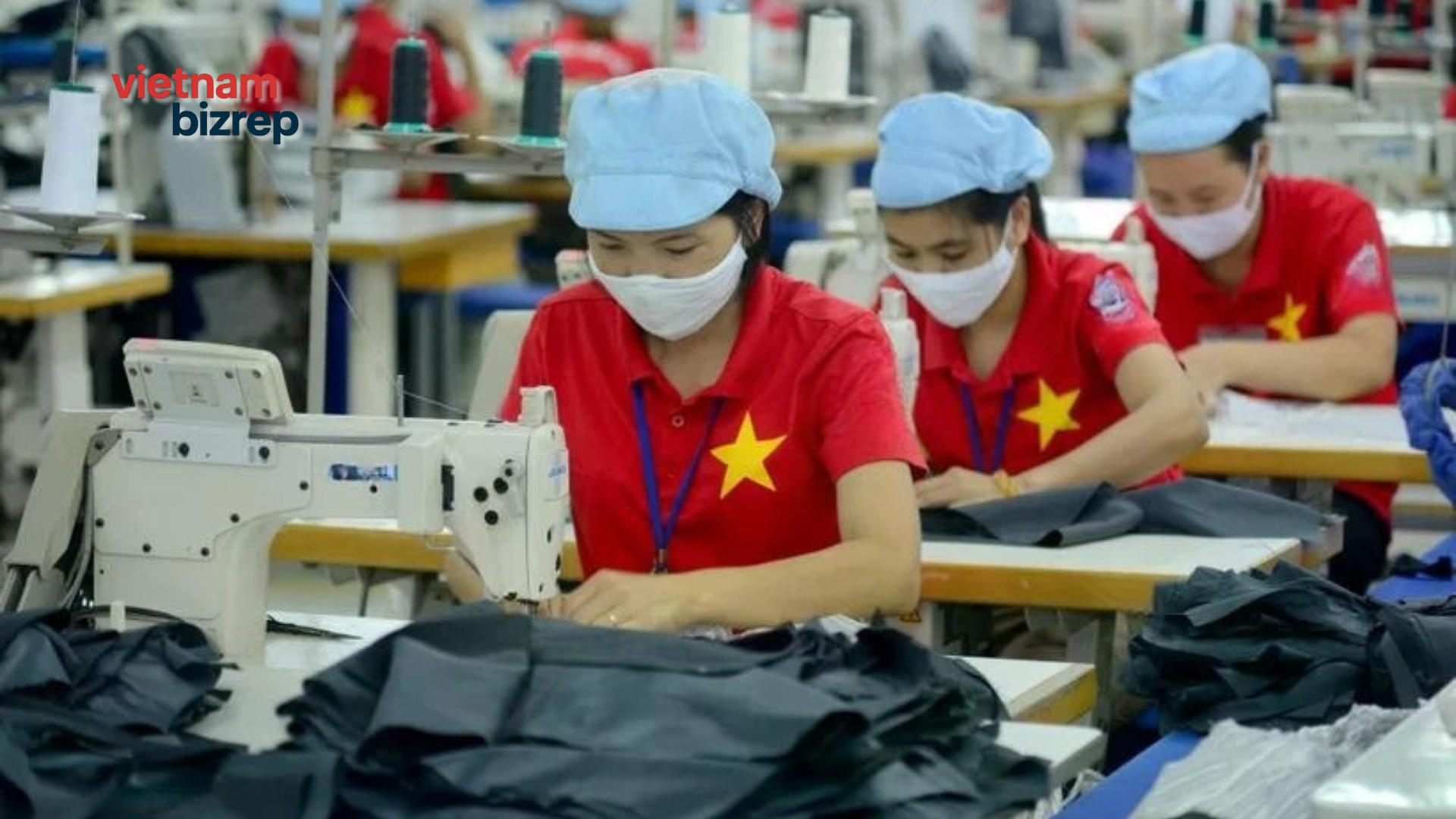
Struggling with the import process? Uncover the regulations, customs procedures, and logistics involved in sourcing fabrics from Vietnam.
Building Long-Term Relationships with Vietnam Fabric Suppliers: Communication, Negotiation, and Contract Management
Establishing long-term relationships with Vietnam fabric suppliers is crucial for sustainable sourcing and mutual growth. These enduring partnerships, built on clear communication, effective negotiation, and robust contract management, ensure consistent quality, reliable supply chains, and competitive pricing. For businesses seeking to source fabrics from Vietnam, investing in these aspects is just as important as identifying the right suppliers.
Effective communication is the cornerstone of any successful business relationship with Vietnam fabric suppliers. This involves not only overcoming language barriers through the use of interpreters or multilingual staff but also actively listening to understand the supplier’s capabilities, constraints, and perspectives. Regular and transparent communication, including providing clear specifications, promptly addressing concerns, and offering constructive feedback, fosters trust and collaboration. Utilizing various communication channels, such as email, phone calls, and video conferencing, depending on the complexity and urgency of the message can help enhance communication.
Skilled negotiation is essential to securing favorable terms and conditions with Vietnam fabric suppliers. This process goes beyond simply haggling over price; it entails a comprehensive understanding of the market dynamics, production costs, and the supplier’s profit margins. Successful negotiation strategies involve setting clear objectives, researching industry benchmarks, exploring value-added services, and building rapport with the supplier. Furthermore, considering factors beyond just price, such as payment terms, delivery schedules, and quality guarantees, can lead to mutually beneficial agreements.
Robust contract management is vital for formalizing the terms of engagement and mitigating potential risks in your relationships with Vietnam fabric suppliers. A well-drafted contract should clearly outline the responsibilities of both parties, including product specifications, quality standards, delivery schedules, payment terms, intellectual property rights, and dispute resolution mechanisms. Regular monitoring of contract performance, documenting any deviations, and proactively addressing potential issues helps ensure compliance and minimize the risk of disruptions. The contract should act as a framework for the relationship, defining the terms and conditions under which both parties operate.
By prioritizing clear communication, strategic negotiation, and sound contract management, businesses can foster long-term relationships with Vietnam fabric suppliers, unlocking significant benefits, including improved quality control, supply chain resilience, and sustainable cost savings. These collaborative partnerships, built on mutual respect and trust, are key to success in the dynamic Vietnam fabric market.

Trends in Vietnam’s Fabric Industry: Sustainability, Innovation, and Market Opportunities
The Vietnam fabric industry is currently experiencing significant shifts driven by a global push for sustainability, rapid technological advancements, and expanding market opportunities. These trends are reshaping the landscape for vietnambizrep and other businesses involved in sourcing textiles from Vietnam. Understanding these dynamics is crucial for navigating the market effectively and capitalizing on emerging prospects.
One of the most prominent trends is the increasing emphasis on sustainability. Global brands and consumers alike are demanding more environmentally friendly practices throughout the supply chain.
- Eco-friendly materials: Vietnamese fabric manufacturers are increasingly adopting sustainable materials like organic cotton, recycled polyester (rPET), and innovative fibers derived from agricultural waste (e.g., banana fiber, lotus fiber).
- Sustainable Production Processes: Factories are investing in water-saving technologies, chemical management systems (like ZDHC), and renewable energy sources to reduce their environmental footprint.
- Certifications: Suppliers are actively seeking certifications like GOTS (Global Organic Textile Standard), Oeko-Tex, and Bluesign to demonstrate their commitment to sustainability and gain a competitive edge.
Innovation is another key driver of change within Vietnam’s textile sector. Manufacturers are investing in advanced technologies to enhance efficiency, improve product quality, and diversify their offerings.
- Digital Printing: The adoption of digital printing technology is enabling manufacturers to produce smaller batches, offer greater design flexibility, and reduce water consumption compared to traditional printing methods.
- Smart Textiles: Some Vietnamese companies are exploring the development of smart textiles with integrated sensors and functionalities for applications in sportswear, healthcare, and other industries.
- Automation: Automation technologies, such as automated cutting and sewing systems, are being implemented to improve productivity, reduce labor costs, and enhance precision.
Furthermore, the market opportunities for Vietnam’s fabric industry are expanding due to several factors.
- Trade Agreements: Free trade agreements (FTAs) like the CPTPP and EVFTA are providing Vietnamese fabric suppliers with preferential access to key markets, boosting export competitiveness.
- Rising Domestic Demand: Vietnam’s growing middle class and increasing fashion consciousness are driving demand for high-quality fabrics within the country.
- Shifting Supply Chains: As companies seek to diversify their sourcing strategies and reduce reliance on single countries, Vietnam is emerging as an attractive alternative to China.
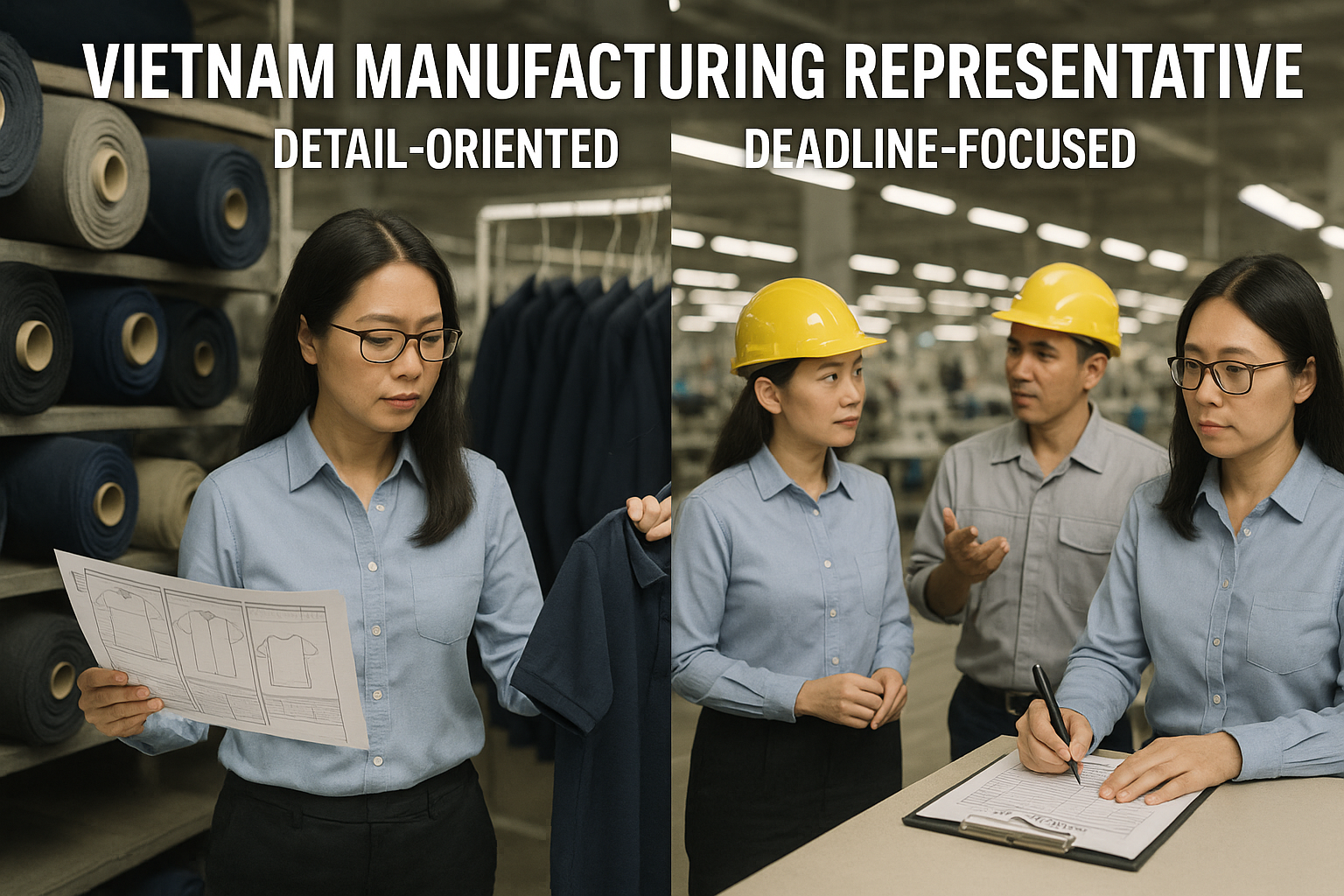
Interested in the future of Vietnam’s textile industry? Explore the latest trends in sustainability, innovation, and market opportunities in Vietnam’s fabric industry.
Case Studies: Success Stories of Businesses Sourcing Fabrics from Vietnam
This section delves into compelling case studies, illustrating the success that businesses have achieved through sourcing fabrics from Vietnam. By examining specific examples, we aim to provide tangible evidence of the benefits, challenges, and strategic approaches employed by companies that have effectively integrated Vietnamese fabrics into their supply chains. These stories offer valuable insights for organizations considering or already engaged in sourcing fabrics from this dynamic market.
Several factors contribute to the success of businesses sourcing fabrics from Vietnam. These factors often include careful supplier selection, a deep understanding of the types of materials available, and effective management of logistics and communication. Understanding these contributing factors is crucial for any business aiming to replicate this success.
Here are a few examples of how businesses have thrived with Vietnam fabric suppliers:
-
Example 1: Global Apparel Brand’s Sustainable Sourcing Initiative: A leading global apparel brand partnered with a Vietnamese fabric supplier specializing in recycled polyester. This collaboration not only reduced the brand’s carbon footprint but also allowed them to market a new line of eco-friendly clothing, attracting environmentally conscious consumers and increasing brand loyalty. The key to their success was the Vietnamese supplier’s commitment to sustainable practices and rigorous quality control.
-
Example 2: Small Boutique’s Unique Textile Discovery: A small boutique owner, seeking unique and ethically sourced materials, discovered a Vietnamese village renowned for its traditional handwoven silk. By establishing a direct relationship with the artisans, the boutique was able to offer exclusive and high-quality garments, differentiating itself from competitors and attracting a loyal customer base willing to pay a premium for unique items. The success story relied on the boutique’s commitment to fair trade principles and supporting local communities.
-
Example 3: Home Goods Manufacturer’s Cost-Effective Cotton Sourcing: A major home goods manufacturer successfully lowered production costs by sourcing high-quality cotton fabrics from Vietnam. By carefully evaluating multiple Vietnam fabric suppliers and negotiating favorable terms, they achieved significant savings without compromising on quality. Their success can be attributed to their thorough due diligence process and ability to leverage Vietnam’s competitive pricing.
These case studies demonstrate the diverse opportunities available when sourcing fabrics from Vietnam. By carefully considering their specific needs, conducting thorough research, and building strong relationships with suppliers, businesses of all sizes can achieve success in this thriving market. The experiences of these companies offer valuable lessons for those looking to optimize their fabric sourcing strategies and gain a competitive advantage.
Want to see success in action? Read case studies of businesses thriving by sourcing fabrics from Vietnam.
Avoiding Common Pitfalls When Sourcing Fabrics from Vietnam: Quality Control, Ethical Considerations, and Legal Compliance
Navigating the world of vietnam fabric suppliers requires careful attention to avoid common pitfalls related to quality control, ethical considerations, and legal compliance. Sourcing fabrics from Vietnam presents a wealth of opportunities, but a proactive approach to risk mitigation is crucial for ensuring successful and sustainable partnerships. Understanding the nuances of the Vietnamese textile industry, implementing robust quality assurance measures, and adhering to ethical sourcing practices are paramount for businesses aiming to establish a reliable supply chain.
One of the primary challenges is ensuring consistent quality control. Variability in fabric quality can stem from numerous factors, including inconsistencies in raw materials, manufacturing processes, and quality assurance protocols. To mitigate this risk, businesses should implement rigorous inspection procedures at various stages of production. This includes pre-production checks of raw materials, in-process inspections during manufacturing, and final inspections before shipment. Partnering with reputable vietnambizrep, or third-party inspection agencies can provide an added layer of security, ensuring that fabrics meet specified standards and certifications such as Oeko-Tex Standard 100 for harmful substances.
Ethical considerations are also paramount when sourcing fabrics. This encompasses fair labor practices, safe working conditions, and environmental responsibility. Reports of worker exploitation, unsafe factories, and unsustainable environmental practices within the textile industry are not uncommon. Therefore, businesses must conduct thorough due diligence to ensure that vietnam fabric suppliers adhere to ethical labor standards and environmental regulations. This includes conducting factory audits, verifying compliance with labor laws, and assessing the environmental impact of manufacturing processes. Supporting suppliers that prioritize fair wages, safe working conditions, and sustainable practices not only aligns with ethical values but also protects brand reputation and fosters long-term partnerships.
Finally, legal compliance is essential for avoiding potential legal and financial repercussions. Businesses must be aware of and adhere to all relevant Vietnamese regulations and international trade laws. This includes understanding customs regulations, import/export requirements, and intellectual property rights. Failure to comply with these regulations can lead to delays, fines, and even legal action. Engaging with legal experts familiar with Vietnamese law and international trade can help navigate the complexities of the legal landscape and ensure compliance. Contractual agreements should clearly define responsibilities, liabilities, and dispute resolution mechanisms to protect the interests of both parties. By prioritizing quality control, ethical considerations, and legal compliance, businesses can mitigate risks and build a sustainable and successful supply chain for sourcing fabrics from Vietnam.
Worried about potential problems? Learn how to avoid common pitfalls in Vietnam fabric sourcing.
Fabric sourcing decisions often overlap with footwear production — see our overview of Vietnam shoe factories for a related sourcing category.
Vietnam Biz Rep helps overseas buyers find suppliers, verify factories, coordinate samples, inspect goods, and follow up production in Vietnam. Learn more about our Vietnam sourcing agent services or contact us to discuss your sourcing requirements.
