

Securing a reliable vietnam clothing supplier is paramount for businesses aiming to optimize costs and maintain quality in 2025. This guide, tailored for the pragmatic business professional, delves into the essential aspects of navigating the Vietnamese apparel manufacturing landscape. We’ll dissect the critical factors for evaluating potential partners, from assessing manufacturing capabilities and ensuring quality control to understanding pricing strategies and navigating export regulations. Beyond the basics, this vietnambizrep article equips you with strategies for building strong supplier relationships, mitigating supply chain risks, and ultimately, securing a competitive edge in the global market through strategic sourcing from Vietnam.
Finding the Right Vietnam Clothing Supplier: A Comprehensive Guide
Sourcing clothing from Vietnam presents a compelling opportunity for businesses worldwide, but finding the right Vietnam clothing supplier requires a strategic approach. This guide serves as a roadmap for navigating the complexities of the Vietnamese garment industry, equipping you with the knowledge to identify and partner with a supplier that aligns with your specific needs and goals. From understanding the market landscape to conducting thorough due diligence, we will cover the essential steps to ensure a successful and mutually beneficial relationship.
Identifying the ideal clothing supplier in Vietnam involves more than just searching online directories; it demands a deep understanding of your own requirements. This includes clearly defining your target product categories, desired quality standards, minimum order quantities (MOQs), and budget constraints. For instance, are you seeking a supplier specializing in fast fashion, sportswear, or high-end apparel? Knowing the answers to these questions will narrow down your search and enable you to focus on suppliers with the capabilities and expertise that match your specific needs.
Once you have a clear understanding of your requirements, the next step is to explore various avenues for finding potential Vietnam clothing manufacturers.
Here are a few options:
- Online B2B platforms: Websites such as Alibaba, Global Sources, and Made-in-China offer extensive directories of Vietnamese clothing suppliers, allowing you to filter by product type, location, and other relevant criteria.
- Trade shows: Attending trade shows in Vietnam or internationally provides an opportunity to meet potential suppliers face-to-face, assess their product offerings, and build relationships.
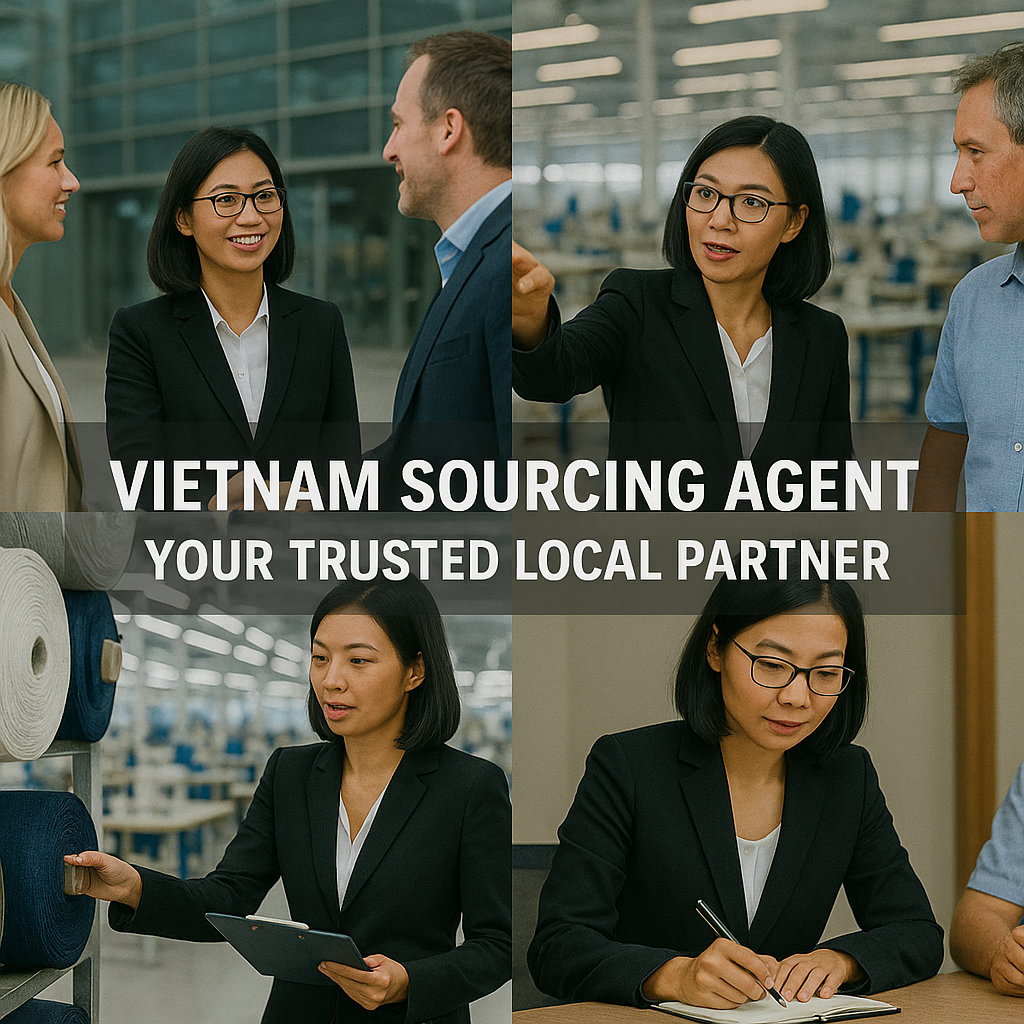
- Sourcing agents: Engaging a sourcing agent with expertise in the Vietnamese garment industry can streamline the process, providing access to a network of pre-vetted suppliers and assistance with negotiation and quality control. Vietnambizrep, for example, specializes in connecting businesses with reputable Vietnamese manufacturers.
- Industry associations: Organizations like the Vietnam Textile and Apparel Association (VITAS) can provide valuable resources and connections to potential suppliers within the country.
After identifying potential clothing suppliers in Vietnam, conducting thorough due diligence is paramount. This involves verifying their business registration, assessing their production capacity, reviewing their quality control processes, and obtaining references from previous clients. Furthermore, it is essential to ensure that the supplier complies with all relevant labor laws and environmental regulations. This comprehensive verification process minimizes the risk of partnering with unreliable or unethical suppliers and safeguards your brand reputation.
Vietnam Clothing Supplier Landscape: Understanding the Market
Understanding the Vietnam clothing supplier landscape is crucial for businesses seeking to source apparel from this dynamic market. Vietnam has emerged as a prominent hub in the global garment industry, offering diverse production capabilities and competitive pricing. However, navigating this complex market requires a thorough understanding of its key characteristics, regional specializations, and evolving trends.
The Vietnamese garment industry is characterized by its dual structure, comprising both Foreign Direct Investment (FDI) enterprises and domestic companies. FDI firms often focus on large-scale production for export, leveraging advanced technologies and international management practices. Conversely, domestic manufacturers cater to both the export and domestic markets, often specializing in specific product categories or utilizing more traditional production methods.
Geographically, clothing production in Vietnam is concentrated in key regions. The South, particularly around Ho Chi Minh City, boasts a well-established infrastructure and a high concentration of factories specializing in various apparel types, from fast fashion to high-end garments. The North, including Hanoi and surrounding provinces, is known for its strengths in woven fabrics and outerwear production. Central Vietnam is emerging as a new manufacturing hub, attracting investment due to its lower labor costs and government incentives. Understanding these regional specializations is essential for identifying suppliers that align with your specific product needs.
Beyond geographical distribution and ownership structure, it’s vital to consider the market’s response to global trends. Vietnam is increasingly adopting sustainable manufacturing practices, offering eco-friendly materials and ethical production processes. Furthermore, the industry is embracing digitalization and automation to enhance efficiency and meet the demands of fast-changing fashion cycles. Staying abreast of these trends will help you identify Vietnam clothing suppliers that are not only competitive but also forward-thinking and socially responsible.
Types of Clothing Suppliers in Vietnam: Which One Suits Your Needs?
Navigating the Vietnam clothing supplier landscape requires understanding the diverse types of suppliers available. Identifying the right supplier is crucial for vietnambizrep and any business looking to source clothing from Vietnam effectively. The selection depends heavily on your specific needs, order volume, budget, and quality expectations.
Several categories define the clothing supplier ecosystem in Vietnam. Original Equipment Manufacturers (OEMs) produce clothing based on your designs and specifications, ideal for brands seeking custom products. Original Design Manufacturers (ODMs) offer design services in addition to manufacturing, suitable for businesses that need design input. Cut, Make, and Trim (CMT) factories handle only the production process, requiring you to provide designs and materials, a cost-effective option for those with existing resources. Finally, trading companies act as intermediaries, connecting you with various manufacturers, beneficial for smaller orders or diverse product lines, but potentially adding to costs.
Choosing the right Vietnam clothing supplier involves careful consideration of your business model and requirements. If you have detailed designs and large order volumes, an OEM might be the best fit. If you need design assistance, an ODM could be a better choice. For those with established designs and material sourcing capabilities, CMT factories offer a streamlined approach. Trading companies provide flexibility for businesses with smaller or more diverse sourcing needs. Each type offers distinct advantages, so understanding these differences is key to success.
Verifying Vietnam Clothing Suppliers: Due Diligence and Compliance
Ensuring you’re working with a reputable and compliant vietnam clothing supplier is paramount to the success of your sourcing endeavors; therefore, thorough due diligence is essential. This process helps mitigate risks associated with quality, ethical practices, and legal compliance, safeguarding your brand and investment when choosing clothing manufacturers in Vietnam.
Before committing to a partnership, it’s crucial to perform background checks on potential clothing suppliers in Vietnam. This involves verifying their business registration, licenses, and any relevant certifications. Check for evidence of compliance with local labor laws, environmental regulations, and international standards. Requesting references from existing clients and conducting site visits (either in person or virtually) can provide valuable insights into their operations and ethical practices.
Furthermore, confirming a Vietnam clothing supplier’s adherence to industry compliance standards is critical. Ensure they possess the necessary certifications relevant to your target market, such as WRAP (Worldwide Responsible Accredited Production), BSCI (Business Social Compliance Initiative), or Oeko-Tex Standard 100. These certifications demonstrate a commitment to ethical labor practices, environmental sustainability, and product safety, aligning your brand with responsible sourcing principles and showcasing the legitimacy of your vietnambizrep partnerships.
Finally, a comprehensive due diligence process should include a review of the supplier’s financial stability and production capabilities. Request financial statements, assess their capacity to meet your order volumes and timelines, and evaluate their quality control processes. This holistic approach to supplier verification minimizes the risk of disruptions, ensures consistent product quality, and builds a foundation for a successful and sustainable sourcing relationship with your chosen Vietnam clothing supplier.

Key Factors in Vietnam Clothing Supplier Selection: Quality, Price, and Lead Time
Selecting the right vietnam clothing supplier is crucial for businesses aiming to source garments efficiently and effectively; this process hinges on a careful evaluation of several key factors, with quality, price, and lead time standing out as the most critical. Successfully navigating these aspects can significantly impact profitability, brand reputation, and overall supply chain efficiency. Understanding the interplay between these factors will enable businesses to make informed decisions and forge successful partnerships with suppliers in Vietnam.
Quality serves as the cornerstone of any successful clothing sourcing strategy. A commitment to quality ensures customer satisfaction, reduces returns, and protects brand integrity, therefore businesses need to assess suppliers’ capabilities in maintaining consistent product standards. For instance, verifying certifications like ISO 9001 or WRAP (Worldwide Responsible Accredited Production) can provide assurance of a supplier’s commitment to quality management systems. Moreover, requesting samples and conducting thorough inspections during production are vital steps in mitigating potential quality issues.
Price, undeniably a significant determinant, necessitates a comprehensive understanding of the vietnam clothing supplier pricing structures. While cost savings are always desirable, it’s crucial to avoid compromising on quality. Remember, the lowest price doesn’t always equate to the best value. Instead, focus on evaluating the total cost of ownership, which includes factors like material costs, labor expenses, shipping fees, and potential rework costs due to substandard quality. Negotiating favorable payment terms and exploring volume discounts can also help optimize pricing.
Lead time, or the time elapsed from order placement to delivery, directly impacts inventory management and responsiveness to market demands. Shorter lead times enable businesses to react quickly to changing consumer preferences, minimize inventory holding costs, and enhance overall supply chain agility. To effectively manage lead times, businesses should communicate their production schedules clearly, establish realistic deadlines with suppliers, and explore options for expedited shipping if necessary. Building strong relationships with vietnam clothing suppliers can often lead to preferential treatment and improved lead time performance.
Navigating Vietnam Clothing Supplier Communication and Negotiation
Effectively navigating communication and negotiation with a vietnam clothing supplier is crucial for establishing a successful and mutually beneficial partnership. Misunderstandings, unmet expectations, and unfavorable terms can be avoided with clear, proactive, and culturally sensitive communication, paving the way for efficient production and high-quality garment sourcing from Vietnam.
Open and transparent communication forms the bedrock of any successful business relationship with vietnam clothing suppliers. This involves clearly articulating your needs, specifications, and expectations from the outset, ensuring that your supplier comprehends your requirements for garment manufacturing, labeling, packaging, and shipping, minimizing ambiguity. Provide detailed tech packs, size charts, and any other relevant documentation to serve as a reference point. Regularly update your supplier on any changes or modifications, and promptly address any questions or concerns they may have.
Understanding cultural nuances is also paramount when communicating with vietnam clothing suppliers. Direct communication styles, common in Western cultures, may be perceived as aggressive or disrespectful in Vietnam. Building rapport by engaging in polite conversation before diving into business matters is advisable. Employ active listening, pay attention to non-verbal cues, and demonstrate patience. Be mindful of language barriers and consider using a translator or interpreter if necessary.
Negotiation is a critical aspect of securing favorable terms with your vietnam clothing supplier. Before entering into negotiations, research industry standards and market rates to establish a realistic benchmark. Clearly define your budget and desired profit margins, and be prepared to make reasonable compromises. Focus on building a win-win scenario where both parties benefit. Transparency and honesty during the negotiation process will foster trust and pave the way for long-term collaboration. Instead of solely focusing on price, explore other negotiable factors such as payment terms, minimum order quantities (MOQs), lead times, and shipping arrangements.
Finally, maintain detailed records of all communication, including emails, phone calls, and meeting minutes. Document any agreements reached during negotiations and incorporate them into a formal contract. Regularly review and update the contract as needed to reflect changes in the business environment or your evolving needs. By fostering open communication, understanding cultural nuances, and engaging in strategic negotiation, you can build strong, mutually beneficial partnerships with clothing suppliers in Vietnam and achieve your sourcing goals.
Quality Control Strategies with Vietnam Clothing Suppliers: Ensuring Your Standards
Establishing robust quality control strategies is paramount when working with a Vietnam clothing supplier to safeguard your brand reputation and customer satisfaction. Vietnam’s garment industry is competitive, but maintaining consistently high standards requires a proactive and multi-faceted approach to quality assurance. This section delves into practical strategies for implementing effective quality control throughout the production process, from initial sampling to final shipment.
To ensure your standards are met consistently, consider implementing these key strategies:
-
Establish Clear Quality Standards and Specifications: Before production begins, provide your Vietnam clothing supplier with detailed and unambiguous quality standards. Technical specifications, acceptable defect levels (AQL), and sizing charts should be clearly defined. This minimizes misunderstandings and sets the foundation for consistent quality control. For instance, specify the exact Pantone color codes for fabrics and the acceptable range of variance for stitching.
-
Implement Pre-Production Samples and Approvals: Request and meticulously review pre-production samples. This allows you to identify and address any potential issues with design, materials, or workmanship before mass production. Approving these samples in writing serves as a benchmark for the supplier to follow. Think of it as a ‘gold standard’ they must replicate throughout the entire production run.
-
Conduct In-Process Inspections: Implement regular in-process inspections at various stages of production. This proactive approach allows you to detect and rectify defects early, preventing them from escalating. For example, inspect stitching quality after the sewing stage and ensure accurate measurements after cutting. A study by the American Society for Quality (ASQ) found that in-process inspections can reduce defects by up to 50%.
-
Final Inspection and AQL (Acceptable Quality Level) Sampling: Conduct a final inspection of finished goods before shipment, using an AQL sampling method. This involves inspecting a statistically significant sample size to determine whether the entire batch meets your pre-defined quality standards. Employing a reputable third-party inspection service can provide an unbiased assessment. AQL standards help to determine the maximum number of defects that are considered acceptable in a batch.
-
Utilize Third-Party Inspection Services: Engaging independent quality control firms in Vietnam offers an objective assessment of product quality. These services can conduct inspections at various stages of production, providing detailed reports and photographic evidence. This adds an extra layer of assurance and can help to identify issues that might be missed by internal teams.
-
Foster Open Communication and Collaboration: Maintain open and transparent communication with your Vietnam clothing supplier throughout the production process. Regularly discuss quality control findings and work collaboratively to implement corrective actions. This fosters a partnership approach and encourages continuous improvement. Regular video calls and factory visits can facilitate this collaboration.
By implementing these strategies, you can effectively manage quality control with your Vietnam clothing supplier, ensuring that your products meet your desired standards and contribute to your brand’s success.
Building Long-Term Relationships with Vietnam Clothing Suppliers: Partnership and Growth
Establishing long-term relationships with your Vietnam clothing supplier is crucial for sustainable growth and mutual success. Moving beyond transactional interactions to foster genuine partnerships allows your brand, like Vietnambizrep, to unlock benefits such as preferential pricing, prioritized production, enhanced quality control, and collaborative innovation in the garment industry. A strong foundation built on trust and open communication is key to navigating the complexities of sourcing clothing from Vietnam and ensuring a consistent, reliable supply chain.
Building these lasting connections requires a proactive approach focused on clear communication, mutual respect, and a shared vision. Regular communication helps to align expectations and quickly address any potential problems. Transparency in business practices, including forecasting and production planning, strengthens trust and allows clothing suppliers in Vietnam to better anticipate your needs. Showcasing commitment through consistent order volumes and fair payment terms helps to secure a long-term partnership and secure access to the supplier’s best resources.
To transform a vendor relationship into a true partnership, it is vital to adopt strategies fostering collaboration. Consider inviting key personnel from your Vietnam clothing supplier to participate in design review meetings or attend industry events. This level of inclusion builds a sense of ownership and encourages shared problem-solving. Providing constructive feedback on their performance, alongside recognition for their achievements, motivates continuous improvement. For example, a collaborative initiative might involve joint investments in new technologies or process improvements to enhance efficiency and reduce costs, creating a win-win situation for both parties involved.
Ultimately, investing time and resources in cultivating strong relationships with your clothing manufacturers in Vietnam results in long-term advantages. These strategic alliances not only secure a reliable supply of high-quality garments but also unlock opportunities for innovation, cost optimization, and market expansion. A committed and aligned supplier becomes an extension of your own team, contributing significantly to your brand’s success in the competitive fashion landscape.
Common Challenges and Solutions When Working with Vietnam Clothing Suppliers
Navigating the vietnam clothing supplier landscape can present several challenges for businesses aiming to source apparel from this dynamic market, yet understanding these potential pitfalls and proactively implementing solutions is key to successful and profitable partnerships. The complexities range from communication barriers and quality control issues to ethical considerations and logistical hurdles, all of which necessitate careful planning and diligent execution. Overcoming these obstacles allows businesses to unlock the vast potential of Vietnam’s garment industry, which is among the world’s top clothing exporters.
One significant hurdle is communication barriers, stemming from language differences and cultural nuances. Misunderstandings can lead to errors in production, delayed timelines, and ultimately, dissatisfaction. To mitigate this, consider these solutions:
- Employing bilingual staff: Having personnel proficient in both your language and Vietnamese can facilitate smoother communication.
- Using detailed tech packs: Clear and comprehensive technical specifications for your clothing designs are crucial.
- Frequent video conferencing: Regular virtual meetings can help build rapport and clarify expectations.
Another common issue is quality control, particularly when dealing with suppliers located far from your base of operations. Maintaining consistent quality requires robust measures:
- Implementing thorough pre-production, in-line, and final inspections : Rigorous inspections at each stage of production can identify and rectify defects early on.*
- Working with third-party quality control agencies: These agencies provide independent assessment and verification of product quality.*
- Establishing clear quality standards and tolerance levels : Ensure suppliers understand your expectations regarding materials, workmanship, and finishing.*
Ethical sourcing presents another critical challenge. Concerns about labor standards, worker safety, and environmental practices demand careful due diligence. Consider these steps:
- Conducting factory audits: Verify that suppliers adhere to ethical labor practices and environmental regulations.
- Seeking certifications: Look for certifications such as WRAP, BSCI, or SEDEX to ensure compliance with industry standards.
- Prioritizing transparency: Choose suppliers who are open about their operations and supply chains.
Logistical issues, including shipping delays, customs clearance, and supply chain disruptions, can also impede the sourcing process. Effective solutions include:
- Planning for longer lead times : Account for potential delays in your production schedule.*
- Working with experienced freight forwarders: Partnering with reputable logistics providers can streamline the shipping process.*
- Diversifying your supplier base : Reduces dependence on a single supplier and mitigates risks associated with disruptions.*
Finally, price fluctuations in raw materials and labor costs can impact the profitability of your sourcing operations. Strategies to manage this challenge include:
- Negotiating long-term contracts : Secure favorable pricing by committing to extended agreements.*
- Staying informed about market trends : Monitor industry developments to anticipate price changes.*
- Exploring alternative materials : Consider using more affordable or readily available materials without compromising quality.*
By acknowledging these common challenges and implementing proactive solutions, businesses can forge successful and sustainable partnerships with vietnam clothing suppliers, unlocking the significant potential of this vibrant sourcing destination.
Vietnam Clothing Supplier Trends and Future Outlook: What to Expect
The Vietnam clothing supplier landscape is constantly evolving, driven by global market forces, technological advancements, and shifting consumer preferences; understanding these trends and anticipating the future is crucial for businesses seeking reliable sourcing partners in Vietnam. Factors like increasing sustainability demands, the rise of e-commerce, and the adoption of advanced manufacturing technologies are reshaping the industry, requiring suppliers to adapt and innovate to remain competitive.
Several emerging trends are poised to significantly impact Vietnam’s clothing manufacturing industry. One of the most prominent is the growing emphasis on sustainable and ethical sourcing. Consumers are increasingly demanding transparency and accountability from brands, leading to a greater focus on eco-friendly materials, fair labor practices, and reduced environmental impact. This trend pushes clothing suppliers in Vietnam to adopt sustainable production methods and obtain relevant certifications. Furthermore, the increasing adoption of digital technologies, such as AI-powered design and production tools, and automation will optimize supply chain management and reduce lead times.
Another key development is the diversification of product offerings by Vietnamese suppliers. Beyond traditional apparel manufacturing, many are expanding into specialized areas such as technical textiles, sportswear, and functional clothing. This diversification allows them to cater to a broader range of customer needs and reduce reliance on specific market segments.
Beyond Manufacturing: Additional Services Offered by Vietnam Clothing Suppliers
Beyond simply producing garments, many Vietnam clothing suppliers offer a range of additional services that can significantly streamline the sourcing process and add value for international clients. These services extend far beyond the factory floor, encompassing design, logistics, and even marketing support. This holistic approach is designed to create a one-stop-shop experience, reducing complexity and improving efficiency for buyers.
Many clothing manufacturers in Vietnam now provide comprehensive design and product development support. This includes trend analysis, fabric sourcing, pattern making, and sample creation. Some suppliers even have in-house design teams that can assist clients in developing entirely new collections or adapting existing designs to meet specific market needs. This service is particularly valuable for startups and smaller brands that may not have their own dedicated design resources.
Furthermore, Vietnamese garment factories often offer assistance with labeling, packaging, and quality control. They can ensure that products meet international standards and are packaged according to the client’s specifications. Many also provide services such as hangtag design, barcode printing, and customized packaging solutions. Rigorous quality control procedures, often exceeding standard AQL (Acceptable Quality Level) levels, are implemented to minimize defects and ensure customer satisfaction.
Finally, a growing number of Vietnam clothing suppliers are expanding their offerings to include logistics and shipping services. This can involve coordinating transportation, handling customs clearance, and managing inventory. Some suppliers even offer drop-shipping services, allowing clients to sell products directly to consumers without having to manage inventory themselves. This end-to-end service offering allows businesses to focus on sales and marketing while the supplier manages the entire production and fulfillment process.
Cost Breakdown: Understanding Vietnam Clothing Supplier Pricing Structures
Understanding the pricing structures of a Vietnam clothing supplier is crucial for businesses seeking cost-effective sourcing solutions. This section delves into the various elements that constitute the final price, allowing you to navigate negotiations effectively and ensure profitability when working with clothing manufacturers in Vietnam.
The pricing model used by a clothing supplier will significantly impact your overall cost. Typically, Vietnamese clothing manufacturers utilize either a FOB (Free on Board) or a CIF (Cost, Insurance, and Freight) pricing structure. FOB means you’re responsible for shipping and insurance from the Vietnamese port, while CIF includes these costs in the supplier’s price to your destination port. Understanding these structures is key to comparing quotes accurately.
Several factors contribute to the cost breakdown when sourcing apparel from Vietnam. These elements include raw materials (fabric, trims, etc.), labor costs (sewing, cutting, finishing), overhead expenses (factory rent, utilities, administrative costs), and profit margins. Fluctuations in global cotton prices, changes in Vietnam’s minimum wage, and the supplier’s efficiency all play a role in the final pricing.
To effectively analyze the pricing offered by a potential Vietnam clothing supplier, consider the following aspects:
- Fabric Sourcing and Cost: Inquire about the fabric source, its composition, and the cost per meter or yard. Factor in potential waste during cutting.
- CMT (Cut, Make, Trim) vs. Full Package: Determine if the supplier offers CMT services (you supply the fabric) or a full package (they source everything). Full package deals usually have higher prices but offer more convenience.
- Minimum Order Quantities (MOQs): Understand the MOQs and how they affect the unit price. Higher MOQs often translate to lower per-unit costs.
- Sampling Costs: Clarify the cost for creating samples and whether these costs are refundable upon placing a bulk order.
- Payment Terms: Negotiate favorable payment terms (e.g., a percentage upfront and the balance upon completion or shipment).
- Currency Exchange Rates: Be aware of the exchange rates between your currency and the Vietnamese Dong (VND), as fluctuations can impact your final cost.
By carefully examining each component of the Vietnam clothing supplier’s pricing structure, you can make informed decisions, negotiate effectively, and build a mutually beneficial relationship with your manufacturing partner, ensuring you secure competitive prices without sacrificing quality when sourcing clothing from Vietnam.
Legal Considerations When Sourcing Clothing from Vietnam
Navigating the legal landscape is crucial when sourcing clothing from Vietnam to ensure a smooth and compliant operation for businesses like Vietnambizrep. Understanding these legal aspects protects your investment and fosters a reliable, long-term partnership with your Vietnam clothing supplier.
When initiating apparel manufacturing in Vietnam, adhering to international trade laws becomes paramount. Importers must familiarize themselves with regulations like import duties, quotas (if any), and trade agreements between Vietnam and their respective countries. For example, the Comprehensive and Progressive Agreement for Trans-Pacific Partnership (CPTPP) and the EU-Vietnam Free Trade Agreement (EVFTA) can significantly impact tariff rates and customs procedures, potentially providing preferential treatment. Ensuring your vietnam clothing supplier provides accurate documentation, including certificates of origin, is crucial for customs clearance.
Several key legal areas demand attention:
- Contract Law: A well-drafted contract with your Vietnam clothing supplier is vital. This should explicitly define product specifications, pricing, payment terms, delivery schedules, quality control procedures, intellectual property rights, and dispute resolution mechanisms.
- Labor Laws: Ensure your supplier adheres to Vietnamese labor laws, including minimum wage requirements, working hours, and employee benefits. Compliance with international labor standards is also increasingly important for ethical sourcing and to meet consumer expectations.
- Intellectual Property Protection: Safeguarding your designs and trademarks is crucial. Register your trademarks in Vietnam and include clauses in your contract that protect your intellectual property rights. Due diligence is necessary to ensure your supplier does not infringe on existing patents or copyrights.
- Customs Regulations: Understanding and complying with Vietnamese customs regulations is essential for smooth import/export processes. This includes accurate declarations, proper documentation, and adherence to import/export restrictions.
- Product Safety Standards: The clothing manufactured must meet the safety standards of the importing country. This includes regulations on fabric composition, flammability, and the use of restricted substances. Your supplier should provide testing reports to demonstrate compliance.
Engaging legal counsel familiar with Vietnamese business law is highly recommended. A local legal expert can provide guidance on contract negotiation, intellectual property protection, and compliance with relevant regulations, minimizing potential risks and ensuring a legally sound foundation for your sourcing operations.
How to Evaluate a Vietnam Clothing Supplier
Evaluate each supplier against the same product specification, material requirements, order volume, and delivery plan. Confirm whether the factory can provide the development, sampling, production, inspection, and packing support that your order needs.
Use supplier documents, sample reviews, factory verification, and clear quality criteria to assess capability. Buyers should record any open conditions before placing an order and agree how changes, approvals, and production issues will be communicated.
Vietnam Biz Rep helps overseas buyers find suppliers, verify factories, coordinate samples, inspect goods, and follow up production in Vietnam. Learn more about our Vietnam sourcing agent services or contact us to discuss your sourcing requirements.
