
Are you looking for a clothing line manufacturer to bring your fashion vision to life? Finding the right partner is crucial for your brand’s success. This guide, tailored for the practical-minded, will delve into the essentials of selecting the best garment manufacturers in Vietnam , specifically focusing on sourcing strategies, production capabilities, and quality control processes. We’ll provide a data-driven look at cost analysis, lead times, and minimum order quantities (MOQs). Discover how to navigate the Vietnamese manufacturing landscape and secure a reliable partnership for your clothing brand’s future growth in 2025.
Many new labels start with a simpler product, such as wholesale t-shirts, before expanding into a full clothing line — see our guide to Vietnam t-shirts wholesale sourcing for that starting point.
Finding the Right Clothing Line Manufacturer: What to Look For
Finding the right clothing line manufacturer is a critical step in launching a successful fashion brand, as they are responsible for bringing your designs to life. Therefore, it’s important to carefully consider various factors before making your decision. Evaluating potential partners based on their capabilities, expertise, and alignment with your brand’s values will set the stage for a productive and profitable long-term relationship.
When selecting a clothing manufacturer, experience in handling similar product types and materials is essential. Look for manufacturers with a proven track record in producing garments that match your brand’s aesthetic and target market. A manufacturer specializing in high-end fashion, for example, may not be the best fit for a brand focused on athleisure wear.
Beyond expertise, assess the manufacturer’s production capacity to ensure they can meet your current and future demands. Can they handle both small-batch orders for initial testing and larger production runs as your brand grows? Understanding their minimum order quantities (MOQs) and lead times will help you plan your inventory and avoid costly delays. A transparent and flexible approach to production is crucial for accommodating the ever-changing needs of a fashion business.
Finally, consider the manufacturer’s quality control processes. Do they have rigorous inspection procedures in place to identify and address defects before they reach your customers? Request samples of their previous work and thoroughly examine the construction, stitching, and overall finish. Partnering with a manufacturer that prioritizes quality will help you build a reputation for excellence and foster customer loyalty.
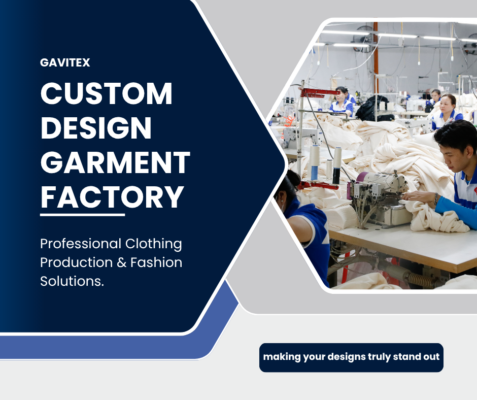
Looking for the ideal production partner? Discover the key qualities of a top-tier clothing line manufacturer.
Types of Clothing Line Manufacturers: Domestic vs. Overseas
When embarking on the journey of launching your clothing line, one of the pivotal decisions you’ll face is selecting the right clothing manufacturer. This decision often boils down to a fundamental choice: opting for domestic or overseas clothing manufacturers. Understanding the nuances of each option, including their advantages and disadvantages, is crucial for making an informed decision that aligns with your brand’s specific needs and goals.
Choosing between domestic clothing manufacturers and overseas clothing manufacturers involves weighing several factors. Domestic manufacturers, located within your own country, often provide benefits such as faster turnaround times and easier communication. For instance, a US-based brand collaborating with a local garment factory can closely monitor production and quickly address any issues. Conversely, overseas manufacturers, typically found in countries with lower labor costs like Vietnam, may offer significant cost savings and access to specialized production capabilities. Consider overseas buyers, which leverages its Vietnam-based operations to provide competitive pricing and high-quality manufacturing.
Let’s explore the characteristics of each type in more detail:
-
Domestic Clothing Manufacturers: These manufacturers are located within your country, offering advantages like easier communication, faster shipping times, and potentially higher quality control due to proximity. They are often a good choice for smaller production runs and brands that prioritize “Made in [Your Country]” branding.
-
Overseas Clothing Manufacturers: Typically found in countries like Vietnam, China, and India, these manufacturers often provide lower production costs and access to a wider range of specialized skills and materials. They are suitable for larger production runs where cost savings are a primary concern. For example, Vietnam’s apparel industry is known for its expertise in producing complex garments like sportswear and outerwear.
The decision hinges on carefully assessing your brand’s priorities. Consider factors like budget constraints, production volume, desired lead times, and the importance of ethical sourcing and sustainability. By thoroughly evaluating these aspects, you can determine whether partnering with a domestic or overseas manufacturer is the most strategic path forward for your clothing line.
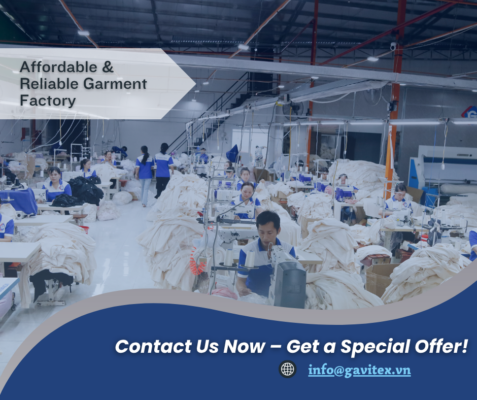
Confused by the options? Explore the pros and cons of domestic versus overseas apparel manufacturers to make the right choice.
The Process of Working with a Clothing Line Manufacturer: From Design to Production
Navigating the clothing manufacturing process from initial design to the final product involves a series of crucial steps when partnering with a clothing line manufacturer. Understanding this process, especially when collaborating with a garment manufacturer, ensures your vision is accurately translated into high-quality apparel, while streamlining production and minimizing potential errors, ultimately contributing to the success of your clothing line.
The initial phase, design and specification, is where your creative vision takes shape. This involves providing the manufacturer with detailed tech packs containing comprehensive information: sketches, measurements (size charts), fabric specifications (including weight, composition, and color), construction details (seam types, stitch details), trim specifications (buttons, zippers, labels), and any special instructions (printing, embroidery). A well-defined tech pack acts as the blueprint, minimizing ambiguities and ensuring the clothing manufacturer understands your exact requirements. For instance, specifying Pantone color codes ensures consistent color reproduction across your entire production run.
Next comes sampling, a vital step in verifying design and fit. The clothing line manufacturer creates a prototype garment based on your tech pack. This allows you to evaluate the design in 3D, assess the fit on a model, check the fabric drape and feel, and identify any necessary adjustments. Sample iterations are common; don’t hesitate to request revisions until you’re completely satisfied. This stage is crucial for preventing costly mistakes during mass production.
Fabric sourcing and procurement follows sample approval. The clothing manufacturer sources the required fabrics and trims according to your specifications. They may have preferred suppliers or be open to sourcing from your designated vendors. Quality control is paramount at this stage; ensuring the fabric meets your standards for durability, colorfastness, and feel. (Vietnam Biz Rep has established strong relationships with reliable fabric suppliers in Vietnam, offering a wide range of options for our clients.)
Once the fabric is secured, pattern making and grading commence. This involves creating a digital pattern based on the approved sample and grading it to different sizes, ensuring accurate fit across all sizes offered in your clothing line. Computer-Aided Design (CAD) software is typically used for this process, offering precision and efficiency.
Cutting, sewing, and assembly are the core of the manufacturing process. Fabric is laid out and cut according to the patterns. Skilled sewing operators then assemble the garment, following the construction details outlined in the tech pack. Stringent quality control checks are implemented throughout this stage to identify and rectify any defects, ensuring each garment meets your standards. For instance, overseas buyers implements a multi-stage inspection process that is constantly analyzed and tweaked to minimize errors.
The penultimate stage is finishing and embellishments. This includes adding any final touches, such as buttons, zippers, labels, and hangtags, as well as any embellishments like printing, embroidery, or washing treatments. The garment is then pressed and undergoes a final quality inspection before packaging.
Finally, packaging and shipping marks the culmination of the process. The finished garments are carefully packaged according to your specifications, ensuring they arrive in pristine condition. The clothing manufacturer then arranges for shipping to your desired location, handling all necessary documentation and logistics.
Want a smooth production journey? Uncover the step-by-step process from initial design to final product with a clothing manufacturer.
Cost Factors in Clothing Line Manufacturing: Understanding Pricing and Budgeting
Understanding the cost factors involved in clothing line manufacturing is crucial for successful pricing and budgeting. The final price of your garments is influenced by a complex interplay of elements, from raw materials and labor to factory overhead and shipping. Therefore, a thorough grasp of these elements will empower you to make informed decisions, optimize your budget, and achieve profitability for your clothing brand, and establish a sustainable business model with overseas buyers.
Several key areas significantly impact the overall cost of manufacturing clothing. These encompass material sourcing, cutting and sewing labor, embellishments such as printing or embroidery, packaging, and transportation. Selecting lower-cost materials, streamlining your designs, and considering different manufacturing locations can all have a meaningful impact on your bottom line.
To gain a clearer picture of where your money is going, let’s break down the major cost drivers in clothing manufacturing:
- Raw Materials: Fabric is typically the largest single expense. Price is affected by the type of fiber (cotton, polyester, silk, etc.), the weave or knit, the weight, and any special finishes. Also, factor in the cost of trims like buttons, zippers, labels, and tags.
- Labor: The cost of labor varies significantly depending on the location of your manufacturer. Countries with lower minimum wages generally offer cheaper labor costs. The complexity of your designs will also impact labor costs, as more intricate garments require more skilled labor and time.
- Manufacturing Overhead: This encompasses all indirect costs associated with running a factory, including rent, utilities, equipment maintenance, insurance, and administrative salaries. These costs are usually factored into the per-unit price of your garments.
- Embellishments & Printing: Any screen printing, embroidery, or other embellishments you add to your garments will increase the manufacturing cost. The more colors and intricate the designs, the higher the cost.
- Packaging & Labeling: The packaging you choose and the labels you use also contribute to the cost. Custom packaging and high-end labels will naturally increase expenses.
- Shipping & Logistics: Transportation costs are heavily impacted by the distance between your manufacturer and your final destination, as well as the shipping method you choose (air, sea, or land).
When developing your clothing line budget, it’s wise to request detailed quotes from multiple clothing manufacturers. Vietnam Biz Rep can assist you in connecting with reputable clothing factories that offer transparent pricing. Pay close attention to minimum order quantities (MOQs), as these can greatly impact your per-unit costs. Moreover, always factor in a buffer for unexpected expenses or delays. Aim for a detailed cost breakdown to understand where your money is allocated and identify areas for potential savings.
Struggling to manage your budget? Learn how to navigate pricing and optimize your budget when sourcing apparel manufacturing.
Common Challenges and How to Overcome Them When Working with a Clothing Line Manufacturer
Navigating the world of clothing line manufacturing isn’t always smooth sailing; understanding the common challenges that arise and knowing how to proactively address them is crucial for a successful partnership and a thriving brand like overseas buyers. From communication breakdowns to quality control issues, being prepared for potential hurdles ensures a more efficient and profitable production process. This section will delve into these manufacturing difficulties and offer practical solutions for overcoming them.
One of the most frequent problems in garment production stems from miscommunication between the clothing brand and the apparel manufacturer. Clear and concise communication is paramount. Subject of this statement is clothing brand, predicate communicates with, object apparel manufacturer. To avoid misunderstandings, overseas buyers can implement detailed tech packs with precise measurements, sketches, and fabric specifications. Regularly scheduled calls and video conferences can also help to clarify expectations and address any concerns promptly. Furthermore, consider utilizing project management software to track progress, share files, and maintain a transparent communication log.
Another major challenge is maintaining consistent quality control throughout the manufacturing process. Even with detailed tech packs, variations in fabric, stitching, or finishing can occur. To mitigate this, implement rigorous quality control checks at various stages of production: from initial fabric inspection to in-process checks and final product inspection. Subject is quality control, predicate checks, object stages of production. Consider hiring a third-party inspection agency to provide unbiased assessments. It’s also beneficial to establish clear Acceptable Quality Limit (AQL) standards with your clothing manufacturer and ensure they are consistently met. AQL establishes the maximum number of defective items acceptable in a production batch.
Managing costs effectively is another significant hurdle in apparel manufacturing. Unexpected price increases, hidden fees, or inaccurate cost estimates can severely impact your budget. Proactively address this by thoroughly researching pricing structures with different clothing factories, negotiating favorable terms, and clearly defining all costs upfront in a legally binding contract. Request detailed breakdowns of materials, labor, and overhead expenses. Furthermore, explore alternative materials or production techniques to reduce costs without compromising quality.
Finally, unexpected production delays can disrupt your supply chain and impact your ability to meet customer demand. Factors such as material shortages, equipment malfunctions, or unforeseen circumstances can cause delays. Build buffer time into your production schedule to accommodate potential delays. Maintain open communication with your clothing supplier and proactively address any potential issues. Consider having backup suppliers in place to mitigate the risk of significant disruptions.
Worried about potential pitfalls? Discover solutions to common challenges and ensure a successful partnership with your clothing manufacturer.
Benefits of Sourcing Clothing Line Manufacturers in Vietnam
Sourcing clothing line manufacturers in Vietnam offers a compelling blend of cost-effectiveness, skilled labor, and a rapidly developing infrastructure, making it an increasingly attractive option for brands like overseas buyers seeking to optimize their supply chain. The country’s strategic location, coupled with favorable trade agreements, further enhances its appeal as a global hub for garment production.
Vietnam’s competitive edge in clothing manufacturing stems from several key advantages:
- Cost-Effectiveness: Labor costs in Vietnam are generally lower than in many other countries, including China, leading to significant savings in production expenses. This allows brands to allocate resources more efficiently across other areas of their business, such as marketing and product development.
- Skilled Workforce: Vietnam boasts a large and skilled workforce with a long history in the textile and garment industry. This translates to higher quality products and reduced risks associated with manufacturing errors. Many workers possess specialized knowledge and experience in various aspects of clothing production, from cutting and sewing to finishing and quality control.
- Developed Infrastructure: Vietnam has made significant investments in its infrastructure, including ports, roads, and electricity, making it easier and more efficient to transport goods. Improved infrastructure streamlines the supply chain, reduces lead times, and minimizes potential disruptions.
- Trade Agreements: Vietnam has entered into numerous free trade agreements (FTAs) with major economies around the world, including the EU, the US, and Japan. These agreements offer preferential tariff rates, further reducing costs and increasing competitiveness.
- Government Support: The Vietnamese government actively supports the growth of the textile and garment industry through various policies and incentives. This support creates a favorable business environment and encourages foreign investment.
- Increasing Capacity and Capabilities: The clothing industry in Vietnam has experienced continuous growth, leading to an increase in both capacity and capabilities. Many manufacturers are now equipped with advanced technologies and specialized machinery, allowing them to handle complex and high-volume orders.
- Geographic Advantage: Vietnam’s location in Southeast Asia provides easy access to key markets and suppliers. Its long coastline facilitates efficient shipping, further contributing to its attractiveness as a manufacturing hub.
- Growing Focus on Sustainability: More and more Vietnamese clothing manufacturers are embracing sustainable practices, offering eco-friendly materials and production methods. This allows brands to meet the growing demand for sustainable fashion and enhance their brand image.
By leveraging these benefits of sourcing clothing line manufacturers in Vietnam, overseas buyers and other brands can achieve significant cost savings, improve product quality, and gain a competitive advantage in the global market.
Considering Vietnam for your apparel production? Explore the advantages of sourcing clothing line manufacturers in Vietnam and why it might be the perfect fit.
Top Clothing Line Manufacturers in Vietnam: A Comprehensive Directory
Finding the right clothing line manufacturer is crucial for any brand looking to produce high-quality garments. Vietnam has emerged as a prominent hub for apparel manufacturing, offering a wide range of options from small workshops to large-scale factories. This directory aims to provide a comprehensive overview of some of the top clothing manufacturers in Vietnam, assisting you in making an informed decision for your production needs.
Vietnam’s attractiveness as a sourcing destination lies in its competitive labor costs, developed infrastructure, and growing expertise in garment production. The country’s commitment to quality control and adherence to international standards further solidify its position as a reliable partner for brands seeking clothing manufacturing solutions. Understanding the diverse landscape of Vietnamese clothing manufacturers is the first step toward a successful partnership.
Identifying the ideal clothing line manufacturer in Vietnam requires careful consideration of your specific needs and priorities. Here are some key players in the Vietnamese garment industry, categorized to help you narrow down your search:
-
Full-Service Manufacturers: These manufacturers offer end-to-end solutions, handling everything from design and sourcing to production and quality control. Companies like overseas buyers (your brand) often fall into this category, providing a seamless experience for brands seeking comprehensive support. Full-service providers are ideal for businesses looking for a one-stop shop for all their manufacturing needs.
-
Specialized Manufacturers: Some manufacturers specialize in specific types of clothing, such as sportswear, denim, or knitwear. If your clothing line focuses on a particular niche, seeking out a specialized manufacturer can ensure expertise and high-quality results. This targeted approach leverages the manufacturer’s in-depth knowledge of specific fabrics and construction techniques.
-
Small-Batch Manufacturers: For emerging brands or those with limited production runs, small-batch manufacturers offer flexibility and scalability. These manufacturers cater to smaller orders, allowing you to test the market and adjust your production quantities as needed. They provide a cost-effective solution for startups and independent designers.
-
Sustainable Manufacturers: As consumers become more environmentally conscious, sustainable manufacturing practices are gaining importance. Look for manufacturers that prioritize ethical sourcing, eco-friendly materials, and responsible production processes. These manufacturers help you align your brand with sustainable values and appeal to a growing segment of conscious consumers.
Navigating the landscape of clothing manufacturers in Vietnam requires thorough research and due diligence. Consider factors such as minimum order quantities (MOQs), pricing, lead times, and communication capabilities when evaluating potential partners. By carefully assessing your options, you can find a Vietnamese clothing line manufacturer that aligns with your brand’s vision and helps you achieve your production goals.
Sustainable and Ethical Considerations When Choosing a Clothing Line Manufacturer
In today’s increasingly conscious market, sustainable and ethical practices are no longer optional but essential considerations when selecting a clothing line manufacturer. Choosing a partner committed to responsible manufacturing not only aligns with evolving consumer values but also strengthens brand reputation and contributes to a more equitable and environmentally friendly fashion industry. This section explores the key aspects of sustainable sourcing and ethical production to consider when making your decision.
Several factors contribute to a manufacturer’s sustainability and ethical standing. Look beyond surface-level claims and delve into their operational practices, including their use of eco-friendly materials, waste management systems, energy efficiency initiatives, and water conservation strategies. Certifications from reputable organizations like GOTS (Global Organic Textile Standard), Oeko-Tex, and Fair Trade can provide assurance of adherence to specific standards. Understanding the manufacturer’s supply chain is equally vital.
Beyond environmental impact, ethical considerations are paramount. Fair labor practices are a cornerstone of responsible manufacturing. Ensure your chosen clothing manufacturer provides safe working conditions, fair wages, and respects the rights of its employees. Look for manufacturers who actively promote worker well-being, offer training and development opportunities, and prohibit child labor and forced labor. Transparency in the supply chain is also key, enabling you to trace the origin of materials and ensure ethical practices are upheld throughout. Partnering with manufacturers who prioritize fair wages and safe working conditions demonstrates a commitment to social responsibility.
Prioritizing sustainable and ethical considerations might involve a slightly higher upfront cost, but it yields long-term benefits. Consumers are increasingly willing to pay a premium for products from brands that align with their values. A 2020 study by McKinsey found that consumers are increasingly seeking out sustainable and ethical brands. By choosing a manufacturer committed to sustainability and fair labor practices, you are investing in a positive brand image, customer loyalty, and a more responsible future for the fashion industry. Vietnam Biz Rep is committed to supporting brands that prioritize these values, offering resources and guidance to navigate the complexities of ethical sourcing and sustainable production.
Prioritizing ethical production? Learn how to find a clothing manufacturer that aligns with your sustainability and ethical values.
Building a Successful Relationship with Your Clothing Line Manufacturer
Establishing a strong and productive relationship with your clothing line manufacturer is paramount to the success of your fashion brand and ensuring consistently high-quality garment production. This section delves into the key elements of fostering such a partnership, moving beyond mere transactional interactions to create a collaborative environment built on mutual respect, clear communication, and shared goals, ultimately influencing the cost-effectiveness and timeliness of your clothing production. A good working relationship with a clothing manufacturer can lead to preferential treatment, flexible payment terms, and early access to new technologies or sustainable practices.
To build a successful relationship with a garment manufacturer, consider these key aspects:
- Open and Consistent Communication: Effective communication is the cornerstone of any successful partnership. Regularly engage with your manufacturer, providing clear and concise instructions, specifications, and feedback. Implement regular check-in points throughout the production process to address potential issues promptly. Use various communication channels such as email, phone calls, and video conferences to ensure seamless information flow. For instance, a weekly video call to discuss progress, challenges, and upcoming deadlines can significantly improve alignment and prevent misunderstandings.
- Clearly Defined Expectations: From the outset, clearly articulate your expectations regarding quality standards, timelines, ethical sourcing, and communication protocols. This helps avoid ambiguity and ensures that both parties are on the same page. Provide comprehensive tech packs with detailed specifications and visual references to minimize errors and rework. In the case of overseas buyers, it’s essential to establish clear expectations regarding our commitment to sustainable practices and fair labor standards, so our partners know our brand values.
- Mutual Respect and Trust: Treat your apparel manufacturer as a valued partner, not just a service provider. Value their expertise and insights, and foster a culture of mutual respect. Building trust takes time, but it is essential for long-term collaboration. Be transparent about your business goals and challenges, and listen attentively to your manufacturer’s concerns and suggestions. Sharing market insights or sales data can help your manufacturer better understand your needs and optimize production accordingly.
- Fair Pricing and Payment Terms: Negotiate fair and sustainable pricing that allows your manufacturer to operate profitably while meeting your budgetary requirements. Avoid squeezing your manufacturer on price, as this can compromise quality and ethical standards. Establish clear payment terms that are mutually agreeable and adhere to them diligently. Consider offering incentives for early delivery or exceptional quality.
- Regular Factory Visits: Whenever possible, visit your clothing factory to gain firsthand insights into their operations, meet the team, and build rapport. This demonstrates your commitment to the partnership and allows you to identify potential issues or opportunities for improvement. During these visits, take the time to understand the manufacturer’s processes, challenges, and capabilities.
- Proactive Problem Solving: Address any issues or challenges promptly and collaboratively. Avoid blame games and focus on finding solutions that are mutually beneficial. Be open to compromise and willing to work together to overcome obstacles. Documenting and sharing lessons learned can prevent similar issues from arising in the future.
- Long-Term Vision: View your relationship with your garment factory as a long-term investment. Nurture the partnership over time, and be willing to adapt and evolve as your business grows. Consider offering your manufacturer opportunities to expand their capabilities or invest in new technologies that can benefit both parties.
By prioritizing these aspects, you can cultivate a robust and mutually beneficial relationship with your clothing line manufacturer, paving the way for a successful and sustainable fashion brand.
Want a long-term, mutually beneficial partnership? Discover the secrets to building a strong and lasting relationship with your clothing line manufacturer.
Vietnam Biz Rep supports overseas buyers with garment supplier search, factory verification, sample coordination, production follow-up, and quality inspection in Vietnam. Learn more on our clothing sourcing agent page, or visit Vietnam sourcing agent for our full range of services. Contact Vietnam Biz Rep to discuss your sourcing requirements.
