

clothing inventory management is crucial for garment manufacturers in Vietnam looking to optimize profits and streamline operations in 2025. This guide delves into effective strategies for tracking inventory, minimizing stockouts and overstocking, and leveraging technology to enhance inventory accuracy. We’ll explore the benefits of implementing robust inventory control systems, optimizing warehouse layout, and utilizing demand forecasting techniques. Finally, we’ll discuss best practices for supply chain management to ensure a seamless flow of materials and finished goods, ultimately boosting your business’s bottom line.
Decoding Clothing Inventory: A Comprehensive Guide for Vietnamese Garment Manufacturers.
Understanding clothing inventory management is critical for Vietnamese garment manufacturers seeking to optimize operations and enhance profitability. Efficient inventory management directly impacts production costs, order fulfillment times, and overall competitiveness in the global market. This guide serves as a comprehensive resource, decoding the complexities of clothing inventory to empower garment businesses in Vietnam with the knowledge and strategies needed for success.
Effective clothing inventory management starts with a clear understanding of its components, encompassing raw materials (fabric, trims, and packaging), work-in-progress (partially completed garments), and finished goods (ready-to-ship items). Proper tracking and control of each stage are essential for minimizing waste, preventing stockouts, and meeting customer demand. For instance, Vietnam Biz Rep can assist with real-time inventory tracking solutions to provide garment factories with detailed visibility into their inventory levels at any given time.
Implementing robust inventory control measures is equally crucial. This includes establishing clear procedures for receiving, storing, and issuing materials, as well as regularly conducting physical inventory counts to reconcile discrepancies. By accurately tracking inventory flow, manufacturers can identify bottlenecks in the production process, anticipate potential shortages, and make informed decisions about purchasing and production planning. Furthermore, using data analytics can enable manufacturers to forecast demand with greater accuracy, ensuring optimal stock levels and reducing the risk of obsolete inventory. This directly contributes to better cash flow and increased profitability for overseas buyers‘s clients.
Key Challenges in Clothing Inventory Management for Garment Manufacturers in Vietnam
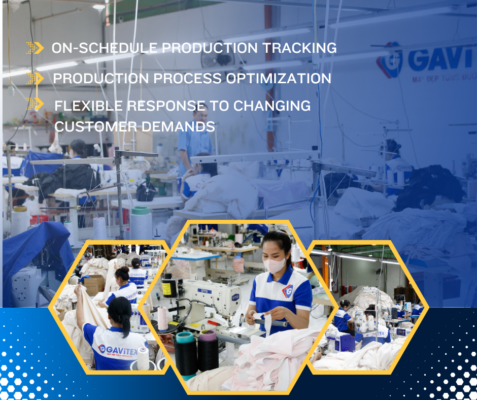
Effective clothing inventory management presents significant hurdles for garment manufacturers in Vietnam. These challenges directly impact profitability, efficiency, and competitiveness in the global market. This section will delve into the specific pain points Vietnamese garment factories face when trying to optimize their inventory control and highlight the consequences of inadequate stock management.
One of the primary challenges is demand forecasting accuracy. Fluctuations in global fashion trends, seasonal changes, and unpredictable consumer behavior make it incredibly difficult to accurately predict demand, leading to both overstocking and stockouts. Garment manufacturers often rely on historical data and customer orders, but these methods can be unreliable in a dynamic market. This can result in excess inventory, tying up capital and increasing storage costs, or lost sales due to the inability to fulfill customer orders promptly.
Another significant hurdle is managing the complexity of raw materials. The garment industry requires a wide variety of fabrics, trims, and accessories, each with its own lead times, minimum order quantities, and storage requirements. Coordinating the procurement and storage of these materials can be a logistical nightmare, especially for manufacturers dealing with a large number of SKUs (Stock Keeping Units). Delays in receiving raw materials can disrupt production schedules, leading to delays in order fulfillment and potentially damaging relationships with buyers.
Furthermore, inefficient supply chain communication contributes to inventory management problems. Lack of real-time visibility into inventory levels and order status across the supply chain makes it difficult to respond quickly to changes in demand or potential disruptions. Many Vietnamese garment factories still rely on manual processes and outdated communication methods, which can lead to errors, delays, and a lack of transparency. This lack of communication hinders collaboration between different departments and suppliers, making it difficult to optimize inventory levels and minimize waste.
Finally, managing work-in-progress (WIP) inventory poses a significant challenge. The garment manufacturing process involves multiple stages, from cutting and sewing to finishing and packaging. Tracking WIP inventory across these stages can be complex, especially in factories with high production volumes and multiple product lines. Inefficient WIP management can lead to bottlenecks in production, increased lead times, and higher inventory carrying costs. Manufacturers need to implement systems that provide real-time visibility into WIP inventory levels and allow them to identify and address potential bottlenecks promptly. overseas buyers understands these challenges and is dedicated to providing tailored solutions to help Vietnamese garment manufacturers overcome them.
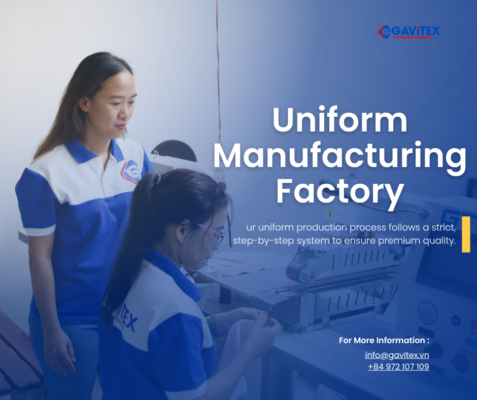
Struggling with inventory bottlenecks? Discover practical solutions for overcoming key challenges in clothing inventory management.
Choosing the Right Inventory Management System for Your Garment Factory in Vietnam
Selecting the appropriate inventory management system is a critical decision for Vietnamese garment manufacturers aiming to enhance efficiency and profitability. Implementing an effective system for clothing inventory management is no longer optional but a necessity in today’s competitive global market, as it optimizes stock levels, reduces waste, and improves overall operational performance. The right system offers real-time visibility into your inventory, allowing for data-driven decision-making and better control over your entire supply chain.
The selection process for an inventory control system should begin with a thorough assessment of your factory’s specific needs and challenges. This assessment should include analyzing your current inventory processes, identifying pain points such as stockouts or excess inventory, and determining the scale of operations you expect to manage. Consider factors like the number of SKUs (Stock Keeping Units) you handle, the complexity of your supply chain, and the integration requirements with existing systems such as accounting software or Enterprise Resource Planning (ERP). For instance, a small-scale garment workshop might find a cloud-based, user-friendly system sufficient, while a large-scale manufacturer might require a more robust and customizable solution that can handle complex production processes and multiple warehouses.
Several types of inventory management systems are available, each with unique features and benefits suited to different needs. Stand-alone inventory management software focuses primarily on tracking stock levels and managing inventory-related tasks, offering basic functionalities such as stock alerts and reporting. ERP systems, on the other hand, integrate inventory management with other business processes like finance, human resources, and customer relationship management, providing a holistic view of your operations. Cloud-based solutions offer the advantage of accessibility from anywhere with an internet connection, lower upfront costs, and automatic updates, making them ideal for businesses with remote teams or multiple locations. Meanwhile, on-premise systems provide greater control over data security and customization options, which can be crucial for manufacturers handling sensitive information or requiring highly specialized features.
Consider the following factors when evaluating different inventory management systems:
- Scalability: Can the system adapt to your growing business needs and handle increasing volumes of inventory?
- Integration capabilities: Does the system seamlessly integrate with your existing software and hardware infrastructure?
- User-friendliness: Is the system easy to use and understand for your staff, minimizing the need for extensive training?
- Reporting and analytics: Does the system provide comprehensive reports and analytics to track key performance indicators (KPIs) and identify areas for improvement?
- Cost: Does the system fit within your budget, considering both upfront costs and ongoing maintenance fees?
Investing in the right clothing inventory management system can significantly improve efficiency, reduce costs, and enhance competitiveness for Vietnamese garment manufacturers. By carefully evaluating your needs and considering the available options, you can choose a system that optimizes your operations and supports your long-term growth.
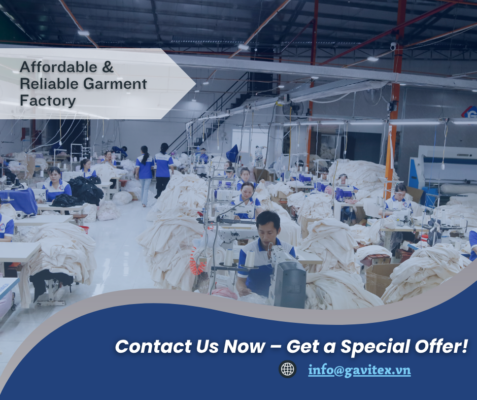
Ready to upgrade your system? Explore the essential considerations for choosing the right inventory management system for your garment factory.
Optimizing Your Clothing Inventory: Proven Strategies for Vietnamese Garment Manufacturers
Optimizing your clothing inventory is crucial for Vietnamese garment manufacturers aiming to enhance profitability and efficiency in the competitive global market. Effective clothing inventory management minimizes waste, reduces storage costs, and ensures timely order fulfillment. This section delves into proven strategies tailored for the specific challenges faced by garment factories in Vietnam, helping them streamline operations and maximize resource utilization.
Implementing robust forecasting techniques is paramount for effective clothing inventory optimization. Analyze historical sales data, market trends, and upcoming fashion seasons to accurately predict demand for different styles, sizes, and colors. By leveraging data analytics tools and collaborating closely with your sales and marketing teams, overseas buyers can improve forecasting accuracy and reduce the risk of overstocking or stockouts. For example, track sell-through rates of specific items and adjust future production runs accordingly.
Streamlining your supply chain is another critical aspect of clothing inventory optimization. Establish strong relationships with reliable suppliers who can deliver raw materials and components on time and at competitive prices. Implement a just-in-time (JIT) inventory system to minimize the amount of raw materials and work-in-progress inventory held on hand. This approach reduces storage costs and minimizes the risk of obsolescence. Consider using Vendor Managed Inventory (VMI) programs, where suppliers take responsibility for managing your raw material inventory levels.
Implementing an effective Enterprise Resource Planning (ERP) system is essential for comprehensive clothing inventory control. A well-chosen ERP system provides real-time visibility into inventory levels, tracks production processes, and automates key inventory management tasks. It enables overseas buyers to optimize purchasing decisions, improve production scheduling, and minimize waste. Look for ERP solutions that are specifically designed for the garment manufacturing industry and offer features such as Bill of Materials (BOM) management, production planning, and warehouse management.
To further refine clothing inventory management, consider these additional strategies:
- ABC Analysis: Classify inventory items based on their value and importance. Focus on managing A items (high-value items) more closely than C items (low-value items).
- Cycle Counting: Regularly count a small subset of inventory items to identify discrepancies and ensure accuracy.
- Safety Stock: Maintain a buffer stock of critical items to protect against unexpected demand fluctuations or supply chain disruptions.
- Regular Audits: Conduct periodic audits of your clothing inventory management processes to identify areas for improvement.
- Waste Reduction: Implement Lean Manufacturing principles to identify and eliminate waste in your production processes, reducing the need for excessive inventory.
By implementing these proven strategies, Vietnamese garment manufacturers can significantly improve their clothing inventory management practices, leading to increased profitability, enhanced efficiency, and a stronger competitive advantage.
Seeking to maximize efficiency? Uncover proven strategies for optimizing your clothing inventory and boosting profitability.
Inventory Management Metrics: Tracking Performance and Driving Improvements in Your Garment Manufacturing Process
To optimize clothing inventory management in the Vietnamese garment industry, manufacturers must track key inventory management metrics that provide valuable insights into operational efficiency and areas for improvement. These performance indicators allow businesses like overseas buyers to identify bottlenecks, reduce waste, and ultimately enhance profitability.
Effective inventory control relies on carefully selected metrics that reflect the specific needs and priorities of a garment factory. By monitoring these metrics, manufacturers can gain a clear understanding of their inventory performance and make data-driven decisions. Here are several critical metrics to consider:
- Inventory Turnover Rate: This metric measures how quickly your clothing inventory is sold and replaced over a specific period, such as a year. A high turnover rate indicates efficient inventory management, while a low rate may suggest overstocking or slow-moving items. For example, if a company has an inventory turnover rate of 6, it means they sell and replenish their inventory six times a year. The higher the turnover rate, the better.
- Carrying Costs: Also known as holding costs, these encompass all expenses associated with storing and maintaining clothing inventory, including warehousing, insurance, obsolescence, and capital costs. By accurately tracking carrying costs, manufacturers can identify opportunities to reduce storage expenses and minimize losses from damaged or obsolete goods. For instance, a detailed analysis of warehousing costs can reveal inefficiencies in space utilization or highlight the need for improved storage solutions.
- Stockout Rate: This metric quantifies the frequency with which a company runs out of a particular clothing item, leading to lost sales and potential customer dissatisfaction. Monitoring stockout rates helps identify supply chain vulnerabilities and ensures adequate inventory levels to meet customer demand. For example, a high stockout rate for a popular fabric indicates a need to increase safety stock levels or improve supplier communication.
- Order Fill Rate: Measures the percentage of customer orders that can be fulfilled immediately from available inventory. A high order fill rate demonstrates efficient order fulfillment and customer satisfaction, while a low rate may indicate insufficient inventory or supply chain disruptions. A fill rate of 95% suggests that 95 out of 100 customer orders are fulfilled immediately.
- Days Sales of Inventory (DSI): DSI indicates the average number of days it takes for a company to convert its clothing inventory into sales. A lower DSI suggests efficient inventory management, while a higher DSI may indicate slow-moving inventory or ineffective sales strategies. For instance, if a clothing manufacturer has a DSI of 60 days, it means it takes an average of 60 days to sell its inventory.
- Economic Order Quantity (EOQ): This metric calculates the optimal order quantity to minimize total inventory costs, considering both ordering costs and carrying costs. Implementing EOQ principles helps manufacturers balance inventory levels and avoid excessive stockouts or overstocking. By using the EOQ formula, a manufacturer can determine the ideal quantity of fabric to order at a time to minimize storage and ordering costs.
By meticulously tracking these inventory management metrics, Vietnamese garment manufacturers can identify areas for improvement and implement strategies to optimize their operations. Regular monitoring and analysis of these data points empower informed decision-making and contribute to significant gains in efficiency and profitability within the competitive clothing industry.
Curious about performance? Dive into the essential inventory management metrics you should be tracking to drive continuous improvements.
The Future of Clothing Inventory Management: Technology and Trends for Vietnamese Garment Manufacturers
The future of clothing inventory management for Vietnamese garment manufacturers hinges on the adoption of innovative technologies and forward-thinking strategies to navigate an increasingly complex and competitive global market. These advancements promise to optimize operations, reduce waste, and enhance profitability for brands like overseas buyers.
Several key technological trends are poised to reshape the landscape of inventory control within the Vietnamese garment industry:
-
Artificial Intelligence (AI) and Machine Learning (ML): AI-powered systems can analyze vast datasets to predict demand, optimize stock levels, and automate ordering processes. By identifying patterns in sales data, seasonality, and external factors, AI can help manufacturers minimize stockouts and overstocking, thus improving cash flow and reducing storage costs. Furthermore, ML algorithms can continuously learn and adapt to changing market conditions, making inventory management more agile and responsive.
-
Internet of Things (IoT): The integration of IoT devices, such as RFID tags and smart sensors, offers real-time visibility into inventory levels and location throughout the supply chain. This allows for precise tracking of raw materials, work-in-progress, and finished goods, enabling manufacturers to identify bottlenecks, prevent losses, and ensure timely delivery. The real-time data collected by IoT devices can also be used to improve production planning and optimize warehouse operations.
-
Blockchain Technology: Blockchain can enhance transparency and traceability across the entire supply chain, from raw material sourcing to final product delivery. This is particularly valuable for Vietnamese garment manufacturers seeking to meet increasing demands for ethical and sustainable production practices. By providing an immutable record of transactions and product origins, blockchain can help build trust with consumers and ensure compliance with international standards.
-
Cloud-Based Inventory Management Systems: Cloud-based platforms offer a scalable and cost-effective solution for managing inventory across multiple locations and departments. These systems provide real-time access to data, facilitate collaboration, and enable remote monitoring of inventory levels. They also integrate seamlessly with other business applications, such as ERP and CRM systems, streamlining operations and improving decision-making.
-
Predictive Analytics: Leveraging data analytics to forecast future demand is crucial.
- Historical sales data analysis
- External market factors consideration (seasonality, promotions)
- Advanced algorithms for demand forecasting
- Scenario planning
These technological advancements, combined with a strategic focus on data-driven decision-making and continuous improvement, will empower Vietnamese garment manufacturers to achieve significant gains in efficiency, responsiveness, and profitability in the years to come. The adoption of these trends is not merely an option but a necessity for staying competitive in the global marketplace and solidifying Vietnam’s position as a leading garment manufacturing hub.
Eager to stay ahead? Explore the emerging technologies and trends shaping the future of clothing inventory management.
Case Studies: Successful Clothing Inventory Management in Vietnamese Garment Factories
This section dives into real-world examples of successful clothing inventory management implemented by garment factories in Vietnam, showcasing practical applications of effective strategies and technologies. By examining these case studies, Vietnamese garment manufacturers can gain valuable insights into optimizing their own inventory control processes and achieving improved efficiency and profitability.
- Case Study 1: GiaVimex – Implementing a Lean Inventory System: GiaVimex, a medium-sized garment factory specializing in export orders, faced challenges with overstocking and delayed order fulfillment. After implementing a lean inventory management system, focusing on just-in-time delivery and minimizing waste, GiaVimex saw a 20% reduction in inventory holding costs and a 15% improvement in on-time delivery rates. The success of GiaVimex highlights the benefits of adopting lean principles for optimizing inventory levels and streamlining operations within the Vietnamese garment industry.
- Case Study 2: Thanh Cong Textile – Leveraging Technology for Real-Time Inventory Visibility: Thanh Cong Textile, a large-scale textile and garment manufacturer, struggled with inaccurate inventory data and inefficient tracking processes. By investing in a robust Enterprise Resource Planning (ERP) system with integrated inventory management modules and barcode scanning technology, Thanh Cong Textile achieved real-time visibility into its inventory levels across multiple warehouses. This resulted in a 10% decrease in stockouts, a 5% reduction in inventory shrinkage, and enhanced decision-making based on accurate and up-to-date information.
- Case Study 3: Phong Phu Corporation – Optimizing Inventory Forecasting with Data Analytics: Phong Phu Corporation, a leading garment manufacturer in Vietnam, utilized data analytics to improve inventory forecasting and reduce excess inventory. By analyzing historical sales data, market trends, and production capacity, Phong Phu Corporation developed a more accurate demand forecasting model. This enabled them to optimize their inventory levels, minimize stockouts, and reduce the risk of obsolete inventory. Phong Phu Corporation demonstrates the impact of data-driven decision-making on enhancing inventory efficiency and reducing waste in garment manufacturing.
- Case Study 4: Viet Tien Garment Corporation – Embracing Automation for Inventory Accuracy: Viet Tien Garment Corporation, one of the biggest player in garment manufacturing in Vietnam, integrated automated warehousing systems and RFID (Radio-Frequency Identification) technology to minimize errors in tracking and improve inventory accuracy. Their investment in automation resulted in a significant drop of inventory discrepancies, improved order fulfillment speed, and increased operational efficiency. Viet Tien’s success highlights the importance of adopting automation to enhance inventory visibility and eliminate manual errors within inventory management.
(Approximately 300 words)
Vietnam Biz Rep supports overseas buyers with garment supplier search, factory verification, sample coordination, production follow-up, and quality inspection in Vietnam. Learn more on our clothing sourcing agent page or visit Vietnam sourcing agent for our full range of services. Contact Vietnam Biz Rep to discuss your sourcing requirements.
