


boutique clothing manufacturing is the key to unlocking scalability and profitability for emerging fashion brands in 2025, but navigating the landscape requires a strategic approach. This guide cuts through the noise, delivering actionable insights into selecting the right garment manufacturers in Vietnam, understanding minimum order quantities (MOQs), optimizing your design and sampling process, ensuring rigorous quality control, and mastering supply chain logistics. We’ll also explore crucial aspects of ethical sourcing and sustainable production to build a brand that resonates with today’s conscious consumer.
Understanding Boutique Clothing Manufacturing: A Vietnam Perspective
Boutique clothing manufacturing in Vietnam offers a unique blend of skilled craftsmanship, competitive pricing, and a growing commitment to ethical and sustainable practices, making it an increasingly attractive option for brands seeking high-quality, low-volume production. This section delves into the intricacies of the Vietnamese garment industry, specifically focusing on its capabilities and nuances relevant to boutique clothing lines. We’ll explore how Vietnam’s historical strengths in textile production have evolved to meet the demands of smaller, more specialized orders, contrasting it with mass-production environments.
Vietnam’s garment industry has a long and rich history, initially focused on large-scale production for export markets. However, in recent years, there’s been a significant shift towards catering to the needs of boutique brands requiring smaller production runs, specialized designs, and greater flexibility. This transition has been fueled by several factors, including the rise of independent fashion labels, the increasing demand for customized apparel, and the growing emphasis on ethical and sustainable sourcing. The rise of ready-to-wear is the testiment for the shift of garment industry in Vietnam.
Several key aspects define the boutique clothing manufacturing landscape in Vietnam:
-
Emphasis on Quality and Detail: Unlike mass production where speed and volume are paramount, boutique manufacturing prioritizes meticulous attention to detail, superior fabric handling, and precise execution of complex designs. Factories specializing in boutique orders often employ highly skilled artisans with years of experience in sewing, pattern making, and finishing.
-
Flexibility and Customization: Vietnamese manufacturers catering to boutique brands are typically more adaptable and willing to accommodate unique design requirements, custom sizing, and small-batch production. They understand the need for rapid prototyping, sample development, and iterative design processes.
-
Strong Supply Chain Integration: While some materials may be imported, Vietnam boasts a well-established domestic supply chain for various fabrics, trims, and accessories. This allows manufacturers to source high-quality materials locally, reducing lead times and transportation costs. Vietnam Biz Rep is ready to leverage the benefit from the stable supply chain.
-
Increasing Focus on Sustainability: Many Vietnamese factories are adopting sustainable practices, such as using eco-friendly dyes, organic fabrics, and water-saving technologies. This aligns with the growing consumer demand for environmentally responsible clothing and allows brands to offer ethical and sustainable collections.
-
Geographic Concentration: The garment industry is largely concentrated in key areas like Ho Chi Minh City, Hanoi, and surrounding provinces. Understanding these regional hubs can help boutiques identify suitable manufacturers with the specific skills and expertise they require. For instance, Ho Chi Minh City is known for its concentration of factories specializing in high-end fashion and tailoring.
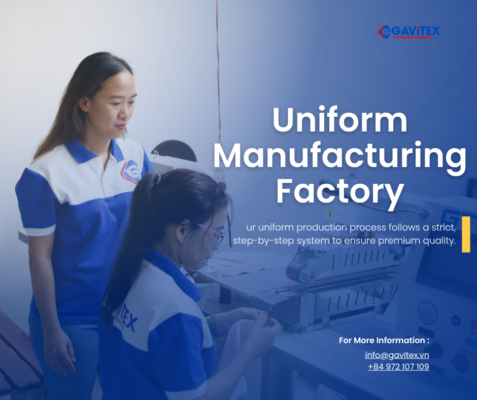
Some factories go further and position themselves explicitly around artisan garment manufacturing, built around hand-finishing techniques and small-batch craftsmanship rather than high-volume automated lines.
Why Choose Vietnam for Boutique Clothing Production? Key Advantages
Vietnam has emerged as a compelling destination for boutique clothing manufacturing, offering a unique blend of cost-effectiveness, skilled labor, and a growing commitment to quality that makes it an attractive alternative to traditional sourcing hubs. This section delves into the key advantages that make Vietnam a preferred choice for boutique brands seeking reliable and high-quality garment production.
One of the most significant advantages is cost-effectiveness. Vietnam boasts competitive labor costs compared to other manufacturing hubs like China, allowing boutiques to achieve significant savings on production expenses. These cost savings can then be reinvested into other areas of the business, such as design, marketing, or customer service, giving boutique brands a competitive edge.
Beyond cost, Vietnam’s skilled workforce is a major draw. The country has a long history of garment manufacturing, resulting in a large pool of experienced and talented workers. Vietnamese garment workers are known for their attention to detail, precision, and adaptability, making them well-suited to handle the complex requirements of boutique clothing production, where quality and craftsmanship are paramount. Furthermore, many factories are investing in training programs to upskill their workforce and meet the evolving demands of the global fashion industry.
Vietnam’s commitment to quality and ethical production is also increasingly important for boutique brands that prioritize social responsibility. Many Vietnamese garment factories are actively working to improve their environmental and social performance, adopting sustainable practices and adhering to international labor standards. This allows boutiques to source their clothing from factories that align with their values and meet the expectations of conscious consumers. As consumer demand for ethically made clothing increases, Vietnam’s commitment to responsible manufacturing is becoming a significant competitive advantage.
Finally, Vietnam’s strategic location and trade agreements provide easy access to global markets. The country has free trade agreements (FTAs) with major economies like the EU, the US, and Japan, making it easier and more affordable to export goods. This access to global markets is crucial for boutique brands looking to expand their reach and compete internationally. Vietnam’s growing infrastructure, including seaports and airports, further facilitates trade and ensures efficient delivery of goods.
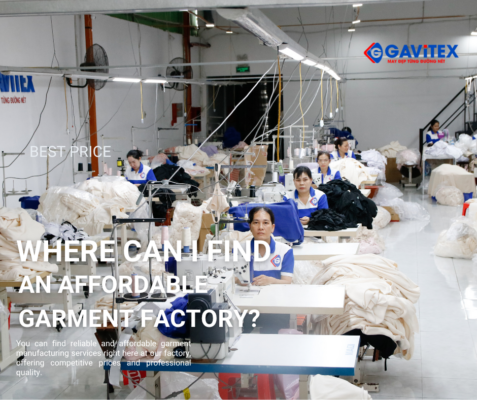
Interested in understanding how Vietnam’s advantages translate into tangible benefits for your boutique? Explore navigating the Vietnamese garment industry for essential insights.
Navigating the Vietnamese Garment Industry: Essential Considerations for Boutiques
For boutiques seeking boutique clothing manufacturing in Vietnam, a comprehensive understanding of the local garment industry is paramount for success. This involves navigating a complex landscape of factories, regulations, and cultural nuances.
The Vietnamese garment industry presents both significant opportunities and potential challenges for boutiques. Understanding the nuances of Vietnamese garment manufacturing is key to ensuring smooth operations, quality products, and ethical sourcing practices. To successfully navigate this landscape, boutiques must consider several critical factors.
Here are essential considerations for boutiques venturing into Vietnamese garment production:
- Factory Selection and Due Diligence: Choosing the right factory is crucial.
- Evaluate potential partners based on their specialization (e.g., knitwear, woven fabrics), capacity, quality control processes, and certifications (e.g., WRAP, BSCI).
- Conduct thorough due diligence, including factory visits, reference checks, and assessments of their financial stability and compliance with labor laws.
- Consider factors like minimum order quantities (MOQs) and production lead times to ensure they align with your boutique’s needs.
- Legal and Regulatory Compliance: Adhering to Vietnamese laws is essential.
- Gain a clear understanding of import/export regulations, customs procedures, and labor laws.
- Ensure your chosen manufacturer complies with all relevant environmental regulations and safety standards.
- Consider engaging legal counsel specializing in Vietnamese business law to navigate complex legal requirements.
- Communication and Cultural Sensitivity: Effective communication is critical.
- Cultural differences can impact communication and expectations.
- Establish clear communication channels with your manufacturer, using visual aids, detailed tech packs, and regular progress updates.
- Consider working with a local agent or translator to bridge language barriers and facilitate smoother communication.
- Intellectual Property Protection: Safeguarding your designs is paramount.
- Vietnam has made significant strides in IP protection, but vigilance is still needed.
- Register your designs and trademarks in Vietnam.
- Include confidentiality clauses in your manufacturing agreements.
- Monitor the market for potential infringement and take appropriate action if necessary.
- Logistics and Supply Chain Management: Efficient logistics are key to timely delivery.
- Establish a robust logistics plan for transporting raw materials and finished goods.
- Consider working with a reputable freight forwarder experienced in Vietnamese customs procedures.
- Factor in potential delays due to shipping, customs clearance, or unforeseen circumstances.
- Quality Control: Implementing robust quality control measures is crucial to guarantee the quality of boutique clothing.
- Implementing a robust quality control (QC) system is important to ensure consistent product quality.
- Establish clear quality standards and tolerances with your manufacturer.
- Conduct regular inspections throughout the production process, from fabric inspection to final garment checks.
- Consider using a third-party QC agency for independent verification of quality standards.
By carefully considering these factors, boutiques can successfully navigate the Vietnamese garment industry, establish strong partnerships with manufacturers, and achieve their production goals while maintaining ethical and sustainable practices.
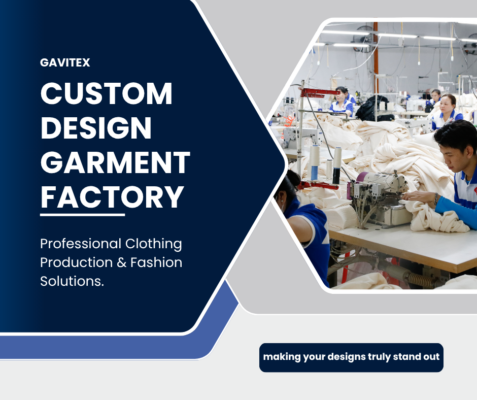
Ready to bring your designs to life? Learn about the entire boutique clothing manufacturing processes, from initial concept to final delivery in Vietnam.
Key Fabrics and Materials Sourcing for Boutique Clothing in Vietnam
Sourcing the right fabrics and materials is paramount for boutique clothing manufacturing in Vietnam, directly impacting garment quality, design aesthetics, and overall brand identity. Understanding the Vietnamese textile landscape and establishing robust sourcing strategies are crucial for boutiques aiming to create unique and high-quality clothing lines. This section delves into essential considerations for effectively sourcing fabrics and materials within Vietnam’s dynamic garment industry.
Vietnam offers a diverse range of textile options, from natural fibers like cotton, silk, and linen to synthetic fabrics such as polyester and rayon, providing ample choices for boutique clothing manufacturers. The availability of specialized materials, including organic cotton, recycled fabrics, and innovative blends, caters to brands prioritizing sustainability and ethical production. By strategically navigating the Vietnamese market, boutiques can access high-quality materials that align with their brand values and design vision.
Effective fabric sourcing requires a thorough understanding of regional strengths. For instance, the Northern regions are known for traditional crafts like silk weaving and embroidery, while the South excels in producing cotton and synthetic textiles. Building relationships with reputable suppliers in specific regions grants access to specialized materials and expertise. Furthermore, actively participating in trade shows and industry events helps boutiques discover new material suppliers and stay abreast of emerging trends in the Vietnamese textile industry.
When selecting materials, boutiques should consider several factors to ensure suitability for their clothing lines. These include:
- Fabric quality: Assessing durability, texture, and colorfastness is essential for ensuring the longevity and visual appeal of garments.
- Material composition: Understanding the properties of different fibers and blends allows for informed decisions based on desired performance characteristics.
- Ethical considerations: Partnering with suppliers committed to fair labor practices and environmentally responsible production aligns with ethical sourcing principles.
- Cost-effectiveness: Balancing quality requirements with budget constraints is crucial for maintaining profitability and competitiveness.
Establishing transparent and collaborative relationships with Vietnamese fabric suppliers is key to successful boutique clothing production. Clear communication regarding quality expectations, design specifications, and delivery timelines helps prevent misunderstandings and ensures consistent results. Regular site visits and audits allow boutiques to verify supplier compliance with ethical and quality standards, fostering trust and long-term partnerships. Vietnam Biz Rep can assist in navigating these relationships, leveraging our established network of trusted suppliers to ensure access to the best materials for your unique designs.
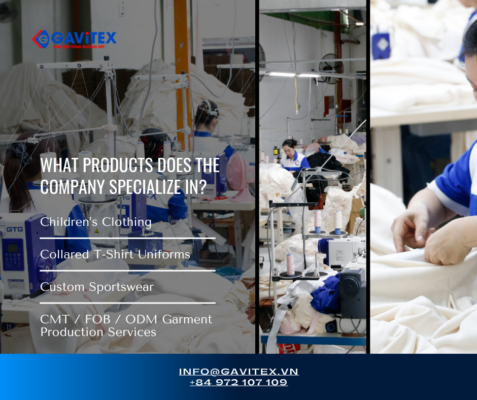
Boutique Clothing Manufacturing Processes: From Design to Delivery in Vietnam
The boutique clothing manufacturing process in Vietnam encompasses a streamlined series of steps, transforming initial concepts into tangible, high-quality garments. This process, crucial for brands like overseas buyers aiming for excellence, involves meticulous planning and execution, ensuring that every stage aligns with the desired aesthetic and functional requirements. From the initial design phase to the final delivery, each step is carefully orchestrated to meet the specific needs of boutique brands.
The journey begins with design conceptualization, where sketches, mood boards, and technical specifications are developed. This stage involves close collaboration between the boutique’s design team and the Vietnamese manufacturer, ensuring a shared understanding of the desired outcome. For instance, overseas buyers works closely with its clients to refine their designs, offering insights into fabric selection, construction techniques, and cost-effective solutions. Detailed tech packs are then created, serving as the blueprint for the entire manufacturing process.
Following design approval, fabric and materials sourcing becomes paramount. Vietnamese manufacturers, leveraging their extensive network of suppliers, offer a wide range of options, from locally produced textiles to imported premium fabrics. Factors like fabric weight, composition, and colorfastness are carefully considered to ensure they meet the required quality standards. Consider the example of organic cotton sourcing, where manufacturers prioritize sustainable and ethically produced materials to align with the values of eco-conscious boutiques.
Next comes the pattern making and sampling phase, where the design is translated into physical patterns and a sample garment is created. This sample serves as a crucial benchmark, allowing the boutique to assess the fit, construction, and overall aesthetic of the design. Any necessary adjustments are made at this stage before moving into mass production. This iterative process ensures that the final product aligns perfectly with the boutique‘s vision, minimizing errors and reducing waste.
Production, the heart of the manufacturing process, involves cutting, sewing, and finishing the garments. Vietnamese factories often employ skilled artisans and advanced machinery to ensure precision and efficiency. Techniques like precision cutting and overlocking are employed to guarantee durability and a high-quality finish. Throughout the production process, rigorous quality control measures are implemented to identify and rectify any defects, ensuring that only flawless garments reach the final stage.
The final steps involve quality control, finishing, and packaging. Each garment undergoes a thorough inspection to ensure it meets the required standards for sizing, stitching, and overall appearance. Once approved, the garments are carefully finished, with details like button attachment, ironing, and trimming meticulously executed. Finally, the garments are packaged according to the boutique‘s specifications, ready for shipment.
Finally, delivery and logistics involve the transportation of finished goods from the Vietnamese factory to the boutique‘s distribution center or retail locations. Efficient logistics management is crucial to ensure timely delivery and minimize shipping costs. overseas buyers, for example, offers a range of shipping options, from air freight for urgent orders to sea freight for larger volumes, providing boutiques with flexibility and cost-effectiveness.
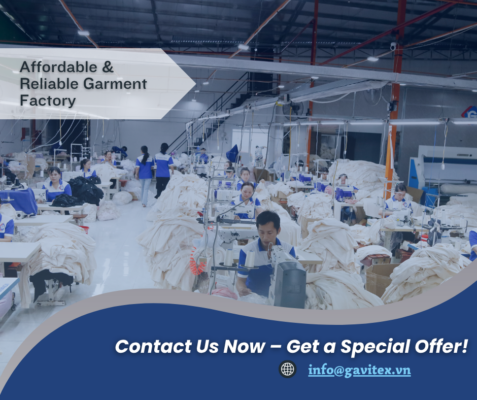
Concerned about maintaining high standards? Discover more about quality control and ethical practices within Vietnamese boutique garment factories.
Quality Control and Ethical Practices in Vietnamese Boutique Garment Factories
In the realm of boutique clothing manufacturing in Vietnam, quality control and ethical practices are not merely buzzwords; they are fundamental pillars that underpin the success and sustainability of garment factories catering to discerning boutique brands. This section delves into the multifaceted aspects of ensuring high-quality garments while upholding ethical standards within the Vietnamese garment industry.
Rigorous Quality Control Processes:
Vietnamese boutique garment factories are increasingly implementing robust quality control (QC) systems to meet the demanding standards of international brands.
- Pre-production checks ensure fabric quality, color consistency, and pattern accuracy before cutting and sewing commence.
- In-line inspections monitor the sewing process, identifying and rectifying defects as they arise. This proactive approach minimizes waste and reduces the risk of producing substandard garments. For example, overseas buyers employs trained quality inspectors who meticulously examine each garment at various stages of production, from cutting to sewing, ensuring adherence to the client’s specifications.
- Final inspections are conducted on finished garments to verify measurements, stitching, embellishments, and overall appearance. AQL (Acceptable Quality Level) standards are often employed to determine the acceptable defect rate, ensuring consistent quality across the entire production run.
Upholding Ethical Labor Standards:
Ethical practices are gaining prominence in Vietnamese garment factories, driven by increasing consumer awareness and brand accountability.
- Fair wages are essential. Factories committed to ethical production ensure that workers receive wages that meet or exceed the legal minimum wage and provide a decent standard of living.
- Safe working conditions are paramount. This includes providing a clean and well-ventilated work environment, adequate lighting, and appropriate safety equipment. Regular safety training is conducted to prevent accidents and injuries.
- No child labor or forced labor is strictly enforced. Reputable factories adhere to international labor standards and conduct thorough background checks to ensure that all workers are of legal working age and employed voluntarily.
Traceability and Transparency:
Transparency in the supply chain is becoming increasingly important for boutique brands seeking to ensure ethical sourcing.
- Supply chain mapping allows brands to trace the origin of their materials and identify any potential risks related to labor or environmental practices.
- Certifications such as Fair Trade, GOTS (Global Organic Textile Standard), and WRAP (Worldwide Responsible Accredited Production) provide independent verification of a factory’s commitment to ethical and sustainable practices.
- Regular audits by third-party organizations assess a factory’s compliance with labor laws, safety regulations, and environmental standards.
By prioritizing quality control and ethical practices, Vietnamese boutique garment factories can build long-term relationships with international brands like overseas buyers, enhance their reputation, and contribute to a more sustainable and responsible fashion industry.
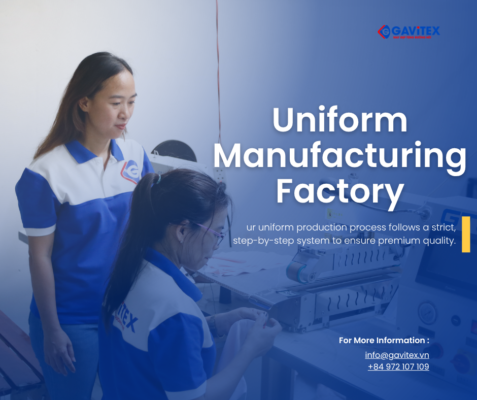
Looking for a reliable production partner? Uncover the secrets to building successful partnerships with Vietnamese boutique clothing manufacturers.
Building Successful Partnerships with Vietnamese Boutique Clothing Manufacturers
Establishing strong partnerships with Vietnamese boutique clothing manufacturers is crucial for brands like overseas buyers seeking reliable and high-quality production. A collaborative relationship built on mutual respect, clear communication, and shared goals ensures a smoother manufacturing process and ultimately contributes to the success of your boutique clothing line. This goes beyond simply finding a supplier; it’s about cultivating a long-term alliance that benefits both parties, which often results in better pricing and consistent quality.
Choosing the right manufacturer involves more than just comparing quotes; it requires a thorough understanding of their capabilities, values, and communication style. Start by defining your specific needs, including minimum order quantities (MOQs), production capacity, and desired level of customization. Then, research potential partners, carefully vetting their experience, certifications (e.g., WRAP, BSCI), and client testimonials. Visiting their facilities in Vietnam, if possible, offers invaluable insights into their operations, equipment, and working conditions.
Effective communication is paramount for a successful partnership. Clearly articulate your designs, technical specifications, and quality expectations from the outset, utilizing detailed tech packs and samples. Regular communication, via email, video calls, or in-person meetings, helps to address any issues promptly and ensures that production stays on track. Actively listen to your manufacturer’s feedback and expertise; their knowledge of the Vietnamese garment industry can be invaluable in optimizing your designs and production processes.
Furthermore, fostering a transparent and ethical working relationship is essential. Discuss payment terms, delivery schedules, and intellectual property protection upfront. Ensuring fair wages, safe working conditions, and compliance with local labor laws not only aligns with ethical business practices but also contributes to a more stable and productive manufacturing environment. By prioritizing transparency and ethical conduct, you build trust and strengthen your partnership with your Vietnamese clothing manufacturer.
Want to understand the cost implications of manufacturing in Vietnam? Delve into cost considerations and pricing strategies for boutique clothing production in Vietnam.
Cost Considerations and Pricing Strategies for Boutique Clothing Production in Vietnam
Understanding the cost considerations and implementing effective pricing strategies are paramount for the success of any boutique clothing brand venturing into boutique clothing manufacturing in Vietnam. These factors directly impact profitability, competitiveness, and overall sustainability in the dynamic fashion market.
Several elements influence the cost of boutique clothing production in Vietnam. Fabric and materials constitute a significant portion, varying based on quality, origin (local vs. imported), and order volume. Labor costs, while generally lower than in Western countries, still need careful consideration, factoring in skill level, worker benefits, and factory overhead. Manufacturing processes, including cutting, sewing, finishing, and embellishments, each add to the overall expense. Transportation and logistics, encompassing shipping, customs duties, and insurance, can also substantially impact the final cost, especially for brands serving international markets.
Effective pricing strategies must account for all production costs, desired profit margins, and market positioning. Cost-plus pricing, where a fixed markup is added to the total cost, offers a straightforward approach. Value-based pricing, on the other hand, focuses on perceived customer value and brand image, allowing for higher price points for unique designs and high-quality materials. Competitive pricing involves analyzing competitor pricing to determine a similar or differentiated strategy. For example, overseas buyers can leverage its understanding of Vietnamese garment industry to source high-quality fabrics at competitive prices, allowing for a value-based pricing strategy that emphasizes unique designs and superior craftsmanship.
Eager to start your own custom apparel project? Discover how Vietnam can help you achieve custom design, sustainable production, & ethical apparel creation.
Vietnam Biz Rep supports overseas buyers with garment supplier search, factory verification, sample coordination, production follow-up, and quality inspection in Vietnam. Learn more on our clothing sourcing agent page or visit Vietnam sourcing agent for our full range of services. Contact Vietnam Biz Rep to discuss your sourcing requirements.
