

Securing reliable suppliers is critical for any business leveraging the versatility and sustainability of bamboo products, and understanding the landscape of bamboo manufacturers in vietnam is the first step. This vietnambizrep category article cuts through the noise to deliver a practical guide, exploring the leading bamboo production companies, their manufacturing capabilities, and key factors for sourcing sustainable bamboo directly from Vietnam. We’ll equip you with actionable insights into wholesale bamboo options, export regulations, and essential strategies for building long-term partnerships with Vietnamese bamboo suppliers in 2025.
Finding the Right Bamboo Manufacturer in Vietnam: A Comprehensive Guide
Finding reliable bamboo manufacturers in Vietnam is crucial for businesses looking to source high-quality, sustainable products. This guide will equip you with the knowledge and strategies to navigate the Vietnamese bamboo industry effectively, ensuring you find a partner that aligns with your specific needs and ethical standards. Sourcing bamboo products from Vietnam offers numerous advantages, but requires careful due diligence to ensure a successful and mutually beneficial relationship with a Vietnamese bamboo supplier.
The process of selecting a suitable bamboo manufacturer in Vietnam involves several key steps. These include defining your product requirements, researching potential suppliers, verifying their legitimacy and ethical practices, and assessing their production capabilities and quality control measures. By systematically addressing these aspects, you can significantly increase your chances of finding a manufacturer that meets your expectations and contributes to the success of your sourcing endeavors.
To begin your search, consider these important factors:
- Define Your Product Specifications: Clearly outline the types of bamboo products you need, including dimensions, materials, and any specific certifications required. Having a detailed specification sheet will help you narrow down your search and ensure manufacturers can accurately assess your requirements. For example, if you need bamboo flooring, specify the desired thickness, finish, and installation method.
- Research Potential Suppliers: Utilize online directories such as Alibaba, Global Sources, and industry-specific platforms to identify Vietnamese bamboo manufacturers. Attend trade shows and exhibitions related to the bamboo industry to network with potential suppliers and learn about the latest product innovations. Search for manufacturers based on location, product specialization, and certifications.
- Evaluate Manufacturing Capabilities: Assess the manufacturer’s production capacity, equipment, and expertise to ensure they can handle your order volume and meet your quality standards. Request samples and conduct site visits to evaluate their facilities firsthand. Inquire about their experience in producing similar products and their ability to customize designs.
- Check Certifications and Compliance: Verify that the manufacturer has the necessary certifications, such as ISO 9001 for quality management or FSC certification for sustainable sourcing. Ensure they comply with relevant environmental and labor regulations. Request copies of their certifications and audit reports to confirm their compliance.
- Communicate Clearly and Effectively: Establish clear communication channels with the manufacturer and ensure they understand your requirements and expectations. Provide detailed specifications, drawings, and samples. Use visual aids such as photos and videos to clarify any ambiguities. Maintain regular communication throughout the production process to address any issues or concerns.
By following these steps, you can confidently navigate the Vietnamese bamboo manufacturing landscape and establish a successful sourcing partnership.

Need a directory of potential partners? Find qualified exporters and manufacturers in our Vietnam exporters directory.
Top Bamboo Product Categories to Source from Vietnamese Manufacturers
Vietnam has emerged as a significant hub for bamboo product manufacturing, offering a diverse range of goods that appeal to global markets. Sourcing bamboo products from Vietnamese manufacturers provides businesses access to high-quality, eco-friendly alternatives to traditional materials. This section delves into the top product categories readily available for sourcing, highlighting the strengths of Vietnamese manufacturing in each sector.
Several factors contribute to Vietnam’s prominence in the bamboo industry, including the abundance of bamboo resources, skilled craftsmanship, and competitive pricing. Vietnamese bamboo manufacturers are increasingly adopting sustainable practices, which aligns with the growing global demand for environmentally responsible products.
Here’s a breakdown of key product categories:
- Bamboo Furniture: Vietnamese manufacturers excel in producing a wide array of bamboo furniture, from indoor pieces like chairs, tables, and bed frames to outdoor furniture designed for gardens and patios. The strength and durability of bamboo, coupled with skilled craftsmanship, result in aesthetically pleasing and long-lasting furniture options.
- Bamboo Home Goods: This category encompasses a broad spectrum of items, including bamboo kitchenware (cutting boards, utensils, bowls), bamboo bathroom accessories (soap dishes, toothbrush holders), and bamboo décor (vases, picture frames, lamps). The natural aesthetic and sustainable nature of bamboo make it an attractive material for home goods.
- Bamboo Textiles: The bamboo textile industry in Vietnam is rapidly growing, with manufacturers producing bamboo fabric for clothing, bedding, and towels. Bamboo fabric is known for its softness, breathability, and antibacterial properties, making it a popular choice for apparel and home textiles.
- Bamboo Packaging: As sustainability becomes a priority for businesses, bamboo packaging is gaining traction. Vietnamese manufacturers offer bamboo boxes, containers, and other packaging solutions for various industries, providing an eco-friendly alternative to plastic and other non-biodegradable materials.
- Bamboo Construction Materials: Bamboo is increasingly used as a sustainable construction material. Vietnam produces bamboo panels, flooring, and scaffolding, offering builders and architects a renewable and durable alternative to traditional materials like wood and steel.
- Bamboo Handicrafts: Vietnam boasts a rich tradition of bamboo handicrafts, with skilled artisans creating intricate baskets, mats, and decorative items. These handcrafted bamboo products are popular souvenirs and home décor items, showcasing the artistry and cultural heritage of Vietnam.
- Bamboo Pulp and Paper: Bamboo is used to produce bamboo pulp and paper, offering a sustainable alternative to wood pulp. Vietnamese manufacturers produce bamboo paper for various applications, including printing, packaging, and stationery.
By focusing on these key product categories, businesses can leverage the strengths of Vietnamese bamboo manufacturers to source high-quality, sustainable goods that meet the growing demand for eco-friendly products worldwide.

Curious about the best bamboo products to import? Discover the top categories and where to find Vietnamese manufacturers.
Verifying the Legitimacy and Ethical Practices of Vietnamese Bamboo Manufacturers
When sourcing bamboo products from Vietnam, verifying the legitimacy and ethical practices of Vietnamese bamboo manufacturers is paramount to ensuring a reliable, sustainable, and responsible supply chain. This process involves a multifaceted approach, encompassing legal compliance checks, ethical labor audits, and environmental responsibility assessments, protecting your brand’s reputation and contributing to a more equitable global trade environment.
Several critical steps can be taken to rigorously verify the legitimacy of potential bamboo suppliers. Firstly, request and meticulously examine business registration documents, ensuring the manufacturer is legally operating within Vietnam. Secondly, confirm that the bamboo manufacturer possesses the necessary export licenses and permits required for international trade, preventing potential legal complications down the line. A visit to the factory can often be an efficient way to assess the scale of the operation, equipment, and overall professionalism.
Beyond legal compliance, assessing ethical practices is essential. Conduct thorough social audits to evaluate working conditions, ensuring fair wages, reasonable working hours, and safe environments for employees. Look for certifications such as SA8000, which demonstrates a commitment to social accountability. Examine the manufacturer’s policies on child labor and forced labor, ensuring they align with international standards. Transparency in sourcing materials is another critical aspect; reputable manufacturers should be willing to disclose the origin of their bamboo and demonstrate sustainable harvesting practices.
To further ensure you are partnering with a responsible Vietnamese bamboo manufacturer, consider these points:
- Check for certifications: Look for certifications such as Forest Stewardship Council (FSC) for sustainable forest management or certifications related to fair labor practices.
- Request references: Contact previous clients to gather feedback on the manufacturer’s reliability, quality, and ethical conduct.
- Independent audits: Engage a third-party auditing firm to conduct a comprehensive assessment of the manufacturer’s operations and ethical practices.
- Environmental policies: Inquire about the manufacturer’s environmental policies, including waste management, water usage, and carbon emissions reduction efforts.
By diligently investigating these aspects, you can confidently partner with Vietnamese bamboo manufacturers that uphold both legal and ethical standards, safeguarding your business and contributing to a more sustainable and equitable global economy.
Navigating Export Regulations and Logistics for Bamboo Products from Vietnam
Successfully exporting bamboo products from Vietnam requires a thorough understanding of the relevant export regulations and logistics procedures. For bamboo manufacturers in Vietnam looking to expand their market reach internationally, mastering these aspects is crucial to ensure smooth and compliant transactions. This section will delve into the key considerations for navigating the export landscape, covering documentation, customs clearance, and transportation.
Understanding Vietnamese export regulations is the first step. Vietnamese laws govern what products can be exported, and under what conditions. Decree No. 69/2018/ND-CP provides a comprehensive overview of regulations related to trading activities, including export procedures, and should be consulted for the most up-to-date information. Furthermore, specific regulations might apply to bamboo products, particularly concerning phytosanitary certificates ensuring the bamboo is free from pests and diseases, a key concern for importing countries.
- Documentation: The core of exporting involves preparing the correct paperwork. This typically includes:
- Commercial Invoice: A bill for the goods from seller to buyer.
- Packing List: Details the contents of each package.
- Bill of Lading (for sea freight) or Air Waybill (for air freight): Acts as a receipt of shipment.
- Certificate of Origin: Certifies the country of origin of the goods, potentially impacting import duties.
- Export License (if required): Some bamboo products might require a license depending on their nature or destination.
- Phytosanitary Certificate: As mentioned, confirms the bamboo meets health standards.
Customs clearance in both Vietnam and the importing country is another critical process. In Vietnam, exporters need to declare their goods to customs authorities and pay any applicable export duties or taxes. While Vietnam generally has low export tariffs, it’s vital to verify if any apply to specific bamboo product categories. The customs clearance process in the destination country will involve inspection of documents, assessment of import duties, and examination of the goods. Engaging a reputable customs broker can significantly streamline this process, reducing the risk of delays and penalties.
Finally, efficient logistics is crucial for timely delivery. Factors to consider when choosing a freight forwarder include:
- Shipping Options: Sea freight is generally more cost-effective for large volumes, while air freight is faster but more expensive.
- Experience: Look for a freight forwarder with experience handling bamboo products and navigating Vietnamese export regulations.
- Insurance: Ensure adequate insurance coverage to protect against loss or damage during transit.
- Destination Expertise: Choose a forwarder familiar with the import regulations of your target market.
Successfully navigating export regulations and logistics requires diligence and attention to detail, turning to professional guidance when needed can also result in avoiding costly mistakes and creating a seamless export experience for Vietnamese bamboo manufacturers.
Comparing Prices and Negotiating Effectively with Bamboo Suppliers in Vietnam
Successfully sourcing bamboo products from bamboo manufacturers in Vietnam hinges on mastering the art of price comparison and negotiation. Understanding the Vietnamese market dynamics and employing effective negotiation strategies can significantly impact your bottom line. Let’s explore how to navigate this process.
Before engaging in serious negotiations, a thorough price comparison is crucial. Gathering quotes from multiple Vietnamese bamboo suppliers gives you a benchmark. Consider factors beyond the initial price, such as minimum order quantities (MOQs), payment terms, and lead times. For example, a seemingly lower price might be offset by a higher MOQ that exceeds your requirements or unfavorable payment terms that strain your cash flow.
Several elements affect the final price offered by bamboo suppliers. Bamboo species, product complexity, and order volume play key roles. For instance, a complex bamboo furniture design will naturally command a higher price than simple bamboo straws. Seasonality and raw material availability also impact costs. Establish clear and detailed specifications for your desired bamboo products to ensure accurate and comparable quotes. This includes bamboo type, dimensions, treatment, and finishing.
Negotiation requires a respectful and informed approach. Build rapport with your suppliers, demonstrating a genuine interest in a mutually beneficial partnership. Research prevailing market prices for similar bamboo products. Present your target price range, supported by market data and competitor analysis. Be prepared to justify your offer and explain how it aligns with fair market value. Flexibility is key; identify areas where you can compromise, such as adjusting order quantities or lead times, to achieve a more favorable price.
Transparency and clear communication are paramount. Ensure all terms and conditions, including pricing, payment schedules, and shipping costs, are clearly defined in the contract. Document every stage of the negotiation process, including all verbal and written agreements. Seek clarification on any ambiguous terms to avoid potential misunderstandings or disputes down the line. Building trust and fostering open communication will pave the way for a successful and enduring business relationship with your Vietnamese bamboo manufacturers.

Looking for the best deals? Learn how to compare prices and negotiate effectively with Vietnamese suppliers in our article on wholesale sourcing in Vietnam.
Quality Control and Assurance When Sourcing Bamboo Products from Vietnam
Ensuring quality control and assurance is paramount when sourcing bamboo products from Vietnam. This critical process safeguards against defects, ensures consistency, and ultimately protects your brand reputation and customer satisfaction when dealing with bamboo manufacturers in Vietnam.
Several factors contribute to the overall quality of Vietnamese bamboo products. Understanding and implementing robust quality control measures throughout the production cycle, from raw material selection to final inspection, is crucial.
Implementing a Comprehensive Quality Control System
A robust quality control system should encompass several key stages:
- Raw Material Inspection: The quality of the final product hinges on the quality of the raw bamboo. Ensure manufacturers carefully select mature, defect-free bamboo culms. Factors like age, species, and harvesting methods significantly impact the material’s strength and durability. For example, bamboo intended for furniture requires different characteristics than that used for handicrafts.
- In-Process Inspection: Conduct regular inspections during each stage of the manufacturing process. This includes checking for dimensional accuracy, structural integrity, and aesthetic appeal. For instance, during the weaving process for bamboo baskets, inspectors should check for consistent patterns, tight weaves, and secure joints.
- Final Product Inspection: A thorough final inspection is essential before shipment. This involves a comprehensive review of the finished product against pre-defined quality standards. This final inspection should encompass checks for:
- Dimensions and tolerances
- Surface finish and smoothness
- Structural integrity and load-bearing capacity (if applicable)
- Overall aesthetic appeal and consistency
Establishing Clear Quality Standards and Specifications
Defining clear and measurable quality standards and specifications is essential for effective quality control.
- Clearly define your requirements: Provide Vietnamese bamboo suppliers with detailed specifications, including dimensions, materials, finishes, and performance criteria. Utilizing industry standards like ISO 9001 can offer a framework for quality management.
- Communicate effectively: Establish clear lines of communication with your supplier to ensure they fully understand your expectations. This includes providing detailed product drawings, samples, and quality control checklists.
- Documentation is key: Maintain comprehensive records of all quality control activities, including inspection reports, test results, and corrective actions. These records provide valuable insights into the manufacturing process and can help identify potential areas for improvement.
Third-Party Inspection and Testing
Engaging a reputable third-party inspection and testing agency can provide an unbiased assessment of product quality. These agencies can conduct inspections at various stages of the production process and provide independent verification of compliance with your specifications. Select a company with experience in inspecting bamboo products and familiarity with relevant international standards.
By implementing a robust quality control and assurance program, you can mitigate risks, ensure consistent product quality, and build a strong, reliable supply chain for bamboo products from Vietnam. This commitment to quality will ultimately contribute to your business success and customer satisfaction.
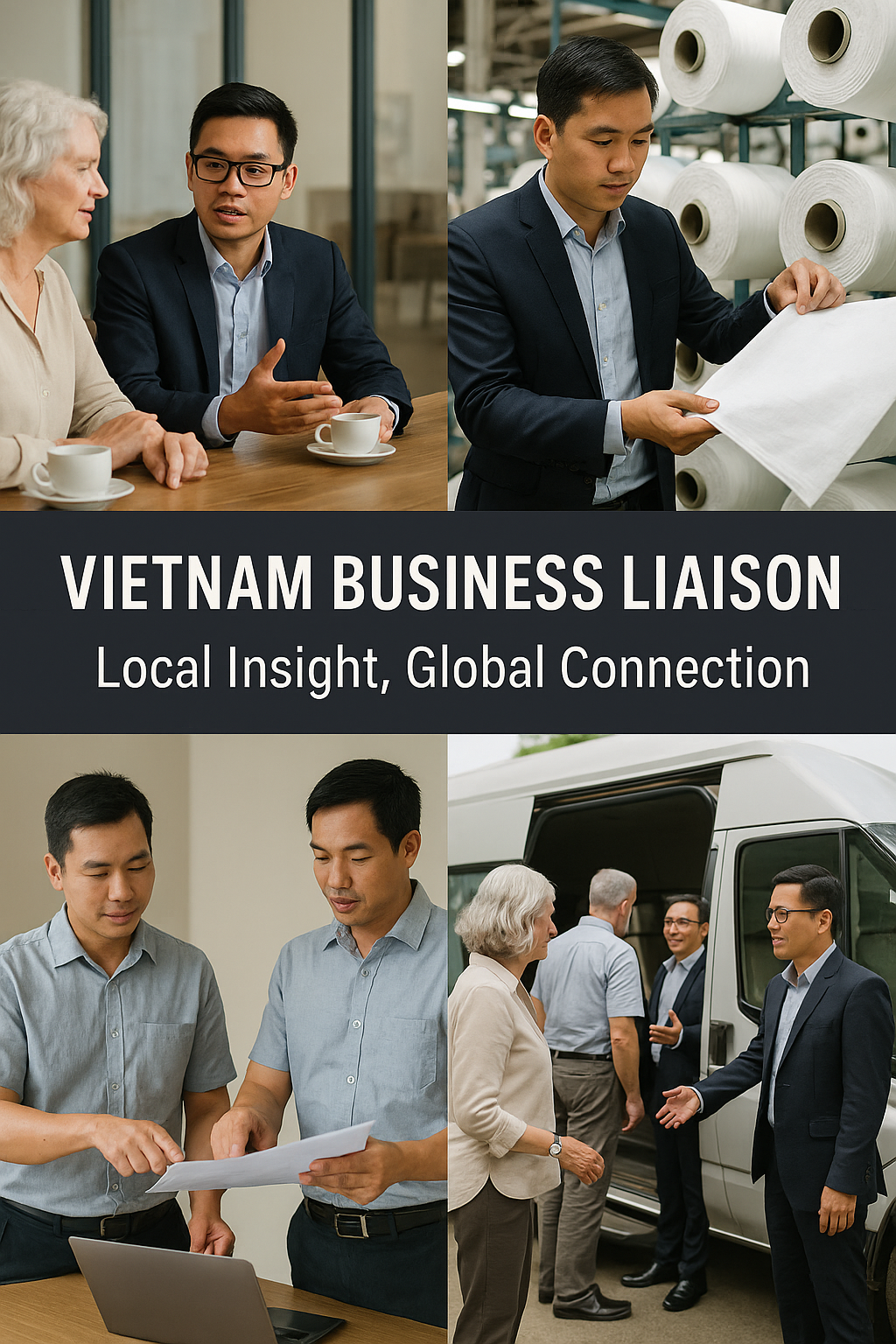
Building Long-Term Relationships with Reliable Vietnamese Bamboo Manufacturers
Establishing long-term relationships with reliable Vietnamese bamboo manufacturers is crucial for securing consistent supply, favorable pricing, and fostering innovation. Sourcing bamboo products from Vietnam demands more than just identifying a supplier; it requires building trust and mutual benefit for sustained success in the bamboo industry. This section explores key strategies for cultivating such relationships.
To build lasting partnerships, consider these aspects:
- Consistent Communication: Regular and transparent communication is the foundation of any strong relationship. Maintain open channels for feedback, updates on orders, and addressing concerns promptly.
- Fair Pricing and Payment Terms: While negotiating competitive pricing is essential, prioritize fairness. Acknowledge the manufacturer’s costs and offer reasonable payment terms that ensure their financial stability.
- Mutual Understanding and Respect: Invest time in understanding the manufacturer’s business practices, culture, and values. This fosters mutual respect and facilitates smoother collaborations.
- Collaboration on Product Development: Engage manufacturers in the product development process, leveraging their expertise to improve designs, reduce costs, and explore new possibilities.
- Commitment to Ethical and Sustainable Practices: Align your business values with manufacturers who prioritize ethical labor practices and sustainable bamboo sourcing. This builds trust and strengthens your brand reputation.
- Regular Factory Visits: Visiting manufacturing facilities in person strengthens relationships, provides valuable insights into their operations, and allows you to address any issues face-to-face.
- Providing Constructive Feedback: Honest and constructive feedback, even when critical, can help manufacturers improve their processes and product quality. Frame feedback positively and offer solutions.
Beyond these strategies, recognizing cultural nuances plays a significant role. Vietnamese business culture often values personal relationships and long-term commitment. Building rapport through social interactions, showing respect for seniority, and demonstrating a genuine interest in their well-being can significantly strengthen your partnerships with bamboo suppliers in Vietnam. By prioritizing these elements, businesses can move beyond transactional relationships and build strong, enduring partnerships with reliable Vietnamese bamboo manufacturers.
Sustainable Bamboo Sourcing: Environmental Considerations for Vietnamese Manufacturers
Sustainable bamboo sourcing is not merely a trend, but a crucial responsibility for Vietnamese bamboo manufacturers seeking long-term success and environmental stewardship. As demand for eco-friendly products rises globally, adopting sustainable practices within the bamboo industry gives bamboo suppliers from Vietnam a competitive advantage and enhances their reputation.
- Ecological impact: Bamboo, as a resource, is celebrated for its rapid growth and renewability. However, improper harvesting practices can lead to deforestation, soil degradation, and habitat loss. Sustainable sourcing requires careful management of bamboo forests to ensure their continued health and productivity.
- Certification and Standards: Manufacturers should seek certification from organizations like the Forest Stewardship Council (FSC) or the Sustainable Agriculture Network (SAN) to demonstrate their commitment to sustainable practices. These certifications ensure that the bamboo is harvested responsibly, minimizing its environmental impact. Adherence to international standards further enhances credibility.
- Waste Management: The bamboo manufacturing process can generate significant waste, including sawdust, offcuts, and chemical residues. Sustainable manufacturers prioritize waste reduction, reuse, and recycling. They may also explore innovative ways to utilize bamboo waste, such as converting it into bioenergy or composite materials.
- Water usage and pollution: Bamboo processing, particularly chemical treatments, can consume significant amounts of water and generate wastewater containing pollutants. Sustainable manufacturers implement water conservation measures and invest in wastewater treatment technologies to minimize their impact on local water resources.
- Social responsibility: Beyond environmental considerations, sustainable bamboo sourcing encompasses social responsibility. Manufacturers should ensure fair labor practices, provide safe working conditions, and support local communities that depend on bamboo resources. Ethical sourcing contributes to the overall sustainability of the bamboo supply chain and strengthens the reputation of Vietnambizrep.
Many of these manufacturers operate within Vietnam’s broader factory network — see our overview of Vietnam’s manufacturing factories for context on how facilities are typically structured.
Vietnam Biz Rep helps overseas buyers find suppliers, verify factories, coordinate samples, inspect goods, and follow up production in Vietnam. Learn more about our Vietnam sourcing agent services or contact us to discuss your sourcing requirements.
