

(Opening)
For businesses seeking to optimize vietnam wholesale sourcing, understanding the dynamics of this market is paramount. Navigating the complexities of wholesale suppliers, manufacturing hubs, and export regulations can be daunting, but the potential for cost savings and access to a diverse range of products is substantial. This vietnambizrep article delves into key strategies for successful wholesale sourcing in Vietnam, including identifying reliable Vietnamese manufacturers, conducting thorough due diligence, and mastering import/export procedures. We will also explore the impact of trade agreements on wholesale trade in 2025 and offer insights into leveraging e-commerce platforms to expand your reach in the Vietnam wholesale market.
Understanding Vietnam’s Wholesale Market: Key Sectors and Trends
Vietnam’s wholesale market presents a dynamic landscape for businesses seeking growth and expansion, driven by its burgeoning economy and strategic location in Southeast Asia. This section will delve into the key sectors that define Vietnam wholesale, exploring current trends shaping its evolution and providing a foundational understanding for businesses aiming to navigate this promising market. By examining the major industries and emerging patterns, we aim to equip you with the knowledge necessary to make informed decisions about engaging in wholesale trade within Vietnam.
Several sectors fuel the growth of the wholesale industry in Vietnam. The agricultural sector remains a cornerstone, with rice, coffee, seafood, and fruits being key export commodities channeled through wholesale networks. The burgeoning consumer goods sector, driven by rising disposable incomes and urbanization, presents significant opportunities for wholesale distributors of food and beverage, household products, and personal care items. The industrial sector, including textiles, footwear, electronics, and machinery, relies heavily on wholesale channels for both sourcing raw materials and distributing finished goods to domestic and international markets. Vietnam’s strategic location as a manufacturing hub for global brands further strengthens this sector’s importance in wholesale activities.
E-commerce is rapidly transforming the face of Vietnam’s wholesale market. The rise of B2B e-commerce platforms is streamlining transactions, improving transparency, and enabling businesses to connect with a wider range of suppliers and buyers. This digital shift is particularly beneficial for small and medium-sized enterprises (SMEs), granting them access to markets previously dominated by larger players. The trend towards supply chain optimization is also gaining momentum, with businesses increasingly focusing on improving efficiency, reducing costs, and enhancing responsiveness through advanced logistics and technology solutions. Furthermore, the growing demand for sustainable and ethically sourced products is influencing wholesale practices, with businesses prioritizing suppliers who adhere to environmental and social responsibility standards.
These trends are underpinned by the ongoing integration of Vietnam into the global economy. Free trade agreements (FTAs) with major economies like the EU, the US, and Japan are reducing trade barriers and boosting wholesale trade flows. The government’s commitment to infrastructure development, including seaports, highways, and logistics hubs, is further enhancing Vietnam’s attractiveness as a wholesale distribution center in the region. As Vietnam continues to evolve as a key player in the global supply chain, understanding these trends is crucial for success in its vibrant wholesale market.

Want to dive deeper into Vietnam’s dynamic market? Explore key sectors and trends to uncover hidden opportunities.
Navigating the Legal and Regulatory Landscape for Vietnam Wholesale
Understanding the legal and regulatory framework is crucial for successfully engaging in vietnam wholesale. This section will guide businesses through the essential regulations governing wholesale operations in Vietnam, ensuring compliance and minimizing risks.
Vietnam’s regulatory landscape for wholesale trade is governed by a complex interplay of laws and decrees, including the Law on Commerce, the Law on Investment, and specialized regulations pertaining to specific sectors. Foreign investors and domestic businesses alike must navigate these regulations to ensure they operate legally. A key aspect is understanding the requirements for establishing a wholesale company or engaging in wholesale activities through existing entities, including licensing, registration, and compliance with industry-specific regulations.
One of the primary challenges in navigating the legal framework is obtaining the necessary licenses and permits. This process can be lengthy and complex, requiring extensive documentation and coordination with various government agencies. For instance, businesses involved in the wholesale of food products must comply with strict food safety regulations and obtain relevant certificates from the Ministry of Health. Similarly, those dealing with pharmaceuticals or chemicals must adhere to specific licensing requirements and import/export regulations.
Furthermore, businesses must be aware of regulations concerning product standards, labeling, and consumer protection. Vietnam has been increasingly focusing on combating counterfeit goods and protecting consumer rights, leading to stricter enforcement of regulations related to product quality and safety. Wholesale distributors are responsible for ensuring that the products they distribute meet the required standards and are properly labeled with accurate information. Non-compliance can result in hefty fines, product recalls, and even legal action.
Another critical area of regulation concerns import and export procedures. Vietnam has numerous trade agreements with countries and regions worldwide, each with its own set of rules and regulations. Businesses engaged in vietnam wholesale must be familiar with these agreements and ensure they comply with the customs regulations, import duties, and export restrictions. Understanding tariff schedules, rules of origin, and other trade-related regulations is essential for efficient and cost-effective operations.
Finally, maintaining up-to-date knowledge of regulatory changes is crucial for long-term success in the vietnam wholesale market. Vietnam’s legal framework is constantly evolving, with new laws and regulations being introduced regularly. Businesses should invest in legal counsel and stay informed about regulatory updates to ensure ongoing compliance and avoid potential penalties. Regular legal audits and proactive compliance programs are highly recommended for mitigating risks and ensuring sustainable operations.
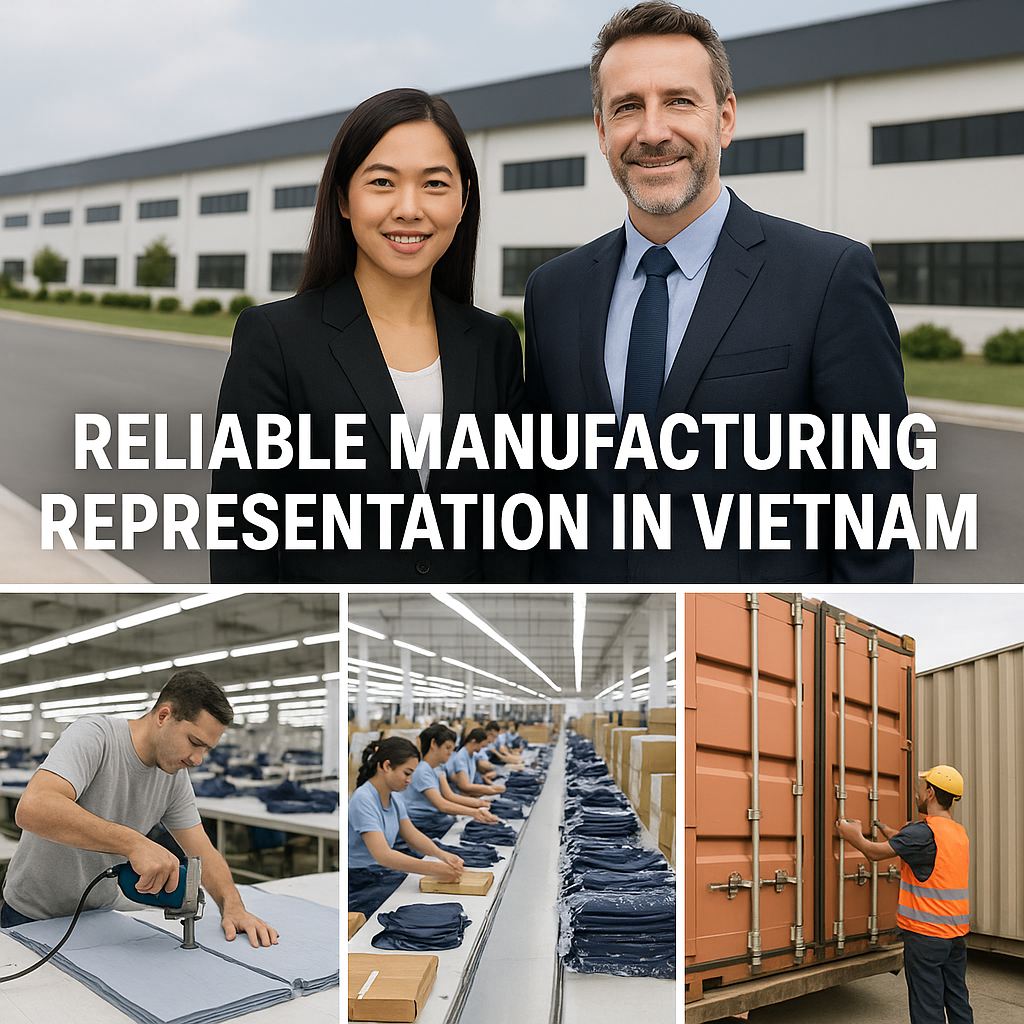
Confused by Vietnam’s export regulations? Learn to navigate the legal landscape and avoid costly mistakes.
Due Diligence for Vietnam Wholesale: Protecting Your Business
Conducting thorough due diligence is paramount when venturing into the vietnam wholesale market to safeguard your business interests and mitigate potential risks. Due diligence in this context refers to the comprehensive investigation and assessment of a potential wholesale partner, examining their financial stability, operational capacity, legal compliance, and overall reputation before entering into any formal agreement. This process, when diligently executed, serves as a critical shield, minimizing the likelihood of encountering fraudulent activities, supply chain disruptions, or legal complications.
A robust due diligence process for vietnam wholesale should encompass several critical areas. Firstly, verify the legal standing of your potential partner, ensuring they possess all the necessary licenses and permits to operate legally in Vietnam. Secondly, scrutinize their financial health by requesting audited financial statements and conducting credit checks to assess their solvency and ability to fulfill contractual obligations. Thirdly, evaluate their operational capabilities, including their storage facilities, logistics network, and quality control processes, to ensure they can reliably meet your demands. Lastly, check their reputation through customer references and online reviews. Neglecting any of these steps increases the chances of encountering dishonest individuals, leading to financial losses and tarnished brand reputation.
Furthermore, understanding the cultural nuances and business practices in Vietnam is crucial for effective due diligence. For instance, engaging a local consultant or legal expert with expertise in vietnam wholesale can provide invaluable insights into the market and assist in navigating the regulatory landscape. They can help you verify the authenticity of documents, conduct on-site inspections, and uncover any hidden liabilities or potential red flags. Consider these key steps in the due diligence process:
- Legal Verification: Confirm business registration, licenses, and permits.
- Financial Assessment: Review financial statements, credit reports, and payment history.
- Operational Evaluation: Inspect facilities, logistics, and quality control processes.
- Reputation Check: Gather customer references and online reviews.
- Cultural Sensitivity: Understand local business practices and norms.
By implementing a comprehensive due diligence strategy, businesses can significantly minimize risks associated with vietnam wholesale, paving the way for successful and sustainable partnerships. Vietnambizrep highly recommends prioritizing due diligence to protect your business investments and achieve long-term growth in the Vietnamese market.

Concerned about supplier reliability? Discover essential due diligence steps to protect your business.
Best Practices for Building Long-Term Relationships with Vietnam Wholesale Partners
Cultivating long-term relationships with vietnam wholesale partners is crucial for sustainable business growth and success in the Vietnamese market. These relationships, built on trust and mutual benefit, provide a stable foundation for navigating the complexities of the Vietnamese business landscape. By prioritizing open communication, ethical conduct, and a deep understanding of your partners’ needs, you can foster strong, enduring alliances that drive profitability and expand your reach within the vietnam wholesale market.
-
Establish Clear Communication Channels: Effective communication is the bedrock of any successful partnership, especially in vietnam wholesale. Implement regular communication protocols, including scheduled meetings (both in-person and virtual), prompt responses to inquiries, and transparent sharing of information. Consider using a CRM (Customer Relationship Management) system to track interactions and maintain consistency. Remember, cultural nuances play a significant role; adapt your communication style to be respectful and mindful of Vietnamese customs.
-
Practice Ethical and Transparent Business Conduct: Integrity and honesty are paramount when building trust with wholesale partners in Vietnam. Uphold ethical standards in all your dealings, ensuring fair pricing, transparent contracts, and adherence to all legal and regulatory requirements. Avoid any practices that could be perceived as deceptive or manipulative, as this can severely damage your reputation and jeopardize long-term relationships. Ví dụ, if there are changes in the agreement, notify them immediately and explain the reason for the change along with the solution.
-
Demonstrate a Deep Understanding of Your Partner’s Needs: Successful partnerships are built on mutual understanding. Invest time in learning about your vietnam wholesale partners’ business goals, challenges, and priorities. Actively solicit feedback and be responsive to their concerns. By demonstrating a genuine interest in their success, you’ll foster a sense of shared purpose and strengthen your bond. Conduct market research to understand their target audience and competitive landscape.
-
Provide Value-Added Services and Support: Go beyond simply providing products or services. Offer value-added services that can help your vietnam wholesale partners grow their business. This could include training, marketing support, logistical assistance, or access to market insights. For instance, Vietnambizrep can provide market analysis reports that help wholesale partners better understand market trends and consumer preferences in Vietnam.
-
Respect Vietnamese Business Culture and Customs: Understanding and respecting Vietnamese business culture is essential for building strong relationships. Familiarize yourself with customs such as the importance of face (maintaining dignity and avoiding causing embarrassment), the significance of building personal connections (quan he), and the hierarchical nature of Vietnamese organizations. Showing respect for these cultural norms will go a long way in building trust and rapport.
-
Address Conflicts Promptly and Fairly: Disputes are inevitable in any business relationship. When conflicts arise, address them promptly, professionally, and fairly. Be willing to listen to your vietnam wholesale partner’s perspective and work collaboratively to find a mutually agreeable solution. Mediation or arbitration can be used if direct negotiation fails. Document all communication and agreements to avoid misunderstandings in the future.
-
Foster Personal Relationships: While business is paramount, building personal relationships with your vietnam wholesale partners can significantly strengthen your bonds. Take the time to get to know them on a personal level, learn about their families, and engage in social activities. This can help build trust and create a sense of camaraderie that goes beyond purely transactional interactions. For example, invite your partners to informal gatherings or participate in local cultural events together.
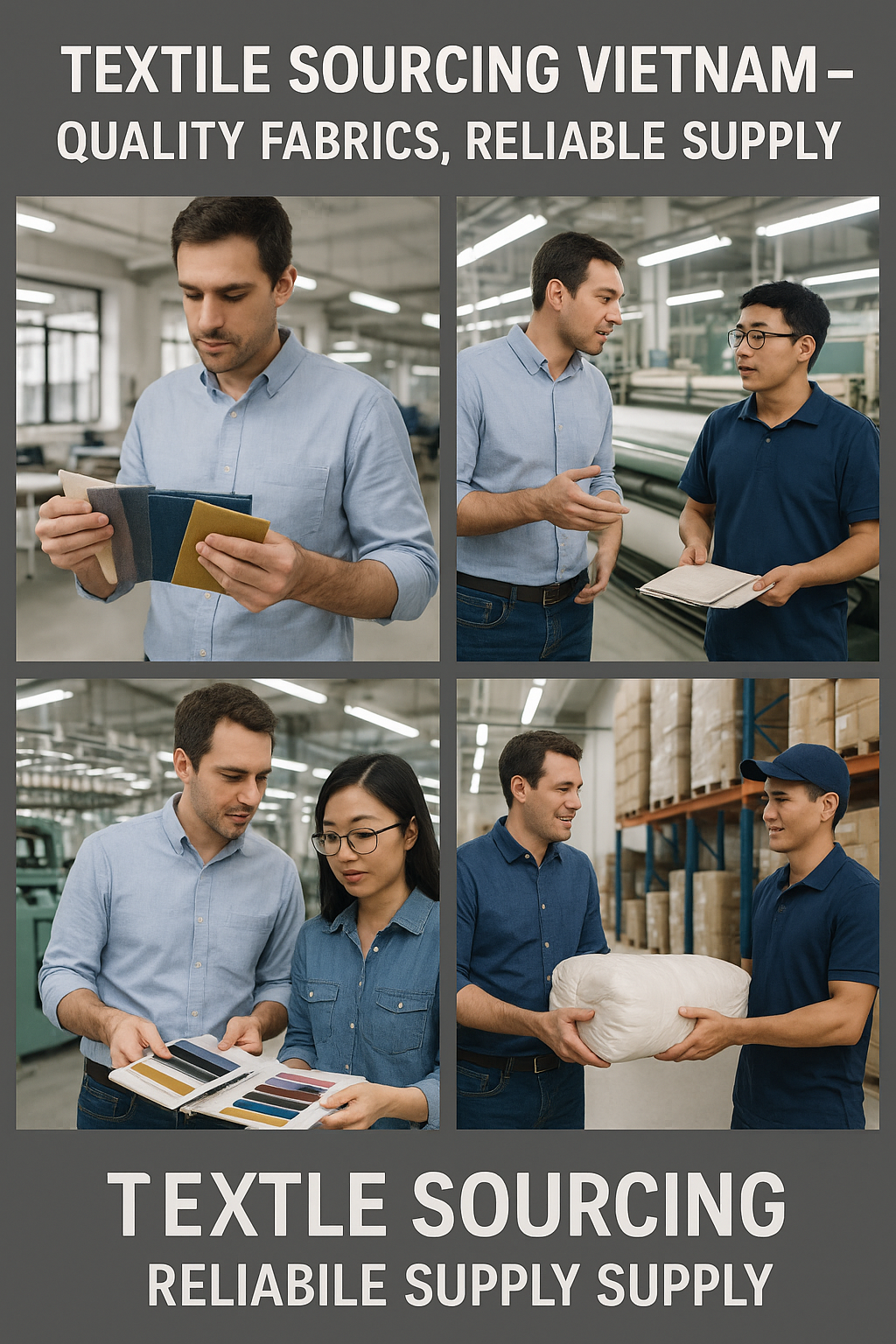
Ready to build lasting partnerships? Learn the best practices for fostering strong relationships with Vietnam wholesale partners.
Future of Vietnam Wholesale: Opportunities and Challenges
The future of Vietnam wholesale presents a dynamic landscape filled with both promising opportunities and significant challenges for businesses engaged in vietnam wholesale trade. The evolving economic climate, technological advancements, and shifting consumer preferences are reshaping the wholesale sector in Vietnam, requiring businesses to adapt and innovate to thrive. Vietnam’s strategic location, growing economy, and integration into global supply chains offer substantial growth potential, while simultaneously presenting hurdles related to infrastructure, regulations, and competition.
The expansion of e-commerce and the rise of digital marketplaces are revolutionizing how wholesale transactions are conducted in Vietnam. This digital transformation offers businesses the opportunity to reach a wider customer base, streamline operations, and improve efficiency. However, it also necessitates investment in technology infrastructure, cybersecurity measures, and digital skills to compete effectively. For instance, B2B e-commerce platforms are gaining traction, connecting manufacturers and distributors directly with retailers, reducing reliance on traditional intermediaries.
Furthermore, supply chain disruptions and geopolitical uncertainties pose ongoing challenges to the vietnam wholesale market. Diversifying sourcing strategies, building resilient supply chains, and implementing risk management measures are crucial for businesses to mitigate potential disruptions. Consider the impact of the COVID-19 pandemic, which highlighted vulnerabilities in global supply chains and the importance of local sourcing and diversification.
Moreover, the increasing demand for sustainable and ethical products is influencing consumer behavior and driving changes in the wholesale sector. Businesses are under pressure to adopt sustainable practices, ensure fair labor standards, and offer eco-friendly products to meet the evolving needs of consumers. An example is the growing preference for organic agricultural products, creating opportunities for wholesalers specializing in sustainable sourcing.
Finally, navigating the regulatory landscape and ensuring compliance remain critical for businesses operating in the vietnam wholesale market. Staying informed about changes in regulations, such as import/export policies, tax laws, and environmental regulations, is essential for avoiding penalties and ensuring smooth operations. Collaboration with local partners and legal experts can help businesses navigate these complexities effectively.
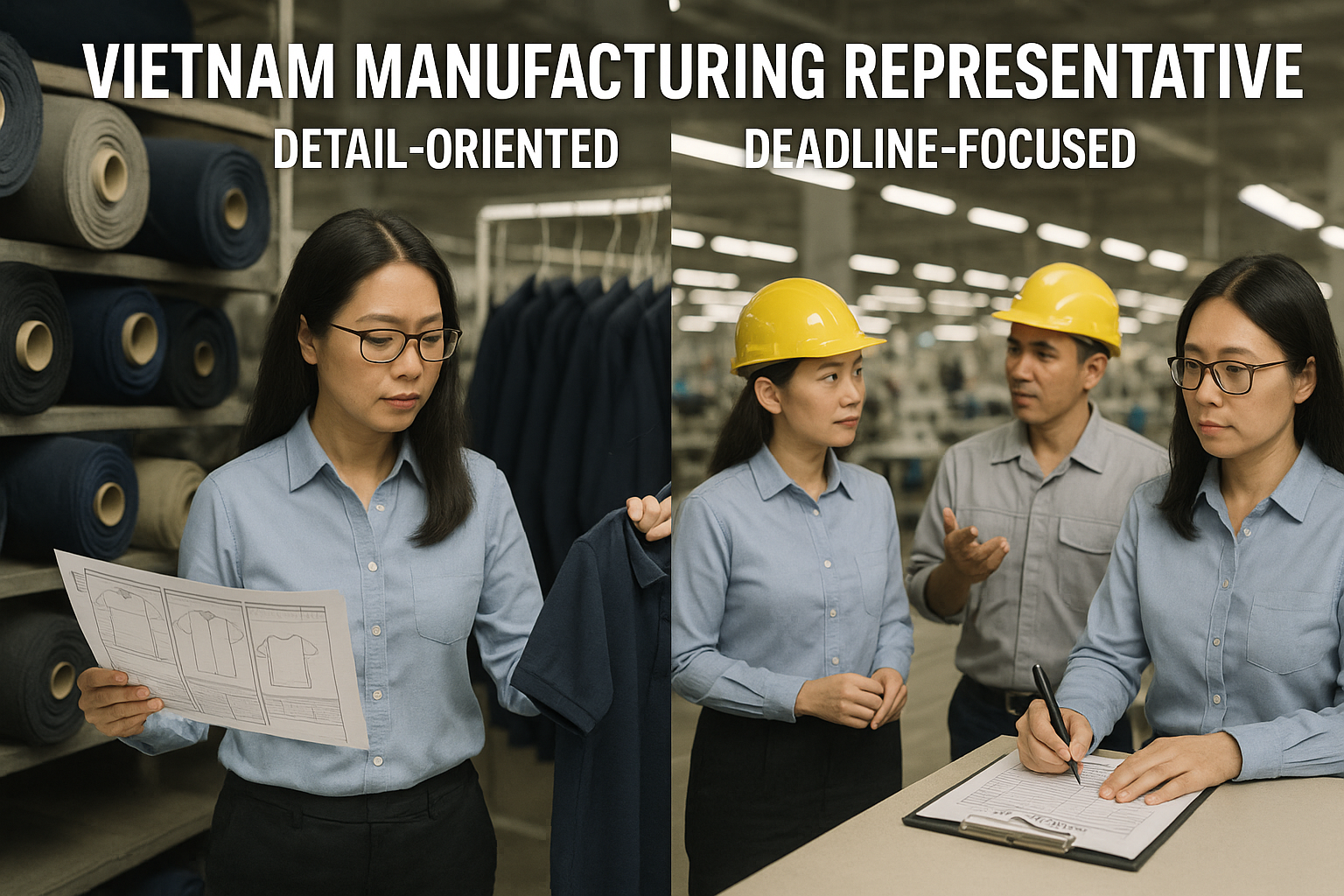
Curious about what lies ahead? Explore the future of Vietnam wholesale and prepare for upcoming opportunities and challenges.
Vietnam Biz Rep helps overseas buyers find suppliers, verify factories, coordinate samples, inspect goods, and follow up production in Vietnam. Learn more about our Vietnam sourcing agent services or contact us to discuss your sourcing requirements.
