
Unlocking scalable growth requires a strategic approach, and that’s where clothing OEM services become indispensable for apparel businesses in 2025. This guide, tailored for garment manufacturers in Vietnam, dives deep into navigating the landscape of OEM partnerships, focusing on securing the best clothing manufacturers, streamlining the garment production process, ensuring stringent quality control, and ultimately, achieving a competitive edge through optimized supply chain management. Learn how to leverage OEM to minimize production costs, enhance design flexibility, and confidently expand your market reach with overseas buyers.
Understanding Clothing OEM Services: A Comprehensive Guide
Clothing OEM services, or Original Equipment Manufacturing services for apparel, provide a comprehensive solution for businesses looking to produce clothing without directly managing the manufacturing process. In essence, OEM allows overseas buyers to focus on design, marketing, and sales, while outsourcing the complex tasks of sourcing materials, manufacturing, and quality control to a specialized partner. This model is particularly attractive in Vietnam, where a robust garment industry and skilled workforce offer significant advantages.
OEM goes beyond simple contract manufacturing. A clothing OEM partner typically offers a full suite of services, including:
- Design and Pattern Development: Assisting with turning design concepts into manufacturable patterns.
- Material Sourcing: Procuring fabrics, trims, and other necessary components.
- Sample Production: Creating prototypes to validate designs and fit.
- Manufacturing: Handling the cutting, sewing, and finishing processes.
- Quality Control: Ensuring the final product meets specified standards.
- Packaging and Logistics: Preparing and shipping the finished goods.
Understanding the scope of services provided by a clothing OEM service is crucial for successful collaboration. For example, some OEMs specialize in specific types of garments, such as sportswear or knitwear, while others offer a broader range of capabilities. The level of support offered can also vary, with some OEMs providing extensive design assistance and others primarily focusing on manufacturing based on client-provided specifications. Choosing an OEM that aligns with your brand’s needs and product requirements is essential for a smooth and efficient production process.
Furthermore, it’s important to recognize that clothing OEM services in Vietnam operate within a complex ecosystem. They often work with a network of suppliers, subcontractors, and other partners to fulfill client orders. This interconnectedness underscores the need for thorough due diligence when selecting an OEM, ensuring they have a reliable supply chain and a commitment to ethical and sustainable practices.
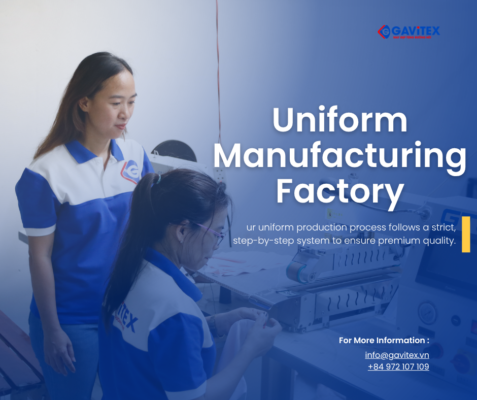
Eager to learn how to turn your design ideas into reality? Explore apparel product development strategies.
Key Benefits of Partnering with a Clothing OEM Service in Vietnam
Partnering with a clothing OEM service in Vietnam offers a multitude of advantages for businesses seeking to streamline production, reduce costs, and enhance their competitive edge in the global market. The Original Equipment Manufacturer (OEM) model allows companies to outsource their manufacturing needs to specialized facilities, and Vietnam has emerged as a prime destination for apparel manufacturing due to its skilled workforce, favorable economic conditions, and strategic location. Leveraging a clothing OEM partner can result in significant improvements to your supply chain and overall business performance.
One of the most compelling reasons to collaborate with a Vietnamese clothing OEM is the potential for substantial cost savings. Labor costs in Vietnam are generally lower than in many developed countries and even some other Asian manufacturing hubs. This translates to reduced production expenses, allowing businesses to allocate resources to other critical areas like marketing, research and development, or sales. Further contributing to cost efficiency is the Vietnamese government’s support for the textile industry, which includes various incentives and tax benefits for foreign investors, making Vietnam an even more attractive destination for clothing manufacturing.
Beyond cost advantages, quality is a key benefit when partnering with a reputable clothing OEM service in Vietnam. Many Vietnamese factories have invested heavily in modern equipment, technology, and training programs to meet international standards. They are capable of producing high-quality garments that satisfy the demands of even the most discerning customers. Furthermore, experienced OEM partners often have robust quality control processes in place, ensuring that every stage of production, from sourcing materials to final inspection, is meticulously monitored to maintain consistent quality and minimize defects.
Supply chain efficiency is another significant advantage of working with a clothing OEM in Vietnam. A well-established OEM partner can handle all aspects of the manufacturing process, from sourcing fabrics and trims to cutting, sewing, and packaging, allowing companies to focus on their core competencies, such as design, branding, and marketing. Moreover, Vietnam’s strategic location in Southeast Asia provides easy access to major shipping routes, facilitating efficient logistics and reduced lead times. This streamlined supply chain can improve responsiveness to market demands and enhance overall customer satisfaction.
Finally, collaborating with a clothing OEM service in Vietnam provides access to a skilled and adaptable workforce. The Vietnamese workforce is known for its strong work ethic, attention to detail, and willingness to learn new skills. This translates to greater flexibility and responsiveness to changing customer needs and market trends. Experienced OEM partners invest in training programs to ensure that their workforce is equipped with the latest skills and knowledge, enabling them to produce a wide range of garment styles and designs to meet diverse customer requirements.
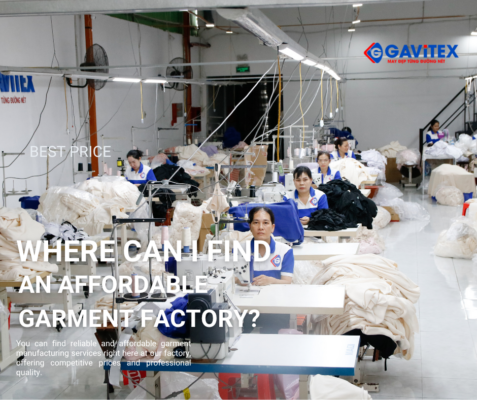
Intrigued by the advantages? Learn more about apparel manufacturing for brands.
Finding the Right Clothing OEM Partner in Vietnam: Due Diligence and Vetting
Selecting the right clothing OEM partner in Vietnam is a critical decision that can significantly impact your brand’s success. This process requires rigorous due diligence and vetting to ensure alignment in terms of quality, ethical practices, production capabilities, and overall business goals.
Thorough investigation into potential clothing manufacturers helps mitigate risks and fosters a strong, reliable partnership. Effective vetting goes beyond initial impressions, delving into the supplier’s history, operational standards, and client testimonials. By focusing on key areas like certifications, compliance, and communication protocols, brands like overseas buyers can secure a partnership that supports long-term growth and maintains brand integrity within the competitive apparel manufacturing landscape.
Here’s how to approach the process:
-
Assess Manufacturing Capabilities and Specialization: Start by evaluating the prospective partner’s expertise in garment production. Does the clothing factory specialize in the types of garments you intend to produce? Inquire about the machinery they utilize, the scale of their operations, and their maximum production capacity. For instance, a partner excelling in sportswear might not be the best fit for producing high-end fashion items.
-
Evaluate Quality Control Procedures: A robust quality control system is fundamental. Investigate the OEM’s quality assurance measures at each stage of the clothing manufacturing process, from initial fabric inspection to final product assessment. Request information on their AQL (Acceptable Quality Limit) standards and their methods for addressing defects.
-
Verify Ethical and Social Compliance: In today’s market, ethical considerations are paramount. Check for certifications such as WRAP, BSCI, or Sedex, which indicate a commitment to fair labor practices, safe working conditions, and environmental responsibility. Request audit reports and conduct your own assessment if feasible. overseas buyers, as a responsible brand, prioritizes partners who share a commitment to ethical sourcing and production.
-
Check References and Client Testimonials: Request references from current or past clients. Speaking directly with other businesses that have worked with the OEM can provide invaluable insights into their reliability, responsiveness, and problem-solving abilities.
-
Examine Communication and Project Management: Clear and consistent communication is vital for a successful partnership. Evaluate the OEM’s communication infrastructure, their responsiveness to inquiries, and their project management capabilities. A dedicated point of contact and transparent communication channels can streamline the manufacturing process.
-
Review Financial Stability and Business Practices: Assess the financial health and stability of the OEM. A financially sound partner is more likely to fulfill orders reliably and invest in necessary upgrades and improvements. Also, investigate their business practices to ensure they align with your company’s values and ethical standards.
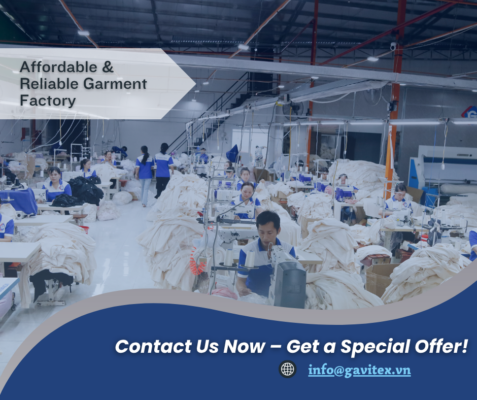
Ready to find your ideal partner? Start your apparel sourcing journey with our comprehensive guide.
Navigating the Clothing Manufacturing Process with a Vietnamese OEM
Successfully navigating the clothing manufacturing process with a Vietnamese Original Equipment Manufacturer (OEM) requires a clear understanding of each stage, from initial design to final delivery, ensuring your clothing OEM services experience is efficient and yields high-quality products. This involves meticulous planning, effective communication, and a robust quality control system to mitigate potential challenges and capitalize on Vietnam’s competitive advantages in garment production.
The journey begins with design and sampling, a crucial phase where ideas transform into tangible prototypes. Supplying your Vietnamese OEM partner with detailed tech packs, including specifications for fabric, measurements, stitching, and embellishments, is paramount; for example, overseas buyers typically requests comprehensive documentation to minimize errors and ensure accurate sample creation. This stage often involves multiple iterations of sampling until the design meets your exact requirements and production standards.
Because sample-approval speed and tech-pack interpretation vary widely between factories, many brands compare more than one OEM clothing manufacturer in Vietnam before committing to a full production run.
Following sample approval, the process advances to production planning and sourcing. The OEM will assess the resources needed, including raw materials such as fabrics, trims, and labels, and create a detailed production schedule. Efficient sourcing is essential; many Vietnamese OEMs have established networks of reliable suppliers, enabling them to procure high-quality materials at competitive prices. For example, a well-established OEM might have long-term relationships with fabric mills in Vietnam and neighboring countries, guaranteeing consistent quality and timely delivery of materials.
The heart of the process lies in manufacturing and quality control. This involves cutting, sewing, and finishing the garments according to the approved specifications. Rigorous quality checks are implemented at each stage of production to identify and rectify any defects. These checks can include inspecting fabric for flaws, verifying measurements, assessing stitching quality, and ensuring color consistency. AQL (Acceptable Quality Level) standards are often used to determine the acceptable number of defects.
Finally, the process culminates in packaging, shipping, and logistics. Once the garments pass the final quality inspection, they are carefully packaged and prepared for shipment. The OEM will handle the logistics of transporting the goods to your desired destination, ensuring compliance with all relevant customs regulations. Clear communication regarding shipping schedules, documentation, and import requirements is vital to ensure a smooth and timely delivery. Partnering with overseas buyers means that you’ll be getting support during the whole process, which guarantees compliance with necessary regulations.
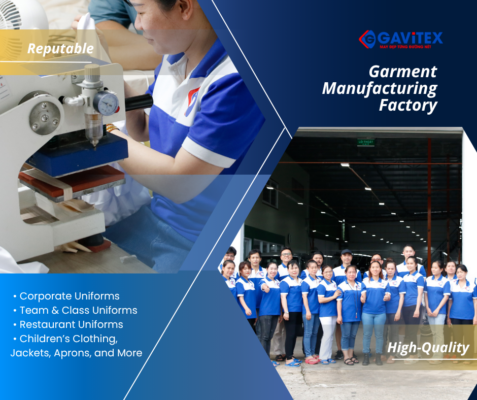
Need a complete overview of the manufacturing journey for your brand? Learn about clothing production for brands and achieve success.
Quality Control and Ethical Considerations in Clothing OEM Production
In the realm of clothing OEM production, ensuring robust quality control and adhering to ethical considerations are paramount for building a reputable brand and fostering sustainable business practices. These aspects are not merely add-ons but integral components that directly impact product integrity, customer satisfaction, and long-term success.
Effective quality control in clothing manufacturing encompasses a multi-stage process, beginning with rigorous raw material inspection and extending throughout production, including pattern making, cutting, sewing, and finishing. For example, textile strength testing and colorfastness assessments should be conducted on fabric deliveries to ensure durability and prevent dye bleeding. Implementing statistical quality control (SQC) techniques, such as control charts and acceptance sampling, enables early detection and correction of defects, minimizing waste and rework. Partnering with inspection agencies that perform AQL (Acceptable Quality Level) inspections can provide an unbiased assessment of product quality before shipment. overseas buyers, as a responsible brand, understands that meticulous quality control not only reduces defects but also enhances brand image and customer loyalty.
Beyond quality, ethical considerations are gaining increasing importance in the clothing industry, driven by consumer awareness and regulatory scrutiny. This includes ensuring fair labor practices, safe working conditions, and environmental sustainability. Factories should adhere to international labor standards, such as those outlined by the International Labour Organization (ILO), which prohibit child labor, forced labor, and discrimination. Regular audits by independent organizations like WRAP (Worldwide Responsible Accredited Production) or Sedex (Supplier Ethical Data Exchange) can verify compliance and identify areas for improvement. Furthermore, minimizing environmental impact through responsible water management, waste reduction, and the use of sustainable materials is critical. Vietnam Biz Rep is committed to promoting ethical sourcing and sustainable production to align with evolving consumer values and contribute to a more responsible supply chain.
Integrating quality control and ethical practices requires a proactive and collaborative approach between the brand and the OEM partner. This includes establishing clear quality standards, conducting regular on-site inspections, providing training to factory workers, and fostering open communication. By prioritizing both quality and ethics, overseas buyers aims to build lasting relationships with its OEM partners, ensuring that its products are not only high-quality but also produced in a responsible and sustainable manner.
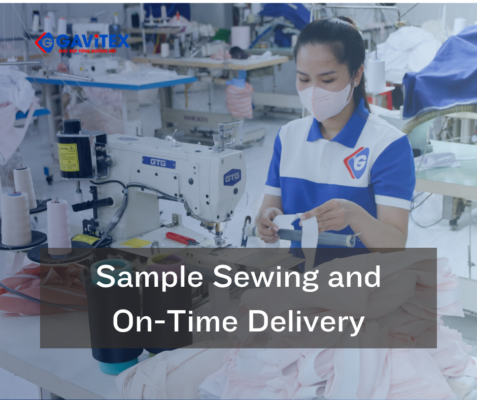
Concerned about quality and ethical standards? Delve into clothing production services and best practices.
Cost Optimization Strategies for Clothing OEM Services in Vietnam
Securing competitive clothing OEM services often hinges on implementing effective cost optimization strategies. As businesses increasingly recognize Vietnam as a prime destination for apparel manufacturing, understanding how to minimize expenses while maintaining quality becomes paramount. This section delves into actionable methods for achieving cost efficiency within Vietnamese clothing OEM partnerships.
Several factors contribute to the potential for cost reduction in clothing manufacturing within Vietnam.
-
Negotiating Favorable Pricing: Establishing transparent communication with your clothing OEM partner and conducting thorough market research are essential for securing competitive pricing. Obtaining quotes from multiple suppliers allows for a comparative analysis, enabling you to negotiate favorable terms based on volume, material selection, and design complexity. Vietnam Biz Rep can help in this process by leveraging its extensive network of trusted suppliers in Vietnam.
-
Optimizing Material Sourcing: Material costs represent a substantial portion of the overall production expenses. Explore diverse sourcing options for fabrics, trims, and accessories, including local Vietnamese suppliers, to identify cost-effective alternatives without compromising quality. Consider negotiating bulk discounts for materials and streamlining the procurement process to minimize waste and delays.
-
Streamlining Production Processes: Analyze the entire manufacturing workflow, from pattern making to finishing, to identify areas for improvement. Implementing lean manufacturing principles, such as reducing excess inventory, minimizing transportation costs, and optimizing production schedules, can significantly enhance efficiency and lower expenses. Furthermore, investing in automation technologies and skilled labor training can boost productivity and reduce errors.
-
Reducing Waste and Rework: Minimizing fabric waste during cutting and sewing is crucial for cost savings. Employing efficient pattern layouts, implementing stricter quality control measures, and providing comprehensive training to factory workers can minimize errors and reduce the need for costly rework. Additionally, explore options for recycling or repurposing fabric scraps to further reduce waste and environmental impact.
-
Optimizing Logistics and Shipping: Transportation costs can significantly impact the overall expenses of clothing OEM. Consider consolidating shipments, optimizing packaging to reduce volume, and exploring alternative shipping methods, such as sea freight for large orders, to minimize transportation expenses. Collaborating with a reliable logistics provider that has experience navigating the Vietnamese market can further streamline the shipping process and reduce delays.
-
Managing Currency Exchange Risks: Fluctuations in currency exchange rates can affect the final cost of your products. Employ strategies such as hedging or forward contracts to mitigate currency risk and protect your profit margins. Work with financial experts to understand the potential impact of currency fluctuations and develop a comprehensive risk management plan.
By implementing these cost optimization strategies, businesses can unlock the full potential of clothing OEM services in Vietnam, maximizing profitability and securing a competitive edge in the global apparel market. overseas buyers stands ready to partner with you in navigating the complexities of Vietnamese manufacturing and implementing effective cost-saving measures tailored to your specific needs.
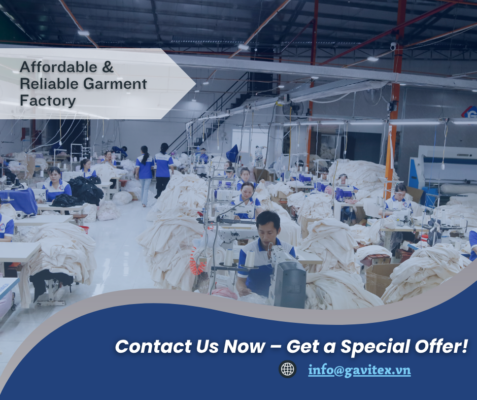
Looking to maximize your ROI? Discover clothing manufacturing consulting options to optimize costs.
Legal and Regulatory Aspects of Clothing OEM in Vietnam: What You Need to Know
Navigating the legal and regulatory landscape is crucial for any brand engaging in clothing OEM services in Vietnam. Understanding and adhering to these regulations ensures smooth operations, minimizes risks, and fosters a compliant and ethical manufacturing environment. This section outlines the key legal considerations and regulatory requirements you should be aware of when partnering with a Vietnamese clothing OEM for your garment production.
Several legal frameworks govern clothing OEM operations in Vietnam. Foreign Investment Law regulates foreign investment activities, requiring registration and licensing for OEM agreements involving foreign entities. Compliance with the Labor Code is essential, ensuring fair labor practices, including working hours, wages, and workplace safety. The Commercial Law governs commercial activities, including contracts, sales, and distribution, relevant for defining the terms of your OEM partnership. Customs regulations dictate import and export procedures for raw materials and finished products, requiring accurate declarations and adherence to tariffs.
Furthermore, brands must adhere to specific regulations concerning the clothing industry. These include technical regulations on textile products, ensuring compliance with quality and safety standards. Environmental regulations govern waste management and pollution control in manufacturing processes, promoting sustainable practices. Intellectual property rights (IPR) protection is critical to safeguard your designs and trademarks, preventing counterfeiting. The Vietnamese government has strengthened its IPR enforcement, but vigilance and proactive measures are still necessary.
To ensure compliance and minimize legal risks, brands should conduct thorough due diligence on their Vietnamese OEM partners. This includes verifying their business licenses, environmental permits, and labor compliance records. It is also crucial to have well-drafted OEM agreements that clearly define responsibilities, intellectual property rights, quality control standards, and dispute resolution mechanisms. Engaging legal counsel experienced in Vietnamese law is highly recommended to navigate the complexities of the regulatory framework and ensure your interests are protected. By understanding and adhering to these legal and regulatory aspects, you can establish a solid foundation for a successful and sustainable clothing OEM partnership in Vietnam.
Finding the right production partner starts with thorough supplier research. Vietnam factory sourcing support helps buyers identify and compare manufacturers based on their specific product needs, while Vietnam quality control services help maintain consistent standards throughout production.
Vietnam Biz Rep supports overseas buyers with garment supplier search, factory verification, sample coordination, production follow-up, and quality inspection in Vietnam. Learn more on our clothing sourcing agent page, or visit Vietnam sourcing agent for our full range of services. Contact Vietnam Biz Rep to discuss your sourcing requirements.
