
Starting a clothing line can be incredibly exciting, but finding the right clothing manufacturer for startups is critical for success. This guide cuts through the noise and offers actionable insights into navigating the complexities of garment production, focusing on finding reliable clothing suppliers, mastering manufacturing processes, and achieving cost-effective apparel manufacturing. We’ll explore key factors like minimum order quantities (MOQs), sampling and prototyping, and quality control to ensure your brand launches with confidence. This guide, categorized under garment manufacturers in Vietnam, provides a practical framework for understanding private label clothing, custom clothing manufacturing, and ultimately, scaling your clothing brand with a trustworthy partner in 2025.
Why Choose a Vietnam-Based Clothing Manufacturer for Your Startup?
For startups seeking a competitive edge in the fashion industry, partnering with a Vietnam-based clothing manufacturer offers a compelling blend of cost-effectiveness, quality production, and strategic advantages. This decision can be a game-changer for emerging brands looking to establish a foothold in the market. Leveraging Vietnam’s established garment industry provides access to skilled labor, specialized manufacturing processes, and a growing commitment to ethical and sustainable practices.
Several factors contribute to Vietnam’s attractiveness as a manufacturing hub for startups. Firstly, the cost-competitive labor market significantly reduces production expenses compared to developed countries. This allows startups to allocate more resources to design, marketing, and other crucial aspects of their business. Secondly, Vietnamese manufacturers have invested heavily in modern technology and equipment, ensuring high-quality garment production that meets international standards. Finally, Vietnam’s strategic location and established trade relationships facilitate efficient shipping and logistics, enabling faster turnaround times and reduced transportation costs.
Beyond cost and quality, Vietnam offers a diverse range of manufacturing options suited to the unique needs of startups. Whether you require Cut-Make-Trim (CMT) services for simple designs, Full Package Production (FPP) for comprehensive support, or Original Design Manufacturing (ODM) for creating exclusive products, Vietnamese manufacturers can adapt to your specific requirements. Furthermore, the growing emphasis on ethical and sustainable manufacturing practices in Vietnam resonates with environmentally conscious consumers and enhances your brand’s reputation. Working with a reliable manufacturer in Vietnam, allows your startup to focus on growth, innovation, and building a successful clothing brand.
Want to know if a Vietnam-based manufacturer is the right choice? Explore our sourcing strategy guide and find out if it aligns with your startup’s vision.
Key Considerations When Selecting a Clothing Manufacturer for Startups in Vietnam
Choosing the right clothing manufacturer for startups in Vietnam is crucial for establishing a successful brand. For startup clothing brands, selecting a manufacturing partner goes beyond just finding the lowest price; it’s about finding a partner who understands your vision, can scale with your growth, and delivers consistently high-quality products. Partnering with a reliable manufacturer helps you navigate potential pitfalls and lays the groundwork for a long-term, thriving business in the competitive apparel market.
When selecting a clothing manufacturer, MOQ and production capacity are critical factors for startups. Minimum Order Quantities that align with your initial budget and sales projections prevent overstocking and financial strain, while assessing production capacity ensures the manufacturer can handle your scaling demands as your brand grows. It’s about finding a balance between meeting your immediate needs and having the potential for future expansion, crucial for a new clothing line to gain traction.
Quality control is another essential aspect to consider when choosing a manufacturer. Robust quality assurance processes and relevant certifications (such as ISO 9001 or WRAP) ensure consistent product quality and compliance with international standards. Startups should prioritize manufacturers who conduct thorough inspections at each stage of production, from fabric sourcing to final garment finishing, to minimize defects and maintain brand reputation. This rigorous approach directly impacts customer satisfaction and long-term brand loyalty.
Effective communication, transparency, and cultural understanding are indispensable for a smooth manufacturing process. Clear and open communication channels are vital to convey your design specifications, address concerns promptly, and resolve any issues that may arise. A manufacturer who values transparency in their operations and demonstrates cultural sensitivity can build trust and foster a collaborative partnership, minimizing misunderstandings and ensuring mutual success.
Finally, prioritizing ethical and sustainable practices can resonate strongly with today’s consumers. Partnering with a manufacturer who adheres to fair labor standards, promotes environmental responsibility, and uses eco-friendly materials can enhance your brand’s image and appeal to ethically conscious customers. Startups should seek manufacturers who are transparent about their supply chain, demonstrate a commitment to worker welfare, and actively work towards reducing their environmental impact. Vietnam Biz Rep is committed to sustainable solutions in garment production, working with startups to meet customer demand for quality with ethical standards.
(Approximately 290 words)
Selecting the right manufacturer can make or break your startup. Dive deeper into our guide on apparel manufacturing services to understand the key factors.
Step-by-Step Guide to Finding the Right Clothing Manufacturer in Vietnam
Finding the right clothing manufacturer in Vietnam for your startup can seem daunting, but a systematic approach will increase your chances of success. This comprehensive guide outlines essential steps to navigate the Vietnamese manufacturing landscape and secure a partnership that aligns with your business goals, ultimately helping your clothing brand thrive. By following these steps, startups can minimize risks, optimize production processes, and build a sustainable supply chain.
Here’s a breakdown of the process:
-
Defining Your Product Specifications and Design: Before reaching out to any manufacturer, clearly define your product specifications. Create detailed tech packs including measurements, materials, construction methods, and any specific design requirements. This clarity will save time and prevent misunderstandings. For example, if you’re designing a line of athletic wear, specify the fabric composition (e.g., 80% nylon, 20% spandex), desired GSM (grams per square meter), and performance features like moisture-wicking and breathability.
-
Researching and Shortlisting Potential Manufacturers: Leverage online directories, industry events, and referrals to identify potential clothing manufacturers. Look for manufacturers with experience in producing similar types of clothing. Check their online presence, client testimonials, and factory certifications. Platforms like Alibaba, Vietnam Yellow Pages, and industry-specific trade shows can be valuable resources.
-
Requesting Samples and Evaluating Quality: Once you have a shortlist, request samples from each manufacturer. Assess the samples based on workmanship, fabric quality, stitching, and overall construction. Compare the samples to your design specifications and note any deviations. This step is crucial for ensuring that the manufacturer can meet your quality standards.
-
Negotiating Pricing, Payment Terms, and Lead Times: Discuss pricing structures, payment schedules, and production lead times with your shortlisted manufacturers. Negotiate favorable terms that align with your budget and timeline. Understand the factors that influence pricing, such as minimum order quantities (MOQs), fabric costs, and labor expenses.
-
Establishing Clear Communication Channels: Effective communication is vital for a successful partnership. Establish clear channels for communication, such as email, phone, or video conferencing. Assign a dedicated point of contact on both sides to facilitate seamless communication and address any issues promptly. Cultural understanding can also significantly improve communication.
-
Protecting Your Intellectual Property: Before sharing your designs with any manufacturer, take steps to protect your intellectual property. Sign a non-disclosure agreement (NDA) to prevent unauthorized use or disclosure of your designs. Consider registering your trademarks and copyrights in Vietnam to further safeguard your brand.
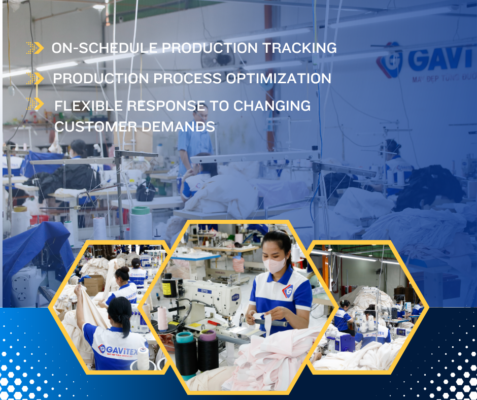
Ready to find your ideal manufacturing partner? Our detailed apparel sourcing guide offers a step-by-step approach to simplify the process.
Types of Clothing Manufacturers in Vietnam Suited for Startups
For startups venturing into the apparel industry, understanding the landscape of clothing manufacturers in Vietnam is crucial, as the right partner can significantly impact your brand’s success. This section explores the diverse range of garment manufacturers available, each offering distinct services tailored to different needs and scales, helping startups make informed decisions when seeking a clothing manufacturer for startups. The options range from CMT (Cut, Make, Trim) to full-package production, each with its own advantages and disadvantages.
Understanding the nuances of each type of clothing manufacturer will allow your startup to align with a partner whose capabilities match your specific requirements, budget, and long-term growth strategy. Here’s a breakdown of the key types:
- Cut-Make-Trim (CMT) Manufacturers: CMT manufacturers specialize in cutting, sewing, and finishing garments based on your provided designs and fabric. This option is ideal for startups with established designs and sourcing capabilities, looking for cost-effective production. Essentially, you provide everything except the labor.
- Full Package Production (FPP) Manufacturers: FPP manufacturers offer a comprehensive solution, handling everything from design and fabric sourcing to production and quality control. This is a beneficial option for startups seeking end-to-end support and may lack the resources to manage individual aspects of the production process.
- Original Design Manufacturing (ODM): ODM manufacturers possess their own designs that startups can customize and brand. This approach is best suited for startups looking to launch quickly without investing heavily in design and development.
- Private Label Manufacturing: Private label manufacturers produce generic clothing items that startups can rebrand with their own labels and designs. This offers a streamlined approach for startups seeking to establish a brand presence quickly.
By carefully evaluating these manufacturing models, startups can strategically select a clothing manufacturer in Vietnam that aligns perfectly with their business objectives and sets them up for sustainable growth in the competitive fashion market.
Navigating Legal and Regulatory Requirements for Clothing Production in Vietnam
Successfully launching a startup clothing brand with a clothing manufacturer for startups in Vietnam requires more than just great designs and competitive pricing; it demands a thorough understanding of the country’s legal and regulatory requirements. Adhering to these regulations is crucial to avoid costly penalties, ensure smooth operations, and build a reputable brand. Navigating these requirements can be complex, but with proper planning and due diligence, startups can successfully establish a compliant and sustainable manufacturing process.
Several key areas necessitate careful attention when setting up clothing production in Vietnam. First, understanding business registration and licensing is paramount, as it sets the foundation for legal operation. Then, navigating labor laws, including contracts, working conditions, and minimum wage regulations, ensures ethical and compliant employment practices. Further, compliance with import and export regulations, encompassing customs procedures, duties, and taxes, is essential for the seamless flow of materials and finished goods. Finally, adherence to product safety standards and labeling requirements guarantees consumer safety and builds trust in your brand.
-
Business Registration and Licensing: Before commencing any manufacturing activities, a startup must register its business and obtain the necessary licenses from the Vietnamese government. This process typically involves submitting documents such as the business registration certificate, investment registration certificate (if applicable), and tax registration certificate. The specific requirements may vary depending on the type of business entity and the scale of operations.
-
Labor Laws and Employment Practices: Vietnam has comprehensive labor laws that protect the rights of workers, including provisions on working hours, wages, benefits, and workplace safety. Startups must ensure that they comply with these laws by providing written employment contracts, paying at least the minimum wage, providing social insurance and health insurance, and maintaining a safe working environment.
-
Import and Export Regulations: Importing raw materials and exporting finished clothing products require compliance with Vietnamese customs regulations. This includes obtaining the necessary import and export licenses, declaring goods accurately, paying applicable duties and taxes, and complying with customs procedures.
-
Product Safety Standards and Labeling Requirements: Clothing products sold in Vietnam must meet certain safety standards to protect consumers from harm. These standards may cover factors such as flammability, chemical content, and physical hazards. Additionally, clothing products must be properly labeled with information such as the fiber content, country of origin, and care instructions.
To ensure compliance, startups should seek guidance from legal professionals with expertise in Vietnamese law. Engaging with reputable consultants and industry associations can also provide valuable insights and support. Building a strong relationship with your clothing manufacturer is crucial, as they should be knowledgeable about local regulations and committed to upholding ethical and sustainable practices. By prioritizing legal compliance, startups can lay a solid foundation for long-term success in the Vietnamese clothing manufacturing industry.
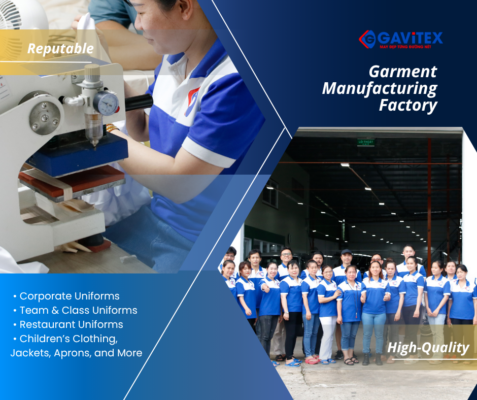
Not all manufacturers are created equal. Discover the different types of cut and sew contractors in Vietnam to find the perfect fit for your startup.
Building a Strong and Sustainable Partnership with Your Clothing Manufacturer
For startups venturing into the apparel industry, building a strong and sustainable partnership with your clothing manufacturer is paramount to long-term success. A collaborative relationship built on trust and mutual understanding can significantly impact product quality, production efficiency, and overall brand growth. This means going beyond a simple transactional agreement and fostering a connection that benefits both your startup and the manufacturer, especially when focusing on clothing manufacturers for startups.
Here are key aspects to cultivate a robust partnership:
-
Open and Honest Communication: Establish clear and consistent communication channels from the outset. Share your brand vision, target market, and long-term goals with your manufacturer. Regularly update them on your sales performance, customer feedback, and any changes in your product specifications. Promptly address any concerns or issues that arise, ensuring both parties are on the same page. For example, overseas buyers, a Vietnam-based clothing manufacturer, prioritizes transparent communication through dedicated project managers who are fluent in English and Vietnamese, ensuring seamless interaction with international clients.
-
Mutual Respect and Cultural Sensitivity: Recognize and respect the cultural differences between your team and the manufacturer’s team. Understand their working styles, communication preferences, and business customs. Show appreciation for their expertise and experience in clothing production. For instance, understanding the Vietnamese concept of “saving face” can help navigate sensitive discussions and avoid misunderstandings. Taking the time to learn about their culture and showing genuine interest can foster a stronger bond.
-
Fair Pricing and Payment Terms: Negotiate pricing and payment terms that are fair and sustainable for both parties. Avoid squeezing your manufacturer for the lowest possible price, as this can compromise quality and lead to unsustainable business practices. Consider offering incentives for timely delivery, exceeding quality standards, or implementing ethical and sustainable production methods. Win-win situations ensure both parties can grow and prosper.
-
Long-Term Vision and Commitment: Demonstrate your commitment to building a long-term partnership. Share your growth plans with your manufacturer and explore opportunities for collaboration on new product development, process improvements, and sustainable initiatives. A long-term perspective fosters trust and encourages the manufacturer to invest in your success.
-
Regular Site Visits and Audits: Conduct regular site visits to your manufacturer’s facility to assess their production processes, quality control measures, and ethical standards. Address any concerns or issues identified during the audits and work collaboratively to implement corrective actions. These visits demonstrate your commitment to quality and ethical sourcing.
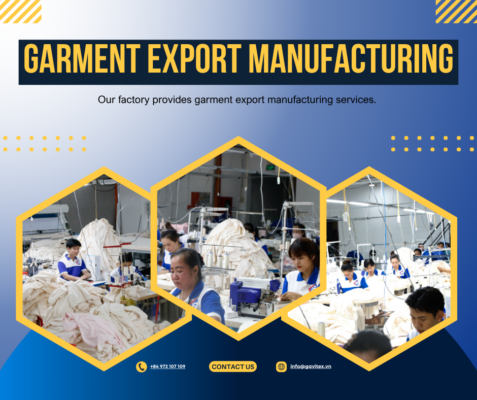
Looking for a long-term manufacturing relationship? Learn how to build a sustainable partnership that benefits both you and your manufacturer.
Common Challenges and How to Overcome Them
Navigating the world of clothing manufacturing for startups in Vietnam, while promising, isn’t without its hurdles. Startups often face a unique set of challenges related to communication, quality control, and logistics when collaborating with overseas manufacturers. Understanding these potential pitfalls and proactively implementing strategies to overcome them is crucial for a successful and sustainable partnership with your Vietnam-based clothing manufacturer.
One common challenge lies in communication and cultural differences. Misunderstandings can arise due to language barriers, varying work ethics, and different approaches to problem-solving. To bridge this gap, establish clear and consistent communication channels, preferably with a dedicated contact person who speaks fluent English and understands your business needs. Consider investing in translation services or cultural sensitivity training for your team to foster better understanding and avoid misinterpretations. Gavitec prioritizes clear and open dialogue, offering multilingual support to facilitate seamless communication with our clients.
Another significant hurdle is maintaining quality control throughout the production process. To mitigate this, implement a robust quality assurance system that includes regular inspections at various stages of production, from fabric sourcing to final product finishing. Clearly define your quality standards and expectations in a detailed tech pack, and ensure your manufacturer understands and adheres to them. Don’t hesitate to request samples at each stage and conduct thorough quality checks before approving bulk production. Independent third-party inspection services can also provide an unbiased assessment of product quality.
MOQ (Minimum Order Quantity) can be a major constraint for startups with limited capital. Many Vietnamese clothing manufacturers have relatively high MOQs, which can be a barrier to entry for smaller brands. To overcome this, explore manufacturers who specialize in working with startups and offer flexible MOQ options. Consider negotiating MOQs or exploring alternative production methods like digital printing or made-to-order to reduce initial order sizes. Collaborating with other startups to pool orders and meet MOQ requirements can also be a viable solution.
Protecting your intellectual property (IP) is paramount when working with overseas manufacturers. Before sharing your designs, ensure you have a legally binding non-disclosure agreement (NDA) in place that clearly outlines the terms of confidentiality and protects your designs from unauthorized use. Conduct thorough due diligence on potential manufacturers to assess their reputation and track record regarding IP protection. Register your trademarks and designs in Vietnam to further safeguard your brand and creations.
Finally, logistics and shipping can present logistical challenges, especially for startups unfamiliar with international trade. Delays, customs clearance issues, and unexpected costs can disrupt your supply chain and impact your bottom line. To navigate these complexities, partner with a reputable freight forwarder or logistics provider with experience in shipping goods from Vietnam. Obtain a clear understanding of import duties, taxes, and other associated costs before placing your order, and factor these expenses into your budget.
Anticipate and conquer the hurdles of overseas production. See common challenges and how to overcome them when working with a clothing line manufacturer.
Budgeting and Cost Estimation for Clothing Production in Vietnam
Understanding budgeting and cost estimation is crucial for startups venturing into clothing production in Vietnam. Accurately estimating costs ensures profitability and prevents financial surprises, especially for emerging clothing brands. This involves a comprehensive analysis of various factors impacting the final price, from fabric sourcing to shipping logistics.
Several factors influence the cost estimation process when manufacturing garments in Vietnam. These include fabric selection, labor costs, production timelines, and shipping expenses. A detailed breakdown of each element allows startups to develop a realistic budget and maintain financial control throughout the production cycle.
Fabric Sourcing and Pricing
Fabric constitutes a significant portion of the overall production cost. The type, quality, and origin of the fabric directly impact pricing.
- Synthetic fabrics such as polyester and nylon are generally more affordable than natural fibers like cotton, linen, or silk.
- Sourcing fabrics locally in Vietnam can reduce transportation costs compared to importing them.
- Negotiating bulk discounts with fabric suppliers can further lower expenses.
Startups should research different fabric options and compare prices from multiple suppliers to find the most cost-effective solution that meets their quality requirements.
Labor Costs and Production Time
Vietnam offers competitive labor costs compared to other manufacturing hubs. However, labor rates can vary depending on the region, skill level, and type of garment. Complex designs or intricate detailing will naturally require more skilled labor and thus increase costs. Production time also plays a key role; faster turnaround times may incur additional charges.
It’s essential to get detailed quotes from manufacturers, specifying labor costs per garment and estimated production time to accurately assess this aspect of the budget. Vietnam Biz Rep can assist in connecting you with manufacturers offering transparent labor pricing.
Shipping and Logistics Costs
Shipping and logistics costs are often underestimated but can significantly impact the final cost per unit. Factors influencing these costs include:
- Shipping method: Air freight is faster but more expensive than sea freight.
- Distance: Shipping from Vietnam to distant markets increases transportation costs.
- Volume and weight: Larger shipments generally benefit from economies of scale.
Startups should factor in expenses for packaging, labeling, customs clearance, and insurance when calculating shipping and logistics costs. Collaborating with a freight forwarder experienced in Vietnamese garment exports can help optimize shipping routes and minimize expenses.
Import Duties and Taxes
Import duties and taxes levied by the destination country also need to be considered when budgeting for clothing production in Vietnam. These charges can vary depending on the type of garment, fabric composition, and trade agreements between Vietnam and the importing country. Researching the applicable import duties and taxes beforehand prevents unexpected costs and ensures accurate pricing for your startup’s clothing line. Consulting with a customs broker is highly recommended.
Unsure about the costs involved? Explore our apparel manufacturing packages to get a clearer understanding of budgeting.
Scaling Your Startup Clothing Brand with a Reliable Manufacturer
For a clothing startup, scaling hinges on the ability to consistently deliver quality products while meeting increasing demand, and a reliable manufacturer is absolutely pivotal to that success. Choosing a clothing manufacturer for startups who can grow with you will allow you to achieve larger production runs, expand product lines, and ultimately build a more sustainable and profitable business. This section will explore the critical aspects of scaling your clothing brand with the right manufacturing partner.
When considering how to scale, first think about the capacity for growth. Can your current manufacturer handle larger orders without sacrificing quality or lead times? For instance, if your brand experiences a sudden surge in popularity, can your clothing production partner scale up its operations quickly enough to fulfill the demand, or are they capped by equipment, labor or resources? Understanding their production capabilities and their willingness to invest in expansion is crucial.
A strong manufacturer can be a collaborative partner in your growth. Look for a manufacturer that offers services beyond just production, such as design assistance, fabric sourcing, and even marketing support. overseas buyers, for example, prides itself on offering comprehensive solutions that help startups not only produce their clothing lines but also refine their designs and optimize their supply chain. Moreover, building a collaborative relationship allows for open communication and problem-solving.
Finally, ensure your manufacturer is aligned with your brand’s values, particularly regarding ethical and sustainable practices, as your company grows, so does your impact. Verifying that your partner adheres to fair labor standards, uses eco-friendly materials, and minimizes waste demonstrates your commitment to responsible business practices, which can be a significant selling point for today’s conscious consumers. By aligning on these values, you can build a strong foundation for long-term growth and create a clothing brand that makes a positive impact.
Ready to expand your production? Discover how to optimize apparel logistics and distribution to scale your clothing brand.
Vietnam Biz Rep supports overseas buyers with garment supplier search, factory verification, sample coordination, production follow-up, and quality inspection in Vietnam. Learn more on our clothing sourcing agent page, or visit Vietnam sourcing agent for our full range of services. Contact Vietnam Biz Rep to discuss your sourcing requirements.
