

Bulk garment manufacturing is critical for businesses seeking cost-effective and scalable apparel production in 2025. This guide, categorized under garment manufacturers in Vietnam, delves into the intricacies of large-scale clothing production, exploring essential aspects such as factory selection, supply chain management, quality control, and cost optimization. You’ll discover proven strategies for streamlining your manufacturing process, navigating international trade regulations, and leveraging the advantages of Vietnamese garment manufacturing. Ultimately, this article provides actionable insights to empower your apparel business with efficient and profitable bulk production capabilities.
Key Advantages of Choosing Vietnamese Manufacturers for Bulk Orders
For businesses seeking reliable and cost-effective garment production, opting for Vietnamese manufacturers for bulk garment orders presents a compelling proposition. The strategic advantages stem from a confluence of factors including competitive pricing, a skilled workforce, rigorous quality control, and efficient supply chain management. Choosing Vietnam as a sourcing destination offers opportunities to optimize production costs and enhance supply chain efficiency.
One of the foremost benefits is cost-effectiveness and competitive pricing. Vietnam boasts a significantly lower labor cost compared to many other garment-producing nations, enabling manufacturers to offer competitive prices without compromising on quality. This advantage is particularly crucial for businesses placing bulk orders, where even slight cost reductions per unit can translate into substantial savings overall. For buyers placing especially large orders, comparing a dedicated bulk order clothing factory setup can reveal meaningful differences in per-unit pricing at scale. The country’s stable political environment and favorable trade policies further contribute to its attractiveness as a sourcing destination.
Furthermore, the skilled workforce and production expertise prevalent in Vietnam’s garment industry are key differentiators. Decades of experience in manufacturing for international brands have honed the skills of Vietnamese workers, resulting in high levels of proficiency in sewing, cutting, and other garment production processes. This translates to consistent quality and reduced lead times for bulk garment manufacturing, minimizing the risk of errors and delays.
Beyond cost and skill, Vietnamese manufacturers are increasingly prioritizing quality assurance and control measures. Reputable factories, including those partnering with overseas buyers, implement stringent quality checks at every stage of the production process, from raw material inspection to final product assessment. These measures ensure that garments meet the required standards and specifications, minimizing the likelihood of defects and returns.
Finally, efficient sourcing of raw materials and supply chain efficiency are instrumental in ensuring timely delivery and competitive pricing. Vietnam’s strategic location and well-developed infrastructure facilitate the smooth flow of materials and finished goods. Moreover, many Vietnamese manufacturers have established strong relationships with local and international suppliers, enabling them to source high-quality fabrics and trims at competitive prices. This integrated supply chain contributes to the overall efficiency and reliability of bulk garment manufacturing in Vietnam.
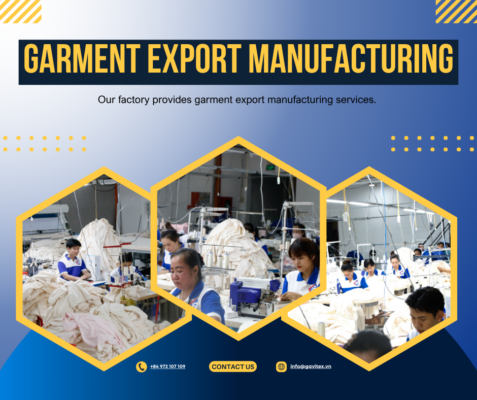
Ready to take the next step? Discover more about specialized apparel manufacturing services available.
Navigating the Process: From Design to Delivery with Vietnamese Manufacturers
Successfully navigating the landscape of bulk garment manufacturing with Vietnamese manufacturers requires a comprehensive understanding of each stage, from initial design to final delivery. This section will demystify the process, providing a clear roadmap for businesses seeking efficient and reliable garment production in Vietnam, ensuring a seamless experience in sourcing garments.
Design and Development
The journey begins with design and development, a collaborative phase where ideas take shape. Vietnamese manufacturers, especially those, excel in translating concepts into tangible patterns and prototypes. Effective communication is paramount, as clearly defining design specifications, technical drawings, and desired aesthetics ensures the manufacturer fully grasps your vision. Many factories now employ advanced CAD/CAM systems, streamlining the pattern-making process and minimizing errors. Consider providing detailed tech packs and engaging in regular feedback sessions to achieve optimal results, particularly when custom garment manufacturing is involved.
Fabric Selection, Sourcing, and Testing
Next comes fabric selection, sourcing, and testing – a crucial step determining the quality and feel of the final product. Vietnamese manufacturers have access to a diverse range of textiles, from locally produced cotton and silk to imported synthetics. It’s essential to collaborate closely with your manufacturer to identify fabrics that meet your specific requirements in terms of durability, comfort, and aesthetic appeal. Rigorous testing for colorfastness, shrinkage, and strength is also vital to ensure the garments meet industry standards and customer expectations. Vietnam Biz Rep can assist with fabric sourcing and provide guidance on selecting the most suitable materials for your bulk orders.
Sample Creation and Approval Process
The sample creation and approval process serves as a critical checkpoint, allowing for assessment of the garment’s fit, construction, and overall quality before bulk production. Expect multiple iterations of samples as you refine the design and address any issues. Provide detailed feedback on each sample, clearly articulating any changes needed. This iterative process is essential for achieving a final product that aligns perfectly with your vision and quality standards. Approving a well-executed sample is a crucial step in mitigating potential issues during mass production and minimizing costly rework.
Bulk Production, Quality Checks, and Timeline Management
Once the sample is approved, bulk production commences, accompanied by stringent quality checks. Reputable Vietnamese manufacturers implement multi-stage quality control processes, inspecting garments at various points during production – from cutting and sewing to finishing and packing. Regular communication with your manufacturer is vital to stay informed about the production timeline and address any potential delays proactively. Clear communication is key to ensuring efficient production and on-time delivery of your bulk garment orders.
Shipping, Logistics, and Delivery
Finally, shipping, logistics, and delivery bring your garments to your doorstep. Vietnamese manufacturers are well-versed in international shipping procedures and can assist with arranging transportation, customs clearance, and documentation. Clearly define your preferred shipping method (sea, air, or land), delivery timeline, and any specific packaging requirements. Understanding Incoterms (International Commercial Terms) is crucial for clarifying responsibilities and liabilities related to shipping costs, insurance, and customs duties. This final stage marks the culmination of the entire bulk garment manufacturing process.
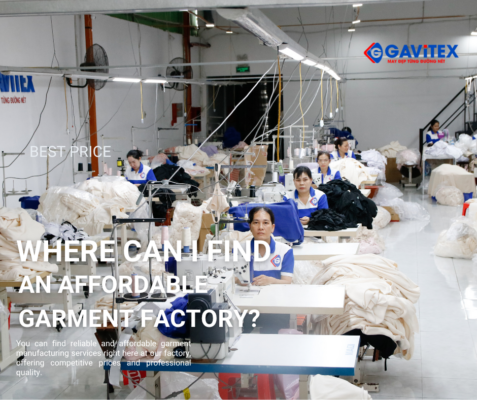
Identifying Reputable Bulk Garment Manufacturers in Vietnam: Due Diligence and Selection Criteria
Selecting the right bulk garment manufacturer in Vietnam is crucial for ensuring product quality, timely delivery, and overall business success. The process requires thorough due diligence and a clear understanding of selection criteria to minimize risks and maximize potential. This section will outline the key steps and considerations for identifying and vetting potential partners to ensure they align with your specific needs and standards.
When seeking a reliable garment factory, evaluating their certifications and compliance standards is paramount. Look for certifications such as WRAP (Worldwide Responsible Accredited Production), Sedex (Supplier Ethical Data Exchange), and ISO standards. These certifications demonstrate a commitment to ethical labor practices, environmental sustainability, and quality management systems. Specifically, checking certifications related to labor standards, such as SA8000, can offer assurance of fair treatment of workers, which is critical for building a sustainable and ethical supply chain.
Assessing a manufacturer’s production capacity and capabilities is another critical step. Determine if the manufacturer can handle the volume and complexity of your orders. This involves understanding their equipment, workforce size, and production processes. For instance, Vietnam Biz Rep, with its established presence in the Vietnamese garment industry, emphasizes a flexible production model capable of scaling to meet diverse client demands. Confirming the availability of specialized machinery for specific garment types, such as knitwear or woven fabrics, is essential. Furthermore, inquire about their maximum production capacity per month to ensure they can meet your deadlines consistently.
Effective communication and project management are vital for a smooth collaboration. Assess the manufacturer’s ability to communicate clearly and promptly in your language. A dedicated project manager who understands your requirements and can provide regular updates is invaluable. A manufacturer with a well-defined project management system, perhaps utilizing project management software, can significantly reduce miscommunication and ensure projects stay on track.
Finally, take the time to review client testimonials and case studies. These provide valuable insights into the manufacturer’s past performance, reliability, and customer satisfaction. Contacting previous clients directly can offer candid feedback on their experiences, allowing you to make a more informed decision. Look for patterns in the feedback related to quality control, on-time delivery, and responsiveness to issues.
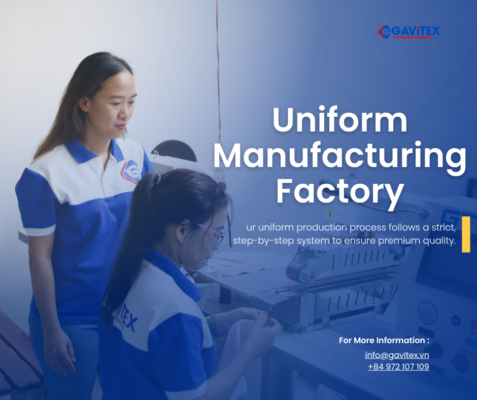
Want to optimize your supply chain? Learn about efficient apparel logistics and distribution strategies.
Common Challenges and Solutions in Bulk Garment Manufacturing in Vietnam
Navigating the landscape of bulk garment manufacturing in Vietnam presents both lucrative opportunities and potential hurdles. While Vietnam has emerged as a key player in the global apparel industry, understanding these common challenges and implementing effective solutions is crucial for a successful and profitable partnership. This section will delve into the most frequent issues encountered by brands outsourcing their garment production to Vietnam, along with actionable strategies to overcome them.
One significant hurdle is communication barriers and language differences. While many factories have English-speaking staff, subtle nuances can be lost in translation, leading to misunderstandings regarding design specifications, quality expectations, and deadlines. To mitigate this, companies should invest in detailed tech packs, utilize visual aids, and consider hiring a local sourcing agent who can act as a bridge between the brand and the factory, ensuring clear and accurate communication. Having a dedicated project manager on both sides is also helpful.
Ensuring consistent quality and meeting deadlines can also be a challenge in bulk garment production. Factors such as variations in raw materials, inconsistencies in production processes, and unexpected equipment malfunctions can affect product quality and delay delivery times. To tackle this, implement a robust quality control system at every stage of production, from fabric inspection to final garment checks. Regularly audit the factory’s production processes, provide detailed quality standards, and maintain close communication with the production team to address any issues promptly. Furthermore, establishing realistic timelines, accounting for potential delays, and fostering a culture of accountability within the factory are essential for on-time delivery.
Managing ethical labor practices and compliance with international standards is another critical concern. Ensuring fair wages, safe working conditions, and adherence to labor laws are not only ethical responsibilities but also essential for maintaining a positive brand reputation and avoiding legal repercussions. Perform regular social audits to assess the factory’s compliance with ethical labor practices, provide training to workers on their rights, and collaborate with organizations like the Fair Labor Association to promote fair labor standards. Prioritizing transparency and traceability throughout the supply chain can also help ensure that your garments are produced ethically.
Finally, unexpected production delays or issues are almost inevitable in bulk manufacturing. Natural disasters, material shortages, or sudden increases in demand can disrupt production schedules and impact delivery times. To minimize the impact of such events, develop a contingency plan that includes alternative sourcing options, flexible production schedules, and clear communication protocols. Building strong relationships with multiple suppliers and maintaining a buffer inventory of key raw materials can also provide a cushion against unforeseen disruptions.
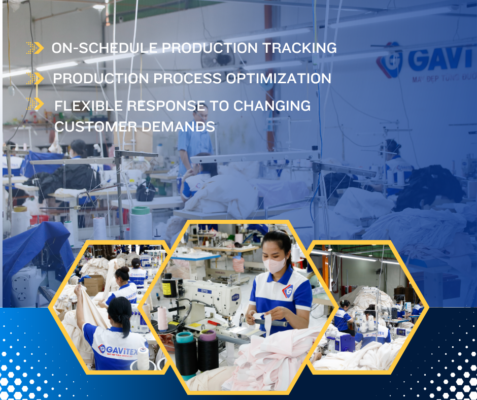
What obstacles might you face? Discover practical solutions for overcoming challenges in Vietnamese clothing manufacturing.
The Impact of Technology and Innovation on Bulk Garment Manufacturing in Vietnam
The integration of technology and innovation is revolutionizing the bulk garment manufacturing landscape in Vietnam, driving efficiency, enhancing quality, and fostering sustainability. This transformation allows Vietnamese manufacturers, to compete more effectively in the global market by optimizing production processes and offering more responsive and tailored solutions to clients seeking bulk apparel.
One of the most significant impacts is seen in automation and robotics within production lines. These technologies are enabling manufacturers to streamline operations, reduce labor costs, and minimize errors. For example, automated cutting machines can precisely cut fabric according to digital patterns, drastically reducing waste and speeding up the production cycle. Similarly, robotic arms can handle repetitive tasks such as sewing and packaging, increasing throughput and ensuring consistent quality, ultimately benefiting overseas buyers customers needing large garment orders.
3D printing is also emerging as a powerful tool for rapid prototyping and sampling. Instead of traditional methods that can take weeks, manufacturers can now create physical samples in a matter of days, accelerating the design and approval process. This agility is particularly valuable for clients seeking customized or personalized garments, as it allows for quick iterations and adjustments based on feedback.
The adoption of digital design and virtualization tools is further enhancing collaboration and communication between manufacturers and clients. Designers can create virtual prototypes that accurately represent the final product, allowing clients to visualize and provide feedback before production begins. This reduces the risk of misunderstandings and costly rework, contributing to a smoother and more efficient bulk garment manufacturing process for everyone involved. Furthermore, digitalization enables seamless sharing of design files and specifications, streamlining workflows and reducing the potential for errors.
Finally, data analytics is playing an increasingly important role in optimizing the supply chain. By analyzing data on material costs, production times, and shipping logistics, manufacturers can identify areas for improvement and make data-driven decisions that enhance efficiency and reduce costs. This also enables better forecasting and inventory management, ensuring that bulk garment orders can be fulfilled on time and within budget.
Sustainability and Ethical Practices in Vietnamese Bulk Garment Production
In the landscape of bulk garment manufacturing, the commitment to sustainability and ethical practices in Vietnam is gaining significant momentum, driven by both consumer demand and a growing awareness of the industry’s environmental and social impact. This shift represents a critical evolution, moving beyond traditional cost-focused approaches towards a more responsible and conscientious model of apparel production. This transition is crucial for the long-term viability and reputation of Vietnamese manufacturers in the global market.
Vietnamese garment factories are increasingly adopting sustainable fabric sourcing and production methods to minimize their environmental footprint. This includes utilizing organic cotton, recycled polyester, and innovative plant-based materials like pineapple leaf fiber (Piñatex) and mushroom leather. Furthermore, eco-friendly dyeing and finishing processes are being implemented to reduce water and chemical usage, contributing to a cleaner and more sustainable supply chain. These efforts not only benefit the environment but also enhance the quality and appeal of garments for environmentally conscious consumers.
Waste reduction and recycling initiatives are also becoming integral to sustainable garment manufacturing in Vietnam. Many factories are implementing strategies to minimize fabric waste during cutting and sewing, such as utilizing advanced pattern-making software and lean manufacturing techniques. Additionally, textile recycling programs are being established to repurpose fabric scraps and old garments, reducing landfill waste and conserving valuable resources. The implementation of a circular economy model is gaining traction, fostering a closed-loop system that minimizes environmental impact.
Ensuring fair labor practices and worker welfare programs is a cornerstone of ethical garment production in Vietnam. This includes providing fair wages, safe working conditions, and opportunities for skill development. Manufacturers are increasingly investing in employee training and empowerment initiatives, fostering a positive and supportive work environment. Independent audits and certifications, such as Fair Trade and SA8000, are utilized to verify compliance with ethical labor standards, ensuring that workers are treated with dignity and respect. These certifications offer transparency and accountability, giving consumers confidence in the ethical sourcing of their garments.
Finally, the pursuit of certifications for sustainable and ethical manufacturing is a crucial step for Vietnamese factories seeking to demonstrate their commitment to responsible production. Certifications like GOTS (Global Organic Textile Standard), OEKO-TEX, and Bluesign validate the use of sustainable materials and processes, while certifications like WRAP (Worldwide Responsible Accredited Production) and BSCI (Business Social Compliance Initiative) assess social compliance and ethical labor practices. These certifications provide independent verification of a manufacturer’s sustainability and ethical credentials, enhancing their credibility and appeal to international buyers.
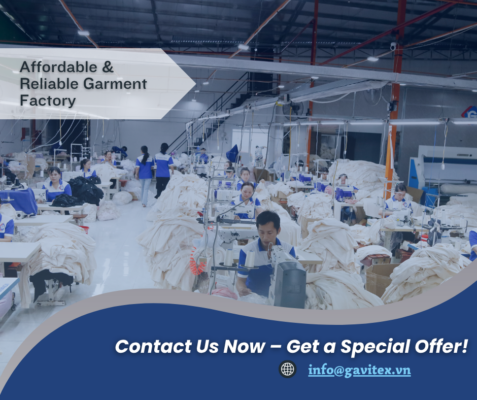
Concerned about ethical sourcing? Delve into sustainable clothing manufacturing practices in Vietnam.
Legal and Regulatory Considerations for Bulk Garment Sourcing from Vietnam
Navigating the legal and regulatory landscape is paramount for businesses engaged in bulk garment manufacturing in Vietnam. Understanding and adhering to the relevant laws and regulations ensures smooth operations, minimizes risks, and fosters ethical and sustainable sourcing practices. This section outlines key legal and regulatory considerations that buyers must address when sourcing bulk garments from Vietnamese manufacturers.
Successfully navigating the complexities of bulk garment sourcing requires a comprehensive understanding of various regulations. These encompass everything from international trade agreements and tariffs to import/export procedures and intellectual property rights. Compliance with these legal frameworks is not merely a matter of avoiding penalties; it’s about building trust with your manufacturing partners and ensuring the long-term viability of your supply chain.
Understanding Trade Agreements and Tariffs
Vietnam’s participation in numerous trade agreements, such as the Comprehensive and Progressive Agreement for Trans-Pacific Partnership (CPTPP) and the EU-Vietnam Free Trade Agreement (EVFTA), significantly impacts tariff rates and trade policies. These agreements often provide preferential tariff rates for goods originating from Vietnam, making it a cost-competitive sourcing destination. Importers need to carefully examine these agreements to optimize their sourcing strategies and minimize import duties. It’s also crucial to stay updated on any changes to trade policies, as these can affect the cost and logistics of importing bulk garments.
Compliance with Import/Export Regulations
Adhering to import and export regulations is crucial for avoiding delays, penalties, and legal issues. This includes accurate documentation, proper labeling, and compliance with customs procedures in both Vietnam and the importing country. Importers should work closely with their Vietnamese manufacturers and freight forwarders to ensure all necessary permits and certificates are obtained and that goods are properly declared. Furthermore, understanding the specific requirements for garment labeling, such as fiber content and country of origin, is essential for compliance.
Protecting Intellectual Property Rights
Protecting intellectual property (IP) rights is a critical concern when sourcing bulk garments from any overseas manufacturer. Buyers should take proactive steps to safeguard their designs, trademarks, and other IP assets. This includes:
- Registering trademarks and designs in Vietnam and other relevant jurisdictions.
- Conducting thorough due diligence on potential manufacturers to assess their track record on IP protection.
- Including strong IP protection clauses in manufacturing agreements, clearly defining ownership rights and outlining remedies for infringement.
- Monitoring the market for counterfeit products and taking prompt action to address any violations.
By understanding and addressing these legal and regulatory considerations, businesses can mitigate risks and establish a solid foundation for successful and sustainable bulk garment sourcing operations in Vietnam. Partnering with reputable manufacturers, who prioritize compliance and ethical practices, further enhances the reliability and integrity of the supply chain.
Navigating the legal landscape? Understand the regulatory aspects of clothing production for export.
Future Trends and Opportunities in the Bulk Garment Manufacturing Sector in Vietnam
The bulk garment manufacturing sector in Vietnam is poised for significant growth and transformation, driven by evolving global trends and emerging opportunities. As the demand for apparel continues to rise, particularly in the e-commerce space, and as consumers increasingly seek customized and sustainable options, Vietnamese manufacturers are strategically positioned to capitalize on these shifts and solidify their role as key players in the global textile and apparel industry. This section will explore the key trends and prospects shaping the future of garment production in Vietnam, highlighting areas where businesses like overseas buyers can innovate and thrive.
-
Growth of Ecommerce and Online Apparel Sales: The explosive growth of e-commerce is reshaping the landscape of the apparel industry, creating unprecedented opportunities for Vietnamese garment manufacturers. Online apparel sales are projected to continue their upward trajectory, driven by increased internet penetration, mobile commerce adoption, and the convenience of online shopping. This trend presents a significant opportunity for Vietnamese manufacturers to expand their market reach and cater to a wider customer base through direct-to-consumer (DTC) models and collaborations with online retailers. To capitalize on this, manufacturers must invest in digital capabilities, such as online catalogs, virtual showrooms, and efficient order management systems.
-
Increasing Demand for Customized and Personalized Garments: Consumers are increasingly seeking customized and personalized garments that reflect their individual styles and preferences. This trend is fueled by social media, influencer marketing, and the desire for unique and exclusive products. Vietnamese garment manufacturers can leverage advanced technologies, such as 3D design, digital printing, and on-demand manufacturing, to offer personalized apparel solutions to brands and retailers. This requires a shift towards more flexible and agile production processes, allowing for smaller batch sizes and faster turnaround times. overseas buyers can explore partnerships with companies specializing in customization technologies to offer a competitive edge.
-
Vietnam’s Potential as a Leader in Sustainable Garment Manufacturing: With growing global awareness of environmental and social issues, sustainable garment manufacturing is becoming increasingly important. Vietnam has the potential to emerge as a leader in this field by embracing eco-friendly practices, adopting sustainable materials, and promoting ethical labor standards. The implementation of circular economy principles, waste reduction initiatives, and investments in renewable energy can further enhance Vietnam’s reputation as a responsible and sustainable sourcing destination. Brands are actively seeking manufacturers with certifications such as GOTS and Oeko-Tex, making sustainability a crucial differentiator for Vietnamese companies.
What does the future hold? Explore the exciting trends in online apparel sales and manufacturing.
Finding the right production partner starts with thorough supplier research. Vietnam factory sourcing support helps buyers identify and compare manufacturers based on their specific product needs, while Vietnam quality control services help maintain consistent standards throughout production.
Vietnam Biz Rep supports overseas buyers with garment supplier search, factory verification, sample coordination, production follow-up, and quality inspection in Vietnam. Learn more on our clothing sourcing agent page or visit Vietnam sourcing agent for our full range of services. Contact Vietnam Biz Rep to discuss your sourcing requirements.
