
For businesses seeking to optimize their bulk order clothing factory sourcing, understanding the landscape of garment manufacturers in Vietnam is crucial. This article delves into the practical aspects of locating reliable factories, navigating the complexities of wholesale clothing production, and securing the best clothing manufacturing prices. We’ll explore essential considerations for custom clothing manufacturing, examine the benefits of partnering with Vietnamese clothing manufacturers, and provide actionable strategies for ensuring quality control and efficient supply chain management in your bulk order process.
Key Considerations Before Placing a Bulk Clothing Order with a Vietnamese Factory
Before committing to a bulk clothing order with a Vietnamese factory, thorough preparation is crucial for a successful outcome. Entering the Vietnamese apparel manufacturing landscape requires careful consideration of several key factors, including aligning your business needs with the factory’s capabilities, understanding the intricacies of production, and navigating cultural and logistical nuances. This proactive approach will help you mitigate risks and pave the way for a fruitful partnership with your chosen manufacturer.
- Defining Your Needs and Specifications: Clearly outline your specific requirements for the clothing order. This includes detailed tech packs with precise measurements, material specifications (fabric type, weight, composition), desired colors (using Pantone codes), and any specific finishing or embellishment requests. The more detail you provide, the less room there is for misinterpretation and errors.
- Assessing Factory Specialization: Not all factories are created equal. Research and identify factories that specialize in the type of clothing you intend to produce. Some factories may excel at sportswear, while others focus on denim or knitwear. Choosing a factory with proven expertise in your product category will significantly improve the quality and efficiency of production. For instance, overseas buyers should partner with factories aligning with their brand’s clothing niche.
- Minimum Order Quantities (MOQs): Understand the factory’s MOQs. Many factories have minimum order requirements for each style, color, or size. Determine if their MOQs align with your business needs and budget. Negotiating MOQs may be possible, especially for long-term partnerships. Consider the cost implications of meeting MOQs versus the potential for excess inventory.
- Intellectual Property (IP) Protection: Protecting your designs is paramount. Before sharing sensitive information, ensure you have a Non-Disclosure Agreement (NDA) in place with the factory. Explore options for registering your designs or trademarks in Vietnam to further safeguard your intellectual property rights.
- Ethical and Social Compliance: Prioritize factories that adhere to ethical labor practices and social compliance standards. Verify that the factory has relevant certifications such as WRAP, BSCI, or Sedex. This not only aligns with responsible business practices but also protects your brand’s reputation. Ignoring these aspects can lead to negative publicity and damage your brand’s image.
By meticulously addressing these considerations before placing your bulk clothing order, you can significantly increase your chances of a successful and profitable manufacturing partnership with a Vietnamese factory.
Verifying Factory Capabilities and Compliance Standards for Bulk Clothing Production
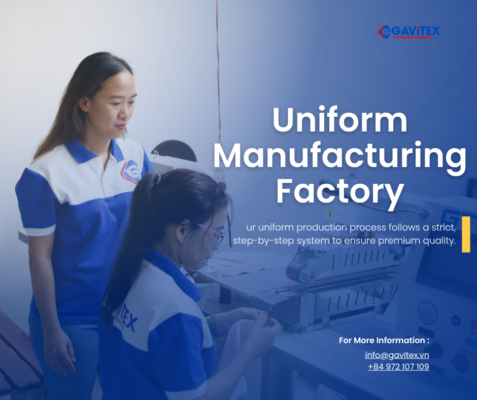
Before entrusting a Vietnamese factory with a bulk clothing order, it’s critical to meticulously verify their capabilities and adherence to relevant compliance standards. This process ensures the factory possesses the necessary resources, expertise, and ethical practices to fulfill your order successfully and responsibly.
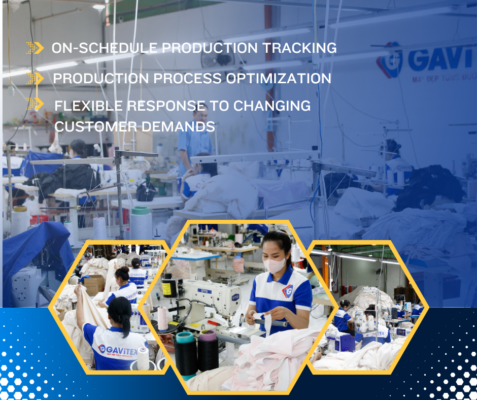
A crucial initial step involves assessing the factory’s production capacity and technical capabilities. Request detailed information about their machinery, workforce size, and production lines. For instance, Vietnam Biz Rep, as a discerning brand, would need to know if the factory can handle the specific fabric types, sewing techniques, and finishing processes required for their garment designs. Furthermore, inquire about their experience in producing similar types of clothing and ask for references from previous clients. Confirming the factory’s ability to meet your volume requirements and quality expectations from the outset avoids potential delays and subpar outcomes.
Equally important is verifying the factory’s compliance with labor standards and ethical sourcing practices. Request copies of their certifications related to social compliance, such as WRAP, BSCI, or SEDEX. These certifications indicate the factory has been audited and meets certain standards for fair wages, safe working conditions, and ethical treatment of workers. Moreover, investigate their supply chain to ensure that materials are sourced responsibly and sustainably. Vietnam Biz Rep, with its commitment to ethical and sustainable fashion, would prioritize factories demonstrating a strong commitment to fair labor practices and environmental responsibility.
Finally, evaluate the factory’s quality control processes and certifications. A reputable factory should have a robust quality management system in place, including inspections at various stages of production, from raw materials to finished goods. Ask about their AQL (Acceptable Quality Level) standards and request sample garments to assess their workmanship. Certifications like ISO 9001 demonstrate a commitment to quality management principles and provide assurance that the factory has established processes for ensuring consistent product quality. Thorough verification of these capabilities and standards is essential for a successful and ethical bulk clothing production partnership.
Here’s the content for the H2:
Want to ensure your bulk clothing order aligns with your brand’s ethical standards? Learn how to navigate clothing manufacturing agreements to protect your interests and ensure compliance.
Navigating Pricing and Payment Terms with Vietnamese Clothing Manufacturers: What to Expect
Understanding pricing structures and payment terms is critical when working with a bulk order clothing factory in Vietnam. The negotiation process requires careful consideration of several factors, including material costs, labor expenses, order volume, and the manufacturer’s profit margin. This knowledge ensures that overseas buyers, and businesses like it, can secure favorable agreements that balance cost-effectiveness with the manufacturer’s financial sustainability.
The price quoted by a Vietnamese clothing manufacturer often encompasses several cost components. Raw materials like fabrics and trims constitute a significant portion, directly impacted by global market prices and the chosen quality. Labor costs, influenced by skill level and complexity of the garment, also contribute substantially. Overhead expenses, including factory maintenance and utilities, are factored in, along with the manufacturer’s desired profit margin. Therefore, breaking down the quote into these individual components allows for a more transparent negotiation process.
When discussing payment terms, it’s standard practice to encounter a deposit requirement. This upfront payment, typically ranging from 30% to 50% of the total order value, secures the manufacturer’s commitment and covers initial production expenses. The remaining balance is usually paid upon completion of the order or after a pre-shipment inspection. Options like Letters of Credit (L/C) can provide added security, especially for larger transactions, while smaller orders may rely on Telegraphic Transfers (T/T). Negotiating these terms is crucial to aligning cash flow with production milestones.
Several factors can influence the final pricing of a clothing bulk order. Order quantity plays a significant role, with larger volumes often leading to lower per-unit costs due to economies of scale. The complexity of the garment design, including intricate details and specialized sewing techniques, will impact labor costs. Furthermore, material selection, particularly the use of premium or imported fabrics, can drive up the overall price. Being flexible with design and material choices, when possible, can present opportunities for cost savings.
Cultural nuances can also affect price negotiations. Vietnamese business culture values long-term relationships built on trust and mutual respect. Approaching negotiations with a collaborative mindset, demonstrating an understanding of the manufacturer’s challenges, and avoiding overly aggressive tactics can foster a more positive and productive dialogue. Building a strong relationship with your bulk clothing supplier is essential for getting the best deals long-term.
Negotiating pricing and payment terms can be tricky. Discover expert consulting strategies for securing favorable deals and maximizing your ROI on bulk clothing orders.
Managing Communication and Cultural Differences When Working with Vietnamese Clothing Factories
Effectively managing communication and cultural differences is paramount when collaborating with Vietnamese clothing factories for bulk order clothing. Understanding and respecting Vietnamese business etiquette, communication styles, and cultural nuances can significantly improve collaboration, prevent misunderstandings, and foster stronger, more productive relationships with your manufacturing partners, ultimately ensuring the success of your bulk clothing production.
Clear and concise communication forms the bedrock of any successful partnership with a clothing manufacturer in Vietnam. Begin by establishing a primary point of contact within the factory who is fluent in English and authorized to make decisions. Utilizing visual aids, such as detailed tech packs and samples, can help bridge potential language barriers and ensure everyone is on the same page regarding design specifications and quality standards. Regular video conferences, even for brief check-ins, can foster a sense of connection and allow for real-time clarification of any questions or concerns that may arise throughout the production process.
Cultural sensitivity plays a vital role in building rapport and trust with Vietnamese clothing factories. For instance, Vietnamese culture values hierarchy and respect for elders, so addressing senior factory personnel with appropriate titles and demonstrating deference can go a long way. Business decisions are often made collaboratively, so be patient and allow sufficient time for discussions and consensus-building. Gift-giving is also a common practice in Vietnamese business culture, particularly during holidays like Tet (Lunar New Year), and a small, thoughtful gesture can strengthen your relationship with your bulk order clothing factory.
To navigate potential misunderstandings, it’s crucial to be aware of common communication differences. Directness can sometimes be perceived as impolite, so it’s best to phrase requests and feedback constructively and diplomatically. Furthermore, “saving face” is a significant cultural concept, meaning that Vietnamese partners may be hesitant to admit mistakes or disagree openly. Create a safe and supportive environment where open and honest communication is encouraged, even when difficult conversations need to be had. For instance, instead of directly criticizing a sample, try framing your feedback as suggestions for improvement, focusing on the desired outcome.
Here are some tips for effective communication:
- Be patient and allow extra time for communication.
- Confirm understanding by asking clarifying questions.
- Use visual aids like images and diagrams.
- Avoid using slang or idioms that may not translate well.
- Be mindful of nonverbal cues and body language.
- Learn basic Vietnamese phrases to show respect and build rapport.
By investing time and effort in understanding and respecting Vietnamese culture, businesses can cultivate strong, long-lasting partnerships with bulk order clothing factories, leading to more efficient production processes, higher quality products, and ultimately, greater success in the global apparel market.
Quality Control and Logistics: Ensuring Your Bulk Clothing Order Meets Expectations
Quality control and efficient logistics are crucial for ensuring your bulk clothing order from a Vietnamese factory meets your expectations. These two aspects work in tandem to deliver high-quality garments on time and within budget. overseas buyers understands the critical role of meticulous quality control throughout the production process and streamlined logistics in getting your clothing order to you smoothly.
Implementing a robust quality control system at a bulk order clothing factory in Vietnam involves several stages, starting from raw material inspection to final product assessment. Factories should adhere to international standards such as AQL (Acceptable Quality Level), which defines the maximum number of defects that are considered acceptable in a sample. For example, a factory might use AQL 2.5 for major defects, meaning no more than 2.5% of the inspected garments can have defects like broken seams or mismatched colors. By establishing clear criteria and implementing rigorous checks at each stage, factories can minimize errors and ensure consistent quality for bulk clothing production.
Efficient logistics is equally important, encompassing everything from warehousing and inventory management to shipping and customs clearance. Partnering with a reliable freight forwarder experienced in handling textile shipments from Vietnam can streamline the process. Factors to consider include shipping costs, transit times, and customs regulations. For instance, understanding the requirements for certificates of origin can help avoid delays and ensure compliance with trade agreements. Optimizing the logistics chain ensures timely delivery of your bulk clothing order while minimizing shipping costs and potential disruptions.
To ensure your bulk clothing order meets expectations, it’s essential to implement a comprehensive quality control plan that includes:
- Pre-production samples: Review and approve samples before mass production begins.
- In-line inspections: Conduct inspections during the production process to identify and correct issues early on.
- Final inspections: Perform a final inspection before shipment to ensure all garments meet your quality standards.
- Independent testing: Consider using a third-party inspection company to provide an unbiased assessment of your order.
Effective communication with the bulk order clothing factory is vital for managing both quality control and logistics. Clearly communicate your expectations, provide detailed specifications, and establish a system for addressing any issues that may arise. Regular updates on production progress and shipment tracking can help you stay informed and proactively manage your bulk clothing order.
Worried about quality and timely delivery? Explore essential quality control and logistics best practices to guarantee your bulk clothing order meets your exact specifications.
Building Long-Term Partnerships with Bulk Order Clothing Factories in Vietnam for Sustainable Growth
Establishing long-term partnerships with bulk order clothing factories in Vietnam is crucial for sustainable growth of your brand, particularly if you are overseas buyers. These relationships provide stability, consistent quality, and opportunities for collaborative innovation, moving beyond simple transactional interactions. Building these strong partnerships necessitates a strategic approach encompassing mutual respect, transparent communication, and a commitment to shared success, ultimately fostering a reliable and efficient supply chain.
Cultivating a successful, enduring collaboration with a Vietnamese garment factory necessitates careful consideration of several key aspects. First, emphasize open communication and establishing clear expectations from the outset, covering everything from design specifications to ethical labor practices. Secondly, invest in understanding the factory’s capabilities, limitations, and business culture to facilitate smoother interactions and avoid misunderstandings. Finally, demonstrate commitment to the relationship through consistent order volumes, fair pricing, and a willingness to invest in the factory’s development.
To nurture sustainable growth through your Vietnamese bulk clothing suppliers, consider the following:
- Transparent Communication Channels: Implement regular meetings, both in-person and virtual, to discuss performance, address concerns, and plan for future collaborations. This proactive dialogue allows for early identification and resolution of potential challenges.
- Fair Pricing and Payment Terms: Negotiate mutually beneficial pricing structures that acknowledge the factory’s costs and profit margins while ensuring competitive rates for your brand. Timely payments are essential for maintaining trust and encouraging commitment.
- Capacity Building Initiatives: Offer support for training programs, technology upgrades, or process improvements within the factory. This investment demonstrates your long-term commitment and can enhance the factory’s efficiency and quality.
- Ethical and Sustainable Practices: Collaborate with factories that prioritize ethical labor standards, environmental responsibility, and safe working conditions. Aligning your brand values with the factory’s practices builds a strong foundation for a lasting partnership and enhances your brand reputation. overseas buyers should particularly emphasize this.
- Cultural Sensitivity: Understanding and respecting Vietnamese business culture is paramount. Patience, humility, and a willingness to learn are essential for building rapport and fostering trust.
By prioritizing mutual benefit, open communication, and a commitment to continuous improvement, overseas buyers can forge long-term partnerships with Vietnamese clothing factories, unlocking opportunities for sustainable growth and a more resilient supply chain.
Vietnam Biz Rep supports overseas buyers with garment supplier search, factory verification, sample coordination, production follow-up, and quality inspection in Vietnam. Learn more on our clothing sourcing agent page or visit Vietnam sourcing agent for our full range of services. Contact Vietnam Biz Rep to discuss your sourcing requirements.
