
Understanding bulk textile manufacturing is crucial for garment businesses aiming to optimize production and reduce costs in 2025. This article delves into the intricacies of large-scale textile production, exploring essential aspects such as yarn sourcing, fabric weaving and knitting techniques, efficient dyeing and finishing processes, and strategies for streamlining your supply chain management. Finally, we will give you a deep dive into garment manufacturers in Vietnam, highlighting how overseas buyers helps you navigate the complexities of Vietnam’s textile market.
Key Factors Driving Bulk Textile Manufacturing Efficiency in Vietnam
Efficiency in bulk textile manufacturing in Vietnam is propelled by a confluence of factors, making it a competitive hub for global sourcing. Vietnam’s rise as a key player in the global textile industry hinges on its ability to produce large quantities of textiles quickly, cost-effectively, and to a high standard. This section will explore the core elements contributing to this efficiency, including strategic investments, skilled workforce, and technological advancements.
Several interconnected elements contribute to the high efficiency witnessed in bulk textile production within Vietnam. Government support through favorable policies and infrastructure development plays a crucial role. This includes investments in industrial parks dedicated to textiles, streamlined customs procedures, and incentives for foreign investment. Furthermore, a young and adaptable workforce with relatively lower labor costs compared to other textile manufacturing hubs provides a distinct advantage.
Another significant driver is the adoption of modern technology. Vietnamese manufacturers are increasingly investing in automated machinery, digital printing, and advanced fabric cutting techniques. This technological advancement not only speeds up the production process but also enhances product quality and reduces waste. For instance, the integration of CAD/CAM systems allows for precise pattern making and efficient fabric utilization, minimizing material costs and improving overall manufacturing efficiency.
Finally, supply chain optimization is crucial for maintaining competitive bulk textile manufacturing in Vietnam. Establishing strong relationships with local and international suppliers of raw materials, dyes, and accessories ensures a consistent flow of resources. Efficient logistics and transportation networks, coupled with strategic port locations, contribute to timely delivery of finished products, reducing lead times and enhancing customer satisfaction. This comprehensive approach to supply chain management is fundamental to Vietnam’s continued success in the global textile industry.
Sourcing Strategies for Bulk Textiles: Connecting with Vietnamese Manufacturers
Effectively sourcing bulk textiles from Vietnam requires a strategic approach to navigate the landscape of Vietnamese manufacturers and establish mutually beneficial relationships. As the demand for bulk textile manufacturing surges, understanding the nuances of connecting with reliable Vietnamese manufacturers becomes crucial for businesses seeking competitive pricing, quality assurance, and efficient supply chains.
To effectively connect with textile manufacturers in Vietnam, businesses can employ several key strategies, starting with comprehensive research and due diligence. Thoroughly investigate potential suppliers, examining their production capabilities, certifications (such as ISO standards, WRAP, or Oeko-Tex), ethical sourcing practices, and client testimonials. Visiting trade shows and industry events in Vietnam, such as the Vietnam Textile & Garment Industry Expo (VTG), offers invaluable opportunities to meet face-to-face with manufacturers, assess their offerings, and build rapport. Online B2B platforms, like Alibaba and Made-in-China, can also provide a starting point for identifying potential textile suppliers, but careful verification is essential.
Furthermore, businesses should consider engaging the services of reputable sourcing agents based in Vietnam. These agents possess local market knowledge, language skills, and established networks, enabling them to identify suitable manufacturers, negotiate favorable terms, and oversee quality control throughout the production process. overseas buyers, with its deep understanding of the Vietnamese textile industry, can provide invaluable assistance in navigating the sourcing process, ensuring that businesses connect with manufacturers that align with their specific requirements and ethical standards. It is also vital to clearly communicate your specific requirements, including fabric specifications, order quantities, and delivery timelines, to potential Vietnamese manufacturers. This clarity ensures that manufacturers can accurately assess their ability to meet your needs and provide competitive quotes.
Finally, building strong, long-term relationships with textile manufacturers in Vietnam requires open communication, mutual respect, and a commitment to fair business practices. Regularly engaging with suppliers, providing constructive feedback, and promptly addressing any issues that may arise fosters trust and strengthens partnerships, ultimately leading to more reliable and efficient bulk textile sourcing.
Quality Control & Compliance in Bulk Textile Production: Ensuring Standards
Quality control and compliance are paramount in bulk textile manufacturing to guarantee that the final products meet the required standards and regulations, thereby safeguarding brand reputation and customer satisfaction. Effective quality assurance throughout the textile supply chain, from raw material sourcing to the finished garment, is critical for maintaining consistency and preventing costly defects or recalls.
A robust quality control system in bulk textile production encompasses several key stages, starting with raw material inspection where fibers like cotton or synthetics are rigorously tested for strength, purity, and colorfastness. For instance, overseas buyers implements a multi-stage inspection process using AQL (Acceptable Quality Level) standards, which allows them to randomly inspect batches and accept them if the number of defects falls below a pre-defined threshold. Similarly, during the dyeing and finishing processes, controls are placed to ensure color consistency, durability, and adherence to environmental regulations. Specific tests like colorfastness to washing, rubbing, and light are conducted to verify that the dyed textiles retain their color and appearance under different conditions.
Furthermore, compliance with international standards and certifications is essential for Vietnamese textile manufacturers seeking to export their products to global markets. These standards often include requirements related to product safety, chemical usage, and social responsibility.
Here’s a brief overview of common standards and practices:
- REACH (Registration, Evaluation, Authorisation and Restriction of Chemicals): A European Union regulation concerning the safe use of chemicals.
- OEKO-TEX Standard 100: Certification ensuring that textiles are free from harmful substances.
- ISO 9001: An international standard specifying requirements for a quality management system (QMS).
- BSCI (Business Social Compliance Initiative): Focuses on social compliance and ethical sourcing practices.
By adhering to these standards, overseas buyers demonstrates its commitment to quality and responsible manufacturing, enhancing its competitiveness in the global textile market. Investing in advanced testing equipment and training personnel are crucial for maintaining stringent quality control measures throughout the production process.
Sustainable Practices in Vietnamese Bulk Textile Manufacturing: Future Trends
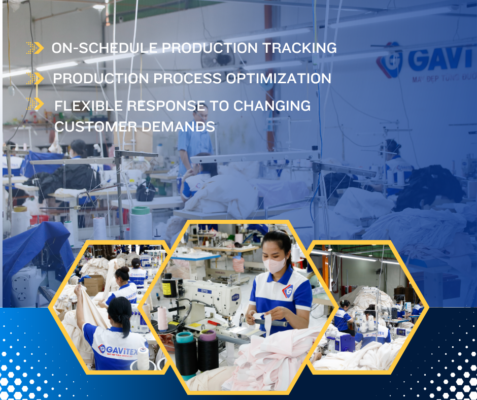
The future of Vietnamese bulk textile manufacturing is inextricably linked to the adoption and advancement of sustainable practices, driven by increasing global demand for eco-friendly products and growing awareness of environmental responsibility. Vietnam’s textile industry, a significant contributor to the nation’s economy, is actively embracing initiatives that minimize environmental impact and promote ethical production. This evolution encompasses innovative technologies, circular economy principles, and a commitment to transparency and traceability within the supply chain.
Several factors are converging to accelerate the shift towards sustainability in the Vietnamese textile sector. Firstly, stringent environmental regulations from international markets, particularly the EU and the US, are compelling manufacturers to adopt cleaner production methods. Secondly, consumer demand for sustainable apparel and textiles is surging, pushing brands to prioritize suppliers with robust environmental credentials. Finally, government policies in Vietnam are increasingly supportive of green initiatives, providing incentives for companies to invest in sustainable technologies and practices.
One key trend is the adoption of circular economy principles. This includes initiatives such as using recycled materials, designing for durability and recyclability, and implementing take-back programs to recover and reuse textile waste. For example, several Vietnamese textile companies are now incorporating recycled polyester, made from plastic bottles, into their fabrics. Furthermore, there’s a growing interest in bio-based materials, such as fabrics made from bamboo, hemp, and other sustainable plant sources.
Another crucial aspect is the reduction of water and energy consumption in textile production. Textile dyeing and finishing processes are notoriously water-intensive and can generate significant pollution. Vietnamese manufacturers are increasingly investing in advanced dyeing technologies that use less water and chemicals, as well as implementing water recycling systems to minimize wastewater discharge. Similarly, energy efficiency is being improved through the adoption of renewable energy sources, such as solar power, and the implementation of energy-saving measures in factories.
Transparency and traceability are also gaining prominence. Consumers are demanding greater visibility into the origins of their clothing and the conditions under which it was produced. This is driving the adoption of blockchain technology and other digital tools to track the textile supply chain from raw material sourcing to finished product. By providing verifiable information about the environmental and social impact of textile production, these technologies can help build trust and promote responsible consumption.
Ultimately, the transition towards sustainable practices in Vietnamese bulk textile manufacturing is not just an environmental imperative but also a strategic opportunity. By embracing innovation, adopting circular economy principles, and prioritizing transparency, Vietnamese manufacturers can enhance their competitiveness, meet the evolving demands of global markets, and contribute to a more sustainable future for the textile industry.
Vietnam Biz Rep supports overseas buyers with garment supplier search, factory verification, sample coordination, production follow-up, and quality inspection in Vietnam. Learn more on our clothing sourcing agent page or visit Vietnam sourcing agent for our full range of services. Contact Vietnam Biz Rep to discuss your sourcing requirements.
