

Unlocking scalable success requires a strategic approach to brandable apparel manufacturing. This guide delves into the nuances of creating custom-branded clothing lines, from initial design and fabric selection to production optimization and quality control, exploring the critical factors that impact profitability and brand recognition. We’ll examine the rise of Vietnam as a global hub for garment manufacturers, specifically focusing on the advantages of partnering with Vietnamese clothing factories. In this category: garment manufacturers in Vietnam, you’ll gain actionable insights into navigating the complexities of supply chain management, understanding minimum order quantities (MOQs), and ensuring ethical and sustainable manufacturing practices, ultimately empowering you to make informed decisions that drive business growth and establish a powerful brand presence in the competitive apparel market.
Finding the Right Brandable Apparel Manufacturer in Vietnam: A Comprehensive Guide
Navigating the complexities of brandable apparel manufacturing in Vietnam requires a strategic approach to secure a partner that aligns with your brand’s vision and quality standards. This comprehensive guide offers a roadmap for businesses seeking to establish or optimize their apparel production in Vietnam, highlighting the critical factors for success. Understanding these nuances is essential for both established brands and emerging labels looking to leverage Vietnam’s manufacturing capabilities.
The search for the ideal apparel manufacturer in Vietnam begins with a clear understanding of your brand’s specific needs and production requirements. Factors such as minimum order quantities (MOQs), garment types (e.g., t-shirts, sportswear, outerwear), desired level of customization, and ethical sourcing practices all play a crucial role in narrowing down potential partners. For example, a startup brand focusing on eco-friendly apparel will prioritize manufacturers with certifications like GOTS (Global Organic Textile Standard) and a commitment to sustainable practices.
Successfully identifying a suitable clothing manufacturer involves a multi-faceted evaluation process. This includes thoroughly researching potential partners, assessing their production capabilities (equipment, capacity, specialization), quality control measures, and adherence to social and environmental compliance standards. Don’t hesitate to request samples and conduct factory audits to verify claims and ensure alignment with your brand values.
To aid in your selection process, consider these key steps:
- Define Your Needs: Clearly outline your product specifications, quantity requirements, budget, and desired timeline.
- Research Potential Manufacturers: Utilize online directories, trade shows, and industry contacts to identify potential partners.
- Evaluate Capabilities: Assess each manufacturer’s expertise, equipment, capacity, and quality control processes.
- Request Samples: Obtain samples to evaluate the manufacturer’s quality and craftsmanship.
- Conduct Factory Audits: Visit the manufacturer’s facility to assess their operations, compliance standards, and ethical practices.
- Negotiate Terms: Establish clear agreements regarding pricing, payment terms, production timelines, and quality control.
By following this guide and conducting thorough due diligence, you can confidently navigate the Vietnam apparel manufacturing landscape and find a reliable partner to bring your brand’s vision to life. Ultimately, a successful partnership hinges on clear communication, shared values, and a commitment to quality and ethical practices.
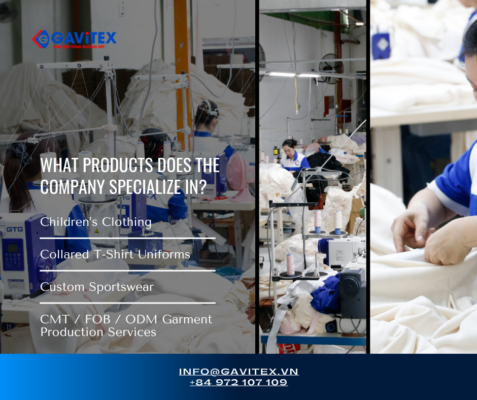
Dive deeper into finding the perfect partner: Explore a comprehensive guide to brandable apparel manufacturing in Vietnam and unlock the secrets to custom clothing production.
Key Considerations When Choosing a Brandable Apparel Manufacturer
Selecting the right brandable apparel manufacturer is crucial for businesses aiming to establish a strong brand identity through customized clothing. This decision significantly impacts product quality, production costs, and overall brand reputation. Therefore, careful consideration of various factors is essential for a successful partnership.
When sourcing a partner for brandable apparel manufacturing, businesses need to meticulously evaluate several critical aspects to ensure alignment with their brand values and business objectives. These considerations span from the manufacturer’s expertise and capabilities to their ethical practices and communication efficiency. The suitability of a manufacturer directly influences the quality, cost-effectiveness, and timely delivery of the branded apparel.
Here’s a breakdown of key elements to consider:
-
Manufacturing Capabilities and Specialization: Assessing a manufacturer’s core competencies is vital. Does the manufacturer specialize in the specific type of apparel you need (e.g., t-shirts, sportswear, outerwear)? Do they have experience working with the fabrics and embellishment techniques (e.g., printing, embroidery) that your brand requires? Understanding their specialization ensures they possess the necessary expertise to meet your specific needs and quality standards.
-
Quality Control Processes: A robust quality control system is essential to maintain brand consistency and customer satisfaction. Inquire about the manufacturer’s QC procedures at each stage of production, from raw material sourcing to final product inspection. Request samples to evaluate the quality of their workmanship and materials firsthand. High-quality branded apparel reflects positively on your brand.
-
Production Capacity and Lead Times: Determine whether the manufacturer’s production capacity aligns with your current and future needs. Discuss lead times for sampling, production, and shipping to ensure they can meet your deadlines. A reliable manufacturer will provide realistic timelines and maintain open communication throughout the production process.
-
Compliance and Ethical Sourcing: Ethical considerations are increasingly important to consumers. Verify that the manufacturer adheres to fair labor practices and environmental regulations. Look for certifications such as WRAP (Worldwide Responsible Accredited Production) or SA8000, which demonstrate a commitment to social responsibility. Partnering with an ethical manufacturer enhances your brand image. overseas buyers prioritize ethical sourcing and responsible manufacturing practices.
-
Communication and Customer Service: Effective communication is essential for a smooth and successful collaboration. The manufacturer should be responsive, transparent, and proactive in addressing your concerns. Clear communication channels and dedicated account management can minimize misunderstandings and ensure that your requirements are met.
By carefully evaluating these key considerations, businesses can make informed decisions and establish successful partnerships with brandable apparel manufacturers, ultimately strengthening their brand identity and achieving their business goals.
Vietnam’s Apparel Manufacturing Landscape: Advantages and Challenges
The apparel manufacturing landscape in Vietnam presents a compelling mix of opportunities and obstacles for businesses seeking brandable apparel manufacturing. Vietnam has emerged as a significant hub for textile and garment production, attracting global brands with its competitive labor costs and strategic location. Understanding the advantages and challenges of this dynamic environment is crucial for making informed decisions and achieving success in brandable apparel manufacturing.
Vietnam’s apparel industry offers several key advantages:
- Competitive Labor Costs: One of the primary draws for businesses is the significantly lower labor costs compared to other manufacturing hubs like China. This cost advantage allows brands to produce brandable apparel at more competitive prices, enhancing profitability.
- Government Support: The Vietnamese government actively supports the textile and garment industry through various incentives, policies, and infrastructure investments. This support creates a favorable environment for apparel manufacturers and encourages foreign investment.
- Trade Agreements: Vietnam has established numerous free trade agreements (FTAs) with major economies, including the EU, the US, and Japan. These agreements reduce tariffs and trade barriers, making it easier for Vietnamese apparel manufacturers to export their products globally.
- Skilled Workforce: Vietnam boasts a large and increasingly skilled workforce in the textile and garment sector. Decades of experience in apparel production have cultivated a strong pool of talent, from factory workers to experienced technicians and managers.
- Modernizing Infrastructure: While challenges remain, Vietnam is actively investing in modernizing its infrastructure, including ports, roads, and industrial zones. These improvements enhance efficiency and reduce transportation costs, making it easier to move goods in and out of the country.
However, navigating the apparel manufacturing landscape in Vietnam also presents several challenges:
- Supply Chain Dependencies: A significant portion of raw materials, particularly fabrics and accessories, are still imported from other countries, primarily China. This dependence on external sources can lead to supply chain disruptions and increased costs, especially during periods of global instability.
- Compliance and Ethical Concerns: Ensuring compliance with international labor standards and ethical sourcing practices can be complex. Brands need to carefully vet their apparel manufacturers to ensure they adhere to fair labor practices, environmental regulations, and safety standards.
- Quality Control: While Vietnam has made significant strides in quality control, maintaining consistent quality across large production runs remains a challenge. Brands need to implement robust quality control processes and work closely with their manufacturers to address any issues promptly.
- Rising Labor Costs: While still competitive, labor costs in Vietnam are gradually increasing as the country’s economy develops. Brands need to factor in these rising costs when making long-term sourcing decisions.
- Infrastructure limitations: Despite modernization efforts, Vietnam’s infrastructure still lags behind some of its regional competitors. Congestion at ports and on roads can lead to delays and increased transportation costs.
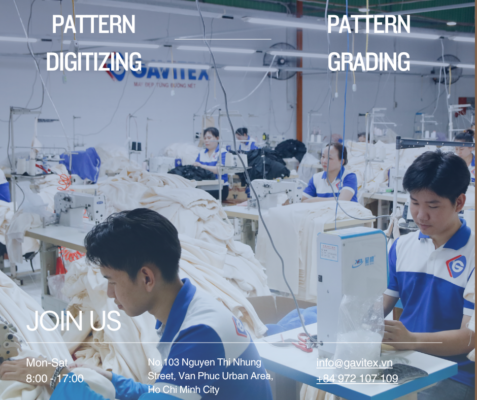
Thinking of manufacturing in Vietnam? Weigh the advantages and challenges of Vietnam’s apparel manufacturing landscape to make informed decisions about your brandable apparel.
Understanding Different Types of Apparel Manufacturing Services
Navigating the world of brandable apparel manufacturing requires understanding the diverse range of services offered. Different manufacturers specialize in distinct areas, and selecting the right fit for your brand’s needs is crucial. This section will break down the various types of apparel manufacturing services, highlighting their specific functions and benefits, enabling you to make informed decisions for your clothing line.
One of the most common models is Original Equipment Manufacturing (OEM). In OEM, you provide the manufacturer with a detailed design, specifications, and technical package, and they handle the entire production process, from sourcing materials to cutting, sewing, and finishing. This option is ideal for brands that have already developed their designs and are looking for a manufacturer to execute their vision efficiently. OEM offers a balance between cost-effectiveness and control over the final product, making it a popular choice in the apparel industry.
Another option is Original Design Manufacturing (ODM). Unlike OEM, ODM manufacturers offer in-house design and development services. They maintain a catalog of pre-designed garments that you can customize with your branding, such as logos, colors, and labels. This approach is suitable for businesses looking to launch a new apparel line quickly without investing heavily in design resources. With ODM, the speed to market is significantly faster, and the minimum order quantities are typically lower.
Cut, Make, and Trim (CMT) is a third type of service focused solely on the production phase. You supply the manufacturer with the fabrics, trims, and patterns, and they handle the cutting, sewing, and assembling of the garments. CMT is often preferred by brands that have strong relationships with fabric suppliers or want to maintain strict control over the materials used in their products. This type of service allows for maximum quality control over material sourcing.
Finally, some manufacturers offer Full Package Production (FPP), also known as Turnkey Manufacturing. FPP encompasses all aspects of the apparel manufacturing process, from design and material sourcing to production, quality control, and packaging. This comprehensive solution is beneficial for brands seeking a hassle-free experience, allowing them to focus on marketing and sales while the manufacturer manages the entire supply chain. FPP streamlines operations and reduces the need for managing multiple vendors.
Understanding the nuances of each of these apparel manufacturing services is paramount for selecting a partner that aligns with your brand’s specific requirements and business objectives. By carefully evaluating your needs and the capabilities of different manufacturers, you can establish a successful and efficient apparel manufacturing partnership in Vietnam.
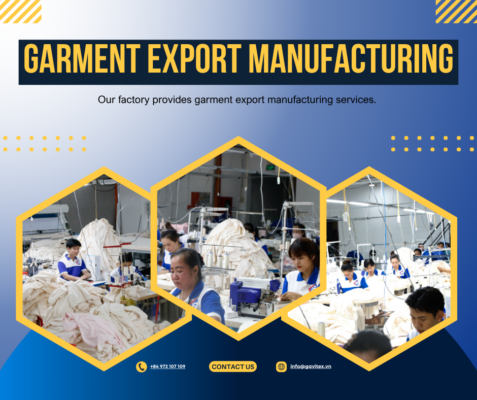
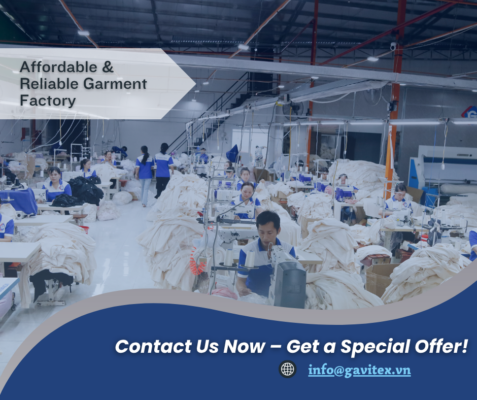
Unsure which service fits your needs? Discover the different types of apparel manufacturing services and choose the best path for your custom clothing line.
Evaluating a Manufacturer’s Capabilities: Quality, Capacity, and Compliance
When selecting a brandable apparel manufacturing partner, thoroughly evaluating a manufacturer’s capabilities across three core areas – quality, capacity, and compliance – is paramount to ensure your brand’s reputation and operational success. This evaluation transcends simply assessing price points; it’s about guaranteeing consistent product quality, timely delivery, and adherence to ethical and legal standards. A robust evaluation process minimizes risks, fosters long-term partnerships, and ultimately safeguards your brand’s image in the competitive apparel market.
Quality Assurance: The cornerstone of any apparel brand is consistent quality.
- A comprehensive quality assurance program extends beyond final product inspection. It starts with sourcing high-grade raw materials and encompasses rigorous monitoring throughout the entire production process. Look for manufacturers who implement AQL (Acceptable Quality Limit) standards, conduct in-line inspections, and employ skilled quality control personnel. For instance, a manufacturer boasting ISO 9001 certification demonstrates a commitment to standardized quality management systems, ensuring consistent output and minimizing defects. overseas buyers values the manufacturer’s ability to achieve the Six Sigma quality management standard.
- Furthermore, ask for sample garments produced using your specifications and subject them to thorough testing, including fabric composition analysis, colorfastness testing, and seam strength assessments. A proactive approach to quality control minimizes returns, reduces waste, and upholds brand integrity.
Production Capacity: The production capacity of a manufacturer should align with your current and projected needs.
- Manufacturers should provide clear insights into their production capacity, lead times, and scalability options. Inquire about the number of sewing lines, the workforce size, and their ability to handle fluctuations in demand. A manufacturer utilizing advanced technologies like CAD/CAM systems and automated cutting machines signals a commitment to efficiency and optimized throughput.
- It’s essential to verify their claims. Ask for production schedules, capacity reports, and references from existing clients. Evaluate their ability to manage complex orders, diverse product lines, and seasonal peaks without compromising on quality or delivery timelines. The capability to adapt to evolving market trends and scale production accordingly is crucial for a lasting partnership.
Compliance and Ethical Standards: Adhering to compliance regulations and upholding ethical standards is non-negotiable in today’s socially conscious market.
- Manufacturers must demonstrate strict adherence to labor laws, environmental regulations, and safety standards. Verify their compliance with international certifications like WRAP (Worldwide Responsible Accredited Production) or SA8000, which signify commitment to fair labor practices, safe working conditions, and environmental responsibility.
- Request access to audit reports, worker safety protocols, and environmental management plans. Transparency in these areas demonstrates a manufacturer’s dedication to ethical sourcing and sustainable practices. Moreover, ensure they have a robust system in place to prevent forced labor, child labor, and other unethical practices throughout their supply chain, protecting your brand from reputational damage and legal repercussions.
By meticulously assessing these three crucial elements – quality, capacity, and compliance – you can identify a brandable apparel manufacturer in Vietnam that not only meets your production requirements but also aligns with your brand’s values and commitment to excellence.
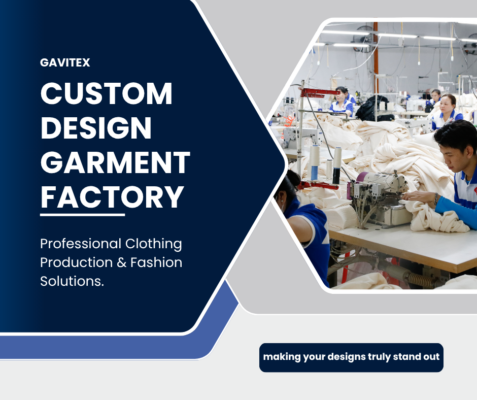
Don’t compromise on quality! Learn how to evaluate a manufacturer’s capabilities regarding quality, capacity, and compliance for perfect custom clothing.
Setting Up a Successful Collaboration with Your Manufacturer
Establishing a successful collaboration with your brandable apparel manufacturer in Vietnam is crucial for ensuring consistent quality, timely delivery, and overall project success for overseas buyers. Building a strong relationship hinges on clear communication, well-defined expectations, and mutual respect. This involves proactive engagement and understanding of your manufacturer’s capabilities and limitations in the apparel manufacturing process.
To foster a productive partnership, it’s imperative to establish clear communication channels from the outset. This includes designating specific points of contact on both sides, agreeing on preferred communication methods (e.g., email, phone calls, video conferences), and establishing a regular cadence for updates and feedback. Clear communication prevents misunderstandings and ensures everyone is aligned on project goals and timelines. For example, overseas buyers can set up weekly video calls with the manufacturer to discuss progress, address any challenges, and review samples.
Another vital aspect is defining detailed specifications for your brandable apparel. This includes providing precise technical packs with measurements, fabric details, color palettes (using Pantone codes), and any specific branding requirements such as logo placement or embroidery details. The more comprehensive your specifications, the less room there is for error during the apparel manufacturing process. Consider providing samples of similar garments as reference points to ensure accurate interpretation of your designs.
Furthermore, negotiating transparent pricing and payment terms is essential for a healthy collaboration. Discuss all cost components upfront, including fabric sourcing, labor, printing, and shipping. Agree on a payment schedule that fairly compensates the manufacturer while also protecting your interests. For instance, a common arrangement might involve an initial deposit, progress payments based on milestones, and a final payment upon completion and inspection of the goods.
To ensure your brandable apparel meets the required standards, implement a robust quality control process. This should involve regular inspections at various stages of production, from initial fabric checks to final garment inspections. Clearly communicate your quality expectations to the manufacturer and provide them with the necessary tools and training to meet those standards. Consider using a third-party quality control agency for independent verification.
Finally, building a long-term relationship based on mutual trust and respect will lead to greater success. Treat your manufacturer as a valued partner, not just a supplier. Be responsive to their concerns, provide constructive feedback, and recognize their efforts. A strong, collaborative relationship can lead to better pricing, faster turnaround times, and a higher quality of brandable apparel for your business.
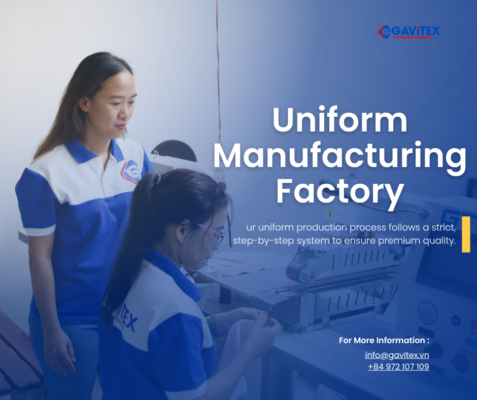
Optimizing Your Apparel Manufacturing Supply Chain in Vietnam
To achieve optimized apparel manufacturing supply chain processes in Vietnam, brands like overseas buyers must strategically approach each facet, from sourcing raw materials to final delivery, ensuring efficiency and cost-effectiveness in the production of brandable apparel manufacturing. A streamlined supply chain not only reduces lead times and minimizes disruptions but also enhances the overall competitiveness of apparel brands operating within the Vietnamese market.
Several key strategies can significantly improve the apparel manufacturing supply chain in Vietnam. First, strategic supplier relationship management is vital; establishing strong, collaborative partnerships with fabric suppliers, trim providers, and logistics companies ensures consistent quality and timely delivery. Implementing advanced planning and forecasting techniques allows for better inventory management and reduces the risk of stockouts or overstocking, impacting production efficiency positively. Embracing technology through supply chain visibility platforms and data analytics tools enables real-time tracking of goods, identifies bottlenecks, and optimizes logistics, ultimately reducing costs and improving responsiveness to market demands.
Ready to maximize efficiency? Learn how to optimize your apparel manufacturing supply chain in Vietnam for successful brandable clothing production.
Future Trends in Brandable Apparel Manufacturing in Vietnam
The future of brandable apparel manufacturing in Vietnam is poised for significant transformation, driven by technological advancements, evolving consumer preferences, and a growing emphasis on sustainability. As global brands increasingly seek reliable and cost-effective production hubs, understanding these emerging trends is crucial for businesses aiming to establish or expand their presence in the Vietnamese apparel market.
One of the most prominent trends is the increasing adoption of automation and advanced technologies. This includes the implementation of robotics, AI-powered design tools, and 3D printing to enhance efficiency, reduce labor costs, and improve the precision of garment production. For instance, companies are investing in automated cutting and sewing machines that can significantly accelerate production cycles and minimize fabric waste. The integration of AI can also optimize design processes by predicting fashion trends and personalizing apparel designs for individual customers, a key advantage for brandable apparel.
Another key trend is the rising importance of sustainable and ethical manufacturing practices. Consumers are becoming increasingly aware of the environmental and social impact of their purchasing decisions, leading to greater demand for eco-friendly materials and fair labor conditions. Vietnamese apparel manufacturers are responding by adopting sustainable sourcing practices, investing in eco-friendly dyeing and finishing processes, and obtaining certifications such as Fair Trade and GOTS (Global Organic Textile Standard). This shift not only appeals to environmentally conscious consumers but also enhances the brand image and reputation of apparel companies working with Vietnamese manufacturers.
Finally, the growing demand for personalized and on-demand apparel is reshaping the manufacturing landscape. E-commerce and direct-to-consumer (DTC) models are enabling brands to offer customized clothing options and cater to niche markets. Vietnamese manufacturers are adapting by investing in flexible manufacturing systems and digital printing technologies that allow for smaller production runs and faster turnaround times. This agility is essential for fulfilling the demand for personalized brandable apparel and competing effectively in the rapidly evolving global market.
Vietnam Biz Rep supports overseas buyers with garment supplier search, factory verification, sample coordination, production follow-up, and quality inspection in Vietnam. Learn more on our clothing sourcing agent page or visit Vietnam sourcing agent for our full range of services. Contact Vietnam Biz Rep to discuss your sourcing requirements.
