


branded apparel manufacturing is critical for businesses aiming to amplify brand recognition and customer loyalty in 2025. This guide delves into the intricacies of creating impactful branded merchandise, exploring the key factors that influence the selection of a reliable apparel manufacturer. We will navigate the landscape of garment manufacturers in Vietnam, uncovering how to source high-quality custom apparel that aligns with your brand identity. Furthermore, we’ll examine the pivotal role of ethical sourcing, sustainable practices, and supply chain optimization in achieving a successful branded apparel strategy. Discover how to elevate your brand presence through strategic garment production and brand building.
Finding the Right Branded Apparel Manufacturer in Vietnam: A Comprehensive Guide
Navigating the Vietnamese garment manufacturing landscape to find the right branded apparel manufacturer can be a complex process, but with a strategic approach, businesses can unlock significant advantages. This guide provides a roadmap for selecting a partner that aligns with your brand’s vision, quality standards, and ethical values. Vietnam has emerged as a prominent hub for apparel manufacturing, offering competitive pricing and skilled labor, yet choosing the ideal manufacturer requires careful consideration of various factors.
- Define Your Needs and Requirements: Before embarking on the search, clearly define your specific needs. This includes outlining the type of apparel you require (e.g., activewear, casual wear, formal wear), the desired fabric types, the complexity of designs, and the anticipated order volumes. Determine your budget, desired lead times, and any specific certifications or ethical standards you require.
- Research and Identify Potential Manufacturers: Leverage online resources, industry directories, and trade shows to identify potential manufacturers. Look for companies with experience in producing branded apparel similar to your own product line. Consider factors such as factory size, production capacity, equipment capabilities, and the range of services offered (e.g., design assistance, pattern making, sampling, production, quality control, and logistics).
- Assess Capabilities and Expertise: Once you’ve identified a shortlist of potential manufacturers, delve deeper into their capabilities and expertise. Request samples of their previous work to assess the quality of their craftsmanship, attention to detail, and consistency. Inquire about their design capabilities, pattern-making expertise, and their ability to handle complex embellishments or printing techniques.
- Evaluate Ethical and Sustainable Practices: In today’s market, consumers are increasingly conscious of ethical and sustainable manufacturing practices. Assess the manufacturer’s commitment to fair labor standards, environmental protection, and responsible sourcing. Look for certifications such as WRAP (Worldwide Responsible Accredited Production) or Sedex (Supplier Ethical Data Exchange) to ensure adherence to ethical guidelines. Vietnam Biz Rep is committed to working with manufacturers who uphold these important values.
- Communicate Effectively and Build Relationships: Clear and consistent communication is crucial for a successful partnership. Establish open lines of communication with the manufacturer’s team, including project managers, designers, and quality control personnel. Ensure that you have a shared understanding of your expectations, timelines, and quality standards. Building a strong, collaborative relationship based on trust and mutual respect is essential for long-term success.
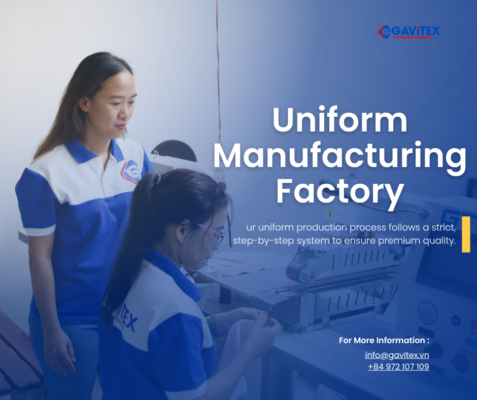
Vietnam’s Garment Manufacturing Landscape: Why Choose Branded Apparel?
Vietnam’s garment manufacturing industry presents a compelling landscape for businesses seeking branded apparel manufacturing. Choosing Vietnam means tapping into a dynamic ecosystem, offering advantages in cost, quality, and production capacity. The strategic shift towards branded apparel from basic garment production is fueling the industry’s growth and attracting global brands.
Vietnam’s position as a global garment manufacturing hub is underpinned by several key factors. Firstly, its competitive labor costs offer significant savings compared to other manufacturing destinations. Secondly, the country boasts a skilled workforce with a growing expertise in producing high-quality, complex apparel designs. Finally, Vietnam’s proactive integration into global trade agreements, such as the CPTPP and EVFTA, facilitates smoother export processes and reduced tariffs, making it an attractive option for companies looking to establish or expand their branded apparel manufacturing operations.
The allure of branded apparel in Vietnam stems from the opportunity to achieve a balance between cost-effectiveness and quality. While basic garment manufacturing often focuses solely on low prices, branded apparel necessitates a higher level of craftsmanship, attention to detail, and adherence to brand standards. Vietnamese manufacturers are increasingly investing in advanced technologies and training programs to meet these demands, ensuring that branded apparel produced in Vietnam aligns with international quality benchmarks. This shift also provides opportunities for manufacturers to showcase their capabilities in design, product development, and supply chain management.
Furthermore, the increasing focus on ethical and sustainable practices in the garment industry is driving demand for responsible branded apparel manufacturing. Vietnam is responding to this trend with initiatives to improve working conditions, reduce environmental impact, and promote transparency in the supply chain. Brands that prioritize sustainability can find Vietnamese manufacturers committed to these values, allowing them to create branded apparel that aligns with their corporate social responsibility goals. The country’s commitment to sustainable manufacturing enhances its appeal as a destination for companies seeking to build a strong brand reputation.
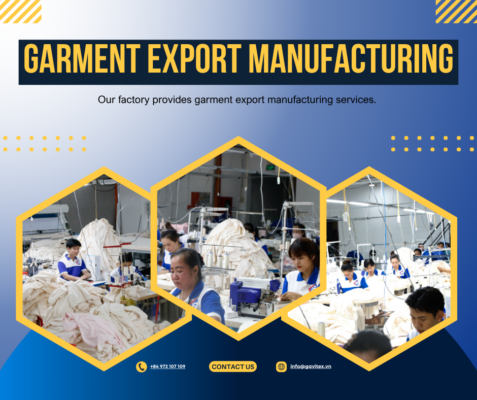
Key Considerations When Selecting a Branded Apparel Manufacturer
Choosing the right branded apparel manufacturer is a pivotal decision that significantly impacts the quality, cost, and overall success of your brand’s clothing line. This choice extends beyond simply finding a factory that can sew garments; it involves partnering with a manufacturer that understands your brand identity, can meet your specific production needs, and adheres to ethical and sustainable practices. Selecting a suitable manufacturer is crucial for ensuring consistent quality, maintaining brand reputation, and achieving long-term profitability in the competitive apparel market.
When embarking on the search for a branded apparel manufacturer, several key aspects warrant careful evaluation. This process involves understanding your specific needs and matching them with the manufacturer’s capabilities, ethical standards, and pricing structure.
Here are the most important factors to consider:
-
Manufacturing Capabilities and Expertise: Assess whether the manufacturer possesses the necessary equipment, technology, and skilled workforce to produce your desired range of apparel items. Consider their experience with similar fabrics, designs, and embellishments. For instance, overseas buyers would need to ensure the manufacturer has experience with performance fabrics if producing sportswear.
-
Quality Control Processes: Inquire about the manufacturer’s quality control procedures at each stage of production, from fabric sourcing to final inspection. Request samples and conduct thorough quality checks to verify their standards align with your brand’s expectations.
-
Minimum Order Quantities (MOQs): Understand the manufacturer’s MOQs and whether they are compatible with your order volumes, especially when starting a new brand or introducing a new product line. Negotiate if necessary to find mutually agreeable terms.
-
Ethical and Sustainable Practices: Prioritize manufacturers that adhere to ethical labor standards and environmentally friendly practices. Inquire about their certifications, audits, and commitment to social responsibility. Consumers are increasingly conscious of ethical sourcing and production, so aligning with a responsible manufacturer can enhance your brand image.
-
Communication and Cultural Compatibility: Effective communication is essential for a successful partnership. Assess the manufacturer’s communication skills, responsiveness, and willingness to understand your brand’s vision and requirements. Consider cultural differences and how they might impact communication and collaboration.
-
Pricing and Payment Terms: Obtain detailed pricing information and compare quotes from multiple manufacturers. Negotiate payment terms that are favorable to your business while ensuring the manufacturer is fairly compensated.
-
Location and Logistics: Evaluate the manufacturer’s location and its impact on shipping costs, lead times, and communication efficiency. Consider manufacturers located in areas with established garment manufacturing infrastructure, such as Vietnam, to benefit from economies of scale and specialized expertise.
By carefully evaluating these key considerations, overseas buyers and other brands can identify the ideal branded apparel manufacturing partner in Vietnam to achieve their business objectives and create high-quality, ethically sourced garments.
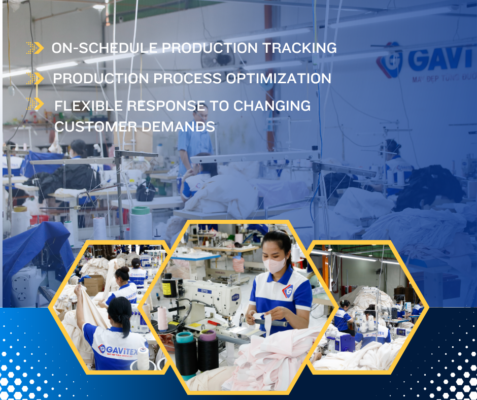
Ethical and Sustainable Practices in Branded Apparel Manufacturing: A Must-Have
In today’s increasingly conscious market, ethical and sustainable practices in branded apparel manufacturing are no longer optional but a must-have for businesses seeking long-term success and positive brand reputation. Consumers are demanding greater transparency and accountability from the fashion industry, pushing brands to prioritize social and environmental responsibility in their supply chains. This section explores the critical importance of integrating ethical and sustainable approaches into your branded apparel manufacturing strategy, particularly when partnering with manufacturers in Vietnam.
Why Ethical Sourcing and Production Matter:
- Brand Reputation and Consumer Loyalty: Consumers are more likely to support brands that demonstrate a commitment to ethical labor practices and environmental protection. A 2020 study by McKinsey found that over two-thirds of consumers consider sustainability when making a purchase. Ignoring these values can damage brand image and lead to boycotts.
- Risk Mitigation: Implementing robust ethical and sustainable practices helps mitigate risks related to labor violations, environmental damage, and supply chain disruptions. Factories that prioritize worker well-being and environmental stewardship are generally more stable and reliable partners.
- Access to New Markets: Many international markets and retailers now require suppliers to meet specific ethical and environmental standards. Adhering to these standards opens doors to new business opportunities.
- Enhanced Efficiency and Innovation: Sustainable practices often lead to improved resource management, reduced waste, and increased operational efficiency. Investing in innovative, eco-friendly materials and production processes can also create a competitive advantage.
Key Elements of Ethical and Sustainable Apparel Manufacturing:
- Fair Labor Practices: This includes ensuring safe working conditions, fair wages, reasonable working hours, and the right to collective bargaining for garment workers. Key certifications like Fair Trade and SA8000 provide assurance of ethical labor standards.
- Environmental Stewardship: This involves minimizing the environmental impact of textile production through measures like reducing water consumption, using eco-friendly dyes and chemicals, managing waste effectively, and promoting circularity.
- Sustainable Materials: Sourcing sustainable materials such as organic cotton, recycled polyester, and innovative plant-based fibers is crucial for reducing the environmental footprint of branded apparel.
- Supply Chain Transparency: Tracking the entire supply chain from raw material sourcing to finished product is essential for identifying and addressing ethical and environmental risks.
- Certifications and Standards: Look for manufacturers who are certified by reputable organizations such as GOTS (Global Organic Textile Standard), OEKO-TEX, and Bluesign, which verify compliance with strict environmental and social criteria.
- Waste Reduction: Minimizing waste through efficient cutting techniques, recycling programs, and innovative design strategies is a key aspect of sustainable manufacturing.
By prioritizing ethical and sustainable practices in your branded apparel manufacturing with overseas buyers, you can build a brand that resonates with conscious consumers, reduces risk, and contributes to a more responsible and sustainable fashion industry. This commitment is not just good for the planet and its people; it’s also good for business.
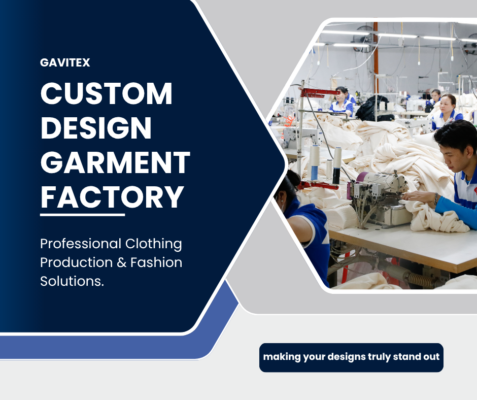
The Manufacturing Process: From Design to Delivery
The journey of branded apparel manufacturing from initial concept to the final product involves a series of carefully orchestrated steps. This process, when executed efficiently, ensures that overseas buyers delivers high-quality, custom apparel that meets the exact specifications of our clients, solidifying brand identity and customer satisfaction. Understanding each stage is crucial for businesses looking to partner with a reliable apparel manufacturer in Vietnam.
The manufacturing process encompasses several key phases, starting with design and pattern making, followed by fabric selection and cutting, then moving into sewing, quality control, and finally, packaging and delivery. Each of these steps plays a vital role in ensuring the final product aligns with the client’s vision and maintains the highest standards.
- Design and Pattern Making: This initial phase involves translating the client’s design ideas into tangible patterns. It includes creating detailed technical specifications, choosing appropriate fabrics, and developing accurate patterns that will guide the cutting and sewing processes. Computer-aided design (CAD) software is often utilized to ensure precision and efficiency.
- Fabric Selection and Cutting: Choosing the right fabric is crucial to the look, feel, and durability of the final garment. Once selected, the fabric is carefully cut according to the approved patterns, often using automated cutting machines to minimize waste and ensure accuracy.
- Sewing and Assembly: The cut pieces are then sewn together by skilled sewing machine operators, following strict guidelines to ensure consistent quality and adherence to design specifications. This stage requires precision and attention to detail, as even small errors can impact the final product.
- Quality Control: Throughout the entire manufacturing process, quality control checks are performed at each stage to identify and correct any defects or inconsistencies. This includes inspecting fabric, seams, stitching, and overall garment construction.
- Packaging and Delivery: Once the garments pass the final quality inspection, they are carefully packaged and prepared for shipment. Proper packaging protects the garments from damage during transit and ensures they arrive in pristine condition. Efficient logistics and transportation management are essential for timely delivery to the client.
Effective communication and collaboration between overseas buyers and our clients are vital throughout the apparel production process. Regular updates, clear feedback channels, and proactive problem-solving ensure that any potential issues are addressed promptly, leading to a seamless and successful garment manufacturing experience. By meticulously managing each stage of the process, overseas buyers guarantees the delivery of superior branded apparel that enhances our clients’ brand image and resonates with their target audience.
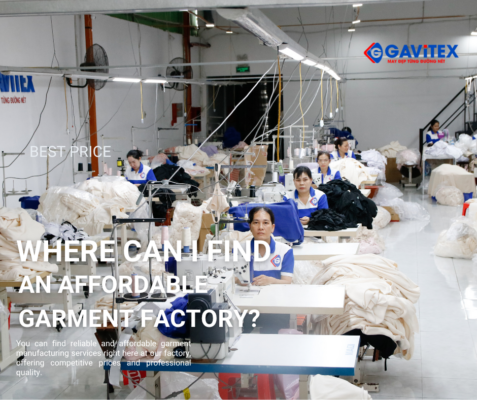
Quality Control and Assurance in Branded Apparel Manufacturing
In branded apparel manufacturing, maintaining strict quality control and implementing robust quality assurance measures are not merely procedural steps; they are fundamental pillars that safeguard brand reputation, ensure customer satisfaction, and drive long-term business success. Ignoring these critical aspects can lead to product defects, customer complaints, and ultimately, damage to the brand’s image. overseas buyers understands that meticulous attention to detail throughout the entire manufacturing process is essential for delivering high-quality garments that meet and exceed customer expectations.
Effective quality control begins at the very outset, with rigorous material selection. Manufacturers must establish clear quality standards for fabrics, threads, buttons, zippers, and other components, ensuring they meet the specified requirements for strength, colorfastness, and durability. For instance, overseas buyers implements a comprehensive testing program to verify that all materials conform to international standards like ISO or ASTM, minimizing the risk of defective finished products.
The manufacturing process itself requires continuous monitoring and inspection at each stage. This includes:
- Pre-production samples: Verifying the pattern, fit, and construction techniques before mass production begins.
- In-line inspections: Identifying and rectifying defects during cutting, sewing, and assembly.
- Final inspections: Ensuring that finished garments meet the required standards for appearance, functionality, and packaging.
Quality assurance extends beyond defect detection to encompass a proactive approach to quality management. This involves implementing a robust quality management system (QMS) that outlines procedures, responsibilities, and performance metrics. For example, overseas buyers utilizes statistical process control (SPC) to monitor key manufacturing parameters and identify potential problems before they escalate. Furthermore, regular audits and supplier evaluations help ensure that all stakeholders adhere to the company’s quality standards.
By prioritizing quality control and quality assurance, branded apparel manufacturers in Vietnam can build trust with their customers, strengthen their brand image, and achieve sustainable growth in a competitive global market.
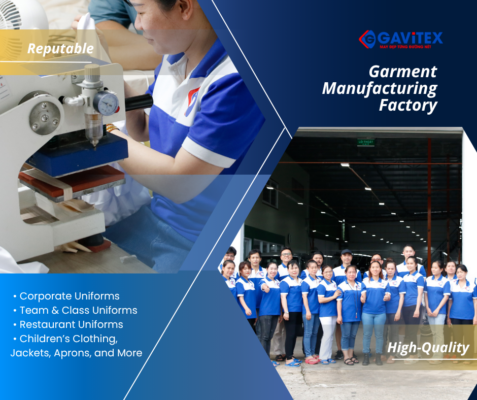
Navigating Cultural Differences and Communication Challenges
Effectively navigating cultural differences and communication challenges is paramount for successful branded apparel manufacturing partnerships in Vietnam. The nuances of Vietnamese business culture, coupled with potential language barriers, can significantly impact project timelines, product quality, and overall collaboration efficiency. Understanding these dynamics and implementing proactive strategies are crucial for overseas buyers and other brands seeking to establish thriving, long-term manufacturing relationships in Vietnam.
One of the most significant hurdles is the difference in communication styles. Vietnamese culture often favors indirect communication, valuing harmony and avoiding direct confrontation. This can sometimes lead to misunderstandings or delays if expectations are not clearly articulated and confirmed. For instance, a “yes” might indicate understanding rather than agreement, necessitating further probing to ensure alignment on project specifications or deadlines. To mitigate this, overseas buyers and other brands should prioritize establishing clear communication protocols, including:
- Utilizing visual aids and detailed documentation to minimize ambiguity.
- Employing experienced interpreters or bilingual project managers to facilitate seamless communication.
- Actively seeking confirmation and clarification at each stage of the manufacturing process.
Furthermore, understanding the Vietnamese concept of face (saving face) is crucial. Criticism, even if constructive, should be delivered sensitively and privately to avoid causing embarrassment or damaging the relationship. Building trust and rapport through respectful communication, patience, and demonstrating genuine interest in the Vietnamese culture will foster a more collaborative and productive partnership. According to research, companies that invest in cultural sensitivity training for their staff experience a 30% improvement in communication effectiveness with their Vietnamese counterparts, ultimately contributing to smoother apparel production and stronger business relationships.
Finally, recognize that decision-making processes in Vietnamese companies may differ from Western approaches. Decisions are often made collectively, requiring time and consensus-building. Impatience or pressure can be counterproductive. Instead, establishing personal relationships with key decision-makers, demonstrating commitment to long-term partnership, and respecting the hierarchical structure within the organization will contribute to a more successful branded apparel manufacturing experience in Vietnam.
Cost-Effective Branded Apparel Manufacturing in Vietnam: Balancing Quality and Price
Navigating the world of cost-effective branded apparel manufacturing in Vietnam requires a strategic approach to balance desired quality with budgetary constraints. Vietnam has emerged as a prominent hub for branded apparel production, attracting businesses seeking competitive pricing. This section delves into how companies can achieve optimal value without compromising brand integrity when sourcing their apparel needs from Vietnamese manufacturers, especially for a company like overseas buyers.
Vietnam’s appeal lies in its combination of skilled labor, established infrastructure, and government incentives, making it a highly competitive sourcing destination. However, achieving cost-effectiveness in branded apparel goes beyond simply finding the cheapest supplier. It requires a thorough understanding of the factors influencing production costs and implementing strategies to optimize them. These factors include raw material sourcing, production efficiency, order volume, and the level of customization required. Furthermore, sustainability and ethical labor practices are increasingly important considerations that can influence both cost and brand reputation.
To achieve the right balance, consider these key aspects:
- Optimizing Design for Manufacturing (DFM): Simplifying designs, reducing intricate details, and utilizing readily available materials can significantly lower production costs. Work closely with your apparel manufacturer to identify potential areas for DFM improvements.
- Strategic Material Sourcing: Explore various material options, including locally sourced fabrics, to minimize material costs. Negotiate favorable pricing with suppliers based on volume and long-term partnerships.
- Production Efficiency: Partner with manufacturers who invest in modern technology and efficient production processes. This will reduce waste, minimize lead times, and ultimately lower per-unit costs.
- Order Volume & MOQ Negotiation: Larger order volumes typically lead to lower per-unit prices. Negotiate Minimum Order Quantities (MOQs) that align with your business needs and inventory management strategy.
- Transparent Cost Breakdown: Request a detailed cost breakdown from potential manufacturers to understand all associated expenses, including labor, materials, overhead, and shipping. This will help you identify areas where you can potentially negotiate better pricing.
- Long-Term Partnerships: Building strong relationships with reputable garment manufacturers in Vietnam can lead to more favorable pricing, better quality control, and improved communication over time.
By prioritizing careful planning, strategic sourcing, and strong partnerships, businesses like overseas buyers can unlock the potential for cost-effective apparel manufacturing in Vietnam while maintaining the quality and brand image they desire.
Vietnam Biz Rep supports overseas buyers with garment supplier search, factory verification, sample coordination, production follow-up, and quality inspection in Vietnam. Learn more on our clothing sourcing agent page or visit Vietnam sourcing agent for our full range of services. Contact Vietnam Biz Rep to discuss your sourcing requirements.
