


brand-focused garment production is no longer a luxury but a necessity for apparel businesses aiming for sustainable growth and enhanced brand recognition in 2025. This article, tailored for garment manufacturers in Vietnam, cuts through the fluff and delivers actionable insights on optimizing your processes for brand consistency, quality control, and supply chain efficiency. We’ll explore how implementing strategies like personalized labeling, custom packaging, and ethical sourcing can transform your manufacturing operations and strengthen your brand identity. Expect a deep dive into practical methods for achieving superior garment finishing, minimizing production defects, and fostering long-term customer loyalty, all while navigating the competitive landscape of garment manufacturers in Vietnam.
Understanding BrandFocused Garment Production in Vietnam: An Overview
Brand-focused garment production in Vietnam represents a strategic approach where manufacturers prioritize aligning their processes and capabilities with the specific requirements and brand identity of their clients. This goes beyond simple cut-make-trim (CMT) services, evolving into a collaborative partnership aimed at delivering high-quality apparel that embodies the brand’s vision. Understanding this nuanced approach is crucial for businesses seeking to establish a strong presence in the competitive fashion market.
Vietnam has emerged as a prominent hub for garment manufacturing, offering a compelling combination of skilled labor, competitive pricing, and a growing commitment to quality and ethical production practices. This has positioned the country as an attractive destination for brands seeking reliable manufacturing partners. However, the landscape of garment manufacturers in Vietnam is diverse, ranging from large-scale factories focusing on mass production to smaller, more agile facilities specializing in brand-focused garment production.
Brand-focused garment production signifies a commitment to understanding and implementing a brand’s unique aesthetic, quality standards, and ethical considerations. This involves close collaboration throughout the entire production lifecycle, from initial design and fabric sourcing to sampling, production, quality control, and logistics. The goal is to create garments that not only meet but exceed the brand’s expectations and resonate with its target audience. This level of dedication requires manufacturers to invest in advanced technologies, skilled personnel, and robust communication systems.
- Design Collaboration: Working closely with the brand’s design team to ensure accurate interpretation and execution of the design vision.
- Fabric Sourcing: Identifying and procuring fabrics that meet the brand’s specific requirements for quality, performance, and sustainability.
- Sampling and Prototyping: Creating samples and prototypes to fine-tune the design and ensure fit, function, and aesthetics are aligned with the brand’s vision.
- Quality Control: Implementing rigorous quality control measures throughout the production process to ensure consistent quality and adherence to the brand’s standards.
- Supply Chain Transparency: Providing transparency and traceability throughout the supply chain, ensuring ethical and sustainable sourcing practices.
Choosing a manufacturer that embraces brand-focused garment production offers apparel lines the advantage of greater control over the entire production process, leading to higher quality products, stronger brand identity, and increased customer loyalty. overseas buyers understands the importance of these aspects and is dedicated to tailoring our services to meet your brand’s unique needs.
(Approximately 290 words)
Want to dive deeper? Explore the intricacies of Vietnam’s garment manufacturing landscape.
Why Choose BrandFocused Garment Production? Key Benefits for Your Apparel Line
Opting for brand-focused garment production offers significant advantages for your apparel line, extending beyond mere manufacturing to encompass brand building and customer loyalty. A brand-focused approach prioritizes aligning the entire production process with your brand identity and values, leading to a cohesive and impactful brand experience for your target audience. This goes beyond simply slapping a logo on a garment; it’s about crafting a product that embodies your brand’s essence.
- Enhanced Brand Identity and Consistency: Brand-focused production ensures every garment reflects your brand’s unique identity, fostering a consistent brand image across your entire product line. This includes meticulous attention to detail, from fabric selection and design execution to finishing and packaging, ensuring alignment with your brand guidelines and resonating with your target market. The consistency builds brand recognition and brand recall, making your apparel line instantly identifiable.
- Elevated Product Quality and Craftsmanship: By focusing on your brand’s standards, manufacturers prioritize superior materials, skilled labor, and rigorous quality control, resulting in garments that exude quality craftsmanship. This dedication translates to durable, well-made products that withstand the test of time and meet customer expectations. High-quality garments enhance brand perception and contribute to customer satisfaction.
- Improved Customer Loyalty and Advocacy: Brand-focused garment production leads to products that resonate deeply with customers, fostering a sense of connection and loyalty. When customers feel that a garment truly reflects their values and style, they are more likely to become repeat buyers and brand advocates, spreading positive word-of-mouth and driving organic growth for your apparel line. This loyalty leads to increased customer lifetime value and reduced customer acquisition costs.
- Increased Market Differentiation: In a crowded apparel market, brand-focused production enables you to stand out from the competition by offering unique, high-quality garments that reflect your brand’s distinct personality. By emphasizing design innovation, sustainable practices, or other brand-specific values, you can create a niche for yourself and attract customers who are seeking something more than just clothing. This differentiation builds a strong competitive advantage and brand equity.
- Streamlined Supply Chain and Enhanced Communication: Choosing a manufacturer specializing in brand-focused garment production often results in a more streamlined and transparent supply chain. These manufacturers understand the importance of clear communication, timely updates, and collaborative problem-solving, ensuring that your production runs smoothly and efficiently. This improved communication minimizes errors, reduces lead times, and fosters a strong working relationship between your brand and the manufacturer, ultimately leading to greater operational efficiency.
Curious about the advantages? Uncover the key benefits of brand-focused garment production for your apparel line.
Key Considerations When Selecting a BrandFocused Garment Manufacturer in Vietnam
Choosing the right garment manufacturer in Vietnam is crucial for brands seeking high-quality, brand-focused garment production. Selecting a suitable manufacturer goes beyond just finding the cheapest option; it requires careful consideration of factors that align with your brand’s values, quality standards, and long-term goals for apparel manufacturing. This section will guide you through the key aspects to evaluate when making this important decision.
The first crucial consideration is the manufacturer’s experience and expertise in brand-focused garment production. It’s vital to assess their track record, examining past projects and client testimonials to gauge their proficiency in handling similar styles, materials, and production volumes. A manufacturer with a proven history of working with brands focused on quality and detail will be better equipped to meet your specific needs and understand the nuances of brand identity.
Another key factor is the manufacturer’s capabilities and infrastructure. Consider their production capacity, available machinery, and technology. Do they have the equipment and skilled workforce to handle your specific design requirements, including intricate detailing, specialized fabrics, or unique embellishments? Understanding their production process and internal quality control measures is also vital to ensuring consistent quality and adherence to your brand’s standards. A good example is overseas buyers, we invest heavily in modern equipment and training to handle complex designs, ensuring that every garment reflects our client’s brand identity.
Finally, assess the manufacturer’s commitment to ethical and sustainable practices. Increasingly, consumers are demanding transparency and accountability from brands regarding their supply chains. Choosing a manufacturer that adheres to fair labor standards, promotes environmental sustainability, and has relevant certifications can enhance your brand’s reputation and appeal to conscious consumers. Consider certifications like WRAP, BSCI, or SEDEX as indicators of a manufacturer’s dedication to responsible manufacturing.
Ready to choose a manufacturer? Learn the crucial considerations for selecting the right garment manufacturer in Vietnam.
The BrandFocused Garment Production Process: From Design to Delivery
The brand-focused garment production process represents a structured approach to creating apparel that aligns precisely with a brand’s identity, values, and target audience, encompassing every stage from initial design to final delivery. This holistic method differs from conventional manufacturing by prioritizing brand integrity and customer satisfaction throughout the entire supply chain, focusing on elements like consistent quality control, ethical sourcing, and sustainable practices.
The journey from concept to consumer-ready garment in brand-focused garment production involves several key stages:
-
Design and Development: This initial phase involves translating a brand’s vision into tangible designs. It encompasses market research to understand consumer preferences, trend analysis to identify emerging styles, and the creation of detailed technical specifications, including measurements, fabric selection, and construction techniques. Collaboration between the brand’s design team and the manufacturer is critical to ensure the designs are feasible and cost-effective to produce.
-
Sourcing and Procurement: Selecting the right materials is crucial for achieving the desired look, feel, and performance of the garments. This stage involves sourcing high-quality fabrics, trims, and accessories from reliable suppliers who adhere to ethical and environmental standards. Many brand-focused garment manufacturers prioritize sustainable sourcing, opting for organic cotton, recycled polyester, or other eco-friendly materials.
-
Sampling and Prototyping: Before mass production, samples and prototypes are created to evaluate the design, fit, and construction of the garments. This iterative process allows for adjustments and refinements to ensure the final product meets the brand’s expectations. Multiple rounds of sampling may be necessary to achieve the perfect fit and aesthetic.
-
Production and Quality Control: Once the samples are approved, the manufacturer proceeds with mass production. Throughout the production process, rigorous quality control measures are implemented to identify and address any defects or inconsistencies. These measures may include fabric inspection, garment measurements, seam strength testing, and colorfastness testing.
-
Finishing and Packaging: After production, the garments undergo finishing processes such as washing, ironing, and tagging. Proper packaging is essential to protect the garments during shipping and enhance the brand’s image. Brand-focused garment manufacturers often offer customized packaging options, such as branded hangtags, labels, and polybags.
-
Delivery and Logistics: The final stage involves shipping the finished garments to the brand’s distribution centers or directly to customers. Efficient logistics and timely delivery are crucial for ensuring customer satisfaction. Many manufacturers offer a range of shipping options to meet the brand’s specific needs.
Adherence to these stages with a focus on quality, ethical practices, and brand representation ensures that the final product accurately reflects the brand’s identity and meets the expectations of its target consumers.
Certifications and Standards in BrandFocused Garment Production: Ensuring Quality and Compliance
In brand-focused garment production, adherence to stringent certifications and standards is paramount for ensuring both quality and compliance. These certifications and standards serve as a verifiable testament to a manufacturer’s commitment to ethical and sustainable practices, product safety, and overall excellence in production, offering tangible benefits for brands seeking to establish trust and credibility.
Here’s a closer look at the critical aspects of certifications and standards within this specialized sector:
-
International Standards: Certifications like ISO 9001 (Quality Management), ISO 14001 (Environmental Management), and SA8000 (Social Accountability) demonstrate a manufacturer’s dedication to maintaining high operational standards. These frameworks offer structured guidelines for continual improvement and risk management, creating greater transparency and accountability in the supply chain.
-
Textile-Specific Certifications: Standards like Oeko-Tex Standard 100 verify that textiles are free from harmful substances, safeguarding consumer health and minimizing environmental impact. GOTS (Global Organic Textile Standard) ensures the organic status of textiles, from harvesting of the raw materials through environmentally and socially responsible manufacturing.
-
Compliance with Regulations: Garment manufacturers must comply with relevant labor laws, safety regulations, and environmental protection guidelines specific to Vietnam and the target market of the brand. Demonstrating adherence to these regulations protects workers’ rights, promotes safe working conditions, and minimizes the environmental footprint of production.
-
Building Consumer Trust: Meeting recognized standards and achieving relevant certifications allows a garment manufacturer to communicate its values and commitment to quality to potential customers. For example, a garment brand can leverage the Oeko-Tex certification to signal its commitment to consumer safety, thus attracting environmentally conscious consumers.
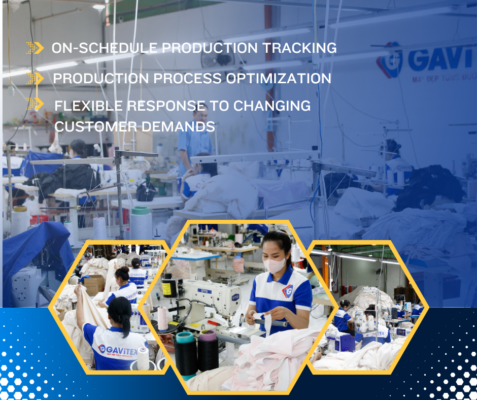
Concerned about quality? Discover the vital certifications and standards that guarantee quality and compliance.
Building a Strong Partnership with Your Vietnamese Garment Manufacturer for Long-Term Success
Establishing a strong partnership with your Vietnamese garment manufacturer is crucial for achieving long-term success in brand-focused garment production. Beyond just finding a supplier, cultivating a collaborative and transparent relationship ensures consistent quality, timely delivery, and the ability to adapt to evolving market demands, ultimately contributing to the growth and reputation of your apparel line.
To foster a fruitful and enduring collaboration, consider these key aspects:
- Open and Consistent Communication: Establishing clear communication channels is fundamental. Regularly scheduled meetings, transparent feedback mechanisms, and readily available contact persons on both sides ensure that issues are addressed promptly and expectations are aligned. Consider using project management software to track progress, share documents, and maintain a clear record of all communications.
- Mutual Respect and Understanding: Recognizing and valuing the expertise of your Vietnamese manufacturer is paramount. Understanding their operational processes, cultural nuances, and business practices fosters a more collaborative and respectful environment. This includes respecting their lead times, pricing structures, and working conditions.
- Clear Contracts and Expectations: A well-defined contract outlining product specifications, quality standards, delivery schedules, payment terms, and intellectual property rights is essential. Clarity upfront minimizes misunderstandings and provides a framework for resolving disputes amicably.
- Investing in Training and Development: Offering training and development opportunities to your manufacturer’s staff can improve their skills, enhance product quality, and boost productivity. This could include training on new technologies, sustainable practices, or specific design techniques.
- Regular Site Visits and Audits: Periodic visits to your manufacturer’s facility allow you to observe their operations firsthand, assess their capabilities, and build personal relationships with their team. Conducting audits ensures compliance with quality standards, ethical labor practices, and environmental regulations.
- Fair Pricing and Payment Terms: While cost is a significant factor, prioritizing sustainable pricing that allows your manufacturer to invest in quality, worker well-being, and environmental improvements is crucial for long-term viability. Negotiate fair payment terms that reflect the value of their services and contributions.
- Long-Term Commitment: Viewing your Vietnamese manufacturer as a strategic partner, rather than a short-term supplier, fosters a sense of mutual loyalty and commitment. This encourages them to invest in your success, provide preferential treatment, and offer innovative solutions.
By prioritizing these elements, brands can forge strong, lasting partnerships with their Vietnamese garment manufacturers, leading to enhanced product quality, improved supply chain efficiency, and sustained competitive advantage in the dynamic apparel industry.
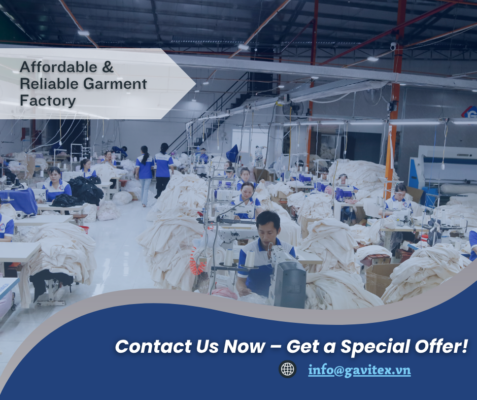
Cost-Effective Solutions: Balancing Price and Quality in Brand-Focused Garment Manufacturing
Achieving cost-effective solutions while maintaining high quality is a critical factor for brands engaging in brand-focused garment production in Vietnam. This requires a strategic approach that balances the desire for competitive pricing with the need to uphold brand standards and customer expectations. Finding the sweet spot between affordability and superior craftsmanship is crucial for long-term success in the apparel industry.
Several factors contribute to achieving cost-effectiveness without compromising on quality. One key aspect is supply chain optimization. This involves streamlining the sourcing of raw materials, such as fabrics and trims, to reduce costs and lead times. Efficient logistics and transportation management also play a vital role in minimizing expenses. For example, overseas buyers can leverage its network of trusted suppliers to negotiate favorable pricing and ensure timely delivery of materials, reducing the risk of production delays and additional costs.
Another effective strategy is process optimization. Implementing lean manufacturing principles and investing in automation can improve production efficiency and reduce labor costs. By carefully analyzing each stage of the garment manufacturing process, from cutting and sewing to finishing and packaging, manufacturers can identify areas for improvement and implement changes that enhance productivity and minimize waste. For instance, utilizing Computer-Aided Design (CAD) and Computer-Aided Manufacturing (CAM) systems can optimize fabric utilization and reduce cutting errors, resulting in significant cost savings.
Furthermore, strategic partnerships with Vietnamese garment manufacturers are essential for achieving cost-effectiveness. Selecting a manufacturer that understands the brand’s specific requirements and has a proven track record of delivering high-quality products at competitive prices is crucial. Building a strong, collaborative relationship with the manufacturer allows for open communication and mutual understanding, enabling both parties to work together to identify cost-saving opportunities and improve overall efficiency. For example, overseas buyers can work closely with its manufacturing partners to explore alternative materials or production techniques that can reduce costs without sacrificing quality.
- Negotiate favorable payment terms: Establishing clear payment schedules and terms can help manage cash flow and potentially secure discounts for early payments.
- Consolidate orders: Combining smaller orders into larger production runs can often result in lower per-unit costs due to economies of scale.
- Optimize fabric consumption: Implementing strategies to minimize fabric waste, such as pattern nesting and marker making, can significantly reduce material costs.
- Invest in technology: Utilizing advanced manufacturing technologies, such as automated cutting and sewing machines, can improve efficiency and reduce labor costs.
- Implement rigorous quality control: Preventing defects and ensuring consistent quality from the outset minimizes the need for rework and reduces overall production costs.
Finally, a focus on long-term sustainability can also contribute to cost-effectiveness. By adopting sustainable manufacturing practices, such as using eco-friendly materials and reducing energy consumption, brands can not only minimize their environmental impact but also attract environmentally conscious consumers who are willing to pay a premium for sustainable products. This can help offset some of the costs associated with sustainable manufacturing and enhance the brand’s reputation.
Overcoming Challenges in BrandFocused Garment Production in Vietnam: A Practical Guide
Navigating the complexities of brand-focused garment production in Vietnam requires proactive strategies to address potential obstacles. While Vietnam offers numerous advantages for apparel manufacturing, understanding and mitigating common challenges is crucial for success. This guide provides a practical framework for overcoming these hurdles, ensuring smooth operations and high-quality output for your apparel line.
One significant challenge is maintaining consistent quality control across the entire production process. To combat this, establish rigorous quality checks at each stage, from fabric sourcing to final inspection. Implement AQL (Acceptable Quality Limit) standards and provide comprehensive training to local workers. Regularly audit your manufacturing partner’s facilities and processes to ensure compliance with your brand’s quality expectations and industry standards. For instance, overseas buyers employs a multi-tiered quality control system, incorporating random inspections, in-line inspections, and final inspections, significantly reducing defects and ensuring consistent product quality.
Another hurdle is ensuring ethical and sustainable practices. Transparency and traceability are key. Conduct thorough due diligence to verify your manufacturer’s compliance with labor laws, environmental regulations, and ethical sourcing practices. Seek certifications like WRAP (Worldwide Responsible Accredited Production) or Fair Trade to validate their commitment. Actively engage in open communication with your manufacturer to address any concerns and collaborate on initiatives to improve sustainability, such as using eco-friendly materials and reducing waste.
Effective communication and cultural understanding are also paramount. Language barriers and cultural differences can lead to misunderstandings and delays. Invest in a dedicated project manager who is fluent in both English and Vietnamese and possesses a deep understanding of Vietnamese business culture. Clearly define expectations, provide detailed instructions, and utilize visual aids to minimize ambiguity. Schedule regular meetings and factory visits to foster open communication and build a strong working relationship with your manufacturing partner.
Finally, managing supply chain disruptions and logistical complexities requires careful planning. Diversify your sourcing options to mitigate the risk of relying on a single supplier. Develop a robust inventory management system to ensure sufficient stock levels. Work closely with your manufacturer to optimize logistics, including shipping routes, customs clearance procedures, and warehousing. Proactively monitor potential disruptions, such as natural disasters or political instability, and develop contingency plans to minimize their impact on your production timeline and costs. Vietnam Biz Rep has developed strong relationships with multiple fabric suppliers and logistics providers to ensure a resilient supply chain.
Facing obstacles? Get practical guidance on overcoming challenges in brand-focused garment production in Vietnam.
Case Studies: Successful BrandFocused Garment Production Partnerships in Vietnam
Exploring case studies offers invaluable insights into the tangible benefits of brand-focused garment production partnerships within Vietnam. These examples illustrate how strategic collaborations between international brands and Vietnamese manufacturers can lead to exceptional results, encompassing enhanced product quality, streamlined supply chains, and ultimately, increased profitability.
Brand-focused garment production hinges on a deep understanding of a brand’s identity and values, which then informs every stage of the manufacturing process. Let’s delve into specific examples that showcase the power of this approach:
-
Case Study 1: Athleisure Brand “ActiveLife” and overseas buyers Collaboration: ActiveLife, a rising athleisure brand known for its commitment to sustainable and ethically produced apparel, partnered with overseas buyers to expand its production capacity in Vietnam. This strategic alliance resulted in a 30% reduction in lead times due to overseas buyers’ optimized supply chain management and efficient production processes. Furthermore, ActiveLife witnessed a 20% increase in customer satisfaction scores, attributed to the consistently high quality and durability of the garments produced under the brand-focused model. overseas buyers’ expertise in sustainable materials sourcing and ethical labor practices aligned perfectly with ActiveLife’s brand values, strengthening its reputation and resonating with its target audience.
-
Case Study 2: Luxury Denim Brand “Indigo Dreams” and a Vietnamese Family-Owned Factory: Indigo Dreams, a purveyor of high-end denim jeans, sought a manufacturing partner in Vietnam capable of delivering meticulous craftsmanship and unwavering attention to detail. They selected a family-owned factory with a long history of producing premium denim garments. Through close collaboration and knowledge sharing, Indigo Dreams was able to transfer its expertise in design and finishing techniques to the Vietnamese factory, resulting in a significant improvement in the overall quality and sophistication of the jeans. The partnership also fostered a culture of innovation, with the factory developing new washes and treatments that further enhanced the brand’s unique identity.
-
Case Study 3: Fast-Fashion Retailer “TrendSetters” and a Large-Scale Vietnamese Garment Manufacturer: TrendSetters, a global fast-fashion retailer, required a manufacturing partner in Vietnam that could meet its demanding production volumes and tight deadlines while maintaining consistent quality and competitive pricing. By implementing brand-focused strategies, the Vietnamese manufacturer was able to improve its efficiency and responsiveness, allowing TrendSetters to quickly bring new styles to market and capitalize on emerging trends. The partnership also focused on implementing rigorous quality control measures at every stage of production, minimizing defects and ensuring customer satisfaction. This collaboration demonstrates the scalability and adaptability of brand-focused garment production, even for large-scale fast-fashion operations.
These case studies underscore the transformative potential of brand-focused garment production partnerships in Vietnam. By selecting the right manufacturing partner and fostering a culture of collaboration, knowledge sharing, and continuous improvement, brands can unlock a wide range of benefits, including enhanced product quality, streamlined supply chains, and increased profitability.
Future Trends in BrandFocused Garment Production: Innovation and Sustainability
The landscape of brand-focused garment production is undergoing a dramatic transformation, driven by rapid advancements in technology and a growing emphasis on sustainability. To maintain a competitive edge, apparel brands and manufacturers need to understand and embrace these emerging trends, particularly in key production hubs like Vietnam. Let’s delve into these key areas and explore how Vietnam Biz Rep is leading the way.
-
Technological Integration for Enhanced Efficiency and Customization: Automation, AI, and advanced software solutions are revolutionizing garment manufacturing. We are seeing increased adoption of 3D printing for prototyping, automated cutting and sewing systems, and AI-powered quality control. These technologies significantly improve efficiency, reduce waste, and allow for greater customization, meeting the demands of today’s discerning consumers. For example, AI algorithms can now predict fabric consumption with greater accuracy, minimizing material waste during the cutting process.
-
Sustainable Materials and Production Processes: The environmental impact of the fashion industry is under intense scrutiny, leading to a surge in demand for sustainable practices. Brand-focused garment manufacturers are increasingly incorporating eco-friendly materials such as organic cotton, recycled polyester, and innovative bio-based fabrics. Waterless dyeing techniques, closed-loop production systems, and renewable energy sources are also becoming more prevalent, minimizing the carbon footprint of garment production.
-
Traceability and Transparency in the Supply Chain: Consumers are demanding greater transparency regarding the origins and ethical implications of their clothing. Blockchain technology and digital tracking systems are enabling brands to provide detailed information about their supply chains, from raw material sourcing to the final product. This traceability builds trust with consumers and allows them to make more informed purchasing decisions.
-
Circular Economy and Garment Recycling: The concept of a circular economy is gaining traction in the fashion industry, with a focus on reducing waste and extending the lifespan of garments. Initiatives such as garment recycling programs, upcycling projects, and design for disassembly are becoming increasingly popular. Brand-focused manufacturers are playing a key role in these efforts by developing innovative recycling technologies and creating garments that are designed to be easily disassembled and repurposed.
-
Personalization and On-Demand Manufacturing: Advances in technology are making it easier and more affordable to personalize clothing and produce garments on-demand. This allows brands to cater to individual customer preferences, reduce inventory costs, and minimize waste. 3D body scanning, virtual try-on technologies, and direct-to-garment printing are enabling brands to offer customized apparel options and create a more engaging customer experience.
Vietnam Biz Rep supports overseas buyers with garment supplier search, factory verification, sample coordination, production follow-up, and quality inspection in Vietnam. Learn more on our clothing sourcing agent page or visit Vietnam sourcing agent for our full range of services. Contact Vietnam Biz Rep to discuss your sourcing requirements.
