

Embarking on brand manufacturing outsourcing is no longer a luxury but a strategic imperative for businesses aiming to scale efficiently and remain competitive in today’s dynamic market. This guide, categorized under garment manufacturers in Vietnam, delves into the practical aspects of leveraging outsourcing, specifically within the Vietnamese manufacturing landscape. We’ll explore the critical considerations when selecting the right garment manufacturing partner, focusing on factors like cost optimization, quality control, and supply chain management. Furthermore, we will provide actionable insights on how overseas buyers can navigate the complexities of offshore production in 2025, ensuring seamless contract negotiation and fostering long-term, mutually beneficial business partnerships. Ultimately, this article equips you with the knowledge to make informed decisions, drive growth, and unlock the full potential of manufacturing outsourcing for your brand.
Here’s the H2 content:
Why Vietnam is a Prime Destination for Garment Brand Manufacturing Outsourcing
Vietnam has emerged as a leading hub for garment brand manufacturing outsourcing, attracting global brands seeking cost-effective and high-quality production. This is largely due to a confluence of factors, including competitive labor costs, a skilled workforce, government support, and strategic trade agreements.
Several factors make Vietnam an attractive destination for garment manufacturing outsourcing.
- Competitive Labor Costs: One of the most compelling reasons is Vietnam’s significantly lower labor costs compared to other manufacturing hubs like China. This cost advantage allows brands to reduce production expenses and improve profitability.
- Skilled and Adaptable Workforce: Vietnam boasts a large, young, and increasingly skilled workforce with experience in garment production. These workers are adaptable to new technologies and production processes, making them ideal for handling complex manufacturing requirements.
- Government Support and Investment: The Vietnamese government actively promotes the garment industry through various incentives, including tax breaks and infrastructure development. This support creates a favorable environment for foreign investment and manufacturing operations.
- Strategic Trade Agreements: Vietnam has signed numerous free trade agreements (FTAs) with major economies, including the EU, the US, and Japan. These agreements provide preferential access to key markets, reducing tariffs and trade barriers for garments manufactured in Vietnam. For example, the CPTPP (Comprehensive and Progressive Agreement for Trans-Pacific Partnership) offers significant advantages for exporting garments to member countries.
- Established Garment Industry Infrastructure: Vietnam has a well-established garment industry infrastructure, including a network of factories, suppliers, and logistics providers. This mature ecosystem streamlines the garment manufacturing outsourcing process and ensures efficient production and delivery.
- Focus on Quality and Compliance: Vietnamese garment manufacturers are increasingly focused on quality control and compliance with international standards. Many factories have invested in advanced equipment and training programs to meet the stringent requirements of global brands. This commitment to quality helps build trust and long-term partnerships.
These advantages position Vietnam as a compelling choice for garment brands looking to optimize their supply chains and enhance their competitiveness in the global market. overseas buyers, along with other established manufacturers in Vietnam, provide the expertise and infrastructure needed for successful outsourcing partnerships.
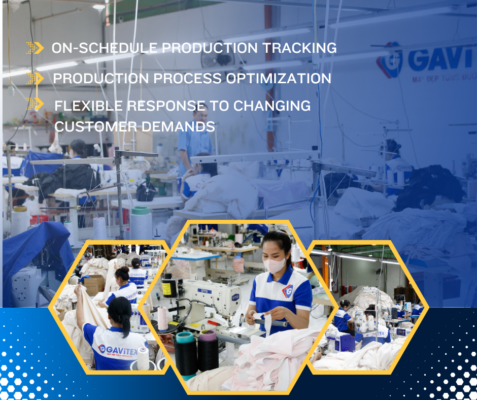
Khám phá lý do các nhãn hàng thời trang hàng đầu lựa chọn Việt Nam làm điểm đến gia công, tìm hiểu thêm về gia công hàng may mặc cho các thương hiệu.
Key Considerations When Selecting a Garment Manufacturing Outsourcing Partner in Vietnam
Selecting the right garment manufacturing outsourcing partner in Vietnam is a critical decision that can significantly impact a brand’s success. The apparel industry is very competitive, and the right garment factory is essential if you want to produce high-quality products in a cost-effective and sustainable manner. Therefore, before partnering with a manufacturer, it is important for overseas buyers to carefully consider several factors.
When evaluating potential garment manufacturers in Vietnam, production capacity and capabilities are paramount. Does the factory have the equipment and skilled workforce to handle your order volume and complexity? For instance, if you specialize in complex designs or delicate fabrics, ensure the manufacturer has experience and expertise in these areas. Moreover, inquire about their minimum order quantities (MOQs) and lead times to determine if they align with your business needs. A factory with modern machinery and a well-trained workforce can ensure consistent quality and timely delivery.
Another essential aspect is the factory’s quality control processes. Stringent quality control is necessary to minimize defects and ensure the final product meets your standards. Request information about their quality assurance procedures at each stage of production, from raw material inspection to final product assessment. Do they follow international quality standards such as AQL (Acceptable Quality Level)? A reputable manufacturer will be transparent about their quality control measures and willing to provide samples or conduct factory audits.
Ethical and sustainable practices are increasingly important considerations for brands and consumers alike. Partnering with a manufacturer committed to fair labor practices and environmental responsibility can enhance your brand’s reputation and appeal to conscious consumers. Inquire about their compliance with labor laws, worker safety standards, and environmental regulations. Do they have certifications such as SA8000 or WRAP (Worldwide Responsible Accredited Production)? Choosing a manufacturer that prioritizes ethical sourcing and sustainable production aligns with overseas buyers‘s values and contributes to a more responsible fashion industry.
Finally, communication and responsiveness are critical for a successful outsourcing partnership. Effective communication ensures that your requirements are clearly understood and that any issues are addressed promptly. Evaluate the manufacturer’s communication channels, language proficiency, and willingness to collaborate. Do they have a dedicated account manager who can serve as your point of contact? A responsive and communicative partner can help you navigate challenges and build a strong, long-term relationship. Consider factors such as the manufacturer’s financial stability, reputation in the industry, and experience working with international brands.
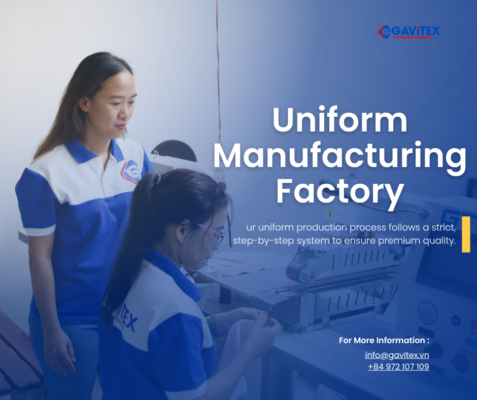
Bạn đang tìm kiếm đối tác gia công may mặc uy tín tại Việt Nam? Xem thêm về những cân nhắc quan trọng khi lựa chọn đối tác gia công hàng may mặc.
The Garment Manufacturing Outsourcing Process in Vietnam: A Step-by-Step Guide
Navigating the complexities of garment manufacturing outsourcing in Vietnam requires a clear understanding of the process, and this guide provides a step-by-step overview to help brands like overseas buyers streamline their production. From initial factory selection to final quality control, each stage plays a crucial role in ensuring a successful outsourcing partnership. This detailed walkthrough aims to demystify the process, empowering businesses to make informed decisions and achieve optimal results when sourcing garments from Vietnam.
The first crucial step in garment manufacturing outsourcing is partner selection. This involves extensive research to identify potential manufacturers in Vietnam, evaluating their capabilities, certifications (such as WRAP, BSCI), and experience in handling similar product types. Visiting factories, reviewing past projects, and requesting samples are vital to assess their quality standards and production capacity. overseas buyers, and other brands should prioritize factories with a proven track record and a strong commitment to ethical and sustainable practices.
Next, clear and detailed communication is essential throughout the design and sampling phases. This includes providing comprehensive tech packs containing detailed specifications, measurements, materials, and construction methods. Maintaining open lines of communication ensures that the manufacturer fully understands the brand’s requirements and can accurately translate the designs into physical samples. Iterative feedback and revisions during the sampling process are crucial for achieving the desired outcome before moving to mass production.
Once the samples are approved, the production phase begins. This involves placing a purchase order (PO) with clear terms and conditions, including pricing, delivery dates, and payment terms. Monitoring production progress is critical to ensure adherence to timelines and quality standards. Regular communication with the manufacturer, including on-site inspections, can help identify and address any potential issues proactively, minimizing delays and ensuring product quality.
The penultimate phase focuses on quality control and inspection. Implementing a robust quality control process is crucial to identify and rectify any defects before shipment. This may involve conducting in-line inspections during production and final inspections before packaging. Utilizing third-party inspection services can provide an unbiased assessment of the product quality and ensure compliance with the brand’s requirements.
Finally, the shipping and logistics stage requires careful planning to ensure timely and cost-effective delivery. This includes coordinating with freight forwarders, managing customs clearance, and arranging transportation to the final destination. Establishing clear communication channels with all parties involved in the logistics process is essential for tracking shipments and addressing any potential delays or issues. Efficient supply chain management is critical for ensuring that products reach the market on time and within budget.
Mitigating Risks and Challenges in Garment Manufacturing Outsourcing to Vietnam
Successfully navigating the Vietnamese garment manufacturing outsourcing landscape requires a proactive approach to mitigating risks and challenges. Vietnam, while a prime destination for brand manufacturing outsourcing, presents unique hurdles that brands must address to ensure smooth operations and protect their interests. This section explores the key risks associated with garment production outsourcing in Vietnam and outlines effective strategies for minimizing their impact.
Several potential pitfalls can arise when outsourcing garment production to Vietnam. One prevalent issue is the risk of quality control failures. Inconsistent quality can lead to rejected shipments, delayed production schedules, and ultimately, damage to a brand’s reputation. Another common challenge stems from communication barriers. Language differences and cultural nuances can hinder effective collaboration and result in misunderstandings, impacting production timelines and product specifications. Supply chain disruptions also pose a significant risk, particularly concerning raw material availability and transportation delays.
To effectively address quality control failures, implementing rigorous quality assurance protocols is essential. This involves establishing clear and detailed quality standards, conducting regular inspections throughout the production process, and providing comprehensive training to factory workers. Partnering with a reputable third-party quality control agency can provide an additional layer of oversight and ensure consistent product quality. To overcome communication barriers, investing in bilingual staff or utilizing professional translation services can facilitate clear and accurate communication. Building strong relationships with factory management through regular visits and open dialogue also fosters mutual understanding and trust. To mitigate supply chain disruptions, diversify sourcing options for raw materials and establish contingency plans for transportation and logistics. Maintaining a buffer stock of critical materials can provide a cushion against unexpected delays.
Protecting intellectual property (IP) is another critical aspect of risk mitigation. Counterfeiting and unauthorized production are concerns in any manufacturing environment, and Vietnam is no exception. Brands must implement robust measures to safeguard their designs, patterns, and trademarks. This includes registering IP rights in Vietnam, carefully vetting potential manufacturing partners, and incorporating anti-counterfeiting technologies into products. Furthermore, clearly defining contractual terms and conditions regarding IP ownership and confidentiality is crucial. Finally, ensuring compliance with labor standards is paramount. Conducting regular audits to verify fair wages, safe working conditions, and adherence to ethical labor practices not only protects workers but also safeguards a brand’s reputation. Engaging with social compliance organizations can provide valuable insights and guidance in this area.
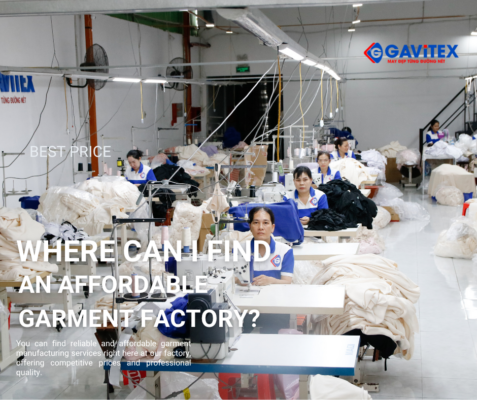
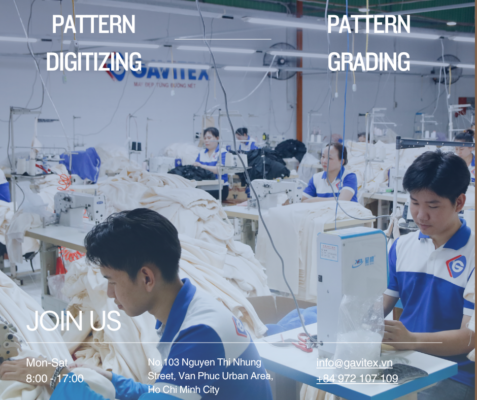
Gia công hàng may mặc tiềm ẩn nhiều rủi ro? Đọc thêm về cách giảm thiểu rủi ro và thách thức trong gia công hàng may mặc.
Cost Analysis: Understanding the Economics of Garment Manufacturing Outsourcing in Vietnam
Understanding the cost analysis is paramount for any brand considering garment manufacturing outsourcing to Vietnam, as it directly impacts profitability and competitiveness. This involves scrutinizing all facets of production, from raw materials to labor expenses, and beyond. Exploring the economics of manufacturing apparel in Vietnam can reveal significant advantages, but requires a detailed examination of cost drivers.
Several factors contribute to Vietnam’s attractiveness from a cost perspective. One key element is labor costs, which are generally lower compared to other manufacturing hubs like China. This allows brands to reduce their overall production expenses. Furthermore, Vietnam benefits from trade agreements that can lower or eliminate tariffs on imported raw materials and exported finished goods, impacting the final landed cost.
However, simply focusing on low prices can be misleading. A comprehensive cost analysis should also consider factors such as:
- Raw Material Costs: The price and availability of fabrics, trims, and other materials significantly impact production costs. Sourcing strategies and supplier relationships are critical here.
- Production Efficiency: The efficiency of the manufacturing facility, including its technology, processes, and worker skills, influences output and cost per unit.
- Quality Control: Investing in robust quality control processes can prevent costly defects and rework, ultimately reducing overall costs.
- Shipping and Logistics: Transportation costs, including shipping, insurance, and customs clearance, can add significantly to the final cost.
- Compliance and Ethical Sourcing: Ensuring ethical and sustainable manufacturing practices may involve additional costs, but can enhance brand reputation and long-term sustainability.
Ultimately, a thorough cost analysis is essential for brands looking to make informed decisions about garment manufacturing outsourcing in Vietnam. By carefully evaluating all relevant factors and comparing different suppliers, brands like overseas buyers can optimize their production costs and maximize their return on investment while also ensuring quality and ethical standards are maintained.
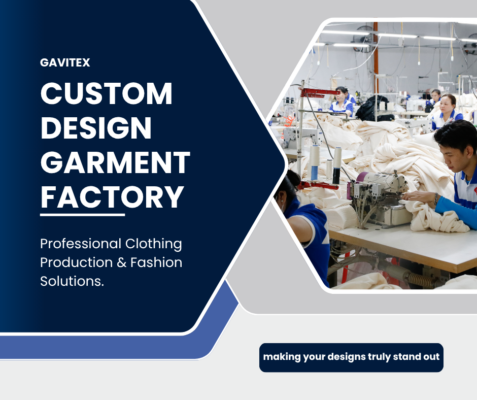
Bạn muốn hiểu rõ hơn về chi phí gia công hàng may mặc tại Việt Nam? Xem thêm về phân tích chi phí và kinh tế trong gia công hàng may mặc.
Ethical and Sustainable Garment Manufacturing Outsourcing in Vietnam: A Growing Trend
The pursuit of ethical and sustainable garment manufacturing outsourcing is rapidly gaining momentum in Vietnam, driven by increasing consumer awareness and evolving brand values regarding social and environmental responsibility. This shift reflects a global trend where apparel companies are actively seeking production partners that adhere to fair labor practices, minimize environmental impact, and contribute positively to local communities, making Vietnam an increasingly attractive destination for brand manufacturing outsourcing.
Several factors are fueling this growing trend. Firstly, consumers are increasingly demanding transparency and accountability from the brands they support. They want to know that their clothing is not produced at the expense of workers’ rights or environmental health. Secondly, international regulations and standards, such as the Global Organic Textile Standard (GOTS) and Fair Trade certification, are pushing brands to adopt more sustainable practices throughout their supply chains. Finally, the Vietnamese government is also enacting policies to promote sustainable development, which incentivizes factories to adopt cleaner production methods and improve working conditions. Vietnam Biz Rep, as a responsible outsourcing partner, recognizes the importance of aligning with these values.
The adoption of ethical and sustainable practices in garment manufacturing involves various aspects. This includes ensuring fair wages, safe working conditions, and freedom of association for workers. Furthermore, it requires minimizing the environmental footprint by reducing water consumption, utilizing renewable energy sources, managing waste effectively, and using eco-friendly materials like organic cotton or recycled polyester. Many factories in Vietnam are now investing in technologies such as water-saving dyeing techniques and solar power to reduce their environmental impact and meet the demands of ethically conscious brands.
For brands like overseas buyers seeking sustainable outsourcing options, Vietnam offers a growing number of factories committed to these principles. Choosing a partner with certifications such as SA8000 (social accountability) or OEKO-TEX Standard 100 (testing for harmful substances) can help ensure that the production process meets ethical and environmental standards. Furthermore, brands can engage in regular audits and inspections to monitor compliance and foster continuous improvement within their supply chains. Embracing ethical garment manufacturing is not only the right thing to do but also a smart business strategy, enhancing brand reputation and fostering long-term relationships with consumers and partners alike.
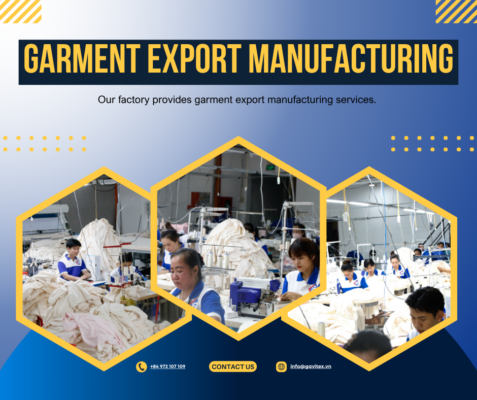
Gia công may mặc bền vững và có đạo đức là xu hướng tất yếu. Tìm hiểu thêm về các tiêu chuẩn sản xuất hàng may mặc tốt nhất.
Future Trends in Garment Manufacturing Outsourcing in Vietnam: Innovation and Technology
The future of garment manufacturing outsourcing in Vietnam is inextricably linked to innovation and technology, promising significant advancements for brands seeking efficient and competitive production. The shift towards advanced technologies and innovative practices is poised to reshape the landscape of Vietnam’s apparel industry, offering new opportunities for businesses engaged in brand manufacturing outsourcing.
Several key trends are driving this transformation:
- Automation and Robotics: Increased adoption of automation and robotics in cutting, sewing, and finishing processes is enhancing productivity and reducing labor costs. For instance, factories are investing in automated cutting machines that minimize fabric waste and robotic sewing systems that ensure consistent quality and speed. This helps garvitex partners increase production efficiency.
- Digitalization and Data Analytics: Digitalization of supply chain processes, from design to delivery, allows for better tracking, transparency, and decision-making. Data analytics provides valuable insights into production efficiency, quality control, and demand forecasting. For example, real-time data monitoring can identify bottlenecks in the production line, enabling quick adjustments and improvements.
- 3D Printing and Virtual Prototyping: 3D printing technology is enabling rapid prototyping and customization of garment designs, reducing lead times and minimizing waste. Virtual prototyping allows brands to visualize and test designs before physical samples are produced, saving time and resources.
- Sustainable Manufacturing Practices: Sustainable manufacturing is becoming increasingly important, with brands seeking eco-friendly materials, energy-efficient production processes, and waste reduction strategies. Vietnamese manufacturers are adopting sustainable practices such as using organic cotton, recycled fabrics, and water-saving dyeing techniques. This aligns with the growing consumer demand for environmentally responsible products.
- AI-Powered Quality Control: Implementing Artificial Intelligence in the quality control process allows for real-time detection of defects, ensuring higher standards and reducing the number of faulty products. This not only improves the quality of garments but also reduces waste and rework.
- Smart Factories and IoT Integration: The rise of smart factories with Internet of Things (IoT) integration is enabling real-time monitoring and control of production processes. IoT sensors can track inventory levels, monitor machine performance, and optimize energy consumption, leading to greater efficiency and cost savings.
These technological advancements are not just about improving efficiency; they are also about enabling Vietnamese garment manufacturers to offer more value-added services, such as design assistance, product development, and supply chain management. This positions Vietnam as a more attractive and reliable destination for brand manufacturing outsourcing, fostering long-term partnerships and driving sustainable growth.
Ngành gia công may mặc Việt Nam đang thay đổi như thế nào? Xem thêm về các xu hướng tương lai trong gia công hàng may mặc.
Vietnam Biz Rep supports overseas buyers with garment supplier search, factory verification, sample coordination, production follow-up, and quality inspection in Vietnam. Learn more on our clothing sourcing agent page or visit Vietnam sourcing agent for our full range of services. Contact Vietnam Biz Rep to discuss your sourcing requirements.
