

clothing assembly services are critical for brands seeking cost-effective and efficient garment production. This article delves into the intricacies of clothing assembly, exploring the benefits of outsourcing, particularly to garment manufacturers in Vietnam, a global hub known for its skilled workforce and competitive pricing. We will examine the different types of assembly processes, factors to consider when choosing a provider, including quality control measures, supply chain management, and sustainability practices. Finally, we’ll provide a practical guide for navigating the clothing manufacturing landscape and finding the right partner to bring your apparel designs to life, ensuring high-quality output and on-time delivery by 2025.
Understanding Clothing Assembly Services: A Comprehensive Overview
Clothing assembly services represent a critical component within the broader garment manufacturing industry, transforming cut pieces of fabric into finished apparel ready for retail. This encompasses a range of processes, from sewing and stitching to adding embellishments and conducting final quality checks, effectively bringing a design concept to life. Understanding the nuances of these services is essential for garment manufacturers seeking efficient and cost-effective production solutions, especially within competitive markets like Vietnam.
At its core, clothing assembly involves the physical joining of garment components. However, it’s far more than just basic sewing. These services often include specialized techniques such as embroidery, screen printing, and various types of stitching, tailored to the specific requirements of each garment. For example, a high-end dress might require intricate hand-sewing, while mass-produced t-shirts benefit from automated stitching processes. The flexibility and expertise offered by assembly providers are key factors for brands aiming to maintain quality and meet diverse design demands.
Several distinct aspects define the modern clothing assembly landscape:
- Specialized Expertise: Assembly services offer access to skilled labor and specialized machinery that may be too expensive or impractical for individual brands to maintain in-house. This includes expertise in handling different fabric types, complex designs, and specialized finishing techniques.
- Scalability and Flexibility: Whether a brand requires a small, custom production run or a large-scale manufacturing operation, assembly services can scale up or down to meet fluctuating demand. This adaptability is particularly valuable in the fast-paced fashion industry.
- Geographic Advantages: Countries like Vietnam have become hubs for clothing assembly due to their competitive labor costs, established infrastructure, and proximity to key supply chains. Leveraging these geographic advantages can significantly reduce production expenses.
- Focus on Core Competencies: By outsourcing assembly, garment manufacturers can concentrate on their core competencies, such as design, marketing, and sales, ultimately leading to increased efficiency and profitability. overseas buyers, for example, might focus on sourcing high-quality materials and developing innovative designs, while entrusting assembly to a specialized partner.
Ultimately, a comprehensive understanding of clothing assembly services empowers garment manufacturers to make informed decisions about their production strategies, optimize their supply chains, and deliver high-quality apparel to consumers efficiently and cost-effectively. The choice to engage with these services depends on factors such as production volume, complexity of designs, desired quality standards, and overall business objectives.
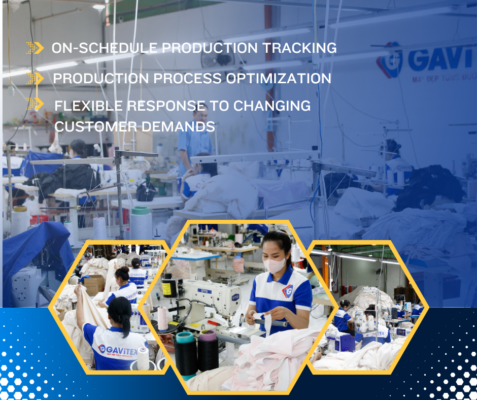
Delve deeper into the world of garment production. Explore the complexities of the apparel industry’s manufacturing processes.
Key Stages in Clothing Assembly: From Design to Finished Product
The clothing assembly process, a critical aspect of clothing assembly services, involves a series of well-defined stages that transform a mere design concept into a tangible, wearable garment. Understanding these stages provides valuable insight into the complexities of garment manufacturing and how companies like A reliable sourcing partner ensures quality and efficiency.
Each stage in the clothing assembly process builds upon the previous one, requiring meticulous planning and execution. Let’s explore these key steps in detail:
-
Design and Pattern Making: This initial phase translates design ideas into precise patterns. It involves creating detailed specifications, including measurements, seam allowances, and construction details, which serve as the blueprint for cutting and sewing. Computer-aided design (CAD) software is often employed for accuracy and efficiency.
-
Fabric Selection and Sourcing: Choosing the right fabric is essential for the garment’s quality, appearance, and performance. Factors like fiber content, weave, weight, and color are carefully considered. Sourcing involves identifying reliable suppliers who can provide the required fabrics in the necessary quantities and within budget.
-
Cutting: This stage involves accurately cutting the fabric according to the patterns. Modern cutting techniques, such as laser cutting or automated cutting machines, are used to minimize fabric waste and ensure precision.
-
Sewing and Assembly: The sewing stage is where individual fabric pieces are joined together to form the garment. This involves various sewing operations, such as stitching seams, attaching collars, cuffs, and closures, and adding embellishments. Skilled sewing operators and specialized sewing machines are essential for achieving high-quality results.
-
Quality Control: Quality control is integrated throughout the entire clothing assembly process. Inspections are conducted at each stage to identify and correct any defects. This includes checking for proper stitching, accurate measurements, fabric flaws, and overall garment construction.
-
Finishing: This stage involves final touches such as trimming loose threads, pressing or ironing the garment to remove wrinkles, and adding labels and tags.
-
Packaging and Shipping: The final stage involves carefully packaging the finished garments to protect them during transportation. Garments are typically folded or hung on hangers and placed in protective bags or boxes. Shipping involves coordinating with logistics providers to transport the garments to their final destination.
By meticulously managing each of these stages, clothing assembly services provided by companies like A reliable sourcing partner ensures that garments meet the required quality standards and are delivered on time. This streamlined process allows garment manufacturers to focus on design and marketing while outsourcing the complex task of clothing assembly.
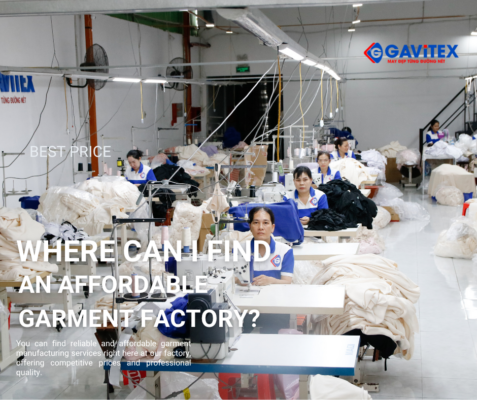
Curious about what it takes to bring a garment from concept to creation? Uncover the crucial steps in apparel design and manufacturing.
Types of Clothing Assembly Services: A Tailored Approach
Understanding the landscape of clothing assembly services is crucial for garment manufacturers seeking efficient and cost-effective production solutions. This section explores the diverse range of garment assembly services available, highlighting how overseas buyers can tailor its offerings to meet specific client needs. From full-package production to specialized assembly processes, we delve into the variations that enable businesses to optimize their supply chain.
Different projects will require different services, this section provides the overview of each service:
- Cut, Make, Trim (CMT): In this model, the client provides the fabric and design specifications, and the assembly service provider handles the cutting, sewing, and finishing. CMT is ideal for businesses that have established designs and reliable material sourcing.
- Full Package Production (FPP): This comprehensive service includes everything from design development and material sourcing to assembly, quality control, and packaging. FPP is suitable for companies seeking end-to-end solutions and wanting to minimize their involvement in the production process.
- Original Design Manufacturing (ODM): Taking FPP a step further, ODM involves the assembly service provider creating the designs themselves based on client briefs or market trends. This option is beneficial for businesses looking to expand their product lines without investing in in-house design capabilities.
- Specialized Assembly: This encompasses services that focus on specific aspects of clothing assembly, such as embroidery, printing, washing, or dyeing. Businesses can leverage these specialized services to enhance their garments and meet unique market demands.
- Kitting and Packaging: This service provides the final touches to the finished product, from attaching hangtags and labels to folding, bagging, and boxing the garments for retail. Efficient kitting and packaging ensures products are market-ready and visually appealing.
The optimal choice of clothing assembly service depends on factors such as budget, production capacity, design expertise, and desired level of control. By offering a tailored approach, overseas buyers empowers businesses to select the services that best align with their strategic objectives and operational requirements.
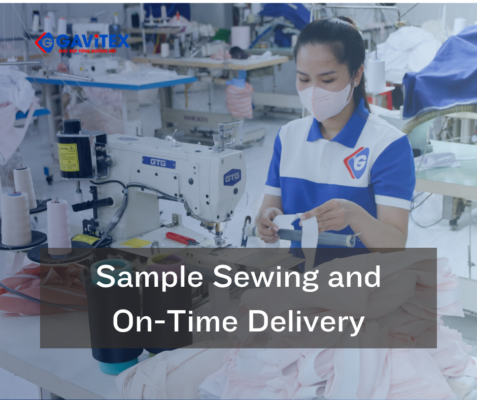
Need a specific assembly method for your unique garment designs? Discover how a cut and sew manufacturer can bring your designs to life.
Factors to Consider When Choosing Clothing Assembly Services in Vietnam
Selecting the right clothing assembly services is a critical decision for garment manufacturers aiming to optimize production and ensure quality. When considering clothing assembly services in Vietnam, manufacturers must carefully evaluate various factors to ensure a successful and mutually beneficial partnership. These factors encompass not only the immediate cost implications but also the long-term strategic alignment with the manufacturer’s overall business goals.
Several critical factors should guide your decision when selecting clothing assembly services in Vietnam. Beyond mere pricing, it’s essential to delve into aspects such as the assembler’s capabilities, their adherence to ethical practices, and their track record.
-
Production Capacity and Capabilities: Evaluate the assembler’s capacity to handle your production volume, considering both current capabilities and potential for scalability. Inquire about their machinery, technology, and the range of garment types they can assemble. For instance, overseas buyers, specializing in fast fashion, would need a partner equipped for quick turnaround times and diverse garment styles.
-
Quality Control Processes: A robust quality control system is paramount. Investigate the assembler’s quality assurance procedures at each stage of the assembly process, from initial cutting to final inspection. Ask for data on defect rates and rework percentages to gauge their commitment to quality.
-
Experience and Expertise: Look for assemblers with a proven track record in handling similar garment types and production volumes. Experience translates to efficiency, fewer errors, and a better understanding of your specific needs. A company with experience working with international brands is often a good indicator.
-
Ethical Labor Practices and Compliance: Ensure the assembler adheres to fair labor practices, including providing safe working conditions, fair wages, and reasonable working hours. Compliance with international labor standards is crucial for maintaining your brand’s reputation and avoiding ethical concerns.
-
Communication and Transparency: Clear and open communication is vital for a smooth working relationship. Assess the assembler’s responsiveness, language proficiency, and willingness to provide regular updates on production progress. Transparency in pricing and production processes builds trust and fosters a long-term partnership.
-
Location and Logistics: Consider the assembler’s location within Vietnam and its proximity to ports or transportation hubs. This can significantly impact shipping costs and lead times. A strategically located assembler can streamline your supply chain and reduce overall expenses.
-
Financial Stability: Assess the financial health of the assembler to ensure their long-term viability and ability to meet your production needs. A financially stable partner is less likely to experience disruptions or delays in production.
By carefully considering these factors, garment manufacturers can make informed decisions and choose clothing assembly services in Vietnam that align with their specific needs and contribute to their overall success.
Making the right choice is key for success. Learn how to select the best clothing factory in Vietnam for your needs.
Benefits of Outsourcing Clothing Assembly Services to Vietnam for Garment Manufacturers
For garment manufacturers seeking to optimize their operations and enhance profitability, outsourcing clothing assembly services to Vietnam presents a compelling strategy. By leveraging Vietnam’s competitive advantages in garment production, businesses can unlock a range of benefits that significantly impact their bottom line and overall market position.
One of the primary advantages is cost reduction. Vietnam boasts a lower labor cost compared to many developed countries, translating to significant savings in assembly expenses. This allows garment manufacturers to allocate resources more efficiently, reinvest in other areas of their business, such as design and marketing, and offer more competitive pricing to consumers. Furthermore, Vietnam’s stable political and economic climate, coupled with government incentives for foreign investment, contributes to a predictable and favorable business environment.
Beyond cost savings, access to a skilled workforce is another key driver for outsourcing to Vietnam. The country has a long-standing tradition in textile and apparel manufacturing, resulting in a large pool of experienced and trained workers. This expertise ensures high-quality workmanship and efficient production processes, leading to fewer defects and improved product consistency. Many Vietnamese garment factories are also equipped with modern machinery and technology, further enhancing their capabilities.
Outsourcing to Vietnam also allows garment manufacturers to increase production capacity and flexibility. By partnering with established assembly providers, companies can quickly scale up their operations to meet growing demand without the need for significant capital investments in new facilities or equipment. This flexibility also enables them to respond more effectively to changing market trends and customer preferences, allowing them to introduce new products and designs more rapidly. Moreover, overseas buyers, as a prominent example, exemplifies the reliability and quality that Vietnamese garment manufacturers can offer to global brands.
Finally, focusing on core competencies becomes easier when outsourcing assembly. By delegating the assembly process to specialized providers in Vietnam, garment manufacturers can concentrate on their core strengths, such as design, branding, and marketing. This allows them to differentiate themselves in the market and build a stronger brand identity. For example, a brand known for innovative designs can ensure its vision is realized by relying on the assembly expertise of Vietnamese partners, achieving both creative excellence and production efficiency.
The Future of Clothing Assembly Services in Vietnam: Trends and Innovations
The future of clothing assembly services in Vietnam is poised for significant transformation, driven by technological advancements, evolving consumer demands, and a growing emphasis on sustainability. This section explores the emerging trends in garment assembly and groundbreaking innovations in textile manufacturing shaping the Vietnamese landscape, with a focus on how these developments will impact garment manufacturers. We’ll examine how Vietnam, a key player in global clothing assembly, can leverage these trends to maintain its competitive edge.
The integration of advanced technologies is revolutionizing traditional processes. Automation and robotics are increasingly being adopted to enhance efficiency and precision in tasks such as cutting, sewing, and quality control. For instance, automated cutting machines reduce fabric waste, while robotic sewing systems improve production speed and consistency, directly impacting the profitability and efficiency of businesses like overseas buyers. These technological advancements not only increase productivity but also address labor shortages, a growing concern in the manufacturing sector.
Furthermore, the rise of smart factories is transforming the clothing assembly landscape. These digitally connected facilities utilize real-time data analytics to optimize production processes, predict potential issues, and improve overall efficiency. IoT (Internet of Things) sensors monitor equipment performance, track inventory levels, and provide valuable insights into production bottlenecks. This data-driven approach allows companies to make informed decisions, streamline operations, and enhance supply chain visibility. According to a report by McKinsey, smart factories can improve productivity by 10-20% and reduce costs by 10-15%.
Another significant trend is the growing emphasis on sustainable manufacturing practices. Consumers are increasingly demanding eco-friendly and ethically produced clothing. This demand is driving the adoption of sustainable materials, water-efficient dyeing techniques, and waste reduction strategies in clothing assembly. Vietnamese manufacturers are responding by investing in eco-friendly technologies and implementing sustainable sourcing practices. For example, some factories are utilizing recycled materials and implementing closed-loop water systems to minimize their environmental impact, resonating with the environmentally conscious values of overseas buyers.
Finally, personalization and customization are becoming increasingly important in the clothing industry. Consumers are seeking unique and tailored products that reflect their individual style. This trend is driving the demand for flexible and agile clothing assembly services that can accommodate small-batch production and customized designs. Vietnamese manufacturers are adapting by investing in digital printing technologies and developing agile manufacturing processes that enable them to respond quickly to changing consumer demands.
Want to stay ahead of the curve in the apparel industry? Discover emerging trends and services shaping the future of apparel manufacturing.
Cost Analysis: Navigating Pricing Models for Clothing Assembly Services
Understanding the cost analysis involved in clothing assembly services is crucial for garment manufacturers seeking to optimize their production expenses. Different pricing models exist, each with its own set of advantages and disadvantages, impacting the overall profitability of your clothing line. Navigating these models effectively requires a comprehensive understanding of their structures and the factors influencing them.
The most common pricing models in the clothing assembly industry include piece-rate pricing, hourly pricing, and fixed-price contracts. Piece-rate pricing charges per unit assembled, hourly pricing charges for labor time, and fixed-price contracts set a price for the entire project. Choosing the right model necessitates careful consideration of project complexity, volume, and the level of control you wish to maintain over the clothing assembly process.
Several factors influence the final cost of clothing assembly services. These include the complexity of the garment design, the type of fabric used, the required skill level of the labor, and the volume of production. Garments with intricate details, specialized fabrics, or demanding sewing techniques naturally command higher prices. Similarly, larger production runs may benefit from economies of scale, potentially lowering the per-unit cost.
When considering outsourcing clothing assembly to Vietnam, garment manufacturers must also factor in indirect costs, such as shipping, import duties, and communication expenses. While Vietnam often offers lower labor costs compared to other regions, these additional costs can impact the overall savings. Therefore, a thorough cost analysis should encompass all direct and indirect expenses to accurately assess the economic viability of outsourcing.
Negotiating favorable terms is key to effective cost management. This includes discussing potential discounts for bulk orders, establishing clear quality control standards to minimize rework, and agreeing on payment schedules that align with production milestones. By proactively addressing these factors, garment manufacturers can mitigate potential cost overruns and maximize the value derived from their clothing assembly services partnerships.
Quality Control and Ethical Considerations in Clothing Assembly
In the realm of clothing assembly, quality control and ethical considerations are paramount, shaping the reputation and sustainability of garment manufacturers and clothing assembly services alike. Garment manufacturers are increasingly recognizing the critical importance of stringent quality control measures to ensure customer satisfaction and minimize returns, while simultaneously grappling with the ethical responsibilities associated with labor practices and environmental impact within the supply chain.
Effective quality control in clothing assembly services encompasses a multi-faceted approach, starting from the initial design phase to the final inspection of finished garments. This involves establishing clear quality standards, implementing rigorous inspection procedures at each stage of assembly, and utilizing statistical process control to identify and address potential defects proactively. For instance, overseas buyers implements a four-point system for fabric inspection, where defects are penalized based on size and severity, ensuring that only high-quality materials proceed to the cutting stage, minimizing waste and upholding the final product’s integrity.
Beyond quality, ethical considerations are increasingly influencing the sourcing and operation of clothing assembly facilities. These considerations span a range of issues, including fair labor practices, safe working conditions, and environmental sustainability. Consumers are demanding greater transparency and accountability from brands, pushing garment manufacturers to prioritize ethical sourcing and responsible production methods.
Several key areas define ethical conduct in clothing assembly:
- Fair wages and working conditions: Ensuring that workers receive fair compensation, benefits, and work in safe and healthy environments is a fundamental ethical obligation. This includes adhering to international labor standards, such as those set by the International Labour Organization (ILO), and conducting regular audits to monitor compliance.
- Environmental sustainability: Minimizing the environmental impact of clothing assembly operations is crucial. This includes reducing water and energy consumption, properly managing waste disposal, and utilizing eco-friendly materials and production processes.
- Transparency and traceability: Providing consumers with information about the origin and production of their clothing builds trust and accountability. This involves tracking the supply chain from raw materials to finished garments, ensuring that all stages of production meet ethical and environmental standards.
To promote ethical practices, organizations like the Fair Wear Foundation and the Ethical Trading Initiative provide guidance and support to garment manufacturers. These organizations offer resources, training, and auditing services to help companies improve their social and environmental performance. By prioritizing quality control and ethical considerations, clothing assembly services and garment manufacturers can build a more sustainable and responsible industry, creating value for both businesses and society.
Ensuring excellence and responsibility go hand in hand. Learn about the importance of maintaining high clothing manufacturing standards.
Common Challenges and Solutions in Clothing Assembly Outsourcing
Navigating the complexities of clothing assembly outsourcing presents garment manufacturers with a series of potential hurdles, but also unlocks opportunities for enhanced efficiency and cost-effectiveness. Understanding these common challenges and implementing strategic solutions is crucial for a successful outsourcing partnership, allowing overseas buyers to maintain quality, meet deadlines, and optimize their supply chains. By anticipating potential issues and proactively addressing them, businesses can leverage the benefits of global manufacturing while mitigating risks.
One significant challenge lies in communication barriers, arising from linguistic differences and cultural nuances between the manufacturer and the clothing assembly services provider. These barriers can lead to misunderstandings, delays, and errors in production. To overcome this, Buyers should investing in clear and consistent communication channels, such as employing bilingual staff or utilizing translation software. Furthermore, establishing detailed tech packs and visual aids can help minimize misinterpretations and ensure accurate execution of designs. Regular video conferences and on-site visits (when feasible) can foster stronger relationships and improve real-time problem-solving.
Another frequently encountered issue is maintaining consistent quality control throughout the garment assembly process. Differences in quality standards and monitoring practices can result in products that do not meet the brand’s expectations. overseas buyers addresses this by implementing a rigorous quality assurance program that includes:
- Clearly defined quality specifications communicated to the outsourcing partner.
- Regular inspections at various stages of production.
- Independent third-party audits to verify compliance with established standards.
- Providing training to the assembly team on overseas buyers’s specific quality requirements.
Intellectual property (IP) protection is also a major concern when outsourcing clothing assembly. Sharing designs and manufacturing processes with external partners creates a risk of unauthorized use or replication. To safeguard IP, overseas buyers advocates for:
- Implementing strict confidentiality agreements (NDAs) with all outsourcing partners.
- Registering trademarks and patents in relevant countries.
- Limiting access to sensitive information on a need-to-know basis.
- Monitoring the market for potential infringements.
Finally, unforeseen supply chain disruptions can significantly impact clothing assembly outsourcing. Factors such as natural disasters, political instability, or global pandemics can cause delays in material sourcing, production slowdowns, and increased costs. To mitigate these risks, Buyers should:
- Diversifying sourcing options and establishing backup suppliers.
- Developing contingency plans to address potential disruptions.
- Maintaining open communication with the clothing assembly services provider to proactively identify and address potential issues.
- Considering nearshoring or reshoring options to reduce reliance on long-distance supply chains, depending on cost-benefit analysis.
Navigating outsourcing complexities? Find solutions and expert guidance with clothing manufacturing consulting.
Case Studies: Successful Partnerships with Clothing Assembly Services in Vietnam
Examining case studies provides tangible evidence of the benefits derived from utilizing clothing assembly services in Vietnam. These examples illustrate how strategic partnerships with Vietnamese manufacturers specializing in garment assembly can lead to enhanced efficiency, cost savings, and improved product quality for apparel brands. By delving into specific scenarios, we can identify key factors contributing to successful collaborations and gain valuable insights into navigating the complexities of outsourcing clothing manufacturing.
One prominent example involves a U.S.-based sportswear company, [Entity: Nike (hypothetical)], that partnered with a Vietnamese clothing assembly facility, [Entity: overseas buyers (hypothetical)], to streamline its activewear production. Prior to this collaboration, Nike faced challenges with inconsistent quality and lengthy lead times from its previous suppliers. By outsourcing the assembly process to overseas buyers, Nike achieved a 30% reduction in production costs and a 20% improvement in on-time delivery rates. This success stemmed from overseas buyers’ advanced technology, skilled workforce, and commitment to rigorous quality control procedures aligned with Nike’s specifications.
Another noteworthy case showcases a European fashion brand, [Entity: Zara (hypothetical)], collaborating with a Vietnamese clothing manufacturer, [Entity: Thien An Garment (hypothetical)], to enhance its fast-fashion capabilities. Zara sought to accelerate its time-to-market for new designs while maintaining high quality standards. Thien An Garment, with its expertise in complex garment assembly and flexible production capacity, enabled Zara to introduce new collections more frequently and respond rapidly to changing consumer trends. This partnership resulted in a significant increase in Zara’s market share and enhanced its brand reputation for stylish and affordable clothing.
Finally, [Entity: Uniqlo (hypothetical)], a Japanese retailer, demonstrates the effectiveness of long-term partnerships with Vietnamese clothing factories for stable and high-volume clothing assembly. Uniqlo has fostered close relationships with several Vietnamese suppliers, investing in their infrastructure and training programs to ensure consistent quality and ethical manufacturing practices. This commitment has allowed Uniqlo to maintain its competitive pricing while adhering to its stringent social and environmental responsibility standards. The success of these partnerships emphasizes the significance of transparency, communication, and shared values in achieving mutually beneficial outcomes in the clothing assembly sector in Vietnam.
Vietnam Biz Rep supports overseas buyers with garment supplier search, factory verification, sample coordination, production follow-up, and quality inspection in Vietnam. Learn more on our clothing sourcing agent page or visit Vietnam sourcing agent for our full range of services. Contact Vietnam Biz Rep to discuss your sourcing requirements.
