


clothing design development is not just about sketching pretty pictures; it’s the backbone of any successful garment manufacturing operation, especially crucial for businesses aiming for a competitive edge in Vietnam’s dynamic market. This comprehensive guide dives deep into the practical aspects of bringing your clothing visions to life, focusing on the core pillars of a robust design process.
Within the realm of garment manufacturers in Vietnam, we’ll explore how to establish a streamlined design process, master the art of trend forecasting to anticipate future demands, and leverage advanced pattern making techniques for optimal fit and production efficiency. Furthermore, we’ll delve into the critical role of fabric selection in achieving both aesthetic appeal and cost-effectiveness, alongside strategies for effective prototype development and seamless production integration. Ultimately, this article equips you with the actionable insights needed to enhance your clothing design capabilities and drive business growth in 2025.
Understanding the Clothing Design Development Process for Vietnamese Manufacturers
The clothing design development process is crucial for Vietnamese manufacturers aiming to create successful and competitive garments. This process involves a series of interconnected steps, from initial concept and market research to prototype creation and final production, requiring a strategic approach to ensure efficiency, quality, and profitability within the specific context of the Vietnamese garment industry. Understanding each stage is paramount for overseas buyers and other manufacturers to effectively meet market demands and maintain a competitive edge.
The initial phases emphasize market research and trend analysis, providing a foundation for informed design decisions. This includes identifying target markets, understanding current fashion trends both globally and within Vietnam, and analyzing competitor strategies. overseas buyers can leverage this information to create designs that resonate with consumers and align with market demands, maximizing the potential for commercial success.
The transition from concept to prototype is a critical stage, involving sketching, illustration, pattern making (both digital and manual), and prototype creation. Vietnamese manufacturers can optimize this stage by employing skilled designers and technicians, investing in appropriate technology, and implementing rigorous fit testing procedures to ensure quality and accuracy. This hands-on approach is vital for producing garments that meet the desired aesthetic and functional requirements.
Fabric selection and sourcing are integral to the design development process. Identifying suitable fabric types for different clothing designs and sourcing from reliable suppliers, both within Vietnam and internationally, are essential considerations. Implementing fabric testing and quality control procedures further ensures the durability and appeal of the final product. overseas buyers can benefit from establishing strong relationships with fabric suppliers to secure competitive pricing and consistent quality.
Moreover, cost-effective design strategies are key for Vietnamese clothing manufacturers seeking to maximize profitability. Design for Manufacturing (DFM) principles, value engineering techniques, and streamlined design processes can significantly reduce material and labor costs while maintaining product quality. This strategic approach enables manufacturers to offer competitive pricing without compromising on design or functionality.
Finally, integrating sustainability and ethical practices into clothing design development is increasingly important. This includes utilizing sustainable fabric choices, adhering to ethical manufacturing standards, reducing waste, and minimizing environmental impact. By prioritizing sustainability, Vietnamese manufacturers can enhance their brand reputation and appeal to environmentally conscious consumers.
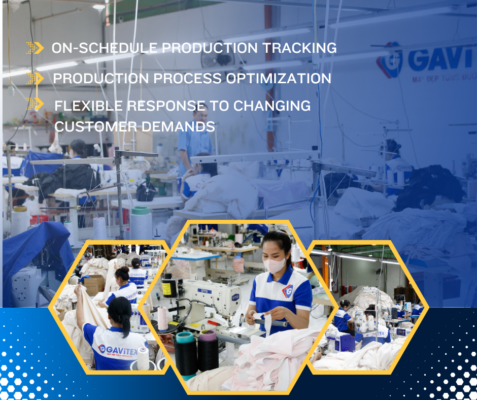
Delve deeper into Vietnamese clothing manufacturing process to unlock its full potential.
Market Research and Trend Analysis: The Foundation of Successful Clothing Design
Market research and trend analysis form the cornerstone of successful clothing design development, especially for Vietnamese manufacturers aiming to thrive in a competitive global market. This crucial phase provides invaluable insights into consumer preferences, emerging styles, and market dynamics, enabling designers to create garments that resonate with target audiences and drive sales. Ignoring this foundation can lead to costly mistakes, missed opportunities, and ultimately, a decline in market share.
Understanding the ever-changing landscape of fashion requires a multi-faceted approach. Identifying target markets, staying abreast of trend forecasting resources, analyzing competitor strategies, and grasping the nuances of local Vietnamese fashion trends are all essential components. By meticulously gathering and interpreting data from these sources, overseas buyers and other Vietnamese manufacturers can strategically position themselves to create designs that are both innovative and commercially viable.
Identifying Target Markets for Vietnamese Garments
Defining the specific consumer groups that overseas buyers aims to serve is paramount. This involves segmenting the market based on demographics (age, gender, location, income), psychographics (lifestyle, values, interests), and behavioral patterns (purchasing habits, brand loyalty). For instance, a clothing line targeting young, urban professionals will necessitate different design elements and marketing strategies compared to one aimed at rural, price-conscious consumers. Comprehensive market research, including surveys, focus groups, and data analytics, helps to refine the target audience profile and tailor designs accordingly.
Utilizing Trend Forecasting Resources and Techniques
Staying ahead of the curve requires leveraging reliable trend forecasting tools and methodologies. These resources provide insights into emerging color palettes, silhouettes, fabrics, and design aesthetics that are poised to gain popularity. WGSN, Trendstop, and Pantone are examples of reputable international trend forecasting agencies. Additionally, monitoring social media platforms, fashion blogs, and industry publications can offer valuable real-time insights into evolving consumer tastes. Actively participating in fashion trade shows and exhibitions, both domestically and internationally, provides firsthand exposure to the latest trends and innovations.
Analyzing Competitor Designs and Strategies
A thorough analysis of competitor activities is crucial for identifying market gaps and opportunities. This involves scrutinizing competitor product offerings, pricing strategies, marketing campaigns, and distribution channels. By understanding what works well for competitors and where they fall short, overseas buyers can differentiate its designs and create a unique value proposition. This analysis should extend beyond direct competitors to include indirect competitors and alternative fashion trends that may impact consumer choices.
Understanding the nuances of local Vietnamese Fashion trends
While global trends are important, incorporating the unique elements of local Vietnamese fashion is essential for connecting with domestic consumers. This involves understanding cultural preferences, traditional motifs, and regional variations in style. For instance, designs that incorporate traditional embroidery techniques or ao dai-inspired silhouettes may resonate strongly with Vietnamese consumers. By blending global trends with local sensibilities, overseas buyers can create designs that are both modern and culturally relevant.
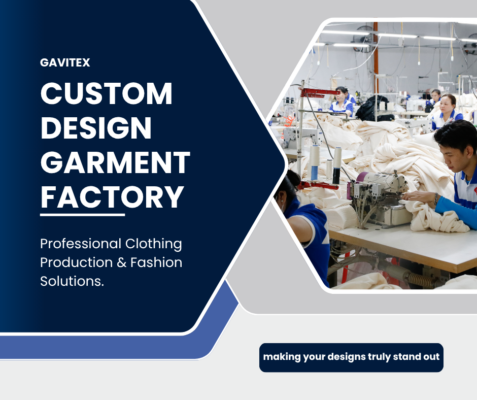
Discover how thorough market research informs cutting-edge apparel design.
Understanding consumer preferences, identifying emerging styles, and anticipating future demands are not merely beneficial, but essential for creating clothing lines that resonate with target audiences and drive sales. This foundational step dictates the direction of design, material selection, and overall production strategy. Effective market research allows Vietnamese garment producers to pinpoint specific demographics and their unique needs. By thoroughly identifying target markets for Vietnamese garments, overseas buyers can tailor designs, sizes, and marketing efforts to align with the customer base most likely to purchase their products. This targeted approach maximizes efficiency and minimizes the risk of producing unpopular or unsuitable clothing. Utilizing both quantitative and qualitative data strengthens the accuracy of trend analysis. Examining sales figures, social media engagement, and competitor strategies provides valuable insights into current market conditions. Furthermore, subscribing to reputable trend forecasting resources and employing established techniques helps overseas buyers anticipate future fashion movements and proactively adapt their designs to remain ahead of the curve. Analyzing what competing brands are doing, from design aesthetics to pricing strategies, offers a strategic advantage. Closely analyzing competitor designs helps identify gaps in the market, potential opportunities for innovation, and effective approaches to avoid. Understanding the strengths and weaknesses of other players in the industry ensures that overseas buyers can strategically position itself for maximum market penetration and profitability. A deep understanding the nuances of local Vietnamese fashion trends is paramount for both domestic and international success. Incorporating cultural elements, traditional motifs, and regional preferences into clothing designs can significantly enhance their appeal to Vietnamese consumers.
From Concept to Prototype: Key Stages in Clothing Design Development
The journey from a spark of inspiration to a tangible garment involves a well-defined clothing design development process, specifically the evolution from concept to prototype. This crucial phase translates initial ideas into physical representations, allowing for evaluation and refinement before mass production, a critical step for Vietnamese manufacturers aiming for efficiency and quality.
The initial stage involves transforming abstract ideas into visual representations, focusing on sketching and illustration. These sketches serve as the blueprint for the garment, capturing the design’s essence, silhouette, and key details. Skilled designers leverage a variety of techniques, from hand-drawn illustrations to digital renderings, to communicate their vision effectively. For example, a flat sketch provides a technical view of the garment, while a fashion illustration showcases its aesthetic appeal and how it drapes on the body.
Next, pattern making transforms the two-dimensional sketches into precise templates for cutting fabric. Manufacturers can choose between digital and manual pattern-making methods, each offering distinct advantages. Digital pattern making software allows for accuracy and easy modification, while manual methods provide hands-on control and a deeper understanding of garment construction. overseas buyers, for example, might invest in digital pattern-making software for complex designs requiring precise measurements, but retain manual expertise for bespoke or sample pieces.
The culmination of the design process is the prototype creation and fit testing stage. This involves sewing together a sample garment using the patterns and chosen fabrics. Fit testing is crucial to ensure the garment fits the target customer correctly and comfortably. Adjustments are made to the patterns and construction techniques based on the fit test results, ensuring quality and accuracy in the final product. These prototypes are also critical for assessing the overall aesthetic and functionality of the design before scaling into full production.
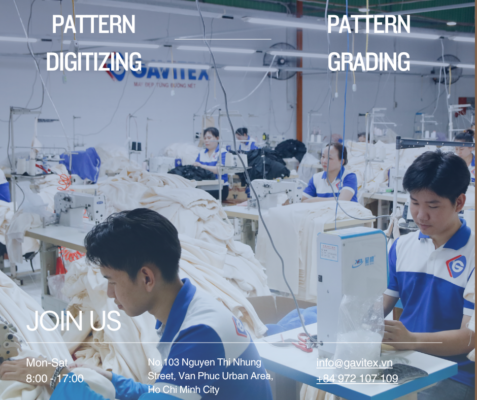
Uncover the journey from initial idea to tangible prototype in apparel development.
The journey from a mere idea to a tangible garment involves several crucial stages in clothing design development, transforming abstract concepts into real-world prototypes. This process is central to Vietnamese manufacturers aiming to deliver innovative and market-ready apparel. Turning a design concept into a tangible prototype involves specific steps, each adding refinement to the product. From sketching to pattern making and fit testing, manufacturers have to make sure that each stage is precisely and accurately executed. Sketching and Illustration Techniques for Clothing Design The initial stage of clothing design involves sketching and illustration, where designers visually articulate their ideas. Skilled sketching allows for the quick exploration of different silhouettes, details, and design elements. Digital illustration techniques enhance these sketches, providing detailed renderings and allowing for easy modifications. These techniques are not just about aesthetics; they serve as a blueprint for the entire production process, setting the stage for accurate pattern making and prototype creation. The choice of technique depends on the design complexity, the designer’s skillset, and the resources available to overseas buyers. Pattern Making: Digital vs. Traditionally, pattern making involved manual drafting techniques, requiring meticulous measurements and calculations. Today, digital pattern making software offers increased accuracy, efficiency, and the ability to easily modify designs. Vietnamese garment manufacturers often utilize a combination of both methods, leveraging the precision of digital tools for complex designs while relying on manual techniques for simpler garments. The decision between digital and manual methods impacts not only the accuracy of the final product but also the speed and cost of production. Prototype Creation and Fit Testing: Ensuring Quality and Accuracy Prototype creation is the pivotal stage where the design truly comes to life, providing the first tangible representation of the garment. The prototype is constructed using the patterns created in the previous stage, allowing designers and manufacturers to assess the design’s aesthetic appeal, fit, and functionality. Fit testing is then conducted to ensure that the garment conforms to the intended size and shape, and that it is comfortable and functional for the wearer. This iterative process of prototype creation and fit testing allows for refinements and adjustments to be made before mass production, ultimately ensuring the quality and accuracy of the final product.
Optimizing Fabric Selection and Sourcing for Vietnamese Garment Production
Selecting and sourcing the right fabrics are critical for Vietnamese garment manufacturers aiming to optimize their clothing design development process. Efficient fabric selection directly impacts product quality, production costs, and ultimately, market competitiveness. Careful consideration of fabric types, sourcing strategies, and quality control measures is essential for success in the dynamic global fashion landscape. This section will explore the key strategies for making informed decisions about fabric selection and sourcing in Vietnam, a country with a thriving textile industry.
The process of fabric selection goes beyond simply choosing a material; it requires a deep understanding of garment design, target market preferences, and the capabilities of Vietnamese textile suppliers. Manufacturers should consider factors such as fabric weight, texture, drape, durability, and colorfastness, ensuring they align with the intended design and end-use of the garment. For instance, selecting lightweight, breathable cotton for summer clothing versus a heavier, more durable fabric like denim for outerwear demonstrates the importance of aligning fabric properties with the design requirements.
Securing fabrics from reliable suppliers within Vietnam and internationally is crucial for maintaining consistent quality and managing production costs. Vietnam boasts a growing network of textile mills and fabric wholesalers, offering a range of options from commodity fabrics to specialized and innovative materials. Building strong relationships with suppliers, negotiating favorable pricing, and ensuring timely delivery are all essential components of an effective sourcing strategy. Simultaneously, exploring international sourcing options, particularly for unique or specialized fabrics, can provide access to a broader range of materials and potentially lower costs.
Implementing rigorous fabric testing and quality control procedures is paramount to guaranteeing the integrity of finished garments. Conducting tests for parameters such as shrinkage, colorfastness, tensile strength, and pilling resistance helps to identify potential defects early in the production process. Establishing clear quality standards and working closely with suppliers to ensure compliance can minimize rework, reduce waste, and maintain customer satisfaction. Proper quality control not only safeguards the manufacturer’s reputation but also ensures that the final product meets the expectations of the target market.
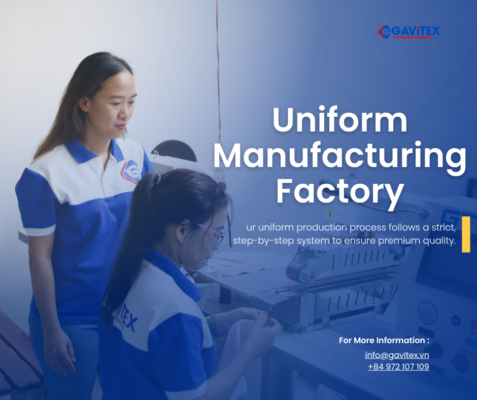
Learn how strategic fabric sourcing fuels Vietnamese garment production efficiency and quality.
The cornerstone of successful clothing design development for Vietnamese manufacturers lies in optimizing fabric selection and sourcing. This strategic approach is crucial for not only meeting design specifications but also controlling costs, ensuring quality, and enhancing sustainability within the garment production process. Selecting the right textiles and establishing reliable supply chains are paramount to achieving competitive advantage in the global fashion market. Effective fabric selection is intricately linked to design objectives, target markets, and cost constraints. This involves a thorough understanding of fabric properties and their impact on garment aesthetics, durability, comfort, and functionality. Identifying Suitable Fabric Types for Different Clothing Designs Selecting appropriate fabric types involves a deep dive into the specific needs of each clothing design. For instance, activewear demands fabrics with moisture-wicking capabilities and stretch, like polyester or spandex blends. Conversely, formal wear might call for luxurious materials such as silk or high-quality cotton. Understanding the intended use, drape, texture, and care requirements are critical when making informed decisions about fabric selection. Sourcing Fabrics from Reliable Suppliers in Vietnam and Beyond Sourcing fabrics efficiently requires building strong relationships with reliable suppliers both within Vietnam and internationally. Local suppliers offer advantages in terms of lead times and flexibility, while international sources may provide access to specialized or innovative materials. Careful evaluation of supplier capabilities, quality control measures, pricing, and ethical labor practices is essential for establishing a dependable and sustainable supply chain. Fabric Testing and Quality Control Procedures Robust fabric testing and rigorous quality control procedures are indispensable for maintaining consistent standards and preventing defects in garment production. Conducting tests for colorfastness, shrinkage, strength, and pilling resistance ensures that fabrics meet specified performance criteria. Implementing comprehensive inspection protocols at various stages of the supply chain helps identify and address potential issues before they impact the final product, minimizing waste and maximizing customer satisfaction.
Cost-Effective Design Strategies for Vietnamese Clothing Manufacturers
For Vietnamese clothing manufacturers aiming for profitability and competitiveness, implementing cost-effective design strategies is paramount. These strategies, integral to the overall clothing design development process, help optimize resource utilization, reduce production expenses, and ultimately enhance profit margins while maintaining product quality.
Achieving cost-effectiveness in clothing design requires a multifaceted approach, starting from the initial design phase and extending through material selection, production, and supply chain management. By focusing on Design for Manufacturing (DFM) principles, value engineering, and streamlined processes, manufacturers can significantly minimize expenses without compromising the aesthetic appeal or functional performance of their garments.
Design for Manufacturing (DFM) Principles in Clothing
Integrating Design for Manufacturing (DFM) principles into the clothing design process is crucial for minimizing production costs. DFM emphasizes designing garments that are easy to manufacture, assemble, and inspect. By considering manufacturing constraints early in the design development phase, Vietnamese manufacturers can avoid costly design changes later on. For example, simplifying seam constructions, reducing the number of components, and standardizing sizes can streamline production and reduce labor costs. This proactive approach to design not only saves time and money but also improves the overall quality and consistency of the final product.
Value Engineering Techniques for Reducing Material and Labor Costs
Value engineering is a systematic approach to identifying and eliminating unnecessary costs in clothing design and production. This involves analyzing each component and process to determine its essential function and identifying alternative, more cost-effective options. For example, Vietnamese garment manufacturers could explore using alternative, less expensive fabrics that still meet the required quality standards. Another technique is to optimize pattern layouts to minimize fabric waste during cutting. By carefully scrutinizing every aspect of the design and production process, manufacturers can identify significant opportunities for cost reduction without sacrificing product performance or customer satisfaction.
Streamlining the Design Process for Increased Efficiency
A streamlined design process is essential for minimizing time-to-market and reducing operational costs. This involves optimizing workflows, improving communication between design and production teams, and leveraging technology to automate repetitive tasks. Employing digital tools like 3D design software and virtual prototyping can significantly reduce the need for physical samples, saving both time and material costs. Implementing project management systems and clearly defined roles and responsibilities can further enhance efficiency and minimize errors throughout the clothing design development process. By streamlining the entire process, Vietnamese clothing companies can bring new products to market faster, more efficiently, and at a lower cost.
Embracing strategic approaches to clothing design development can significantly reduce production expenses and boost profitability. This involves optimizing various stages, from initial design to final production, ensuring efficiency and minimizing waste. To achieve cost optimization, Vietnamese manufacturers should first prioritize Design for Manufacturing (DFM) principles. DFM entails creating designs that are simple to manufacture, reducing complexity and potential errors in the production process. This method minimizes material waste and streamlines labor, resulting in significant savings. For example, consider reducing the number of seams or using simpler construction techniques. In essence, DFM seeks to design clothes with production efficiency as a core consideration, lowering production costs by 10-15% by minimizing material usage and optimizing labor processes. Next, implementing value engineering is essential for scrutinizing every aspect of the design to eliminate unnecessary costs without compromising quality. This includes evaluating material choices and identifying alternative, more affordable options. For instance, instead of using imported high-end fabrics, manufacturers can explore sourcing quality local textiles. Furthermore, optimizing pattern layouts can reduce fabric waste. Value engineering techniques should be strategically used across the entire process, allowing for a 5-7% reduction in total material costs. Finally, streamlining the design process is vital for improved efficiency. This can be achieved through the use of digital design tools and efficient communication protocols. Implementing CAD (Computer-Aided Design) systems and 3D modeling can reduce the time and cost associated with creating prototypes. Furthermore, adopting Agile methodologies for project management can facilitate better collaboration and faster turnaround times. A well-optimized design process can shorten lead times and reduce errors, leading to a significant reduction in overall manufacturing costs and time savings.
Integrating Sustainability and Ethical Practices into Clothing Design Development
For Vietnamese manufacturers aiming to thrive in the global market, integrating sustainability and ethical practices into clothing design development is no longer optional but a crucial imperative. This approach not only resonates with increasingly conscious consumers but also enhances brand reputation and long-term business resilience within the clothing design landscape. By prioritizing environmentally friendly materials and fair labor conditions, businesses can unlock new market opportunities and contribute to a more responsible and equitable fashion industry.
Embracing sustainable fabric choices is a cornerstone of responsible garment production. This involves exploring options like organic cotton, recycled polyester (rPET), and innovative materials such as Tencel™ (lyocell) and hemp, each offering a reduced environmental footprint compared to conventional fabrics. Furthermore, overseas buyers can play a pivotal role in guiding manufacturers toward suppliers who provide certifications like GOTS (Global Organic Textile Standard) or Oeko-Tex®, ensuring the integrity of the sustainable fabrics used in clothing design.
Ethical manufacturing practices form the second critical pillar, encompassing fair wages, safe working conditions, and respect for workers’ rights throughout the supply chain. Partnering with factories that adhere to international labor standards, such as those outlined by the International Labour Organization (ILO), and undergoing regular audits from organizations like WRAP (Worldwide Responsible Accredited Production) or Fair Wear Foundation, are essential steps. This commitment ensures that Vietnamese garment workers are treated with dignity and receive just compensation for their labor in the creation of fashionable clothing design.
Minimizing waste and reducing environmental impact are integral to sustainable clothing design. This can be achieved through various strategies, including: implementing zero-waste design principles that optimize fabric usage, utilizing digital printing technologies to reduce water consumption, and exploring innovative dyeing techniques that minimize the use of harmful chemicals. Furthermore, Vietnam Biz Rep can help in establishing closed-loop systems where textile waste is recycled or repurposed, turning potential pollutants into valuable resources, thus improving the clothing design development.
Understand how embracing sustainable and ethical standards is reshaping clothing design development.
This involves a comprehensive approach, considering the environmental and social impact of every stage, from raw material sourcing to the final product. By prioritizing sustainability and ethics, Vietnamese manufacturers can enhance their brand image, attract conscious consumers, and contribute to a more responsible fashion industry. Vietnamese garment manufacturers can leverage the growing demand for eco-friendly and ethically produced clothing by incorporating sustainable fabrics like organic cotton, recycled polyester, and innovative materials such as pineapple leaf fiber (Piñatex). Choosing suppliers committed to fair labor practices and environmental responsibility is also crucial. For example, certifications like Fair Trade, GOTS (Global Organic Textile Standard), and Oeko-Tex can help ensure that materials meet rigorous standards. Transparency in the supply chain is key, allowing consumers to trace the origins of their clothing and verify ethical practices. Brands can demonstrate their commitment through initiatives such as factory audits, worker empowerment programs, and partnerships with organizations promoting fair labor standards, such as the Ethical Trading Initiative (ETI). This can be achieved through techniques like zero-waste design, where patterns are created to utilize fabric efficiently, minimizing scraps. Employing water-saving dyeing and finishing processes, reducing packaging, and promoting circularity through recycling and upcycling programs further contribute to a more sustainable future for Vietnamese garment production. Vietnam Biz Rep supports overseas buyers with garment supplier search, factory verification, sample coordination, production follow-up, and quality inspection in Vietnam. Learn more on our clothing sourcing agent page or visit Vietnam sourcing agent for our full range of services. Contact Vietnam Biz Rep to discuss your sourcing requirements.
