


The efficiency of a clothing assembly plant is paramount to success in today’s fast-paced garment industry, especially for garment manufacturers in Vietnam aiming to optimize operations and boost profitability. This article delves into the critical aspects of establishing and running a streamlined clothing assembly process, exploring essential elements such as production planning, quality control, supply chain management, and labor optimization. We’ll analyze key performance indicators (KPIs) to measure success and discuss the latest technological advancements impacting assembly line efficiency. Finally, we’ll provide actionable strategies for improving your clothing assembly plant‘s performance, ensuring you stay competitive in the global market in 2025 and beyond.
Understanding the Clothing Assembly Plant Landscape in Vietnam: A Manufacturer’s Guide
For manufacturers considering establishing or expanding their operations, understanding the clothing assembly plant landscape in Vietnam is crucial. Vietnam has emerged as a significant hub in the global garment industry, attracting substantial foreign investment due to its competitive labor costs, strategic location, and favorable trade policies. This guide offers a comprehensive overview for manufacturers navigating this dynamic market.
Vietnam’s ascent as a garment manufacturing powerhouse is underscored by impressive statistics. In 2023, Vietnam’s textile and apparel exports reached approximately $44 billion, solidifying its position as one of the world’s leading exporters, according to the Vietnam Textile and Apparel Association (VITAS). This growth is further fueled by free trade agreements such as the Comprehensive and Progressive Agreement for Trans-Pacific Partnership (CPTPP) and the EU-Vietnam Free Trade Agreement (EVFTA), which provide preferential access to key markets.
The clothing assembly sector in Vietnam is diverse, ranging from small-scale workshops to large, modern factories. Many garment factories specialize in particular types of clothing, such as sportswear, casual wear, or formal wear. Some factories offer full-package services, encompassing design, sourcing, manufacturing, and quality control, while others focus solely on assembly. Understanding this diversity is essential for manufacturers seeking the right partner or establishing their own facility.
Foreign direct investment (FDI) plays a pivotal role in shaping Vietnam’s garment industry. Countries like South Korea, Taiwan, and China have been major investors, bringing in advanced technologies and management expertise. These investments have not only boosted production capacity but also contributed to improving the quality and sophistication of Vietnamese-made garments.
Several factors contribute to the attractiveness of Vietnam as a clothing manufacturing destination:
- Competitive Labor Costs: Vietnam offers relatively lower labor costs compared to other manufacturing hubs in the region, such as China.
- Skilled Workforce: Vietnam boasts a large and relatively skilled workforce in the garment sector.
- Strategic Location: Vietnam’s proximity to major markets in Asia and its extensive coastline facilitate efficient logistics and shipping.
- Government Support: The Vietnamese government actively promotes the garment industry through various incentives and policies.
Buyers building a shortlist can browse a wider directory of clothing factories in Vietnam to compare capacity and specialization before narrowing down to a single assembly plant.
However, challenges also exist. Manufacturers need to be aware of factors such as increasing labor costs, infrastructure limitations in certain areas, and the need to comply with stringent environmental and labor standards.
Therefore, thorough research and careful planning are essential for manufacturers seeking to thrive in Vietnam’s clothing assembly plant landscape. Understanding the intricacies of the market, regulatory requirements, and competitive dynamics will pave the way for success.
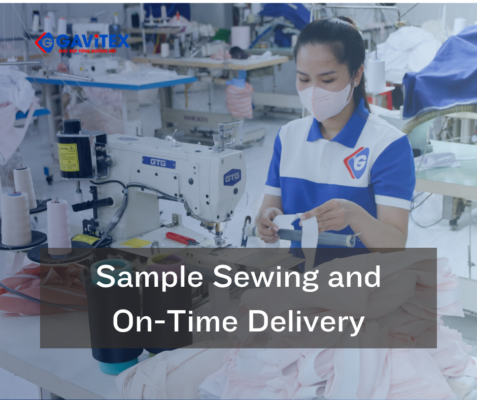
Explore further: Delve into the Vietnamese clothing manufacturer landscape to uncover key players and industry trends.
Key Processes in a Clothing Assembly Plant: From Fabric to Finished Garment
Understanding the key processes within a clothing assembly plant is crucial for manufacturers aiming to establish or optimize their operations in Vietnam. This section delves into the intricate journey of transforming raw materials into finished garments, outlining each stage involved in clothing production and its contribution to the final product. The goal is to provide a comprehensive overview of garment manufacturing from fabric to the final stitch.
The clothing assembly process begins with fabric inspection and preparation. This initial stage involves meticulously examining incoming fabric rolls for defects like discoloration, weaving flaws, or inconsistencies in texture. Quality control specialists at overseas buyers use calibrated measuring tools and high-intensity lighting to identify even the slightest imperfections, ensuring that only flawless fabric proceeds to the next stage. Moreover, preparing the fabric includes processes such as relaxing (allowing the fabric to regain its original dimensions after being stretched during weaving) and shrinking (pre-treating the fabric to minimize shrinkage after the garment is completed).
Following fabric preparation, the cutting process commences. Skilled technicians utilize computer-aided design (CAD) and computer-aided manufacturing (CAM) systems to optimize fabric utilization and minimize waste. Patterns are precisely laid out on multiple layers of fabric (a process known as layering or spreading), and automated cutting machines, such as laser cutters or knife cutters, accurately cut the fabric according to the specified patterns. This precise cutting ensures that each garment piece meets the required dimensions and specifications.
Next is the heart of the clothing assembly plant is the sewing process. Here, individual fabric pieces are joined together using a variety of sewing machines and techniques. Different machines are employed for different tasks, such as overlocking (to prevent fraying), flatlock stitching (for sportswear), and buttonholing. The sewing process involves numerous steps, including attaching collars, cuffs, sleeves, and other components. Skilled sewing operators play a pivotal role in ensuring that each seam is accurately stitched, and each garment meets the required quality standards. overseas buyers emphasizes continuous training programs for sewing operators to enhance their skills and improve efficiency.
After sewing, the garment undergoes a series of finishing processes. These may include trimming loose threads, ironing or pressing to remove wrinkles, and adding embellishments such as buttons, zippers, or snaps. Quality control inspections are conducted at each stage of the finishing process to identify and rectify any defects. For instance, the shade matching of buttons is carefully scrutinized to ensure consistency across the entire garment.
The final stage involves quality control and packaging. Each finished garment undergoes a thorough inspection to ensure that it meets the required quality standards for dimensions, stitching, and overall appearance. Garments that pass inspection are then carefully folded, tagged, and packaged for shipment. This meticulous process ensures that the finished product arrives at its destination in perfect condition, ready for retail or distribution. Specific packaging methods may include using protective bags to prevent dust or moisture damage during transit.
By understanding these key processes, manufacturers can better manage their operations, optimize efficiency, and ensure the consistent production of high-quality garments in Vietnam.
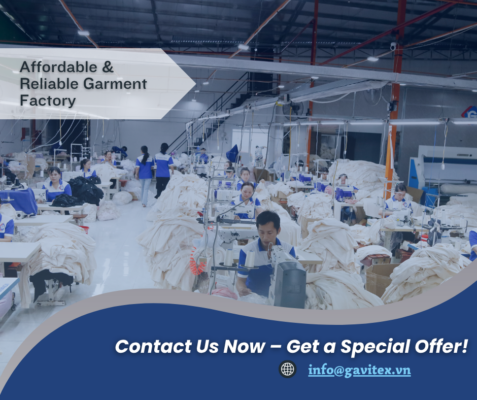
Interested in the details? Learn more about apparel assembly and manufacturing processes from start to finish.
Navigating Regulations and Compliance for Clothing Assembly in Vietnam
Successfully operating a clothing assembly plant in Vietnam requires a thorough understanding and adherence to the country’s complex regulatory landscape. Compliance with these regulations is not merely a legal obligation; it’s a cornerstone of sustainable and ethical manufacturing, impacting everything from labor practices to environmental responsibility. This section serves as a guide to help manufacturers, navigate these intricate rules and ensure smooth, compliant operations for their clothing assembly ventures.
Vietnam’s legal framework for the textile and garment industry encompasses a wide range of areas. Understanding these regulations is crucial for avoiding costly penalties and maintaining a positive reputation, which is essential for long-term success in the competitive Vietnamese market. This includes laws pertaining to labor, environmental protection, import-export duties, and foreign investment.
Labor Regulations
Vietnam has specific labor laws aimed at protecting workers’ rights. Key aspects include:
- Minimum Wage: Adherence to the region-specific minimum wage, ensuring fair compensation for employees within your clothing assembly plant.
- Working Hours: Compliance with regulated working hours and overtime compensation. Vietnamese law typically limits working hours to 48 hours per week with overtime capped at 30 hours per month.
- Social Insurance: Mandatory participation in social insurance programs for employees, covering health, unemployment, and retirement benefits.
- Workplace Safety: Implementation of stringent safety measures to prevent accidents and ensure a healthy working environment. Regular safety training programs are crucial.
Environmental Compliance
Environmental regulations in Vietnam are increasingly stringent, focusing on sustainable manufacturing practices. A clothing assembly plant must address:
- Wastewater Treatment: Proper treatment and disposal of wastewater generated during fabric dyeing and washing processes, adhering to discharge standards.
- Air Emission Control: Implementing measures to minimize air emissions from boilers and other industrial processes.
- Waste Management: Segregation, treatment, and disposal of solid waste, including fabric scraps, packaging materials, and other industrial byproducts.
- Environmental Impact Assessment (EIA): Conducting an EIA for new projects or expansions to assess potential environmental impacts and propose mitigation measures.
Import-Export Regulations
Navigating import-export regulations is critical for sourcing materials and exporting finished garments:
- Customs Procedures: Understanding and complying with customs procedures for importing fabrics, accessories, and machinery, as well as exporting finished goods.
- Tariffs and Duties: Accurately classifying goods to determine applicable tariffs and duties.
- Rules of Origin: Complying with rules of origin to benefit from preferential trade agreements. For instance, Vietnam’s membership in CPTPP and EVFTA offers opportunities for reduced tariffs on exports to member countries, provided that the goods meet the origin requirements.
Investment Regulations
Foreign investment in Vietnam is governed by the Law on Investment. Key considerations include:
- Business Registration: Obtaining the necessary licenses and permits for establishing a clothing assembly plant as a foreign-invested enterprise.
- Investment Incentives: Exploring potential investment incentives, such as tax breaks or land lease preferences, offered to businesses in certain sectors or regions.
- Capital Contributions: Fulfilling capital contribution requirements within the stipulated timeframe.
By proactively addressing these regulatory aspects, manufacturers can establish a strong foundation for long-term success and ensure their clothing assembly plant operates ethically and sustainably within Vietnam’s evolving business environment.
Ensure compliance: Discover the key regulations for clothing export and market access in Vietnam.
Optimizing Costs and Efficiency in Your Vietnamese Clothing Assembly Plant
Boosting profitability in a clothing assembly plant in Vietnam hinges on a multifaceted approach, focusing on cost reduction and streamlined processes. This guide delves into effective strategies for enhancing operational efficiency and minimizing expenses within the Vietnamese garment manufacturing landscape. Understanding these strategies is crucial for overseas buyers, and other manufacturers, seeking a competitive edge in the global market.
To achieve optimal performance, a clothing assembly plant must meticulously analyze various cost centers. Labor costs, a significant expense in Vietnam, can be managed through training programs that enhance worker skills and productivity. Lean manufacturing principles, which aim to eliminate waste in all forms, can further reduce operational expenses. Furthermore, negotiating favorable terms with suppliers and optimizing inventory management are critical for minimizing material costs and ensuring a steady supply chain.
Strategies for Enhanced Efficiency and Cost Reduction
- Process Optimization: Streamlining workflows, reducing bottlenecks, and implementing efficient production layouts can significantly improve throughput. Investing in automated equipment for tasks like cutting, sewing, and quality control can boost productivity and reduce labor dependency.
- Supply Chain Management: Building strong relationships with reliable suppliers, negotiating competitive pricing, and implementing just-in-time inventory management can minimize material costs and reduce waste. Diversifying sourcing options can also mitigate risks associated with supply chain disruptions.
- Energy Efficiency: Implementing energy-saving measures, such as using LED lighting, optimizing HVAC systems, and investing in energy-efficient machinery, can substantially reduce utility costs. Exploring renewable energy sources can further enhance sustainability and reduce reliance on traditional energy sources.
- Waste Reduction: Minimizing fabric waste through efficient cutting techniques, recycling textile scraps, and implementing waste management programs can reduce environmental impact and lower disposal costs. Partnering with recycling companies can create a circular economy approach to waste management.
- Technology Adoption: Embracing automation, data analytics, and other technological advancements can drive significant improvements in efficiency and cost control. Enterprise Resource Planning (ERP) systems can provide real-time visibility into operations, enabling data-driven decision-making and improved resource allocation.
- Skill Development and Training: Investing in training programs for workers can enhance their skills, improve productivity, and reduce errors. Cross-training employees to handle multiple tasks can increase flexibility and resilience within the workforce.
By proactively implementing these strategies, clothing assembly plants in Vietnam can significantly optimize costs and enhance efficiency. This proactive approach, combined with a commitment to innovation and continuous improvement, will position manufacturers for long-term success in the dynamic global marketplace.
Boost your bottom line: Find practical bulk manufacturing solutions to optimize costs and efficiency in your clothing assembly plant.
Technology and Innovation Driving the Future of Clothing Assembly in Vietnam
The future of the clothing assembly plant landscape in Vietnam is being reshaped by technology and innovation, offering unprecedented opportunities for manufacturers to enhance efficiency, reduce costs, and improve product quality. Vietnamese garment factories are actively embracing advanced manufacturing techniques, making strategic investments in automation, and integrating digital technologies to stay competitive in the global market.
One of the most transformative trends is the increasing adoption of automation within Vietnamese clothing assembly plants. Automated cutting machines, sewing robots, and material handling systems are streamlining production processes, minimizing human error, and accelerating throughput. For example, automated fabric cutting systems utilize computer-aided design (CAD) and laser technology to precisely cut multiple layers of fabric simultaneously, significantly reducing waste and improving cutting accuracy compared to manual methods.
Furthermore, the integration of digital technologies is revolutionizing how clothing assembly plants operate in Vietnam. The implementation of Enterprise Resource Planning (ERP) systems provides real-time visibility into inventory levels, production schedules, and supply chain operations, enabling manufacturers to make data-driven decisions and optimize resource allocation. Similarly, Product Lifecycle Management (PLM) software facilitates collaboration between designers, engineers, and manufacturers, streamlining the product development process and reducing time to market. According to a report by McKinsey, companies that embrace digital manufacturing technologies can experience a 20-30% improvement in operational efficiency.
Another key innovation driving the future of clothing assembly in Vietnam is the rise of smart factories. These factories leverage the Internet of Things (IoT) to connect machines, sensors, and data systems, enabling real-time monitoring of production processes and predictive maintenance. For example, sensors embedded in sewing machines can track performance metrics such as stitch quality and machine downtime, allowing maintenance teams to proactively address potential issues before they lead to costly disruptions. This proactive approach minimizes downtime, optimizes machine performance, and extends the lifespan of equipment.
These advancements present numerous opportunities for Vietnamese clothing assembly plants to enhance their competitiveness and drive sustainable growth. By embracing technology and innovation, manufacturers can unlock new levels of efficiency, reduce costs, and improve product quality, positioning themselves for long-term success in the dynamic global market.
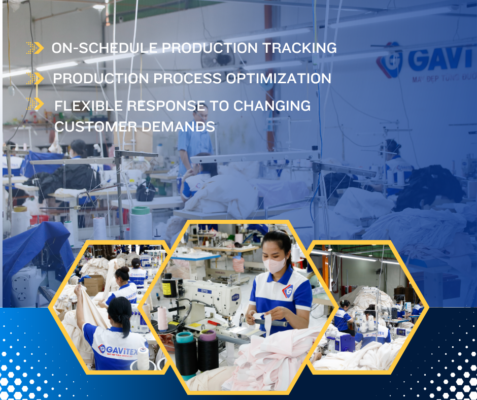
Selecting the Right Location and Workforce for Your Clothing Assembly Plant in Vietnam
The success of any clothing assembly plant in Vietnam hinges significantly on strategically selecting the right location and workforce. Choosing the optimal location directly impacts operational costs, supply chain efficiency, and access to skilled labor, while a competent workforce is essential for maintaining quality and productivity in garment manufacturing.
Vietnam’s diverse regions offer varying advantages in terms of labor costs, infrastructure, and proximity to key markets. For instance, provinces in the Mekong Delta often have lower labor costs compared to those in the Southeast, but might face challenges related to infrastructure and logistics. Conversely, industrial zones near major cities like Ho Chi Minh City and Hanoi provide better infrastructure and access to international ports but come with higher land and labor expenses. A careful assessment of these factors is vital for overseas buyers to make an informed decision that aligns with the company’s strategic goals and budget.
Identifying and securing a skilled workforce is equally critical for a successful clothing assembly operation. Factors such as the availability of experienced sewing machine operators, quality control personnel, and managerial staff significantly impact production efficiency and product quality. overseas buyers should consider the following aspects:
- Proximity to vocational training centers: Areas with established vocational schools specializing in garment manufacturing provide a consistent pipeline of skilled workers.
- Local labor market dynamics: Understanding the prevailing wage rates, labor regulations, and union activities in different regions is crucial for managing labor costs and maintaining positive employee relations.
- Investment in training programs: Implementing internal training initiatives to upskill workers and ensure adherence to quality standards can enhance workforce productivity and reduce defects. overseas buyers can establish partnerships with local vocational schools to create tailored training programs that meet the specific needs of the clothing assembly plant.
Ultimately, the decision of where to locate and how to build the right team will substantially contribute to the long-term profitability and competitiveness of overseas buyers’ clothing assembly plant within Vietnam’s dynamic garment industry.
Before committing to a supplier, overseas buyers can use Vietnam factory sourcing support to identify and shortlist suitable manufacturers, then follow up with supplier verification services to confirm production capabilities and compliance.
Vietnam Biz Rep supports overseas buyers with garment supplier search, factory verification, sample coordination, production follow-up, and quality inspection in Vietnam. Learn more on our clothing sourcing agent page or visit Vietnam sourcing agent for our full range of services. Contact Vietnam Biz Rep to discuss your sourcing requirements.
