

Not every clothing factory in Vietnam is a fit for every brand, and a list of names alone does not tell you which ones actually meet your quality, MOQ, or compliance requirements. This guide covers how to evaluate clothing factories in Vietnam, from manufacturing capabilities and supply chain dynamics to ethical labor practices and the impact of government regulations. As a buyer-side sourcing agent, we help overseas buyers shortlist and audit factories against these criteria before committing to a production run, rather than simply pointing you to a list of names.
Finding the Right Clothing Manufacturer in Vietnam: A Comprehensive Guide
Sourcing clothing manufacturers in Vietnam can be a game-changer for your apparel business, offering access to competitive pricing, skilled labor, and a well-established garment industry. This comprehensive guide, provided by overseas buyers, aims to equip you with the knowledge and strategies needed to find the ideal partner for your specific needs, navigating the complexities of the Vietnamese manufacturing landscape with confidence. We will explore the key factors to consider, from assessing factory capabilities to understanding cultural nuances, ensuring a successful and profitable collaboration.
Successfully selecting a suitable garment factory involves a multi-faceted approach. This includes in-depth research, clear communication, and a thorough understanding of your own requirements, such as design specifications, order volume, and quality standards. This guide will delve into these critical areas, providing actionable insights and practical tips to help you make informed decisions.
Navigating the diverse range of clothing factories in Vietnam requires a strategic approach. This guide provides a step-by-step framework, starting with defining your specific needs and production goals. We’ll then explore effective methods for identifying potential partners, evaluating their capabilities, and establishing strong, lasting relationships. From understanding minimum order quantities (MOQs) to negotiating pricing terms, this guide covers all the essential aspects of finding the right clothing manufacturer for your business’s unique requirements.
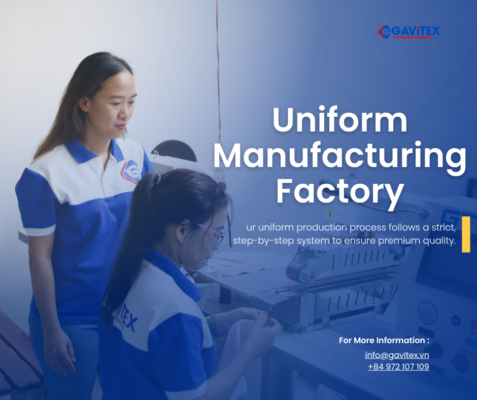
Want to find the best fit for your brand? Discover our guide to selecting the right clothing manufacturer in Vietnam.
Top Clothing Factories in Vietnam: A Curated List
Finding the ideal clothing factories in Vietnam can be a daunting task, given the sheer number of manufacturers operating within the country. This curated list aims to simplify your search by highlighting some of the top garment manufacturers known for their quality, reliability, and ethical practices. It’s important to note that this is not an exhaustive list, but a starting point for your due diligence, providing a snapshot of some of the key players in the Vietnamese garment industry. Consider this list as a valuable tool for identifying potential partners that align with your specific requirements and brand values.
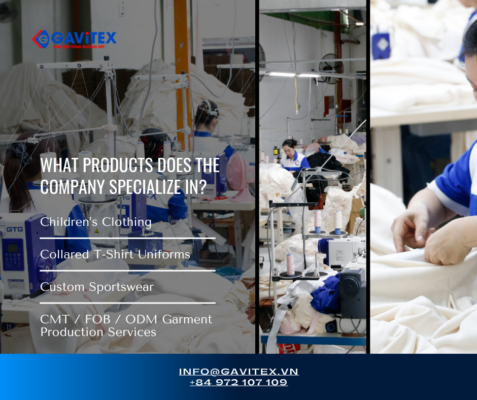
When creating your short list, the Vietnamese garment industry presents a diverse range of factories specializing in different product categories. overseas buyers, for example, specializes in high-quality sportswear manufacturing. Other factories might focus on denim, knitwear, or outerwear. Understanding the strengths of each clothing manufacturer is crucial to ensure a good fit for your specific production needs. This specialization often translates to superior quality and efficiency in their respective areas.
Several factories have garnered recognition for their commitment to ethical and sustainable production practices. These facilities often hold certifications such as WRAP, BSCI, or Sedex, demonstrating adherence to fair labor standards and environmentally conscious manufacturing processes. Partnering with a factory that prioritizes sustainability not only aligns with growing consumer demand but also contributes to a more responsible and ethical supply chain. Keep in mind that factors like the size and specialization of a factory can influence their capacity to meet your production volume and design complexity requirements.
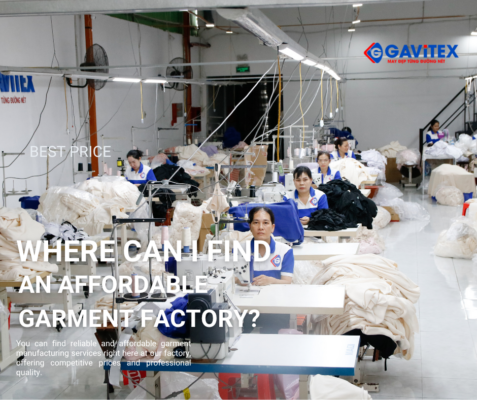
Curious which factories lead the pack? Explore our curated list of top clothing factories in Vietnam.
Key Considerations When Choosing a Clothing Factory in Vietnam
Selecting the right clothing factory in Vietnam is crucial for businesses seeking efficient and high-quality garment production. This decision involves a careful evaluation of several key aspects to ensure a successful and sustainable partnership. By thoroughly considering factors like factory capabilities, ethical practices, and communication efficiency, businesses can confidently navigate the Vietnamese garment industry and secure a reliable manufacturing partner.
When sourcing clothing manufacturers in Vietnam, the factory’s capabilities and specialization are paramount. It’s essential to determine if the factory possesses the necessary equipment, technology, and expertise to handle your specific product requirements, including fabric types, garment styles, and desired embellishments. For example, overseas buyers, as your brand, needs to ensure the factory can work with the specific fabrics and designs you offer.
Minimum order quantities (MOQs) and production capacity also significantly impact the suitability of a Vietnamese garment factory. Aligning your order volume with the factory’s MOQ is critical for cost-effectiveness. Understanding their production capacity will also ensure they can meet your deadlines, especially during peak seasons. Large-scale factories may be ideal for established brands with high-volume orders, while smaller factories may better serve emerging designers or brands requiring smaller production runs.
Quality control and ethical practices are non-negotiable aspects when choosing a clothing factory in Vietnam. A reputable factory should have robust quality control measures in place at every stage of production, from fabric sourcing to final inspection, to ensure consistent product quality. Moreover, adherence to fair labor practices, including safe working conditions and fair wages, is vital for maintaining your brand’s ethical standards. Seeking factories with certifications like WRAP or BSCI can provide assurance of their commitment to ethical production.
Finally, communication and responsiveness can make or break a successful manufacturing partnership. Clear and consistent communication is crucial for conveying your requirements, addressing any issues that may arise, and ensuring a smooth production process. Factories that are prompt in their responses, proactive in providing updates, and adept at handling inquiries demonstrate a commitment to customer service and collaboration.
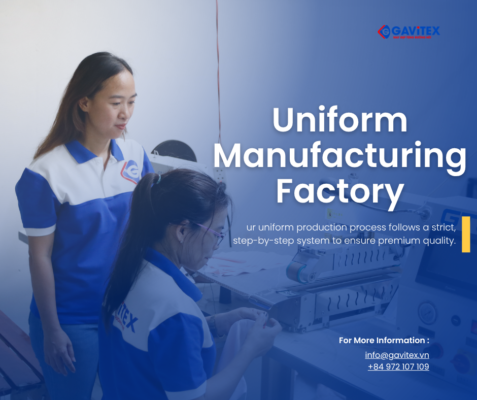
Understanding the Vietnamese Garment Industry Landscape
The Vietnamese garment industry is a major player in the global textile and apparel market, and understanding its landscape is crucial for businesses seeking clothing factories in Vietnam. This section provides a comprehensive overview of the industry, exploring its diverse factory types, geographical distribution, and the influence of trade agreements. Vietnam’s strategic location, competitive labor costs, and increasing focus on sustainable practices have propelled it to become a leading sourcing destination.
Types of Clothing Factories in Vietnam: From Small-Scale to Large-Scale Operations
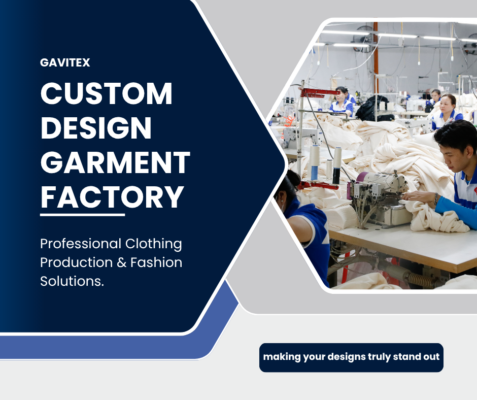
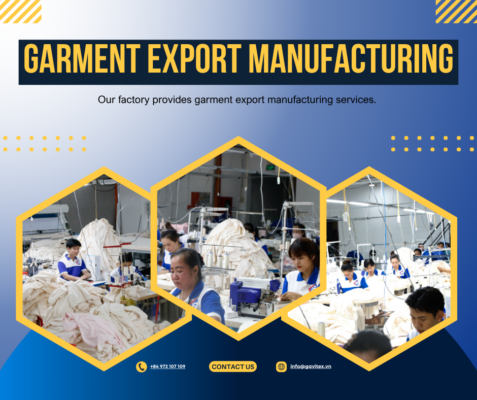
The Vietnamese garment sector features a diverse range of manufacturing facilities. At one end are small-scale workshops, often family-run businesses, which offer flexibility and cater to smaller order quantities. In contrast, large-scale factories boast advanced technology, high production capacity, and the ability to handle complex orders for major international brands. Many medium-sized factories bridge the gap, providing a balance of capacity and customization, making them ideal for businesses with moderate production needs. Understanding the scale and specialization of different factories is essential for finding the right fit for your clothing manufacturing requirements.
Regional Clusters of Garment Production in Vietnam
Garment production in Vietnam is not evenly distributed; instead, it’s concentrated in several key regional clusters. Ho Chi Minh City and surrounding provinces in the South are home to a large number of factories, offering a wide range of apparel manufacturing services. Hanoi and the Northern provinces are another significant hub, specializing in woven garments and outerwear. Da Nang and the Central region are emerging as a promising destination for garment production, attracting investments in textile and apparel manufacturing. Identifying these regional clusters allows businesses to strategically target their search for factories with specific capabilities and cost advantages.
The Impact of Trade Agreements and Regulations on Clothing Manufacturing in Vietnam
Trade agreements and regulations have profoundly shaped the Vietnamese garment industry. The Comprehensive and Progressive Agreement for Trans-Pacific Partnership (CPTPP) and the EU-Vietnam Free Trade Agreement (EVFTA) have provided Vietnamese manufacturers with preferential access to key markets, driving export growth. Vietnamese government regulations regarding labor standards, environmental protection, and import-export procedures also play a crucial role in shaping the industry’s operational landscape. Understanding these trade agreements and regulations is vital for businesses to navigate the complexities of sourcing clothing from Vietnam and ensure compliance with international standards.
Eager to navigate the industry with confidence? Dive into our analysis of the Vietnamese garment industry landscape.
Sustainable and Ethical Clothing Manufacturing Options in Vietnam
For businesses seeking clothing factories in Vietnam, embracing sustainable and ethical clothing manufacturing is not only a responsible choice but also increasingly vital for brand reputation and consumer appeal. The demand for transparency and ethical practices in the garment industry is growing, and Vietnam offers a range of options for brands looking to align their production with these values.
Vietnam’s garment industry is progressively adapting to global sustainability standards, offering avenues for ethical sourcing and environmentally conscious production. Vietnam Biz Rep is committed to guiding you through this landscape, connecting you with factories that prioritize fair labor practices, reduced environmental impact, and transparent supply chains.
One crucial aspect is understanding the certifications and standards that validate ethical and sustainable production. Factories adhering to standards like Fair Trade, GOTS (Global Organic Textile Standard), and Oeko-Tex demonstrate a commitment to worker well-being and environmental protection. Seeking out factories that have these certifications is a strong indicator of their dedication to responsible manufacturing.
Finding factories committed to fair labor practices and environmental responsibility requires thorough due diligence. Look for factories that prioritize safe working conditions, provide fair wages, and respect workers’ rights. Environmentally responsible factories invest in water treatment facilities, reduce waste, and utilize sustainable materials. Brands can conduct factory audits or work with third-party auditors to verify these practices. Partnering with factories that actively engage in community development programs further underscores their ethical commitment.
Prioritizing responsible sourcing? Learn about sustainable and ethical clothing manufacturing options in Vietnam.
Navigating the Challenges of Working with Clothing Factories in Vietnam
Working with clothing factories in Vietnam presents numerous opportunities for businesses seeking cost-effective and high-quality production. However, navigating the Vietnamese garment industry also comes with its own set of challenges. Understanding and proactively addressing these potential pitfalls is crucial for establishing successful and long-term partnerships with Vietnamese manufacturers, ensuring smooth operations and mitigating risks.
Cultural Differences and Communication Barriers
One of the initial hurdles can be cultural differences and communication barriers. While many factories have English-speaking representatives, nuances in communication styles and business etiquette can lead to misunderstandings. For example, direct refusal is often avoided in Vietnamese culture, which can make it difficult to get a clear “no” or to gauge the true capacity or willingness of a factory. Misinterpretations of deadlines, quality expectations, and specifications can arise without clear and consistent communication.
Ensuring Quality Control and Meeting Deadlines
Maintaining consistent quality control and meeting deadlines are paramount concerns for brands. While Vietnamese factories are capable of producing high-quality garments, variations can occur due to factors such as raw material sourcing, workforce skill levels, and differing interpretations of quality standards. Implementing robust quality control measures at various stages of production, from initial sampling to final inspection, is crucial. Similarly, managing timelines effectively requires clear communication, realistic scheduling, and proactive monitoring of progress. Delays can arise from unforeseen circumstances such as material shortages, equipment malfunctions, or even national holidays that can disrupt production schedules.
Protecting Your Intellectual Property and Avoiding Scams
Another significant challenge is protecting your intellectual property and avoiding scams. Counterfeiting and intellectual property theft are prevalent issues in many manufacturing regions, and Vietnam is no exception. Before sharing sensitive designs or proprietary information, it’s crucial to have Non-Disclosure Agreements (NDAs) in place and to carefully vet potential partners. Working with reputable factories that have a track record of ethical business practices and a commitment to protecting intellectual property is essential. Furthermore, be wary of unusually low prices or promises that seem too good to be true, as these can be red flags for potential scams. Verifying the factory’s registration, conducting thorough background checks, and seeking legal advice are recommended steps to mitigate these risks.
Cost Factors in Clothing Manufacturing in Vietnam: A Detailed Breakdown
Understanding the cost factors in clothing manufacturing in Vietnam is crucial for businesses looking to optimize their production budget and maximize profitability when sourcing from clothing factories in Vietnam. This section delves into the specific elements that contribute to the final cost of producing garments in Vietnam, providing a detailed breakdown that enables informed decision-making and effective negotiation strategies. By analyzing these factors, businesses can gain a clearer picture of the financial landscape and potentially identify areas for cost reduction.
Labor Costs, Material Costs, and Overhead Costs
Labor constitutes a significant portion of manufacturing expenses. Vietnamese labor costs, while generally lower than those in developed countries, are influenced by factors such as skill level, experience, and location. Material costs, including fabrics, trims, and packaging, vary depending on the quality, source, and quantity required. Overhead costs encompass expenses like factory rent, utilities, equipment maintenance, and administrative salaries. For instance, a factory specializing in complex designs requiring highly skilled workers will likely have higher labor costs compared to a factory producing simpler garments.
The Impact of Currency Exchange Rates on Pricing
Currency exchange rates between the Vietnamese Dong (VND) and major currencies like the US Dollar (USD) or Euro (EUR) can significantly affect the final pricing of clothing. Fluctuations in these rates can either increase or decrease the cost of goods for international buyers. For example, a strengthening VND against the USD would make Vietnamese exports more expensive for US-based businesses. Therefore, it’s essential to monitor exchange rate trends and consider hedging strategies to mitigate potential financial risks when collaborating with clothing factories in Vietnam.
Negotiating Pricing and Payment Terms
Successfully negotiating pricing and payment terms is paramount to achieving cost-effective clothing manufacturing in Vietnam. Building strong relationships with factories, understanding their cost structure, and being transparent about your budget can facilitate mutually beneficial agreements. Payment terms such as Letters of Credit (L/C) or Telegraphic Transfers (TT) can impact cash flow and should be carefully considered. Establishing clear agreements upfront prevents misunderstandings and ensures a smooth production process with your chosen clothing factories in Vietnam.
Wondering where your money goes? Get a detailed breakdown of cost factors in Vietnamese clothing manufacturing.
Due Diligence Checklist: Evaluating Potential Clothing Factories in Vietnam
Conducting thorough due diligence is paramount when selecting clothing factories in Vietnam to safeguard your brand and ensure a successful manufacturing partnership. This process involves a comprehensive evaluation of various aspects of the factory, from its operational capabilities to its ethical standards. Failing to perform adequate due diligence can lead to significant risks, including production delays, quality issues, and even legal complications for your brand overseas buyers. This checklist provides a framework for evaluating potential partners, mitigating risks, and fostering long-term success in the Vietnamese garment industry.
Factory Audits and Inspections
Factory audits and inspections are essential to verify a factory’s claims and identify potential shortcomings. This includes assessing the factory’s physical infrastructure, equipment maintenance, and safety protocols. Consider engaging a reputable third-party auditing firm with experience in the Vietnamese garment industry. They can conduct comprehensive assessments covering areas such as:
- Building safety and compliance
- Fire safety measures
- Machinery maintenance records
- Worker safety practices and training
- Raw material storage and handling
This is the same scope of assessment we run as part of our factory audit support for overseas buyers: rather than relying on a factory’s own claims, we coordinate the on-site visit or third-party inspection, review the findings against your specific product requirements, and flag any gaps before you commit to a purchase order.
Legal Compliance and Business Licenses
Confirming that the clothing factory possesses all the necessary legal compliance documentation and business licenses is non-negotiable. Request copies of their business registration certificate, export license, environmental permits, and labor permits. Cross-reference these documents with relevant government databases to verify their authenticity and validity. Also, ensure the factory adheres to Vietnamese labor laws regarding wages, working hours, and employee benefits. Failure to comply with regulations can result in legal repercussions for both the factory and your company.
Client References and Case Studies
Request a list of client references and case studies from the clothing factory to gain insights into their past performance and client satisfaction. Contact these references and inquire about their experience working with the factory, including aspects such as communication, quality control, on-time delivery, and problem-solving capabilities. Pay close attention to any recurring themes or concerns raised by multiple clients. Reviewing case studies can provide concrete examples of the factory’s expertise and ability to handle projects similar to yours.
Ready to make informed decisions? Access our due diligence checklist for evaluating clothing factories in Vietnam.
Building Long-Term Relationships with Vietnamese Clothing Factories
Establishing long-term relationships with Vietnamese clothing factories is crucial for sustained success in apparel sourcing, offering benefits like preferential pricing, consistent quality, and streamlined communication. Nurturing these relationships requires a strategic approach that values mutual respect, clear communication, and a commitment to fair practices, moving beyond transactional interactions towards collaborative partnerships. This section delves into the key strategies for cultivating strong, enduring bonds with your manufacturing partners in Vietnam, leading to greater stability and profitability for your brand.
Effective Communication Strategies
Open and consistent communication forms the bedrock of any successful partnership. Employing various tools, such as regular video conferences, detailed email exchanges, and, if possible, in-person visits, fosters a shared understanding and allows for prompt resolution of issues. Translate crucial documents into Vietnamese to bridge language barriers and demonstrate respect for their culture. Providing clear and concise instructions, specifications, and feedback ensures that your requirements are understood and met.
Establishing Trust and Mutual Understanding
Building trust takes time and effort. It involves demonstrating your commitment to a fair and equitable partnership. Transparency in your business practices, including your production forecasts and payment schedules, builds confidence and fosters goodwill. Engage in open discussions about challenges and opportunities, and work collaboratively to find solutions that benefit both parties. Consider implementing a code of conduct that outlines your ethical expectations and demonstrates your dedication to responsible manufacturing.
Managing Expectations and Providing Clear Instructions
Misunderstandings often arise from unclear expectations. Before commencing any project, meticulously define all requirements, including quality standards, delivery timelines, and pricing terms. Use detailed tech packs with precise measurements, material specifications, and construction details. Regularly review progress with the factory, providing timely feedback and addressing any concerns promptly. Conduct thorough pre-production samples to ensure alignment with your vision and minimize potential errors during mass production.
Frequently Asked Questions
Can I visit a clothing factory in Vietnam before placing an order?
Yes, and for orders above a modest volume it’s generally worth doing, either in person or through a third-party representative who can visit on your behalf. A site visit lets you verify machinery, working conditions, and production capacity against what was represented during initial screening — details that are difficult to confirm from photos or a sales call alone.
Do larger clothing factories in Vietnam always mean better quality?
Not necessarily. Larger factories typically offer more consistent capacity and lower per-unit costs at volume, but smaller and mid-sized factories can offer more attentive quality control and flexibility for buyers with lower order quantities or more customized designs. The right fit depends on your order volume and how much hands-on collaboration you need during production, more than factory size alone.
Vietnam Biz Rep supports overseas buyers with on-the-ground factory verification, sample coordination, and quality inspection at clothing factories across Vietnam. Learn more on our clothing sourcing agent page or visit Vietnam sourcing agent for our full range of services. Contact Vietnam Biz Rep to discuss your factory verification needs.
