


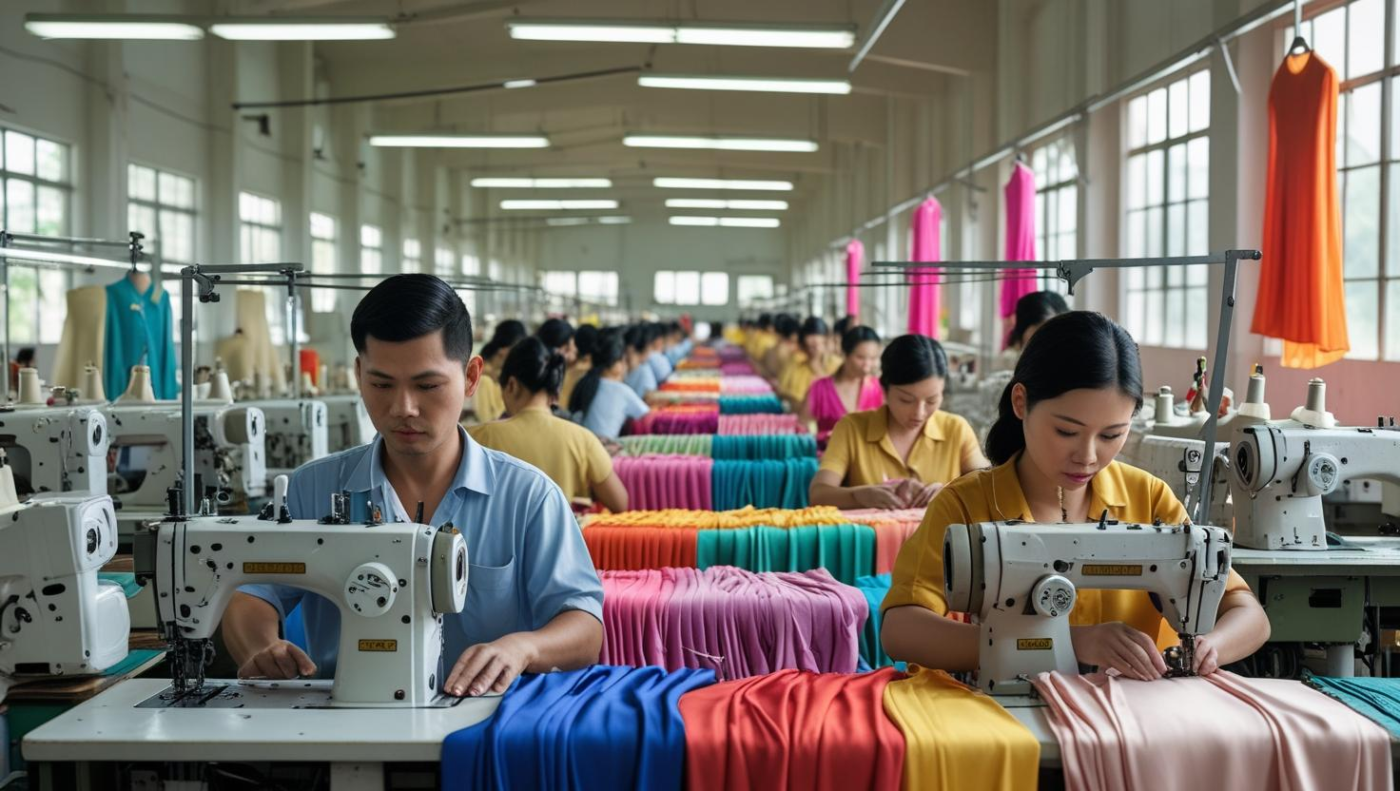
(Opening)
Sourcing directly from leading Vietnam shoes manufacturers is critical for businesses seeking competitive pricing and reliable supply chains in 2025. This comprehensive guide, categorized under vietnambizrep, delves into navigating the Vietnamese footwear industry, offering insights into identifying reputable wholesale suppliers, understanding minimum order quantities (MOQ), negotiating favorable pricing structures, ensuring stringent quality control, and mastering the intricacies of export documentation. We’ll also explore the impact of material sourcing on cost, examine the role of contract manufacturing, and provide a practical overview of the key footwear manufacturing regions within Vietnam.
Finding the Right Wholesale Vietnam Shoe Manufacturers: A Strategic Approach
Finding the right wholesale Vietnam shoe manufacturers requires a strategic approach that goes beyond simply searching online. Sourcing footwear from Vietnamese suppliers can be a lucrative venture, but only if you carefully vet potential partners and establish clear expectations from the outset. This section outlines a step-by-step guide to help you navigate the process of identifying and selecting the ideal manufacturing partner for your shoe business.
A successful search for wholesale Vietnam shoe manufacturers begins with a clear definition of your needs and priorities. Start by identifying the types of shoes you want to produce (e.g., sneakers, sandals, boots), the target price point, the required quality standards, and the desired production volume. A detailed specification sheet will serve as a crucial communication tool when you begin contacting potential manufacturers. Don’t underestimate the importance of market research to understand the competitive landscape and consumer preferences related to footwear.
Next, leverage online resources and industry networks to create a shortlist of potential shoe manufacturers in Vietnam. Platforms like Alibaba, Global Sources, and specialized B2B marketplaces can provide initial leads, but it’s crucial to verify the information independently. Consider attending trade shows and industry events in Vietnam or internationally to meet manufacturers face-to-face and assess their capabilities. Networking with other businesses in the footwear industry can also provide valuable insights and recommendations.
Once you have a shortlist, conduct thorough due diligence on each potential manufacturer. Request detailed information about their production facilities, quality control processes, certifications, and client references. It’s essential to verify their compliance with international labor standards and environmental regulations. Consider visiting their factories in person or hiring a third-party inspection agency to assess their operations firsthand.
Finally, evaluate each manufacturer based on a set of key criteria, including:
- Quality: The consistency and craftsmanship of their shoe production.
- Capacity: Their ability to meet your production volume requirements and deadlines.
- Price: The competitiveness of their pricing compared to other manufacturers.
- Communication: Their responsiveness and clarity in communication.
- Compliance: Their adherence to ethical and environmental standards.
By following a strategic and methodical approach, you can increase your chances of finding the best wholesale Vietnam shoes manufacturers that meets your specific needs and supports the long-term success of your business.
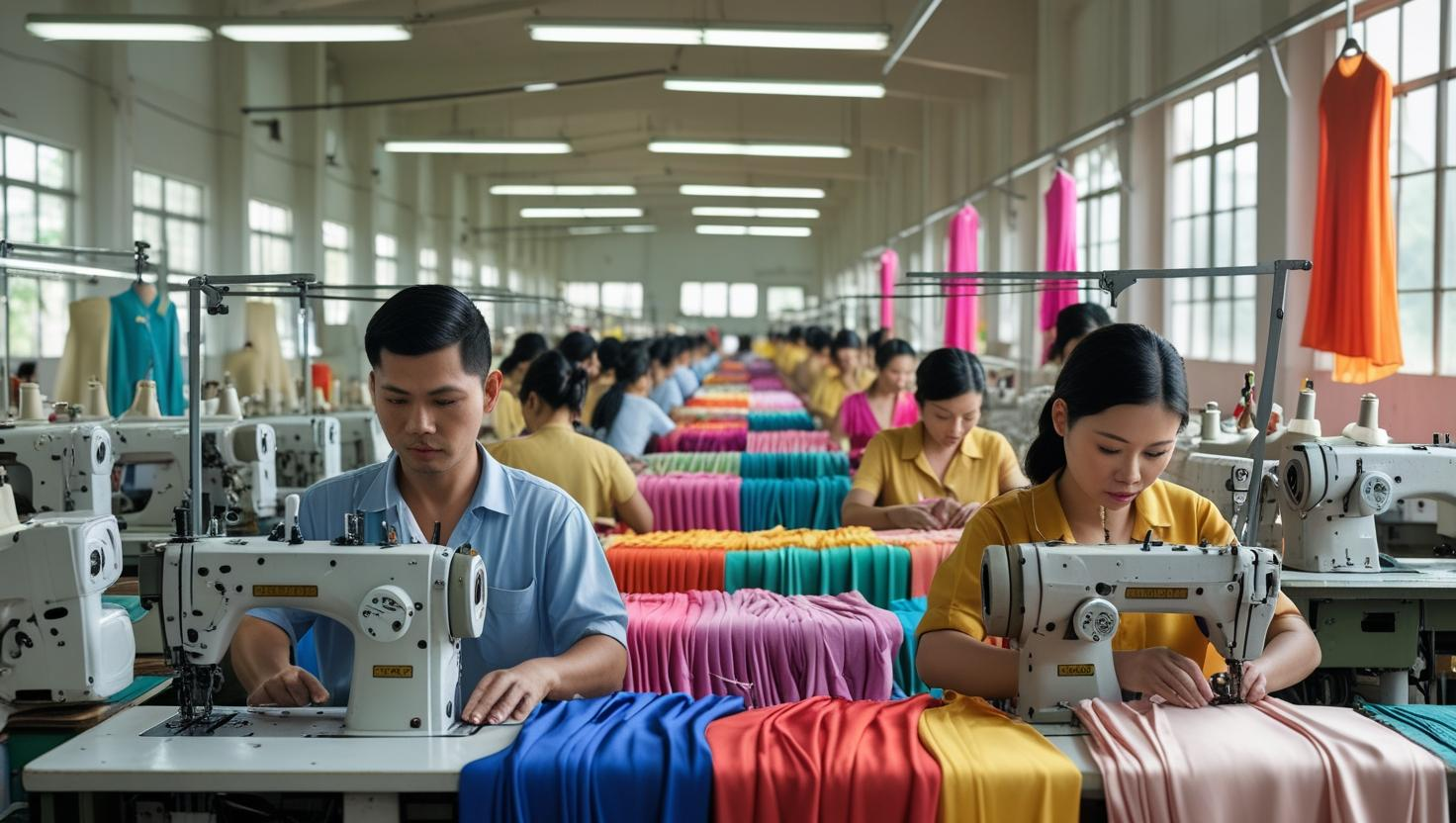
Unsure where to start your search? Learn a strategic approach to finding the right wholesale Vietnam shoe manufacturers.
Vietnam’s Shoe Manufacturing Landscape: Key Regions and Specializations
Understanding the shoe manufacturing landscape in Vietnam is crucial for businesses seeking reliable wholesale vietnam shoes manufacturers. Vietnam has emerged as a global hub for footwear production, but the industry isn’t uniformly distributed. Examining the key regions and their specializations provides a strategic advantage in sourcing the right partners.
Several regions within Vietnam have established themselves as prominent centers for footwear production, each with distinct strengths. The geographical specialization allows manufacturers to leverage local resources, expertise, and infrastructure, resulting in optimized production processes and competitive pricing. Here are key regions and their specializations:
-
Ho Chi Minh City (HCMC) and Surrounding Areas: As the economic powerhouse of Vietnam, HCMC and the neighboring provinces like Binh Duong and Dong Nai are home to a large concentration of shoe manufacturers. This region excels in producing a wide range of footwear, from casual shoes and sandals to athletic shoes and high-fashion designs. The presence of established industrial parks, skilled labor, and well-developed supply chains makes it an ideal location for both domestic and foreign investment. For instance, Pouyuen Vietnam, one of the largest footwear manufacturers globally, has a significant presence in HCMC.
-
Hanoi and Northern Provinces: While HCMC dominates in terms of overall output, Hanoi and the northern provinces, such as Hai Phong and Thai Binh, are rapidly growing centers for shoe manufacturing. This region is increasingly specializing in leather shoes and work boots, capitalizing on the availability of skilled artisans and competitive labor costs. The government’s focus on infrastructure development and attracting foreign investment is further boosting the region’s potential. Example: Thai Binh province has been attracting investment in footwear production for export markets, focusing on specialized products.
-
Central Vietnam: Provinces like Da Nang and Quang Nam are emerging as new destinations for wholesale shoe production. While not as established as the southern and northern hubs, Central Vietnam offers advantages like lower labor costs and government incentives to attract investment. The region’s focus is on developing sustainable and eco-friendly manufacturing practices, aligning with global trends in responsible sourcing.
Understanding these regional specializations allows businesses to focus their search for wholesale vietnam shoes manufacturers on areas best suited to their specific product needs. Furthermore, it is crucial to consider factors like the manufacturer’s specific capabilities, quality control processes, and compliance with international standards when making sourcing decisions.
Want to know which regions specialize in specific shoe types? Explore Vietnam’s key shoe manufacturing regions and specializations.
Assessing Wholesale Shoe Manufacturer Capabilities: Quality, Capacity, and Compliance
Choosing the right wholesale Vietnam shoes manufacturers requires a rigorous assessment of their capabilities across three critical areas: quality, capacity, and compliance. This evaluation process ensures that your chosen supplier can consistently meet your product standards, production volumes, and ethical requirements, ultimately safeguarding your brand reputation and business interests. Neglecting any of these aspects can lead to significant challenges, including product defects, delayed shipments, and potential legal repercussions.
Quality Control Processes: A fundamental aspect of assessing wholesale shoe manufacturer capabilities involves scrutinizing their quality control processes. Request detailed information on their quality management system (QMS), including inspection procedures at each stage of production, from raw material sourcing to final product packaging. Do they adhere to recognized standards like ISO 9001? A reputable manufacturer should be able to provide evidence of robust quality control measures, minimizing the risk of defects and ensuring consistent product excellence. For example, a detailed inspection checklist should cover aspects like material integrity, stitching accuracy, sole adhesion, and overall finishing.
Production Capacity and Scalability: Beyond quality, a reliable wholesale Vietnam shoes manufacturer must possess the necessary production capacity to meet your current and future demands. Understand their factory size, equipment inventory, and workforce capabilities. Inquire about their production lead times and their ability to scale up production during peak seasons or in response to sudden increases in demand. For instance, a manufacturer might boast a capacity of producing 50,000 pairs of shoes per month, but it’s crucial to verify this claim and assess their track record of meeting deadlines. Consider a manufacturer’s scalability by looking at their ability to add production lines or expand their workforce quickly.
Compliance with Ethical and Legal Standards: Compliance with ethical and legal standards is non-negotiable when selecting wholesale shoes suppliers. This includes adherence to labor laws, environmental regulations, and product safety standards. Verify that the manufacturer has certifications such as SA8000 for social accountability or OEKO-TEX Standard 100 for textile safety. Conduct due diligence to ensure they do not engage in forced labor, child labor, or other unethical practices. Additionally, confirm their compliance with relevant environmental regulations related to waste disposal, water usage, and chemical management. Working with a compliant manufacturer protects your brand image and avoids potential legal liabilities.
Independent Audits and Certifications: To further validate a manufacturer’s claims regarding quality, capacity, and compliance, consider requesting independent audit reports and certifications. These external assessments provide an objective evaluation of their operations and adherence to industry standards. Reputable auditing firms like Bureau Veritas or SGS can conduct thorough inspections of the factory and its processes, providing you with valuable insights into the manufacturer’s capabilities and practices. Requesting audit reports demonstrates your commitment to responsible sourcing and ensures that your chosen supplier meets the highest standards of quality, ethics, and sustainability.
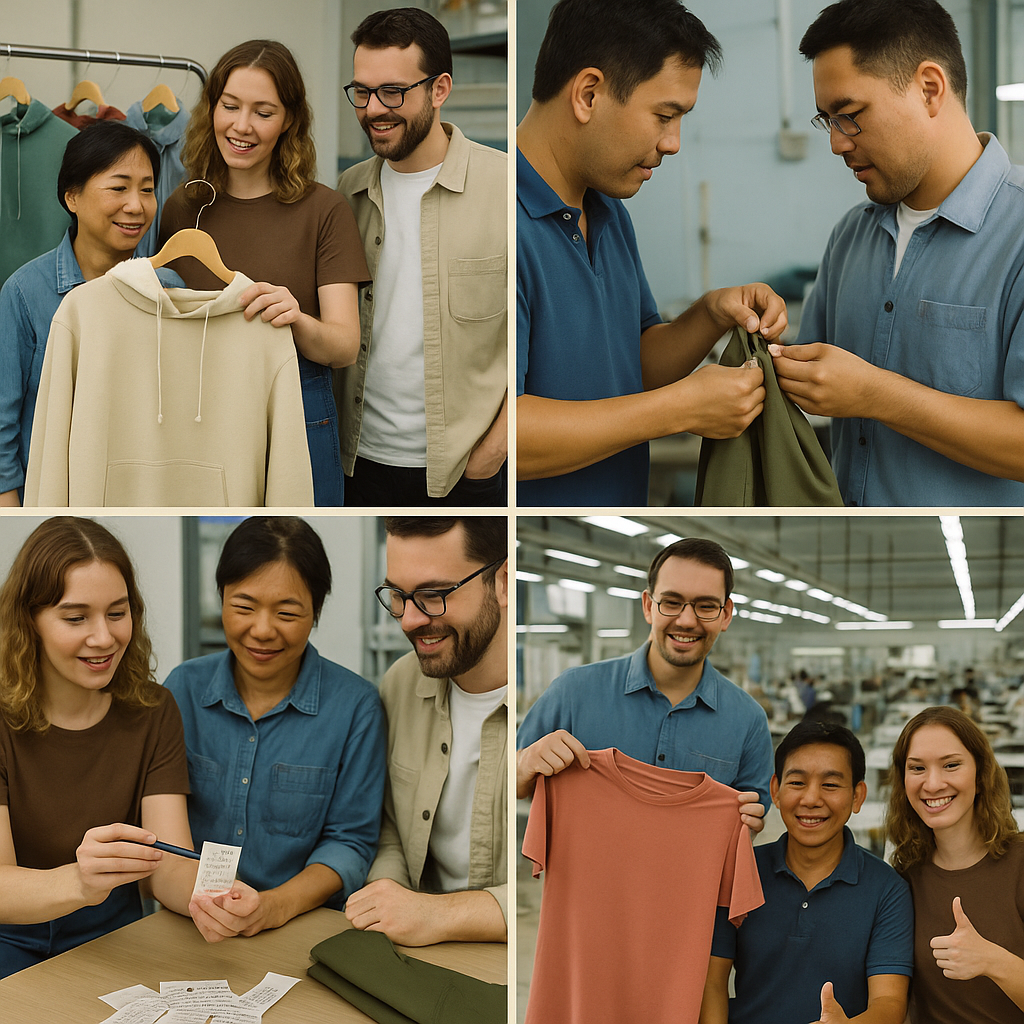
Worried about quality control and factory capacity? Discover how to assess a wholesale shoe manufacturer’s capabilities.
Building Strong Relationships with Vietnam Shoe Manufacturers: Communication and Negotiation
Establishing robust relationships with wholesale Vietnam shoes manufacturers hinges on effective communication and skillful negotiation, ultimately influencing product quality and pricing. These relationships are the bedrock of a successful supply chain, ensuring smooth operations and mutually beneficial outcomes in the long run. By prioritizing open dialogue and fair negotiation, businesses can secure favorable terms and foster a collaborative environment that benefits both parties.
Cultivating strong relationships necessitates clear and consistent communication. This involves understanding cultural nuances, adopting a proactive approach to updates, and establishing multiple communication channels. For example, promptly responding to inquiries, providing detailed specifications, and actively seeking clarification demonstrate respect and build trust. Furthermore, utilizing visual aids like diagrams and samples can minimize misunderstandings and ensure that the manufacturer fully grasps the intended design and quality standards. According to a survey conducted by vietnambizrep, companies with strong communication strategies experienced a 15% reduction in production errors.
Effective negotiation is another crucial aspect of building lasting partnerships. It requires thorough market research, a clear understanding of your budget, and a willingness to be flexible. Before entering negotiations, research prevailing market prices for similar products, assess your own financial constraints, and identify areas where you can potentially compromise. For instance, offering a slightly higher price for faster delivery or agreeing to a larger order quantity in exchange for a lower unit cost can demonstrate a willingness to find mutually agreeable solutions. Remember that the goal is not just to secure the lowest price, but to establish a sustainable and profitable relationship.
Consider these points for effective communication and negotiation:
- Cultural Sensitivity: Understanding and respecting Vietnamese business culture is essential. This includes being mindful of hierarchy, communication styles, and relationship-building practices.
- Clear Documentation: Detailed product specifications, contracts, and quality control guidelines are crucial for avoiding misunderstandings.
- Regular Communication: Maintaining consistent contact throughout the production process helps address potential issues early and ensures timely delivery.
- Fair Pricing: Researching market prices and negotiating fairly benefits both parties and fosters long-term partnerships.
- Flexibility: Being willing to compromise on certain terms can lead to mutually beneficial agreements.
By prioritizing open communication, fostering mutual respect, and engaging in fair negotiation, businesses can forge strong, lasting relationships with Vietnam shoe manufacturers, ultimately driving success in the competitive global footwear market.
Looking for tips on successful collaboration? Read our guide on building strong relationships with Vietnam shoe manufacturers.
Navigating the Legal and Logistical Aspects of Importing Wholesale Shoes from Vietnam
Importing wholesale shoes from Vietnam presents exciting opportunities for businesses, but understanding the legal and logistical landscape is crucial for a smooth and profitable venture. This section delves into the essential aspects of navigating this complex process, ensuring compliance and efficient supply chain management when sourcing wholesale Vietnam shoes manufacturers. We’ll cover import regulations, required documentation, customs clearance procedures, and effective shipping strategies, giving you a comprehensive overview of what to expect.
Successfully importing wholesale footwear requires adherence to specific import regulations. For instance, depending on your country, you’ll need to understand tariffs, quotas (if any), and specific product standards relevant to footwear. Many countries, like the United States, require compliance with regulations set by agencies such as the Consumer Product Safety Commission (CPSC) regarding safety standards for shoes, especially children’s footwear. Thoroughly researching these requirements beforehand prevents costly delays and penalties. It’s also crucial to understand the HS codes (Harmonized System codes) for footwear, as these determine the applicable tariffs.
Accurate and complete documentation is paramount for customs clearance. Key documents typically include:
- Commercial Invoice: This outlines the transaction details, including price, quantity, and payment terms.
- Packing List: A detailed inventory of the shipment, specifying the contents of each package.
- Bill of Lading (B/L) or Air Waybill (AWB): These serve as receipts for the shipment and establish terms of carriage.
- Certificate of Origin (C/O): This verifies that the shoes were manufactured in Vietnam, potentially qualifying them for preferential tariff treatment under free trade agreements.
- Import License (if required): Some countries may require an import license for specific types or quantities of footwear.
Customs clearance can be a complex process, but proper preparation minimizes delays. This involves accurately declaring the value of the goods, paying applicable duties and taxes, and ensuring all documentation is in order. Engaging a reputable customs broker can streamline this process. They possess expertise in import regulations and can handle the necessary paperwork and communication with customs authorities on your behalf. This is particularly beneficial if you’re new to importing or dealing with large volumes of wholesale shoes.
Efficient shipping strategies are critical for minimizing costs and lead times. You have several options:
- Sea Freight: This is generally the most cost-effective option for large shipments, but transit times can be longer (typically 20-45 days).
- Air Freight: This offers faster delivery (typically 3-7 days) but is more expensive.
- Express Courier Services: Companies like DHL, FedEx, and UPS provide door-to-door delivery and are ideal for smaller shipments or urgent orders.
Choosing the right shipping method depends on your budget, timeline, and the size of your order from your Vietnam shoe suppliers. It’s also essential to consider factors like insurance, packaging, and incoterms (International Commercial Terms), which define the responsibilities of the buyer and seller in the shipping process. For instance, FOB (Free on Board) means the seller is responsible for the goods until they are loaded onto the ship, while CIF (Cost, Insurance, and Freight) means the seller covers the costs of shipping and insurance to the destination port.
Confused about import regulations and logistics? Here’s how to navigate importing wholesale shoes from Vietnam.
Top Trends in Vietnam’s Wholesale Shoe Manufacturing: Sustainability and Innovation
The wholesale vietnam shoes manufacturers sector is experiencing a dynamic shift, with sustainability and innovation emerging as dominant forces reshaping the industry. These trends are not merely buzzwords but represent fundamental changes in consumer demand, regulatory pressures, and the competitive landscape of global footwear production.
One of the most significant trends is the increasing adoption of sustainable manufacturing practices. Consumers are becoming more conscious of the environmental and social impact of their purchases, demanding greater transparency and accountability from brands. This translates to a rising demand for eco-friendly materials, reduced waste production, and fair labor practices within the Vietnamese shoe manufacturing industry. For example, some factories are now investing in water recycling systems, utilizing renewable energy sources, and sourcing recycled or bio-based materials to minimize their environmental footprint. This shift is not just ethically driven; it also provides a competitive edge in attracting environmentally conscious buyers.
Beyond sustainability, innovation in materials, design, and manufacturing processes is also driving growth. Vietnamese shoe manufacturers are increasingly focusing on developing new and innovative products to cater to evolving consumer preferences. This includes incorporating advanced technologies like 3D printing for prototyping and customization, utilizing new materials with enhanced performance characteristics (e.g., breathable synthetics, antimicrobial fabrics), and investing in automation to improve efficiency and reduce production costs. For instance, the rise of athletic footwear and specialized sports shoes has spurred innovation in shock absorption, breathability, and lightweight materials, pushing manufacturers to constantly improve their capabilities.
Furthermore, the adoption of digital technologies is transforming the entire supply chain. From virtual design and prototyping to real-time tracking and inventory management, digital tools are enabling manufacturers to streamline operations, improve communication with clients, and respond more quickly to changing market demands. This digital transformation is crucial for maintaining competitiveness and adapting to the fast-paced nature of the global shoe market. VietnamBizRep can assist in connecting you with manufacturers who are at the forefront of these technological advancements.

Interested in eco-friendly and innovative designs? Explore the top trends in Vietnam’s wholesale shoe manufacturing.
Beyond Manufacturing: Additional Services Offered by Vietnam Wholesale Shoe Suppliers
Beyond simply manufacturing footwear, many wholesale Vietnam shoes manufacturers provide a suite of additional services designed to streamline the sourcing process for international businesses. These supplementary offerings extend beyond the factory floor, encompassing crucial aspects like product development, design customization, quality control, logistics support, and even marketing assistance. Understanding the full scope of these services empowers businesses to forge stronger partnerships and optimize their supply chain for greater efficiency and cost-effectiveness.
-
Product Development and Design Customization: Many Vietnam wholesale shoe suppliers offer comprehensive product development assistance, including material sourcing, prototype creation, and design refinement. This allows businesses to translate their concepts into tangible products, leveraging the manufacturer’s expertise in materials, construction techniques, and market trends. For example, a manufacturer might assist a brand in selecting the optimal sustainable materials for a new line of eco-friendly footwear.
-
Quality Control and Assurance: Stringent quality control measures are a hallmark of reputable wholesale Vietnam shoe manufacturers. These include inspections at every stage of production, from raw material assessment to final product verification. Some suppliers even offer independent third-party inspection services to provide an extra layer of assurance to their clients. This dedication to quality reduces the risk of defective products and ensures customer satisfaction.
-
Logistics and Shipping Support: Navigating the complexities of international logistics can be challenging. Many Vietnam wholesale shoes manufacturers provide comprehensive support, handling everything from export documentation and customs clearance to shipping arrangements and delivery coordination. This logistical support significantly reduces the burden on importers, simplifying the process of bringing their products to market.
-
Private Labeling and Branding Services: For businesses seeking to establish their own brand identity, many suppliers offer private labeling and branding services. This includes custom logo placement, packaging design, and label creation, allowing businesses to create a unique product offering that aligns with their brand image. vietnambizrep can also help you connect with wholesale Vietnam shoe suppliers that provide the above branding support.
-
Marketing and Trend Analysis: Select Vietnam wholesale shoe suppliers go beyond production by offering market trend analysis and marketing support. They can provide insights into current footwear trends, consumer preferences, and competitive landscapes. Some even assist with creating marketing materials or connecting businesses with marketing agencies in Vietnam. This proactive approach helps businesses stay ahead of the curve and develop successful product strategies.
Need more than just manufacturing? See what additional services are offered by Vietnam wholesale shoe suppliers.
Buyers combining footwear with apparel orders may also want to review our guide to importing clothes from Vietnam.
Vietnam Biz Rep helps overseas buyers find suppliers, verify factories, coordinate samples, inspect goods, and follow up production in Vietnam. Learn more about our Vietnam sourcing agent services or contact us to discuss your sourcing requirements.
