
Finding the right vietnam dress supplier is critical for apparel businesses aiming for quality and competitive pricing in 2025. This comprehensive guide, part of the vietnambizrep series, dives into the essential aspects of sourcing, from identifying reliable dress manufacturers and understanding wholesale dress options to navigating custom clothing manufacturers for bespoke designs. We’ll explore strategies for effective fashion sourcing, ensuring ethical clothing production, and mastering supply chain management in Vietnam’s dynamic textile industry. This article provides actionable insights to help you optimize your sourcing process and secure the best deals with reputable clothing suppliers.
Finding the Perfect Vietnam Dress Supplier: A Comprehensive Guide
Finding the perfect Vietnam dress supplier requires a strategic approach, and this comprehensive guide aims to equip you with the knowledge and tools necessary to navigate the sourcing process effectively. Sourcing garments from Vietnam can offer significant advantages, but success hinges on identifying the right partner. This section serves as your roadmap, outlining the key steps and considerations for locating a supplier that aligns with your specific needs and business goals.
To begin your search for a reliable dress manufacturer in Vietnam, it’s crucial to define your precise requirements. This includes clearly outlining the types of dresses you intend to source (e.g., casual, formal, evening wear), the target price point, desired fabric qualities (cotton, silk, linen, etc.), and order quantities. Creating a detailed specification sheet will help potential suppliers understand your needs and determine if they can meet your expectations. For example, a startup focusing on sustainable fashion might prioritize suppliers with certifications in organic cotton and ethical labor practices.
Next, explore various avenues for identifying potential Vietnam dress suppliers. This includes online B2B marketplaces like Alibaba and Global Sources, industry-specific trade shows such as the Vietnam Saigontex, and networking within the apparel industry. Vietnambizrep also provides connections and expertise to help streamline this process. Thoroughly research each potential supplier’s background, experience, and capabilities. Pay close attention to their specialization, production capacity, and quality control processes. Requesting samples and conducting factory audits (either in person or virtually) are essential steps in evaluating their suitability.

Want to find the **perfect Vietnam dress supplier** that fits your needs? Read our guide for expert tips and insights.
Why Choose Vietnam for Your Dress Manufacturing? Advantages & Considerations
Vietnam has emerged as a prominent hub for dress manufacturing, attracting businesses seeking cost-effective and high-quality production. This section delves into the compelling advantages of choosing Vietnam as your dress supplier, while also addressing key considerations for a successful partnership. Exploring Vietnam’s strengths in garment production, including competitive pricing and skilled labor, is crucial for informed decision-making.
Several factors contribute to Vietnam’s appeal as a garment manufacturing destination:
- Cost Competitiveness: Vietnam offers significantly lower labor costs compared to countries like China, making it an attractive option for businesses seeking to reduce production expenses. Lower overhead and operational expenses also contribute to the overall affordability.
- Skilled Workforce: Vietnam boasts a skilled and experienced workforce in the garment industry. Decades of experience in apparel production have cultivated expertise in various sewing techniques, fabric handling, and quality control.
- Trade Agreements and Incentives: Vietnam has signed numerous free trade agreements (FTAs), including the CPTPP and EVFTA, offering preferential tariffs and simplified trade procedures. These agreements create favorable conditions for international trade and reduce import/export costs.
- Established Infrastructure: Vietnam has invested in improving its infrastructure, including ports, roads, and transportation networks, which facilitates the efficient movement of goods.
- Government Support: The Vietnamese government actively supports the growth of the garment industry through various policies and initiatives, creating a stable and predictable business environment.
However, when considering Vietnam dress suppliers, it’s essential to acknowledge potential challenges:
- Language and Cultural Barriers: Effective communication is crucial for a successful partnership, and language differences can sometimes pose a challenge. Understanding Vietnamese business culture and etiquette is also important.
- Quality Control: While Vietnam has a reputation for quality apparel production, maintaining consistent quality requires diligent oversight and adherence to international standards. Implementing robust quality control measures throughout the production process is essential.
- Lead Times: Production lead times in Vietnam can vary depending on the complexity of the order and the supplier’s capacity. Planning ahead and establishing clear timelines are crucial for timely delivery.
- Ethical Considerations: Ensuring that your Vietnam dress supplier adheres to ethical labor practices and environmental standards is essential for maintaining a responsible supply chain. Conducting thorough due diligence and audits is vital.
- Minimum Order Quantities (MOQs): Some dress manufacturers in Vietnam may have MOQs that are higher than desired, particularly for smaller businesses. Negotiating MOQs or exploring alternative suppliers may be necessary.
By carefully weighing these advantages and considerations, businesses can make informed decisions about leveraging Vietnam’s potential as a premier destination for dress manufacturing, paving the way for profitable and sustainable partnerships with reliable Vietnam dress suppliers.
Types of Dresses Commonly Sourced from Vietnam: A Product Category Breakdown
Vietnam has emerged as a significant hub for dress manufacturing, offering a diverse range of styles and designs that cater to global fashion trends; therefore, understanding the types of dresses commonly sourced from Vietnam is crucial for businesses seeking reliable vietnam dress suppliers. This section provides a comprehensive breakdown of the product categories frequently manufactured in Vietnam, highlighting their characteristics and target markets.
Vietnam’s garment industry excels in producing various types of dresses, from casual wear to formal attire, showcasing the country’s manufacturing versatility. Casual dresses, known for their comfort and everyday appeal, represent a significant portion of the dress production in Vietnam, often utilizing lightweight fabrics like cotton and linen. These garments cater to a broad consumer base looking for affordable and stylish options for daily wear.
Beyond casual styles, Vietnamese factories have carved a niche in crafting sophisticated formal dresses. These include elegant evening gowns, cocktail dresses, and special occasion attire, often featuring intricate embellishments, luxurious fabrics such as silk and chiffon, and tailored fits. Many dress manufacturers have invested in advanced equipment and skilled labor to meet the demanding standards of high-end fashion brands.
- Day Dresses: Characterized by their simple designs and comfortable fabrics, ideal for everyday wear.
- Evening Gowns: Elaborate designs often incorporate luxurious fabrics and intricate embellishments, made for formal events.
- Cocktail Dresses: Shorter in length and designed for semi-formal events.
- Maxi Dresses: Long, flowing dresses, popular for their comfort and versatility.
- Sundresses: Lightweight, casual dresses, perfect for warm weather.
Furthermore, Vietnam’s dress manufacturing capabilities extend to niche markets, including boho dresses, known for their flowing silhouettes, earthy tones, and often incorporating embroidery and embellishments. This category appeals to a specific consumer segment seeking unique and expressive styles. The ability of vietnam dress suppliers to adapt to diverse styles and preferences has solidified their position in the global fashion supply chain.
The production volume and expertise within these categories are constantly evolving as Vietnamese manufacturers invest in new technologies and design capabilities. According to a report by the Vietnam Textile and Apparel Association (Vitas), the country’s garment exports reached approximately $40.3 billion in 2022, with a significant portion attributed to dresses. This figure reflects Vietnam’s growing prominence as a competitive and reliable source for diverse dress styles.
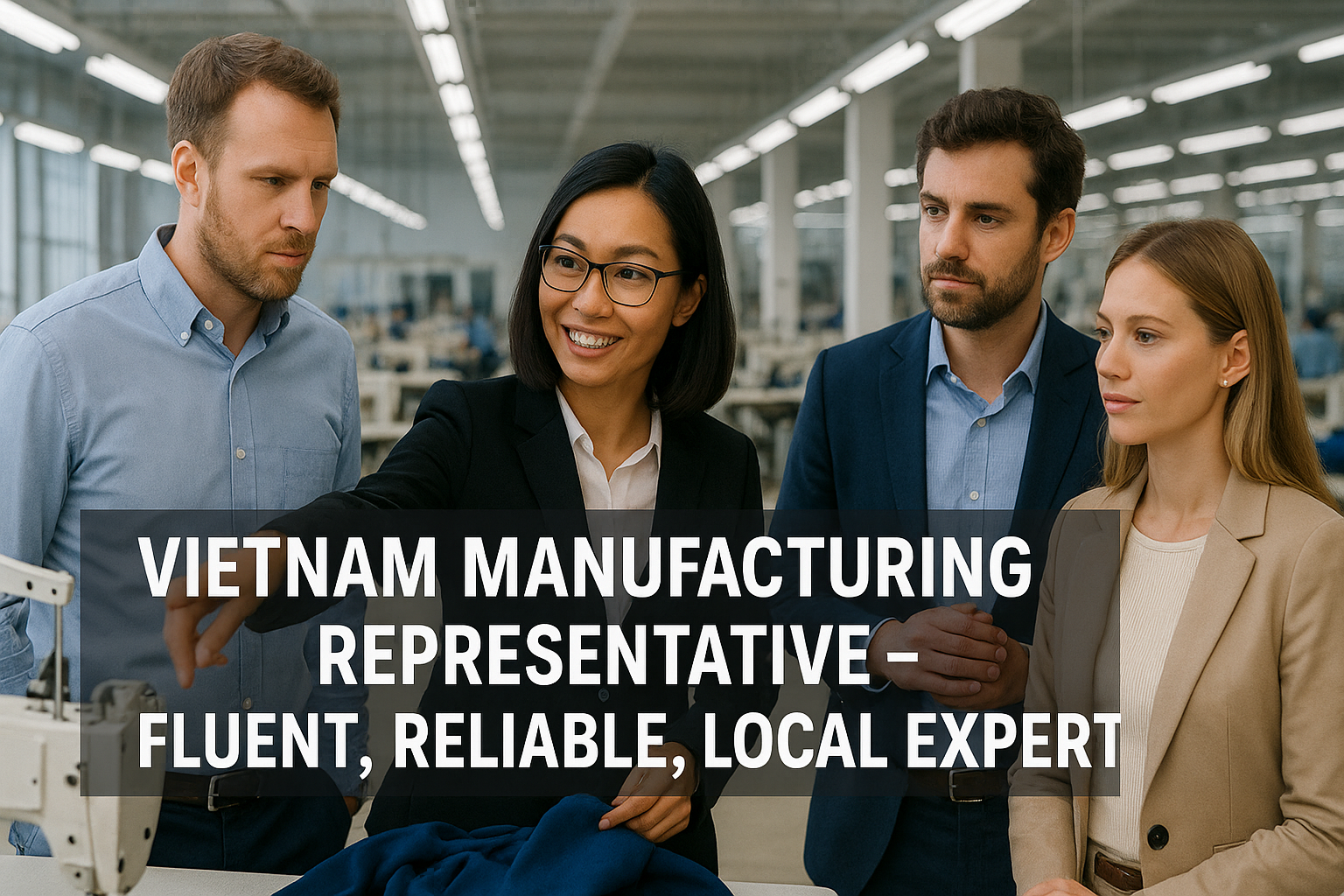
Key Criteria for Evaluating Vietnam Dress Suppliers: Quality, Capacity, and Compliance
Selecting the right vietnam dress supplier is crucial for businesses aiming to produce high-quality garments efficiently and ethically. When evaluating potential partners, quality, capacity, and compliance stand out as three pillars to consider. A thorough assessment of these factors will minimize risks, ensure consistent product excellence, and foster a sustainable, mutually beneficial partnership with your chosen manufacturer.
Firstly, quality control is paramount when sourcing dresses from Vietnam. It encompasses not only the final product’s appearance and durability but also the materials and manufacturing processes employed. Look for suppliers with established quality management systems, such as ISO 9001 certification, demonstrating their commitment to consistent standards. Verify their sampling procedures, in-process inspections, and final inspection protocols to ensure thorough monitoring at every stage. Ask for detailed reports and conduct independent audits to confirm their quality claims.
Secondly, a supplier’s production capacity must align with your business needs and growth projections. It is imperative to understand a potential dress manufacturer‘s capabilities beyond their current output. Assess their factory size, number of employees, equipment inventory, and lead times to determine their ability to scale production and meet your delivery deadlines, especially during peak seasons. Request references from existing clients to gauge their reliability and responsiveness to changing demands.
Thirdly, compliance with ethical and legal standards is non-negotiable when selecting a vietnam dress supplier. Ensure that they adhere to local labor laws, environmental regulations, and international trade agreements. Verify their certifications, such as WRAP, BSCI, or SEDEX, which demonstrate their commitment to fair labor practices and safe working conditions. Conduct regular audits to ensure that they are not engaging in forced labor, child labor, or other unethical practices. Suppliers should also provide documentation demonstrating their adherence to environmental regulations regarding waste disposal, water usage, and chemical management.
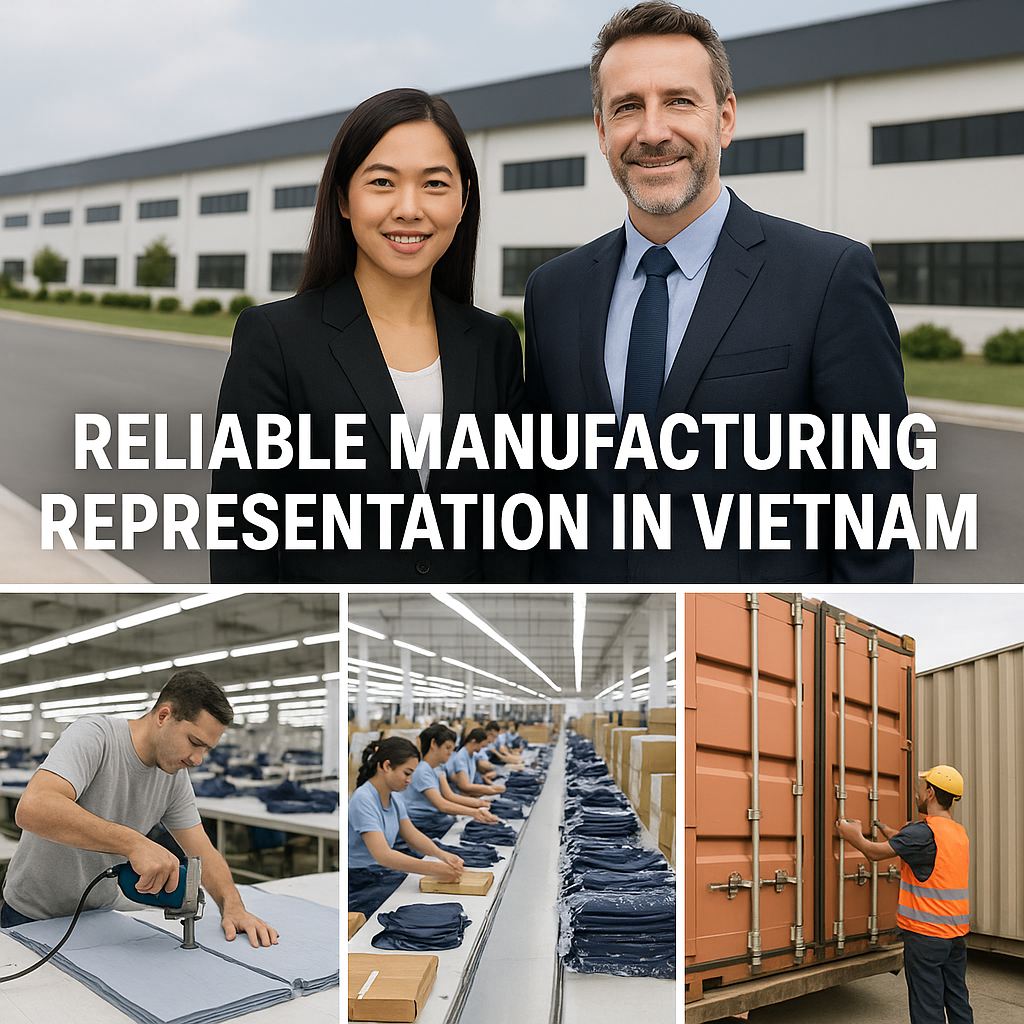
How do you ensure you’re working with a reliable supplier? Learn the key criteria for evaluating **Vietnam dress suppliers**: quality, capacity, and compliance.
Navigating the Vietnam Dress Sourcing Process: From Sampling to Shipment
Sourcing dresses from Vietnam presents a compelling opportunity for businesses seeking cost-effective and high-quality manufacturing; however, understanding the entire sourcing process, from the initial sampling stage to the final shipment, is crucial for a successful venture. This section will serve as your roadmap, guiding you through each critical step involved in Vietnam dress sourcing, ensuring a smooth and efficient experience. Successfully navigating each step will allow you to secure high-quality dress production while minimizing potential risks and delays.
The initial sampling phase is paramount in determining the suitability of a Vietnam dress supplier. This involves providing the potential manufacturer with detailed specifications, including designs, fabrics, measurements, and any specific quality requirements. Requesting multiple samples from different dress manufacturers is advisable to compare quality, craftsmanship, and adherence to your design specifications. Remember to factor in the cost of sampling, as most suppliers will charge a fee, which may be refundable upon placing a bulk order.
Once you’ve approved a sample and selected a Vietnam dress supplier, it’s time to move into the production phase. This includes negotiating pricing, minimum order quantities (MOQs), payment terms, and delivery timelines. A detailed production contract outlining all these terms is essential to protect your interests and ensure clarity. During production, regular communication and quality control checks are crucial. Consider hiring a third-party inspection agency to monitor production progress and identify any potential issues early on. For example, companies like QIMA and Bureau Veritas offer inspection services in Vietnam.
The final stage of the dress sourcing process involves shipment and logistics. This includes arranging for transportation, customs clearance, and import duties. Work closely with your supplier or a freight forwarder to determine the most efficient and cost-effective shipping method. Ensure that all necessary documentation, such as commercial invoices, packing lists, and certificates of origin, are accurately prepared to avoid delays at customs. Understanding incoterms (International Commercial Terms) is crucial to clearly define responsibilities for transportation, insurance, and import duties between you and your Vietnam dress manufacturer. For instance, FOB (Free on Board) and CIF (Cost, Insurance, and Freight) are commonly used incoterms in international trade.

Unsure about the **dress sourcing process in Vietnam**? Discover the steps, from sampling to shipment, for a smooth operation.
Top Platforms and Resources for Connecting with Vietnam Dress Suppliers: B2B Marketplaces and Trade Shows
Finding reliable vietnam dress suppliers is crucial for businesses aiming to source high-quality apparel. To navigate the landscape of Vietnamese garment manufacturers, businesses often turn to B2B marketplaces and trade shows, which offer diverse avenues for connecting with potential partners. These platforms are essential tools for discovering suitable suppliers, assessing their capabilities, and establishing initial contact.
B2B Marketplaces: A Digital Gateway to Vietnam’s Garment Industry
B2B marketplaces serve as comprehensive online directories, streamlining the process of identifying and engaging with vietnam dress suppliers. These platforms host a wide array of garment manufacturers, each showcasing their product offerings, production capacities, and certifications. Alibaba, Global Sources, and Made-in-China are prime examples, providing businesses with access to a vast network of potential partners. Using these platforms, companies can filter suppliers based on specific criteria such as minimum order quantity (MOQ), product specialization, and verified certifications, ensuring a more targeted and efficient search. For instance, a company looking for suppliers specializing in sustainable dress production can easily filter results to identify manufacturers with relevant certifications and eco-friendly practices.
Trade Shows: Building Relationships and Assessing Quality Firsthand
Trade shows, such as the Vietnam International Textile & Garment Industry Exhibition (VTG), offer invaluable opportunities to meet face-to-face with vietnam dress suppliers. These events allow businesses to directly assess the quality of garments, discuss specific requirements with manufacturers, and build personal relationships that can foster long-term collaborations. At trade shows, companies can examine sample dresses, evaluate the craftsmanship, and negotiate pricing directly with potential suppliers. Furthermore, attending trade shows provides insights into current industry trends, emerging technologies, and the competitive landscape of the Vietnamese garment sector. The Saigontex is another highly regarded event in Vietnam that attracts a large number of textile and garment companies.
Vietnamese Specific Platforms and Resources
Beyond international B2B marketplaces, several Vietnamese-specific platforms and resources can provide valuable connections to local dress manufacturers. Vietnam Export and Ecovina are examples of platforms that specifically promote Vietnamese suppliers and their products. Local industry associations, such as the Vietnam Textile and Apparel Association (VITAS), also offer directories and networking opportunities for businesses seeking to partner with Vietnamese garment manufacturers. Leveraging these local resources can provide access to specialized suppliers and a deeper understanding of the Vietnamese garment industry.

Ready to find **Vietnam dress suppliers**? Explore top B2B marketplaces and trade shows to connect with potential partners.
Building a Successful Relationship with Your Vietnam Dress Supplier: Communication and Collaboration Strategies
Establishing robust communication and collaboration strategies is paramount for cultivating a thriving relationship with your Vietnam dress supplier, ultimately ensuring consistent product quality and on-time delivery. Selecting the right vietnam dress supplier is only the first step; nurturing the relationship is crucial for long-term success. This involves clear, consistent communication, mutual respect, and a willingness to collaborate on problem-solving.
Effective communication forms the bedrock of a strong supplier relationship. Regularly scheduled meetings, whether in person or via video conferencing, provide a platform for discussing production progress, addressing potential challenges, and reviewing quality control measures. For instance, implementing a weekly progress update call can help identify bottlenecks early on, allowing for proactive solutions. Furthermore, utilizing a shared communication platform, such as Slack or Microsoft Teams, facilitates seamless information exchange and ensures all stakeholders are aligned.
Beyond regular check-ins, clarity in communication is equally important. Providing detailed specifications, technical drawings, and samples minimizes ambiguity and reduces the risk of errors. Clearly defining expectations regarding fabric sourcing, stitching techniques, and finishing details helps the dress supplier understand your specific requirements. Additionally, actively seeking clarification from the supplier when uncertainties arise demonstrates your commitment to achieving mutual understanding.
Collaboration extends beyond communication to encompass joint problem-solving and continuous improvement initiatives. When challenges emerge, adopting a collaborative approach, rather than assigning blame, fosters a spirit of partnership. For example, if a specific fabric color is unavailable, working with the vietnam dress supplier to identify alternative options that meet your design requirements can lead to innovative solutions. Moreover, soliciting feedback from the supplier on potential design improvements or cost-saving measures can leverage their expertise and enhance overall efficiency.
Furthermore, fostering a culture of transparency builds trust and strengthens the supplier relationship. Openly sharing your sales forecasts and market trends allows the supplier to anticipate future demand and adjust production capacity accordingly. Conversely, encouraging the supplier to share information about their production capabilities, lead times, and potential challenges promotes a more collaborative and informed decision-making process. A survey conducted by Thomasnet.com revealed that 67% of companies prioritize transparency when selecting suppliers.
Finally, recognize and appreciate the dress supplier’s contributions. Acknowledging their efforts, providing positive feedback, and offering incentives for exceeding expectations cultivates a sense of loyalty and motivates them to consistently deliver high-quality products. Consider implementing a supplier recognition program to celebrate outstanding performance and foster a strong sense of partnership. By prioritizing open communication, collaborative problem-solving, and mutual respect, you can forge a lasting and mutually beneficial relationship with your Vietnam dress supplier.
Want a lasting relationship with your supplier? Learn communication and collaboration strategies for building a strong partnership with your **Vietnam dress supplier**.
Vietnam Biz Rep helps overseas buyers find suppliers, verify factories, coordinate samples, inspect goods, and follow up production in Vietnam. Learn more about our Vietnam sourcing agent services or contact us to discuss your sourcing requirements.
