

Output:
Navigating the landscape of vietnam clothing manufacturing companies is crucial for businesses seeking reliable, cost-effective, and high-quality production partners in 2025. This guide dives deep into the heart of Vietnam’s garment industry, exploring key manufacturing hubs, supply chain logistics, and the factors driving its global competitiveness. We’ll analyze the top companies based on metrics like production capacity, compliance standards, and specialization, providing you with actionable insights for informed decision-making. In the category of vietnambizrep, this article will cover cost analysis, quality control, sustainability practices, and future trends in Vietnam’s clothing sector, equipping you with the knowledge to secure a successful manufacturing partnership.
Sourcing Clothing from Vietnam: Key Benefits and Advantages
Sourcing apparel from Vietnam presents a compelling proposition for businesses seeking competitive advantages in the global market. Vietnam clothing manufacturing companies have emerged as a significant player, offering a unique blend of cost-effectiveness, quality, and strategic location that makes it an attractive alternative to traditional sourcing destinations. This section will delve into the core benefits that underpin Vietnam’s growing prominence in the garment industry.
Vietnam’s competitive edge stems from several key factors. Firstly, the cost-effective labor force allows businesses to achieve significant savings on production costs, particularly for labor-intensive processes like sewing and finishing. Secondly, the country has witnessed substantial investment in modern infrastructure, leading to improved efficiency and reduced lead times. Finally, Vietnam’s strategic geographic location facilitates easy access to major shipping routes and key markets in Asia, Europe, and North America.
Here’s a breakdown of the key advantages:
-
Competitive Pricing: Lower labor costs compared to China and other developed nations translate into more competitive pricing for finished garments. This allows businesses to maximize profit margins or offer more attractive price points to consumers. For example, studies have shown that manufacturing costs in Vietnam can be 20-30% lower than in China for certain types of apparel.
-
Skilled Workforce: Vietnam boasts a large and increasingly skilled workforce with a strong tradition in textile and garment production. This translates to a higher level of craftsmanship and attention to detail, resulting in better quality products. Many Vietnamese workers have years of experience in the industry, passed down through generations.
-
Geographic Advantages: Vietnam’s location in Southeast Asia provides easy access to major shipping lanes and proximity to key markets like China, Japan, and South Korea. This reduces transportation costs and lead times, enabling businesses to respond quickly to changing market demands. The country’s extensive coastline also provides numerous port facilities.
-
Trade Agreements: Vietnam has actively pursued free trade agreements (FTAs) with various countries and regions, including the European Union (EU), the Comprehensive and Progressive Agreement for Trans-Pacific Partnership (CPTPP), and the Regional Comprehensive Economic Partnership (RCEP). These agreements provide preferential access to these markets, reducing tariffs and trade barriers. For instance, the EVFTA eliminates tariffs on most Vietnamese goods entering the EU.
-
Increasing Production Capacity: The Vietnamese government is actively supporting the growth of the garment industry through investments in infrastructure and favorable policies. This is leading to a continuous increase in production capacity, ensuring that businesses can scale their operations to meet growing demand. New industrial parks dedicated to textile and garment manufacturing are constantly being developed.
-
Focus on Quality: Many Vietnam clothing manufacturers are committed to producing high-quality garments that meet international standards. They invest in modern equipment, implement rigorous quality control procedures, and obtain certifications like ISO 9001. This ensures that businesses can source reliable and consistent products.
-
Political Stability: Vietnam enjoys a relatively stable political environment, which provides a predictable and secure business environment for foreign investors. This reduces the risk of disruptions to supply chains and allows businesses to plan for the long term.
By leveraging these advantages, businesses can establish a strong and resilient supply chain, improve their competitiveness, and achieve sustainable growth in the global apparel market.
Intrigued by the cost savings and quality? Discover the key benefits of sourcing clothing from Vietnam and how it can boost your bottom line.
Vietnam Clothing Manufacturing: Understanding Production Processes
Understanding the production processes is crucial for any business looking to engage with Vietnam clothing manufacturing companies. This section dives into the intricate steps involved in transforming raw materials into finished garments, providing you with a comprehensive overview of how Vietnamese factories operate. Gaining insight into these processes allows for better communication, quality control, and ultimately, a more successful manufacturing partnership.
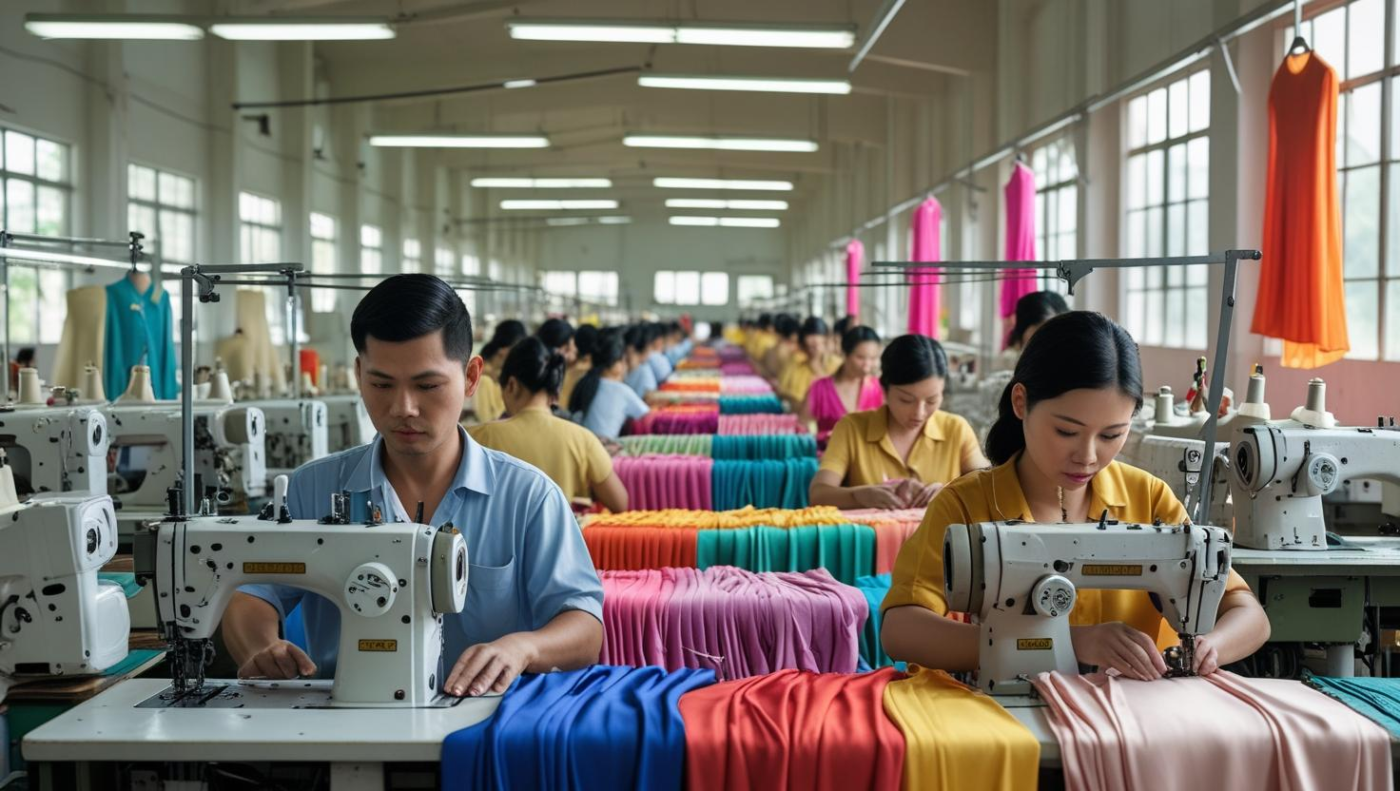
The journey of a garment, from initial design to the final product, typically involves several key stages. These include cutting and sewing, where fabric is transformed into the basic garment shape; quality control procedures, ensuring the product meets the required standards; and finishing and packaging, preparing the garment for shipment and sale. Each stage plays a vital role in the overall quality and efficiency of the clothing manufacturing process in Vietnam.
Cutting and Sewing Techniques
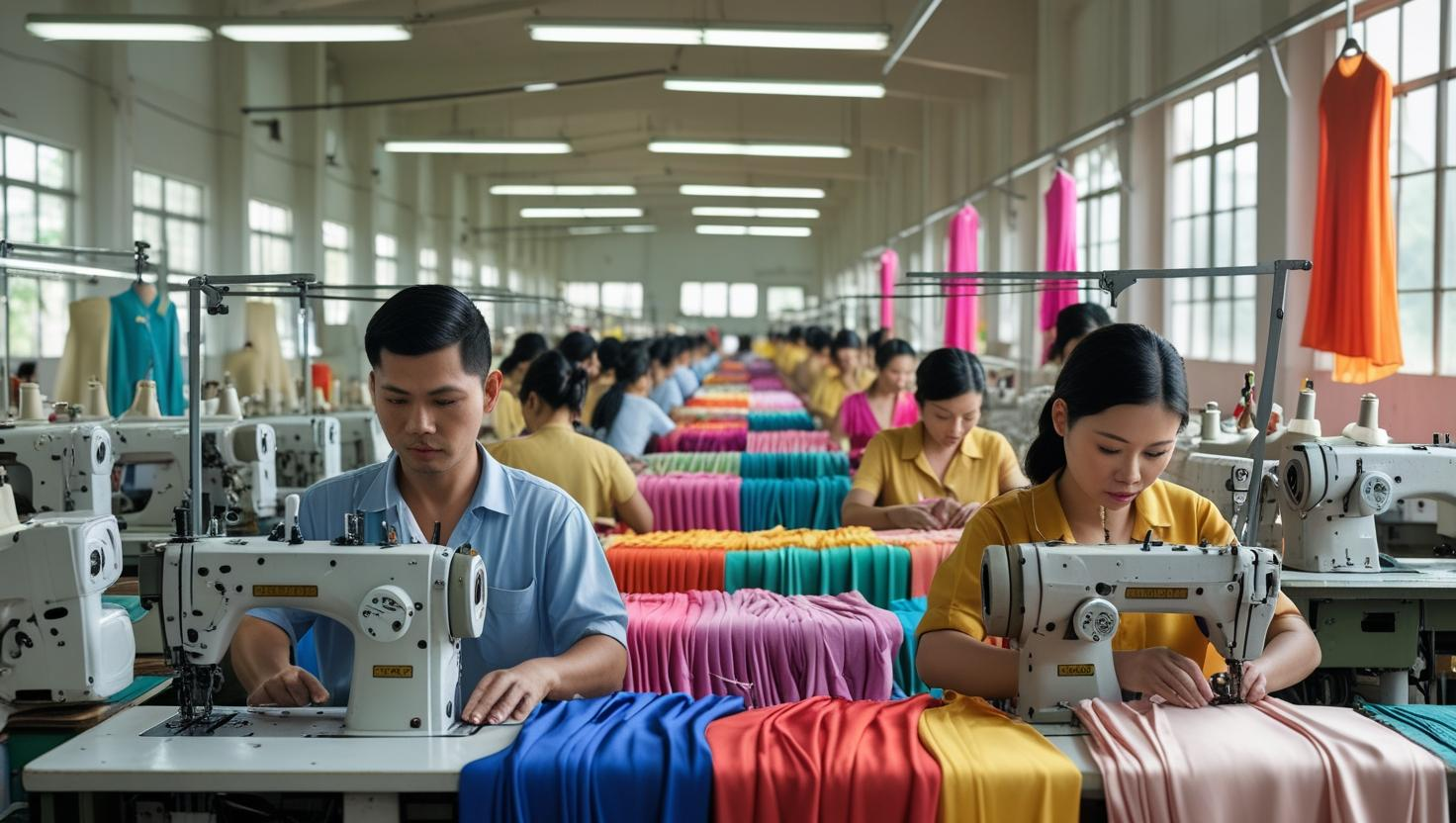
Cutting and sewing techniques form the backbone of garment production in Vietnam. The cutting process involves precisely cutting fabric according to patterns, often utilizing automated cutting machines for efficiency and accuracy. Sewing, on the other hand, requires skilled operators to assemble the cut pieces using various sewing machines and techniques. The expertise of Vietnamese garment workers in these areas is a significant advantage for businesses seeking reliable and high-quality clothing manufacturing. Variations in stitch types, seam finishes, and construction methods contribute significantly to the durability and aesthetic appeal of the final product.
Quality Control Procedures
Quality control procedures are paramount in ensuring that manufactured garments meet the required standards and specifications. Vietnamese factories typically implement rigorous quality checks at every stage of production, from inspecting raw materials to examining finished products. This includes checks for fabric defects, seam strength, color fastness, and overall garment construction. These processes are often aligned with international standards, giving international brands reassurance in the quality of items they receive.
Finishing and Packaging
Finishing and packaging are the final steps in the clothing manufacturing process, preparing the garments for distribution and sale. Finishing may involve tasks such as ironing, stain removal, and trimming loose threads. Packaging typically includes folding, bagging, and labeling the garments according to the customer’s specifications. Proper finishing and packaging not only enhance the presentation of the product but also protect it during transportation and storage, with many Vietnamese suppliers offering customized packaging solutions to meet brand requirements.
Curious about the manufacturing journey? Get a glimpse inside Vietnam’s garment factories and understand the key production processes involved.
Vietnam Clothing Manufacturing: Understanding Minimum Order Quantities (MOQs) and Pricing
Navigating the complexities of Vietnam clothing manufacturing requires a thorough understanding of minimum order quantities (MOQs) and pricing structures. These factors significantly impact the overall cost and feasibility of sourcing apparel from Vietnam, influencing decisions for businesses of all sizes, particularly those seeking vietnam clothing manufacturing companies. By grasping the intricacies of MOQs and pricing, businesses can optimize their sourcing strategies and ensure profitability in the competitive global market.
Factors Influencing MOQs in Vietnam’s garment industry are diverse, stemming from raw material costs, production setup expenses, and factory capacity. Smaller factories may accept lower MOQs, but their prices could be higher. Conversely, larger manufacturers often demand substantial MOQs to maximize efficiency and minimize downtime between production runs. The complexity of the design, fabric sourcing, and customization requirements also play a crucial role in determining MOQs. For instance, a simple t-shirt design using readily available fabrics will likely have a lower MOQ compared to a complex garment requiring specialized materials and intricate detailing.
Negotiating favorable pricing and payment terms is crucial for maximizing profitability when sourcing clothing from Vietnam. Understanding the cost breakdown, including materials, labor, and overhead, is essential for informed negotiation. Building strong relationships with suppliers is equally important. Open communication and a willingness to compromise can lead to mutually beneficial agreements. Securing flexible payment terms, such as partial upfront payments and milestone-based payments, can also help mitigate financial risks and improve cash flow. Consider leveraging incoterms during negotiations to clarify responsibilities regarding shipping, insurance, and customs clearance, thus avoiding potential disputes later on.
Struggling with MOQs and pricing? Explore strategies for negotiating and securing the best deals when buying wholesale clothes from Vietnam.
Vietnam Clothing Manufacturing: Navigating Compliance and Ethical Standards
For companies looking to engage in vietnam clothing manufacturing, navigating the landscape of compliance and ethical standards is paramount for long-term success and brand reputation. Partnering with vietnam clothing manufacturing companies that prioritize ethical labor practices and environmental sustainability is not only a responsible business decision but also increasingly demanded by consumers and global markets. This section will explore the key aspects of compliance and ethical considerations in the Vietnamese garment industry, providing insights into social audits, environmental regulations, and strategies for ensuring responsible sourcing.
Social compliance audits are a crucial mechanism for verifying that clothing manufacturers in Vietnam adhere to international labor standards. Organizations like BSCI (Business Social Compliance Initiative) and SEDEX (Supplier Ethical Data Exchange) conduct thorough assessments of factories, evaluating factors such as working hours, wages, health and safety conditions, and the absence of child labor or forced labor. A successful audit demonstrates a manufacturer’s commitment to fair labor practices and provides assurance to brands and retailers that their products are made ethically. It is essential for companies to request and review audit reports from potential partners to ensure alignment with their own ethical standards.
Beyond social considerations, environmental regulations are playing an increasingly important role in vietnam clothing manufacturing. The Vietnamese government is strengthening environmental laws and enforcement to address pollution and promote sustainable practices. Vietnam clothing manufacturing companies are expected to comply with regulations related to wastewater treatment, air emissions, and waste management. Furthermore, there’s a growing global emphasis on sustainability, with brands seeking manufacturers that utilize eco-friendly materials, reduce water and energy consumption, and minimize their environmental footprint. Brands can foster a positive impact by:
- Prioritizing factories that have invested in cleaner production technologies.
- Adopting circular economy principles
- Encouraging waste reduction and recycling.
By proactively addressing environmental concerns, businesses can not only comply with regulations but also enhance their brand image and appeal to environmentally conscious consumers.

Vietnam Clothing Manufacturing: How to Find the Right Partner
Finding the right partner for vietnam clothing manufacturing companies is crucial for the success of your sourcing operations and overall business strategy. Selecting the appropriate manufacturer requires careful consideration of your specific needs, the manufacturer’s capabilities, and their alignment with your ethical and quality standards. This section provides a practical guide to help you navigate the complexities of identifying and securing a reliable manufacturing partner in Vietnam, ensuring a productive and sustainable relationship.
To effectively identify suitable clothing manufacturers in Vietnam, you should employ a multi-faceted approach, combining online research with offline engagement. Consider these avenues:
- Online B2B Marketplaces: Platforms like Alibaba and Global Sources offer a wide array of Vietnamese clothing suppliers. Use these platforms to initially scout potential partners, filtering by product type, certifications, and company size. However, always verify information independently.
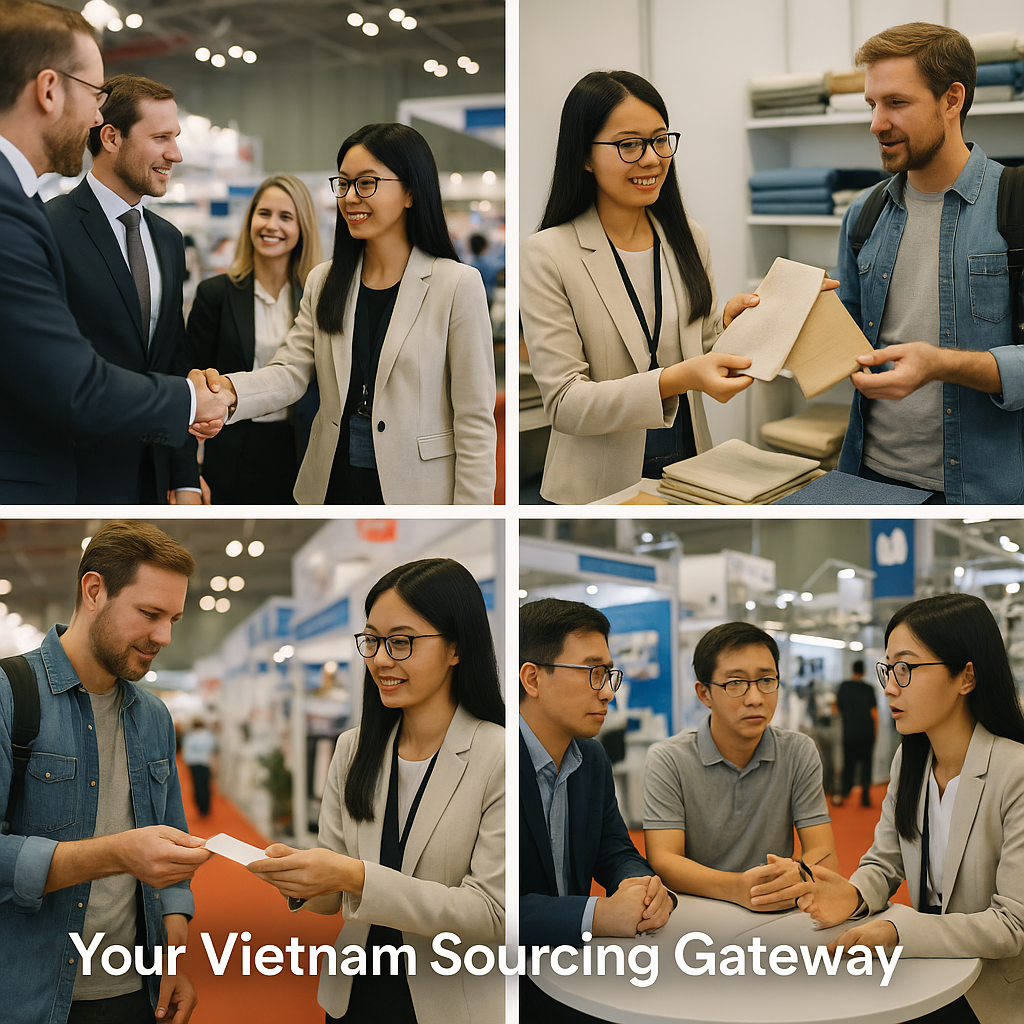
- Trade Shows and Exhibitions: Attending trade shows such as the Vietnam Textile & Garment Industry Expo (VTG) provides an opportunity to meet manufacturers face-to-face, assess their capabilities, and establish personal connections.
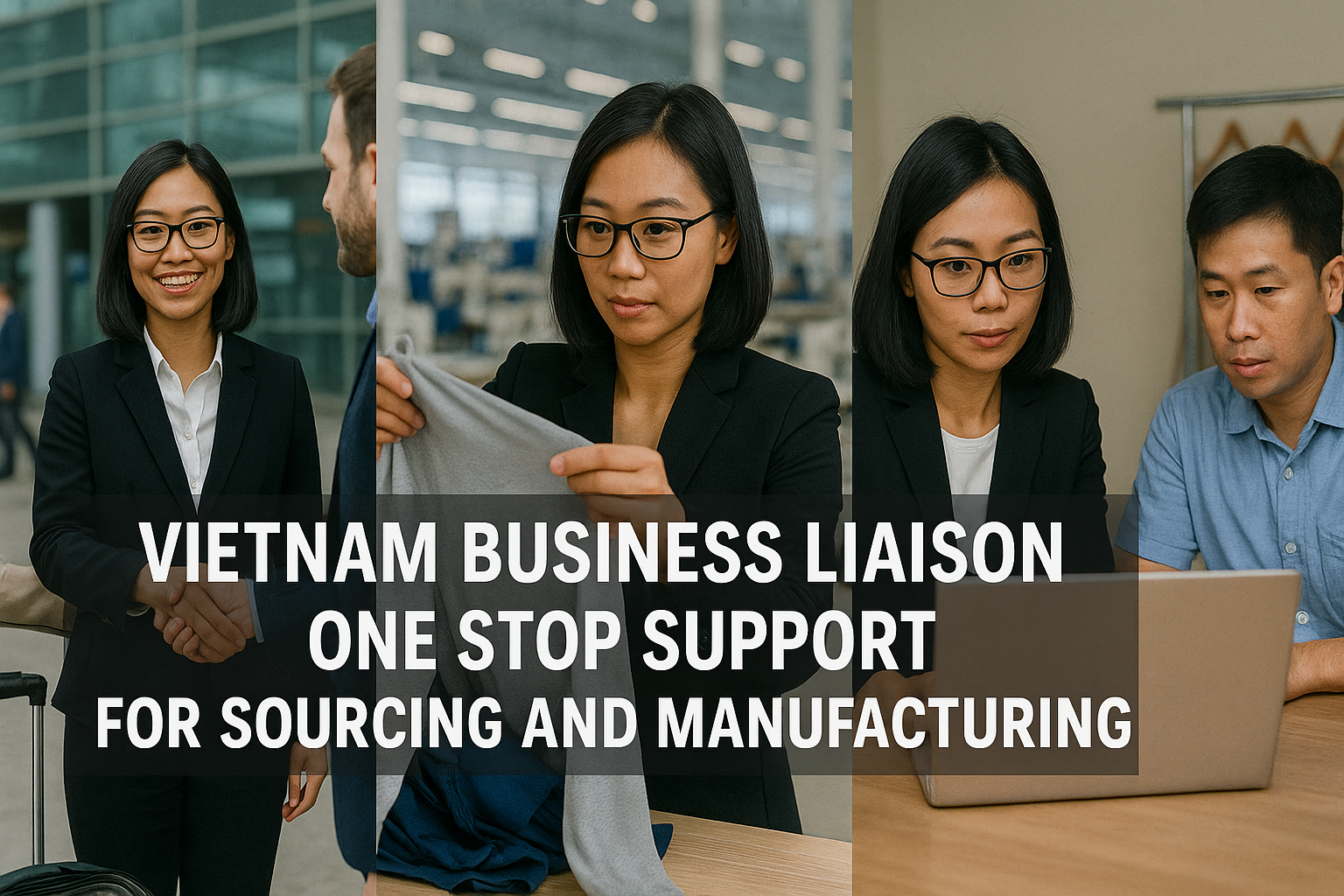
- Local Sourcing Agents and Consultants: Engaging a reputable sourcing agent or consultant with expertise in the Vietnamese garment industry can significantly streamline the search process. These professionals possess valuable local knowledge, industry connections, and the ability to conduct thorough factory audits.
When evaluating potential vietnam clothing manufacturing companies, it’s vital to conduct a thorough due diligence process. This should encompass not only their production capabilities but also their commitment to ethical labor practices and environmental sustainability. Social compliance audits (BSCI, SEDEX) and environmental certifications are indicators of a manufacturer’s dedication to responsible manufacturing. For instance, a factory certified with Oeko-Tex Standard 100 demonstrates its commitment to using materials free from harmful substances. Therefore, assessing their commitment to standards is very important.
Finally, clear communication is essential in establishing a successful partnership. Articulating your specific requirements, expectations, and concerns upfront will foster transparency and minimize potential misunderstandings. A well-defined manufacturing agreement, covering aspects such as quality standards, delivery timelines, and payment terms, is a cornerstone of a mutually beneficial relationship with your chosen vietnam clothing manufacturing company.

Looking for reliable factories? Learn how to identify and vet the right clothing manufacturing partners in Vietnam to ensure quality and efficiency.
Vietnam Clothing Manufacturing: Legal and Contractual Considerations
Navigating the legal and contractual landscape is a crucial aspect of Vietnam clothing manufacturing. Beyond finding the right Vietnam clothing manufacturing companies, establishing a solid legal framework ensures a smooth and secure manufacturing process. This involves understanding Vietnamese law, drafting comprehensive manufacturing agreements, and implementing measures to protect intellectual property.
A well-drafted manufacturing agreement is the cornerstone of a successful partnership. This document should explicitly outline key aspects of the relationship, including:
- Product specifications: Detailed descriptions of the clothing items, including materials, measurements, and quality standards.
- Pricing and payment terms: Agreed-upon prices, payment schedules, and currency.
- Production timeline: Clear deadlines for each stage of the manufacturing process, from sampling to final delivery.
- Quality control procedures: Defined quality standards and inspection protocols.
- Liability and dispute resolution: Procedures for addressing defects, delays, or other issues.
Protecting intellectual property is paramount when outsourcing clothing production. Vietnam’s legal system recognizes and protects intellectual property rights, but proactive measures are essential. These include:
- Non-disclosure agreements (NDAs): Confidentiality agreements to safeguard sensitive information.
- Trademark registration: Registering your brand name and logo in Vietnam to prevent infringement.
- Patent protection: Obtaining patents for unique designs or technologies.
- Careful selection of manufacturers: Partnering with reputable vietnambizrep clothing manufacturers with a proven track record of respecting intellectual property.
Want to protect your interests? Understand the crucial legal and contractual considerations when outsourcing clothing production to Vietnam.
Vietnam Clothing Manufacturing: A comparison of different manufacturing models.
When exploring Vietnam clothing manufacturing, understanding the diverse range of manufacturing models is crucial for businesses aiming to optimize their sourcing strategies. These models, including Original Equipment Manufacturing (OEM), Original Design Manufacturing (ODM), and Contract Manufacturing, each offer distinct advantages and cater to varying needs, especially for companies seeking reliable vietnam clothing manufacturing companies. This section will delve into these models, analyzing their key differences, benefits, and suitability for different business requirements.
Original Equipment Manufacturing (OEM), often referred to as private label manufacturing, involves a vietnam clothing manufacturer producing goods according to the buyer’s exact specifications and designs. In this model, the buyer owns the intellectual property and provides detailed technical data, while the manufacturer focuses on efficient production. A major benefit of OEM is that it allows businesses to maintain complete control over product design and quality, ensuring consistency with their brand standards. For instance, a US-based athletic wear company might partner with a vietnambizrep as a Vietnam clothing manufacturer to produce their existing line of leggings, providing detailed specifications for fabric, stitching, and sizing.
On the other hand, Original Design Manufacturing (ODM) sees the vietnam clothing manufacturer taking on a more significant role in product design and development. In this scenario, the buyer provides a general concept or idea, and the manufacturer is responsible for creating the designs, selecting materials, and managing the entire production process. ODM can be a cost-effective solution for businesses looking to expand their product offerings without investing heavily in in-house design capabilities. For instance, a fashion boutique looking to launch a new line of sustainable clothing might collaborate with a vietnambizrep Vietnam clothing manufacturing company offering ODM services, leveraging their design expertise and access to eco-friendly materials.
Contract Manufacturing is a broader term that encompasses both OEM and ODM, but often implies a more flexible arrangement where the Vietnam clothing manufacturing company handles specific parts of the production process, such as cutting, sewing, or finishing. This model allows businesses to outsource specific tasks to capitalize on the manufacturer’s expertise and capacity, while retaining control over other aspects of the production. For example, a European apparel brand might use contract manufacturing in Vietnam to handle the labor-intensive sewing operations, while sourcing fabrics and managing quality control in-house.
Choosing the right manufacturing model in Vietnam clothing manufacturing depends on various factors, including the business’s design capabilities, budget, desired level of control, and speed to market requirements. Understanding these differences is vital for businesses collaborating with vietnambizrep and other vietnam clothing manufacturing companies to optimize their supply chain and achieve their production goals.
Confused about manufacturing models? Uncover the pros and cons of different contract manufacturing approaches in Vietnam’s clothing industry.
Trends and Future of the Vietnam Clothing Manufacturing Industry
The Vietnam clothing manufacturing industry is on the cusp of significant transformation, driven by technological advancements, evolving consumer demands, and a growing emphasis on ethical and sustainable practices. This evolution presents both opportunities and challenges for vietnambizrep and other players in the market. Understanding these emerging trends is crucial for businesses looking to thrive in this dynamic landscape.
One of the most significant trends shaping the future of Vietnam clothing manufacturing is the increasing adoption of automation and technology. Factories are investing in advanced machinery, robotics, and AI-powered systems to enhance efficiency, reduce labor costs, and improve product quality. For example, automated cutting and sewing machines are becoming increasingly common, allowing manufacturers to streamline production processes and meet tight deadlines. This shift towards automation not only boosts productivity but also enables Vietnam clothing manufacturing companies to compete more effectively in the global market.
Sustainability and ethical sourcing are no longer just buzzwords but are becoming integral to the Vietnam clothing industry. Consumers are increasingly demanding transparency and accountability from brands, pushing manufacturers to adopt more sustainable practices. This includes using eco-friendly materials like organic cotton and recycled polyester, reducing waste through lean manufacturing principles, and ensuring fair labor practices throughout the supply chain. Initiatives like the Better Cotton Initiative (BCI) and certifications from organizations like Fair Wear Foundation are gaining traction, demonstrating a commitment to responsible manufacturing. For instance, several Vietnam clothing manufacturers are now offering collections made from recycled materials, catering to the growing demand for sustainable fashion.
The rise of e-commerce and direct-to-consumer (DTC) models is also impacting the Vietnam clothing manufacturing sector. With the increasing popularity of online shopping, brands are seeking manufacturers that can support smaller production runs, faster turnaround times, and customized products. This has led to the growth of agile manufacturing models and the adoption of digital technologies like 3D design and virtual sampling. By embracing e-commerce and DTC strategies, Vietnam clothing manufacturing companies can tap into new markets and build stronger relationships with consumers.
Want to stay ahead of the curve? Explore the emerging trends and future of Vietnam’s clothing manufacturing industry and prepare for what’s next.
Vietnam Biz Rep helps overseas buyers find suppliers, verify factories, coordinate samples, inspect goods, and follow up production in Vietnam. Learn more about our Vietnam sourcing agent services or contact us to discuss your sourcing requirements.
