
Unlocking the potential of vietnam clothes wholesale presents a lucrative opportunity for businesses seeking competitive pricing and diverse product offerings in 2025. This comprehensive guide, under the vietnambizrep category, dives deep into navigating the landscape of wholesale clothing suppliers in Vietnam, focusing on key aspects such as identifying reliable clothing manufacturers, understanding clothing sourcing strategies, optimizing export processes, and ensuring quality control to maximize your return on investment. By leveraging insights into supply chain management and exploring the benefits of private label clothing options, you’ll gain a strategic advantage in the global apparel market.
Finding Reliable Vietnam Clothes Wholesale Suppliers: A Comprehensive Guide
Finding reliable Vietnam clothes wholesale suppliers is crucial for businesses seeking to source high-quality apparel at competitive prices. Vietnam has emerged as a prominent hub for garment manufacturing, attracting global buyers with its skilled workforce and cost-effective production. To successfully navigate the Vietnamese wholesale clothing market, understanding the key factors and strategies involved in identifying trustworthy suppliers is essential.
Several avenues exist for locating potential suppliers. Online directories, such as Alibaba and Global Sources, offer a vast database of Vietnamese clothing manufacturers and wholesale distributors. While these platforms provide a convenient starting point, thorough due diligence is necessary. Participating in trade shows and exhibitions held in Vietnam, such as the Vietnam International Fashion Fair (VIFF), allows for face-to-face interactions with potential partners, enabling direct assessment of product quality and capabilities. Furthermore, leveraging local sourcing agents can provide invaluable assistance in identifying and vetting suppliers that align with specific requirements, mitigating risks associated with language barriers and cultural differences.
Once potential suppliers are identified, a rigorous evaluation process is paramount. Requesting samples is a crucial step to assess the quality of materials, workmanship, and adherence to design specifications. Examining the supplier’s certifications, such as WRAP (Worldwide Responsible Accredited Production) or BSCI (Business Social Compliance Initiative), provides assurance of their commitment to ethical labor practices and environmental sustainability. Additionally, obtaining references from existing clients offers insights into the supplier’s reliability, communication skills, and ability to meet deadlines. Visiting the supplier’s factory for an on-site audit enables a firsthand assessment of their production capacity, equipment, and quality control procedures.
Building a strong and transparent relationship with Vietnam clothing wholesale suppliers is key to long-term success. Clearly communicating your expectations regarding product quality, lead times, and pricing is essential to avoid misunderstandings and ensure that the supplier fully understands your needs. Regular communication and feedback are vital to maintaining a collaborative partnership and addressing any issues that may arise promptly. By employing these strategies, businesses can confidently find reliable Vietnam clothes wholesale suppliers and establish mutually beneficial relationships that drive sustainable growth.
Want to find reliable sources? Explore our comprehensive guide on Vietnam clothing suppliers.
Types of Vietnam Clothes Available for Wholesale: Identifying Your Niche
Navigating the diverse landscape of Vietnam clothes wholesale requires a strategic approach, starting with a clear understanding of the product categories available to pinpoint your niche market. The Vietnamese garment industry is known for its wide array of apparel, ranging from traditional garments to contemporary fashion, making it crucial for businesses to identify specific product lines that align with their target audience and business goals. By carefully evaluating the diverse types of Vietnam clothes available for wholesale, businesses can effectively position themselves for success in the competitive global market.
Vietnam offers a plethora of clothing options for wholesale buyers. From everyday wear to specialized garments, the range includes:
- Casual Wear: T-shirts, jeans, shorts, dresses, and other comfortable clothing suitable for daily activities are readily available. This segment caters to a broad consumer base seeking affordable and stylish options.
- Formal Wear: Suits, dresses, and formal shirts are produced in Vietnam, often utilizing high-quality fabrics and skilled tailoring. Consider the demand for business attire in specific regions when selecting your niche.
- Sportswear: Activewear, including leggings, sports bras, and athletic shorts, is a growing category due to the increasing focus on health and fitness globally. Many Vietnamese factories specialize in technical fabrics and performance-enhancing designs.
- Outerwear: Jackets, coats, and other outerwear items are manufactured to meet various climates and fashion trends. Consider the seasonal demands of your target market when sourcing these products.
- Traditional Clothing: Ao Dai, Non La (conical hats), and other traditional Vietnamese garments are sought after by cultural enthusiasts and tourists. Supplying these unique items can cater to a niche market interested in Vietnamese culture.
- Workwear: Uniforms, safety clothing, and other specialized work apparel are manufactured for various industries. This sector requires adherence to specific safety standards and durable materials.
- Children’s Wear: A wide variety of clothing for infants and children is produced, emphasizing comfort, safety, and durability.
- Underwear and Lingerie: These essential items are manufactured using various materials, from cotton to silk, with a focus on comfort and fit.
Understanding the nuances of each category allows businesses to strategically position themselves within the Vietnam clothes wholesale market. Analyzing the demand for specific clothing types in your target market, as well as considering current fashion trends, is essential for identifying a profitable niche. Vietnambizrep can assist in this process by providing insights into the Vietnamese garment industry and connecting you with reliable suppliers specializing in your desired product categories.
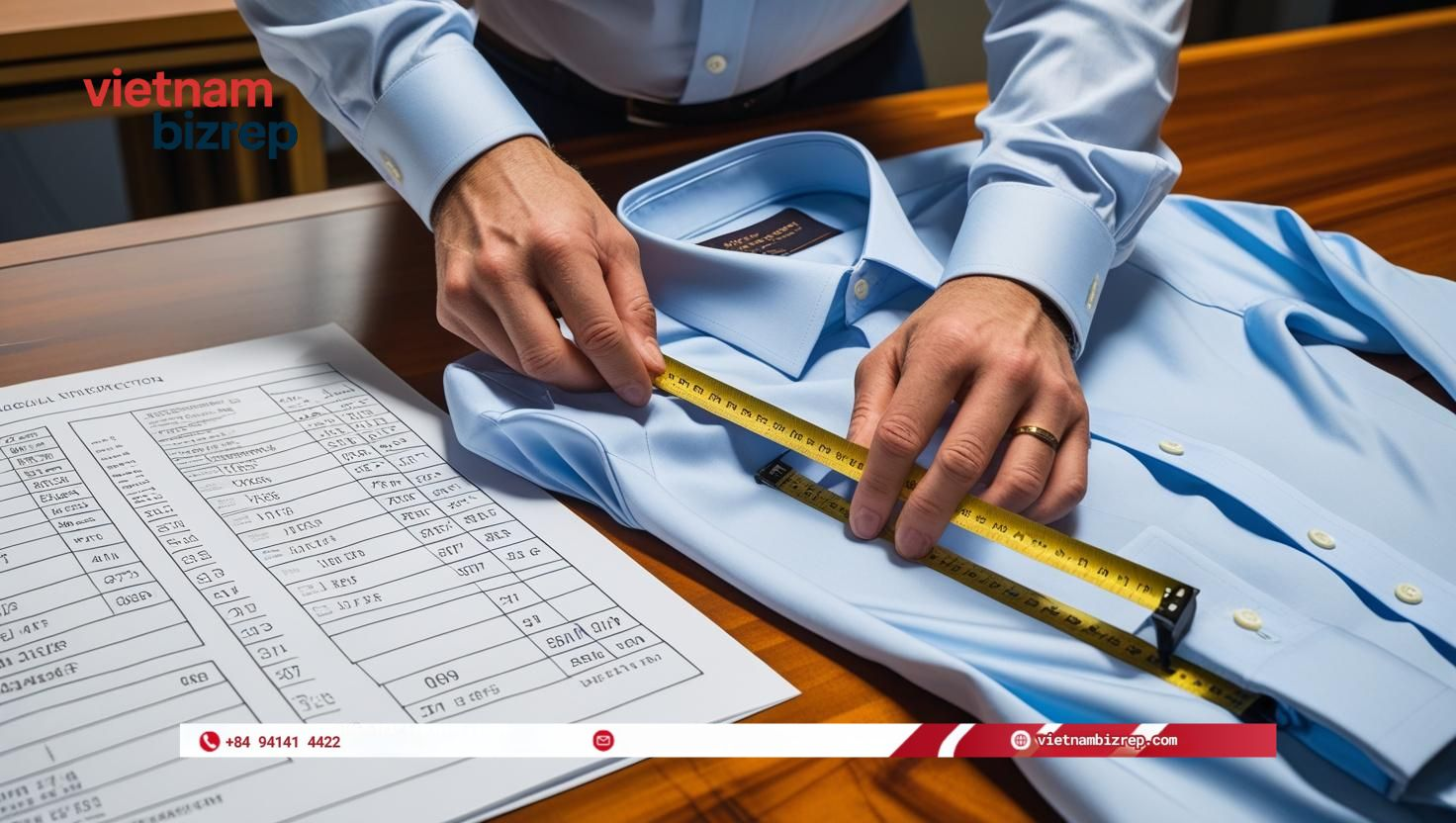
Unsure what type of clothing to focus on? Discover the various Vietnam t-shirts wholesale options and find your niche.
Navigating the Vietnam Clothes Wholesale Market: Key Considerations and Strategies
Successfully navigating the Vietnam clothes wholesale market requires a strategic approach, careful consideration of key factors, and a deep understanding of the local business landscape. As a vital hub for vietnam clothes wholesale, Vietnam presents both significant opportunities and potential challenges for businesses looking to source garments. This section provides actionable insights and strategies to help you effectively navigate this dynamic market.
Entering the Vietnamese clothing wholesale market demands careful planning and execution, encompassing several essential facets. From thoroughly researching potential clothing suppliers and understanding the diverse range of wholesale clothing available to implementing robust quality control measures and mastering negotiation tactics, each element plays a crucial role in securing a competitive edge. Therefore, by proactively addressing these key considerations and adopting effective strategies, businesses can significantly enhance their prospects for success in the vibrant vietnam clothes wholesale landscape.
- Supplier Vetting and Due Diligence: Before committing to a supplier, conduct thorough due diligence. This involves verifying their business licenses, factory certifications (e.g., WRAP, BSCI), and production capabilities. Request samples to assess the quality of their work and ensure they align with your standards. Consider visiting their facilities to gain firsthand insight into their operations and ethical practices.
- Understanding Market Dynamics: The Vietnamese garment industry is diverse, with varying levels of expertise and specialization. Research the specific regions known for producing the types of clothing you need. For instance, Ho Chi Minh City and Binh Duong province are major hubs for garment manufacturing. Stay informed about market trends, pricing fluctuations, and emerging opportunities.
- Building Strong Relationships: Establishing rapport with your suppliers is crucial for long-term success. Communicate clearly, be respectful, and demonstrate a genuine interest in their business. Regular communication and visits (when possible) can foster trust and lead to better pricing and service.
- Effective Communication: Language barriers can be a challenge. Employ a translator or work with suppliers who have English-speaking representatives. Clearly articulate your requirements, specifications, and expectations in writing to avoid misunderstandings.
- Negotiation Strategies: Pricing in the Vietnam clothes wholesale market is often negotiable. Research prevailing market rates and be prepared to negotiate for the best possible terms. Consider factors such as order volume, payment terms, and long-term partnerships when negotiating prices.
- Leveraging Trade Fairs and Online Platforms: Attending trade fairs such as the Vietnam Saigon Textile & Garment Industry Expo (SaigonTex) offers valuable opportunities to meet potential suppliers, assess new products, and stay abreast of industry trends. Online platforms like Alibaba and Global Sources can also be helpful for sourcing suppliers, but exercise caution and conduct thorough verification.
- Payment Security: Mitigate financial risks by using secure payment methods such as Letters of Credit (L/C) or Escrow services, especially for initial orders. Establish clear payment terms and milestones to protect your interests.
- Local Expertise: Consider partnering with a local sourcing agent like Vietnambizrep who understands the vietnam clothes wholesale market. A sourcing agent can provide valuable assistance with supplier identification, negotiation, quality control, and logistics.
By carefully considering these key aspects and implementing the outlined strategies, businesses can confidently navigate the Vietnam clothes wholesale market and establish successful sourcing partnerships.
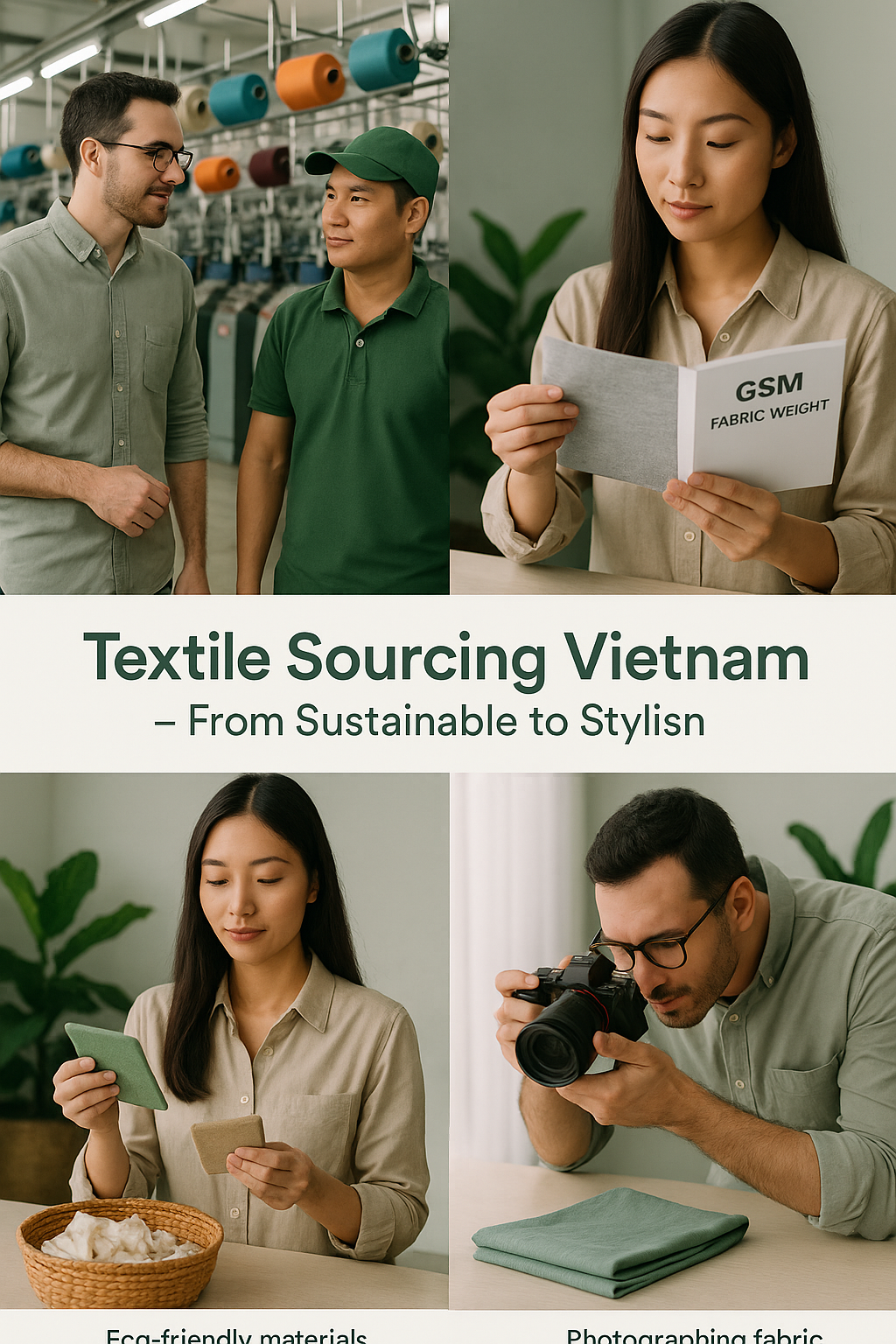
Feeling lost in the market? Learn key considerations and strategies for navigating the wholesale market in Vietnam.
Quality Control in Vietnam Clothes Wholesale: Ensuring Customer Satisfaction
Maintaining rigorous quality control is paramount in Vietnam clothes wholesale to secure customer satisfaction and foster long-term business relationships. As businesses increasingly source wholesale clothing from Vietnam, implementing effective quality assurance measures becomes crucial for upholding brand reputation and minimizing returns. This section explores key strategies and considerations for ensuring the quality of Vietnam clothes meets expected standards.
Effective quality control processes in Vietnam wholesale clothing begin with supplier selection and continue throughout the production cycle. Conducting thorough audits of potential suppliers, focusing on their manufacturing capabilities, quality management systems, and ethical labor practices, is essential. For instance, vietnambizrep can assist in vetting suppliers by assessing their certifications, such as ISO 9001, and conducting factory inspections to verify their compliance with quality standards. This initial screening helps to identify reliable partners committed to delivering high-quality apparel.
A multi-stage inspection process is vital for identifying and rectifying defects before products reach the customer. These stages typically include:
- Pre-Production Inspection: Verifying raw materials, components, and patterns to ensure they meet specifications.
- During Production Inspection: Monitoring production processes to identify any deviations from quality standards early on.
- Final Inspection: Conducting a comprehensive inspection of finished goods before shipment, checking for defects in stitching, sizing, color, and overall appearance.
Furthermore, third-party inspection services can provide an unbiased assessment of clothing quality, offering an extra layer of assurance. Employing AQL (Acceptable Quality Limit) sampling methods helps to determine the acceptable defect rate, ensuring a consistent quality level across batches.
Prioritizing clear communication and detailed specifications is key to preventing misunderstandings and ensuring clothing manufacturers understand expectations. Providing tech packs with precise measurements, color swatches, and fabric specifications minimizes the risk of errors during production. Establishing open lines of communication allows for prompt resolution of any issues that arise during the manufacturing process. For example, vietnambizrep facilitates communication between buyers and suppliers, ensuring clarity and addressing concerns promptly.
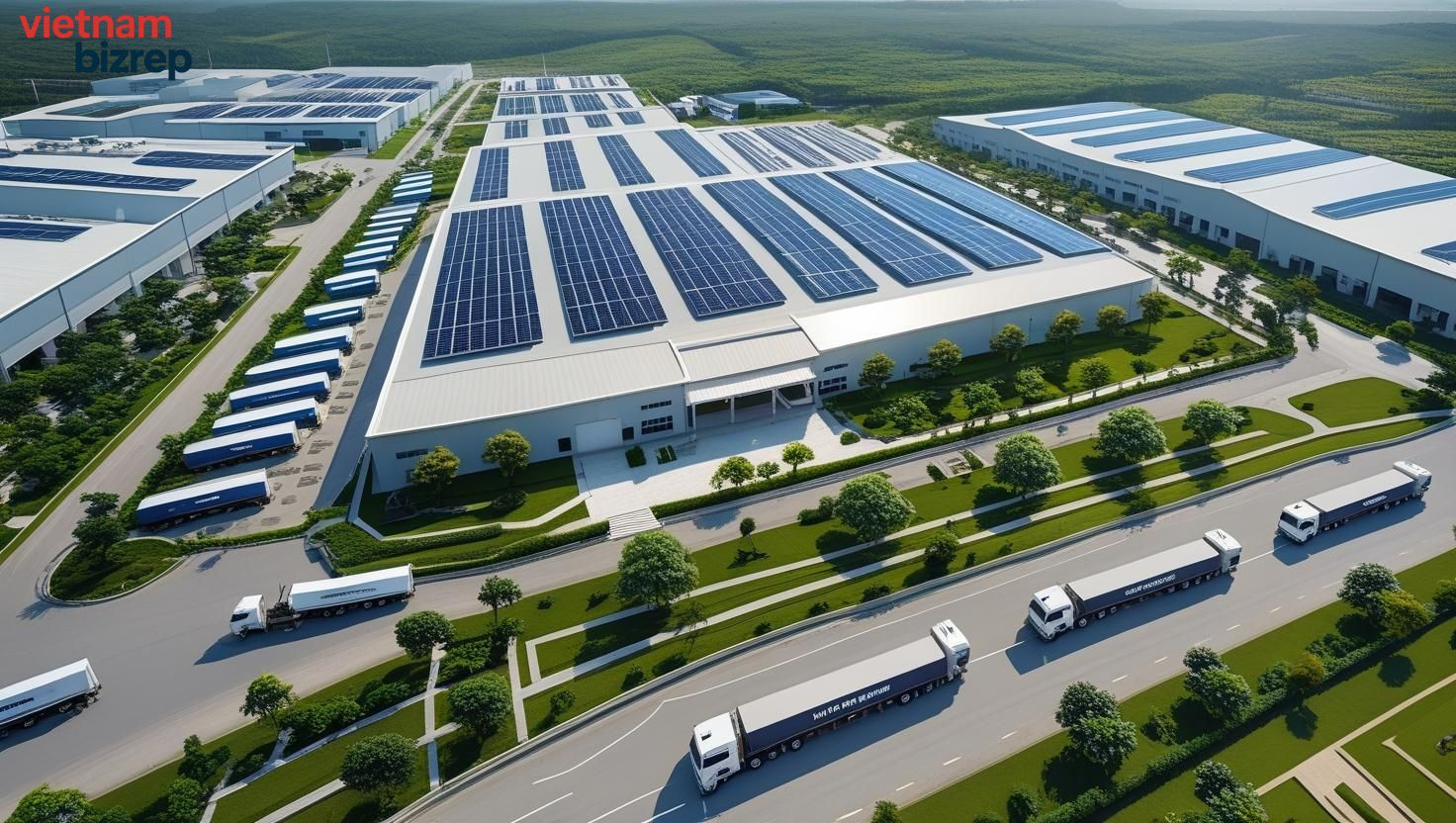
Worried about quality? Read our tips on quality control in Vietnam’s garment industry.
Pricing and Negotiation Strategies for Vietnam Clothes Wholesale
Securing favorable pricing and mastering effective negotiation are vital for maximizing profitability in the Vietnam clothes wholesale market. Understanding the nuances of pricing structures, cultural considerations, and strategic negotiation tactics can empower businesses to achieve optimal deals when sourcing wholesale clothing from Vietnam.
Understanding cost components is crucial for successful price negotiation. Direct material costs like fabric and trims, labor expenses, overhead costs encompassing factory operations, and desired profit margins for the supplier all influence the final wholesale clothing price. Transparency in these areas allows for informed discussions and potentially identifying areas for cost reduction through alternative materials or streamlined production processes, ultimately impacting the final price of Vietnamese clothing wholesale.
Effective negotiation leverages several key strategies. Researching market prices for comparable goods provides a benchmark. Establishing a strong relationship with the supplier fosters open communication. Clearly defining order specifications and volumes allows suppliers to accurately assess costs. Highlighting the potential for long-term partnerships and future business incentivizes suppliers to offer more competitive rates for Vietnam clothes wholesale. Furthermore, consider offering incentives for early payments or larger order sizes to sweeten the deal.
Beyond price, negotiating favorable terms is equally important. Minimum Order Quantities (MOQs) can be a significant barrier for smaller businesses. Negotiating lower MOQs or exploring options for mixed orders provides greater flexibility. Payment terms, including deposit amounts and payment schedules, directly impact cash flow. Extended payment terms or lower initial deposits can ease financial burdens. Delivery timelines also require careful consideration, balancing urgency with realistic production capabilities.
Ultimately, successful negotiation in the Vietnam clothes wholesale market hinges on thorough preparation, clear communication, and a collaborative approach. Building rapport, understanding supplier constraints, and finding mutually beneficial solutions creates a foundation for long-term, profitable partnerships in the Vietnamese clothing wholesale industry.

Want to get the best deals? Discover effective pricing and negotiation strategies.
Logistics and Shipping Considerations for Vietnam Clothes Wholesale
When engaging in Vietnam clothes wholesale, meticulously planning logistics and shipping is crucial for a seamless and profitable operation. Understanding the intricacies of international freight, customs procedures, and potential challenges ensures timely delivery and minimizes unexpected costs when importing wholesale clothing from Vietnam.
Several factors influence the selection of the optimal shipping method for your wholesale Vietnam clothes. The urgency of delivery, the volume of the order, and your budget are primary considerations. Sea freight is generally the most economical option for large shipments, although it requires a longer transit time, typically several weeks. Air freight offers faster delivery, often within a few days, but comes at a higher cost. Express couriers are suitable for smaller, time-sensitive shipments, providing door-to-door service with tracking capabilities. For example, if you need 500 pieces of summer dresses urgently for a seasonal promotion, air freight might be necessary, while a bulk order of 5000 t-shirts for your general stock can comfortably travel by sea.
Navigating customs clearance is an integral part of the Vietnam clothes wholesale process.
- Documentation: Accurate and complete documentation, including commercial invoices, packing lists, and certificates of origin, is essential to avoid delays and penalties.
- Duties and Taxes: Be prepared to pay import duties and taxes, which vary depending on the destination country and the type of clothing.
- Regulations: Familiarize yourself with specific import regulations and requirements of your country, such as labeling requirements and textile standards.
Minimizing shipping costs is a key factor in maximizing profitability in Vietnam clothes wholesale. Negotiating favorable shipping rates with freight forwarders or carriers, consolidating shipments whenever possible, and optimizing packaging to reduce volume are effective strategies. Consider working with suppliers who offer Ex Works (EXW) or Free on Board (FOB) incoterms to gain more control over the shipping process and potentially reduce costs. For instance, requesting suppliers to pack items as efficiently as possible can reduce the overall volume and therefore lower shipping costs significantly.
Effectively managing the logistics side of Vietnam clothes wholesale is essential for business success. By considering the factors above, companies can ensure their supply chain operations run smoothly.

Confused about shipping logistics? Read our guide on importing clothes from Vietnam.
Minimizing Risks and Building Trust with Vietnam Clothes Wholesale Suppliers
Securing your investment and fostering long-term partnerships in the vietnam clothes wholesale market hinges on minimizing risks and building trust with your suppliers. Developing a strong foundation of trust is crucial for mitigating potential issues such as inconsistent quality, delivery delays, and communication breakdowns, ultimately protecting your business interests when engaging in wholesale clothing from Vietnam.
Due Diligence and Verification Processes
Thorough due diligence forms the cornerstone of risk mitigation. Start by verifying the supplier’s business license and registration to ensure they are a legitimate entity operating within Vietnam’s legal framework. Then, delve deeper by requesting references from their existing clients, allowing you to gain first-hand insights into their reliability and performance. Don’t hesitate to conduct factory visits, either in person or virtually, to assess their production capabilities, working conditions, and overall ethical standards.
Clear Communication and Contractual Agreements
Establish clear communication channels and formalize your agreements through detailed contracts. Your contracts should specify product specifications, quality standards, pricing, payment terms, delivery schedules, and dispute resolution mechanisms. Using visual aids such as images or videos to clarify expected standards can significantly reduce misunderstandings. Regular communication, proactive follow-ups, and prompt responses to supplier inquiries demonstrate your commitment and help foster a stronger working relationship.
Payment and Financial Safeguards
Implement secure payment methods and consider staged payments to mitigate financial risks. Options like letters of credit or escrow services can provide additional layers of protection, especially when dealing with new suppliers. Avoid making large upfront payments to unverified suppliers and negotiate payment terms that align with your risk tolerance. Conduct a credit check to evaluate the supplier’s financial stability and ability to fulfill their obligations.
Quality Control and Inspection Protocols
Robust quality control measures are essential to prevent defective or substandard products from reaching your customers. Implement pre-production, in-production, and post-production inspections to identify and address any quality issues early on. Consider hiring a third-party inspection agency to conduct independent assessments and ensure adherence to your specified quality standards. Clearly define acceptable quality levels (AQL) in your contract to minimize disputes and ensure consistent product quality.
Ethical Sourcing and Sustainability Practices
Demonstrate your commitment to ethical sourcing and sustainability by choosing suppliers who adhere to fair labor practices and environmentally responsible production methods. Inquire about their certifications and policies related to worker welfare, environmental protection, and social responsibility. Supporting ethical suppliers not only minimizes reputational risks but also aligns with growing consumer demand for sustainable and socially conscious products.
Concerned about risks? Learn how to minimize risks and build trust with suppliers in Vietnam.
Legal and Ethical Considerations for Vietnam Clothes Wholesale
Navigating the world of vietnam clothes wholesale requires more than just finding suppliers and negotiating prices; it demands a thorough understanding of the legal and ethical considerations that underpin responsible business practices. Dealing with vietnambizrep, or any other entity involved in wholesale clothing from Vietnam, means adhering to a framework designed to protect workers, consumers, and the environment. Ignoring these aspects can lead to significant legal repercussions and damage your brand’s reputation.
Understanding and adhering to Vietnamese labor laws is paramount to ethical sourcing. These laws cover a wide range of issues, including minimum wage, working hours, overtime compensation, and workplace safety. For example, Vietnam’s Labor Code mandates that employers provide a safe and healthy working environment, regularly inspect machinery, and provide necessary protective equipment. Non-compliance can result in hefty fines and even legal action. Furthermore, it’s crucial to ensure that suppliers do not employ child labor or forced labor, which are strictly prohibited under Vietnamese law and international conventions.
Beyond labor laws, intellectual property rights (IPR) are a critical legal consideration in vietnam clothes wholesale. Counterfeiting and infringement of trademarks and copyrights are prevalent issues in the garment industry. Before importing any clothing, you must verify that the designs and trademarks do not infringe on existing IPR. Conducting due diligence, such as trademark searches and supplier audits, can help mitigate the risk of dealing with counterfeit goods. The penalties for importing and selling counterfeit products can be severe, including fines, seizure of goods, and legal action from the rights holders.
Ethical sourcing also encompasses environmental responsibility. The textile industry is known for its significant environmental impact, from water pollution to greenhouse gas emissions. As a responsible importer, it’s crucial to work with suppliers who are committed to sustainable practices. This includes using eco-friendly materials, implementing water and energy conservation measures, and properly disposing of waste. Certifications such as Oeko-Tex Standard 100 and Global Organic Textile Standard (GOTS) can provide assurance that products meet certain environmental standards. Promoting sustainable clothing not only reduces your environmental footprint but also appeals to an increasingly eco-conscious consumer base.
Finally, transparency and traceability are key to building trust and ensuring ethical practices in vietnam clothes wholesale. Maintain accurate records of your transactions, including supplier information, production processes, and labor practices. This allows you to trace the origins of your products and demonstrate your commitment to ethical sourcing. Regularly audit your suppliers to ensure compliance with legal and ethical standards. By embracing transparency, you can create a more sustainable and responsible supply chain, fostering long-term relationships with both suppliers and customers.
Staying compliant is crucial. Explore legal and ethical considerations for Vietnam clothes wholesale.
Trends and Opportunities in Vietnam Clothes Wholesale for Sustainable Business
The Vietnam clothes wholesale market is increasingly influenced by sustainable business practices, creating new trends and opportunities for both suppliers and buyers. This shift reflects a growing global awareness of ethical and environmental concerns within the fashion industry, prompting a demand for responsible sourcing and production methods in Vietnamese garment manufacturing.
Several key trends are shaping the sustainable landscape of Vietnam clothes wholesale:
- Eco-friendly materials: The demand for organic cotton, recycled polyester, and innovative plant-based fabrics is surging. Vietnamese manufacturers are adapting by incorporating these materials into their product lines. For instance, companies are using recycled plastic bottles to create polyester fabrics, reducing waste and minimizing environmental impact.
- Ethical production: Transparency and fair labor practices are becoming crucial. Brands are seeking suppliers who adhere to ethical standards, ensuring workers’ rights and safe working conditions. Certifications like Fair Trade and WRAP (Worldwide Responsible Accredited Production) are increasingly important for demonstrating ethical sourcing.
- Traceability: Consumers want to know the origin of their clothes and the processes involved in their production. Vietnam clothes wholesalers are implementing traceability systems to track the journey of garments from raw materials to finished products. Blockchain technology is also being explored to enhance transparency in the supply chain.
- Circular fashion: The concept of circularity – minimizing waste and maximizing resource utilization – is gaining traction. Vietnamese manufacturers are exploring strategies like designing for durability, offering repair services, and implementing take-back programs to extend the lifespan of garments and reduce textile waste.
- Technology integration: Technology plays a critical role in promoting sustainability and efficiency. Many companies are adopting AI-powered tools for predictive analysis that helps in making better predictions for stock level and reduces the amount of waste produced.
These trends present significant opportunities for Vietnam clothes wholesale:
- Niche market development: Sustainable clothing caters to a specific segment of consumers who are willing to pay a premium for eco-friendly and ethically produced garments. Vietnamese suppliers can capitalize on this growing market by offering specialized products that meet these demands.
- Brand differentiation: Embracing sustainability can help Vietnamese wholesalers stand out from the competition. By showcasing their commitment to ethical and environmental responsibility, they can attract customers who value these principles.
- Cost savings: Implementing sustainable practices can lead to long-term cost savings through reduced waste, efficient resource utilization, and improved operational efficiency.
- Access to new markets: Many international brands are actively seeking suppliers who can meet their sustainability requirements. By embracing sustainable practices, Vietnamese wholesalers can gain access to these lucrative markets.
- Enhanced reputation: A strong commitment to sustainability enhances a company’s reputation and strengthens its relationships with customers, suppliers, and other stakeholders. This can lead to increased customer loyalty and long-term business success.
By embracing sustainable business practices, Vietnam clothes wholesale can not only contribute to a more ethical and environmentally responsible fashion industry but also unlock new opportunities for growth and success.
Ready to explore the future? Check out the latest trends and opportunities in Vietnam wholesale for a sustainable business.
Vietnam Biz Rep helps overseas buyers find suppliers, verify factories, coordinate samples, inspect goods, and follow up production in Vietnam. Learn more about our Vietnam sourcing agent services or contact us to discuss your sourcing requirements.
