

Securing reliable Vietnamese Suppliers is paramount for businesses aiming to optimize costs and ensure consistent product quality in 2025. This guide delves into the crucial aspects of navigating the Vietnamese sourcing landscape, from identifying reputable manufacturers and exporters to understanding the intricacies of supply chain management and contract negotiation. Whether you’re seeking textile suppliers, furniture manufacturers, or partners in other key sectors, this vietnambizrep article will equip you with actionable strategies for conducting thorough due diligence, navigating legal frameworks, and building lasting relationships with your Vietnamese suppliers to ensure a seamless and profitable sourcing experience.
Understanding the Vietnamese Supply Chain Landscape
Navigating the Vietnamese supply chain landscape is crucial for businesses seeking to leverage the country’s manufacturing prowess and competitive fornecedor vietnã. Vietnam has emerged as a significant player in global sourcing, offering a compelling alternative to traditional manufacturing hubs. This section delves into the key aspects of this dynamic environment, providing insights into its structure, strengths, and potential challenges.
The Vietnamese supply chain is characterized by its diverse industries and geographical distribution. Key sectors include textiles, footwear, electronics, agriculture, and furniture. These industries are concentrated in key economic zones, such as the Red River Delta (Northern Vietnam) and the Mekong Delta (Southern Vietnam), which offer strategic advantages in terms of infrastructure and access to resources. Understanding this geographical distribution is essential for identifying suitable suppliers and optimizing logistics.
Several factors contribute to Vietnam’s attractiveness as a sourcing destination. Firstly, the country boasts a competitive labor cost, making it an appealing option for labor-intensive manufacturing. Secondly, Vietnam has actively pursued trade liberalization, forging Free Trade Agreements (FTAs) with major economies like the EU, the US, and Japan. These agreements reduce tariffs and trade barriers, further enhancing Vietnam’s appeal to international businesses. Thirdly, the Vietnamese government has invested significantly in improving infrastructure, including ports, roads, and industrial parks, to facilitate efficient supply chain operations.
However, the Vietnamese supply chain also presents certain challenges. One major concern is the reliance on imported raw materials, particularly for industries like textiles and electronics. This dependence can expose businesses to price fluctuations and supply disruptions. Another challenge is the need to improve quality control and compliance standards. While many Vietnamese suppliers adhere to international standards, others may lack the necessary expertise or resources to ensure consistent quality. Finally, businesses need to be aware of potential ethical considerations, such as labor practices and environmental regulations, when sourcing from Vietnam.

Delve deeper into the nuances of the Vietnamese market: Uncover the key players and dynamics shaping Vietnam’s supply chain landscape.
Top Product Categories Sourced from Vietnam: Opportunities and Trends
Vietnam has emerged as a significant player in the global supply chain, offering diverse product categories with compelling opportunities for businesses worldwide. Understanding the trends shaping the Vietnamese sourcing landscape is crucial for capitalizing on its potential and leveraging its competitive advantages. This section will delve into the leading product categories exported from Vietnam, highlighting the factors driving their success and the evolving trends shaping their future.
Vietnam’s export portfolio is characterized by a mix of manufactured goods, agricultural products, and raw materials. Key categories driving growth include electronics, textiles and garments, footwear, furniture, seafood, and agricultural produce. These sectors benefit from a combination of factors, including competitive labor costs, government incentives, strategic trade agreements, and a growing manufacturing base. For example, the electronics sector has seen substantial growth due to investments from major international companies seeking to diversify their supply chains and access Vietnam’s skilled workforce.
Textiles and Garments: The textile and garment industry remains a cornerstone of Vietnam’s export economy. Vietnam is a major exporter of apparel, footwear, and textiles. This sector benefits from competitive labor costs and integration into global supply chains. Key trends include a growing focus on value-added products, sustainable manufacturing practices, and diversification into technical textiles.
Electronics: Vietnam is rapidly becoming a hub for electronics manufacturing and assembly. Foreign direct investment (FDI) has fueled growth in this sector, with major companies establishing manufacturing facilities in Vietnam. Key trends include increasing localization of production, development of higher-value-added products, and integration into global electronics supply chains.
Furniture: Vietnam is a significant exporter of wooden furniture, benefitting from abundant timber resources and skilled craftsmanship. The furniture sector is known for its competitive pricing and design capabilities. Key trends include a growing focus on sustainable sourcing of timber, innovation in design, and expansion into new markets.
Footwear: Footwear is a major export product for Vietnam, with a large manufacturing base and competitive labor costs. The sector is a key supplier to major international brands. Key trends include a growing focus on sustainable materials, innovation in footwear design, and automation of production processes.
Seafood: Vietnam is a leading exporter of seafood products, including shrimp, pangasius, and tuna. The seafood sector benefits from a long coastline, abundant aquaculture resources, and established processing facilities. Key trends include a growing focus on sustainable fishing practices, traceability of seafood products, and compliance with international food safety standards.
Agricultural Produce: Vietnam is a major exporter of agricultural products, including rice, coffee, tea, and fruits. The agricultural sector benefits from fertile land, favorable climate conditions, and a large agricultural workforce. Key trends include a growing focus on high-value crops, organic farming practices, and compliance with international quality standards.
- Rice: As one of the world’s leading rice exporters, Vietnam continues to strengthen its position through improved farming techniques and focus on higher quality varieties.
- Coffee: Vietnam is the second-largest coffee producer globally, with Robusta coffee being a major export. The industry is focusing on sustainable farming and expanding into specialty coffee markets.
- Fruits and Vegetables: Vietnam is increasingly exporting a diverse range of fruits and vegetables, leveraging its tropical climate and proximity to major Asian markets.
Understanding these product categories and the trends shaping them enables businesses to identify opportunities for sourcing from Vietnam. By understanding these market dynamics, importers can optimize their sourcing strategies and build resilient supply chains.

Interested in sourcing apparel from Vietnam? Discover Vietnam’s leading clothing manufacturers and emerging trends in the garment industry.
How to Verify a Vietnamese Supplier’s Legitimacy: Due Diligence Checklist
Verifying the legitimacy of a fornecedor Vietnã is crucial for mitigating risks and ensuring successful sourcing operations in Vietnam. Implementing a thorough due diligence process helps businesses avoid scams, protect their investments, and build reliable supply chains. By carefully examining a potential supplier’s background, capabilities, and compliance, you can make informed decisions and establish trustworthy partnerships.
Prior to engaging with any Vietnamese supplier, conducting preliminary checks is essential. This involves verifying their business registration information through official government sources. The National Business Registration Portal provides access to essential details like company name, address, legal representative, and business license number. Cross-referencing this information with other sources, such as the supplier’s website and marketing materials, can help identify any inconsistencies or red flags.
A comprehensive due diligence checklist should include the following key areas:
- Business Registration Verification: Confirm the supplier’s legal status and registration details via the National Business Registration Portal or a reputable local business registry.
- Factory Audit: Conduct an on-site inspection of the supplier’s facilities to assess their production capacity, quality control processes, and working conditions. Third-party inspection companies can provide independent and objective assessments.
- Financial Stability Check: Review the supplier’s financial statements, credit reports, and payment history to evaluate their financial health and ability to fulfill orders.
- Compliance and Certifications: Verify that the supplier possesses the necessary licenses, permits, and certifications relevant to their industry and the products they manufacture.
- References and Testimonials: Contact previous or existing customers to gather feedback on the supplier’s performance, reliability, and product quality.
- Background Checks: Conduct background checks on the supplier’s management team and key personnel to identify any potential legal or ethical issues.
- Intellectual Property Protection: Assess the supplier’s commitment to protecting intellectual property rights and implementing measures to prevent counterfeiting or infringement.
Beyond these checks, it’s equally important to investigate the supplier’s reputation. Search online for reviews, news articles, or any reports of unethical business practices. Industry-specific forums and associations can also provide valuable insights into a supplier’s standing within the Vietnamese business community. Furthermore, consider visiting relevant Vietnamese trade fairs to meet potential fornecedores Vietnã in person and assess their credibility.
Engaging a local legal or consulting firm specializing in Vietnamese supply chains can provide invaluable support throughout the due diligence process. These experts can conduct in-depth investigations, navigate complex regulations, and provide tailored advice based on your specific needs. Remember, investing in thorough due diligence upfront is an investment in the long-term success and security of your sourcing operations.
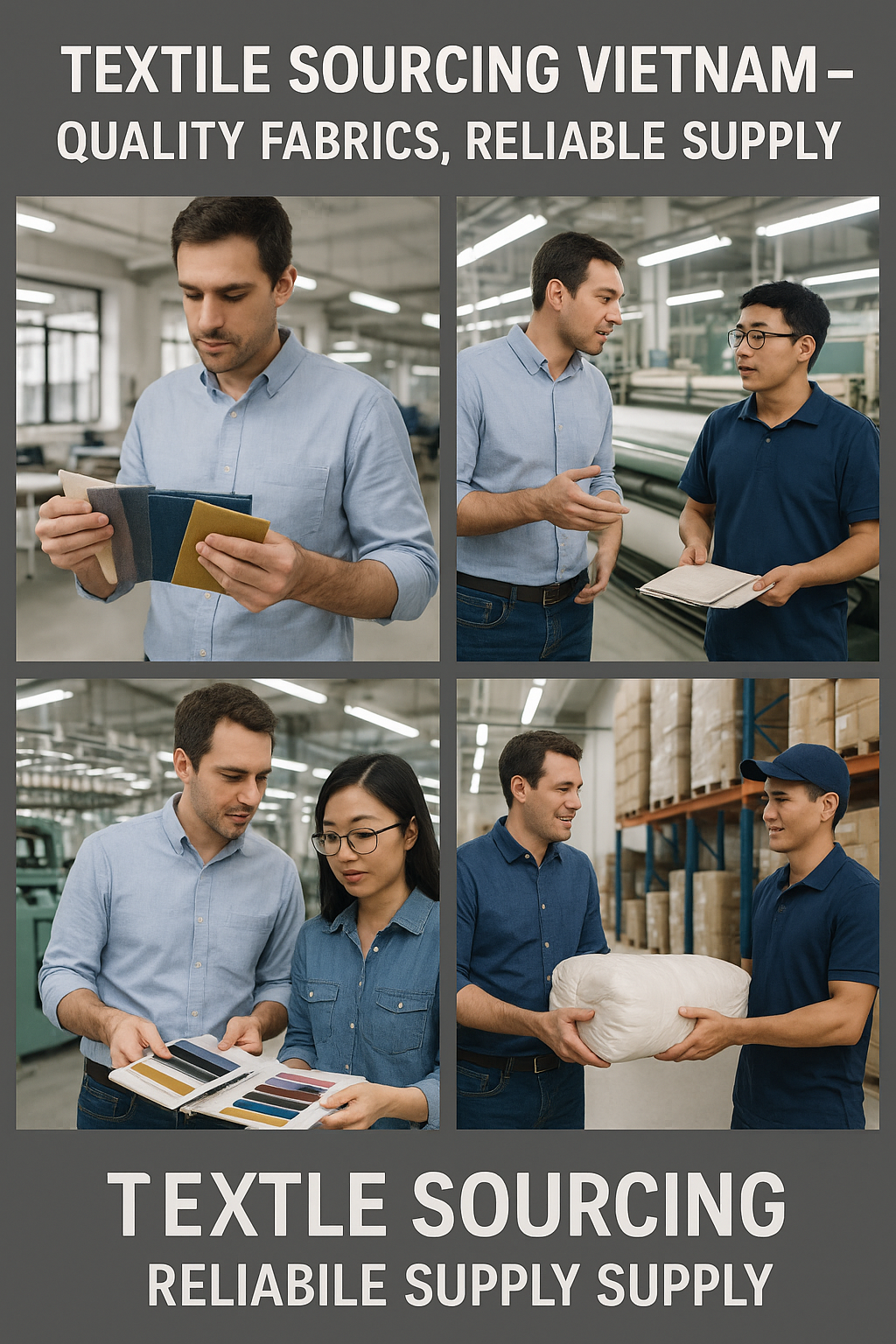
Before you partner with a supplier, ensure their legitimacy. Follow our due diligence checklist to avoid potential scams and build trust.
Navigating Vietnamese Business Culture: Communication and Negotiation Tips
Successfully sourcing from Vietnam requires more than just identifying a reliable fornecedor vietnã; understanding and adapting to Vietnamese business culture is crucial for effective communication and successful negotiations. By grasping the nuances of Vietnamese customs, you can build stronger relationships, avoid misunderstandings, and ultimately secure better deals. This section will delve into key aspects of Vietnamese business etiquette and provide practical tips for navigating communication and negotiation processes.
One of the first things to understand is the importance of “face” (saving face), or uy tín, in Vietnamese culture. Maintaining harmony and avoiding direct confrontation are paramount. This means that direct “no” answers are rare; instead, you might hear indirect responses or ambiguous statements. Recognizing this tendency is crucial to accurately interpreting the meaning behind the words. For instance, instead of a direct refusal, a Vietnamese supplier might say “We will consider it” or “It may be difficult.” Paying attention to body language and tone can offer further clues.
Building relationships is another critical aspect of Vietnamese business culture. Decisions are often based on trust and personal connections. Therefore, investing time in getting to know your Vietnamese counterparts on a personal level can significantly impact your business dealings. This can involve sharing meals, exchanging small gifts (avoiding certain numbers like 4 and certain colors like black for gifts), and engaging in polite conversation before diving into business matters. Remember to use formal titles and address people by their given names (unless otherwise specified) to show respect.
When it comes to communication, clarity and patience are key. While many Vietnamese business professionals have a good command of English, language barriers can still exist. It’s beneficial to communicate in writing whenever possible, to ensure that details are clearly documented. Avoid using slang or overly complex language, and be prepared to repeat or rephrase information as needed. It is also advisable to confirm understanding by summarizing key points and asking clarifying questions.
Negotiation in Vietnam often involves a more indirect approach than in Western cultures. Be prepared for a gradual process that emphasizes building consensus and finding mutually beneficial solutions. Avoid aggressive tactics or ultimatums, as these can damage relationships. Instead, focus on presenting your case in a respectful and collaborative manner. Remember that initial offers are often starting points, and there is typically room for negotiation. Showing flexibility and willingness to compromise can lead to more favorable outcomes.
Key Tips for Effective Communication and Negotiation:
- Respect Hierarchy: Understand and respect the hierarchical structure within Vietnamese companies.
- Be Patient: Allow ample time for decisions and negotiations.
- Use an Interpreter: Consider using a professional interpreter if language barriers are significant.
- Prepare Thoroughly: Research your Vietnamese counterparts and their company beforehand.
- Follow up promptly: Respond to emails and inquiries in a timely manner to show professionalism.
By understanding and respecting Vietnamese business culture, you can cultivate strong relationships with your fornecedor vietnã and achieve long-term success in your sourcing endeavors. This cultural sensitivity, coupled with effective communication and negotiation strategies, will enable you to navigate the Vietnamese business landscape with confidence and achieve your business objectives.
Payment and Logistics Considerations When Sourcing from Vietnam
Navigating the complexities of payment methods and logistics solutions is critical for businesses aiming to effectively source from fornecedor vietnã (Vietnamese suppliers). Understanding the nuances of payment terms, shipping options, and customs procedures can significantly impact the success of your sourcing endeavors in Vietnam.
Selecting appropriate payment methods is crucial for mitigating risks and ensuring smooth transactions. Common payment options include Letter of Credit (L/C), Telegraphic Transfer (T/T), and increasingly, online payment platforms. Letters of Credit offer a secure option, particularly for large orders, as they involve banks guaranteeing payment upon fulfillment of specific conditions. However, they can be more complex and costly. Telegraphic Transfers are a faster and more straightforward option, but carry a higher risk for the buyer, requiring trust in the supplier. Consider the size of your order, the supplier’s reputation, and your risk tolerance when choosing a method. For example, smaller orders or repeat transactions with trusted suppliers might be suitable for T/T, while larger, initial orders could warrant the security of an L/C.
Effective logistics management is equally vital for a successful sourcing strategy. Shipping from Vietnam involves considerations such as sea freight, air freight, and express shipping. Sea freight is typically the most cost-effective option for large shipments, while air freight is faster but more expensive, suitable for time-sensitive goods. Express shipping is ideal for samples or small, urgent orders. Furthermore, factor in incoterms (International Commercial Terms) like FOB (Free on Board) or CIF (Cost, Insurance and Freight) to clearly define responsibilities for shipping costs, insurance, and customs clearance between you and your fornecedor vietnã. Proper documentation, including commercial invoices, packing lists, and certificates of origin, is essential for smooth customs clearance.
Customs clearance procedures in both Vietnam and your destination country are another critical aspect. Understanding the required documentation, import duties, and taxes is essential to avoid delays and unexpected costs. Engaging a reputable freight forwarder or customs broker can provide valuable assistance in navigating these complexities. They can help ensure compliance with all regulations and streamline the clearance process. For instance, a delay in submitting the correct certificate of origin can lead to higher import duties, significantly impacting your overall costs.
Effective communication with your fornecedor vietnã regarding payment and logistics is also key. Clearly outline your expectations, confirm all details in writing, and maintain open communication throughout the process. This helps to prevent misunderstandings and ensures a smooth and efficient transaction. A proactive approach to addressing potential challenges and establishing clear communication channels will foster a successful long-term sourcing relationship.

Here’s the content for your H2, focusing on providing valuable information and SEO optimization:
Navigate the complexities of international transactions with ease. Understand key payment methods and logistics strategies for successful sourcing from Vietnam.
Key Vietnamese Trade Fairs and Online Platforms for Supplier Discovery
Discovering reliable fornecedor vietnã requires strategic utilization of key Vietnamese trade fairs and online platforms. These venues offer invaluable opportunities to connect with potential suppliers, assess product quality, and establish business relationships. Understanding which events and platforms are most relevant to your sourcing needs is crucial for efficient and effective supplier discovery in Vietnam.
Trade fairs remain a vital channel for identifying potential nhà cung cấp Việt Nam, offering a firsthand experience with products and a direct line of communication with suppliers. Vietnam Expo in Hanoi and Ho Chi Minh City, for instance, showcases a wide array of industries, from agricultural products to machinery, attracting both domestic and international participants. VIETFOOD & BEVERAGE is another prominent event for those in the food and beverage sector. These exhibitions allow you to evaluate product samples, compare pricing, and gauge the supplier’s capabilities.
Beyond traditional trade fairs, online platforms are transforming the way businesses find Vietnamese suppliers. Alibaba.com, while a global platform, features a significant number of verified Vietnamese suppliers. EC21 and Global Sources are other popular options. However, platforms specific to Vietnam offer a more targeted approach. Vietnam Trade Promotion Agency’s (VIETRADE) website serves as an official portal connecting businesses with local manufacturers and exporters. Similarly, VCCI’s (Vietnam Chamber of Commerce and Industry) website offers a directory of businesses and industry-specific information.
To maximize the benefits of these resources, consider the following:
- Define Your Sourcing Needs: Clearly outline your product specifications, quantity requirements, and quality standards before attending trade fairs or browsing online platforms.
- Do Your Research: Investigate the reputation and credibility of trade fairs and online platforms. Look for reviews, testimonials, and certifications.
- Prepare Questions: Develop a list of questions to ask potential suppliers regarding their production capacity, quality control processes, and pricing terms.
- Follow Up: After engaging with potential suppliers, promptly follow up with them to express your interest and request additional information.
- Verify Supplier Legitimacy: Always conduct thorough due diligence before entering into any agreements.
By strategically leveraging key Vietnamese trade fairs and online platforms, businesses can effectively identify and connect with reliable fornecedor vietnã, paving the way for successful sourcing operations.
Looking for the best channels to connect with Vietnamese suppliers? Explore leading trade fairs and online B2B marketplaces in Vietnam.
Avoiding Common Pitfalls When Working with Vietnamese Suppliers
Navigating the Vietnamese supply chain can be incredibly rewarding, but it’s crucial to be aware of and proactively avoid potential pitfalls when working with Vietnamese suppliers. Failing to do so can lead to significant setbacks in terms of quality, timelines, and overall project success. Understanding common challenges, such as communication barriers and quality control issues, is paramount to successfully sourcing from a fornecedor vietnã.
One frequent challenge is the lack of clear and consistent communication. Misunderstandings can easily arise due to language differences, cultural nuances, or simply differing expectations. To mitigate this, vietnambizrep recommends investing in professional translation services and establishing clear communication protocols from the outset. For instance, clearly define product specifications, quality standards, and delivery timelines in writing, and confirm understanding with your Vietnamese supplier through regular video conferences and written summaries.
Another common issue revolves around quality control. While many Vietnamese suppliers are committed to producing high-quality goods, inconsistencies can occur if quality control measures are not rigorously implemented. This could stem from a lack of understanding of international standards or a desire to cut costs. To counteract this, it’s advisable to conduct thorough factory audits, implement robust quality inspection processes at various stages of production, and potentially engage a third-party inspection agency to ensure compliance with your requirements. Furthermore, requesting samples before committing to large orders is crucial for evaluating the supplier’s capabilities and the material of their products.
Finally, payment terms and logistics can present further complications. Disputes over payment terms are common, and logistical challenges can arise due to infrastructure limitations or bureaucratic hurdles. Vietnambizrep advises negotiating payment terms carefully and establishing clear payment schedules. For example, consider using a Letter of Credit (L/C) for larger transactions or splitting payments into installments tied to specific milestones. Collaborating with a reputable freight forwarder with experience in Vietnamese logistics can help navigate complex import/export regulations and ensure timely delivery of goods. These are just a few essential things to avoid issues when working with a fornecedor vietnã.
Building Long-Term Relationships with Your Vietnamese Suppliers
Establishing long-term relationships with your Vietnamese suppliers is crucial for sustained success in sourcing fornecedor vietnã and ensures a stable, reliable supply chain. Beyond simply securing favorable pricing, cultivating robust partnerships fosters trust, enhances communication, and unlocks opportunities for collaborative growth. By viewing suppliers as strategic allies rather than mere vendors, businesses can create a mutually beneficial ecosystem that drives innovation and resilience. This collaborative spirit, rooted in understanding and respect, forms the bedrock of a thriving and enduring business relationship.
One key aspect of building strong supplier relationships lies in consistent and transparent communication. Regular updates on your business needs, market trends, and performance expectations allow suppliers to anticipate your requirements and proactively address potential challenges. Schedule regular meetings, whether in person or virtually, to discuss performance metrics, identify areas for improvement, and explore opportunities for joint innovation. For example, sharing forecasts of future demand allows suppliers to optimize their production capacity and avoid stockouts. According to a survey by the Supply Chain Management Review, companies with excellent communication practices are 2.5 times more likely to have highly collaborative supplier relationships.
Another vital component is fair and ethical treatment. Paying invoices promptly and adhering to agreed-upon terms and conditions demonstrates respect and builds trust. Avoid constantly squeezing suppliers for lower prices, as this can erode profit margins and compromise quality. Instead, focus on collaborative cost reduction strategies that benefit both parties. Consider offering incentives for exceeding performance targets, such as bonuses for on-time delivery or quality improvements. By fostering a sense of fairness and mutual benefit, you can cultivate loyalty and commitment from your suppliers.
Furthermore, investing in supplier development programs can significantly strengthen your relationships. Offering training, technical assistance, or financial support can help suppliers improve their capabilities, enhance product quality, and streamline their operations. This collaborative approach not only benefits the supplier but also ensures a more reliable and efficient supply chain for your business. For instance, Vietnambizrep could offer workshops on international quality standards or provide access to technology that improves production efficiency, creating a more valuable and dependable fornecedor vietnã.
Finally, understanding and respecting Vietnamese business culture is paramount to establishing strong, lasting relationships. Take the time to learn about local customs, traditions, and etiquette. Show genuine interest in their business and personal lives. Build rapport by sharing meals, attending social events, and engaging in informal conversations. This personal touch demonstrates your commitment to building a relationship beyond purely transactional interactions.
Legal and Regulatory Aspects of Importing from Vietnam
Navigating the legal and regulatory landscape is crucial for businesses aiming to import from Vietnam and establish themselves as a reliable fornecedor vietnã. Understanding the intricacies of Vietnamese import regulations ensures a smooth and compliant sourcing process, avoiding potential legal pitfalls. This section will delve into the essential legal considerations for importing from Vietnam.
Successfully importing goods from Vietnam requires a thorough understanding of Vietnamese trade laws and regulations. These trade regulations encompass various aspects, including import licenses, customs procedures, product standards, and labeling requirements. For example, Decree No. 69/2018/ND-CP provides comprehensive guidance on trading activities, including import and export, and should be consulted. Failure to comply with these regulations can result in delays, fines, or even the seizure of goods.
- Import Licenses and Permits: Certain goods may require specific import licenses or permits from relevant Vietnamese authorities. For example, importing agricultural products often necessitates phytosanitary certificates.
- Customs Procedures: Familiarize yourself with Vietnam’s customs procedures, including documentation requirements, valuation methods, and inspection processes. Accurate and complete documentation is essential for swift clearance.
- Product Standards and Compliance: Ensure that the products you are importing meet Vietnamese quality standards and technical regulations. This may involve obtaining certifications or conducting testing to demonstrate compliance.
- Labeling and Packaging Requirements: Adhere to Vietnam’s labeling and packaging regulations, which may include specific information about the product’s origin, composition, and usage instructions. Non-compliant labeling can lead to import refusal.
Understanding and adhering to Vietnam’s Free Trade Agreements (FTAs) can unlock significant benefits for importers. Vietnam has established FTAs with numerous countries and regions, including the European Union (EU-Vietnam FTA), the Comprehensive and Progressive Agreement for Trans-Pacific Partnership (CPTPP), and the ASEAN Free Trade Area (AFTA). These agreements offer preferential tariff rates and streamlined trade procedures, making importing from Vietnam more cost-effective. To leverage these benefits, businesses must ensure that their products meet the rules of origin criteria specified in the relevant FTA.
Intellectual Property (IP) protection is a critical consideration when sourcing from Vietnam. Importers should be diligent in ensuring that their intellectual property rights are respected and protected. This involves conducting due diligence on suppliers to verify their legitimacy and ensure they are not involved in the production or distribution of counterfeit goods. Furthermore, registering trademarks and patents in Vietnam can provide additional legal protection against infringement.
Stay compliant with import regulations and avoid costly mistakes. Learn about the legal aspects and import restrictions when sourcing products from Vietnam.
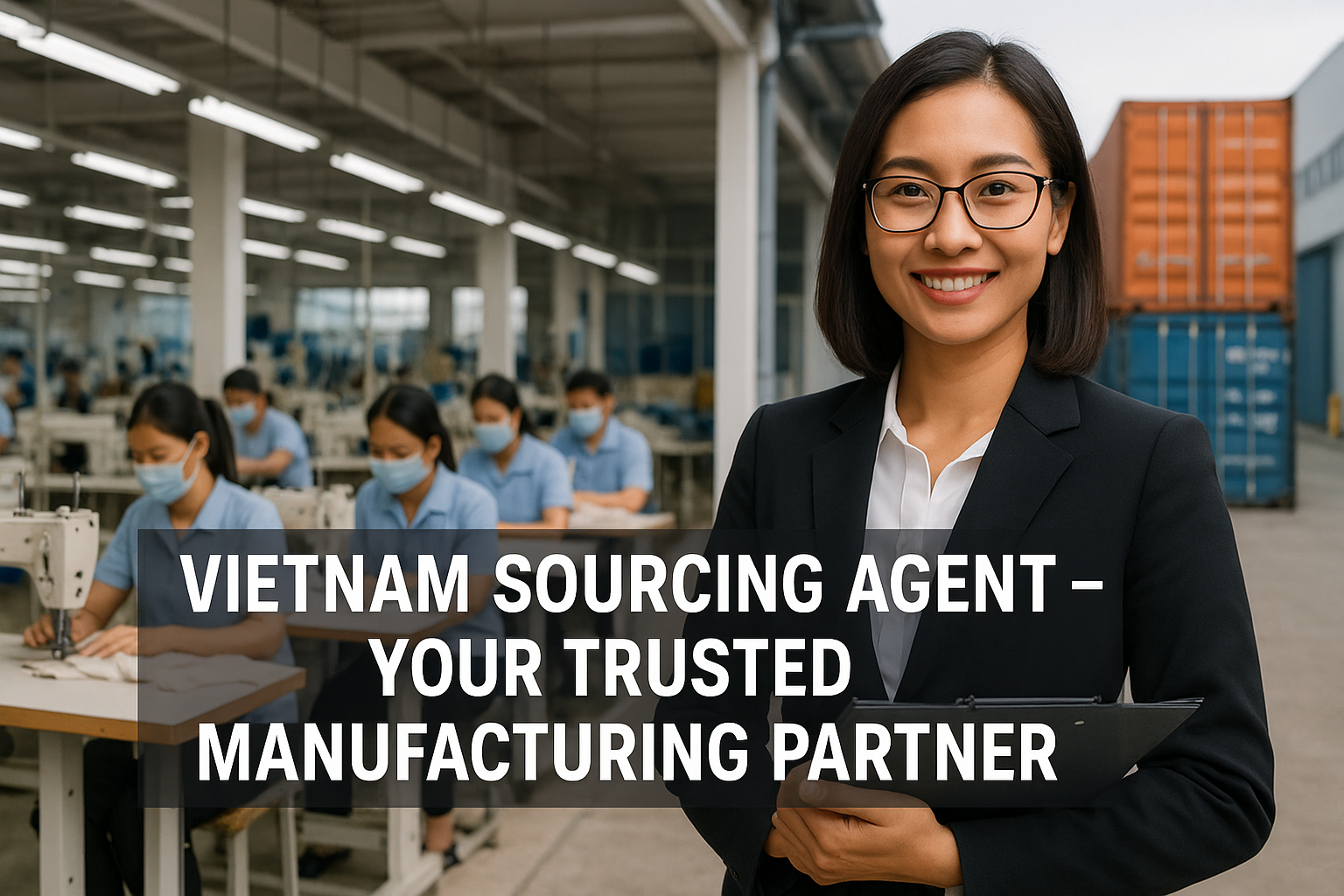
Vietnam Biz Rep helps overseas buyers find suppliers, verify factories, coordinate samples, inspect goods, and follow up production in Vietnam. Learn more about our Vietnam sourcing agent services or contact us to discuss your sourcing requirements.
