


Clothing production at scale is paramount for businesses aiming to meet burgeoning consumer demand while optimizing costs and maximizing efficiency. This article delves into the intricacies of mass garment manufacturing, exploring the pivotal role of specialized facilities, particularly within the vibrant ecosystem of garment manufacturers in Vietnam. We will examine the key factors driving successful large-scale clothing production, including cutting-edge technologies, streamlined supply chain management, and adherence to rigorous quality control standards. Furthermore, the article will dissect essential considerations for businesses seeking reliable partners in offshore manufacturing, highlighting best practices for ensuring ethical and sustainable production in 2025.
Understanding the Vietnamese Garment Manufacturing Landscape
The Vietnamese garment manufacturing landscape is a dynamic and rapidly evolving sector, playing a pivotal role in global clothing production at scale. This landscape, characterized by a blend of established factories and emerging enterprises, presents both opportunities and challenges for overseas buyers seeking scalable and reliable production. Understanding the nuances of this market is crucial for making informed decisions and achieving sustainable growth.
Vietnam’s ascent as a major garment exporter is underpinned by several key factors. Firstly, the country benefits from competitive labor costs compared to other manufacturing hubs like China. Secondly, Vietnam has established itself as a reliable sourcing destination due to its political stability and pro-business environment. This stability translates into consistent production schedules and reduced risks for international clients. Finally, the Vietnamese government actively promotes the textile and garment industry through various incentives and policies, further bolstering its attractiveness.
The sector is diverse, comprising a range of manufacturers specializing in different product categories and production volumes. You can find large-scale factories equipped for mass production, alongside smaller workshops catering to niche markets or offering specialized services. This diversity enables overseas buyers to find partners aligned with our specific needs, whether we’re focusing on basic apparel or more complex, high-fashion items. Foreign direct investment (FDI) has also played a significant role, with companies from countries like South Korea, Taiwan, and China establishing manufacturing facilities in Vietnam, bringing in advanced technologies and management practices.
Geographically, garment production is concentrated in key regions. These major hubs possess well-developed infrastructure and established supply chains.
- Ho Chi Minh City and surrounding areas: This region is home to a large number of garment factories, specializing in a wide range of products.
- Hanoi and the Northern provinces: This area is becoming increasingly important, with new factories emerging and offering competitive prices.
- Da Nang and the Central provinces: This region is known for its skilled labor force and focus on higher-value products.
Navigating this complex landscape requires careful consideration of various factors. Brands need to evaluate potential partners based on their production capacity, quality control standards, ethical compliance, and communication capabilities. Furthermore, understanding the regulatory environment and local business practices is essential for establishing successful long-term partnerships in Vietnam.
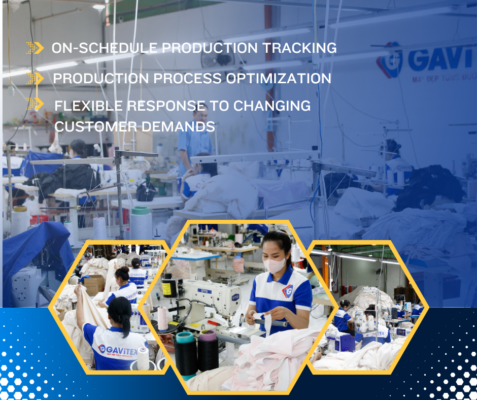
Delve deeper into the intricacies of Vietnamese garment manufacturing and discover the key elements shaping this dynamic industry.
Key Factors for Successful Scalable Clothing Production in Vietnam
Achieving clothing production at scale in Vietnam requires a multifaceted approach, encompassing strategic planning, efficient resource management, and a deep understanding of the local manufacturing landscape. To successfully scale your clothing production with overseas buyers, focusing on key areas such as capacity optimization, supply chain efficiency, workforce development, and technological integration is crucial.
Several interconnected elements drive successful scalable clothing production in Vietnam. First and foremost is the establishment of a robust and reliable supply chain. This involves identifying and partnering with dependable suppliers of raw materials, such as fabrics and trims, ensuring consistent quality and timely delivery. Optimizing production processes through lean manufacturing principles can minimize waste and maximize output. Investing in a skilled workforce and providing ongoing training is paramount for maintaining quality standards and adapting to evolving industry demands. Furthermore, embracing technology and automation can significantly enhance production capacity and efficiency. Finally, a thorough understanding of local regulations, ethical considerations, and cultural nuances is essential for fostering sustainable and responsible business practices.
Workforce capabilities represent a significant factor in scaling garment manufacturing in Vietnam. Vietnam boasts a large, relatively low-cost workforce with a growing level of skill in garment production. However, investing in training and development programs to enhance specialized skills, such as pattern making, sewing machine operation, and quality control, is critical for achieving high-volume, high-quality output. Collaborating with vocational schools and technical training centers can create a pipeline of skilled workers.
Effective supply chain management is also crucial for scaling garment production. Establishing strong relationships with reliable suppliers of raw materials, such as fabrics, trims, and accessories, ensures a consistent supply of high-quality inputs. Negotiating favorable pricing and payment terms can improve cost competitiveness. Implementing efficient logistics and inventory management systems minimizes lead times and reduces the risk of delays. Diversifying the supply base mitigates the impact of potential disruptions.
Another key is the integration of technology and automation to improve efficiency and reduce labor costs. Investing in automated cutting machines, sewing machines, and quality control systems can significantly increase production speed and accuracy. Implementing enterprise resource planning (ERP) systems can streamline operations, improve communication, and provide real-time data insights. Analyzing production data to identify bottlenecks and optimize processes further enhances efficiency.
Finally, understanding and adhering to regulatory compliance and ethical considerations is a prerequisite for sustainable growth. This includes complying with labor laws, environmental regulations, and international trade agreements. Ensuring fair wages, safe working conditions, and respect for workers’ rights is essential for maintaining a positive brand reputation and attracting international buyers. Obtaining necessary certifications, such as WRAP (Worldwide Responsible Accredited Production), demonstrates a commitment to ethical and responsible manufacturing practices.
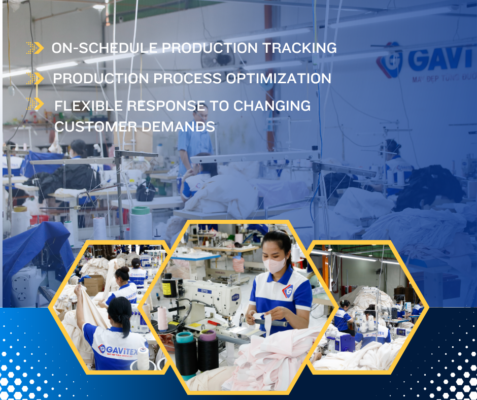
Uncover the secrets to achieving successful, scalable clothing production in Vietnam and avoid common pitfalls.
Optimizing Your Garment Production Supply Chain in Vietnam
Optimizing your garment production supply chain in Vietnam is crucial for achieving clothing production at scale and ensuring profitability. A well-managed supply chain not only reduces costs and lead times but also enhances product quality and responsiveness to market demands, giving overseas buyers and other manufacturers a competitive edge in the global market.
A streamlined supply chain begins with strategic supplier management. This involves identifying and vetting reliable suppliers for raw materials like fabrics, trims, and accessories. Building strong relationships with these suppliers, negotiating favorable pricing, and implementing quality control measures at the source are essential steps. For example, overseas buyers can leverage its purchasing power to secure better deals on bulk fabric orders, translating to lower production costs. Regular audits and performance reviews of suppliers can also ensure adherence to quality standards and ethical sourcing practices.
Effective inventory management is another critical aspect. Implementing a Just-in-Time (JIT) inventory system can minimize storage costs and reduce the risk of obsolescence. This approach requires close coordination with suppliers and efficient production planning to ensure that materials arrive when needed, avoiding delays and minimizing waste. Furthermore, adopting demand forecasting techniques can help overseas buyers anticipate future orders and adjust production schedules accordingly, preventing stockouts and overstocking.
Logistics and transportation also play a vital role in supply chain optimization. Selecting the right transportation modes, negotiating competitive freight rates, and optimizing delivery routes can significantly reduce transportation costs and lead times. Consider consolidating shipments and utilizing local transportation providers to gain economies of scale. Moreover, investing in supply chain visibility tools, such as tracking and tracing systems, allows overseas buyers to monitor the movement of goods in real-time, identify potential disruptions, and proactively address them.
Finally, technology integration is key to achieving a truly optimized supply chain. Implementing an Enterprise Resource Planning (ERP) system can streamline various processes, from order management and production planning to inventory control and logistics. An ERP system provides a centralized platform for managing data, facilitating collaboration across departments, and improving decision-making. Data analytics can then be used to identify bottlenecks, optimize workflows, and improve overall supply chain efficiency.
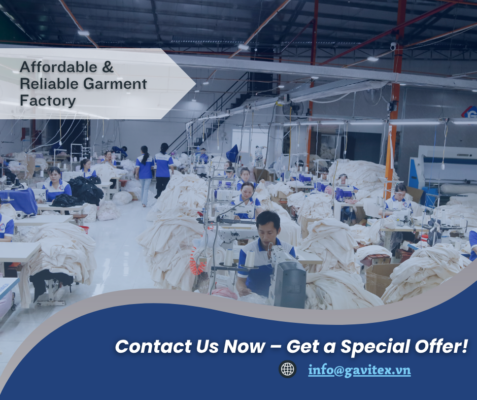
Learn how to streamline your processes and improve efficiency by optimizing your garment production supply chain in Vietnam.
Leveraging Technology and Automation for Enhanced Production Capacity
In the context of clothing production at scale in Vietnam, leveraging technology and automation is paramount to significantly enhance production capacity and maintain a competitive edge. Embracing technological advancements in garment manufacturing enables businesses to optimize processes, reduce labor costs, and improve overall efficiency. By strategically investing in automation, clothing manufacturers can achieve higher output, consistent quality, and faster turnaround times, ultimately leading to increased profitability and market share.
The implementation of technology and automation spans across various stages of the garment production process. From computer-aided design (CAD) and computer-aided manufacturing (CAM) systems that streamline design and pattern-making, to automated cutting machines and robotic sewing systems, the possibilities are extensive. These technologies not only accelerate production but also minimize errors, reduce material waste, and enhance precision. Furthermore, the integration of enterprise resource planning (ERP) systems allows for real-time monitoring and management of the entire production cycle, providing valuable insights for informed decision-making.
Several key areas within garment manufacturing benefit significantly from automation:
- Cutting: Automated cutting machines, equipped with laser or ultrasonic technology, offer unparalleled precision and speed compared to manual cutting methods. This minimizes fabric waste and ensures consistent cutting quality across large production runs.
- Sewing: Robotic sewing systems are increasingly capable of handling complex sewing tasks, improving speed and accuracy. While not yet fully autonomous, these systems can significantly reduce reliance on manual labor and minimize errors.
- Inspection: Automated inspection systems, utilizing cameras and AI-powered image recognition, can detect defects and inconsistencies in garments more efficiently than human inspectors. This leads to improved quality control and reduced rework.
- Material Handling: Automated guided vehicles (AGVs) and conveyor systems streamline the movement of materials within the factory, reducing bottlenecks and improving overall workflow.
The benefits of adopting technology and automation extend beyond increased production capacity. Automation can also lead to improved worker safety by reducing exposure to hazardous tasks, enhance product quality by minimizing human error, and enable greater flexibility in production scheduling. Consider the example of a manufacturer using 3D printing to create prototypes, drastically reducing the time and cost associated with traditional sampling methods. Furthermore, the improved data collection and analysis capabilities of automated systems provide valuable insights for continuous improvement and optimization of production processes.
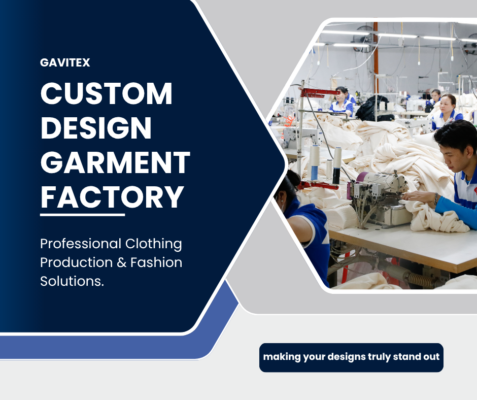
Discover how incorporating technology and automation in assembly line clothing production leads to increased production capacity and reduced costs.
Navigating Regulatory Compliance and Ethical Considerations
Successfully scaling clothing production at scale in Vietnam demands a meticulous understanding and adherence to local regulations and ethical standards. Ensuring regulatory compliance and upholding ethical principles is not merely a matter of avoiding penalties; it’s a cornerstone for building a sustainable and reputable overseas buyers in the competitive global market. This section elucidates the key aspects of Vietnamese regulations and ethical considerations critical for scalable garment manufacturing.
Adherence to Vietnamese labor laws is paramount, dictating fair wages, working hours, and safe working conditions. The Vietnam Labor Code stipulates minimum wage levels, overtime compensation, and provisions for workplace safety, impacting cost structures and operational practices. Furthermore, ensuring compliance with environmental regulations is vital for sustainable growth. This includes managing waste disposal, controlling pollution, and adhering to environmental protection laws to minimize the ecological footprint of garment production.
Ethical sourcing and supply chain transparency are increasingly crucial for consumer trust and brand reputation. This involves verifying that all materials used in clothing production are sourced responsibly, ensuring fair labor practices throughout the entire supply chain, and avoiding materials from conflict zones or environmentally damaging sources. For example, brands can prioritize suppliers with certifications like Fair Trade or GOTS (Global Organic Textile Standard). Transparently communicating sourcing practices to consumers builds trust and differentiates your brand in the market, solidifying overseas buyers’ commitment to ethical considerations.
Building a culture of compliance and ethics requires ongoing training and monitoring. Implementing regular audits of factories and suppliers helps identify and address potential issues proactively. Furthermore, fostering open communication channels within the workforce empowers employees to report unethical practices without fear of reprisal. By prioritizing regulatory compliance and ethical behavior, overseas buyers can ensure long-term sustainability and responsible growth in the Vietnamese garment manufacturing landscape.
Ensure your operations are up to standard by navigating regulatory compliance and ethical considerations in clothing manufacturing.
Case Studies: Successful Scaled Clothing Manufacturers in Vietnam
This section delves into case studies of clothing manufacturers in Vietnam who have successfully achieved clothing production at scale, providing valuable insights and lessons for businesses aiming to emulate their achievements. These examples showcase diverse strategies, technologies, and approaches that have enabled these companies to thrive in the competitive garment industry, offering a practical understanding of how to optimize for mass apparel manufacturing. By examining their journeys, we can identify key success factors and learn how to overcome common challenges in scaling up garment operations.
Several Vietnamese garment companies have distinguished themselves through strategic investments in technology, workforce training, and supply chain optimization. One compelling example is Viet Thang Corporation, a state-owned enterprise that has transitioned into a modern, efficient producer. Through a phased approach to automation, Viet Thang has increased its production capacity while maintaining product quality. The company has invested in advanced sewing machines, automated cutting systems, and sophisticated quality control technologies. This investment, coupled with a focus on lean manufacturing principles, has allowed them to meet the demands of large international clients while remaining cost-competitive.
Another notable case is Thanh Cong Textile Garment Investment Trading JSC, which has successfully integrated sustainable practices into its scaled production model. Recognizing the growing demand for eco-friendly apparel, Thanh Cong has invested in water-saving technologies, renewable energy sources, and the use of organic cotton. Their commitment to sustainability has not only reduced their environmental impact but has also enhanced their brand image and attracted socially conscious consumers. Furthermore, Thanh Cong prioritizes fair labor practices and invests in employee training and development, ensuring a skilled and motivated workforce, which is pivotal for maintaining high production standards.
Vietnam Biz Rep, as a company deeply embedded in the Vietnamese garment manufacturing landscape, recognizes the importance of understanding these success stories. Leveraging best practices gleaned from companies like Viet Thang and Thanh Cong, Vietnam Biz Rep is uniquely positioned to guide clients through the complexities of scaling clothing production. We understand that achieving economies of scale requires not only investment in cutting-edge technology and a skilled workforce but also a commitment to sustainable practices and ethical considerations. By collaborating with manufacturers who prioritize these factors, A reliable sourcing partner ensures that your clothing production is efficient, environmentally responsible, and socially conscious. These success stories serve as a testament to the potential of Vietnam’s garment industry and the opportunities available to businesses willing to embrace innovation and sustainability.
Finding the right production partner starts with thorough supplier research. Vietnam factory sourcing support helps buyers identify and compare manufacturers based on their specific product needs, while Vietnam quality control services help maintain consistent standards throughout production.
Frequently Asked Questions
At what order volume does it make sense to talk about production “at scale” in Vietnam?
There’s no single threshold, but most large-scale factories are set up to be most cost-competitive above a few thousand units per style, since that’s where line-setup time is spread across enough output to matter. Below that, a mid-sized or boutique factory with lower MOQs is often the more cost-effective fit — see our guide to clothing manufacturers in Vietnam for how factory size maps to order volume.
Do I lose quality control as production volume scales up?
Not if the factory’s QC process scales with the order — in-line inspections during production, not just a single check at the end, matter more the larger the run gets. It’s worth confirming a factory’s in-line QC staffing ratio before committing to a large-volume order, rather than assuming their standard process will hold at higher volume.
Vietnam Biz Rep supports overseas buyers with garment supplier search, factory verification, sample coordination, production follow-up, and quality inspection in Vietnam. Learn more on our clothing sourcing agent page, or visit Vietnam sourcing agent for our full range of services. Contact Vietnam Biz Rep to discuss your sourcing requirements.
