

branded clothing manufacturing is a critical element for businesses looking to build strong brand recognition and customer loyalty. This guide delves into the complexities of garment manufacturers in Vietnam, offering a practical overview of sourcing strategies, quality control processes, and cost-effective production methods relevant to businesses seeking reliable partners in 2025. Discover how to navigate the landscape of private label apparel production, understand the importance of ethical sourcing, and leverage custom clothing manufacturing to create unique and impactful merchandise. From design considerations to supply chain management, this article equips you with the essential knowledge to make informed decisions and optimize your branded clothing initiatives.
Finding the Right Branded Clothing Manufacturer in Vietnam: A Comprehensive Guide
Navigating the Vietnamese garment industry to find the right branded clothing manufacturer requires a strategic approach, considering factors beyond just cost. This comprehensive guide will equip you with the knowledge and tools to identify a partner that aligns with your brand’s vision, quality standards, and ethical values. Sourcing branded clothing from Vietnam can be a lucrative venture, but success hinges on selecting a manufacturer that understands your specific needs and can deliver consistently.
Selecting the ideal branded clothing manufacturer in Vietnam involves a multi-faceted evaluation process. Here are some key aspects to consider:
- Define Your Brand’s Requirements: Clearly articulate your design specifications, quality expectations, and desired production volume. Understanding your brand’s identity and target audience is crucial for finding a manufacturer that can accurately translate your vision into tangible products.
- Assess Manufacturing Capabilities: Evaluate potential partners based on their production capacity, available machinery, and specialized skills. Does the manufacturer have experience working with the fabrics and garment types you require? Can they handle intricate designs and complex embellishments?
- Prioritize Quality Assurance: A robust quality control system is paramount. Inquire about the manufacturer’s inspection processes, from raw material sourcing to final product packaging. Request samples and conduct thorough quality checks to ensure they meet your standards.
- Evaluate Communication and Project Management: Clear and consistent communication is essential for a smooth production process. Assess the manufacturer’s responsiveness, language proficiency, and project management capabilities. A dedicated account manager can streamline communication and ensure your project stays on track.
- Confirm Ethical and Sustainable Practices: Increasingly, consumers demand ethically sourced and sustainably produced clothing. Verify that potential partners adhere to fair labor practices and environmental regulations. Certifications such as WRAP and BSCI can provide assurance of compliance.
- Consider Location and Logistics: Vietnam has several key garment manufacturing hubs. Understanding the geographical landscape and transportation infrastructure can impact lead times and shipping costs. Proximity to ports and availability of efficient logistics services are important considerations.
By diligently assessing these factors, you can confidently find the right branded clothing manufacturer in Vietnam to establish a successful and sustainable partnership. Remember to conduct thorough due diligence and seek expert advice to navigate the complexities of international manufacturing. Vietnam Biz Rep is here to help.
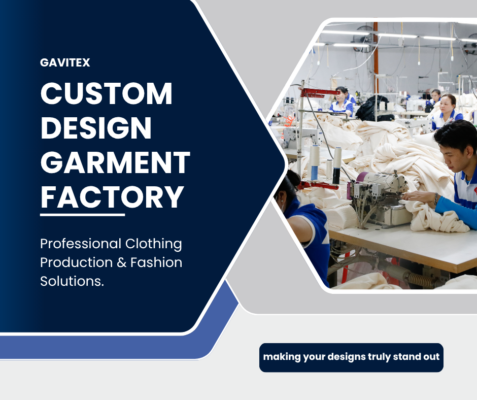
Delve deeper into selecting the perfect supplier. Learn more about apparel manufacturing for brands in Vietnam.
Benefits of Partnering with a Vietnamese Branded Clothing Manufacturer
Partnering with a Vietnamese branded clothing manufacturer offers a multitude of advantages for businesses seeking to optimize their supply chain and enhance profitability. Vietnamese manufacturers have emerged as a strong contender in the global apparel market, attributed to their competitive pricing, skilled workforce, and increasing focus on quality and compliance. Selecting the right manufacturing partner in Vietnam can significantly improve efficiency and profitability.
One of the most compelling benefits is cost-effectiveness. Vietnam boasts lower labor costs compared to many other manufacturing hubs, allowing brands to significantly reduce production expenses for their branded clothing lines. This cost advantage translates into higher profit margins or the ability to offer more competitive pricing to consumers. For example, a study by McKinsey found that apparel sourcing costs from Vietnam are often 10-20% lower than those from China.
Beyond cost savings, Vietnamese manufacturers are increasingly recognized for their quality and reliability. Many factories have invested in modern equipment and training programs to meet international standards for garment production. This commitment to quality ensures that branded clothing meets the expectations of discerning customers. overseas buyers takes pride in partnering with factories that adhere to strict quality control processes, guaranteeing consistent and superior finished products.
Moreover, Vietnam offers a strategic location with access to key shipping routes, facilitating efficient logistics and supply chain management. This geographical advantage translates to shorter lead times and reduced shipping costs. Additionally, the Vietnamese government actively promotes foreign investment and offers various incentives to attract businesses, further streamlining the manufacturing process.
Finally, Vietnam is gaining recognition for its increasing adoption of ethical and sustainable manufacturing practices. Many factories are committed to fair labor standards, environmental protection, and the use of eco-friendly materials. By partnering with a Vietnamese manufacturer focused on sustainability, brands can enhance their reputation and appeal to environmentally conscious consumers. For example, overseas buyers prioritize working with manufacturers that have certifications like WRAP and SEDEX, demonstrating their commitment to responsible production.
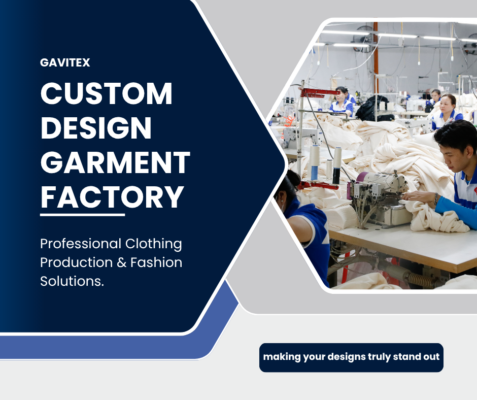
Uncover the advantages of Vietnamese production. Discover detailed insights on apparel sourcing for your brand.
Key Considerations When Selecting a Branded Clothing Manufacturer in Vietnam
Selecting the right branded clothing manufacturer in Vietnam is paramount for businesses aiming to produce high-quality apparel while maintaining brand integrity. This process requires careful evaluation of various factors to ensure a successful and sustainable partnership. It’s crucial to consider not just the initial cost but also the long-term benefits of working with a reliable and capable manufacturer. These benefits include consistent product quality, on-time delivery, and adherence to ethical and sustainable practices.
Production capabilities and capacity are crucial aspects to consider when choosing a manufacturer. Does the manufacturer have the necessary equipment and skilled workforce to handle your specific production needs? It’s essential to assess their ability to produce the types of garments you require, the volume they can handle within your desired timeframe, and their flexibility to adapt to changing demands. For instance, if you specialize in high-end denim, you’ll want a manufacturer with expertise in denim production, including specialized sewing machines and finishing techniques. overseas buyers, for example, has invested heavily in modern machinery and continuous training programs to ensure it can meet the diverse production demands of its clients.
Quality control processes and standards should be a top priority. A reputable manufacturer will have robust quality control measures in place at every stage of production, from fabric inspection to final garment checking. Understanding their quality assurance protocols, including acceptable defect levels (AQL), and their commitment to international standards like ISO 9001 can safeguard your brand reputation and minimize costly returns. Look for manufacturers who provide detailed reports and are open to independent quality audits. This proactive approach ensures consistency and minimizes the risk of substandard products.
Communication and project management are vital for a smooth and efficient production process. A manufacturer who communicates clearly, promptly, and in a language you understand will help avoid misunderstandings and delays. Strong project management skills are essential to ensure that your project stays on track, deadlines are met, and any issues are resolved quickly. Before committing, evaluate their responsiveness to your inquiries, their ability to provide regular updates, and the clarity of their communication channels. Effective communication is the bedrock of a successful manufacturing partnership.
Ethical and sustainable practices are increasingly important to consumers and brands alike. Choosing a manufacturer committed to fair labor practices, environmental responsibility, and safe working conditions can enhance your brand image and align with your values. Look for certifications such as WRAP, BSCI, or SEDEX, which demonstrate a commitment to ethical sourcing and production. Moreover, inquire about their waste management practices, use of sustainable materials, and energy efficiency initiatives. Partnering with a manufacturer that prioritizes sustainability not only benefits the environment but also resonates positively with today’s conscious consumers.
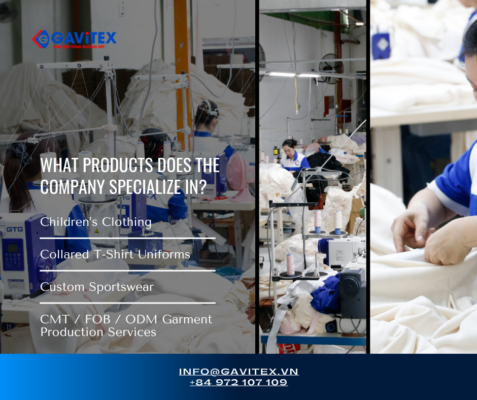
Popular Branded Clothing Manufacturing Hubs in Vietnam
When seeking reliable branded clothing manufacturing, Vietnam presents several key hubs, each with its unique strengths and specializations. Understanding the geographical landscape of garment production is crucial for businesses aiming to optimize their supply chain and ensure efficient manufacturing processes. These hubs concentrate expertise, infrastructure, and a skilled workforce, making them attractive destinations for apparel sourcing.
Several regions across Vietnam have emerged as prominent centers for branded clothing manufacturing, each offering distinct advantages. These hubs have developed specialized expertise in various types of apparel and have attracted significant foreign investment, leading to advanced infrastructure and a skilled workforce. Choosing the right location can significantly impact production costs, lead times, and overall quality.
Here are some of the most popular branded clothing manufacturing hubs in Vietnam:
- Ho Chi Minh City: As the economic powerhouse of Vietnam, Ho Chi Minh City and its surrounding areas boast a well-established garment industry with a wide range of manufacturers. Its proximity to ports and a large pool of skilled labor make it a convenient location for sourcing various types of apparel. This region has developed strength in producing high-fashion items, sportswear, and casual wear.
- Hanoi and the North: The northern region, centered around Hanoi, has a long history of textile production. It is known for its competitive labor costs and growing capabilities in producing knitwear, outerwear, and workwear. The presence of several industrial parks and export processing zones further enhances its attractiveness. Proximity to China also provides opportunities for raw material sourcing.
- Da Nang and Central Vietnam: Da Nang and the central provinces are emerging as promising manufacturing hubs, with increasing investment in infrastructure and a growing skilled workforce. This region is particularly attractive for companies seeking cost-effective solutions and a more diversified supply chain. Strengths include manufacturing of casual wear, uniforms, and specialized apparel.
- Binh Duong Province: Located near Ho Chi Minh City, Binh Duong Province has become a major industrial center and a significant contributor to Vietnam’s garment exports. The province offers state-of-the-art manufacturing facilities, efficient logistics, and a favorable business environment for branded clothing manufacturers. It is known for producing a wide range of apparel items, including woven and knitted garments.
- Dong Nai Province: Similar to Binh Duong, Dong Nai Province, also situated close to Ho Chi Minh City, benefits from its strategic location and well-developed infrastructure. The province is home to numerous garment factories specializing in various types of clothing, including branded apparel. Dong Nai offers a competitive manufacturing environment and efficient access to ports for export.
Selecting the appropriate hub necessitates a comprehensive assessment of your specific manufacturing requirements, budgetary constraints, and logistical considerations. Vietnam Biz Rep can assist you in navigating these options and identifying the optimal manufacturing location to achieve your business objectives.
Understanding the Branded Clothing Manufacturing Process in Vietnam
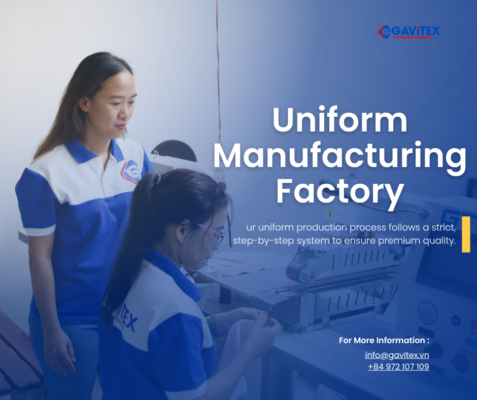
Understanding the branded clothing manufacturing process in Vietnam is crucial for companies looking to establish a successful production pipeline. This process encompasses several key stages, from initial design to final delivery, each demanding careful attention to detail and efficient execution. By grasping these stages, businesses can effectively navigate the complexities of overseas production and ensure high-quality output.
The journey of creating branded apparel in Vietnam begins with design and pattern making. This critical phase involves translating initial concepts into detailed technical specifications. Skilled designers utilize specialized software to create precise patterns that serve as the blueprint for the garment. This ensures accuracy and consistency in the final product, reflecting the brand’s vision and meeting the desired aesthetic.
Next comes fabric sourcing and procurement, a stage where the selection of appropriate materials is paramount. Vietnamese manufacturers, offer access to a wide array of fabrics, ranging from locally sourced cotton to imported high-performance synthetics. Careful consideration is given to factors like quality, cost, and sustainability when selecting fabrics to meet the brand’s specific requirements.
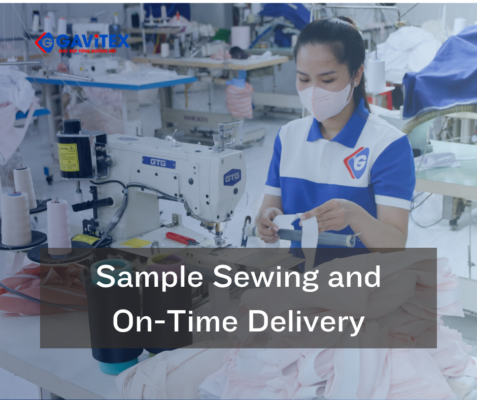
The cutting, sewing, and assembly stage is where the garment takes shape. This involves precisely cutting fabric according to the patterns and then assembling the pieces using advanced sewing techniques. Experienced seamstresses and tailors ensure that each garment is constructed with precision and durability, adhering to stringent quality standards.
Following assembly, each garment undergoes thorough quality inspection and finishing processes. These processes include checking for defects, ensuring accurate measurements, and adding finishing touches such as buttons, zippers, and embellishments. This attention to detail ensures that every product meets the brand’s standards and exceeds customer expectations.
Finally, the finished products are carefully packaged and prepared for shipping. Vietnamese manufacturers offer a range of packaging options, from individual poly bags to customized packaging solutions. Efficient logistics and shipping processes ensure that the products are delivered safely and on time to their final destination.
Explore the intricacies of creating branded apparel. See a complete breakdown of apparel production from start to finish.
Cost Factors in Branded Clothing Manufacturing in Vietnam: Getting the Best Value
Navigating the cost factors involved in branded clothing manufacturing in Vietnam is crucial for businesses aiming to maximize profitability while maintaining quality. Understanding these elements allows companies like overseas buyers to secure the best value when sourcing apparel from Vietnamese manufacturers. This section will break down the key components that influence the final price of your branded clothing, empowering you to make informed decisions and optimize your budget.
The ultimate cost of branded apparel production in Vietnam hinges on a combination of interconnected elements. Factors such as fabric costs, labor costs, MOQs, and shipping expenses all play significant roles, and understanding how each contributes to the overall price is vital for effective cost management and ensuring a profitable venture with your chosen clothing manufacturer.
Fabric Costs and Material Selection
One of the most significant cost factors is undoubtedly the price of fabric. The type of material you choose directly impacts the overall expense. For example, organic cotton or specialty performance fabrics will generally cost more than standard cotton or polyester blends. Sourcing your fabrics locally within Vietnam can sometimes lead to cost savings, as it reduces transportation fees and import duties. However, the availability and quality of specific fabrics may vary. Therefore, carefully consider your design requirements, target market, and budget when making material choices. Partnering with a manufacturer experienced in fabric sourcing can provide valuable insights and access to a wider range of options at competitive prices.
Labor Costs and Production Efficiency
Vietnam offers competitive labor costs compared to many other manufacturing hubs. However, it’s crucial to understand that labor costs can fluctuate based on factors like the complexity of the garment construction, the skill level required for specific tasks, and the location of the factory. Factories in major cities like Ho Chi Minh City or Hanoi may have slightly higher labor costs than those in more rural areas. Production efficiency also plays a vital role; a well-organized factory with streamlined processes can produce garments more quickly and with less waste, ultimately reducing the overall labor cost per unit. Investing in quality control measures and providing fair wages can improve worker morale and productivity, further enhancing production efficiency and controlling costs.
Minimum Order Quantities (MOQs) and Pricing Tiers
Minimum Order Quantities (MOQs) are a critical consideration, as they directly impact the per-unit cost of your branded clothing. Manufacturers often have tiered pricing structures, meaning that the price per garment decreases as the order quantity increases. Negotiating favorable MOQs is essential, especially for smaller brands or those testing new designs. Some manufacturers may be willing to offer lower MOQs for initial orders or for specific types of garments. Understanding the pricing tiers offered by different manufacturers allows you to strategically plan your production runs and optimize your budget. Consider whether consolidating multiple designs into a single larger order might help you reach a lower pricing tier and reduce your overall costs.
Shipping and Logistics Expenses
Shipping and logistics expenses are often overlooked but can significantly impact the final cost of your branded clothing. Factors like the shipping method (air vs. sea), the distance from the factory to your destination market, and any import duties or taxes all contribute to these expenses. Sea freight is generally more cost-effective for large shipments, while air freight is faster but more expensive. Working with a manufacturer that has established relationships with reliable shipping companies can help you negotiate competitive rates and ensure timely delivery. Consider the incoterms (International Commercial Terms) used in your contract, as these define the responsibilities and costs associated with shipping and insurance. Planning your logistics strategy carefully can help you minimize these expenses and maintain your profit margins.
Maximize your investment in Vietnamese manufacturing. Find out more about crafting the optimal clothing sourcing strategy to get the best value.
Common Challenges and How to Overcome Them When Working with Vietnamese Manufacturers
While branded clothing manufacturing in Vietnam offers numerous advantages, including competitive pricing and skilled labor, businesses must be aware of potential challenges to ensure a successful partnership. Overcoming these obstacles requires careful planning, proactive communication, and a commitment to building strong relationships with Vietnamese manufacturers.
One significant hurdle is language and cultural differences. Misunderstandings can arise due to variations in communication styles, business etiquette, and interpretations of instructions. To mitigate this, overseas buyers recommends investing in translation services or hiring bilingual staff who can facilitate clear and accurate communication. Building rapport through cultural sensitivity and demonstrating respect for Vietnamese customs can also significantly improve collaboration. For example, understanding the importance of face in Vietnamese culture can help avoid direct confrontation and encourage constructive dialogue.
Another common challenge revolves around quality control issues and mitigation strategies. Maintaining consistent quality standards requires a robust quality control system, including clear specifications, regular inspections, and proactive problem-solving. overseas buyers advises implementing a multi-stage quality control process, from raw material inspection to final product assessment. This may involve employing independent quality control inspectors or training local staff to adhere to international standards. For instance, regularly checking fabric GSM (grams per square meter) ensures consistency in material weight and quality.
Furthermore, communication barriers and solutions often present a significant obstacle. Differences in time zones, response times, and communication channels can lead to delays and misunderstandings. Establishing clear communication protocols, utilizing project management software, and maintaining regular video conferences can enhance transparency and facilitate efficient information exchange. overseas buyers emphasize the importance of proactive communication, prompt responses to inquiries, and a willingness to address concerns promptly. Furthermore, familiarizing yourself with common Vietnamese business phrases can further enhance your business relationship and make it smoother.
Navigate the potential pitfalls of overseas manufacturing. Learn how to achieve the best clothing manufacturing standards and avoid common mistakes.
Due Diligence: Verifying the Legitimacy and Reputation of Vietnamese Clothing Manufacturers
Performing due diligence is paramount when selecting a branded clothing manufacturer in Vietnam to ensure a successful and reliable partnership. This process involves thoroughly verifying the legitimacy and reputation of potential manufacturers, mitigating risks associated with fraud, poor quality, and unethical practices. By diligently investigating a manufacturer’s background, capabilities, and track record, brands like overseas buyers can safeguard their investment, maintain brand integrity, and build long-term relationships with trustworthy partners in the Vietnamese apparel industry.
One of the initial steps in due diligence is checking business licenses and certifications. A legitimate manufacturer should possess the necessary licenses to operate legally in Vietnam, demonstrating compliance with local regulations. Requesting copies of their business registration certificate, tax registration certificate, and any relevant industry-specific certifications (e.g., WRAP, SEDEX) provides a crucial first layer of verification. Valid certifications indicate the manufacturer adheres to certain ethical and operational standards, giving you added confidence in their capabilities.
Conducting factory audits and inspections provides invaluable insights into a manufacturer’s operational capabilities and adherence to quality standards. These on-site assessments allow you to evaluate their production facilities, equipment, quality control processes, and working conditions firsthand. Audits can be performed internally or by engaging a third-party inspection agency specializing in apparel manufacturing. The audit should focus on key areas such as:
- Equipment maintenance and calibration
- Raw material storage and handling
- Sewing and assembly processes
- Quality control checkpoints
- Worker safety and welfare
Reviewing client testimonials and case studies offers valuable perspectives on a manufacturer’s past performance and client satisfaction. Requesting references from previous or current clients allows you to gather firsthand accounts of their experiences working with the manufacturer. Focus on testimonials that address aspects such as:
- Communication effectiveness
- Quality consistency
- On-time delivery
- Problem-solving abilities
- Overall customer service
Scrutinizing client feedback provides crucial insights into the manufacturer’s reliability and commitment to fulfilling client expectations. Seeking diverse perspectives, including both positive and potentially negative feedback, offers a balanced understanding of their strengths and weaknesses.
Protect your brand by ensuring your manufacturer is trustworthy. Learn the key steps in vetting apparel cut and sew contractors.
If your brand is evaluating partners specifically in Vietnam, our dedicated overview of a Vietnam cut-and-sew manufacturer walks through the country-specific vetting criteria you should weigh alongside the general steps above.
Legal and Regulatory Aspects of Branded Clothing Manufacturing in Vietnam
Navigating the legal and regulatory landscape is crucial for successful branded clothing manufacturing in Vietnam. Understanding the legal framework, including import/export regulations, intellectual property protection, and contract law, is essential for mitigating risks and ensuring compliance when partnering with Vietnamese manufacturers.
Understanding import and export regulations is paramount for any company involved in branded clothing manufacturing in Vietnam. Vietnam’s commitment to international trade agreements, such as the CPTPP and EVFTA, simplifies some processes, but businesses must still navigate customs procedures, tariffs, and non-tariff barriers. Familiarizing yourself with specific requirements for textiles and apparel, including labeling, certification, and rules of origin, is vital to avoid delays and penalties.
Intellectual property protection is another critical area of concern for companies outsourcing branded clothing manufacturing to Vietnam. While Vietnam has strengthened its IP laws in recent years, enforcement can still be challenging. To safeguard your designs and trademarks, consider the following:
- Register your trademarks and designs in Vietnam.
- Implement strict confidentiality agreements with your manufacturers.
- Monitor the market for counterfeit products.
- Be prepared to take legal action against infringers.
Clear and comprehensive contract negotiation is crucial when working with Vietnamese clothing manufacturers. A well-drafted agreement should outline all aspects of the manufacturing process, including:
- Product specifications and quality standards.
- Production timelines and delivery schedules.
- Payment terms and currency exchange rates.
- Intellectual property ownership and licensing.
- Dispute resolution mechanisms.
Engaging legal counsel with expertise in Vietnamese law is highly recommended to ensure your contracts are legally sound and protect your interests. This proactive approach minimizes potential disputes and fosters a more transparent and reliable partnership.
Ensure your operation is fully compliant with Vietnamese law. Gain a comprehensive understanding of apparel logistics and distribution within Vietnam.
Trends and Innovations in Branded Clothing Manufacturing in Vietnam
The branded clothing manufacturing landscape in Vietnam is undergoing a dynamic transformation, driven by a confluence of factors including rising consumer expectations, the need for greater efficiency, and a growing emphasis on sustainability. This evolution presents both opportunities and challenges for manufacturers and brands alike, demanding adaptability and a willingness to embrace new technologies and practices. These trends and innovations are not merely fleeting fads but represent fundamental shifts in how clothing is produced, distributed, and consumed.
Sustainable and Eco-Friendly Practices
One of the most significant trends is the increasing adoption of sustainable and eco-friendly practices. Consumers are becoming more conscious of the environmental impact of their clothing choices, pushing brands to seek out manufacturers who prioritize ethical and sustainable production methods.
- Use of sustainable materials: Vietnamese manufacturers are increasingly utilizing organic cotton, recycled polyester, and innovative fabrics made from bamboo or pineapple leaves.
- Water conservation: Implementing water-saving technologies in dyeing and finishing processes.
- Waste reduction: Employing circular economy models to minimize textile waste through recycling and upcycling initiatives.
These efforts resonate with environmentally conscious consumers and enhance a brand’s reputation.
Technological Advancements in Production
Technological advancements are revolutionizing the branded clothing manufacturing process in Vietnam, boosting efficiency and precision.
- Automation: Manufacturers are investing in automated cutting machines, sewing robots, and automated material handling systems to increase throughput and reduce labor costs.
- 3D printing: This technology is used for prototyping and creating customized clothing designs.
- Artificial intelligence (AI): AI-powered systems are being used for quality control, predictive maintenance, and optimizing production schedules.
These technologies enable manufacturers to produce high-quality clothing more quickly and efficiently, providing a competitive edge in the global market.
Customization and Personalization Options
The demand for customization and personalization options is growing rapidly in the branded apparel sector, and Vietnamese manufacturers are adapting to meet this demand. Brands are leveraging technology to offer customers the ability to design their own clothing or personalize existing styles.
- On-demand manufacturing: Manufacturers are using digital printing and computer-aided design (CAD) software to create custom clothing items on demand, minimizing waste and inventory costs.
- Personalized fit: Some manufacturers are offering virtual try-on technologies and custom sizing options to ensure a perfect fit.
- Direct-to-garment printing: This technique allows for high-quality, full-color printing on clothing, enabling brands to offer personalized designs and graphics.
By offering customization and personalization, brands can enhance customer engagement and loyalty.
Stay ahead of the curve with the latest industry developments. Discover the future of apparel design and manufacturing in Vietnam.
FAQs: Branded Clothing Manufacturing in Vietnam
Navigating the world of branded clothing manufacturing in Vietnam can be complex, and many businesses have questions before taking the plunge. This FAQ section addresses the most common inquiries regarding clothing production, helping you make informed decisions about partnering with Vietnamese manufacturers.
Here are some frequently asked questions:
-
What are the key advantages of manufacturing branded clothing in Vietnam?
Vietnam offers a compelling combination of competitive labor costs, a skilled workforce experienced in garment production, and a stable political environment compared to some other manufacturing hubs. The country’s strategic location also provides easy access to major shipping routes, facilitating efficient export processes. For example, labor costs in Vietnam are often significantly lower than in China, allowing brands to reduce production expenses. overseas buyers leverages these advantages to deliver cost-effective solutions without compromising quality.
-
What types of clothing can Vietnamese manufacturers produce?
Vietnamese factories are capable of producing a wide range of apparel, from basic t-shirts and jeans to complex designs like outerwear and sportswear. Many specialize in specific product categories, allowing them to develop expertise and efficiency in those areas. overseas buyers, for example, has experience in producing a diverse range of branded clothing, adapting to the specific needs and requirements of our clients.
-
What is the typical Minimum Order Quantity (MOQ) for branded clothing manufacturing in Vietnam?
MOQs vary depending on the manufacturer, the complexity of the design, and the type of fabric used. Some factories may have MOQs as low as 500 pieces per style, while others may require 1,000 or more. Discussing MOQs upfront with potential manufacturers is crucial to ensure they align with your order volume and budget. overseas buyers strives to offer flexible MOQs to accommodate businesses of varying sizes.
-
How can I ensure the quality of my branded clothing when manufacturing in Vietnam?
Implementing a robust quality control process is vital. This includes conducting factory audits, inspecting samples at various stages of production, and performing final inspections before shipment. Many reputable manufacturers, have established quality control systems that adhere to international standards. Consider hiring a third-party inspection agency for added assurance.
-
What are the key considerations for protecting my intellectual property when manufacturing in Vietnam?
Protecting your designs and trademarks is essential. This involves registering your trademarks in Vietnam, signing non-disclosure agreements (NDAs) with your manufacturer, and carefully selecting partners with a proven track record of respecting intellectual property rights. Seeking legal advice is also recommended to ensure comprehensive protection.
-
What are the average lead times for branded clothing production in Vietnam?
Lead times vary depending on the complexity of the order, the availability of materials, and the manufacturer’s current workload. A typical lead time can range from 60 to 120 days from the date of order confirmation. Clear communication and proactive project management are crucial for minimizing delays.
-
How do I handle communication and cultural differences when working with Vietnamese manufacturers?
Effective communication is key to a successful partnership. Be clear and concise in your instructions, use visual aids when possible, and be patient when addressing cultural differences. Many manufacturers have English-speaking representatives who can facilitate communication. overseas buyers prioritizes clear and open communication with all our clients.
-
What are the ethical and sustainability considerations when choosing a clothing manufacturer in Vietnam?
Increasingly, brands are prioritizing ethical and sustainable manufacturing practices. Look for manufacturers that comply with fair labor standards, provide safe working conditions, and minimize their environmental impact. Certifications such as WRAP and Sedex can indicate a manufacturer’s commitment to ethical and sustainable practices. Vietnam Biz Rep is committed to responsible manufacturing and adheres to strict ethical guidelines.
Vietnam Biz Rep supports overseas buyers with garment supplier search, factory verification, sample coordination, production follow-up, and quality inspection in Vietnam. Learn more on our clothing sourcing agent page or visit Vietnam sourcing agent for our full range of services. Contact Vietnam Biz Rep to discuss your sourcing requirements.
