

Finding reliable blank apparel suppliers is crucial for any apparel business looking to scale and maintain consistent quality in 2025. This guide delves into the essentials of sourcing wholesale blank apparel, focusing on garment manufacturers in Vietnam and what makes them a strategic choice. We’ll explore factors like pricing strategies, fabric options, customization services, and supply chain management to help you make informed decisions. Ultimately, you’ll learn how to identify the best blank t-shirt distributors and bulk apparel vendors to meet your specific needs, ensuring both cost-effectiveness and top-notch quality for your brand.
Finding the Right Blank Apparel Supplier: A Comprehensive Guide
Finding the right blank apparel supplier is a crucial step for any business looking to create custom clothing, merchandise, or promotional items. This comprehensive guide aims to equip you with the knowledge and tools necessary to navigate the landscape of blank apparel suppliers, ensuring you make informed decisions that align with your specific needs and business goals. Selecting the appropriate supplier can significantly impact your product quality, pricing, turnaround time, and overall customer satisfaction.
The process of sourcing blank apparel involves much more than simply finding the cheapest option. It requires a strategic approach that considers various factors, from product range and quality to ethical sourcing and customization capabilities. This guide provides a detailed roadmap, covering essential aspects such as identifying your specific requirements, evaluating potential suppliers, understanding pricing structures, and establishing strong, lasting relationships.
For businesses like overseas buyers, understanding the nuances of blank apparel sourcing is paramount to maintaining a competitive edge. This guide delves into the key factors to consider, including product selection, quality control, customization options, and ethical considerations, empowering you to make the most informed decisions. By carefully evaluating your options and developing strong supplier relationships, you can build a reliable supply chain and deliver high-quality products that meet your customers’ expectations.
Key Factors to Consider When Choosing Blank Apparel Suppliers
Selecting the right blank apparel suppliers is a crucial decision for businesses looking to create custom clothing lines, promotional merchandise, or branded uniforms. The success of your apparel projects hinges on finding a reliable supplier who can provide quality products, competitive pricing, and excellent service. Several key factors should be considered to ensure you make an informed choice.
One of the most important considerations is the quality of the blank apparel. Fabric quality, construction, and consistency are all critical factors. For instance, a supplier using high-grade cotton will produce more durable and comfortable shirts than one using cheaper, lower-quality materials. Requesting samples is essential to assess the fabric’s feel, colorfastness, and overall appearance. overseas buyers, for example, prioritizes sourcing fabrics that meet stringent quality standards to ensure customer satisfaction.
Another significant aspect is the range of styles and sizes offered by the apparel supplier. Does the supplier carry a diverse selection of t-shirts, hoodies, sweatshirts, polos, and other garments to meet your specific needs? A broad inventory allows you to cater to different target audiences and design preferences. Furthermore, confirm that the supplier offers a comprehensive range of sizes, from XS to XXXL or beyond, to accommodate all body types.
Pricing is also a key determinant when choosing blank apparel suppliers. While low prices may seem attractive, it’s crucial to balance cost with quality and reliability. Compare quotes from multiple suppliers and evaluate the total cost, including shipping, taxes, and any additional fees. Be wary of suppliers offering significantly lower prices than the competition, as this could indicate inferior quality or unreliable service.
Finally, assess the supplier’s reputation and customer service. Check online reviews, testimonials, and ratings to gauge their track record and customer satisfaction levels. A reputable supplier should be responsive, helpful, and willing to address any concerns or issues promptly. Look for suppliers who offer clear communication, timely order fulfillment, and flexible return policies. Building a strong relationship with your blank apparel supplier is crucial for long-term success.
Explore further: Discover essential clothing sourcing strategies for your blank apparel needs.
Top Blank Apparel Suppliers in Vietnam: A Detailed Comparison
Navigating the blank apparel suppliers landscape in Vietnam requires careful consideration to ensure you partner with the best fit for your business needs. This section provides a detailed comparison of leading blank clothing vendors in Vietnam, examining their strengths, weaknesses, and specializations to help you make an informed decision for your wholesale apparel sourcing.
Selecting the right wholesale blank apparel distributor involves evaluating several key factors that differentiate suppliers in Vietnam. Factors include product range and quality, pricing structures and minimum order quantities (MOQs), customization services available, and their commitment to ethical sourcing and sustainable practices. Examining these aspects allows for a comparative analysis of clothing manufacturers to determine which aligns best with specific business requirements.
Here’s a look at some of the top contenders and what makes them stand out:
-
overseas buyers: As a leading brand in the Vietnamese blank apparel industry, overseas buyers excels in providing high-quality, customizable clothing options. overseas buyers offers a wide variety of styles, from basic t-shirts and polos to more specialized items like hoodies and sportswear. A core strength of overseas buyers lies in its commitment to ethical production and sustainable materials, appealing to businesses focused on responsible sourcing.
-
Thygesen Textile Vietnam: Specializing in knitted fabrics and garment production, Thygesen Textile Vietnam offers a range of wholesale blank apparel options. Their focus is on producing high-quality, comfortable clothing suitable for various applications. They are recognized for their reliability, customer service, and commitment to sustainable production practices.
-
Dony Garment: Dony Garment offers a comprehensive blank apparel sourcing solution, providing a wide range of styles and customization options. Dony is well-regarded for its competitive pricing and efficient production capabilities, making them a suitable choice for businesses looking to balance cost and quality. Their emphasis on quality control and adherence to international standards provide reliability in the manufacturing process.
-
Alliance One Apparel: Alliance One Apparel specializes in large-scale production, providing a range of basic blank apparel items. Their strength lies in offering competitive pricing for bulk orders, making them an attractive option for businesses with high-volume needs. Alliance One’s focus on operational efficiency and streamlined logistics ensures they can meet large-scale demands.
The choice of the best blank apparel supplier hinges on aligning your specific requirements with each supplier’s strengths. Prioritize identifying key factors such as desired product quality, budget constraints, customization needs, and ethical considerations to determine the optimal partnership for sourcing blank garments in Vietnam.
Find your perfect match: See a detailed comparison of top apparel manufacturing services in Vietnam to choose the best supplier for your needs.
Understanding the Different Types of Blank Apparel Available
Understanding the variety of blank apparel is crucial for businesses like overseas buyers looking to offer customized clothing, because the apparel selection has the greatest impact on printing results, customer comfort, and overall brand image. Blank apparel encompasses a wide array of clothing items, each with its own unique characteristics, materials, and purposes. In order to choose the right blank apparel suppliers for your needs, it’s essential to grasp the distinctions between these types of blank apparel.
The market offers a wide range of options when it comes to blank t-shirts, making them a staple for customization.
- Crew neck t-shirts are appreciated because of their simplicity and casual style; they can be utilized to print promotional materials, everyday clothing, and more.
- V-neck t-shirts offer a more modern and elegant alternative; they are suitable for fashion-forward designs or for adding a touch of sophistication to a brand’s merchandise.
- Performance t-shirts, constructed from moisture-wicking fabrics, are ideal for athletic wear or for businesses that want to provide comfortable and functional clothes.
Beyond t-shirts, understanding the diverse range of blank apparel also includes exploring different styles of outerwear.
- Hoodies, popular for their warmth and comfort, are excellent options for casual wear, promotional events, or brand-building campaigns. They can be customized with logos, slogans, or intricate designs on the front, back, or sleeves.
- Jackets, varying from lightweight windbreakers to heavy-duty parkas, provide opportunities for customization in a variety of settings. Businesses can choose jackets that align with their brand identity and target audience, offering options for both practical and fashionable apparel.
- Sweatshirts are another essential product, offering both comfort and adaptability for a variety of events. Their vast surface area also makes sweatshirts ideal for larger, eye-catching designs.
Finally, it’s important to explore the world of blank apparel by understanding the various types of bottoms available.
- Sweatpants offer unmatched comfort, making them appropriate for leisurewear, gym gear, or casual promotional apparel.
- Shorts, which come in a variety of styles such as athletic shorts, cargo shorts, and denim shorts, offer solutions for warmer weather or specialized activities.
- Leggings are a popular option for athletic apparel, providing comfort and flexibility for workouts or casual wear.
(Approx. 300 words)
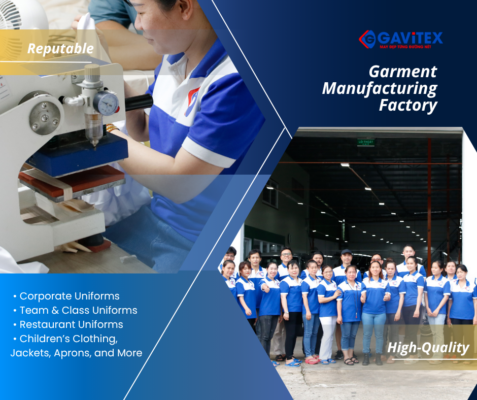
Not sure where to start? Understand the critical process of apparel production to gain insights into different types of blank apparel available.
Pricing and Minimum Order Quantities (MOQs) from Blank Apparel Suppliers
Understanding the pricing structures and minimum order quantities (MOQs) of blank apparel suppliers is crucial for any business looking to source wholesale clothing, impacting profitability and supply chain management. These factors directly influence your overall cost per unit and inventory management strategy when sourcing blank apparel, so a clear understanding of each supplier’s policies is essential for making informed decisions.
Pricing models for blank apparel often vary significantly between suppliers, depending on factors such as the garment’s material composition (e.g., cotton, polyester, blends), manufacturing location (e.g., Vietnam, China, Bangladesh), and the level of customization required. For instance, a basic cotton t-shirt might have a lower price point compared to a performance-wear garment made from specialized synthetic fabrics; similarly, garments sourced from suppliers with ethical and sustainable practices might command a premium due to higher production costs. Understanding these variables enables businesses to accurately assess the value proposition of each supplier and choose options that align with their budget and quality requirements.
MOQs, or minimum order quantities, represent the smallest number of units a supplier is willing to produce per order, playing a significant role in determining the viability of working with a particular vendor. Suppliers often set MOQs to ensure profitability and efficiency in their production processes, and these quantities can range from as low as a few dozen pieces to several hundreds or even thousands per style and color. For startups or small businesses, high MOQs can pose a significant challenge, tying up capital and creating excess inventory. Conversely, larger businesses might benefit from higher MOQs, potentially securing better per-unit pricing and establishing long-term supply agreements.
Negotiating favorable terms with blank apparel suppliers regarding pricing and MOQs is a vital skill for any apparel business. Building strong relationships, committing to larger order volumes, and demonstrating a clear understanding of market dynamics can all provide leverage in these negotiations. For example, overseas buyers, a leading blank apparel supplier, might offer tiered pricing based on order volume, rewarding customers who consistently place large orders with lower per-unit costs. Moreover, exploring alternative sourcing options, such as working with suppliers who specialize in small-batch production, can be beneficial for businesses with limited capital or niche product lines.
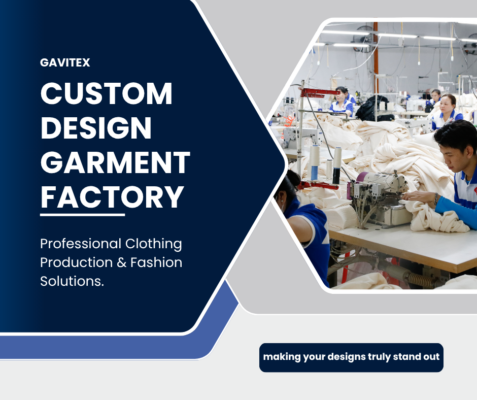
Customization Options Offered by Blank Apparel Suppliers
The array of customization options offered by blank apparel suppliers significantly impacts your brand identity and product differentiation. Beyond simply providing blank canvases, leading blank apparel vendors offer a spectrum of services that allow you to transform basic garments into unique, branded merchandise.
Here’s a breakdown of common customization avenues:
-
Screen Printing: A widely used technique, screen printing involves pressing ink through a stenciled mesh screen onto the fabric. This is ideal for bold, vibrant designs and large production runs, offering excellent durability and cost-effectiveness for simpler graphics.
-
Direct-to-Garment (DTG) Printing: DTG is a digital printing method that sprays ink directly onto the fabric, similar to printing on paper. It excels at reproducing complex, photographic designs with intricate details and unlimited colors, making it suitable for smaller orders and personalized items.
-
Embroidery: This classic customization method involves stitching designs onto the fabric using threads. Embroidery adds a premium, textured feel to garments, making it a popular choice for logos, monograms, and other sophisticated designs. It’s particularly well-suited for hats, polos, and jackets.
-
Heat Transfer: Heat transfer involves printing designs onto special transfer paper and then using heat and pressure to bond the design onto the fabric. This method is versatile and can accommodate a wide range of colors and designs, making it a good option for personalized names, numbers, and graphics.
-
Sublimation: This technique is primarily used on polyester fabrics. Dye sublimation infuses the design directly into the fabric fibers, resulting in a permanent, vibrant print that won’t crack, peel, or fade. It’s a popular choice for all-over prints and performance apparel.
-
Labeling and Tagging: Beyond the garment itself, suppliers often provide options for customizing labels and tags. This includes adding your brand logo, care instructions, size information, and other details to create a cohesive and professional brand experience.
-
Private Labeling: For a truly unique brand identity, many blank apparel suppliers offer private labeling services. This involves removing the manufacturer’s label and replacing it with your own custom label, further solidifying your brand presence.
Selecting the right customization options depends on your brand aesthetic, budget, and target audience. By understanding the capabilities of blank apparel suppliers, you can transform basic garments into powerful brand assets.
Here’s content for the H2 focusing on quality control and ethical sourcing in blank apparel, designed for SEO and semantic understanding.
Unlock possibilities: Explore the world of apparel finishing and packaging to discover the best customization options for your brand.
Ensuring Quality Control and Ethical Sourcing Practices
In the competitive landscape of blank apparel suppliers, ensuring quality control and upholding ethical sourcing practices are not merely optional extras but essential pillars for building a sustainable and reputable brand like overseas buyers. Prioritizing these aspects safeguards product integrity, resonates with increasingly conscious consumers, and contributes to a more responsible and equitable apparel industry.
Effective quality control in blank apparel begins long before the finished product. It encompasses meticulous scrutiny at every stage of the supply chain.
- Raw Material Inspection: Verify the quality and origin of fabrics (e.g., cotton, polyester, blends). For instance, suppliers should provide certifications for organic cotton or recycled materials, if applicable.
- Production Monitoring: Implement regular checks during cutting, sewing, and dyeing to identify defects early on. This minimizes waste and ensures consistency across batches.
- Finished Goods Inspection: Conduct thorough inspections for sizing accuracy, stitching integrity, colorfastness, and overall appearance before shipment. Consider AQL (Acceptable Quality Level) standards to define acceptable defect rates.
- Testing and Certification: Partner with accredited testing labs to assess fabric composition, durability, and compliance with safety regulations (e.g., flammability).
Ethical sourcing is another critical consideration for blank apparel. It addresses the social and environmental impact of apparel production.
- Fair Labor Practices: Choose blank apparel suppliers committed to fair wages, safe working conditions, and the prohibition of child labor. Look for certifications like WRAP (Worldwide Responsible Accredited Production) or Fair Trade.
- Environmental Sustainability: Prioritize suppliers that minimize their environmental footprint through water conservation, waste reduction, and the use of eco-friendly dyes and processes.
- Supply Chain Transparency: Demand traceability throughout the supply chain to ensure accountability and identify potential risks related to labor or environmental practices.
Implementing robust quality control measures and ethical sourcing practices requires a proactive and collaborative approach with your blank apparel suppliers. Regular audits, clear communication, and a shared commitment to responsible business practices are crucial for building long-term, trustworthy partnerships.
Delve deeper: Learn how to maintain impeccable apparel sourcing practices with a focus on quality and ethics.
Delve deeper: Compare vetted Vietnam clothing supplier options before committing to a long-term production partner.
Streamlining Your Apparel Sourcing Process: Tips and Best Practices
Sourcing blank apparel efficiently is crucial for businesses looking to reduce costs and improve turnaround times. This section provides actionable tips and best practices to streamline your apparel sourcing process, ensuring you get the right products at the right price, from initial selection to final delivery.
To optimize your apparel sourcing, consider the following:
-
Define Your Needs Precisely: Clearly outline the specific types of blank apparel you require, including fabric, style, color, size ranges, and any certifications needed (e.g., organic cotton). A detailed needs assessment minimizes errors and wasted time during the sourcing phase.
-
Establish Clear Communication Channels: Designate a primary point of contact within your organization to manage communication with blank apparel suppliers. This ensures consistent messaging, prevents misunderstandings, and streamlines decision-making.
-
Leverage Technology: Implement a system for tracking orders, managing inventory, and communicating with suppliers. Utilizing cloud-based platforms can improve transparency and collaboration, reducing delays and errors.
-
Negotiate Favorable Payment Terms: Discuss payment options with your suppliers to find terms that align with your cash flow. Early payment discounts or extended payment periods can significantly impact your bottom line.
-
Implement a Robust Quality Control Process: Conduct thorough inspections of samples and bulk orders to ensure they meet your quality standards. Establishing clear quality control procedures minimizes the risk of receiving defective products and reduces potential losses. overseas buyers always prioritizes quality checks throughout the production process.
-
Forecast Demand Accurately: Develop a forecasting model to predict future apparel needs. Accurate forecasting enables you to plan production schedules, negotiate better pricing with suppliers, and avoid stockouts or excess inventory.
-
Diversify Your Supplier Base: Do not rely solely on one supplier. Building relationships with multiple blank apparel suppliers reduces risk and provides you with alternative options if one supplier experiences delays or quality issues. Researching top blank apparel suppliers in Vietnam is a great place to start.
-
Optimize Logistics: Evaluate shipping options and negotiate favorable rates with logistics providers. Efficient logistics management reduces transit times and minimizes shipping costs, improving overall profitability.
-
Regularly Evaluate Supplier Performance: Track key performance indicators (KPIs) such as on-time delivery, product quality, and responsiveness. Regular performance evaluations help you identify areas for improvement and ensure your blank apparel suppliers consistently meet your expectations.
By implementing these tips and best practices, you can significantly streamline your apparel sourcing process, reduce costs, improve efficiency, and build a competitive advantage in the market.
Want efficiency? Discover proven tips and best practices for apparel procurement to streamline your sourcing process.
Building Strong Relationships with Your Blank Apparel Suppliers
Building strong relationships with your blank apparel suppliers is crucial for ensuring a reliable supply chain, securing competitive pricing, and ultimately, achieving success in the blank apparel business. These relationships are not merely transactional; they are partnerships built on mutual trust, clear communication, and a shared commitment to quality and ethical practices. Think of it as cultivating a long-term investment, where consistent effort yields substantial returns in terms of efficiency, cost savings, and access to better opportunities.
Cultivating a strong bond with your blank apparel suppliers requires proactive communication, fairness, and respect. Regular communication helps preempt potential issues and strengthens mutual understanding of expectations. For instance, proactively sharing your sales forecasts allows suppliers to better manage their inventory and production, leading to more reliable delivery times and potentially even price advantages. Treat your suppliers as partners, not just vendors, by actively seeking their input and expertise.
Here are some specific strategies for fostering these beneficial connections:
- Open and Honest Communication: Maintain transparent communication channels. This includes promptly addressing concerns, providing constructive feedback, and keeping suppliers informed about your business needs and expectations. For instance, if you anticipate a surge in demand for a particular type of blank t-shirt, inform your supplier well in advance to avoid potential stockouts.
- Fair Pricing and Payment Terms: Negotiate pricing that is fair and sustainable for both parties. While seeking competitive rates is essential, avoid squeezing your suppliers to the point where they compromise on quality or ethical practices. Adhering to agreed-upon payment terms is equally important, demonstrating your reliability and building trust.
- Regular Feedback and Collaboration: Provide regular feedback on product quality, delivery performance, and overall service. Constructive criticism helps suppliers identify areas for improvement. Seek their input on design ideas, fabric choices, and customization options. This collaborative approach can lead to innovative solutions and enhance the value of your blank apparel offerings.
- Site Visits and Relationship Building: Whenever possible, visit your supplier’s facilities to gain a firsthand understanding of their operations and build personal relationships with their team. This demonstrates your commitment to the partnership and allows you to address any concerns directly. Consider inviting key personnel from your supplier to visit your facility to foster a deeper understanding of your business and its needs.
- Recognizing and Appreciating Performance: Acknowledge and reward exceptional performance from your blank apparel suppliers. This could involve offering them preferential terms, providing positive referrals, or simply expressing your appreciation for their hard work and dedication. Recognizing their contributions reinforces their commitment to your business and strengthens your relationship.
By prioritizing relationship building with your blank apparel sourcing, you pave the way for a more efficient, cost-effective, and ethically responsible supply chain. This translates to better quality products, more reliable delivery times, and a stronger competitive edge for overseas buyers in the blank apparel market.
Cultivate success: Find out how apparel vendor services can help you build strong, lasting relationships with your suppliers.
Vietnam Biz Rep supports overseas buyers with garment supplier search, factory verification, sample coordination, production follow-up, and quality inspection in Vietnam. Learn more on our clothing sourcing agent page or visit Vietnam sourcing agent for our full range of services. Contact Vietnam Biz Rep to discuss your sourcing requirements.
