


(Bespoke garment production isn’t just a trend; it’s a strategic advantage for businesses seeking unparalleled quality and customer satisfaction. This article, categorized under garment manufacturers in Vietnam, delves into the practical aspects of creating truly custom clothing, exploring the benefits of personalized designs, precise pattern making, and meticulous sewing techniques. We’ll break down the cost analysis of bespoke versus mass production, highlight the importance of fabric sourcing and sustainable practices, and provide actionable insights on selecting the right bespoke tailoring partner in Vietnam to elevate your brand. Expect a data-driven look at how bespoke manufacturing can boost your bottom line and enhance customer loyalty in 2025.
Understanding Bespoke Garment Production: A Comprehensive Guide
Bespoke garment production represents the pinnacle of personalized clothing, offering unparalleled fit, quality, and design control, therefore, this comprehensive guide unveils the intricacies of this sophisticated process. Unlike mass-produced or even made-to-measure clothing, bespoke garments are crafted entirely from scratch, tailored precisely to an individual’s unique measurements, posture, and preferences, making it a unique experience for the wearer. Understanding bespoke tailoring requires delving into its core principles, from initial consultation to the final fitting, ensuring a truly personalized and exceptional garment, and this guide is aimed at doing just that.
The journey of a bespoke garment begins with an in-depth consultation between the client and the tailor. This initial meeting is crucial for establishing the client’s needs, preferences, and desired style. The tailor will meticulously take measurements, assess the client’s posture and body shape, and discuss fabric options, design details, and any specific requirements. This collaborative process ensures that the final garment reflects the client’s individual personality and style, not simply their size.
Next is the fabric selection that plays a pivotal role in the final outcome of a bespoke garment. The choice of fabric influences not only the aesthetics of the garment but also its drape, comfort, and durability. A skilled tailor can guide the client through a vast array of fabrics, explaining the characteristics of different weaves, weights, and fibers, while assisting in selecting the perfect textile for the intended purpose and desired look. From luxurious wools and silks to durable cottons and linens, the possibilities are endless.
The creation of a bespoke pattern is a critical step in the process. Based on the client’s measurements and the chosen design, the tailor drafts a unique pattern, which serves as the blueprint for the garment. This pattern is then carefully cut from the selected fabric, with allowances made for seams, darts, and other design elements. The tailor’s expertise in pattern making ensures that the garment will fit the client perfectly and flatter their figure.
Following the pattern cutting is the first fitting, known as a basted fitting. The garment is loosely assembled using temporary stitches (basting stitches) and the client tries it on. The tailor observes the fit, makes adjustments, and marks any necessary alterations directly on the fabric. This iterative process allows for fine-tuning the fit and ensuring that the garment conforms perfectly to the client’s body.
After the basted fitting, the garment undergoes further construction. Seams are sewn, details are added, and the garment begins to take shape. Depending on the complexity of the design, additional fittings may be required to ensure a flawless fit. Each fitting provides an opportunity for the tailor to refine the garment and address any issues that may arise.
The final stage involves finishing touches, such as buttonholes, linings, and pressing. The tailor meticulously inspects the garment to ensure that every detail is perfect. The client then tries on the completed garment for a final fitting, where any last-minute adjustments are made. The result is a truly unique and impeccably crafted garment that reflects the client’s individual style and preferences, exemplifying the true meaning of bespoke garment production.
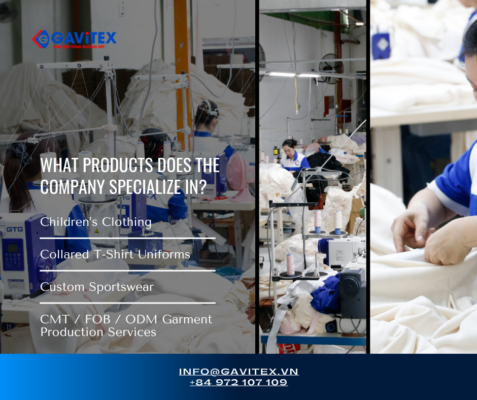
Delve deeper into the world of custom-made attire; explore the meticulous journey from concept to creation in our comprehensive guide to bespoke garment production.
The Allure of Bespoke: Why Choose Custom-Made Clothing?
Bespoke garment production offers an unparalleled level of personalization and quality, setting it apart from mass-produced clothing. The allure of custom-made clothing lies in its ability to perfectly reflect your individual style, body shape, and preferences. Unlike off-the-rack options, bespoke garments are meticulously crafted to your exact specifications, resulting in a fit and feel that is truly exceptional.
One of the primary reasons to choose bespoke is the perfect fit. A skilled tailor takes precise measurements of your body, accounting for any unique features or asymmetries. This ensures that the garment drapes flawlessly, accentuating your best features and providing unparalleled comfort. With ready-to-wear clothing, you often have to compromise on fit, opting for a size that is “close enough.”
Beyond fit, custom-made clothing offers an extensive range of fabric choices. You have the freedom to select the exact material, color, and pattern that aligns with your personal taste and the intended use of the garment. Whether it’s a luxurious Italian wool for a suit or a breathable linen for a summer shirt, you can be confident that your garment is made from the finest materials. Moreover, you can customize the garment to your liking, for example, the stitching color, the button, or even the lining of the jacket.
Personal expression is another significant advantage of choosing bespoke. You can collaborate with the tailor to design every detail of your garment, from the lapel style on a jacket to the pocket placement on a pair of trousers. This level of customization allows you to create truly unique pieces that reflect your personality and style.
Finally, bespoke garments are built to last. The meticulous craftsmanship and high-quality materials ensure that your clothing will withstand the test of time. Investing in custom-made clothing is a statement of quality and is made to last for years.
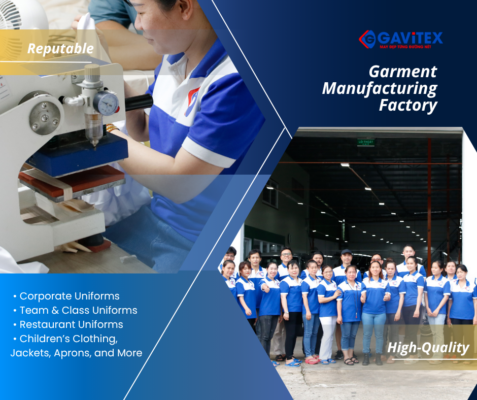
Bespoke vs. Made-to-Measure vs. Ready-to-Wear: Decoding the Differences
Understanding the nuances between bespoke, made-to-measure (MTM), and ready-to-wear (RTW) clothing is crucial for anyone seeking custom or semi-custom garments. These three terms represent distinct approaches to apparel production, each offering varying levels of customization, fit, and price. This section clarifies the differences between these tailoring methods, enabling you to make an informed decision that aligns with your needs and preferences for bespoke garment production.
Bespoke, the pinnacle of sartorial excellence, involves creating a garment from scratch, entirely based on an individual’s unique measurements and preferences. This process begins with an initial consultation, followed by the creation of a paper pattern and multiple fittings to ensure a perfect fit. In contrast, made-to-measure utilizes existing patterns that are then altered to accommodate the customer’s measurements, offering a degree of customization but less than bespoke. Finally, ready-to-wear garments are mass-produced in standard sizes and offer no customization, focusing on convenience and affordability.
To further illustrate these distinctions, consider these key differences:
- Pattern Creation: Bespoke involves creating a brand-new pattern; MTM modifies an existing pattern; RTW uses standardized, pre-made patterns.
- Fit: Bespoke offers the most precise and personalized fit, addressing individual posture and body shape nuances. MTM provides a better fit than RTW but may not perfectly accommodate unique body features. RTW offers the least customized fit, often requiring alterations.
- Fabric Selection: Bespoke typically provides the widest selection of fabrics. MTM may offer a curated range, while RTW uses fabrics chosen for mass production and cost-effectiveness.
- Construction Details: Bespoke allows for complete control over construction details like buttonholes, linings, and stitching. MTM offers some customization options. RTW features standardized construction techniques.
- Price: Bespoke is the most expensive option due to the labor-intensive process. MTM is mid-range in price. RTW is the most affordable.
- Turnaround Time: Bespoke requires the longest lead time due to multiple fittings and pattern creation. MTM takes less time than bespoke but longer than RTW. RTW is immediately available.
Ultimately, the choice between bespoke, made-to-measure, and ready-to-wear depends on individual priorities. While bespoke offers unparalleled customization and fit for those willing to invest time and money, made-to-measure provides a balance between customization and convenience. Ready-to-wear caters to those seeking affordability and immediate availability. For overseas buyers, understanding these differences allows us to guide clients toward the most appropriate production method, ensuring satisfaction with their custom garment.
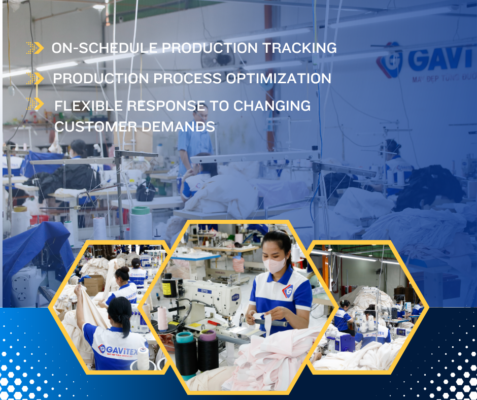
The Intricate Process of Bespoke Garment Creation: A Step-by-Step Breakdown
The creation of a bespoke garment is a meticulous journey, far removed from mass-produced clothing, representing the pinnacle of personalized tailoring. This section unveils the comprehensive process behind bespoke garment production, offering a detailed, step-by-step understanding of how a vision transforms into a perfectly fitted, unique piece. From initial consultation to the final fitting, each stage involves skilled craftsmanship and precise attention to detail.
The bespoke process begins with an in-depth consultation between the client and the tailor, a crucial step for understanding individual preferences and needs. During this initial meeting, the tailor will discuss the garment’s intended purpose, desired style, fabric choices, and any specific design elements the client envisions. Measurements are taken with utmost precision. The tailor carefully notes the client’s posture, shoulder slope, and other physical characteristics that influence the garment’s fit and drape.
Next, a paper pattern is drafted from scratch based on the client’s unique measurements and design specifications. This bespoke pattern serves as the blueprint for the entire garment, and is the foundation for achieving a truly personalized fit. The tailor then cuts the chosen fabric according to the pattern, ensuring precise alignment of the grain and pattern matching where necessary. This stage requires a high level of skill and experience to minimize fabric waste and ensure the garment’s structural integrity.
With the fabric cut, the tailor begins the process of assembling the garment. This typically involves basting the pieces together for a fitting, allowing the client to try on the garment and assess the fit. During the fitting, the tailor will carefully observe how the garment hangs on the body and make any necessary adjustments to the pattern and construction. Multiple fittings are often required to achieve the desired fit and silhouette, reflecting the personalized nature of bespoke tailoring.
Once the fit is perfected, the tailor proceeds with the final construction of the garment. This involves hand-sewing many of the details, such as buttonholes, linings, and trim, showcasing the artistry involved in bespoke clothing. The garment is then carefully pressed and finished, ready for the client’s final approval. The final fitting ensures that the garment meets the client’s expectations and fits flawlessly, signifying the completion of a truly custom-made piece.
Here’s a breakdown of the steps involved in bespoke garment creation:
- Initial Consultation: Discussing design, purpose, and preferences.
- Precise Measurements: Capturing individual body metrics.
- Pattern Drafting: Creating a unique paper pattern.
- Fabric Cutting: Precisely cutting the fabric based on the pattern.
- Basting and Fitting: Assembling the garment for initial fit assessment.
- Adjustments and Refinements: Making necessary alterations to the pattern and construction.
- Final Construction: Hand-sewing details and assembling the final garment.
- Pressing and Finishing: Preparing the garment for the final fitting.
- Final Fitting: Ensuring perfect fit and client satisfaction.
overseas buyers understands the importance of each step in bespoke garment production, ensuring the highest quality and personalized service for our clients. The result is a garment that not only fits perfectly but also reflects the individual style and preferences of the wearer.
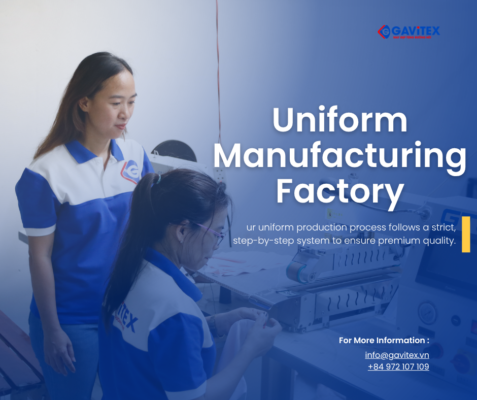
Selecting the Right Fabric for Your Bespoke Garment: A Guide to Textiles
Choosing the right fabric is paramount in bespoke garment production, as it dictates not only the aesthetic appeal but also the comfort, durability, and overall quality of your custom-made clothing. The selection process transcends mere preference, demanding a comprehensive understanding of textile properties and their suitability for different garment types and occasions. Selecting the right textiles can elevate your garment from simply well-fitted to a true reflection of your personal style and needs, especially when working with a skilled bespoke garment manufacturer.
The world of textiles offers a vast array of choices, broadly categorized into natural fibers, synthetic fibers, and blends, each possessing unique characteristics that influence the final product. Natural fibers such as cotton, linen, silk, and wool provide breathability, comfort, and a luxurious feel, whereas synthetic fibers like polyester, nylon, and rayon offer enhanced durability, wrinkle resistance, and affordability. Blended fabrics combine the best of both worlds, leveraging the strengths of different fibers to create textiles that are both functional and aesthetically pleasing.
When selecting your textile, consider the garment’s intended use and the desired level of formality.
- For instance, a lightweight linen or cotton is ideal for summer shirts and dresses, offering breathability and comfort in warm weather.
- Conversely, a heavy wool or cashmere is better suited for winter coats and suits, providing warmth and insulation against the cold.
- Silk, with its luxurious drape and sheen, is often chosen for evening wear and special occasion garments.
Beyond fiber type, factors such as weave, weight, and finish also play a crucial role in determining a fabric’s suitability. Weave refers to the way the threads are interlaced, influencing the fabric’s texture, drape, and durability. Weight, measured in grams per square meter (GSM) or ounces per square yard (oz/yd²), affects the fabric’s thickness, warmth, and how it hangs. Finish refers to any treatments applied to the fabric to enhance its properties, such as wrinkle resistance, water repellency, or colorfastness. When consulting with overseas buyers, providing details about the end-use and desired characteristics allows them to suggest appropriate fabric options.
Color and pattern are, of course, essential considerations. The chosen fabric should complement your skin tone, hair color, and personal style, while also being appropriate for the garment’s intended use. Solid colors are generally more versatile and easier to coordinate, while patterns can add visual interest and personality. However, it’s important to choose patterns carefully, as some may be too bold or distracting for certain garments or occasions. Always request a swatch before committing to a fabric, to ensure the color and pattern meet your expectations in person.
Ultimately, selecting the right fabric for your bespoke garment is a collaborative process involving you and your bespoke tailor or manufacturer. By understanding the different types of textiles, their properties, and their suitability for various garments, you can make informed decisions that result in a custom-made piece that is both beautiful and functional, embodying quality bespoke garment production.
Want to elevate your bespoke creation? Master the art of fabric selection with our essential guide to textiles for bespoke garments.
Vietnam as a Hub for Bespoke Garment Production: Advantages and Considerations
Vietnam has emerged as a prominent hub for bespoke garment production, attracting increasing attention from global brands and individual clients seeking high-quality, custom-made clothing. The country’s rise in the bespoke clothing industry is attributed to a combination of factors, including a skilled workforce, competitive pricing, and a growing understanding of international fashion trends. Exploring the advantages and considerations of sourcing bespoke garments from Vietnam is crucial for businesses and individuals alike looking to tap into this burgeoning market.
One of the most significant advantages of choosing Vietnam for bespoke garment manufacturing is the cost-effectiveness. Labor costs in Vietnam are generally lower compared to developed countries, allowing manufacturers to offer competitive pricing without compromising on quality. This affordability extends to materials as well, with access to a wide range of locally sourced and imported fabrics at reasonable prices. For instance, a custom suit made in Vietnam can often be significantly cheaper than one produced in Europe or North America, making it an attractive option for budget-conscious customers.
Beyond pricing, Vietnam boasts a rich history of tailoring and garment production. This tradition has fostered a skilled and experienced workforce capable of handling intricate designs and delivering exceptional craftsmanship. Many Vietnamese tailors and garment workers possess generations of knowledge, ensuring attention to detail and a commitment to quality that is highly valued in the bespoke market. The availability of skilled labor contributes significantly to the accurate execution of customer specifications and the overall satisfaction with the final product.
However, sourcing bespoke garments from Vietnam also involves certain considerations. Communication can sometimes be a challenge due to language barriers, necessitating clear and detailed instructions. Working with a reputable and experienced manufacturer is essential to overcome these challenges and ensure smooth communication throughout the production process. Furthermore, quality control is paramount. While many Vietnamese manufacturers maintain high standards, it is important to implement rigorous quality checks at various stages of production to guarantee that the final garments meet the desired specifications.
Finally, ethical considerations are becoming increasingly important in the fashion industry. Ensuring that workers are treated fairly and that factories adhere to ethical labor practices is a responsibility that should be taken seriously. Choosing a manufacturer that is committed to fair wages, safe working conditions, and environmental sustainability contributes to a more responsible and sustainable bespoke garment production ecosystem.
In summary, Vietnam offers compelling advantages as a hub for bespoke garment production, particularly in terms of cost-effectiveness and skilled labor. However, careful consideration of communication, quality control, and ethical factors is crucial for a successful and responsible sourcing experience.
Finding the Perfect Bespoke Garment Manufacturer in Vietnam: A Checklist
Finding the perfect bespoke garment manufacturer in Vietnam is crucial for businesses seeking high-quality, custom-made apparel. Vietnam has emerged as a prominent hub for bespoke garment production, and to ensure a successful partnership, businesses need a structured approach. This checklist provides a detailed guide to navigate the selection process, covering essential factors such as expertise, quality control, communication, and ethical practices, ensuring your vision for custom clothing becomes a reality.
-
Define Your Specific Needs: Start by clearly outlining your specific requirements. What types of garments are you looking to produce? What is the desired quality level, fabric type, and complexity of design? Understanding your needs will help you narrow down potential manufacturers. Consider the scale of production required, whether it’s small-batch, large-scale, or scalable options.
-
Assess Experience and Expertise: Look for manufacturers with a proven track record in bespoke tailoring. Review their portfolio, examine samples of their work, and inquire about their experience with similar projects. A manufacturer specializing in menswear might not be the best fit for producing womenswear, for instance. Determine if they possess specialized skills like pattern making, grading, and alterations.
-
Evaluate Quality Control Processes: A robust quality control system is paramount. Ask about their quality assurance procedures at each stage of production, from initial pattern making to final inspection. Inquire whether they conduct in-line inspections, end-of-line inspections, or utilize other methods for monitoring garment quality. Request access to their quality control documentation for verification.
-
Examine Fabric Sourcing and Options: The ability to source high-quality fabrics is essential. Check if the manufacturer has established relationships with reliable fabric suppliers. Ensure they can work with a wide range of textiles, including natural fibers (cotton, linen, silk) and synthetic blends (polyester, rayon), and have experience handling specialized fabrics like wool, cashmere, or performance fabrics.
-
Verify Communication and Responsiveness: Effective communication is key to a smooth collaboration. Assess their responsiveness to inquiries, clarity in communication, and willingness to address your concerns. A good manufacturer should provide regular updates on production progress and be proactive in identifying and resolving potential issues.
-
Confirm Ethical and Sustainable Practices: Ensuring ethical and sustainable production is increasingly important. Inquire about their labor practices, worker welfare, and environmental policies. Look for manufacturers with certifications such as WRAP or BSCI, which demonstrate a commitment to ethical standards. Seek transparency in their supply chain and waste management processes.
-
Evaluate Pricing and Payment Terms: Understand their pricing structure and obtain a detailed cost breakdown. Compare quotes from multiple manufacturers to ensure you are getting a competitive rate. Negotiate payment terms that are favorable to both parties. Be wary of manufacturers offering unrealistically low prices, as this may indicate compromises in quality or ethical practices.
-
Visit the Facility (If Possible): An on-site visit allows you to assess their facilities, equipment, and production environment firsthand. This visit can provide valuable insights into their capabilities and operational efficiency. Observe their workforce, evaluate their working conditions, and speak with key personnel.
-
Request and Review References: Ask for references from previous clients and contact them to gather feedback on their experience working with the manufacturer. Inquire about the manufacturer’s strengths, weaknesses, and overall reliability.
-
Consider Minimum Order Quantities (MOQs): Understanding the manufacturer’s MOQs is crucial for matching production capacity to your specific needs. Some manufacturers may specialize in large-scale production, requiring substantial minimum orders, while others cater to smaller businesses with lower MOQs.
Considering Vietnam for your bespoke needs? Weigh the pros and cons with our insights on Vietnam as a hub for bespoke garment production.
Pricing Transparency: Factors Influencing the Cost of Bespoke Garments
Understanding the cost of bespoke garments is crucial for clients considering this personalized clothing option, and pricing transparency is essential for building trust between clients and manufacturers. Several factors contribute to the final price, reflecting the labor-intensive and highly customized nature of the bespoke garment production process. This section breaks down these elements, offering clarity on where your investment goes when commissioning a bespoke piece.
Several key elements significantly impact bespoke clothing costs:
- Fabric Choice: The type and quality of fabric used are paramount. High-end materials like Italian wool, cashmere, or rare silks naturally command higher prices than more common textiles. Fabric sourcing, including origin and availability, also plays a role.
- Design Complexity: Intricate designs, elaborate embellishments (hand embroidery, beadwork), and unique pattern drafting all require more time and expertise, thus increasing the cost. Simpler designs are generally more economical.
- Labor and Craftsmanship: This is a significant factor. The number of hours spent on pattern making, cutting, sewing, fitting, and finishing directly affects the final price. Highly skilled tailors and artisans command higher rates. The complexity of the garment construction influences labour costs.
- Number of Fittings: Bespoke garments typically require multiple fittings to ensure a perfect fit. Each fitting involves adjustments and alterations, adding to the overall labor cost. Fewer fittings may reduce the cost, but could compromise the final fit.
- Manufacturer’s Overhead: The operating costs of the manufacturer, including studio space, equipment, and staff salaries, are factored into the pricing. Manufacturers in locations with higher costs of living may charge more.
- Minimum Order Quantity (MOQ): Some manufacturers, particularly those working with businesses, may have minimum order quantities, which can affect the per-garment price. overseas buyers aims to provide flexible options to accommodate both individual and bulk orders.
Ultimately, understanding these cost drivers empowers clients to make informed decisions and appreciate the value of investing in a bespoke garment. By maintaining pricing transparency, overseas buyers strives to provide exceptional quality and service at a fair and competitive price.
Maintaining Your Bespoke Garments: Ensuring Longevity and Style
Owning bespoke garments is an investment in quality and personal style, and proper care is crucial to ensuring their longevity and maintaining their aesthetic appeal. These custom-made pieces, meticulously crafted to your exact specifications, require a different approach to care compared to mass-produced clothing. By understanding the specific needs of your bespoke attire, you can extend its lifespan and preserve its elegance for years to come.
The foundation of proper garment care lies in understanding the fabric. Different textiles demand different cleaning methods. For instance, delicate fabrics like silk or cashmere often require professional dry cleaning or gentle hand washing with specialized detergents, while more robust materials such as tweed or heavy wool can withstand more rigorous cleaning processes. Always refer to the care label attached to your garment, as it provides specific instructions from the manufacturer or tailor regarding the recommended cleaning method, ironing temperature, and drying techniques. Understanding these symbols is paramount to avoiding damage.
Beyond cleaning, proper storage plays a vital role in maintaining the shape and integrity of your bespoke clothing. Use padded hangers to prevent stretching or distortion of the shoulders, and store garments in a cool, dry place away from direct sunlight to prevent fading or discoloration. For seasonal storage, consider using breathable garment bags to protect your bespoke pieces from dust and pests, while still allowing for air circulation. Mothballs or cedar chips can be placed inside the bags as an added layer of protection against moths and other fabric-damaging insects.
Addressing minor damages promptly can prevent them from escalating into major issues. Learn basic sewing skills or find a reputable tailor who can handle repairs such as loose buttons, ripped seams, or minor tears. Addressing these problems early can save you from costly repairs or even the loss of your bespoke garment. Furthermore, consider investing in a quality fabric shaver to remove pilling from knitwear and maintain a smooth, polished appearance. Regular maintenance is key to preventing wear and tear.
Finally, professional care can significantly extend the life of your bespoke clothing. Regular dry cleaning (when appropriate for the fabric) can remove embedded dirt and oils that can damage fibers over time. A skilled tailor can also perform alterations to adjust the fit of your garment as your body changes, ensuring that it continues to look its best. Partnering with a reputable cleaner and tailor who understands the nuances of bespoke garment production can be an invaluable investment in the long-term preservation of your wardrobe. Vietnam Biz Rep, as a leading bespoke garment production company in Vietnam, understands the value of preserving high-quality garments and can provide advice on the best care practices.
The Future of Bespoke Garment Production: Trends and Innovations
The future of bespoke garment production is poised for exciting transformations, driven by technological advancements and evolving consumer preferences towards personalized and sustainable fashion. This evolution extends beyond traditional tailoring, embracing digital innovation and a heightened focus on ethical practices within the broader custom clothing industry.
Several key trends are shaping the future of bespoke apparel:
-
3D Body Scanning and Virtual Tailoring: Imagine stepping into a scanner that captures your precise measurements in seconds, eliminating the need for manual measuring. This technology, already emerging, will become commonplace, feeding data directly into CAD/CAM systems for pattern making and virtual fittings. 3D body scanning enhances accuracy, reduces fitting errors, and allows for a more seamless online bespoke garment ordering experience. Companies like Unspun are pioneering this approach, minimizing waste and maximizing fit.
-
Artificial Intelligence (AI) in Design and Production: AI algorithms can analyze vast datasets of customer preferences, fabric properties, and design trends to suggest optimal styles, fabrics, and fits. This technology can also automate aspects of pattern making, cutting, and sewing, increasing efficiency and reducing lead times. For example, AI could predict fabric behavior during draping, ensuring a flawless garment silhouette.
-
Sustainable and Ethical Practices: The demand for eco-friendly and ethically produced clothing is growing. The future of bespoke tailoring involves a greater emphasis on sustainable fabrics like organic cotton, recycled materials, and innovative bio-based textiles. Transparency in the supply chain and fair labor practices will be crucial. Vietnam Biz Rep, as a player in bespoke garment production, can champion this by sourcing from certified sustainable suppliers and promoting ethical manufacturing processes.
-
Personalized Customization and On-Demand Manufacturing: Consumers are seeking truly unique garments that reflect their individual style. On-demand manufacturing, facilitated by digital technologies, enables brands to offer extensive customization options without holding large inventories. Customers can select fabrics, colors, details, and even upload their own designs, resulting in one-of-a-kind pieces.
-
The Rise of Digital Marketplaces and Virtual Showrooms: Online platforms are connecting customers directly with tailors and bespoke garment manufacturers worldwide. Virtual showrooms allow customers to browse fabrics, view designs, and even “try on” garments virtually using augmented reality (AR) technology. This expands the reach of bespoke services and makes them more accessible to a global audience.
These trends are converging to create a future where bespoke garment production is more efficient, sustainable, personalized, and accessible. For overseas buyers, embracing these innovations will be key to staying competitive and meeting the evolving needs of discerning customers.
Vietnam Biz Rep supports overseas buyers with garment supplier search, factory verification, sample coordination, production follow-up, and quality inspection in Vietnam. Learn more on our clothing sourcing agent page or visit Vietnam sourcing agent for our full range of services. Contact Vietnam Biz Rep to discuss your sourcing requirements.
