

apparel production services are the backbone of any successful fashion brand, and choosing the right partner can be the difference between thriving and failing in today’s competitive market. Navigating the complex world of garment manufacturing in Vietnam requires understanding key factors like sourcing strategies, production capacity, quality control processes, and supply chain management. This article will delve into the essential aspects of selecting the ideal apparel production service, focusing on the critical components of cost-effective solutions, ethical manufacturing practices, and efficient delivery timelines. We’ll explore how overseas buyers, a leading manufacturer in Vietnam, can provide tailored clothing manufacturing solutions to meet your specific needs and ensure your brand’s success in 2025.
Understanding Apparel Production Services: A Comprehensive Overview
Apparel production services encompass a wide range of processes and expertise involved in transforming a design concept into a finished garment, playing a pivotal role in the global fashion industry. These services are the backbone of the clothing supply chain, enabling brands and retailers to bring their designs to market efficiently and effectively.
From initial design consultation to final delivery, apparel production services provide comprehensive solutions for businesses of all sizes. This includes pattern making, sampling, sourcing fabrics and trims, garment construction, quality control, and logistics. Brands can leverage these services to streamline their production process, reduce costs, and maintain high-quality standards.
The apparel production landscape is diverse, with companies specializing in different areas and offering various business models. Some companies offer full-package production, managing the entire process from start to finish, while others focus on specific services like cut and sew or private label manufacturing. Understanding these different models is crucial for businesses to choose the right partner for their specific needs.
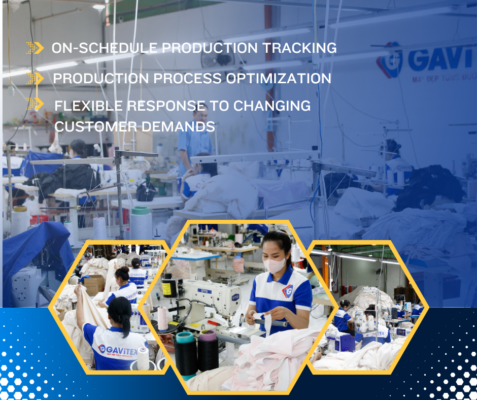
Delve deeper into the world of apparel production! Explore a comprehensive overview of apparel manufacturing services to understand the intricacies involved.
Key Apparel Production Services Offered in Vietnam: A Detailed Breakdown
Vietnam has emerged as a global hub for apparel production, offering a diverse range of apparel production services to meet the demands of international brands. These services span the entire production lifecycle, from initial design to final delivery, making Vietnam a one-stop destination for clothing manufacturing. Understanding the specific services available is crucial for businesses looking to leverage Vietnam’s manufacturing capabilities.
Several core garment manufacturing services form the backbone of Vietnam’s apparel industry. These include:
- Cut, Make, and Trim (CMT): This is perhaps the most basic service, where the client provides the designs and materials, and the Vietnamese manufacturer handles the cutting, sewing, and finishing.
- Original Equipment Manufacturing (OEM): In OEM, the Vietnamese manufacturer is responsible for sourcing materials and producing garments according to the client’s designs.
- Original Design Manufacturing (ODM): This service offers the most comprehensive solution, where the manufacturer handles everything from design and material selection to production and packaging. ODM allows brands to leverage the expertise and creativity of Vietnamese manufacturers.
Beyond core manufacturing, a suite of specialized services supports the apparel production process:
- Textile Sourcing: Vietnam boasts a growing textile industry, enabling manufacturers to source a wide variety of fabrics and trims locally or import them as needed.
- Pattern Making and Grading: Skilled pattern makers ensure accurate sizing and fit across different garment styles.
- Sampling: Manufacturers create samples to allow clients to evaluate the design, fit, and quality before mass production.
- Embroidery and Printing: These value-added services allow for customization and branding of apparel.
- Quality Control: Rigorous quality control processes are implemented at every stage of production to ensure garments meet the required standards.
- Logistics and Shipping: Manufacturers often offer comprehensive logistics services, handling the transportation of goods from the factory to the client’s desired location.
Many Vietnamese apparel manufacturers, are increasingly focusing on providing specialized services to cater to niche markets and evolving customer needs. This includes:
- Sustainable Apparel Production: Offering eco-friendly materials, ethical labor practices, and waste reduction strategies. Vietnam is witnessing a rise in factories adopting sustainable practices to meet the growing demand for environmentally conscious apparel.
- Small-Batch Production: Catering to emerging brands and designers who require smaller quantities.
- Technical Apparel Production: Specializing in the production of performance wear, sportswear, and protective clothing requiring specialized materials and manufacturing techniques.
- Private Label Apparel Production: Offering brands the opportunity to create their own branded clothing lines without investing in manufacturing infrastructure.
By understanding the breadth of apparel production services available in Vietnam, businesses can effectively select the right partners and strategies to achieve their manufacturing goals. With its skilled workforce, competitive pricing, and growing focus on sustainability, Vietnam is poised to remain a key player in the global apparel production landscape.
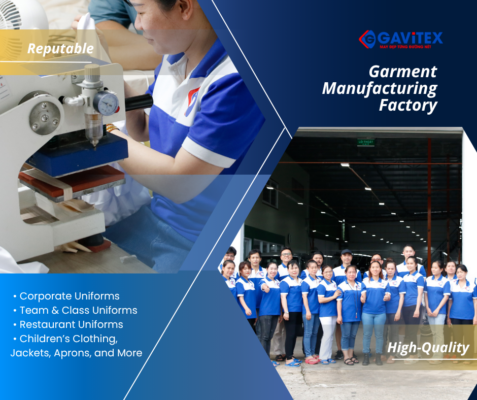
Uncover the specific services driving Vietnam’s apparel industry. Read a detailed breakdown of apparel design and manufacturing options available.
Factors to Consider When Choosing an Apparel Production Service in Vietnam
Selecting the right apparel production service in Vietnam is a critical decision that significantly impacts the success of your clothing brand. The Vietnamese garment industry offers a diverse range of apparel manufacturers, each with their own strengths and specializations, so understanding the key factors to consider is essential for making an informed choice.
Several key factors influence the suitability of an apparel production service for your specific needs. These factors often include production capabilities, quality control standards, cost-effectiveness, ethical considerations, and communication proficiency. By carefully evaluating these elements, businesses can find a reliable clothing manufacturer that aligns with their goals and helps them achieve success in the competitive fashion market.
When evaluating apparel manufacturers, understanding their production capabilities is paramount. Does the factory specialize in the type of clothing you intend to produce? Do they have the necessary equipment and expertise for your desired fabrics, embellishments, and designs? For example, a company specializing in sportswear might not be the best fit for producing high-end evening gowns. Verifying their ability to handle your specific needs avoids potential production delays and ensures a quality end product.
Quality control is another critical factor. Inquire about the manufacturer’s quality assurance processes at each stage of production, from sourcing raw materials to final inspection. Do they adhere to internationally recognized standards like AQL (Acceptable Quality Limit)? Request samples of their previous work and conduct thorough inspections to assess the quality of their workmanship, stitching, and finishing. Consistent quality is vital for maintaining customer satisfaction and building a strong brand reputation.
Cost is always a significant consideration, but it’s important to remember that the cheapest option isn’t always the best. Get detailed cost breakdowns from different apparel production services, including material costs, labor rates, and shipping fees. Compare the total costs while factoring in the level of quality, communication, and reliability offered. Balancing cost-effectiveness with quality ensures you receive value for your investment.
In today’s world, ethical apparel production practices are increasingly important to consumers. Look for manufacturers that prioritize fair labor practices, safe working conditions, and environmental sustainability. Do they have certifications like WRAP (Worldwide Responsible Accredited Production) or SA8000? Choosing a socially responsible partner not only aligns with ethical values but also enhances your brand image and appeals to conscious consumers.
Effective communication is crucial for a smooth and successful production process. Ensure that the apparel manufacturer has a dedicated team that can communicate clearly and promptly in your preferred language. Do they respond quickly to inquiries and provide regular updates on production progress? Strong communication helps prevent misunderstandings, resolve issues efficiently, and build a collaborative working relationship.
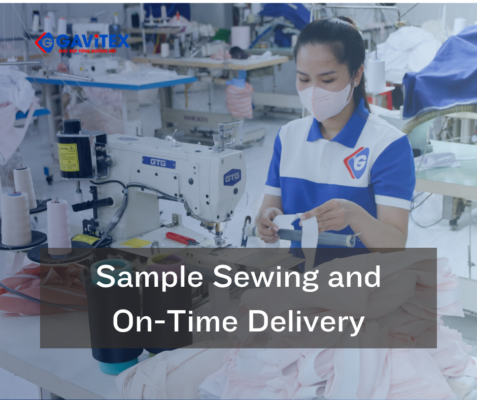
Making the right choice is crucial! Consider the key factors outlined in apparel manufacturing considerations for brands to ensure a successful partnership.
The Apparel Production Process: From Design to Delivery
The apparel production process, from initial concept to the finished product, involves a series of interconnected steps crucial for delivering quality garments. This process encompasses everything from design conceptualization and pattern making to fabric selection, cutting, sewing, and final quality checks before shipment, ensuring that apparel production services meet client specifications and market demands. Understanding this end-to-end journey is crucial for businesses seeking efficient and reliable apparel manufacturing.
Let’s break down the key stages involved in bringing a design to life:
-
Design and Pattern Making: The process begins with the design phase, where ideas are sketched, and technical drawings are created. These designs are then translated into patterns, which serve as templates for cutting fabric. Computer-Aided Design (CAD) software is often used to create precise and efficient patterns.
-
Fabric Selection and Sourcing: Choosing the right fabric is vital for the garment’s look, feel, and performance. Factors like fiber content, weight, weave, and color are considered. Apparel manufacturers often have established relationships with fabric suppliers to ensure quality and timely delivery.
-
Sampling and Prototyping: Before mass production, samples are created to evaluate the design, fit, and construction. This stage allows for necessary adjustments and refinements. Multiple prototypes might be produced until the final design is approved.
-
Cutting: Fabric is laid out in multiple layers (plies) and cut according to the patterns. Automated cutting machines, such as laser cutters, are frequently employed for accuracy and speed, especially in large-scale apparel production.
-
Sewing: The cut pieces are then sewn together to form the garment. This stage requires skilled sewing machine operators and careful attention to detail. Different sewing techniques are used depending on the design and fabric.
-
Quality Control: Quality checks are performed throughout the production process to identify and correct any defects. This includes inspecting the fabric, cutting, sewing, and finishing. Quality control ensures that the final product meets the required standards.
-
Finishing and Embellishments: After sewing, garments undergo finishing processes such as washing, ironing, and adding embellishments like buttons, zippers, and labels.
-
Packaging and Delivery: The final step involves packaging the garments and preparing them for shipment. This includes tagging, folding, and packing the garments into boxes or containers. Logistics and transportation are managed to ensure timely delivery to the customer.
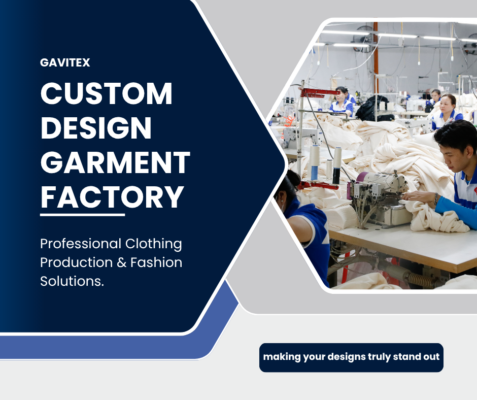
Curious about the journey of your garments? Trace the process from initial concept to final product with our guide to apparel production support.
Cost Considerations for Apparel Production Services in Vietnam
Understanding the cost considerations associated with apparel production services in Vietnam is crucial for businesses aiming to optimize their budgets and maximize profitability. Vietnam has emerged as a prominent hub for garment manufacturing, attracting global brands with its competitive pricing. However, navigating the complexities of production costs requires a thorough understanding of the various factors involved.
The overall expenses in apparel manufacturing are significantly influenced by several elements, including raw material costs, labor expenses, production scale, and the level of customization needed. A clear grasp of these elements enables businesses to effectively plan their finances, negotiate favorable terms with manufacturers, and ultimately achieve cost-efficient production runs.
Here’s a detailed breakdown of the key cost drivers in Vietnam’s apparel production sector:
- Raw Materials: The price of fabrics, trims (buttons, zippers, labels), and other materials constitutes a significant portion of the overall cost. Fluctuations in global commodity prices, sourcing locations, and material quality directly impact production expenses. For instance, organic cotton or specialized technical fabrics command higher prices than conventional materials.
- Labor Costs: Vietnam’s competitive labor rates have historically been a major draw for manufacturers. However, it’s essential to factor in minimum wage regulations, overtime pay, social insurance contributions, and worker benefits when calculating labor expenses. Skill level and specialization can also influence labor costs, with experienced technicians and pattern makers commanding higher wages.
- Production Volume (MOQ): Minimum order quantities (MOQs) play a crucial role in determining per-unit costs. Larger production runs generally lead to lower per-unit prices due to economies of scale. Smaller brands or those requiring highly customized designs may face higher per-unit costs due to smaller MOQs.
- Complexity of Design and Construction: Intricate designs, complex patterns, and specialized sewing techniques increase production time and require skilled labor, thereby impacting costs. Simplified designs and streamlined construction processes can help reduce expenses.
- Factory Overhead: These costs encompass expenses associated with operating and maintaining the factory, including rent, utilities, machinery maintenance, and administrative staff. These overhead expenses are typically factored into the per-unit cost of production.
- Quality Control: Implementing robust quality control measures is essential to minimize defects and ensure customer satisfaction. However, thorough quality inspections and testing add to the overall cost. Finding a balance between cost and quality is critical. overseas buyers prioritizes quality without compromising cost-effectiveness.
- Shipping and Logistics: Transportation costs, including inland freight, port charges, and international shipping, can significantly impact the final price. Proximity to ports, efficient logistics management, and optimized shipping routes can help minimize these expenses.
- Compliance and Certifications: Adhering to ethical labor standards, environmental regulations, and obtaining certifications (e.g., WRAP, BSCI) can add to the overall cost. However, these certifications enhance brand reputation and appeal to socially conscious consumers.
- Import Duties and Taxes: Understanding import duties and taxes levied by both Vietnam and the destination country is essential for accurate cost forecasting. Trade agreements and preferential tariffs can potentially reduce these expenses.
Therefore, effective cost management requires a detailed analysis of each of these factors, enabling businesses to make informed decisions, negotiate favorable terms, and optimize their production budgets in Vietnam’s dynamic apparel manufacturing landscape.
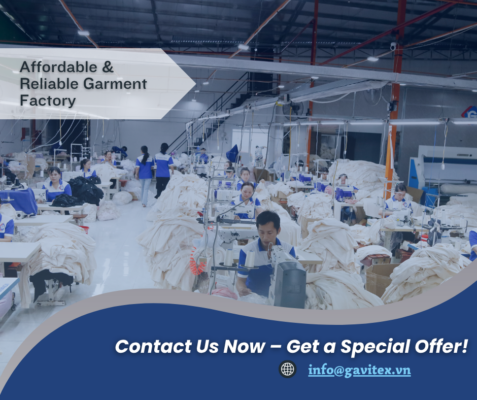
Navigate the financial landscape of apparel production in Vietnam. Learn about key cost considerations for apparel procurement to optimize your budget.
Quality Control and Assurance in Apparel Production
In the realm of apparel production services, maintaining rigorous quality control and assurance is paramount to ensuring customer satisfaction and brand reputation. Effective quality control goes beyond simply inspecting finished products; it encompasses a comprehensive system implemented throughout the entire production process, from initial design to final delivery, impacting the apparel manufacturing industry. This system includes establishing standards, implementing procedures, and continuously monitoring performance to identify and rectify any deviations from the desired quality levels.
A robust quality control system in garment production involves several key aspects. Firstly, defining clear quality standards is crucial. These standards should be based on customer expectations, industry benchmarks, and regulatory requirements, covering aspects like fabric quality, stitching, sizing accuracy, colorfastness, and overall garment construction. Secondly, implementing stringent inspection procedures at various stages of production is essential. This includes inspecting raw materials (fabrics, trims, and accessories), monitoring the cutting and sewing processes, conducting in-line inspections to identify defects early on, and performing final inspections before packaging and shipment. Finally, continuous monitoring and improvement are necessary to identify and address the root causes of quality issues, leading to ongoing enhancements in the production process.
Several types of quality control checks are commonly employed in apparel production, each serving a specific purpose:
- Incoming Material Inspection: This involves inspecting raw materials like fabrics, yarns, and trims to ensure they meet pre-defined quality standards before they enter the production line. For example, overseas buyers may require all fabrics to pass a colorfastness test and a shrinkage test before being approved for use.
- In-Process Inspection: Conducted during the various stages of garment manufacturing, such as cutting, sewing, and finishing, to identify and correct defects early on. This might involve checking seam strength, stitch density, and alignment of garment components.
- Final Inspection: Performed on finished garments before packaging to ensure they meet all quality standards and specifications. This includes a thorough visual inspection for defects, as well as measurements to verify sizing accuracy.
- Testing and Certification: Garments may undergo testing for properties like flammability, tear strength, and colorfastness to ensure they comply with relevant safety regulations and standards. Certifications such as OEKO-TEX can provide assurance to consumers that the products are free from harmful substances.
Investing in comprehensive quality assurance programs yields significant benefits for apparel manufacturers and their customers. By minimizing defects and ensuring consistent quality, manufacturers can reduce waste, lower production costs, and improve overall efficiency. High-quality garments enhance customer satisfaction, build brand loyalty, and contribute to a positive reputation. Furthermore, adhering to quality standards and regulations helps companies avoid potential legal issues and maintain compliance.
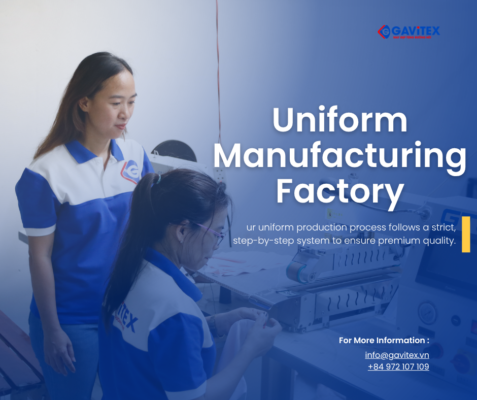
Guarantee excellence in your apparel line! Understand the best clothing manufacturing standards for quality control and assurance.
Sustainable and Ethical Apparel Production Practices in Vietnam
Sustainable and ethical apparel production practices are gaining significant traction in Vietnam, reflecting a global shift towards responsible manufacturing within the apparel industry. As a leading provider of apparel production services, overseas buyers recognizes the importance of integrating these practices to meet the evolving demands of consumers and brands. This commitment involves not only minimizing environmental impact but also ensuring fair labor practices and contributing positively to local communities.
The adoption of sustainable practices in Vietnam’s apparel production encompasses several key areas. These include utilizing eco-friendly materials such as organic cotton, recycled polyester, and innovative plant-based fabrics. Furthermore, water conservation is crucial, with factories implementing advanced dyeing and washing techniques to reduce water usage and minimize pollution. Energy efficiency is another focus, with companies investing in renewable energy sources and energy-saving technologies to lower their carbon footprint.
Ethical considerations are equally important in apparel production. This means ensuring fair wages, safe working conditions, and respecting the rights of workers. Transparency and traceability throughout the supply chain are essential to prevent exploitation and promote accountability. Reputable apparel manufacturers in Vietnam are increasingly embracing certifications such as Fair Trade and WRAP (Worldwide Responsible Accredited Production) to demonstrate their commitment to ethical standards.
Several initiatives are driving the adoption of sustainable and ethical practices in Vietnam’s apparel industry. Government regulations are becoming stricter, encouraging companies to adopt environmentally friendly technologies and improve labor standards. International brands are also exerting pressure on their suppliers to meet sustainability targets and ethical guidelines. Additionally, consumer awareness is growing, with more shoppers seeking out eco-conscious and ethically made clothing. This increased demand is incentivizing manufacturers to prioritize sustainable and ethical production.
Ultimately, embracing sustainable and ethical apparel production practices is not only the right thing to do but also makes good business sense. It enhances brand reputation, attracts environmentally and socially conscious customers, and improves long-term competitiveness. As a trusted apparel production partner in Vietnam, Vietnam Biz Rep is dedicated to helping brands navigate the complexities of sustainable and ethical sourcing and achieve their responsible manufacturing goals.
Finding the Right Apparel Production Partner in Vietnam: A Practical Guide
Finding the right apparel production partner in Vietnam is crucial for businesses seeking efficient and high-quality apparel production services. Selecting a suitable manufacturing partner requires careful consideration of various factors to ensure a successful and mutually beneficial collaboration.
Here’s a practical guide to navigate this process effectively:
-
Define Your Needs and Requirements: Before initiating your search, clearly define your specific needs. This includes your target production volume, desired quality standards, budget constraints, and any specific certifications or compliance requirements. For example, if you are targeting a high-end market, you will need a manufacturer with expertise in handling delicate fabrics and intricate designs. Detailing your technical specifications, ethical considerations, and sustainability goals will streamline the selection process.
-
Research and Shortlist Potential Partners: Utilize online directories, industry events, and referrals to identify potential apparel manufacturers in Vietnam. Look for companies that specialize in your desired product categories and have a proven track record of successful collaborations. Consider factors such as their experience, production capacity, equipment, and client portfolio. Vietnam Biz Rep, with its established network and industry expertise, can assist in identifying suitable candidates.
-
Evaluate Capabilities and Expertise: Once you have a shortlist, delve deeper into each potential partner’s capabilities. Request samples of their work to assess their quality and craftsmanship. Schedule factory visits to observe their production processes, equipment, and working conditions. Verify their certifications, such as ISO 9001 or WRAP, to ensure they meet industry standards. Assess their ability to handle your specific design requirements, fabric sourcing needs, and any special requests.
-
Assess Communication and Cultural Compatibility: Effective communication is essential for a successful partnership. Evaluate the potential partner’s responsiveness, language skills, and cultural understanding. Ensure they have a dedicated account manager who can communicate clearly and promptly. Cultural differences can sometimes lead to misunderstandings, so it’s important to find a partner who is sensitive to your communication style and business practices.
-
Negotiate Pricing and Payment Terms: Request detailed cost breakdowns from each potential partner and compare their pricing structures. Negotiate favorable payment terms that protect your interests while ensuring the manufacturer’s financial stability. Consider factors such as minimum order quantities (MOQs), lead times, and shipping costs. Remember that the lowest price doesn’t always guarantee the best value. Focus on finding a balance between cost and quality.
-
Establish Clear Contracts and Agreements: Once you’ve selected a partner, formalize your agreement with a comprehensive contract that outlines all key terms and conditions. This includes production specifications, quality standards, delivery schedules, payment terms, intellectual property rights, and dispute resolution mechanisms. A well-drafted contract will protect both parties and minimize the risk of misunderstandings or disputes down the line.
-
Prioritize Ethical and Sustainable Practices: In today’s market, consumers are increasingly concerned about ethical and environmental issues. Choose a production partner that adheres to fair labor practices, promotes worker safety, and minimizes its environmental impact. Look for certifications such as Fair Trade, GOTS, or Oeko-Tex to ensure they meet recognized sustainability standards. Vietnam Biz Rep is committed to promoting ethical and sustainable apparel production practices in Vietnam.
Ready to find your ideal partner? Access a practical guide to finding the right apparel production partner in Vietnam.
Trends Shaping the Future of Apparel Production Services in Vietnam
The apparel production services sector in Vietnam is undergoing a dynamic transformation, driven by evolving consumer demands, technological advancements, and a growing focus on sustainability. These emerging trends are reshaping how overseas buyers and other players in the industry operate, compete, and innovate, ultimately impacting the future of fashion and textile manufacturing in the region.
One of the most significant trends is the increasing adoption of digitalization and automation within apparel manufacturing. This includes the implementation of technologies like 3D design, virtual prototyping, robotic cutting and sewing, and AI-powered quality control. These technologies are enhancing efficiency, reducing lead times, and improving accuracy, ultimately helping Vietnamese manufacturers to remain competitive in the global market. For example, robotic sewing systems can increase production speed by up to 30% while reducing labor costs.
Another key trend is the growing demand for sustainable and ethical apparel production. Consumers are becoming more aware of the environmental and social impact of the fashion industry, leading to increased pressure on brands to adopt eco-friendly practices. In Vietnam, this translates to a greater emphasis on using sustainable materials such as organic cotton and recycled polyester, reducing water and energy consumption, minimizing waste, and ensuring fair labor practices. This is forcing factories to obtain certifications such as Fair Trade and GOTS (Global Organic Textile Standard). overseas buyers, alongside other Vietnamese companies, are adapting to meet these demands to meet these demands to secure a positive reputation and retain global clients.
Personalization and customization are also becoming increasingly important in the apparel industry. Consumers are seeking unique and tailored products that reflect their individual style and preferences. On-demand manufacturing and mass customization are enabling brands to offer personalized apparel at scale, requiring Vietnamese manufacturers to invest in flexible production systems and develop capabilities in small-batch production.
Finally, the rise of e-commerce and omnichannel retail is transforming the way apparel is sold and distributed. Vietnamese manufacturers need to adapt to the demands of online retailers, including shorter lead times, more frequent product releases, and efficient logistics. This requires investing in supply chain management systems and developing partnerships with e-commerce platforms. Furthermore, according to Vietnam Briefing, the revenue in the “Fashion” segment of the e-commerce market is projected to reach US$2.96 billion in 2024, indicating huge future growth.
Navigating Challenges in the Apparel Production Industry in Vietnam
The apparel production industry in Vietnam, while a significant contributor to the nation’s economy and a key player in global supply chains, faces a complex web of challenges that businesses must navigate to succeed. These challenges, ranging from fluctuating raw material costs and labor shortages to increasing demands for sustainable practices and evolving trade regulations, require strategic planning and adaptive solutions from apparel production services. Understanding these hurdles is crucial for both established players and companies considering Vietnam as a manufacturing hub.
One of the primary challenges is the volatility in the cost and availability of raw materials. Cotton, fabrics, and dyes, vital for garment production, are subject to global market fluctuations and supply chain disruptions. These fluctuations can significantly impact production costs and profit margins, requiring businesses to implement strategies such as diversifying sourcing options, negotiating long-term contracts, and utilizing hedging techniques to mitigate risk. Vietnam Biz Rep, with its extensive network of suppliers, helps clients navigate these fluctuations and secure competitive pricing.
Labor shortages and rising wages also pose a significant obstacle. While Vietnam boasts a large workforce, the apparel industry faces increasing competition from other sectors offering higher wages and better working conditions. This necessitates investment in training and development programs to enhance worker skills and productivity, as well as the implementation of fair labor practices to attract and retain talent. Furthermore, automation and technology adoption can help improve efficiency and reduce reliance on manual labor.
Sustainable and ethical apparel production practices are no longer optional but a necessity to meet consumer demands and comply with international regulations. The industry faces increasing pressure to reduce its environmental footprint, ensure fair labor standards, and promote transparency throughout the supply chain. This requires investment in eco-friendly materials, water and energy-efficient technologies, and social compliance audits. Vietnam Biz Rep is committed to promoting sustainable practices and assisting clients in implementing ethical sourcing strategies.
Evolving trade regulations and geopolitical tensions can create uncertainty and impact market access. Vietnam’s participation in free trade agreements, such as the Comprehensive and Progressive Agreement for Trans-Pacific Partnership (CPTPP) and the EU-Vietnam Free Trade Agreement (EVFTA), offers opportunities but also necessitates compliance with complex rules of origin and other trade requirements. Staying informed about these regulations and adapting to changing market dynamics is crucial for maintaining competitiveness.
Finally, inefficient infrastructure and logistics bottlenecks can hinder the smooth flow of goods and increase transportation costs. While Vietnam has made progress in improving its infrastructure, challenges remain in areas such as port congestion and road connectivity. Optimizing supply chain management, utilizing technology to track shipments, and exploring alternative transportation options can help mitigate these challenges.
Vietnam Biz Rep supports overseas buyers with garment supplier search, factory verification, sample coordination, production follow-up, and quality inspection in Vietnam. Learn more on our clothing sourcing agent page or visit Vietnam sourcing agent for our full range of services. Contact Vietnam Biz Rep to discuss your sourcing requirements.
