


Unlocking the potential of Apparel design and manufacturing is crucial for businesses aiming to thrive in today’s competitive fashion landscape. This guide delves into the intricacies of transforming initial concepts into tangible, high-quality garments, exploring the key stages from initial design sketching and pattern making to efficient production planning and meticulous quality control. Within the context of garment manufacturers in Vietnam, this article provides a practical overview of essential strategies and best practices, emphasizing the importance of supply chain optimization, sustainable manufacturing, and leveraging cutting-edge textile technology. Discover how to navigate the complexities of apparel manufacturing, ensure consistent product quality, and ultimately, elevate your brand’s success in the global market. By understanding these fundamental elements, you can optimize your operations and secure a competitive edge in the ever-evolving world of fashion.
Streamlining Apparel Design and Manufacturing in Vietnam: A Step-by-Step Guide
Streamlining apparel design and manufacturing processes in Vietnam is crucial for businesses seeking efficiency and cost-effectiveness in their global supply chain. This guide provides a structured approach to navigating the complexities of Vietnamese apparel production, ensuring a smooth and successful operation. By understanding and implementing these steps, brands can optimize their processes, reduce lead times, and enhance product quality while working with Vietnamese garment manufacturers.
Here’s a detailed, step-by-step approach to optimizing your apparel design and manufacturing journey in Vietnam:
-
Market Research and Target Audience Definition: Before initiating any design or manufacturing, conduct thorough market research. Understanding current fashion trends and defining your target audience is essential for creating products that resonate with consumers. This includes analyzing competitor strategies and identifying potential gaps in the market.
-
Design and Tech Pack Creation: Develop detailed tech packs that clearly communicate your design specifications to the manufacturer. These packs should include precise measurements, fabric details, construction methods, and any special requirements. A well-prepared tech pack minimizes errors and ensures accurate production.
-
Selecting a Suitable Manufacturer: Identifying the right garment manufacturer is a cornerstone of success. Consider factors such as their expertise, capacity, quality control standards, and compliance certifications. Conduct factory audits and request samples to assess their capabilities before making a final decision.
-
Prototyping and Sampling: Create prototypes and samples to evaluate the design, fit, and construction quality. This stage allows for necessary adjustments and refinements before mass production. Multiple rounds of sampling may be required to achieve the desired outcome.
-
Negotiating Pricing and Terms: Negotiate pricing and payment terms with the manufacturer. Ensure transparency in cost breakdowns and clarify all aspects of the agreement, including production timelines, shipping arrangements, and warranty provisions.
-
Production and Quality Control: Implement robust quality control measures throughout the production process. Conduct regular inspections at various stages, from raw materials to finished goods, to identify and address any defects or deviations from the tech pack specifications.
-
Shipping and Logistics: Coordinate shipping and logistics to ensure timely and cost-effective delivery of your products. Work with a reliable freight forwarder to handle customs clearance, transportation, and warehousing.
-
Compliance and Documentation: Ensure compliance with all relevant legal and regulatory requirements, including labor laws, environmental regulations, and import/export procedures. Maintain accurate documentation of all transactions and processes.
For brands that need help at the concept stage itself, a dedicated clothing design development partner can turn a rough concept into a production-ready tech pack before it ever reaches the factory floor.
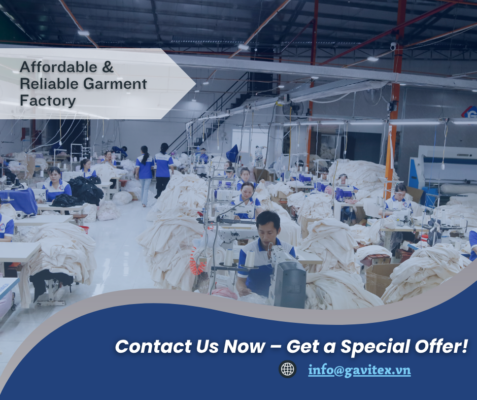
Selecting the Right Garment Manufacturer in Vietnam: Key Considerations
Choosing the right garment manufacturer in Vietnam is crucial for apparel design and manufacturing success, impacting everything from product quality to profitability. The decision demands careful consideration of various factors to ensure a partnership that aligns with your brand’s needs and objectives within the competitive apparel industry. This section outlines the key considerations for selecting a suitable garment manufacturer in Vietnam, guiding you through the essential steps to make an informed choice.
When sourcing apparel manufacturers in Vietnam, capacity and capabilities should be a primary focus. A manufacturer’s capacity dictates its ability to handle your order volume and meet deadlines, while its capabilities determine the range of products and services it can offer. Before contacting potential manufacturers, clearly define your production needs, including the types of garments, quantities, and any specialized requirements like printing, embroidery, or fabric sourcing. For instance, if you’re planning a large-scale production run, prioritize manufacturers with substantial production lines and a proven track record of handling similar volumes. Conversely, for specialized apparel, seek manufacturers with expertise in the specific techniques and materials required.
Another vital aspect to evaluate is the manufacturer’s quality control processes. Ensuring excellence in your finished products requires a manufacturer with rigorous quality checks at every stage of production, from fabric inspection to final garment assessment. Ask potential manufacturers about their quality control procedures, certifications (such as ISO 9001), and experience with international quality standards. Request samples of their work to assess the quality of their stitching, finishing, and overall craftsmanship. Furthermore, inquire about their policies for handling defects and returns, as a reliable manufacturer should have a clear process for addressing quality issues promptly and effectively.
Cost is undeniably a significant consideration, but it shouldn’t be the sole determining factor. While Vietnam offers competitive labor costs, focusing solely on the lowest price can compromise quality and ethical standards. Instead, adopt a holistic view of cost optimization by considering factors like minimum order quantities (MOQs), lead times, payment terms, and shipping costs. Request detailed quotations from multiple manufacturers, comparing not only the unit price but also the overall cost of production and delivery. Explore opportunities for cost reduction through efficient supply chain management, optimized designs, and material sourcing strategies. Remember that investing in a reputable manufacturer with fair pricing and transparent practices can ultimately save you money in the long run by reducing defects, delays, and other costly issues.
Finally, it’s critical to assess a manufacturer’s commitment to ethical and sustainable practices. With growing consumer awareness of environmental and social issues, partnering with a manufacturer that prioritizes ethical labor standards and sustainable apparel manufacturing can enhance your brand’s reputation and appeal. Inquire about their compliance with labor laws, worker welfare programs, and environmental policies. Certifications like WRAP (Worldwide Responsible Accredited Production) and BSCI (Business Social Compliance Initiative) can provide assurance of their commitment to ethical practices. Consider manufacturers that utilize eco-friendly materials, implement waste reduction strategies, and invest in renewable energy sources. By aligning with a sustainable and ethical manufacturer, you not only contribute to a better world but also strengthen your brand’s value proposition.
Finding the perfect fit for your brand? Learn how to select the right garment manufacturer in Vietnam.
Cost Optimization in Vietnam Apparel Manufacturing: Strategies and Best Practices
Optimizing costs in Vietnam apparel manufacturing is crucial for businesses aiming to enhance competitiveness and profitability within the dynamic global market for apparel design and manufacturing. Successfully navigating the Vietnamese landscape requires a strategic approach that encompasses various facets of the supply chain and production processes, allowing overseas buyers to flourish. By implementing best practices and understanding key cost drivers, businesses can significantly reduce expenses while maintaining high-quality standards in their apparel production.
Strategic Sourcing and Negotiation
Effective sourcing and negotiation are paramount for cost optimization. This involves identifying and selecting suppliers that offer competitive pricing without compromising quality. Developing strong relationships with fabric suppliers and other material vendors can lead to better pricing terms and favorable payment schedules. Furthermore, exploring alternative materials and trims can offer cost-effective solutions while aligning with design requirements. Negotiation tactics, such as volume discounts and long-term contracts, can further reduce material costs.
Production Process Optimization
Streamlining production processes is another vital strategy for cost optimization in Vietnam. Implementing lean manufacturing principles can minimize waste, reduce lead times, and improve overall efficiency. This includes optimizing factory layout, improving workflow, and investing in automation technologies where appropriate. For example, using automated cutting machines can reduce fabric waste and labor costs. Effective inventory management practices, such as just-in-time inventory, can also minimize storage costs and reduce the risk of obsolescence.
Labor Cost Management
While Vietnam offers competitive labor costs compared to other manufacturing hubs, effective labor management is still essential. This involves optimizing workforce planning, implementing training programs to improve worker productivity, and ensuring compliance with labor laws and regulations. Investing in employee well-being can lead to higher retention rates, reducing recruitment and training expenses. Additionally, implementing performance-based incentives can motivate workers and improve overall efficiency.
Supply Chain Efficiency
A well-managed supply chain is critical for cost optimization in apparel manufacturing. This includes optimizing logistics, transportation, and warehousing processes. Consolidating shipments, negotiating favorable transportation rates, and utilizing efficient warehousing practices can significantly reduce supply chain costs. Implementing supply chain visibility technologies, such as RFID tracking, can improve inventory management and reduce the risk of stockouts or delays.
Technology Adoption
Investing in technology can drive significant cost optimization in the long run. Implementing enterprise resource planning (ERP) systems can streamline operations, improve data visibility, and enhance decision-making. Utilizing design software and virtual prototyping tools can reduce the need for physical samples, saving time and material costs. Moreover, adopting automation technologies, such as robotic sewing machines, can improve productivity and reduce labor costs.
Quality Control and Defect Reduction
Implementing robust quality control measures is essential for minimizing defects and reducing rework costs. This involves establishing clear quality standards, implementing inspection processes at various stages of production, and providing training to workers on quality control procedures. By identifying and addressing quality issues early on, businesses can prevent costly defects and ensure customer satisfaction. Data analysis on defect patterns can help identify root causes and implement corrective actions to improve overall quality and reduce waste.
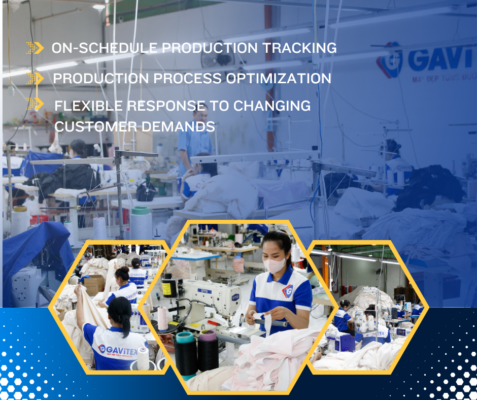
Looking to boost your bottom line? Discover cost optimization strategies in Vietnam’s apparel industry.
Sustainable Apparel Manufacturing in Vietnam: Trends and Opportunities
The rise of sustainable apparel manufacturing in Vietnam presents a compelling opportunity for overseas buyers, driven by increasing consumer demand for eco-friendly practices and the need for ethical supply chains within the global apparel design and manufacturing landscape. Vietnam’s garment industry, a significant contributor to the national economy, is increasingly embracing sustainable practices to reduce its environmental footprint and enhance its competitiveness. This transition involves adopting innovative technologies, utilizing eco-friendly materials, and implementing responsible production processes.
Vietnam’s commitment to sustainability is fueled by several factors. Firstly, international pressure from consumers and brands is pushing for greater transparency and accountability in supply chains. Secondly, government regulations are becoming stricter regarding environmental protection and labor standards. Finally, the growing awareness among Vietnamese manufacturers themselves about the benefits of sustainability, including cost savings, improved brand image, and access to new markets, is driving change.
Several key trends are shaping the future of sustainable apparel manufacturing in Vietnam:
- Eco-friendly materials: The use of organic cotton, recycled polyester, and innovative plant-based fabrics like pineapple leaf fiber (Piñatex) is gaining traction. Vietnamese manufacturers are actively sourcing and integrating these materials into their production processes, reducing their reliance on conventional, resource-intensive options.
- Water conservation: The textile industry is a major consumer of water, and Vietnamese manufacturers are implementing water-saving technologies such as low-liquor dyeing, waterless dyeing, and wastewater treatment systems to minimize water usage and pollution.
- Energy efficiency: Factories are investing in renewable energy sources like solar power and adopting energy-efficient machinery to reduce their carbon footprint and lower operating costs.
- Waste reduction and circularity: Companies are exploring ways to minimize textile waste through improved cutting techniques, recycling programs, and the development of circular business models that promote the reuse and repurposing of garments.
- Ethical labor practices: Ensuring fair wages, safe working conditions, and respect for workers’ rights is a crucial aspect of sustainable apparel manufacturing. Many Vietnamese factories are seeking certifications such as Fair Trade and SA8000 to demonstrate their commitment to ethical labor practices.
The opportunities for Vietnamese apparel manufacturers to embrace sustainability are vast. By adopting sustainable practices, they can:
- Enhance their brand reputation: Consumers are increasingly willing to pay a premium for eco-friendly and ethically produced clothing.
- Gain access to new markets: Many international brands are actively seeking suppliers with strong sustainability credentials.
- Reduce operating costs: Water and energy efficiency measures can lead to significant cost savings.
- Attract and retain talent: Employees are increasingly drawn to companies with a strong commitment to sustainability.
- Contribute to a more sustainable future: By reducing their environmental footprint, Vietnamese manufacturers can play a vital role in creating a more sustainable apparel industry.
For overseas buyers, partnering with Vietnamese manufacturers committed to sustainable apparel production offers a significant advantage. By prioritizing sustainability, overseas buyers can enhance its brand image, meet consumer demand for eco-friendly products, and contribute to a more responsible and ethical apparel industry in Vietnam.
Quality Control in Vietnam’s Apparel Industry: Ensuring Excellence
Quality control is paramount in Vietnam’s apparel manufacturing sector to guarantee product excellence and maintain competitiveness in the global market. Implementing robust quality control processes throughout the entire apparel design and manufacturing lifecycle, from initial design to final shipment, is crucial for businesses like overseas buyers aiming for sustained success in Vietnam. This involves adopting meticulous standards, leveraging advanced technologies, and fostering a culture of quality consciousness among workers.
Effective quality control in Vietnamese garment factories necessitates a multi-faceted approach. First article inspections (FAI) should be conducted at the outset of each production run to verify that the initial samples align with the design specifications and customer requirements. Regular in-process inspections are equally vital, allowing for the early detection and correction of any deviations or defects during different stages of apparel manufacturing, such as cutting, sewing, and finishing. These inspections help prevent minor issues from escalating into larger problems, minimizing waste and rework.
The implementation of standardized quality control checklists is essential for ensuring consistency and thoroughness. These checklists should encompass various aspects, including:
- Fabric inspection for defects, color consistency, and GSM (grams per square meter).
- Measurement checks to ensure adherence to size charts and tolerances.
- Seam strength and stitch quality assessment.
- Hardware testing for durability and functionality (e.g., zippers, buttons, snaps).
- Overall garment appearance, including symmetry, neatness, and absence of stains or marks.
Furthermore, investing in skilled quality control personnel and providing them with continuous training is vital. Quality control inspectors must be equipped with the knowledge and expertise to identify potential issues, interpret technical specifications, and make informed decisions regarding product acceptability. Their ability to objectively assess product quality and provide constructive feedback to production teams is crucial for driving continuous improvement. Advanced testing equipment, such as tensile strength testers, colorimeters, and seam pucker gauges, can also enhance the accuracy and efficiency of quality control procedures.
Navigating Legal and Regulatory Compliance for Apparel Manufacturing in Vietnam: A Step-by-Step Guide
For businesses venturing into apparel design and manufacturing in Vietnam, understanding and adhering to the country’s legal and regulatory framework is not just crucial but fundamental for long-term success. This section provides a detailed guide on navigating the intricate landscape of legal and regulatory compliance, ensuring smooth operations and mitigating potential risks for apparel manufacturers, including businesses like overseas buyers. This includes obtaining necessary permits, understanding labor laws, complying with environmental regulations, and navigating customs procedures.
Selecting the right legal structure is the first critical step for apparel manufacturers in Vietnam. Foreign investors can choose from various options, including limited liability companies (LLCs), joint venture companies, and representative offices. Each structure carries different implications for liability, taxation, and operational scope. For example, an LLC offers limited liability, protecting the personal assets of the owners from business debts, while a joint venture allows for collaboration with a local partner, providing valuable insights into the local market and regulatory environment. Choosing an appropriate legal structure sets the stage for all subsequent compliance efforts.
Next, apparel manufacturers must secure the necessary business licenses and permits. These often include an investment registration certificate (IRC) and a business registration certificate (BRC), which are essential for conducting business legally in Vietnam. The process involves submitting a detailed application to the relevant authorities, such as the Department of Planning and Investment (DPI), and demonstrating compliance with various requirements, including financial capacity and environmental impact assessments. Furthermore, specific permits may be required depending on the nature of the manufacturing activities, such as fire safety permits and construction permits.
Labor laws are another critical area of compliance for apparel manufacturers. Vietnamese labor laws protect the rights of workers and ensure fair labor practices. Key aspects include minimum wage requirements, working hours regulations, social insurance contributions, and occupational safety and health standards. For instance, the current minimum wage varies by region, and employers must ensure that they are paying their workers at least the minimum wage applicable to their location. Regular audits and training programs can help manufacturers maintain compliance and promote a positive work environment.
Environmental regulations are increasingly important in Vietnam’s apparel industry. Manufacturers must comply with regulations related to waste management, water discharge, and air emissions. This may involve implementing waste treatment systems, obtaining environmental permits, and conducting regular environmental monitoring. Vietnam is actively promoting sustainable manufacturing practices, and companies that prioritize environmental compliance can gain a competitive advantage and enhance their brand reputation.
Finally, navigating customs and trade regulations is crucial for apparel manufacturers involved in importing raw materials and exporting finished goods. This includes understanding tariffs, import duties, and export procedures. Vietnam has entered into various free trade agreements (FTAs), which can provide preferential access to key markets. Manufacturers should familiarize themselves with the rules of origin and other requirements to take full advantage of these agreements. Partnering with a reputable customs broker can help streamline the import-export process and ensure compliance with all applicable regulations.
Want to ensure top-notch quality? See how Vietnam maintains excellent standards in apparel manufacturing.
Future Trends in Vietnam’s Apparel Design and Manufacturing: Innovation and Technology
The future of apparel design and manufacturing in Vietnam is poised for a significant transformation, driven by relentless innovation and the integration of advanced technology. As a key player in the global apparel industry, Vietnam is actively embracing new approaches to enhance efficiency, sustainability, and competitiveness in garment production. This evolution encompasses everything from advanced design tools and automation to smart factories and eco-friendly materials, shaping a new era for the sector.
One of the most prominent trends is the adoption of digital design and 3D modeling. These technologies allow designers to create and visualize garments virtually, reducing the need for physical prototypes and accelerating the design process. Leading software like CLO3D and Browzwear are becoming increasingly popular, enabling faster iteration, improved accuracy, and better collaboration among design teams. This shift not only streamlines the design phase but also contributes to cost savings by minimizing material waste.
Automation and robotics are revolutionizing manufacturing processes, enhancing productivity, and reducing labor costs. Technologies such as automated cutting machines, robotic sewing systems, and computer-aided manufacturing (CAM) are becoming more prevalent in Vietnamese factories. According to a report by the Vietnam Textile and Apparel Association (VITAS), investment in automation is projected to increase by 15-20% annually over the next five years, driven by the need to improve efficiency and meet rising demand.
Furthermore, the rise of smart factories is transforming the apparel manufacturing landscape. These factories leverage Internet of Things (IoT) devices, data analytics, and artificial intelligence (AI) to monitor and optimize every stage of the production process. Real-time data on production rates, machine performance, and inventory levels enable manufacturers to identify bottlenecks, improve resource allocation, and enhance overall efficiency. This data-driven approach leads to more informed decision-making and better operational control.
Finally, sustainable manufacturing practices are gaining significant traction. Vietnamese apparel manufacturers are increasingly adopting eco-friendly materials, such as organic cotton, recycled polyester, and plant-based dyes. They are also implementing water-saving technologies, reducing waste through circular economy initiatives, and investing in renewable energy sources. This shift towards sustainability not only reduces the environmental impact of apparel production but also enhances the competitiveness of Vietnamese manufacturers in the global market, as consumers increasingly demand eco-conscious products.
Vietnam Biz Rep supports overseas buyers with garment supplier search, factory verification, sample coordination, production follow-up, and quality inspection in Vietnam. Learn more on our clothing sourcing agent page or visit Vietnam sourcing agent for our full range of services. Contact Vietnam Biz Rep to discuss your sourcing requirements.
