

Unlocking the secrets of clothing export markets is crucial for garment manufacturers in Vietnam seeking sustainable growth and profitability in 2025. Navigating the complexities of international trade agreements, understanding fluctuating global demand, and identifying promising niche markets are vital for success. This article delves into key aspects of garment export strategies, providing insights into competitive pricing, supply chain optimization, and compliance with international quality standards. Finally, we will discuss the importance of understanding consumer behavior in different regions and discuss market entry strategies that can help you thrive in the competitive landscape of global apparel trade.
Identifying Lucrative Clothing Export Markets for Vietnamese Garment Manufacturers: An Overview
Identifying lucrative clothing export markets is a critical first step for Vietnamese garment manufacturers seeking to expand their global reach and increase profitability. This overview will explore the key considerations and strategies involved in pinpointing the most promising international destinations for Vietnamese apparel exports, taking into account factors such as market size, growth potential, competitive landscape, and consumer preferences.
The global clothing market presents diverse opportunities, and understanding the nuances of each market is crucial for success. This necessitates a thorough assessment of various factors, including economic stability, political climate, and existing trade agreements. For example, countries with strong purchasing power and stable economies often represent attractive targets, while markets with complex regulations or intense competition may pose greater challenges.
Furthermore, successful clothing export strategies hinge on aligning product offerings with the specific demands of each market. Vietnamese garment manufacturers must consider factors such as fashion trends, cultural norms, and climate conditions when tailoring their products for different regions. By conducting thorough market research and adapting their business models accordingly, Vietnamese apparel companies can significantly enhance their prospects for success in the global arena.
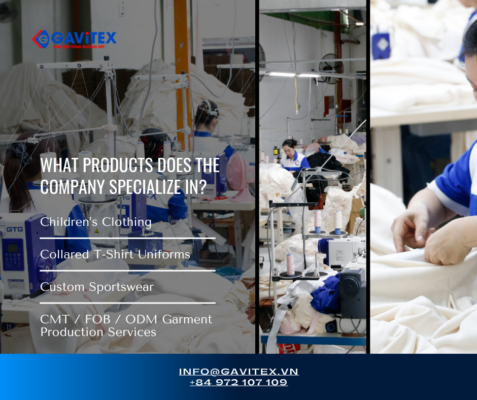
Discover opportunities: Get an overview of lucrative clothing export markets and identify potential growth areas for your business.
Key Factors Driving Demand in Global Clothing Export Markets
Several key factors are currently shaping the demand in global clothing export markets, impacting the fortunes of Vietnamese garment manufacturers and others in the industry. These factors span economic trends, evolving consumer preferences, technological advancements, and increasing concerns about sustainability and ethical production, all influencing the dynamics of clothing export markets.
One primary driver is the global economic climate. Economic growth in key importing regions like North America and Europe typically translates to increased consumer spending on apparel. For example, rising disposable incomes in emerging economies such as India and Southeast Asia are creating new clothing export markets for manufacturers, offering significant growth opportunities beyond traditional destinations. Conversely, economic downturns can lead to reduced demand and increased price sensitivity, impacting export volumes.
Changing consumer preferences also play a significant role. The rise of fast fashion has driven demand for affordable and trendy clothing, but growing awareness of the environmental and social costs associated with this model is shifting consumer behavior. Sustainable fashion and ethical sourcing are gaining traction, with consumers increasingly willing to pay a premium for clothing produced in an environmentally friendly and socially responsible manner. This trend presents both challenges and opportunities for Vietnamese garment manufacturers, requiring them to adapt their production processes and supply chains to meet these evolving demands.
Technological advancements are impacting both production and consumption patterns. E-commerce has revolutionized the way clothing is bought and sold, creating new opportunities for direct-to-consumer sales and expanding the reach of smaller brands. Digital printing, automation, and advanced materials are transforming the manufacturing process, enabling greater efficiency, customization, and product innovation. Manufacturers who embrace these technologies can gain a competitive edge in the global clothing export market.
Finally, geopolitical factors and trade policies significantly influence demand. Trade agreements such as the Comprehensive and Progressive Agreement for Trans-Pacific Partnership (CPTPP) and the EU-Vietnam Free Trade Agreement (EVFTA) can create preferential access to key markets, boosting demand for Vietnamese garments. However, trade tensions and protectionist measures can disrupt supply chains and create uncertainty, impacting export volumes and profitability. Therefore, Vietnamese garment manufacturers need to closely monitor these developments and adapt their strategies accordingly.
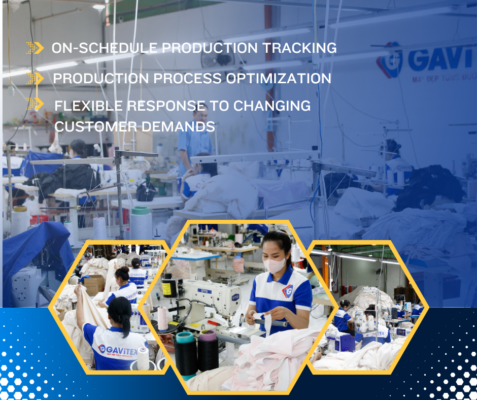
Explore further: Understand the key drivers shaping global clothing demand and how they impact your export strategy.
Top Clothing Export Markets for Vietnam: Detailed Analysis & Opportunities
Identifying the top clothing export markets for Vietnam is crucial for garment manufacturers seeking to expand their global reach and maximize profitability. This section provides a detailed analysis of key markets, highlighting opportunities and potential challenges for Vietnamese garment exporters. Examining these markets will reveal avenues for growth and diversification in the competitive landscape of clothing exports.
The United States remains a significant market for Vietnamese garment exports, driven by a large consumer base and strong demand for diverse apparel products. Data from the General Statistics Office of Vietnam shows that the U.S. consistently accounts for the largest share of Vietnam’s garment exports, reaching billions of dollars annually. However, stringent quality standards and increasing competition from other exporting countries present challenges that Vietnamese manufacturers must address. To succeed, Vietnamese garment manufacturers must prioritize quality control, embrace innovation in design and production, and focus on building strong relationships with U.S. buyers.
The European Union (EU) represents another attractive market, offering access to a sophisticated consumer base with a growing interest in sustainable and ethically produced clothing. EU member states like Germany, France, and Italy are key importers of Vietnamese garments. The EU-Vietnam Free Trade Agreement (EVFTA) provides preferential tariffs, boosting Vietnam’s competitive edge. Capitalizing on this advantage requires Vietnamese manufacturers to comply with strict environmental and labor regulations, ensuring sustainable and ethical production practices. Adopting sustainable practices is not only an ethical imperative but also a key factor in attracting European consumers who increasingly prioritize environmentally friendly products.
Japan is a promising market characterized by high quality standards and a preference for sophisticated designs. While Japan’s market size is smaller than the U.S. or EU, it offers premium pricing opportunities for Vietnamese manufacturers who can meet its exacting requirements. Japanese consumers value quality, durability, and attention to detail, creating a niche for high-end Vietnamese garments. To succeed in Japan, Vietnamese manufacturers must invest in advanced technology, skilled labor, and rigorous quality control processes. Meeting these standards is essential to building a strong reputation and securing long-term relationships with Japanese buyers.
China, despite being a major clothing producer itself, presents a growing export opportunity for Vietnamese garment manufacturers, driven by increasing domestic demand and a rising middle class. The Regional Comprehensive Economic Partnership (RCEP) agreement further facilitates trade between Vietnam and China. Vietnam’s proximity to China and its competitive labor costs offer advantages in supplying the Chinese market. To capitalize on this opportunity, Vietnamese manufacturers must focus on producing high-quality garments at competitive prices and building strong distribution networks in China. Understanding Chinese consumer preferences and adapting to local market conditions are crucial for success.
Other emerging markets such as South Korea, Canada, and Australia also offer promising prospects for Vietnamese garment exports. South Korea, with its strong fashion sense and discerning consumers, presents opportunities for Vietnamese manufacturers to showcase their design capabilities. Canada, with its stable economy and progressive trade policies, offers a favorable environment for Vietnamese garment exports. Australia, with its growing population and increasing demand for imported clothing, represents a valuable market for Vietnamese manufacturers to explore. Diversifying into these markets can help Vietnamese manufacturers reduce their reliance on traditional markets and mitigate risks associated with economic fluctuations or trade policy changes.
In conclusion, understanding the dynamics of top clothing export markets is essential for Vietnamese garment manufacturers seeking to expand their global footprint. By focusing on quality, sustainability, innovation, and building strong relationships with buyers, Vietnamese garment manufacturers, can capitalize on the opportunities presented by these markets and achieve sustainable growth in the global clothing industry.

Understanding Market-Specific Regulations and Trade Agreements for Clothing Exports
Navigating the complexities of market-specific regulations and trade agreements is crucial for Vietnamese garment manufacturers aiming to thrive in the global clothing export markets. This section delves into the essential considerations for businesses seeking to expand their reach, focusing on compliance and leveraging agreements to gain a competitive edge in clothing export. Understanding these nuances is not merely about avoiding penalties; it’s about strategically positioning overseas buyers and other Vietnamese brands for sustainable growth and enhanced profitability.
Successfully exporting clothing requires a thorough understanding of the diverse regulatory landscapes of target markets. These regulations can encompass a wide array of aspects, including labeling requirements, fiber content regulations, care instruction standards, and restrictions on the use of certain chemicals and dyes. For instance, the European Union (EU) adheres to REACH (Registration, Evaluation, Authorisation and Restriction of Chemicals) regulations, imposing stringent limitations on hazardous substances in textiles. Similarly, the United States mandates compliance with the Textile Fiber Products Identification Act (TFPIA), requiring accurate labeling of fiber content and country of origin. Failing to adhere to these market-specific regulations can result in shipment delays, penalties, and even product recalls, all of which can significantly impact profitability.
Beyond domestic laws, trade agreements play a pivotal role in shaping the landscape of clothing exports. Vietnam has actively pursued and ratified numerous bilateral and multilateral agreements, such as the Comprehensive and Progressive Agreement for Trans-Pacific Partnership (CPTPP) and the EU-Vietnam Free Trade Agreement (EVFTA), offering preferential access to key markets. CPTPP, for example, eliminates or reduces tariffs on a wide range of goods traded between Vietnam and other member countries like Japan, Australia, and Canada. EVFTA provides similar benefits for trade between Vietnam and the EU. These agreements not only reduce tariff barriers but also streamline customs procedures and enhance transparency, thereby lowering transaction costs and improving efficiency for Vietnamese garment manufacturers.
To effectively leverage these trade agreements, Vietnamese garment manufacturers must understand the specific rules of origin (ROO) criteria. ROO determine the nationality of a product and whether it qualifies for preferential tariff treatment under a particular agreement. Different agreements may have different ROO, such as requiring that a certain percentage of the product’s value be added in Vietnam or that specific manufacturing processes occur within the country. For example, EVFTA’s ROO for garments generally require that the fabric used in the final product be produced in Vietnam or another country with which the EU has a free trade agreement. Compliance with ROO is essential to claim preferential tariffs and avoid penalties.
Navigating the regulatory maze and capitalizing on trade agreements requires a proactive approach. Vietnamese garment manufacturers should invest in thorough research, seek expert advice, and develop robust compliance programs. This may involve:
- Conducting comprehensive market research: To identify all relevant regulations and standards in target markets.
- Engaging with industry experts: To obtain guidance on compliance and interpretation of trade agreements.
- Implementing quality control systems: To ensure that products meet all applicable requirements.
- Training employees: To raise awareness of regulatory requirements and compliance procedures.
- Utilizing technology: To automate compliance processes and track changes in regulations.
By prioritizing compliance and strategically leveraging trade agreements, Vietnamese garment manufacturers can unlock new opportunities, enhance their competitiveness, and build a sustainable clothing export business.
Strategies for Vietnamese Garment Manufacturers to Penetrate and Succeed in New Export Markets
For Vietnamese garment manufacturers aiming to expand their footprint in the competitive global landscape, developing and implementing effective strategies for entering new clothing export markets is paramount. This requires a multifaceted approach that goes beyond simply offering competitive prices, encompassing market research, strategic partnerships, compliance with regulations, and a commitment to quality and sustainability.
To effectively penetrate new markets, Vietnamese garment manufacturers need to prioritize several key areas:
- Thorough Market Research: Conduct in-depth market research to identify promising clothing export destinations. This includes analyzing consumer preferences, market trends, competitive landscape, and potential barriers to entry. overseas buyers, for example, would benefit from understanding the specific demands for sustainable and ethically produced garments in the European market versus the price-sensitive demands in emerging markets.
- Strategic Partnerships: Forge strategic alliances with established players in the target market, such as distributors, retailers, or sourcing agents. These partnerships can provide access to valuable market insights, distribution networks, and customer relationships, accelerating market entry and reducing risks.
- Compliance and Certification: Ensure compliance with all relevant regulations and standards in the target market, including product safety, labeling, and environmental requirements. Obtaining certifications such as OEKO-TEX, Fair Trade, or GOTS (Global Organic Textile Standard) can enhance credibility and build trust with customers.
- Product Diversification and Innovation: Expand product offerings to cater to the specific needs and preferences of the target market. This may involve developing new designs, materials, or functionalities. Staying ahead of the curve requires embracing innovation, such as incorporating smart textiles or sustainable materials into production processes.
- Competitive Pricing and Value Proposition: Offer competitive prices while maintaining high quality standards. Differentiate your products by offering unique value propositions, such as customization options, fast turnaround times, or superior customer service.
- Effective Marketing and Branding: Develop targeted marketing campaigns to raise awareness of your brand and products in the target market. Utilize digital marketing channels, trade shows, and other promotional activities to reach potential customers. Building a strong brand identity that reflects the values of your company, such as sustainability or ethical sourcing, can resonate with consumers.
- Building Strong Relationships: Establishing and nurturing trust and strong relationships with buyers by understanding their demands and needs.
By focusing on these strategies, Vietnamese garment manufacturers can increase their chances of successfully penetrating new clothing export markets and achieving sustainable growth in the global arena.
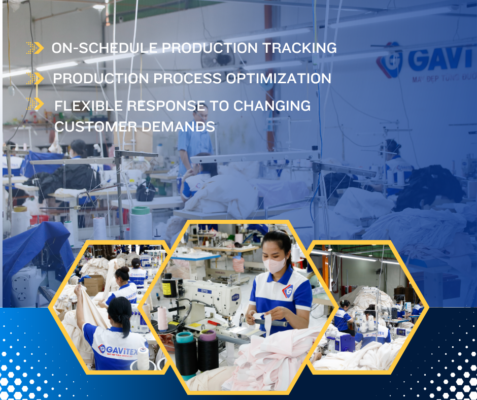
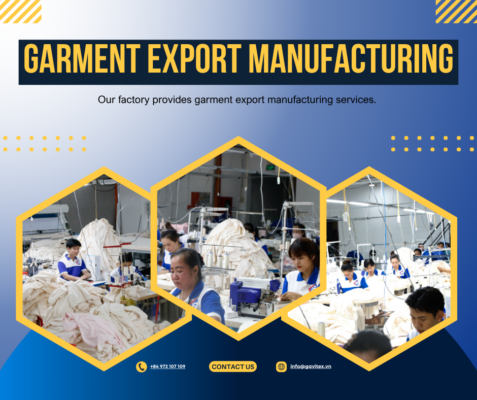
Expand your reach: Uncover proven strategies for penetrating and succeeding in new export markets as a Vietnamese garment manufacturer.
Optimizing Supply Chain & Logistics for Efficient Clothing Export
Efficient supply chain and logistics are critical for Vietnamese garment manufacturers to succeed in the competitive landscape of clothing export markets. A well-managed supply chain ensures timely delivery, reduces costs, and enhances overall competitiveness in the global marketplace. By streamlining processes from sourcing raw materials to delivering finished products to international buyers, Vietnamese overseas buyers can significantly improve their profitability and market share.
A robust clothing export supply chain encompasses several key elements that directly influence efficiency and profitability. These elements include:
- Sourcing and procurement: Selecting reliable suppliers for raw materials, fabrics, and accessories is paramount. Building strong relationships with suppliers and negotiating favorable terms can lead to cost savings and consistent quality.
- Production planning and scheduling: Accurate forecasting of demand and efficient production planning are crucial to minimize waste and ensure timely delivery of orders. Implementing lean manufacturing principles can further optimize production processes.
- Inventory management: Maintaining optimal inventory levels is essential to avoid stockouts and minimize holding costs. Utilizing inventory management software can help track inventory levels and forecast demand accurately.
- Warehousing and distribution: Efficient warehousing and distribution processes are vital for ensuring timely delivery of goods to customers. Strategic location of warehouses and optimized routing can reduce transportation costs and delivery times.
- Transportation and shipping: Selecting the appropriate transportation mode (sea, air, or land) and negotiating competitive shipping rates are crucial for minimizing costs and ensuring timely delivery. Working with reliable freight forwarders and customs brokers can simplify the export process.
To enhance efficiency and reduce costs, Vietnamese garment manufacturers should focus on optimizing their logistics operations. This includes:
- Implementing technology solutions: Utilizing transportation management systems (TMS) and warehouse management systems (WMS) can streamline logistics processes, improve visibility, and reduce errors.
- Collaborating with logistics partners: Building strong relationships with logistics providers can lead to better service, competitive pricing, and access to a wider network of transportation options.
- Optimizing transportation routes: Analyzing transportation routes and identifying opportunities to consolidate shipments or utilize more efficient transportation modes can reduce costs and delivery times.
- Improving customs clearance processes: Streamlining customs clearance procedures can minimize delays and reduce the risk of penalties. This includes ensuring accurate documentation, complying with all relevant regulations, and working closely with customs brokers.
By focusing on optimizing supply chain and logistics, Vietnamese garment manufacturers can enhance their competitiveness in the global clothing export market, improve profitability, and build long-term relationships with international buyers.
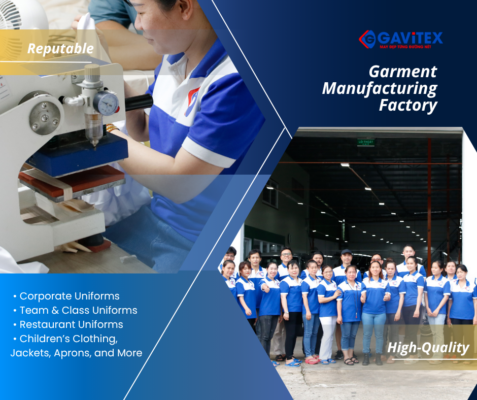
Leveraging Technology and Innovation to Enhance Competitiveness in Export Markets
Vietnamese garment manufacturers seeking to thrive in the competitive landscape of clothing export markets must strategically leverage technology and innovation to gain a significant edge. Integrating cutting-edge solutions throughout the value chain, from design and production to supply chain management and marketing, is crucial for boosting efficiency, reducing costs, and meeting the evolving demands of global consumers. This proactive approach allows Vietnamese overseas buyers to not only compete effectively but also to establish themselves as leaders in the global apparel industry.
The adoption of advanced design and product development technologies is paramount. Computer-Aided Design (CAD) and 3D modeling software enable faster prototyping, reduce material waste, and facilitate greater design customization. Virtual sampling and digital pattern making streamline the design process, allowing for quicker turnaround times and improved collaboration with international buyers. By embracing these tools, overseas buyers can enhance its responsiveness to market trends and tailor its offerings to meet the specific preferences of diverse clothing export markets.
Furthermore, investing in automation and smart manufacturing technologies is essential for optimizing production efficiency. Implementing robotic sewing systems, automated cutting machines, and advanced quality control systems can significantly reduce labor costs, improve production speed, and minimize defects. Real-time data analytics and Internet of Things (IoT) sensors can provide valuable insights into production processes, enabling manufacturers to identify bottlenecks, optimize resource allocation, and improve overall operational efficiency. The utilization of AI-powered predictive maintenance can minimize downtime and ensure seamless production flow, thereby enhancing competitiveness in demanding clothing export markets.
The optimization of supply chain and logistics through technology is equally critical. Implementing Enterprise Resource Planning (ERP) systems and supply chain management (SCM) software allows for better visibility and coordination across the entire supply chain, from raw material sourcing to finished product delivery. Utilizing blockchain technology can enhance transparency and traceability, ensuring ethical sourcing and sustainable production practices, which are increasingly important to consumers in developed clothing export markets. Embracing these technologies will enable overseas buyers to build a resilient and responsive supply chain, enhancing its ability to meet tight deadlines and deliver high-quality products to global customers.
Building a Sustainable and Ethical Clothing Export Business from Vietnam
Creating a sustainable and ethical clothing export business from Vietnam is not just a trend, but a crucial requirement for long-term success in the global apparel market. As international consumers become increasingly conscious of the environmental and social impacts of their purchasing decisions, Vietnamese garment manufacturers aiming for thriving clothing export markets must prioritize responsible practices to gain a competitive edge. This involves a holistic approach, encompassing everything from sourcing sustainable materials and ensuring fair labor practices to minimizing environmental footprint and promoting transparency throughout the supply chain.
The demand for ethical and sustainable clothing is surging, driven by several factors. Consumers, especially millennials and Gen Z, are increasingly willing to pay a premium for products that align with their values. They seek transparency regarding the origins of their clothing, the conditions in which they were made, and the environmental impact of production. Furthermore, many international brands are setting ambitious sustainability targets and are actively seeking suppliers who can meet their stringent requirements. Meeting these demands can unlock access to lucrative clothing export markets for Vietnamese garment businesses.
Here are some strategies for Vietnamese garment manufacturers to integrate sustainability and ethical considerations into their export business model:
- Sustainable Sourcing: Prioritize the use of eco-friendly materials such as organic cotton, recycled polyester, Tencel, and other innovative fabrics with lower environmental footprints. Partner with suppliers who adhere to sustainable farming practices and minimize water and chemical usage.
- Fair Labor Practices: Ensure fair wages, safe working conditions, and respect for workers’ rights throughout the supply chain. Implement robust monitoring systems to prevent forced labor, child labor, and other unethical practices. Obtain certifications such as Fair Trade or SA8000 to demonstrate commitment to ethical labor standards.
- Environmental Stewardship: Minimize environmental impact by reducing water and energy consumption, managing waste effectively, and implementing cleaner production processes. Invest in technologies that reduce pollution and promote resource efficiency.
- Transparency and Traceability: Enhance transparency throughout the supply chain by tracking the origin of materials, production processes, and labor practices. Utilize technologies such as blockchain to improve traceability and provide consumers with detailed information about the products they purchase.
- Certifications and Standards: Obtain relevant certifications such as GOTS (Global Organic Textile Standard), Oeko-Tex Standard 100, and Bluesign to demonstrate commitment to sustainability and ethical practices. These certifications provide assurance to buyers and consumers that the products meet specific environmental and social standards.
- Collaboration and Partnerships: Collaborate with other stakeholders, including NGOs, industry associations, and international organizations, to promote sustainable and ethical practices in the garment industry. Share best practices, learn from others, and work together to address common challenges.
By embracing sustainable and ethical practices, Vietnamese garment manufacturers can enhance their competitiveness in the clothing export markets, build stronger relationships with buyers, and contribute to a more responsible and equitable global apparel industry. This commitment not only aligns with growing consumer demand, but also safeguards the environment and promotes the well-being of workers, ensuring a more sustainable future for the industry.
Vietnam Biz Rep supports overseas buyers with garment supplier search, factory verification, sample coordination, production follow-up, and quality inspection in Vietnam. Learn more on our clothing sourcing agent page or visit Vietnam sourcing agent for our full range of services. Contact Vietnam Biz Rep to discuss your sourcing requirements.
