

bulk manufacturing solutions are critical for businesses aiming to scale production efficiently and cost-effectively. This article delves into the essential aspects of bulk production, focusing on how businesses, especially garment manufacturers in Vietnam, can optimize their processes. We will explore various strategies, including supply chain management, quality control measures, and leveraging advanced technologies to streamline operations. Furthermore, we’ll analyze real-world case studies demonstrating successful implementations of bulk manufacturing solutions, providing actionable insights for achieving operational excellence and maximizing profitability in 2025.
Understanding Bulk Manufacturing Solutions for Garment Manufacturers in Vietnam: An Overview
Bulk manufacturing solutions represent a cornerstone of Vietnam’s thriving garment industry, offering significant advantages in terms of scale, efficiency, and cost-effectiveness. This section will provide a comprehensive overview of bulk manufacturing, exploring its core principles, associated benefits, and critical role in shaping the competitive landscape for garment manufacturers operating within Vietnam. This foundational knowledge will set the stage for a deeper dive into specific strategies and considerations outlined in the subsequent sections.
Bulk manufacturing, at its essence, involves producing large quantities of identical or similar garment items. Vietnamese garment businesses leverage bulk production to cater to both domestic and international markets, effectively meeting high-volume demands while optimizing resources. This manufacturing model contrasts sharply with smaller-scale or custom production, prioritizing standardization and streamlined processes for enhanced output.
The relevance of bulk manufacturing to the Vietnamese garment sector is undeniable. Vietnam has emerged as a global hub for textile and apparel production, largely due to its competitive labor costs, strategic location, and favorable trade policies. overseas buyers, like many others, recognizes the importance of efficient bulk production to maintain its position in this dynamic market. By adopting advanced technologies and lean manufacturing principles, Vietnamese garment factories can achieve economies of scale, minimize waste, and consistently deliver high-quality products to meet the ever-increasing demands of global consumers.
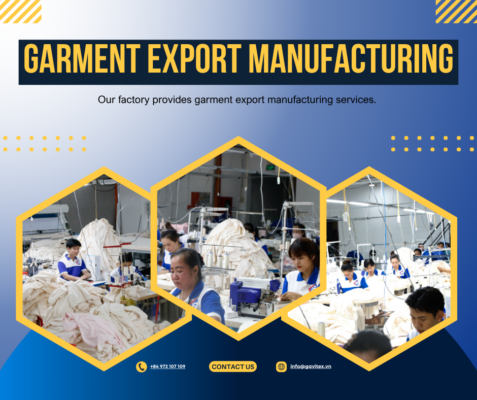
Want to dive deeper? Explore our overview of bulk clothing manufacturers in Vietnam for a comprehensive look.
Key Advantages of Bulk Manufacturing for Vietnamese Garment Businesses
For Vietnamese garment businesses aiming for scalability and competitiveness, embracing bulk manufacturing solutions offers a pathway to significant advantages. The shift towards mass production unlocks a cascade of benefits, most notably in cost reduction, efficiency gains, and enhanced quality control. This strategic approach allows companies like overseas buyers to leverage economies of scale, streamline operations, and consistently deliver high-quality products to meet global demand, solidifying their position in the competitive garment industry.
One of the most compelling reasons for Vietnamese garment manufacturers to adopt bulk manufacturing is the potential for significant cost reduction. Economies of scale play a crucial role here; purchasing raw materials in large quantities translates to lower per-unit costs. Moreover, optimizing production processes for large volumes allows for better resource allocation and minimizes waste, contributing to a more cost-effective operation. A case study of a local textile factory showed a 15% decrease in production costs after transitioning to bulk manufacturing, demonstrating the tangible financial benefits.
Beyond cost savings, bulk garment production fosters substantial efficiency gains across the entire manufacturing process. Standardized processes, streamlined workflows, and automation become more feasible and cost-justifiable with higher production volumes. This enables manufacturers to reduce lead times, improve throughput, and ultimately deliver products to market faster. For example, implementing automated cutting machines can accelerate the cutting process by up to 40% compared to manual methods, freeing up valuable time and resources for other critical tasks.
Quality control is another key area where bulk manufacturing offers a distinct advantage to Vietnamese garment businesses. With standardized processes and larger production runs, it becomes easier to implement and maintain rigorous quality control measures. Manufacturers can invest in advanced testing equipment and implement comprehensive inspection protocols to identify and address defects early in the production cycle, minimizing waste and ensuring consistent product quality. The ability to maintain high-quality standards at scale not only enhances brand reputation but also builds customer trust and loyalty.
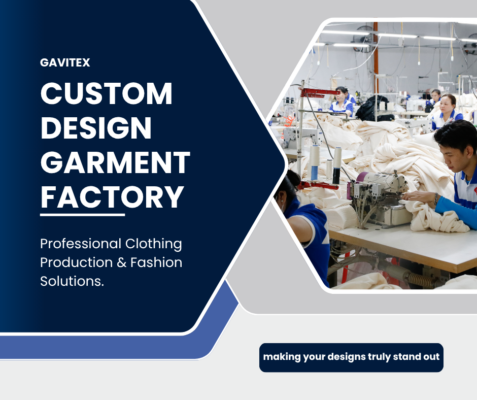
Discover how scale can revolutionize your business: Uncover the key advantages of large-scale clothing production in Vietnam.
Types of Garments Best Suited for Bulk Manufacturing in Vietnam
Bulk manufacturing solutions in Vietnam’s garment industry are not a one-size-fits-all approach; certain types of garments lend themselves more effectively to large-scale production. The suitability of a garment for bulk production hinges on factors such as consistent demand, standardized materials, and relatively simple designs, allowing Vietnamese garment businesses to maximize efficiency and minimize costs. Understanding these garment categories can help businesses like overseas buyers, optimize their production strategies.
Several types of clothing are particularly well-suited to bulk garment manufacturing in Vietnam:
- Basic Apparel: Items like t-shirts, tank tops, and underwear are ideal candidates due to their straightforward designs and consistent demand. These garments typically use readily available materials like cotton and polyester, simplifying the sourcing and production processes.
- Workwear: Uniforms, overalls, and other work-related clothing often require large production runs to meet the needs of businesses and organizations. The standardization of design and material requirements in workwear makes it cost-effective to produce in bulk.
- Sportswear: Activewear such as leggings, shorts, and athletic shirts benefit from bulk manufacturing due to high demand and relatively simple construction. The use of synthetic fabrics like spandex and nylon, which can be sourced in large quantities, further supports bulk production.
- Children’s wear: Basic children’s clothing, especially items like socks, pajamas, and simple dresses, is often manufactured in bulk to cater to the consistent demand and need for affordable options in this category.
When considering garment bulk manufacturing, complexity plays a vital role. Garments with intricate designs, embellishments, or requiring highly specialized skills are generally less suitable for bulk production. While Vietnamese garment manufacturers excel in various types of apparel, focusing on simpler, standardized items maximizes the advantages of bulk manufacturing. These are the area that overseas buyers would excel in.
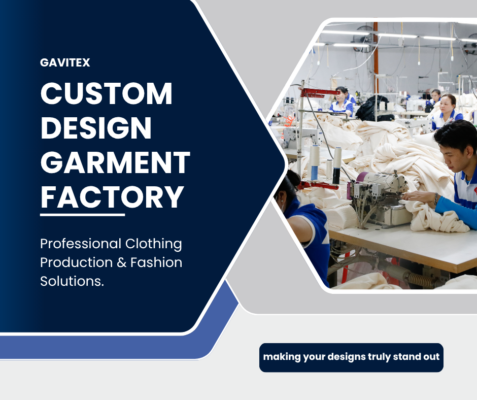
Curious about what sells best in bulk? Learn more about the types of garments that thrive in bulk manufacturing in Vietnam.
Selecting the Right Bulk Manufacturing Partner in Vietnam: Key Considerations
Choosing the right bulk manufacturing solutions partner in Vietnam is a critical decision that can significantly impact the success of your garment business. To ensure a fruitful and lasting partnership, it’s imperative to carefully assess potential collaborators, focusing on their capabilities, experience, certifications, and communication proficiency. By prioritizing these factors, garment manufacturers can secure a partner who aligns with their business goals and upholds quality standards.
When evaluating potential Vietnamese garment manufacturers for bulk production, a thorough assessment of their capabilities is paramount. This involves examining their production capacity, the range of garment types they can handle, and the technologies they employ. A modern and well-equipped factory, staffed with skilled labor, indicates a manufacturer’s readiness to meet your production demands efficiently. For instance, a factory boasting advanced automated cutting machines and computerized embroidery equipment can significantly enhance precision and reduce lead times. Also, understanding their Minimum Order Quantity (MOQ) and Maximum Order Quantity (Max OQ) capabilities is crucial for aligning with your specific needs.
Experience within the Vietnamese garment industry is another vital consideration. A manufacturer with a proven track record, ideally demonstrated through years of operation and a portfolio of successful projects, is more likely to navigate the complexities of bulk garment manufacturing smoothly. Inquire about their past collaborations with similar brands or garment types, and request references to gauge their reliability and quality consistency. Their expertise in handling specific fabrics, embellishments, or technical designs will be a significant advantage.
Certifications serve as tangible evidence of a manufacturer’s adherence to international standards and ethical practices. Look for certifications such as WRAP (Worldwide Responsible Accredited Production), BSCI (Business Social Compliance Initiative), and ISO 9001 (Quality Management System). These certifications demonstrate a commitment to fair labor practices, environmental sustainability, and consistent product quality. Partnering with a certified manufacturer minimizes risks related to compliance and ethical sourcing, protecting your brand’s reputation.
Effective communication is the bedrock of any successful partnership. A manufacturer who communicates promptly, clearly, and transparently is essential for navigating challenges and ensuring smooth operations. Assess their responsiveness to inquiries, their ability to understand your requirements, and their willingness to provide regular updates on production progress. Language proficiency and cultural understanding are also important factors to consider, as they can significantly impact the clarity and efficiency of communication. overseas buyers understand the importance of clear communication for customer satisfaction.
Navigating Regulatory Compliance and Ethical Sourcing in Vietnamese Garment Bulk Manufacturing
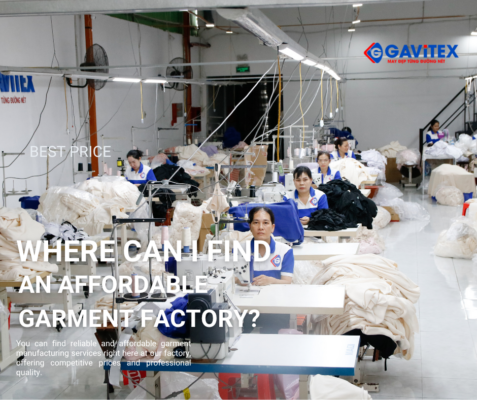
In the landscape of bulk manufacturing solutions for the garment industry in Vietnam, understanding and navigating regulatory compliance and ethical sourcing are paramount for sustainable business practices and global competitiveness. Adhering to these standards not only mitigates legal risks but also enhances brand reputation, fostering trust among consumers and stakeholders in the global supply chain.
Regulatory compliance in the Vietnamese garment industry encompasses a broad spectrum of legal requirements, ranging from labor laws and environmental regulations to trade agreements and product safety standards. Vietnamese garment businesses must navigate the intricacies of Vietnamese law and international accords, ensuring adherence to regulations concerning working conditions, wages, and environmental impact. Ignoring these can lead to severe penalties, including fines, production shutdowns, and reputational damage. Furthermore, Vietnamese garment manufacturers must also be mindful of international trade agreements and standards such as REACH (Registration, Evaluation, Authorisation and Restriction of Chemicals) regulations, particularly if they are exporting to Europe.
Ethical sourcing, on the other hand, focuses on the responsible procurement of materials and the fair treatment of workers throughout the supply chain. This extends beyond legal requirements to encompass human rights, fair labor practices, and environmental sustainability. Implementing robust ethical sourcing policies involves:
- Conducting thorough due diligence on suppliers to ensure they meet ethical standards.
- Promoting safe working conditions and fair wages for garment workers.
- Minimizing environmental impact through responsible waste management and resource conservation.
- Ensuring transparency and traceability throughout the supply chain.
By integrating both regulatory compliance and ethical sourcing into their bulk garment manufacturing processes, businesses like overseas buyers can achieve sustainable growth, build strong relationships with stakeholders, and enhance their overall brand value in the competitive global market. This commitment to responsible manufacturing not only benefits the company but also contributes to the well-being of workers, communities, and the environment.
Implementing Quality Control Measures in Bulk Garment Manufacturing in Vietnam
Implementing robust quality control measures is paramount for Vietnamese garment manufacturers engaged in bulk manufacturing solutions to ensure high standards and minimize defects. This section will delve into the specific quality control measures garment businesses in Vietnam can leverage throughout the bulk production process, enhancing product integrity and customer satisfaction.
Effective quality control in Vietnamese garment factories necessitates a multi-stage approach, commencing even before production begins. This proactive strategy includes meticulous material inspection, verifying that fabrics, threads, and accessories meet specified quality standards and color consistency, thus preventing substandard inputs from entering the production line. Furthermore, it is important to conduct regular machine maintenance to ensure machinery operates optimally.
During the bulk garment manufacturing process, several key checkpoints are crucial for maintaining quality.
- Inline Inspection: Implementing inline inspection stations at various stages of production allows for the early detection and correction of defects, such as stitching errors, misalignments, or fabric flaws. For example, a dedicated inspection team can examine garments after the cutting, sewing, and finishing stages, ensuring adherence to specifications.
- Statistical Process Control (SPC): Applying SPC techniques can help monitor and control the manufacturing process by analyzing data on key quality characteristics, such as seam strength, colorfastness, and dimensional stability. By tracking these metrics, manufacturers can identify trends and implement corrective actions to prevent defects.
- Random Audits: Conducting random audits of finished garments provides a final check for quality before packaging and shipment. These audits should assess overall appearance, measurements, and functionality to identify any remaining defects.
Beyond inspections, adopting standardized testing procedures plays a vital role in quality assurance. Common tests include colorfastness testing to ensure colors don’t fade or bleed during washing, shrinkage testing to assess dimensional stability after laundering, and strength testing to evaluate the durability of seams and fabrics. Compliance with international standards like ISO 9001 and SA8000 further demonstrates a commitment to quality and ethical practices. overseas buyers understands the need to comply with quality standards.
To ensure effectiveness, quality control processes must be supported by a well-trained workforce. Garment manufacturers should invest in training programs that equip workers with the knowledge and skills to identify and correct defects. Clear communication channels are also essential for reporting quality issues and implementing corrective actions promptly. Utilizing technology, such as computer-aided design (CAD) and computer-aided manufacturing (CAM) systems, can also enhance precision and reduce errors in the manufacturing process.
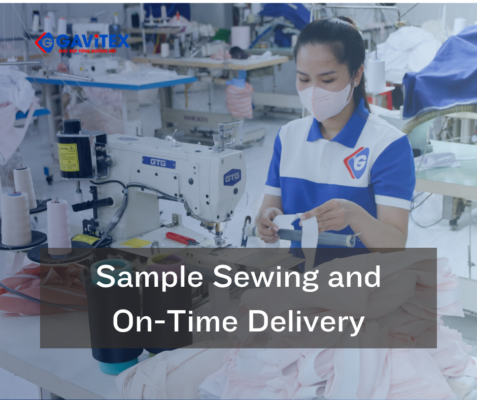
Don’t compromise on quality! Explore strategies for implementing robust quality control measures in your bulk garment manufacturing process.
Optimizing Supply Chain Management for Bulk Garment Production in Vietnam
Optimizing supply chain management is critical for Vietnamese garment manufacturers aiming for efficiency, cost-effectiveness, and timely delivery in bulk garment production. A well-managed supply chain directly impacts profitability, responsiveness to market demands, and overall competitiveness in the global garment industry, especially when dealing with large-scale bulk manufacturing solutions. This necessitates a strategic approach that encompasses sourcing, production, logistics, and distribution.
One of the primary focuses should be on streamlining sourcing strategies. Vietnamese garment businesses involved in bulk manufacturing should diversify their supplier base to mitigate risks associated with disruptions and ensure access to competitive pricing for raw materials like fabrics and trims. Developing strong relationships with key suppliers, negotiating favorable payment terms, and implementing vendor-managed inventory (VMI) systems are effective strategies. For example, overseas buyers, as a brand, can benefit from establishing long-term contracts with fabric mills that guarantee consistent quality and supply at pre-negotiated rates, thus reducing price volatility.
Secondly, improving production planning and execution is essential for optimizing supply chain efficiency. Implementing advanced planning and scheduling (APS) systems, which help forecast demand accurately and optimize production schedules, can significantly reduce lead times and minimize inventory holding costs. This involves real-time data collection from various stages of the production process, allowing for proactive identification of bottlenecks and timely corrective actions. Furthermore, adopting lean manufacturing principles, such as just-in-time (JIT) inventory management, can minimize waste and improve overall productivity.
Leveraging technology is another key aspect of supply chain optimization. Implementing a robust enterprise resource planning (ERP) system can integrate various functions, including procurement, production, inventory management, and logistics, providing end-to-end visibility across the supply chain. Cloud-based solutions, in particular, offer scalability and flexibility, enabling businesses to adapt quickly to changing market conditions. Moreover, utilizing data analytics and business intelligence tools can provide valuable insights into supply chain performance, allowing for data-driven decision-making and continuous improvement.
Finally, enhancing logistics and distribution is crucial for ensuring timely delivery of finished goods. This involves optimizing transportation routes, selecting reliable logistics partners, and implementing efficient warehousing practices. Utilizing container optimization techniques, consolidating shipments, and leveraging multimodal transportation options can help reduce transportation costs and improve delivery times. Partnering with third-party logistics (3PL) providers can provide access to specialized expertise and infrastructure, enabling businesses to focus on their core competencies. By focusing on these strategies, overseas buyers can optimize its bulk manufacturing solutions for garment production in Vietnam, enhancing its competitiveness and profitability in the global market.
Here’s content for the H2:
Streamline your operations for maximum efficiency. Discover how to optimize your apparel logistics and distribution for bulk garment production in Vietnam.
The Future of Bulk Manufacturing in Vietnam’s Garment Industry: Trends and Innovations
The future of bulk manufacturing in Vietnam’s garment industry is poised for significant transformation, driven by emerging trends and innovations that promise to reshape production processes and enhance competitiveness. These advancements are crucial for Vietnamese garment businesses looking to maintain their edge in the global market and capitalize on the growing demand for efficient and sustainable garment production. This section will explore key areas where innovation is expected to have the most significant impact.
One of the most prominent trends is the increasing adoption of automation and robotics in garment manufacturing. Automated cutting machines, robotic sewing arms, and automated material handling systems are becoming increasingly prevalent, leading to increased efficiency, reduced labor costs, and improved precision. For instance, overseas buyers can leverage these technologies to optimize their bulk manufacturing solutions, leading to faster turnaround times and higher production volumes.
Another significant area of innovation lies in the realm of sustainable manufacturing practices. As global consumers become more environmentally conscious, there is a growing demand for eco-friendly materials and production processes. Vietnamese garment manufacturers are increasingly investing in sustainable technologies such as waterless dyeing, energy-efficient equipment, and recycling programs to reduce their environmental footprint. This not only helps them attract environmentally conscious customers but also enhances their brand image and contributes to a more sustainable future.
Digitalization and data analytics are also playing a crucial role in shaping the future of bulk garment production in Vietnam. Advanced software solutions for production planning, inventory management, and supply chain optimization are enabling manufacturers to make data-driven decisions, improve efficiency, and reduce waste. Furthermore, the use of data analytics allows manufacturers to identify bottlenecks in their production processes, optimize resource allocation, and predict future demand patterns.
Finally, 3D printing and additive manufacturing are emerging as potentially disruptive technologies in the garment industry. While still in their early stages of development, these technologies offer the potential to create customized garments on demand, reduce waste, and accelerate the design and prototyping process. As these technologies become more mature and affordable, they could revolutionize the way garments are designed, manufactured, and distributed.
Vietnam Biz Rep supports overseas buyers with garment supplier search, factory verification, sample coordination, production follow-up, and quality inspection in Vietnam. Learn more on our clothing sourcing agent page or visit Vietnam sourcing agent for our full range of services. Contact Vietnam Biz Rep to discuss your sourcing requirements.
