
(Opening)
For businesses seeking cost-effective and high-quality manufacturing solutions, understanding the landscape of clothing manufacturers in Vietnam is crucial in 2025. This guide cuts through the noise to deliver actionable insights into Vietnam’s garment industry, exploring key aspects like manufacturing capabilities, sourcing strategies, compliance standards, and the impact of free trade agreements on production costs. Within the vietnambizrep category, we’ll present a data-driven overview of the top players, their specializations, and the minimum order quantities (MOQs) they typically handle, equipping you with the knowledge needed to make informed decisions for your supply chain and navigate the complexities of apparel production in this dynamic market.
Top Clothing Manufacturer Types in Vietnam: From CMT to ODM
Navigating the diverse landscape of top clothing manufacturers in Vietnam requires understanding their distinct operational models, which range from simple CMT (Cut, Make, Trim) to comprehensive ODM (Original Design Manufacturing). Identifying the right type of manufacturer is crucial for businesses seeking to optimize cost, control design, and ensure quality in their apparel sourcing. This section delves into the nuances of each model, providing a comprehensive overview of their characteristics, advantages, and disadvantages, empowering businesses to make informed decisions.
CMT (Cut, Make, Trim): This model is the most basic, where the manufacturer primarily focuses on cutting, sewing, and finishing garments using designs and materials provided by the client. CMT manufacturers are often the most cost-effective option, suitable for businesses with established designs and well-defined material sourcing strategies. The client retains control over the design and procurement processes. However, the client bears the responsibility for potential issues related to fabric quality or design flaws, as the manufacturer’s role is limited to production.
OEM (Original Equipment Manufacturing): Moving up the value chain, OEM manufacturers take on greater responsibility by sourcing materials in addition to cutting, making, and trimming. In this model, clients provide the design specifications, and the OEM manufacturer handles the material procurement and production processes. This offers a balance between cost control and reduced sourcing complexities. While the client retains design ownership, they rely on the manufacturer’s expertise in material selection and quality control.
ODM (Original Design Manufacturing): The most comprehensive model, ODM manufacturers offer end-to-end services, including design, material sourcing, production, and sometimes even packaging and logistics. This is ideal for businesses seeking to launch new product lines without investing heavily in design and development resources. ODM suppliers possess strong design capabilities and in-depth knowledge of market trends, allowing them to create innovative and commercially viable products. While this model offers convenience and potentially faster time-to-market, it may come at a higher cost and require careful monitoring of design and quality control to align with the brand’s vision. For instance, a brand looking to launch a sustainable activewear line could partner with a Vietnamese ODM manufacturer specializing in eco-friendly materials and innovative designs.
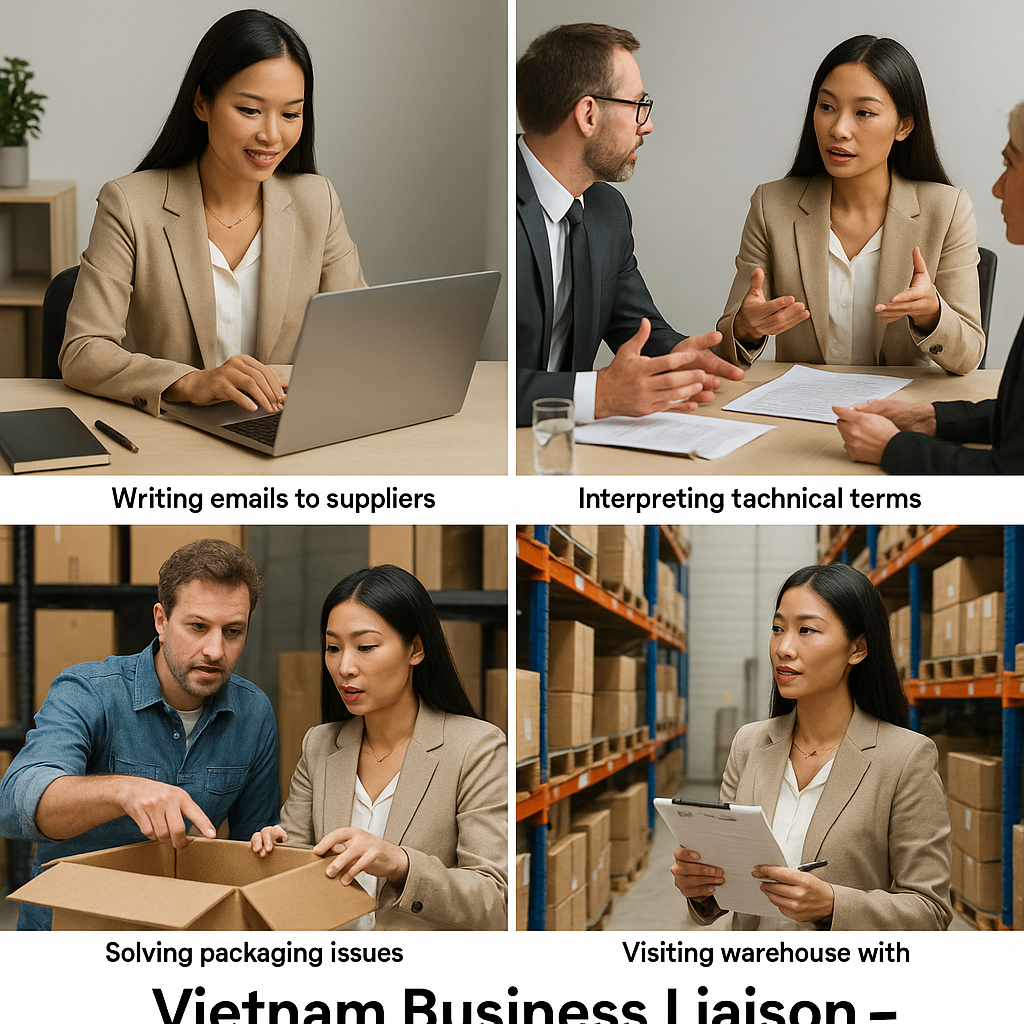
Want to understand the different types of clothing manufacturers in Vietnam and choose the best fit for your brand? Explore the various manufacturing models, from CMT to ODM, and make an informed decision.
Verifying Clothing Manufacturer Credentials and Compliance in Vietnam
For businesses seeking top clothing manufacturers in Vietnam, verifying their credentials and compliance is a crucial step to ensure ethical sourcing, quality production, and adherence to legal regulations. This process safeguards your brand’s reputation and minimizes potential risks associated with non-compliant factories.
To effectively verify credentials and compliance, consider these key aspects:
-
Business Registration and Licenses: Confirm the manufacturer’s legal standing by verifying their business registration certificate and relevant licenses, such as import-export licenses, permits for specific production activities (e.g., dyeing, printing), and environmental permits. This ensures they are operating legally within Vietnam’s regulatory framework. Access to the National Business Registration Portal can be helpful in confirming these details.
-
Labor Compliance: Investigate their adherence to Vietnamese labor laws and international standards. This includes verifying fair wages, working hours, safe working conditions, and the absence of child labor or forced labor. Conduct on-site audits or request independent assessments from reputable organizations like WRAP (Worldwide Responsible Accredited Production) or Sedex (Supplier Ethical Data Exchange). For instance, Vietnam’s Labor Code stipulates a maximum working week of 48 hours and guarantees certain worker protections.
-
Quality Management Systems: Evaluate the manufacturer’s quality control processes and certifications. Look for certifications such as ISO 9001, demonstrating a commitment to quality management principles. Inquire about their quality control procedures at each stage of production, from raw material sourcing to final inspection, to ensure consistent product quality.
-
Environmental Compliance: Assess their environmental practices and adherence to Vietnamese environmental regulations. Verify if they possess the necessary environmental impact assessments (EIAs) and permits for waste management, water discharge, and air emissions. Seek manufacturers committed to sustainable practices and eco-friendly materials to align with growing consumer demand for environmentally responsible products.
-
Social Compliance: Beyond labor laws, explore the manufacturer’s broader social responsibility initiatives. This includes their commitment to community development, ethical sourcing of materials, and responsible waste management practices. A socially responsible manufacturer can enhance your brand’s image and appeal to socially conscious consumers.
By rigorously verifying these credentials and compliance factors, you can establish a strong foundation for a successful and ethical partnership with your Vietnamese clothing manufacturer, ensuring the quality, legality, and sustainability of your supply chain.
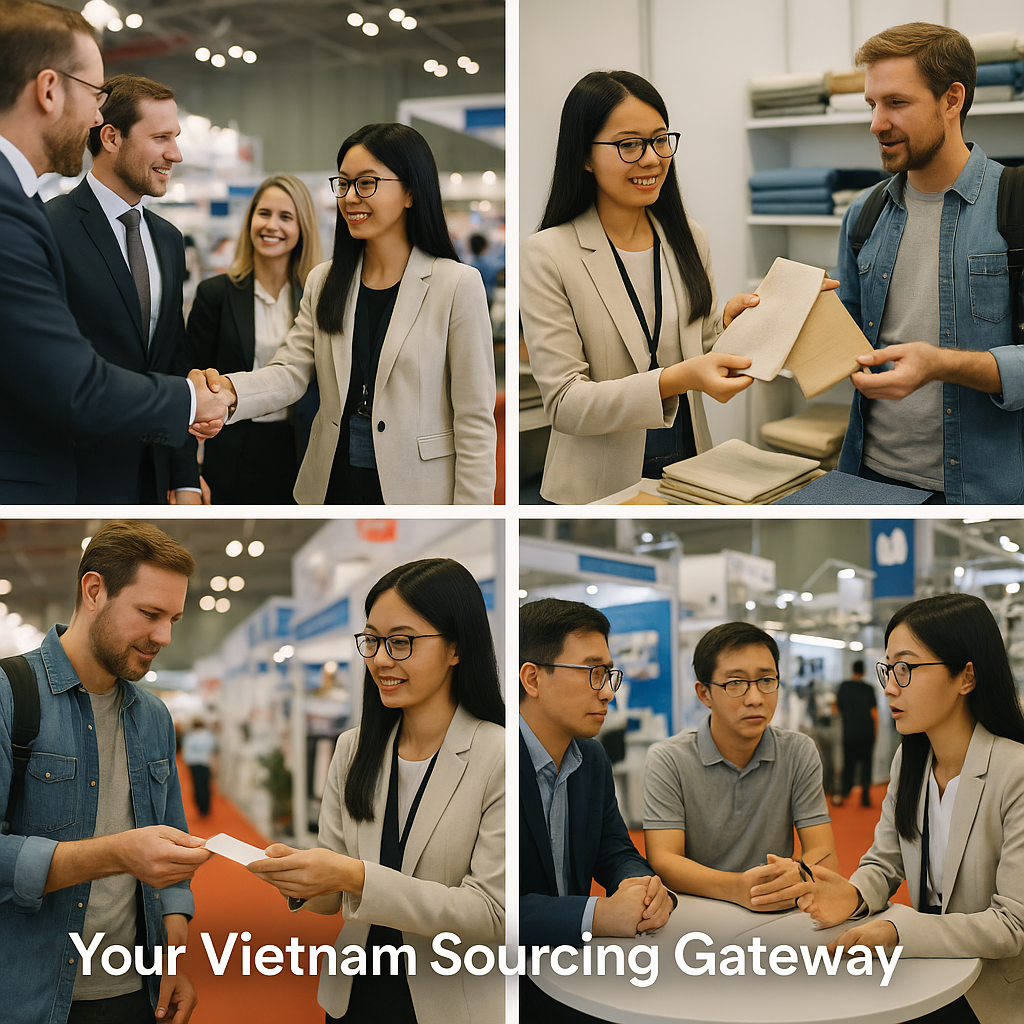
Worried about ensuring your clothing manufacturer in Vietnam is legitimate and compliant? Learn how to verify credentials and compliance to protect your brand and ensure ethical sourcing.
How to Evaluate Clothing Manufacturer Quality and Capabilities in Vietnam
Evaluating the quality and capabilities of clothing manufacturers in Vietnam is critical for ensuring successful production runs and maintaining brand reputation. Identifying a reliable Vietnamese clothing manufacturer requires a comprehensive assessment process that goes beyond initial impressions. This evaluation should encompass various aspects of their operations, from infrastructure and equipment to quality control processes and ethical compliance, ensuring they align with your brand’s standards and production needs.
To effectively gauge a clothing manufacturer’s quality control processes, request detailed information about their procedures, including:
- Fabric inspection: Checking for defects, color consistency, and compliance with specifications before cutting.
- In-process inspections: Monitoring garment construction at various stages to identify and rectify errors promptly.
- Final inspections: Verifying finished garments meet all quality standards, including measurements, stitching, and embellishments.
- Defect rates: Request data on historical defect rates to understand the manufacturer’s overall quality performance.
Beyond quality control, assessing the manufacturer’s production capabilities is vital. This includes evaluating their equipment, capacity, and ability to handle complex designs and materials. Consider factors such as:
- Equipment and Technology: Does the factory possess modern machinery capable of handling your specific garment types? (e.g., automated cutting machines, specialized sewing equipment).
- Production Capacity: What is their maximum production capacity per month or year? Can they scale up production to meet your demands?
- Fabric Sourcing: Do they have established relationships with reliable fabric suppliers who can provide high-quality materials consistently?
- Sampling Process: How efficient and accurate is their sampling process? Can they produce samples quickly and accurately to your specifications? For example, a manufacturer should be able to provide a detailed timeline for sample creation, including the number of revisions allowed.
Moreover, ethical considerations are paramount. Verifying the manufacturer’s commitment to fair labor practices, environmental sustainability, and compliance with international standards is crucial for maintaining a responsible and ethical supply chain. Check for certifications like WRAP or BSCI and conduct thorough audits to ensure adherence to ethical guidelines.
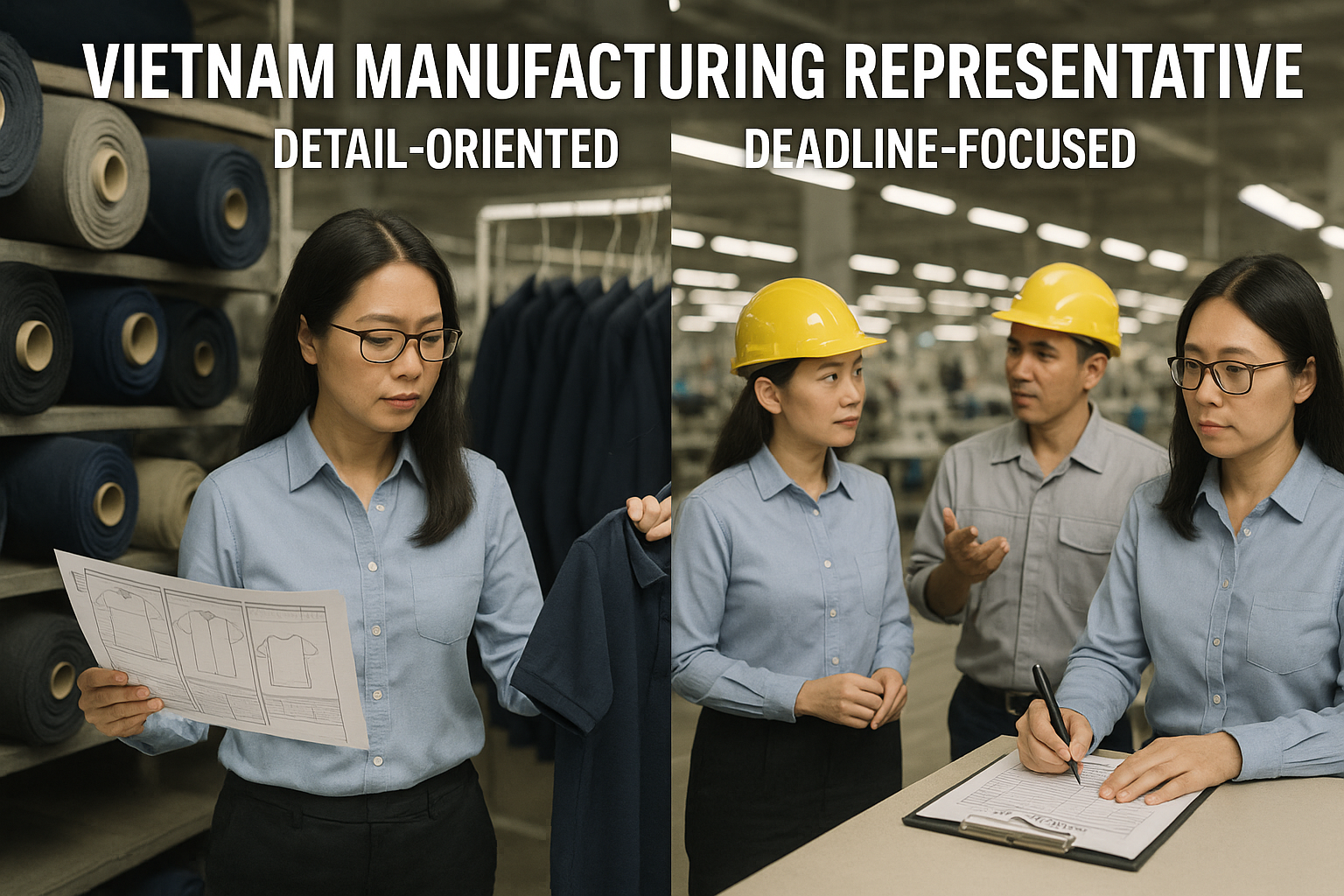
Struggling to assess the quality and capabilities of potential clothing manufacturers in Vietnam? Discover key evaluation metrics and processes to find the perfect partner for your apparel production.
Navigating Vietnamese Regulations and Legal Considerations for Clothing Manufacturing
Successfully establishing a clothing manufacturing operation in Vietnam necessitates a thorough understanding and adherence to Vietnamese regulations and legal considerations. This ensures compliance, minimizes risks, and fosters a sustainable business operation within the country’s legal framework. From navigating investment laws to understanding labor regulations and import/export procedures, businesses must proactively address these aspects to avoid potential pitfalls.
Understanding the legal landscape begins with the initial investment phase. Foreign investors seeking to establish top clothing manufacturers in Vietnam must comply with the Law on Investment and the Law on Enterprises. This involves obtaining an Investment Registration Certificate (IRC) and an Enterprise Registration Certificate (ERC). The IRC outlines the investment project’s details, while the ERC establishes the legal entity. These certificates are crucial for operating legally and accessing incentives offered by the Vietnamese government to attract foreign investment in key sectors like textiles and apparel.
Beyond initial setup, continuous compliance is vital. Here’s a breakdown of key areas:
- Labor Laws: Vietnam’s labor code protects workers’ rights, mandating fair wages, working hours, and safe working conditions. Clothing manufacturers must adhere to regulations regarding employment contracts, social insurance, health insurance, and unemployment insurance. Compliance minimizes labor disputes and ensures a positive workforce environment.
- Environmental Regulations: The textile industry can significantly impact the environment. Vietnamese regulations require manufacturers to implement waste management systems, treat wastewater, and control air emissions. Compliance with environmental standards is not only legally mandated but also crucial for building a sustainable and responsible business.
- Import and Export Procedures: Manufacturing often involves importing raw materials and exporting finished goods. Navigating customs regulations, tariff schedules, and trade agreements is essential for efficient supply chain management. Understanding rules of origin and preferential tariff treatments under various free trade agreements can provide a competitive edge.
- Intellectual Property Rights: Protecting intellectual property (IP) is critical. Manufacturers should register trademarks, patents, and designs in Vietnam to safeguard their brands and products from counterfeiting. Enforcement of IP rights can be challenging, so proactive measures are essential.
- Taxation: Clothing manufacturers are subject to various taxes, including corporate income tax (CIT), value-added tax (VAT), and import/export duties. Understanding tax obligations and utilizing available incentives can optimize financial performance.
Engaging local legal counsel is highly recommended to navigate the complexities of Vietnamese regulations. These experts can provide guidance on specific legal requirements, ensure compliance with evolving laws, and represent your interests in legal matters. Building a strong relationship with legal professionals is a valuable investment for long-term success in Vietnam’s clothing manufacturing sector.
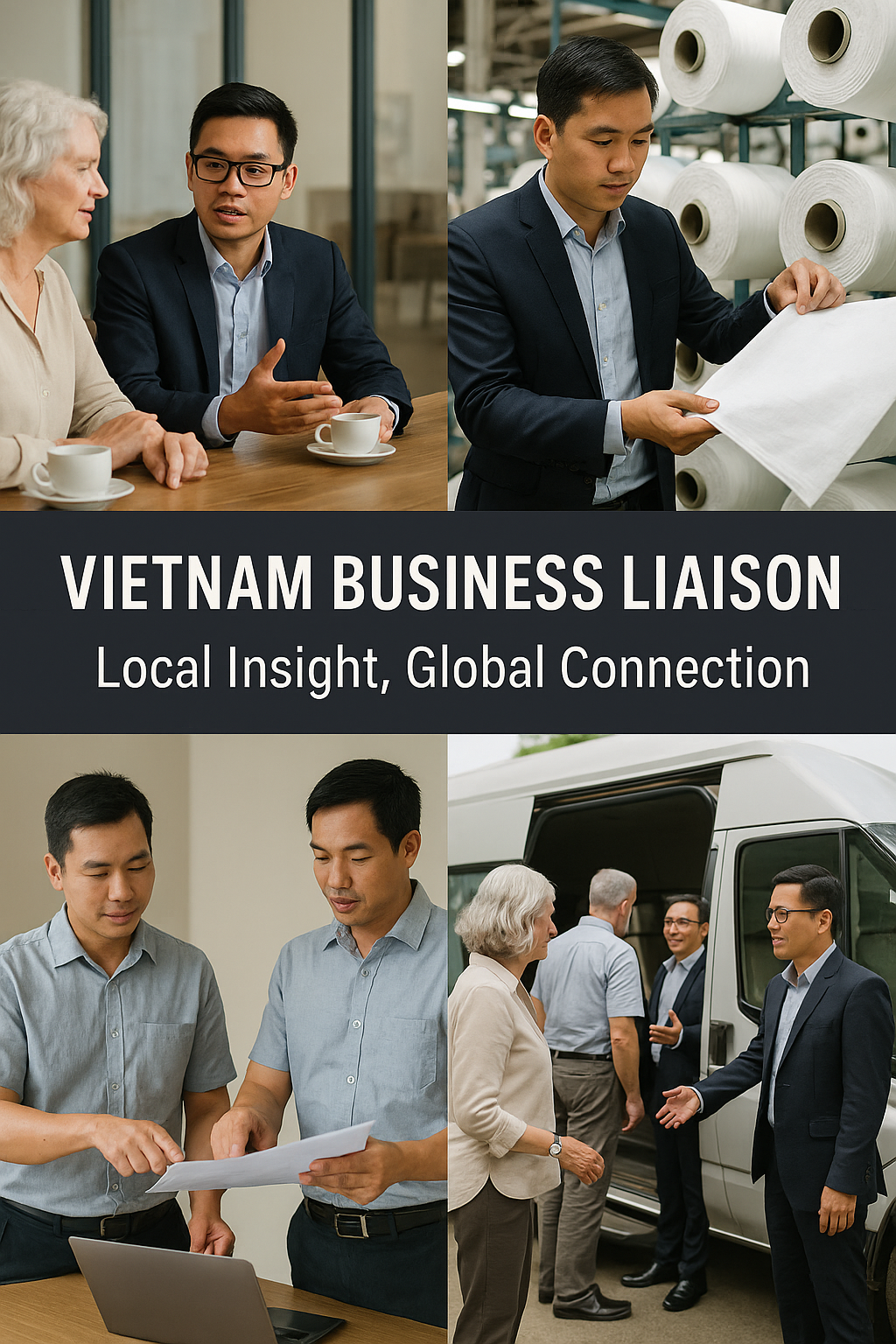
Confused about the legal landscape of clothing manufacturing in Vietnam? Navigate Vietnamese regulations and legal considerations to ensure smooth and compliant import processes.
Building Strong Relationships with Your Vietnamese Clothing Manufacturer
Cultivating strong relationships with your Vietnamese clothing manufacturer is crucial for a successful and sustainable supply chain, exceeding the transactional nature of typical business dealings and fostering a collaborative partnership, ultimately impacting the quality and efficiency of your clothing production. This collaborative spirit can significantly reduce miscommunications, improve response times to challenges, and lead to more innovative and cost-effective solutions within the competitive landscape of top clothing manufacturers in Vietnam.
Open and consistent communication forms the bedrock of any successful business relationship, and this is especially true when working with international partners. Providing clear and concise instructions, promptly addressing concerns, and proactively sharing information about market trends or changing consumer demands helps your manufacturer anticipate your needs and align their operations accordingly. Regular in-person visits, when possible, can also strengthen ties and facilitate a deeper understanding of each other’s businesses and cultures. The commitment will create a long-term relationship that leads to optimized manufacturing processes.
Transparency and ethical business practices build trust and foster a sense of mutual respect. Being upfront about your expectations, deadlines, and financial commitments demonstrates your reliability and strengthens your reputation as a trustworthy partner. Similarly, understanding and respecting Vietnamese business culture, which often prioritizes long-term relationships and personal connections, can pave the way for smoother negotiations and more effective collaborations.
Finally, recognize and appreciate your manufacturer’s contributions to your success. Providing constructive feedback, acknowledging their efforts, and celebrating milestones together can create a positive and motivating work environment. Fair pricing, timely payments, and a willingness to share in both the successes and challenges of the business demonstrate your commitment to a long-term and mutually beneficial partnership. By approaching the relationship with a spirit of collaboration and mutual respect, you can unlock the full potential of your Vietnamese clothing manufacturer and build a foundation for sustainable growth.
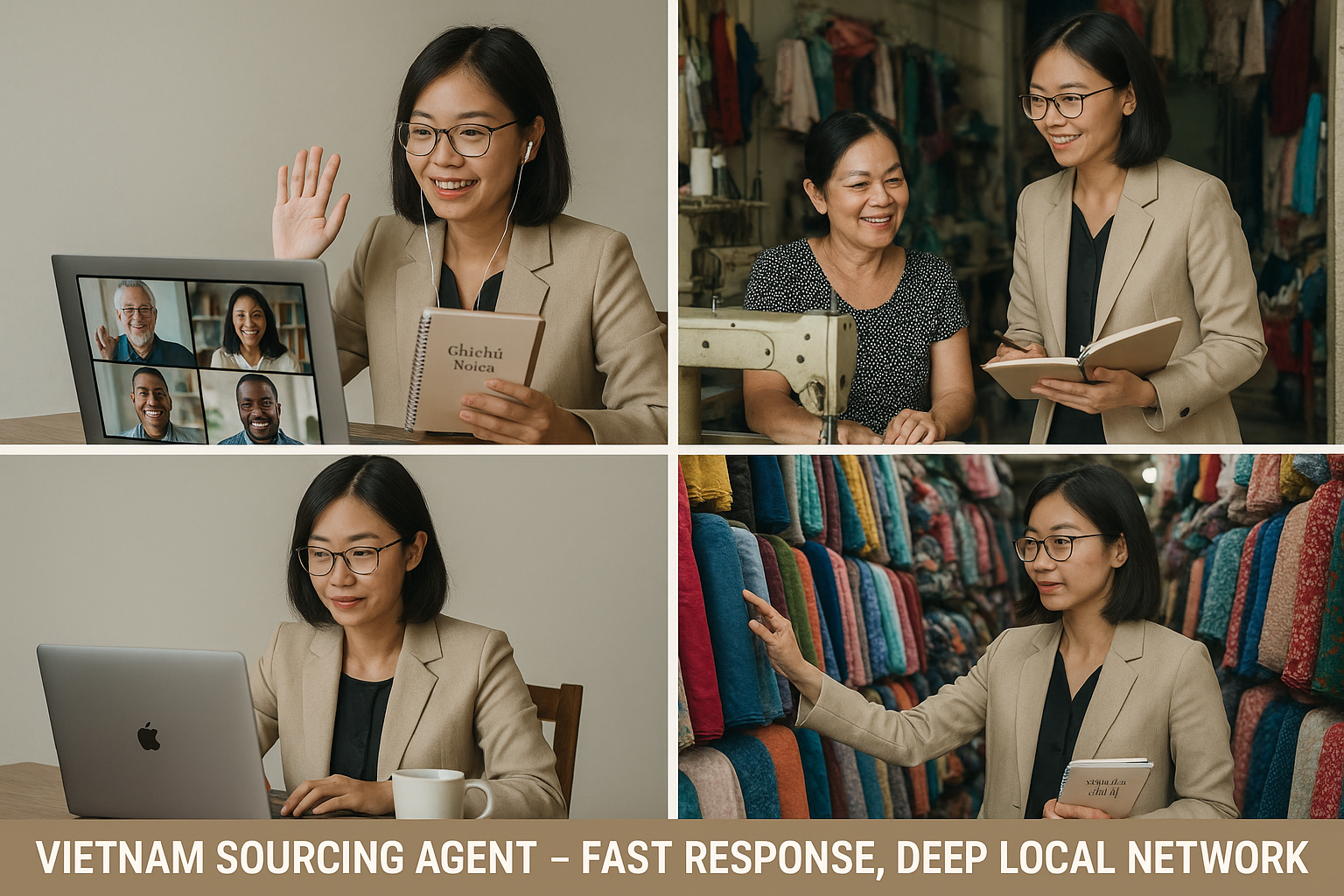
Ready to build a lasting and profitable partnership with your Vietnamese clothing manufacturer? Discover the secrets to building strong relationships and fostering collaboration for mutual success.
Buyers sourcing apparel from Vietnam can use Vietnam factory sourcing support to identify and compare clothing manufacturers, and arrange quality control inspections to ensure production standards are met before shipment.
Vietnam Biz Rep helps overseas buyers find suppliers, verify factories, coordinate samples, inspect goods, and follow up production in Vietnam. Learn more about our Vietnam sourcing agent services or contact us to discuss your sourcing requirements.
