
Sourcing reliable suppliers in Vietnam is crucial for businesses seeking to optimize supply chains and reduce costs in 2025. This guide, categorized under vietnambizrep, will delve into identifying verified Vietnamese manufacturers, navigating sourcing agents, understanding supply chain management best practices, and leveraging trade data to make informed decisions. We’ll explore essential strategies for quality control, risk mitigation, and building strong, long-term relationships with local vendors, ensuring a competitive edge in the global marketplace.
Finding Reliable Suppliers in Vietnam: A Comprehensive Guide
Sourcing from Vietnam has become increasingly popular for businesses looking to diversify their supply chains and capitalize on the country’s competitive manufacturing costs and growing economy; this guide provides a comprehensive overview of how to navigate the Vietnamese market and find trustworthy suppliers. With its strategic location, stable political environment, and a focus on export-oriented growth, Vietnam presents a compelling alternative to traditional sourcing destinations. This section aims to equip you with the knowledge and strategies necessary to successfully identify and vet potential partners in Vietnam.
Identifying reliable suppliers in Vietnam requires a multifaceted approach, beginning with clearly defining your sourcing needs and target product categories. Before embarking on your search, outline your specific requirements regarding product specifications, quality standards, production capacity, and desired price points. Knowing these parameters will help you narrow down your search and focus on suppliers that align with your business objectives. For instance, if you’re sourcing apparel, you’ll need to specify fabric types, desired styles, and any specific certifications required. Conversely, for electronics, you’ll need to focus on suppliers that meet all requirements.
Once you know what you’re looking for, you can employ several methods to locate potential Vietnamese suppliers:
- Online B2B Platforms: Websites like Alibaba, Global Sources, and Made-in-China offer extensive directories of Vietnamese suppliers. These platforms allow you to search for suppliers based on product categories, certifications, and other criteria. However, due diligence is crucial, as not all suppliers listed on these platforms are legitimate or reliable.
- Industry-Specific Directories: Explore specialized directories focused on specific industries, such as apparel, electronics, or furniture. These directories often provide more targeted and vetted listings of suppliers within a particular sector.
- Trade Shows: Attending trade shows in Vietnam, such as the Vietnam Sourcing Fair or the Vietnam International Furniture Fair (VIFA), provides an excellent opportunity to meet potential suppliers in person, assess their capabilities, and build relationships.
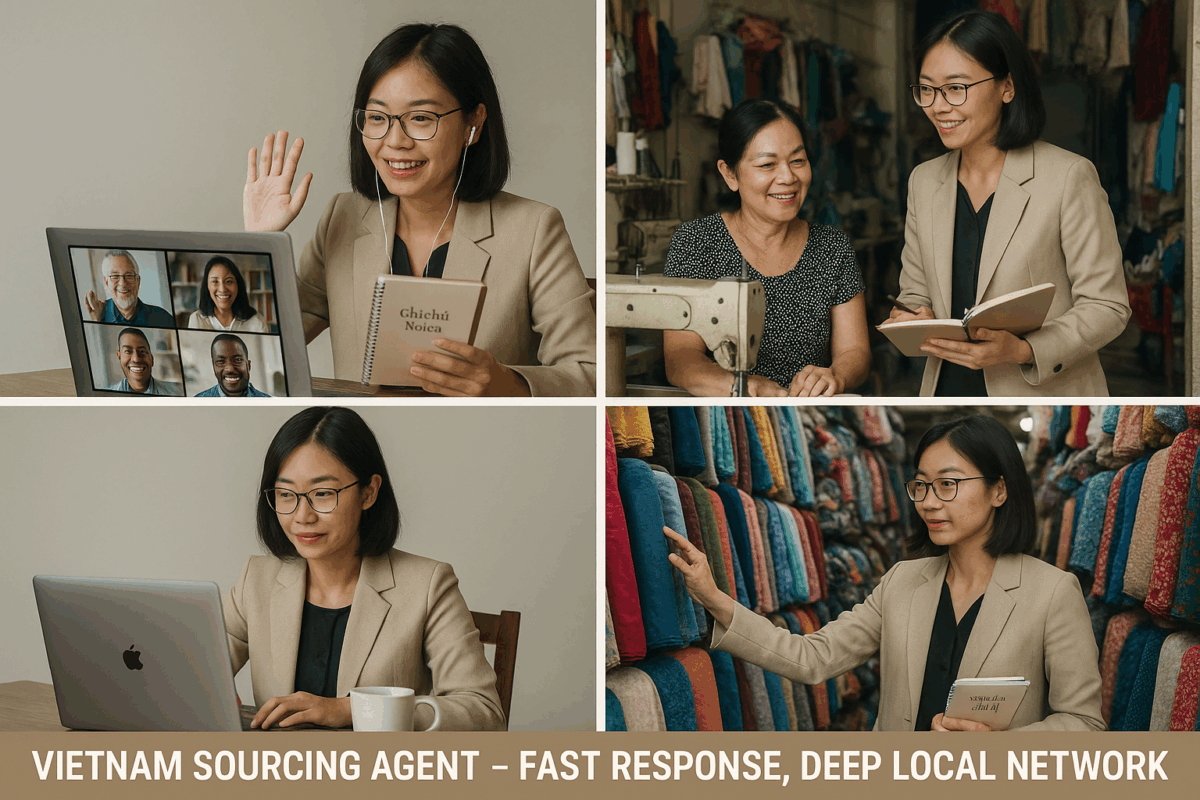
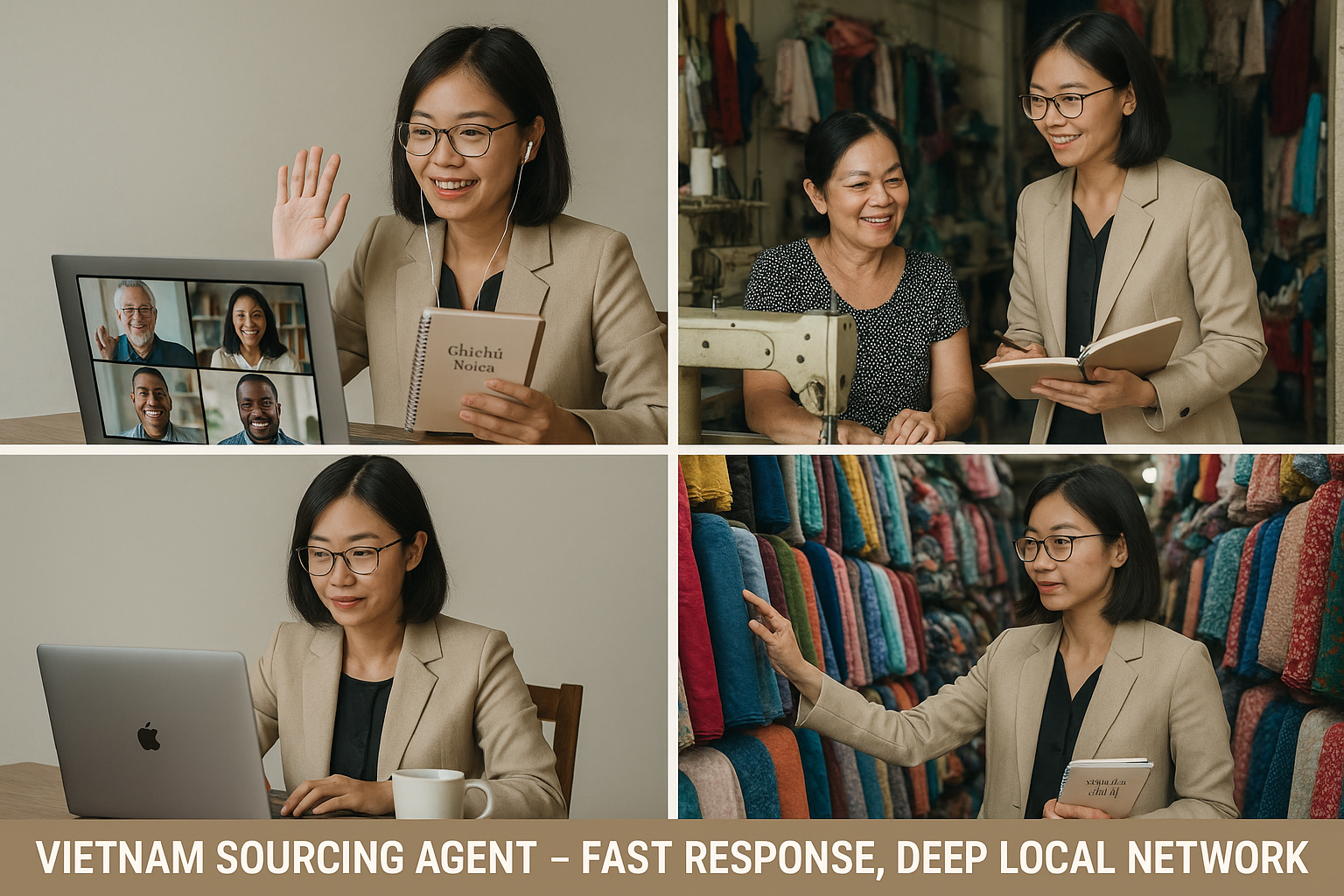
- Sourcing Agents: Engaging a reputable sourcing agent with local expertise in Vietnam can significantly streamline the supplier selection process. These agents have established networks of vetted suppliers and can assist with communication, negotiation, and quality control. Companies like vietnambizrep specialize in this area, offering tailored sourcing solutions for businesses looking to enter the Vietnamese market.
- Referrals: Tap into your existing network of industry contacts and ask for referrals to reliable suppliers in Vietnam. Personal recommendations can often lead to more trustworthy partnerships.
Verifying the legitimacy and capabilities of potential suppliers is paramount before entering into any agreements. This involves conducting thorough due diligence, including:
- Business License Verification: Confirm that the supplier possesses a valid business license and is legally registered to conduct business in Vietnam.
- Factory Audits: Conduct on-site factory audits to assess the supplier’s production capacity, quality control processes, and compliance with ethical and environmental standards.
- Reference Checks: Contact previous or current clients of the supplier to gather feedback on their performance, reliability, and communication skills.
- Sample Testing: Request samples of the supplier’s products and conduct thorough testing to ensure they meet your required quality standards.
- Certification Verification: Verify any certifications claimed by the supplier, such as ISO 9001 or WRAP, through the issuing organization.
By combining proactive sourcing strategies with rigorous verification processes, you can significantly increase your chances of finding reliable suppliers in Vietnam and establishing successful long-term partnerships.
Top Product Categories Sourced from Vietnam Suppliers
Vietnam has emerged as a significant sourcing hub, offering a diverse range of product categories that attract businesses worldwide. The country’s competitive labor costs, strategic location, and growing manufacturing capabilities make it an attractive alternative to traditional sourcing destinations. Understanding the top product categories sourced from Vietnam suppliers is crucial for businesses looking to diversify their supply chains or tap into new markets.
Vietnam’s export landscape is diverse, driven by both local manufacturing prowess and foreign direct investment (FDI). According to recent reports from the General Statistics Office of Vietnam, key sectors like manufacturing, textiles, and electronics consistently contribute significantly to the country’s export revenue. This prominence reflects the increasing sophistication of Vietnamese industries and their integration into global supply chains.
-
Apparel and Textiles: Vietnam’s apparel and textiles industry is a powerhouse, renowned for its skilled workforce and competitive pricing. The country is a major exporter of clothing, fabrics, and yarn, serving leading global brands. Many suppliers in Vietnam specialize in producing high-quality garments, from casual wear to sportswear, making it a prime destination for fashion sourcing. The Comprehensive and Progressive Agreement for Trans-Pacific Partnership (CPTPP) and the EU-Vietnam Free Trade Agreement (EVFTA) have further boosted this sector by reducing tariffs and facilitating trade.
-
Electronics: The electronics sector in Vietnam has experienced rapid growth, becoming a key center for electronics assembly and manufacturing. The country attracts significant investment from multinational corporations, producing a wide range of products, including smartphones, computer components, and electronic appliances. With a focus on high-tech manufacturing, Vietnamese electronics suppliers are capable of delivering quality products at competitive prices. Samsung, for example, has invested billions of dollars in Vietnam, turning the country into a major production base for its smartphones and other electronic devices.
-
Furniture: Vietnam’s furniture industry is known for its craftsmanship and use of sustainable materials. The country is a leading exporter of wooden furniture, rattan furniture, and other home furnishings. Vietnamese suppliers offer a wide array of styles, from traditional designs to modern aesthetics, catering to diverse market demands. The availability of abundant raw materials and a skilled labor force contribute to the sector’s competitiveness.
-
Food and Beverage: Vietnam’s food and beverage industry is increasingly becoming a significant sourcing category, capitalizing on the country’s rich agricultural resources. Key exports include seafood, processed fruits and vegetables, coffee, and rice. Vietnamese suppliers are committed to meeting international food safety standards, ensuring the quality and reliability of their products. Vietnam is one of the world’s leading exporters of Robusta coffee, supplying a significant portion of the global demand.
-
Footwear: Vietnam is a major player in the global footwear industry, offering a wide range of products, from athletic shoes to leather boots. Vietnamese suppliers are known for their production capabilities and competitive pricing, serving major footwear brands worldwide. The country’s skilled workforce and efficient manufacturing processes contribute to its dominance in the footwear sector.
By focusing on these top product categories sourced from Vietnam suppliers, businesses can leverage the country’s strengths and gain a competitive edge in the global market.
Curious about what Vietnam excels at? Explore the top product categories driving Vietnam’s export boom.
How to Verify the Legitimacy of Vietnamese Suppliers
Verifying the legitimacy of Vietnamese suppliers is a critical step in ensuring successful and secure sourcing for your business from suppliers in Vietnam. It involves conducting due diligence to confirm that a potential supplier is a legally registered entity, has the capacity to fulfill your orders, and operates ethically. Establishing trust early on mitigates risks, prevents fraud, and lays the foundation for a productive long-term partnership.
Here are key steps to take in supplier verification when sourcing from Vietnam:
-
Check Business Registration and Licenses: Request copies of the supplier’s business registration certificate (Giấy chứng nhận đăng ký doanh nghiệp) and any relevant licenses (e.g., import/export license, specialized manufacturing licenses). Verify the information with Vietnamese government agencies like the National Business Registration Portal ([invalid URL removed]). This confirms their legal existence and scope of operation.
-
Conduct a Site Visit or Factory Audit: Whenever possible, arrange for a physical visit to the supplier’s factory or facilities. If a personal visit isn’t feasible, consider hiring a reputable third-party inspection company to conduct a factory audit. The audit should assess their production capacity, quality control procedures, working conditions, and compliance with relevant standards.
-
Request and Verify References: Ask the supplier for references from existing or past clients, preferably those located in your region. Contact these references to inquire about their experience working with the supplier, including product quality, delivery timeliness, and communication effectiveness.
-
Review Sample Products and Quality Control Systems: Before placing a large order, request sample products to assess their quality, materials, and workmanship. Also, inquire about the supplier’s quality control systems, including incoming material inspection, in-process inspection, and final inspection. Request documentation of their quality control processes and any certifications they hold (e.g., ISO 9001).
-
Utilize Online Resources and Databases: Leverage online resources and databases to gather information about the supplier. Check their website for detailed product information, company history, and contact details. Utilize import/export databases to verify their trading history and identify any red flags or compliance issues.
-
Engage a Local Representative or Agent: Consider hiring a local representative or sourcing agent in Vietnam to assist with supplier verification. They can conduct on-site visits, communicate with suppliers in Vietnamese, and provide valuable insights into the local business environment. Organizations like vietnambizrep can provide this crucial local support.
-
Scrutinize Payment Terms and Contracts: Be cautious of suppliers demanding upfront payments exceeding standard industry practices. Ensure that all agreements and contracts are clearly written, comprehensive, and comply with Vietnamese law. Seek legal advice from a lawyer specializing in international trade before signing any binding agreements.
By implementing these verification methods, you can significantly reduce the risk of working with illegitimate or unreliable suppliers in Vietnam and protect your business interests.
Worried about scams? Ensure your peace of mind by learning how to verify the legitimacy of Vietnamese suppliers.
Navigating Vietnamese Business Culture: Tips for Successful Partnerships
Successfully establishing partnerships with suppliers in Vietnam requires more than just competitive pricing and product quality; understanding and respecting Vietnamese business culture is paramount. Navigating this cultural landscape effectively can significantly enhance your chances of building strong, lasting, and mutually beneficial relationships with your Vietnamese counterparts. This section delves into key aspects of Vietnamese business etiquette and provides practical tips for fostering successful partnerships.
-
Face (Mặt): In Vietnamese culture, saving face is incredibly important. Avoid direct criticism or confrontation, especially in public. Instead, frame feedback constructively and focus on solutions rather than assigning blame. Maintaining harmony and avoiding causing embarrassment are crucial for building trust. For example, instead of saying “Your quality control is terrible,” try “We’ve noticed some inconsistencies in the recent shipments. How can we work together to improve the quality standards?”
-
Hierarchy and Respect for Seniority: Vietnamese society places a strong emphasis on hierarchy. Always show respect to older or more senior members of the organization. Address individuals by their title and family name, unless invited to use their first name. Defer to the most senior person in meetings and allow them to speak first. Demonstrating respect for seniority fosters a sense of trust and goodwill.
-
Building Relationships (Quan Hệ): Business in Vietnam is often conducted on a personal level. Building strong relationships (known as quan hệ) is essential for long-term success. Take the time to get to know your suppliers beyond just the business transaction. Engage in social activities, share meals, and show genuine interest in their culture and personal lives. Quan hệ creates a foundation of trust and loyalty, leading to smoother negotiations and stronger partnerships.
-
Communication Style: Vietnamese communication tends to be indirect and subtle. It’s important to pay attention to nonverbal cues, such as body language and tone of voice. A “yes” may not always mean agreement, but rather a desire to be polite or avoid conflict. Ask clarifying questions to ensure mutual understanding. For example, after a meeting, follow up with a written summary of the key decisions and action items to confirm alignment.
-
Gift-Giving: Gift-giving is a common practice in Vietnamese business culture. Giving a small, thoughtful gift can be a gesture of appreciation and goodwill. Avoid extravagant gifts, which may be perceived as a bribe. Appropriate gifts include high-quality tea, coffee, or local specialties from your home country. Present the gift with both hands and express your gratitude sincerely.
-
Patience and Persistence: Building trust and establishing strong relationships takes time. Be patient and persistent in your efforts. Don’t expect to close deals quickly or easily. Be prepared to make multiple visits to Vietnam and invest in building a long-term partnership. Showing commitment and dedication will demonstrate your seriousness and build confidence with your Vietnamese suppliers.
Understanding and adapting to these nuances of Vietnamese business culture will significantly increase your chances of establishing successful and sustainable partnerships with Vietnam suppliers, ultimately contributing to a smoother and more profitable sourcing experience.
Unlock the keys to building strong business relationships with our guide to Vietnamese business culture.
Key Legal Considerations When Working with Vietnam Suppliers
Navigating the legal landscape is crucial for successful and secure sourcing from Vietnam suppliers. Understanding the key legal considerations helps businesses mitigate risks and ensure compliance when engaging with suppliers in Vietnam. This section outlines essential aspects to consider, from contract law to intellectual property rights, providing a foundation for building strong and legally sound partnerships.
-
Contract Law: A legally binding contract is the cornerstone of any successful business relationship. Ensure your contracts with Vietnamese suppliers are comprehensive and clearly define all terms and conditions. This includes:
- Product specifications: Precise descriptions, quantities, and quality standards.
- Pricing and payment terms: Agreed-upon prices, payment schedules, and currency.
- Delivery schedules: Realistic timelines and penalties for delays.
- Liability and warranties: Clear allocation of responsibility for defects or non-compliance.
- Dispute resolution: Agreed-upon methods for resolving conflicts, such as arbitration or mediation.
- Governing law: Specify Vietnamese law as the governing legal framework for the contract.
-
Intellectual Property Rights (IPR): Protecting your intellectual property is paramount when sourcing in Vietnam. Vietnam has made progress in IPR enforcement, but vigilance is still required. Consider the following:
- Trademark registration: Register your trademarks in Vietnam to prevent infringement.
- Patent protection: Secure patents for your inventions to protect your designs and technologies.
- Confidentiality agreements (NDAs): Use NDAs to protect your trade secrets and sensitive information.
- Due diligence: Conduct thorough background checks on suppliers to assess their reputation and compliance with IPR laws.
- Monitoring and enforcement: Implement strategies for monitoring and addressing IPR infringements.
-
Labor Laws: Ensure your suppliers in Vietnam adhere to Vietnamese labor laws, including fair wages, working conditions, and worker safety standards. Non-compliance can lead to legal issues and reputational damage. Key aspects to consider include:
- Minimum wage: Verify that workers are paid at least the minimum wage as mandated by Vietnamese law.
- Working hours: Ensure compliance with regulations on working hours, overtime, and rest periods.
- Worker safety: Implement safety measures to protect workers from accidents and injuries.
- Child labor: Strictly prohibit the use of child labor in your supply chain.
- Freedom of association: Respect workers’ rights to form or join trade unions.
-
Compliance with Import/Export Regulations: Understanding and complying with Vietnamese import/export regulations is essential for smooth and legal transactions. This includes:
- Customs procedures: Familiarize yourself with Vietnamese customs procedures and documentation requirements.
- Import duties and taxes: Understand the applicable import duties, taxes, and tariffs.
- Export licenses: Obtain the necessary export licenses and permits for your products.
- Product standards and certifications: Ensure your products meet Vietnamese quality standards and certifications.
- Trade agreements: Take advantage of any applicable trade agreements between Vietnam and your country.
-
Environmental Regulations: Growing environmental awareness in Vietnam has led to stricter regulations. Ensure your suppliers comply with environmental laws and regulations to avoid penalties and promote sustainable practices. Considerations include:
- Waste management: Proper disposal of industrial waste and compliance with environmental standards.
- Emissions control: Control of air and water emissions to minimize environmental impact.
- Environmental permits: Obtaining necessary environmental permits for manufacturing activities.
- Sustainable sourcing: Prioritizing suppliers who adopt sustainable practices.
By carefully addressing these legal considerations, businesses can establish secure and ethical relationships with Vietnam suppliers and build a foundation for long-term success in the Vietnamese market. Vietnambizrep can assist you in navigating these complexities and ensuring your sourcing operations are legally sound.
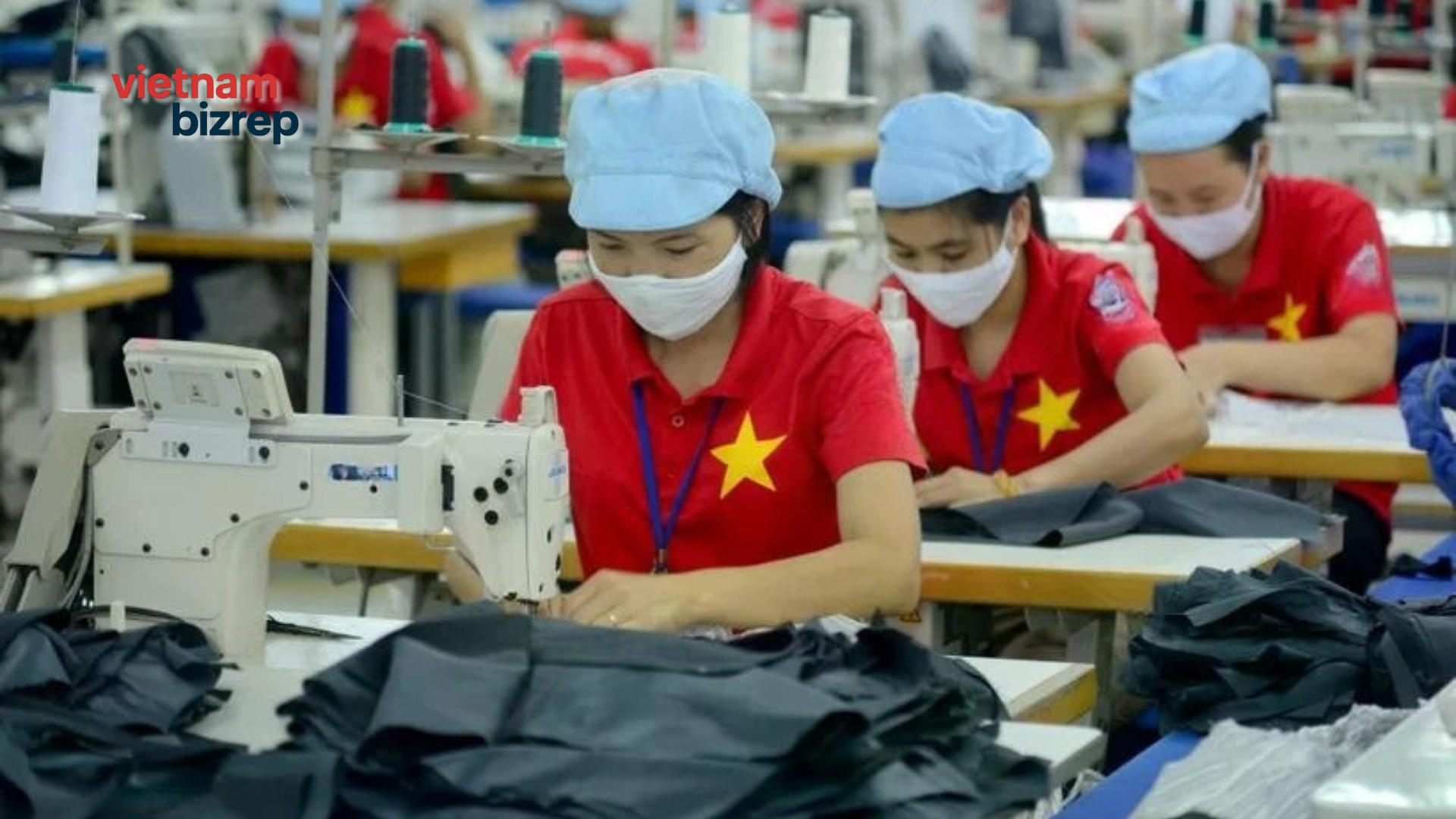
Stay compliant and protect your interests with our breakdown of legal considerations when working with Vietnam suppliers.
Payment Methods and Currency Exchange for Vietnam Sourcing
Navigating the intricacies of payment methods and currency exchange is crucial for successful suppliers in Vietnam. Understanding the accepted payment options and how to manage currency fluctuations can significantly impact your profitability and the strength of your relationships with Vietnamese suppliers. This section serves as a comprehensive guide to help you navigate these financial aspects of Vietnam sourcing effectively.
When engaging in Vietnam sourcing, it’s important to familiarize yourself with the common payment methods preferred by Vietnamese suppliers. These often include Telegraphic Transfer (T/T), Letters of Credit (L/C), and sometimes, for smaller transactions, options like PayPal or other online payment platforms. Each method carries its own set of advantages and disadvantages in terms of security, cost, and processing time, which we will explore in detail.
Common Payment Methods
- Telegraphic Transfer (T/T): Often the most straightforward option, T/T involves a direct transfer of funds from your bank to the supplier’s bank. It’s generally faster and cheaper than L/Cs, but carries a higher risk, especially with new suppliers. Typically, a percentage of the total amount is paid upfront (e.g., 30-50%), with the remaining balance due upon completion of production or shipment.
- Letters of Credit (L/C): L/Cs offer a higher level of security as they involve a bank guaranteeing payment to the supplier once specific conditions are met (e.g., presentation of shipping documents). However, they are more complex, time-consuming, and expensive than T/Ts. L/Cs are often preferred for larger transactions or when dealing with unfamiliar suppliers.
- Online Payment Platforms: For smaller orders or sample payments, platforms like PayPal or TransferWise can be convenient. However, be aware of the transaction fees and limitations on transaction amounts.
Managing Currency Exchange Risks
The Vietnamese đồng (VND) is the official currency, but transactions are often quoted in US dollars (USD) for international trade. Fluctuations in the USD/VND exchange rate can significantly impact your costs. Here’s how to mitigate these risks:
- Forward Contracts: Lock in an exchange rate for a future date to protect against adverse currency movements.
- Negotiate Payment Terms: Try to negotiate payment terms that allow for some flexibility if exchange rates fluctuate significantly. For example, you might agree on a price range instead of a fixed price.
- Use a Currency Hedging Service: Specialized firms can help you manage currency risk through various hedging strategies.
- Monitor Exchange Rates: Regularly track the USD/VND exchange rate to anticipate potential fluctuations.
Key Considerations for Vietnambizrep Customers
As a Vietnambizrep customer, leveraging our local expertise can significantly streamline your payment processes. We can assist in:
- Verifying the supplier’s bank details to prevent fraud.
- Negotiating favorable payment terms with suppliers.
- Providing guidance on the most appropriate payment method for your specific needs.
- Facilitating currency exchange through our network of trusted financial partners.
Understanding the nuances of payment methods and currency exchange is essential for mitigating risks and maximizing profitability when sourcing from Vietnam. By carefully considering your options and seeking expert advice, you can establish strong, sustainable relationships with your Vietnam suppliers.

Maximize your profits by mastering payment methods and currency exchange when sourcing from Vietnam.
The Role of Trade Shows in Connecting with Vietnam Suppliers
Trade shows play a vital role in connecting businesses with potential suppliers in Vietnam, offering a dynamic platform to discover new products, assess supplier capabilities, and build valuable relationships. These events serve as a concentrated marketplace, bringing together numerous Vietnamese manufacturers and exporters under one roof, making it easier for international buyers to find suitable partners. Attending the right trade show can significantly streamline the sourcing process, providing face-to-face interaction and direct access to product samples and company representatives.
Trade shows dedicated to specific industries allow buyers to efficiently target suppliers that align with their specific needs. For instance, Vietnam International Fashion Fair (VIFF) is a prime destination for apparel and textile sourcing, while Vietnam Electronic Products, Components and Materials Sourcing Fair (VEPCOM) showcases advancements in the electronics sector. These focused events enable buyers to dive deep into relevant product categories and identify specialized Vietnamese suppliers.
Beyond product discovery, trade shows offer invaluable opportunities for verifying supplier legitimacy and negotiating directly. Meeting with supplier representatives in person allows buyers to assess their professionalism, technical expertise, and overall suitability. Furthermore, the ability to see and touch product samples provides a tangible means of evaluating quality and ensuring it meets required standards. This direct interaction fosters trust and transparency, critical elements for establishing successful long-term partnerships with Vietnamese suppliers.
Moreover, trade shows in Vietnam provide a valuable immersion into the local business culture. Observing how Vietnamese companies present themselves and interact with potential clients offers insights into their business practices and communication styles. This exposure helps buyers to better understand the nuances of doing business in Vietnam and to tailor their approach for more effective communication and collaboration. Ultimately, leveraging trade shows as a sourcing tool can lead to more informed decisions and stronger, more productive relationships with suppliers in Vietnam.
Here’s the content for the H2, comparing Vietnam with other Asian sourcing destinations:
Get a firsthand look at potential partners! Learn how to leverage trade shows in Vietnam to connect with suppliers.
Comparing Vietnam vs. Other Asian Sourcing Destinations (China, India, etc.)
Sourcing from Asia presents numerous opportunities, and Vietnam has emerged as a compelling alternative to traditional powerhouses like China and India. Understanding the nuances of each sourcing destination is crucial for businesses looking to optimize their supply chains and mitigate potential risks. This section will delve into a comparative analysis of Vietnam against these key players, examining various factors that influence sourcing decisions.
Vietnam’s competitive advantage lies in its strategic location, stable political environment, and increasingly skilled workforce. Unlike China, which has seen rising labor costs, Vietnam offers more competitive pricing, particularly for labor-intensive industries such as apparel, footwear, and furniture. Moreover, the Vietnamese government’s commitment to attracting foreign investment through tax incentives and streamlined regulations further enhances its appeal. For example, corporate income tax incentives are available for investments in specific sectors or regions.
When compared to India, Vietnam boasts a more developed infrastructure and a simpler bureaucratic system. While India possesses a vast pool of skilled labor and a diverse manufacturing base, navigating its complex regulatory landscape and logistical challenges can be daunting. Vietnam’s proactive approach to infrastructure development, including ports, roads, and industrial zones, facilitates smoother and more efficient supply chain operations. For instance, the deep-water port of Cai Mep is a major gateway for international trade.
However, it’s important to acknowledge that each country possesses unique strengths. China still maintains a significant advantage in terms of scale, technological advancement, and the breadth of its industrial ecosystem. India excels in sectors such as software development, pharmaceuticals, and automotive components. The best sourcing destination ultimately depends on specific product requirements, budget constraints, and risk tolerance. A 2023 report by McKinsey highlighted that while China continues to lead in overall manufacturing output, Vietnam’s growth rate in certain sectors is significantly outpacing it.
Ultimately, the decision to source from Vietnam versus other Asian countries requires a thorough assessment of your specific needs and priorities. Factors to consider include:
- Cost: Labor costs, raw material prices, and transportation expenses.
- Quality: Manufacturing capabilities, quality control standards, and compliance certifications.
- Lead Times: Production timelines, shipping routes, and customs clearance procedures.
- Intellectual Property Protection: Enforcement of IP laws and measures to prevent counterfeiting.
- Political and Economic Stability: Risk assessment of potential disruptions to the supply chain.
By carefully evaluating these factors, businesses can make informed decisions and leverage the unique advantages that Vietnam offers in the global sourcing landscape.
Is Vietnam the right choice for you? Weigh the pros and cons with our comparison of Vietnam vs. other Asian sourcing destinations.
Understanding Vietnamese Import/Export Regulations and Documentation
Navigating the intricate landscape of Vietnamese import/export regulations and documentation is crucial for businesses looking to establish successful sourcing operations with suppliers in Vietnam. A clear understanding of these regulations minimizes risks, ensures compliance, and facilitates smooth transactions, ultimately contributing to cost-effectiveness and efficiency in your sourcing strategy.
Successfully importing or exporting goods to and from Vietnam necessitates meticulous attention to detail and adherence to a complex web of regulations. These regulations are put in place by the Vietnamese government to control the flow of goods, collect taxes, and protect domestic industries. Crucially, businesses need to understand which goods require licenses, permits, or are subject to specific controls.
Here’s a breakdown of essential aspects:
- Import Licenses and Permits: Certain goods require specific import licenses or permits issued by relevant Vietnamese authorities. These may include items subject to quotas, goods affecting national security, or products requiring health and safety certifications. Failure to obtain the necessary licenses can result in delays, fines, or even seizure of goods.
- Export Licenses and Permits: Similar to imports, certain export items, particularly those related to natural resources, cultural heritage, or national security, may require export licenses. Understanding the specific requirements for your product category is vital.
- Customs Procedures: Vietnam’s customs procedures involve several steps, including declaration, inspection, and valuation of goods. Accurate and complete documentation is essential to avoid delays and penalties. Businesses need to be familiar with the Harmonized System (HS) codes for their products, as these codes determine tariff rates and other regulatory requirements.
- Documentation Requirements: A standard set of documents is typically required for both import and export activities. These documents often include:
- Commercial Invoice: A detailed bill of sale.
- Packing List: Itemizing the contents of each shipment package.
- Bill of Lading/Air Waybill: Document evidencing the receipt of cargo for shipment.
- Certificate of Origin: Certifying the country of origin of the goods.
- Customs Declaration Form: Declaring the details of the goods being imported or exported.
- Tariffs and Duties: Vietnam applies tariffs and duties on imported goods, which can vary depending on the product category and the country of origin. Understanding the applicable tariff rates and any preferential trade agreements between Vietnam and your country is crucial for accurate cost calculation.
- Compliance with Technical Regulations and Standards: Imported goods must comply with Vietnamese technical regulations and standards, which cover product safety, health, and environmental protection. Compliance may require obtaining certifications or undergoing testing.
- Labeling Requirements: Goods imported into Vietnam must meet specific labeling requirements, including displaying information about the product, manufacturer, origin, and composition in Vietnamese. Non-compliance can lead to penalties and delays.
Staying up-to-date with the latest changes in import/export regulations is essential. The Vietnamese government frequently updates its regulations to align with international standards and address evolving trade conditions. Consulting with local legal experts or customs brokers like vietnambizrep can ensure that your sourcing operations remain compliant and efficient.
Navigate the complexities of international trade with our guide to Vietnamese import/export regulations.
Building Long-Term Relationships with Your Vietnam Suppliers
Cultivating long-term relationships with suppliers in Vietnam is paramount for sustained success in sourcing operations, fostering mutual benefits and ensuring consistent quality and reliability. Moving beyond transactional interactions to build strong, enduring partnerships requires a strategic approach focused on trust, transparent communication, and mutual growth. These relationships not only secure better pricing and preferential treatment but also unlock opportunities for collaborative innovation and problem-solving, ultimately strengthening your supply chain.
To establish enduring collaborations, prioritize open and honest communication. Clear communication prevents misunderstandings, fosters trust, and sets the stage for a healthy, long-term relationship. This includes promptly addressing concerns, providing constructive feedback, and actively listening to your suppliers’ perspectives. For instance, Vietnambizrep encourages regular meetings (whether in-person or virtual) to discuss performance, identify areas for improvement, and proactively address potential challenges. This proactive approach helps build a strong foundation of trust and mutual respect, essential for navigating any difficulties that may arise.
Furthermore, fair pricing and payment terms are crucial. While seeking competitive pricing is important, it’s equally important to ensure that your suppliers are adequately compensated for their products and services. Pressuring suppliers to unsustainable margins can lead to compromised quality, delayed deliveries, and ultimately, a strained relationship. Consider offering fair payment terms, such as upfront deposits or progressive payments, to demonstrate your commitment and support their cash flow. According to industry reports, suppliers who feel valued and fairly treated are more likely to prioritize your orders and go the extra mile to meet your needs.
Finally, demonstrating a commitment to mutual growth strengthens the bond. Explore ways to help your suppliers improve their operations, whether it’s through training programs, technology upgrades, or access to new markets. By investing in their success, you create a mutually beneficial partnership that fosters loyalty and long-term commitment. Vietnambizrep recommends sharing market insights, providing technical assistance, and even exploring joint ventures to demonstrate your dedication to their growth. This collaborative approach not only strengthens your supplier relationships but also enhances the overall competitiveness of your supply chain in Vietnam.
Overcoming Common Challenges When Sourcing from Vietnam: Language, Logistics, and Quality Control
Sourcing products from suppliers in Vietnam presents lucrative opportunities, but also comes with its own set of challenges, primarily revolving around language barriers, logistics complexities, and maintaining consistent quality control. Successfully navigating these hurdles is crucial for businesses aiming to establish a strong and reliable supply chain in Vietnam. Overcoming these difficulties requires careful planning, strategic partnerships, and a proactive approach to communication and quality assurance.
One of the most significant hurdles is the language barrier. While many Vietnamese suppliers have English-speaking representatives, clear and effective communication can still be a challenge. Misunderstandings can lead to errors in production, delays, and ultimately, increased costs. To mitigate this, consider these Communication Strategies:
- Employ a translator or interpreter: This ensures accurate and nuanced communication, especially during crucial negotiations and factory visits.
- Use visual aids: Diagrams, samples, and prototypes can help bridge the gap in understanding technical specifications.
- Establish clear communication protocols: Define preferred communication channels (e.g., email, phone, video conferencing) and response times.
- Build relationships with key personnel: Fostering trust and rapport can improve communication flow and problem-solving.
Logistics and shipping considerations are another critical aspect of sourcing from Vietnam. Vietnam’s infrastructure is developing rapidly, but challenges such as port congestion, customs procedures, and inland transportation can impact lead times and costs. To effectively manage Logistics and Shipping, you should:
- Work with a reputable freight forwarder: A reliable freight forwarder with experience in Vietnam can navigate the complexities of customs clearance, documentation, and transportation.
- Plan for potential delays: Build buffer time into your schedules to account for unforeseen delays due to weather, port congestion, or regulatory changes.
- Understand Incoterms: Clearly define responsibilities for shipping, insurance, and customs duties using Incoterms (International Commercial Terms).
- Consider different shipping options: Evaluate the trade-offs between sea freight, air freight, and express shipping based on your budget and time constraints.
Finally, Maintaining Quality Control and Standards is paramount to ensuring customer satisfaction and protecting your brand reputation. Substandard products can lead to costly returns, damage your brand image, and erode customer trust. To maintain quality, you need to:
- Establish clear quality control procedures: Define acceptable quality levels (AQL) and inspection protocols with your suppliers.
- Conduct regular factory audits: Verify that suppliers adhere to ethical labor practices, environmental standards, and quality management systems.
- Implement pre-shipment inspections: Inspect products before they leave the factory to identify and rectify any defects.
- Build strong relationships with your suppliers: Open communication, regular feedback, and collaborative problem-solving can foster a culture of quality improvement.
Overseas buyers sourcing from Vietnam can use Vietnam factory sourcing support to identify and shortlist manufacturers, then conduct supplier verification to confirm production capacity, certifications, and business credentials before placing orders.
(Estimated word count: 348)
Don’t let obstacles derail your sourcing journey: Discover strategies for overcoming common challenges when sourcing from Vietnam.
Vietnam Sourcing & Manufacturing Services
- Vietnam Sourcing Agent
- Supplier Verification
- Garment Manufacturers in Vietnam
- Vietnam Clothing Manufacturers
- Factory Audit
Need help sourcing in Vietnam? Call or WhatsApp +84 941 414 422 or visit our contact page.
Before committing to any supplier found through this process, see our Vietnam supplier verification guide.
