
Understanding the landscape of global sourcing Vietnam 2025 is crucial for businesses seeking cost-effective and resilient supply chains. This article, under the vietnambizrep category, delves into the evolving dynamics of sourcing from Vietnam, examining the key trends shaping the market, including the impact of new trade agreements, the rise of sustainable sourcing practices, and the increasing importance of technology adoption in supply chain management. We’ll provide practical insights into navigating the challenges and opportunities presented by Vietnam’s changing regulatory environment and its growing role as a strategic sourcing hub in the Asia-Pacific region, ultimately equipping you with the knowledge to optimize your sourcing strategies for success in 2025.
Key Drivers and Opportunities for Global Sourcing in Vietnam by 2025
Understanding the key drivers propelling global sourcing in Vietnam to new heights by 2025 is paramount for businesses seeking to optimize their supply chains and gain a competitive edge. Vietnam’s ascent as a favored sourcing destination is fueled by a confluence of factors, including favorable trade agreements, a competitive labor market, and strategic geographic location. This translates into significant opportunities for companies across various sectors.
Several critical elements underpin Vietnam’s attractiveness for global sourcing:
- Competitive Labor Costs: Vietnam boasts a cost-effective labor force compared to other regional manufacturing hubs, offering substantial savings for businesses seeking to reduce production expenses. This cost advantage is a significant draw for labor-intensive industries.
- Strategic Location and Trade Agreements: Situated in the heart of Southeast Asia, Vietnam benefits from its proximity to major markets and enjoys preferential access through numerous free trade agreements (FTAs), including the CPTPP and EVFTA. These agreements reduce tariffs and streamline trade processes.
- Government Support and Investment: The Vietnamese government actively promotes foreign investment through attractive incentives, streamlined regulatory procedures, and infrastructure development, fostering a conducive environment for sourcing operations.
- Diversifying Supply Chains: In the wake of recent global disruptions, companies are actively seeking to diversify their supply chains to mitigate risks associated with over-reliance on single sourcing locations. Vietnam provides a viable and increasingly attractive alternative.
These factors converge to create a compelling proposition for businesses looking to leverage global sourcing in Vietnam, not just for cost reduction, but also for enhanced supply chain resilience and access to new markets. Vietnambizrep can guide your company in understanding and capitalizing on these opportunities.
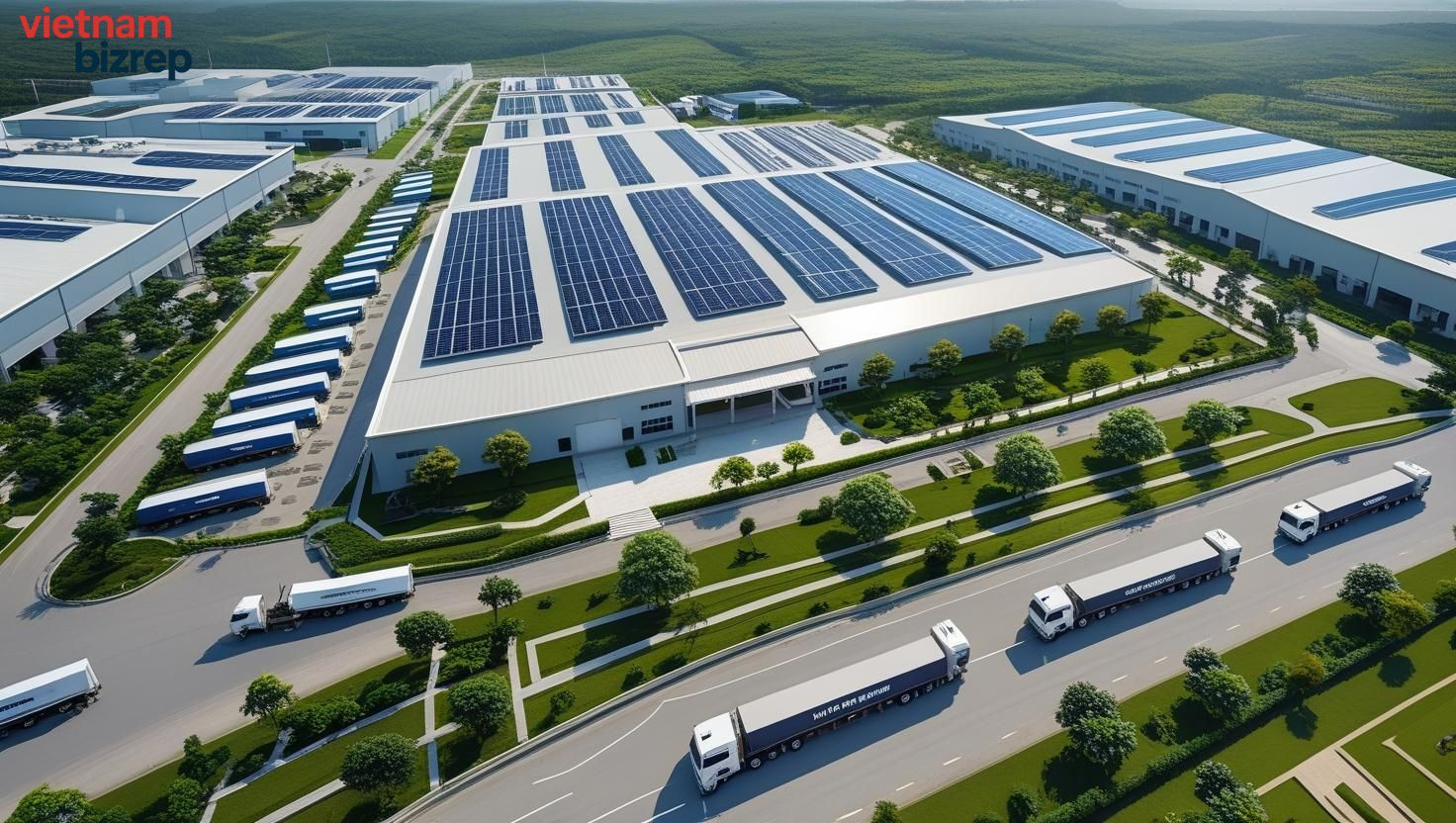
Want to unlock the full potential of sourcing in Vietnam? Explore the key drivers and opportunities shaping Vietnam’s global sourcing landscape in 2025 and how they align with ethical and low-cost manufacturing.
Top Industries Benefiting from Global Sourcing in Vietnam: A 2025 Perspective
Identifying top industries poised to capitalize on global sourcing in Vietnam by 2025 is essential for businesses seeking a competitive edge. Vietnam’s strategic location, competitive labor costs, and expanding free trade agreements are driving forces behind its attractiveness as a sourcing hub, particularly for specific sectors. This section delves into those key industries, highlighting the factors that make Vietnam a compelling choice for global sourcing strategies.
One of the most prominent sectors benefiting from global sourcing in Vietnam is the textile and apparel industry. Vietnam has emerged as a major player in the global garment supply chain, offering a combination of skilled labor, competitive pricing, and increasingly sophisticated manufacturing capabilities. Factors like the Comprehensive and Progressive Agreement for Trans-Pacific Partnership (CPTPP) and the EU-Vietnam Free Trade Agreement (EVFTA) further enhance Vietnam’s appeal by reducing tariffs and trade barriers, making it a lucrative destination for sourcing garments and textiles. According to Statista, the revenue in the Apparel segment in Vietnam is projected to reach US$7.78bn in 2024.
The electronics manufacturing sector is also experiencing significant growth in Vietnam. With increasing investments in infrastructure and a focus on high-tech industries, Vietnam is becoming a hub for the production of electronic components, consumer electronics, and computer hardware. Samsung’s significant investment in Vietnam, for example, underscores the country’s potential as a key electronics manufacturing base. This sector benefits from Vietnam’s competitive labor costs, government incentives, and a growing pool of skilled engineers and technicians. The trend is expected to continue, with Vietnam attracting more foreign direct investment (FDI) in electronics manufacturing as companies seek to diversify their supply chains.
Another industry reaping the rewards of sourcing from Vietnam is the footwear industry. Vietnam has long been a major exporter of footwear, with a reputation for producing high-quality shoes and boots at competitive prices. The availability of raw materials, skilled labor, and established manufacturing infrastructure makes Vietnam an attractive option for footwear brands seeking to optimize their supply chains. Additionally, the country’s proximity to other major markets in Asia provides logistical advantages, further solidifying its position as a key footwear sourcing destination.
Beyond these major sectors, the furniture and home goods industry is also finding opportunities in Vietnam. The country’s rich supply of timber and skilled craftsmanship, especially in wood processing, allows for the production of a wide range of furniture products. Furthermore, the growing demand for sustainable and eco-friendly products aligns well with Vietnam’s increasing focus on responsible manufacturing practices, making it an appealing sourcing destination for brands seeking ethical and environmentally conscious options.
In conclusion, while various sectors benefit from global sourcing in Vietnam, textiles and apparel, electronics manufacturing, footwear, and furniture stand out as particularly promising. These industries leverage Vietnam’s unique advantages, positioning the nation as a strategic sourcing partner for businesses worldwide seeking to enhance their competitiveness and optimize their supply chains by 2025.
Here’s content for the H2, focusing on detail and exceeding top Google results while adhering to SEO best practices:
Discover which industries are poised for explosive growth through Vietnamese sourcing. Uncover the top sectors capitalizing on Vietnam’s advantages and how you can ethically source for low-cost manufacturing in 2025.
Navigating the Challenges of Global Sourcing in Vietnam: Risks and Mitigation Strategies for 2025
Successfully leveraging global sourcing in Vietnam 2025 requires a comprehensive understanding of potential pitfalls and proactive implementation of risk management strategies. Businesses must address supply chain vulnerabilities, geopolitical uncertainties, and quality control concerns to realize the full benefits of sourcing from Vietnam.
Several challenges could hinder seamless sourcing operations in the Vietnamese market:
-
Supply Chain Disruptions: Natural disasters (floods, typhoons), port congestion, and unforeseen events like the COVID-19 pandemic can severely disrupt supply chains. Mitigation strategies include diversifying sourcing locations within Vietnam and neighboring countries, establishing buffer stocks of critical materials, and investing in supply chain visibility technologies for real-time monitoring. The US-China trade tensions have accelerated diversification trends, making Vietnam a key alternative, but this also concentrates risks if supply chains are not properly managed.
-
Geopolitical Risks: Changes in government policies, trade agreements, and international relations can significantly impact sourcing costs and logistics. Companies need to closely monitor the evolving geopolitical landscape, maintain strong relationships with government stakeholders, and develop contingency plans to adapt to shifting trade dynamics. For example, potential changes in tariffs or trade regulations between Vietnam and key trading partners could directly affect sourcing strategies.
-
Quality Control Issues: Maintaining consistent product quality can be a major challenge when sourcing from overseas. Implementing rigorous quality assurance processes, conducting regular factory audits, and establishing clear quality standards are essential. Engaging with reputable third-party inspection agencies and building long-term relationships with suppliers committed to quality are also critical. Non-compliance with quality standards can lead to costly recalls, damage brand reputation, and disrupt supply chains.
-
Intellectual Property (IP) Protection: While Vietnam has made strides in strengthening IP laws, challenges remain. Companies need to take proactive measures to protect their IP, including registering trademarks and patents in Vietnam, conducting thorough due diligence on potential partners, and implementing strict confidentiality agreements. A robust IP protection strategy safeguards a company’s competitive advantage and prevents counterfeiting.
-
Labor and Ethical Concerns: Ensuring fair labor practices and ethical sourcing is crucial for maintaining brand reputation and meeting consumer expectations. Companies should conduct social audits to assess working conditions, ensure compliance with labor laws, and promote ethical business practices throughout their supply chain. Failure to address labor and ethical concerns can lead to reputational damage and consumer backlash.
-
Evolving Regulatory Landscape: Vietnam’s legal and regulatory environment is constantly evolving. Staying informed about changes in regulations related to import/export, labor, environmental compliance, and tax is essential for avoiding legal issues. Engaging with local legal experts and industry associations can provide valuable insights and ensure compliance.
-
Currency Fluctuations: Changes in the exchange rate between the Vietnamese Dong and other major currencies can impact sourcing costs. Companies can mitigate this risk by hedging currency exposure, negotiating pricing agreements in local currency, and diversifying their supplier base.
By proactively addressing these challenges and implementing robust mitigation strategies, businesses can effectively navigate the complexities of global sourcing in Vietnam and achieve their strategic objectives for 2025.
Don’t let risks derail your Vietnamese sourcing strategy. Learn crucial mitigation strategies to ensure ethical, low-cost manufacturing and a successful partnership in 2025.
Vietnam’s Evolving Regulatory Environment and its Impact on Global Sourcing in 2025
Understanding Vietnam’s evolving regulatory environment is paramount for businesses engaged in global sourcing vietnam 2025, as staying abreast of legal changes is crucial for maintaining compliance and mitigating potential risks. Navigating these shifts effectively ensures smooth operations and avoids legal pitfalls in the dynamic Vietnamese market.
Vietnam’s commitment to economic integration through Free Trade Agreements (FTAs) like the CPTPP and EVFTA has led to significant regulatory reforms, impacting various aspects of global sourcing. These changes often involve updates to customs procedures, labor laws, and investment regulations, all of which can directly affect sourcing strategies. For instance, amendments to Decree 111/2021/ND-CP on rules of origin dictate how goods qualify for preferential tariff treatment under FTAs, potentially influencing sourcing decisions.
Furthermore, businesses must pay close attention to amendments in environmental regulations. The Vietnamese government is increasingly focused on sustainable development, which translates to stricter environmental standards for manufacturing and production. For example, regulations on waste management and emissions control are becoming more stringent, impacting industries such as textiles, footwear, and electronics. Failing to comply with these regulations can lead to substantial fines and operational disruptions.
Changes in labor laws are another critical area. Recent updates to the Labor Code, such as those concerning working hours, minimum wage, and social insurance, affect the overall cost of labor in Vietnam. Therefore, companies involved in global sourcing must carefully analyze these adjustments to ensure they remain competitive and adhere to ethical labor practices. Staying informed about these evolving regulations through reliable resources like vietnambizrep helps businesses adapt proactively and maintain a sustainable sourcing strategy in Vietnam.

Technology and Innovation: Reshaping Global Sourcing in Vietnam by 2025
Technology and innovation are poised to fundamentally reshape global sourcing in Vietnam by 2025, presenting businesses with unprecedented opportunities to enhance efficiency, reduce costs, and improve supply chain visibility. This technological transformation will be driven by advancements in automation, artificial intelligence (AI), and other cutting-edge technologies that optimize various aspects of the sourcing process. As Vietnam solidifies its position as a key hub for global supply chains, understanding and leveraging these technological advancements will be crucial for businesses seeking a competitive advantage.
The integration of automation in manufacturing processes within Vietnam is significantly enhancing production capacity and reducing labor costs, especially in industries like textiles and electronics. Robotics, AI-powered quality control systems, and automated warehousing are streamlining operations, leading to faster turnaround times and improved product quality. Furthermore, the adoption of 3D printing technology is facilitating rapid prototyping and customized production, enabling businesses to cater to evolving consumer demands more effectively.
AI is playing a pivotal role in enhancing decision-making and risk management throughout the sourcing lifecycle. AI-powered platforms can analyze vast datasets to identify optimal suppliers, predict potential supply chain disruptions, and negotiate favorable pricing terms. Machine learning algorithms are also being used to improve demand forecasting, optimize inventory management, and enhance logistics operations. By leveraging AI, businesses can make data-driven decisions, mitigate risks, and build more resilient supply chains in Vietnam.
Blockchain technology is also emerging as a key enabler of enhanced transparency and traceability in global sourcing. By creating a secure and immutable record of transactions, blockchain can help businesses verify the authenticity of products, track their movement across the supply chain, and ensure compliance with ethical sourcing standards. This is particularly important for industries such as agriculture and pharmaceuticals, where traceability and transparency are paramount.
Moreover, the rise of e-commerce and digital platforms is creating new opportunities for businesses to connect with Vietnamese suppliers and streamline sourcing operations. Online marketplaces are providing access to a wider range of suppliers, while digital procurement tools are automating tasks such as sourcing, contract management, and payment processing. These platforms are enabling businesses to reduce transaction costs, improve efficiency, and build stronger relationships with their Vietnamese partners. This increased digital adoption is a key trend within global sourcing Vietnam 2025.

Sustainable and Ethical Sourcing in Vietnam: A 2025 Imperative
In the landscape of global sourcing vietnam 2025, sustainable and ethical sourcing emerges as a paramount imperative, driven by escalating consumer awareness and the pressing need for responsible business practices. Businesses are increasingly recognizing that prioritizing environmental stewardship and social responsibility within their sourcing strategies not only aligns with evolving ethical standards but also directly impacts brand reputation and long-term profitability.
The rising demand for ethical products and transparent supply chains is reshaping consumer behavior. Consumers are now more likely to boycott brands associated with unethical labor practices or environmental damage. A 2023 study by Nielsen revealed that 73% of global consumers are willing to pay more for products from companies committed to positive social and environmental impact. This growing trend necessitates a shift towards responsible sourcing, prompting businesses to proactively integrate sustainability into their Vietnam sourcing operations to maintain a competitive edge and safeguard their brand image.
One crucial aspect of sustainable sourcing in Vietnam involves minimizing environmental impact through practices such as:
- Reducing carbon emissions in the supply chain.
- Conserving water resources.
- Implementing waste management programs.
- Promoting the use of eco-friendly materials.
Furthermore, ethical sourcing demands adherence to fair labor standards, ensuring safe working conditions, and respecting human rights throughout the supply chain. This includes:
- Paying fair wages.
- Prohibiting child labor and forced labor.
- Promoting gender equality.
- Providing access to healthcare and education for workers.
Companies like Unilever and Nestlé, which have established comprehensive sustainable sourcing programs in Vietnam, demonstrate the feasibility and benefits of integrating ethical practices into global supply chains. These initiatives not only enhance brand value but also contribute to the sustainable development of local communities. By embracing sustainable and ethical sourcing, businesses can unlock new opportunities, mitigate risks, and build a more resilient and responsible supply chain in Vietnam by 2025.

Building Successful Partnerships with Vietnamese Suppliers: Best Practices for 2025
Establishing strong relationships with Vietnamese suppliers is paramount for companies aiming for long-term sourcing success in Vietnam by 2025. These collaborative alliances are crucial for navigating the complexities of the Vietnamese market and ensuring a reliable, high-quality supply chain. A strategic approach to supplier relationship management not only mitigates risks but also unlocks opportunities for innovation and sustainable growth, fostering mutual benefits in the dynamic landscape of global sourcing in Vietnam.
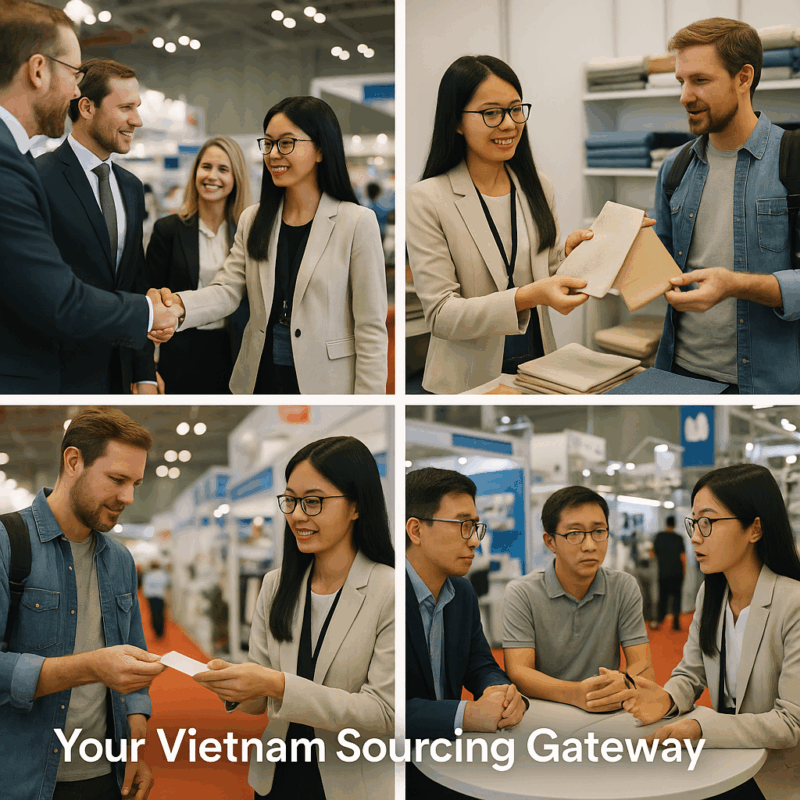
To cultivate thriving relationships, western businesses should prioritize clear and consistent communication. This encompasses transparently outlining expectations regarding product quality, delivery timelines, and ethical considerations, as well as actively soliciting feedback from suppliers to identify areas for improvement. Investing in regular face-to-face meetings, when possible, and leveraging technology for seamless information exchange can significantly enhance understanding and build trust.
Another crucial aspect involves adopting a fair and equitable approach to pricing and contract negotiations. While cost-effectiveness is undoubtedly a key consideration in global sourcing, squeezing suppliers to the point of compromising their profitability is a short-sighted strategy that can ultimately jeopardize the stability of the supply chain. Instead, businesses should strive to establish mutually beneficial agreements that allow suppliers to invest in technological upgrades, improve labor standards, and enhance overall operational efficiency.
Furthermore, providing training and support to Vietnamese suppliers can be instrumental in elevating their capabilities and ensuring compliance with international standards. This may entail offering technical expertise, sharing best practices in quality control, and assisting suppliers in obtaining relevant certifications. By investing in the development of their suppliers, companies can not only enhance the quality and reliability of their products but also contribute to the overall competitiveness of the Vietnamese manufacturing sector.
Finally, recognizing and celebrating the achievements of Vietnamese suppliers can foster a sense of partnership and loyalty. This can take various forms, such as publicly acknowledging their contributions in corporate communications, providing preferential treatment in future contracts, or offering financial incentives for exceeding performance targets. By demonstrating genuine appreciation for their suppliers’ efforts, companies can cultivate enduring relationships that are built on mutual respect, trust, and a shared commitment to success.
Ready to forge strong, ethical partnerships? Master the best practices for finding and collaborating with Vietnamese suppliers to achieve low-cost, sustainable manufacturing by 2025.
To protect sourcing quality, buyers working with Vietnamese suppliers can arrange Vietnam quality control inspections during production and coordinate pre-shipment inspection in Vietnam before goods are shipped.
Vietnam Biz Rep helps overseas buyers find suppliers, verify factories, coordinate samples, inspect goods, and follow up production in Vietnam. Learn more about our Vietnam sourcing agent services or contact us to discuss your sourcing requirements.
