


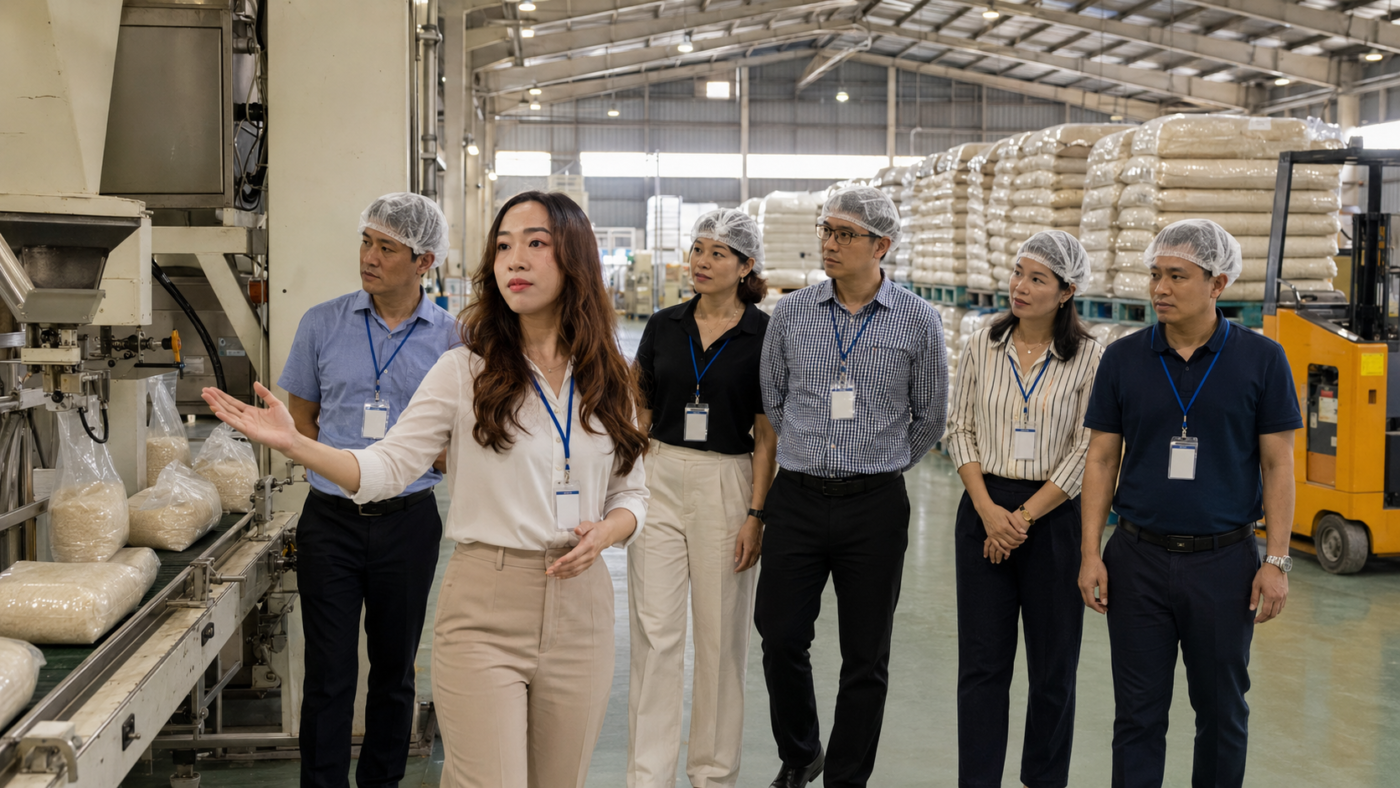
Vietnam is a significant supplier of broken rice to global B2B markets — particularly for food processing, animal feed, brewing, and starch industries. For overseas buyers evaluating Vietnam broken rice suppliers, understanding the product grades, applicable quality standards, and supplier verification requirements is essential before committing to a commercial order. This guide covers what buyers need to know about sourcing broken rice from Vietnam and how Vietnam Biz Rep supports buyer-side due diligence in this market.
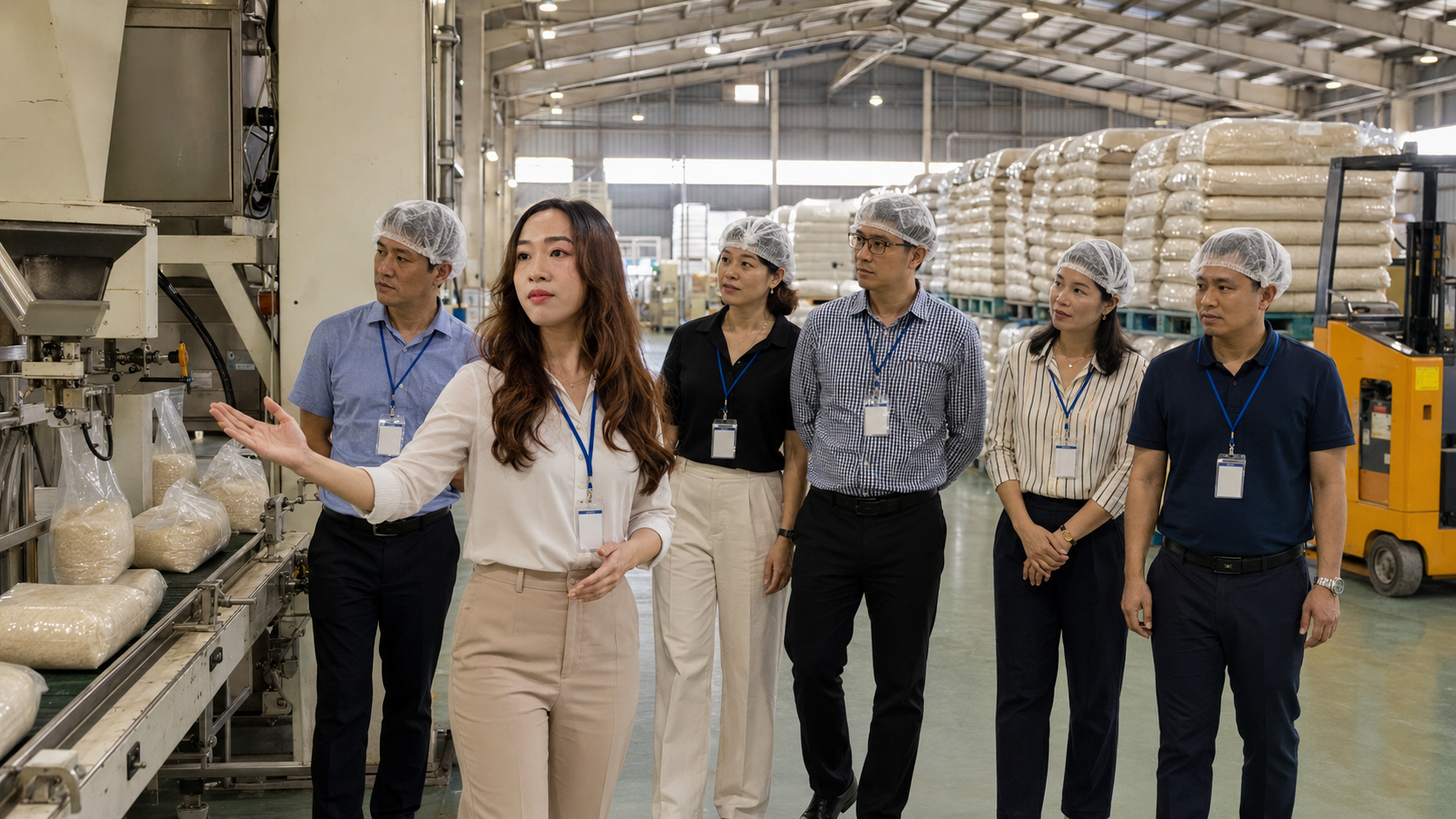
Understanding Broken Rice as an Export Product
Broken rice — also referred to as brisure, tấm, or percentage broken — is rice grain that has been broken during the milling process. It is classified by the percentage of the grain that has fractured: 5% broken, 25% broken, 100% broken (full brisure), and various intermediate grades. While whole grain rice commands higher prices in retail food markets, broken rice is traded in substantial volumes for industrial and bulk food applications.
Vietnam’s rice milling industry generates significant quantities of broken rice as a natural byproduct of white rice production. Rather than discarding this product, Vietnamese mills export broken rice as a distinct commodity category to markets across Asia, Africa, the Middle East, and Europe — where it is valued for different applications than whole grain rice.
Common Uses of Broken Rice in B2B Markets
- Food processing: Rice flour production, noodle manufacturing, snack food processing
- Brewing and fermentation: Used as an adjunct in beer production and rice wine fermentation
- Starch production: A feedstock for rice starch extraction
- Animal feed: A high-energy feed ingredient for poultry and aquaculture operations
- Human consumption (bulk): Used in prepared food, congee, and rice porridge products in certain markets
Grades and Specifications of Vietnam Broken Rice
Buyers sourcing broken rice from Vietnam need to specify the grade clearly, as pricing and suitability vary significantly between grades. The key specifications that buyers should define in their purchase contract include the broken percentage range (e.g., 25% or 100% broken), moisture content (typically 14% maximum), foreign matter tolerance, and — for food applications — the presence of any contaminants or chemical residues that could affect end-product safety.
25% Broken Rice
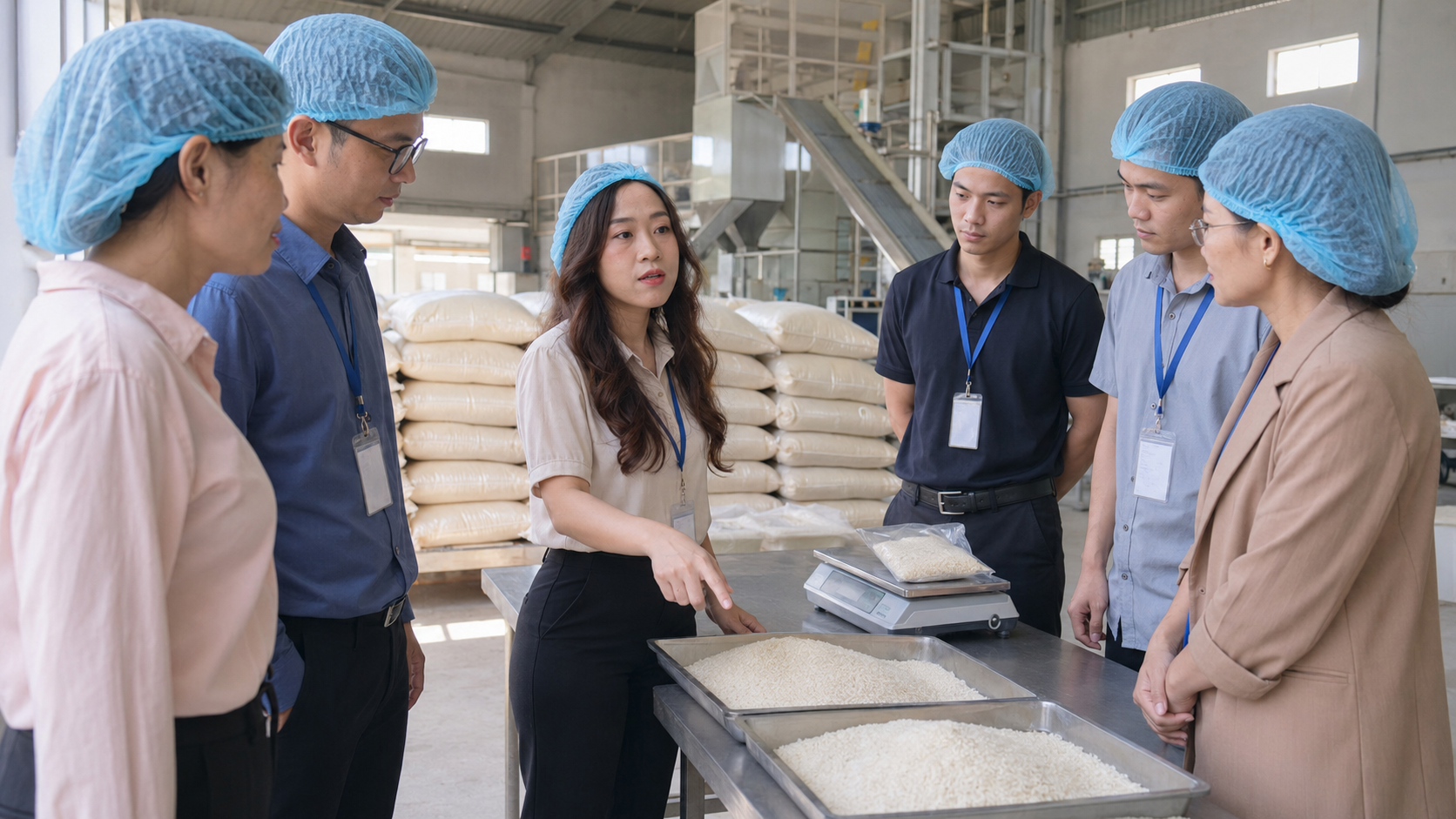
One of the most commonly exported grades from Vietnam, 25% broken rice is widely traded in West African food markets where it is used for direct human consumption. It occupies a middle position between premium whole grain rice and full brisure — offering accessible pricing while maintaining suitability for traditional rice consumption in high-broken-content tolerant markets.
100% Broken Rice (Full Brisure)
Full brisure — rice with 100% broken grains — is the grade most commonly used for industrial applications including rice flour milling, starch extraction, and brewing. Its pricing reflects the absence of whole grain premium. For industrial buyers, full brisure from Vietnam is a cost-effective feedstock, but quality parameters — particularly moisture, mold contamination, and pesticide residues — must be carefully specified and inspected for food-grade applications.
Finding and Verifying Broken Rice Suppliers in Vietnam
Most of Vietnam’s broken rice supply comes from rice mills in the Mekong Delta that produce it as a byproduct of their white rice milling operations. Some suppliers specialize in broken rice export to specific markets, while others offer broken rice alongside their primary whole grain rice export business.
Key Verification Points for Broken Rice Suppliers
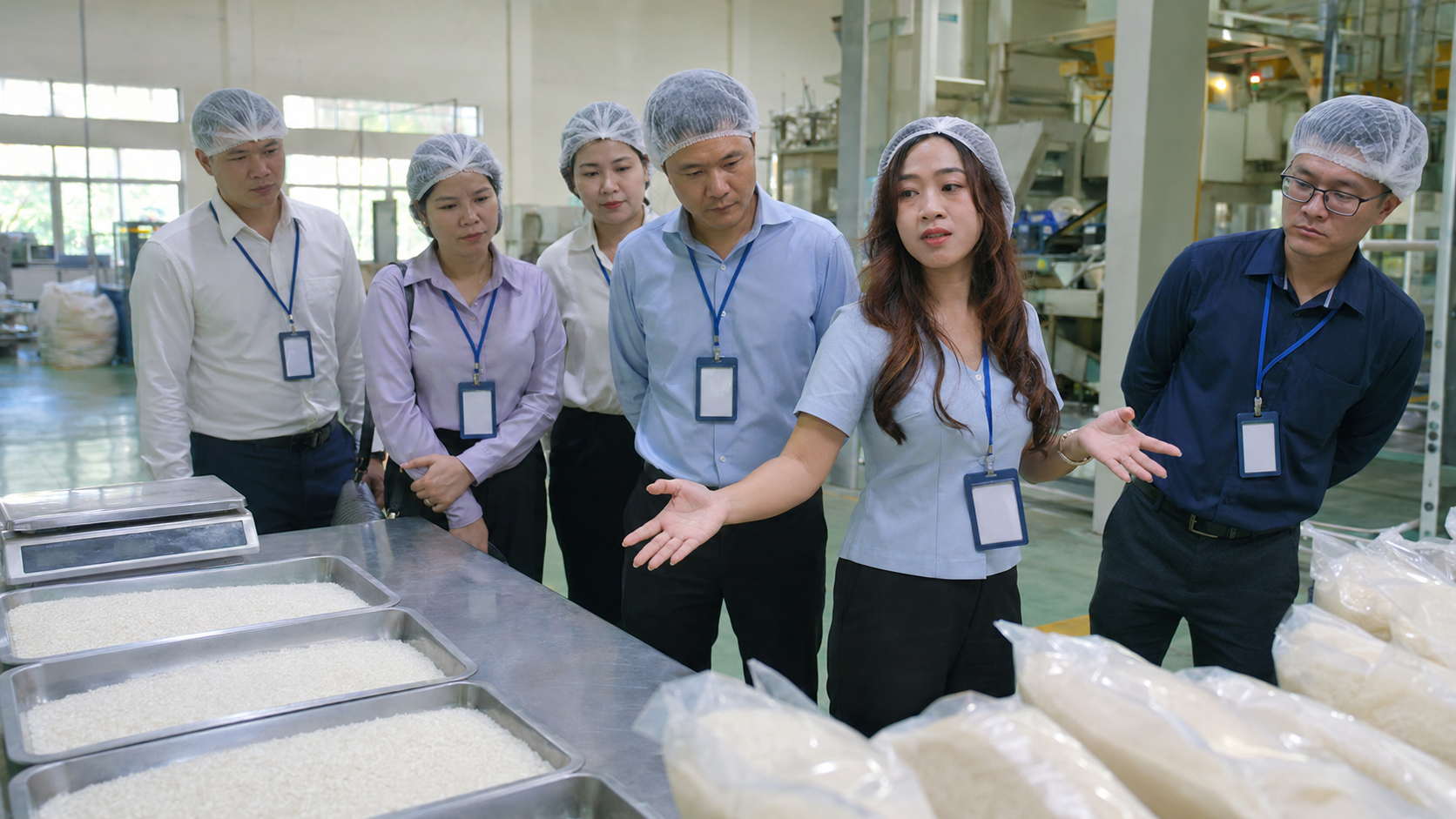
The verification process for broken rice suppliers follows the same framework as for other Vietnamese rice grades, with some specific considerations for the industrial buyer segment.
Export license and food safety certification: Confirm the supplier holds a valid rice export license and — for food-grade broken rice — the appropriate food safety certifications for your destination market. Buyers importing broken rice for food processing into regulated markets (EU, Japan, South Korea, Australia) face particularly strict food safety documentation requirements.
Aflatoxin and mycotoxin risk: Broken rice is more susceptible to mold contamination than whole grain rice due to the damaged grain surface. For food-grade applications, buyers should require laboratory testing for aflatoxin and other mycotoxins as part of the quality inspection process. See our Vietnam rice quality inspection page for details on inspection coordination.
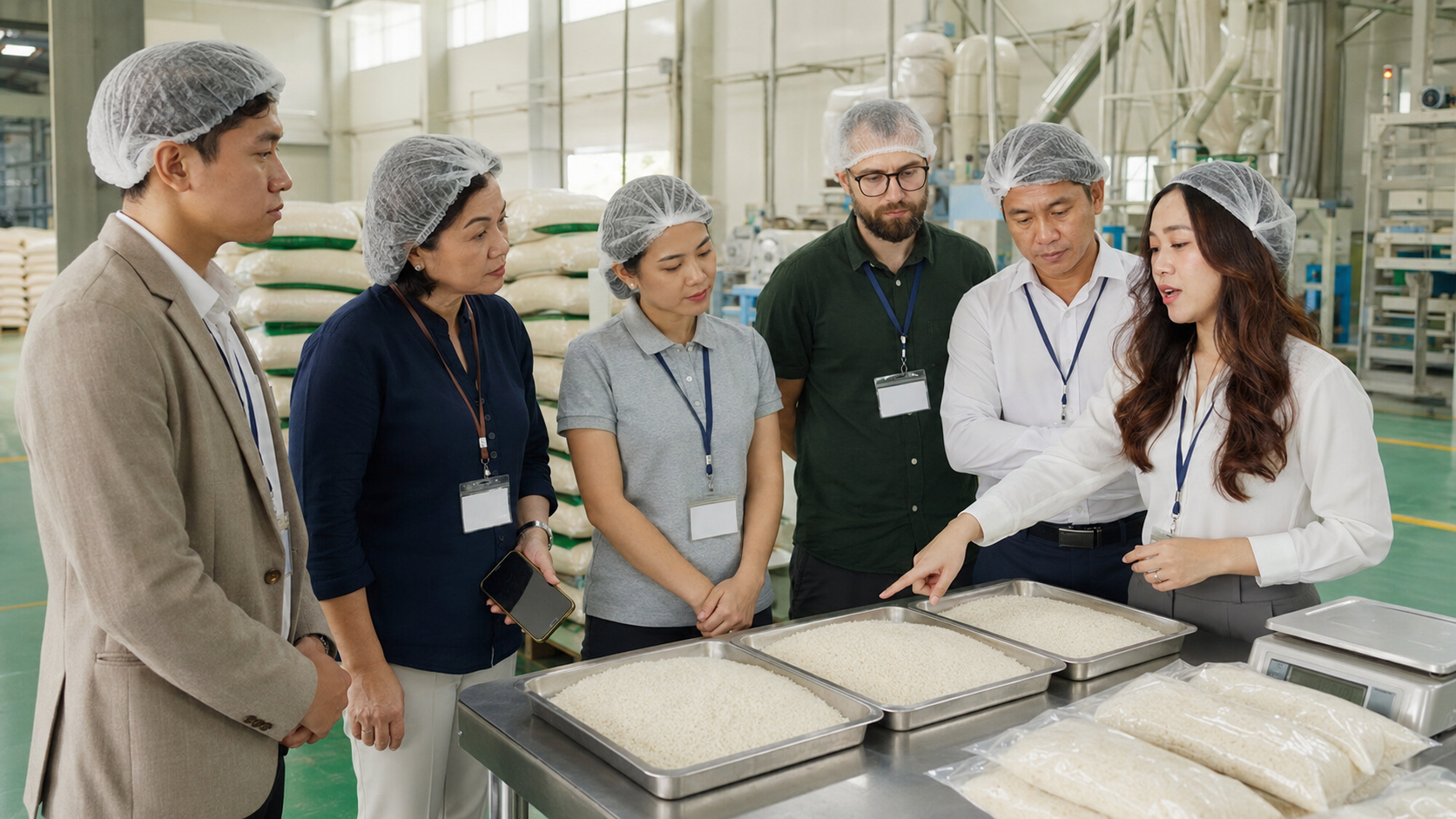
Storage conditions: Broken rice degrades faster than whole grain rice under poor storage conditions. Factory visits to assess warehouse hygiene, ventilation, and moisture control are especially important for broken rice sourcing. Our Vietnam rice factory audit service covers these elements in detail.
Pre-shipment inspection: Given the higher contamination risk profile of broken rice for food-grade applications, pre-shipment inspection is strongly recommended for each commercial shipment. See our Vietnam rice pre-shipment inspection page for the process.
How Vietnam Biz Rep Supports Broken Rice Sourcing
Vietnam Biz Rep operates as a local sourcing representative for overseas buyers — we do not own or operate rice mills and do not earn commissions from suppliers. For buyers evaluating broken rice suppliers in Vietnam, we provide on-ground verification of business registration, export licenses, certifications, and facility conditions, as well as coordination of pre-shipment inspection and export document review.
For broader rice sourcing context, see our Vietnam rice suppliers overview and our rice sourcing agent Vietnam services. For supplier verification that extends beyond rice, our Vietnam sourcing agent and Vietnam supplier verification pages provide the relevant context. We also support our Vietnam rice supplier verification process as the starting point for any new broken rice supplier engagement.
Frequently Asked Questions
Is broken rice from Vietnam safe for food processing?
Broken rice from reputable, food-safety-certified Vietnamese suppliers can be suitable for food-grade applications. The key is ensuring the supplier holds appropriate certifications and that each shipment is inspected for moisture content, foreign matter, and mycotoxin levels before export. Buyers should not rely solely on supplier-issued certificates — third-party inspection provides independent confirmation.
What is the minimum order quantity for broken rice from Vietnam?
MOQs vary by supplier. Container-load quantities (20MT for a 20-foot container, 22–24MT for a 40-foot container) are typical for rice mills. Smaller test orders may be available from trading companies aggregating supply from multiple mills. Buyers should confirm MOQs during the initial supplier inquiry.
How is broken rice priced relative to whole grain rice?
Broken rice is generally priced at a significant discount to whole grain rice of the same variety. The pricing differential between broken grades (25% vs. 100% broken) also varies. Market pricing fluctuates with harvest cycles and global commodity conditions — buyers are advised to request quotes from multiple verified suppliers rather than relying on a single price reference.
Can broken rice be certified as non-GMO or organic?
Some Vietnamese rice mills and farms do produce organic-certified or non-GMO-verified rice, and broken rice from these operations carries the same certification. However, certified organic broken rice represents a small fraction of total supply and is priced accordingly. Buyers should verify certification documentation directly with the certifying body.
What packaging options are available for broken rice exports from Vietnam?
For industrial buyers, bulk packaging in 50kg or 1MT big bags is the most common format. For food processing applications, 25kg bags are also available. Bulk vessel loading is an option for very large volume orders. Packaging specifications — including bag material, weight, and labeling — should be confirmed in writing in the purchase contract.
How do I know if a broken rice supplier is genuine?
The same verification principles apply as for other rice grades: check business registration, confirm the export license, review certification documents, and conduct or commission a facility visit. Do not rely solely on online profiles or self-reported credentials. Our Vietnam rice supplier verification service is designed to provide buyers with independent, on-ground confirmation before any commercial commitment.
Source Vietnam Broken Rice with Confidence
If you are a B2B buyer sourcing broken rice from Vietnam for food processing, animal feed, brewing, or other industrial applications, Vietnam Biz Rep can support supplier identification, on-ground verification, and pre-shipment inspection coordination. Contact us with your product specifications and sourcing requirements to get started.
Contact Vietnam Biz Rep for broken rice supplier verification support →
