
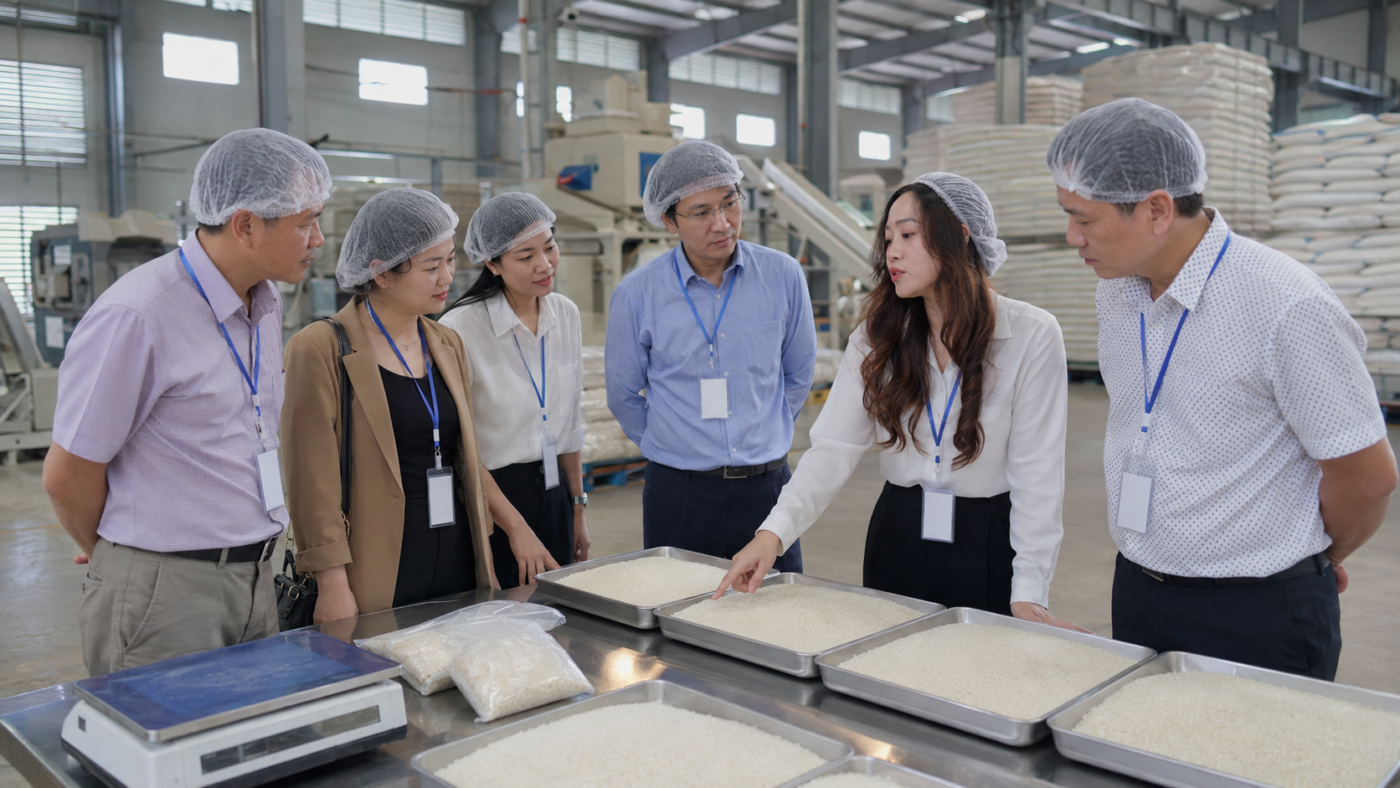
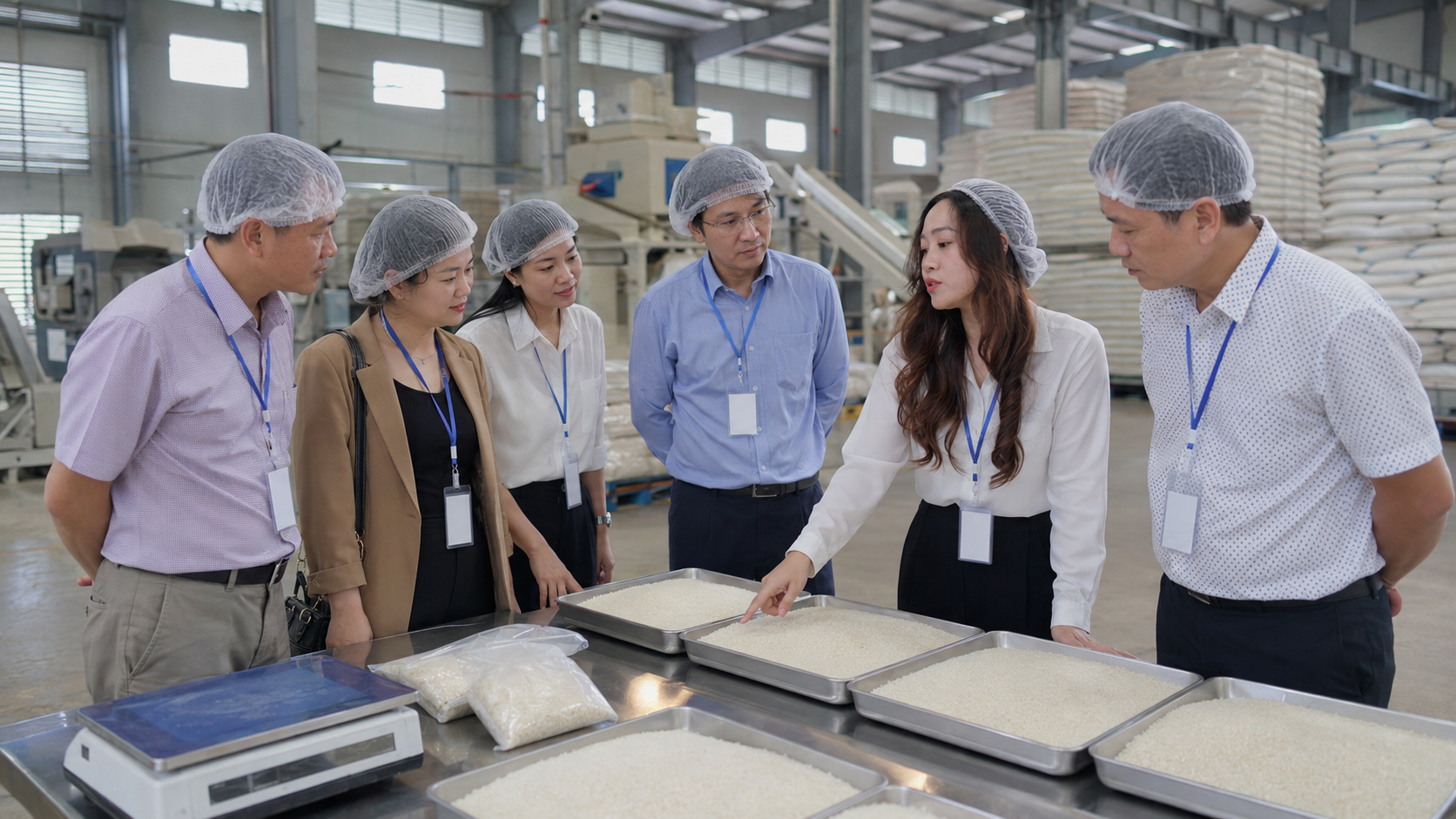
Quality consistency is one of the most critical concerns for overseas buyers importing rice from Vietnam. Even when a supplier has a strong track record, individual shipments can vary in moisture content, broken grain percentage, milling degree, and foreign matter levels. A formal Vietnam rice quality inspection — conducted by a qualified inspector before the goods leave the country — gives buyers objective, third-party evidence of product quality and reduces the risk of costly disputes after arrival.
Why Quality Inspection Matters for Rice Export Buyers
Rice is a commodity that varies significantly in quality depending on growing conditions, variety, milling practices, and storage. A supplier’s product specifications describe the intended grade — but only an inspection conducted on the actual shipment lot confirms whether the product meets those specifications. Quality inspections protect buyers from accepting goods that do not match contract terms, prevent rejection by destination customs or quarantine authorities, and provide documentation to support quality claims with end customers.
For buyers importing into markets with strict food safety regulations — such as the EU, Australia, the Middle East, or the United States — quality inspection certificates are often a prerequisite for customs clearance. Even in less regulated markets, buyers and their end customers expect documented proof of the product grade they paid for.
Key Quality Parameters Checked in Rice Inspection
- Moisture content: High moisture leads to mold, spoilage, and weight loss in transit
- Broken grain percentage: Affects grade classification and customer acceptance
- Milling degree and whiteness: Visual and measurable indicators of processing quality
- Foreign matter and impurities: Presence of stones, husks, or other contaminants
- Chalky/immature grains: Affects appearance and cooking quality
- Aroma and varietal purity: Critical for fragrant rice varieties such as jasmine or ST25
Vietnam Biz Rep’s Role in Rice Quality Inspection
Vietnam Biz Rep does not issue inspection certificates — that is the function of accredited third-party inspection bodies. Our role as a local sourcing representative is to coordinate the inspection process on behalf of the buyer: scheduling the inspection, liaising with the supplier to ensure access, attending the inspection to observe and document the process, and ensuring that the buyer receives the completed inspection report promptly.

Coordinating Third-Party Inspection Bodies
We work with internationally recognized inspection and testing organizations active in Vietnam — including Bureau Veritas, SGS, Intertek, and VINACONTROL — to arrange quality inspections at the supplier’s warehouse or port. The specific inspection body is selected based on the buyer’s requirements, the destination market, and any applicable trade agreements.
Sampling Supervision and Lot Identification
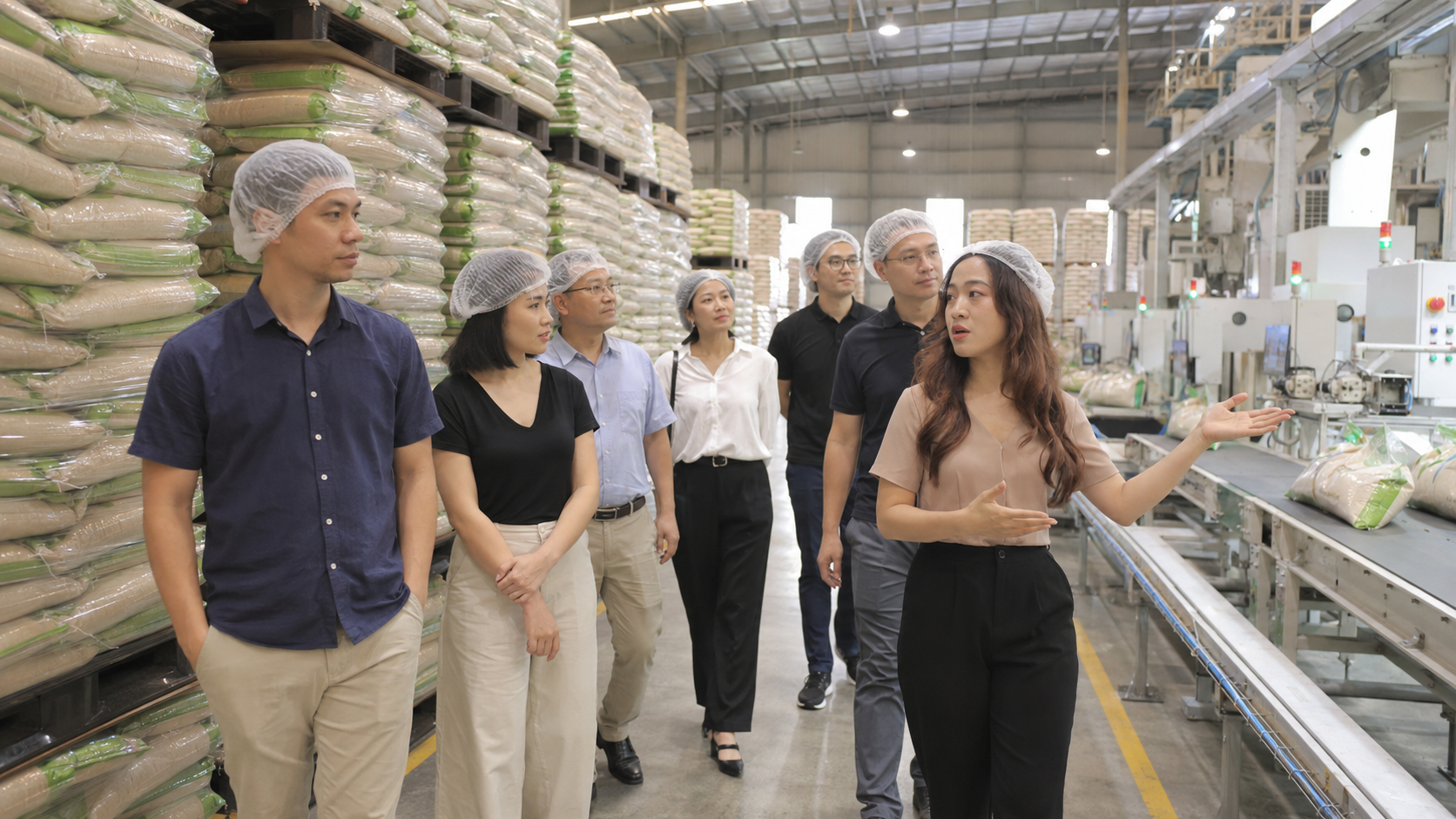
A key element of quality inspection is ensuring that samples are drawn correctly from the shipment lot. Our local representative attends the sampling process, documents which bags or containers are sampled, and ensures sampling procedures are consistent with the inspection standard being applied. This reduces the risk of sampling errors that could compromise the inspection result.
Connecting Inspection to Supplier Verification
Quality inspection is most effective when combined with prior supplier verification. A buyer who has already confirmed the supplier’s legal standing, export license, and facility quality through our Vietnam rice supplier verification service is better positioned to interpret and act on quality inspection findings. See also our Vietnam quality control overview for cross-sector QC support.
Types of Rice Quality Inspections We Coordinate
Pre-Shipment Quality Inspection
Conducted at the supplier’s warehouse or packing facility before goods are loaded. This is the most common type of rice quality inspection for export buyers and provides the clearest picture of the product grade before title passes from seller to buyer.
During-Production Inspection (DPI)
For large orders with extended production timelines, inspections conducted during milling and packing can identify quality deviations early, allowing corrective action before the full order is complete.
Laboratory Analysis Coordination
For buyers whose destination markets require certified laboratory results — covering pesticide residues, heavy metals, mycotoxins, or microbiological parameters — we coordinate sample submission to accredited laboratories in Vietnam. Results are delivered to the buyer alongside the inspection certificate.
Applying This to Specific Rice Varieties
Quality inspection parameters vary by rice variety and export market. Buyers sourcing jasmine rice, fragrant varieties, or specialty grades such as ST25 will have different quality benchmarks than buyers sourcing white milled rice for bulk commodity markets. We ensure the inspection scope and criteria are aligned with the buyer’s specific product requirements and contract terms.
For more information on specific rice types available from Vietnam, see our overviews of Vietnam rice suppliers, rice sourcing agents in Vietnam, and our Vietnam sourcing agent page for broader sourcing context.

Frequently Asked Questions
Who issues the rice quality inspection certificate?
The inspection certificate is issued by the accredited third-party inspection body — such as SGS, Bureau Veritas, or Intertek — that conducts the physical inspection. Vietnam Biz Rep coordinates the process and attends as the buyer’s local representative, but does not issue certificates.
How much advance notice is needed to arrange a quality inspection?
We generally recommend providing at least 5 to 7 business days’ notice before the intended inspection date. Scheduling depends on inspector availability in the supplier’s province and the readiness of the goods for inspection.
Can quality inspection be done at the port of loading?
Yes, inspections can be arranged at port if goods have already been moved there. However, inspections at the supplier’s warehouse before loading are preferable, as any quality issues can be addressed before the goods are containerized.
What happens if the inspection result fails contract specifications?
If the inspection result shows the goods do not meet the contracted grade, we report the findings to the buyer immediately. The buyer can then negotiate with the supplier — requesting rework, replacement, or price adjustment — before accepting the shipment. This is the core value of pre-shipment inspection over destination inspection.
Do you inspect fragrant or specialty rice grades differently?
Yes. Fragrant and specialty rice varieties require additional quality parameters — including aroma assessment, varietal purity testing, and stricter broken grain tolerances. We work with the buyer to define the appropriate inspection scope for the specific variety being sourced.
Arrange a Vietnam Rice Quality Inspection
If you are sourcing rice from Vietnam and want independent quality verification before your shipment is loaded, Vietnam Biz Rep can coordinate the inspection and ensure you receive a complete, certified report. Contact us with your shipment details and product specifications.
Contact Vietnam Biz Rep to arrange rice quality inspection →
