

Unlocking the potential of china importer is paramount for businesses seeking to optimize their supply chains and gain a competitive edge in 2025. This comprehensive guide delves into the intricacies of sourcing strategies, navigating Chinese suppliers, mastering import regulations, and streamlining logistics solutions to ensure a seamless and profitable import process. Within the vietnambizrep category, we’ll equip you with practical insights on negotiating contracts, mitigating risks and challenges, and leveraging market trends to maximize your return on investment when working with China Importers in 2025.
Finding Reliable China Importers: A Comprehensive Guide for Vietnam Businesses
For Vietnamese businesses looking to expand their sourcing options, finding reliable China importers is a crucial step, and this guide serves as a roadmap to navigate the complexities of china importer selection and partnership. Successfully identifying and partnering with trustworthy importers can unlock access to a vast range of products and competitive pricing, ultimately contributing to business growth in Vietnam. The process requires careful research, due diligence, and a strategic approach to ensure long-term, mutually beneficial relationships.
One of the initial steps is to leverage online platforms and trade directories to identify potential China importers. Alibaba, Global Sources, and DHGate are popular platforms, but it’s essential to verify the supplier’s credibility before engaging further. Look for suppliers with verified badges, high ratings, and positive customer reviews. Additionally, attending trade shows in China or Vietnam can provide opportunities to meet potential importers in person and assess their capabilities firsthand.
Before committing to a partnership, it’s vital to conduct thorough due diligence on potential Chinese importers. This includes verifying their business licenses, checking their export history, and requesting references from other clients. Consider engaging a third-party inspection agency like SGS or Bureau Veritas to conduct factory audits and product quality checks. These audits can provide valuable insights into the importer’s production capabilities, quality control processes, and overall reliability.
Beyond online research and due diligence, clearly defining your specific needs is critical for selecting the right China importer. Consider factors such as the product type, quantity required, delivery timelines, and quality standards. Communicate these requirements clearly to potential importers and assess their ability to meet them. This proactive approach minimizes the risk of misunderstandings and ensures a smoother import process.
Finally, securing a legally sound contract is the bedrock of successful collaborations with china importers. The contract should clearly outline product specifications, pricing, payment terms, delivery schedules, and dispute resolution mechanisms. Consulting with legal professionals familiar with international trade law is highly recommended to ensure that the contract adequately protects your business interests. A well-drafted agreement minimizes potential risks and sets the stage for a long and fruitful collaboration.
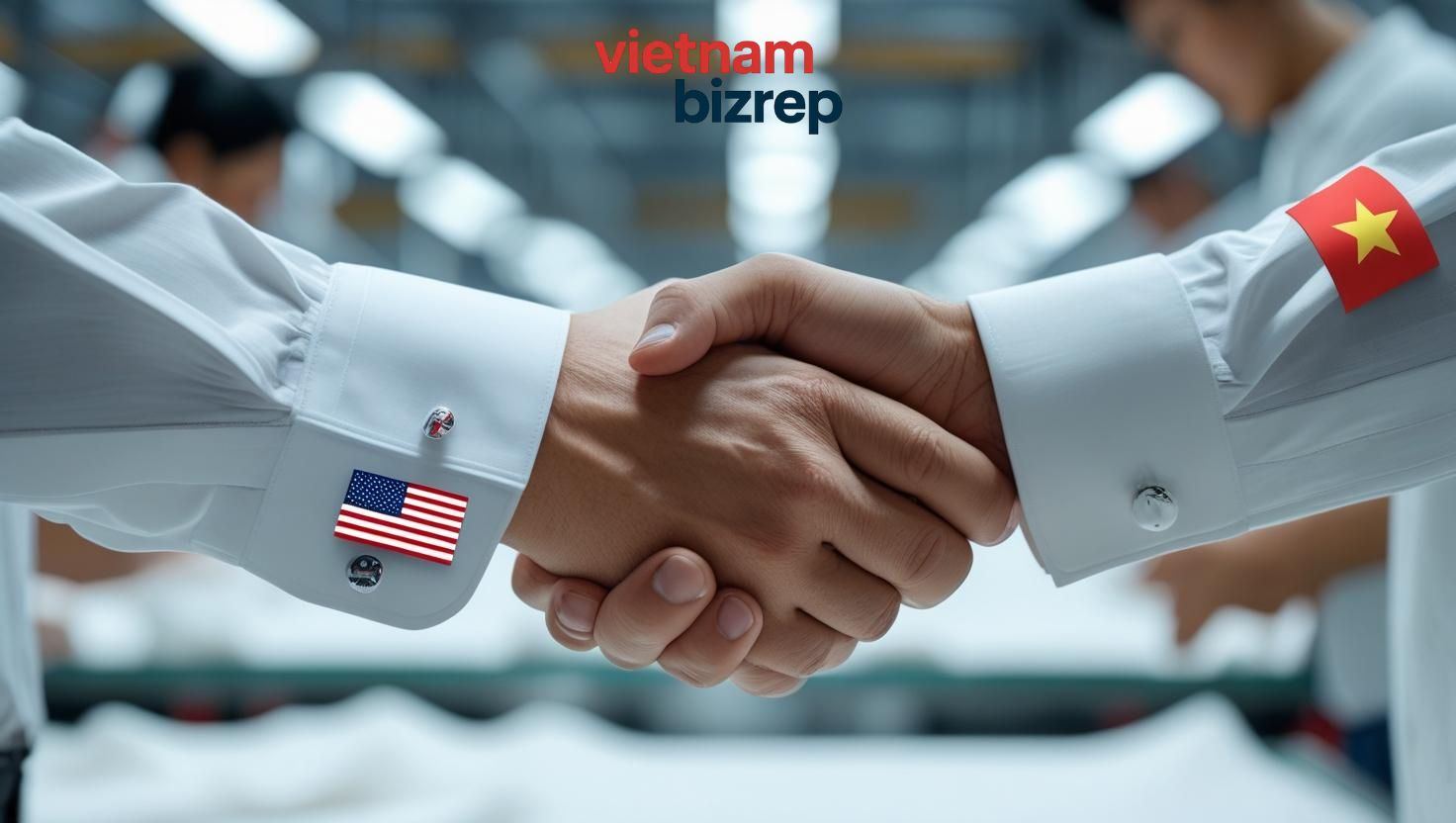
Verifying the Legitimacy of Chinese Suppliers: Due Diligence Checklist
For Vietnam businesses venturing into china importer activities, verifying the legitimacy of Chinese suppliers is paramount to avoid scams, ensure product quality, and build sustainable business relationships. This due diligence process involves a series of checks and investigations aimed at confirming that a potential supplier is a genuine, reliable, and legally operating entity in China. Failure to conduct thorough supplier verification can lead to significant financial losses, legal complications, and reputational damage for your Vietnambizrep.
To effectively assess the credibility of your potential Chinese partners, consider the following due diligence checklist:
- Business License Verification: Always request and meticulously examine the supplier’s business license (营业执照 – yíng yè zhí zhào). Verify its authenticity through the National Enterprise Credit Information Publicity System (NECIPS). This check confirms the supplier’s registered name, registered capital, business scope, legal representative, and establishment date. Any discrepancies or inconsistencies should raise immediate red flags.
- Factory Audit and Site Visit: If possible, conduct an on-site factory audit. This allows you to assess their production capabilities, quality control processes, working conditions, and overall operational scale. Alternatively, consider hiring a reputable third-party inspection agency to conduct the audit on your behalf.
- Trade Record Analysis: Request the supplier’s trade records, including past export documents and customs declarations. This information provides insights into their experience, export volume, and customer base. Cross-reference this data with independent sources to validate its accuracy.
- Financial Stability Check: Inquire about the supplier’s financial health by requesting financial statements or credit reports. Assessing their financial stability can help determine their ability to fulfill large orders and their likelihood of remaining in business long-term.
- References and Testimonials: Request references from existing customers, particularly those in Vietnam or other countries with similar market conditions. Contact these references to gather firsthand feedback on the supplier’s reliability, product quality, and customer service.
- Intellectual Property Rights (IPR) Check: Confirm that the supplier respects intellectual property rights. Ask for proof of ownership or licensing agreements for any patented technologies or designs used in their products. Conduct searches in China’s patent databases to identify any potential IPR infringements.
- Online Reputation Review: Conduct thorough online searches to uncover any negative reviews, complaints, or legal issues associated with the supplier. Utilize platforms like Alibaba, Made-in-China, and industry-specific forums to gather information from other buyers.
- Legal and Regulatory Compliance: Verify that the supplier complies with all relevant Chinese laws and regulations, including environmental protection standards, labor laws, and safety regulations. Non-compliance can lead to production disruptions and legal penalties.
By diligently following this due diligence checklist, Vietnam businesses can significantly reduce the risks associated with importing from China and establish secure, profitable, and long-lasting partnerships with reputable Chinese suppliers. Remember that thorough investigation is an investment that protects your business from potential fraud and ensures a smooth and successful import process.

Navigating Import Regulations and Customs Compliance for ChinaVietnam Trade
For Vietnam businesses looking to streamline their china importer operations, understanding and navigating the complexities of import regulations and customs compliance in China-Vietnam trade is paramount. These regulations are the legal framework governing the flow of goods, requiring meticulous adherence to avoid delays, penalties, and potential legal issues. Mastering these regulations and ensuring full customs compliance will allow you to import efficiently and grow your international business.
Successfully navigating import regulations between China and Vietnam requires a comprehensive understanding of several key aspects. These aspects include accurately classifying goods with the Harmonized System (HS) codes, preparing all necessary documentation such as commercial invoices and packing lists, understanding the applicable tariffs and taxes including VAT and special consumption tax, and adhering to specific import licensing requirements for certain products. For instance, importing machinery might necessitate certificates of origin and quality inspections, whereas food products are subject to stringent sanitary and phytosanitary standards.
One of the critical challenges in China-Vietnam trade lies in the differences between the two countries’ regulatory frameworks. Vietnam’s Circular 39/2018/TT-BTC provides detailed guidelines on customs procedures, inspection, and supervision of imports, while China’s Customs Law of the People’s Republic of China governs their import activities. Staying updated on any amendments or revisions to these legal documents is crucial. It’s a good idea to consult with customs brokers or legal experts specializing in international trade to avoid costly mistakes and ensure that your business remains compliant with both Vietnamese and Chinese law.
To ensure seamless customs compliance, vietnambizrep recommends the following due diligence checklist:
- Accurate product classification using HS codes.
- Complete and accurate import documentation.
- Correct declaration of value for customs purposes.
- Compliance with labeling and marking requirements.
- Adherence to quarantine and sanitary regulations.
- Payment of all applicable duties and taxes.
Proactive preparation and meticulous attention to detail are the cornerstones of smooth China-Vietnam import transactions. By investing in understanding these nuances, businesses can reduce their risk exposure, optimize their supply chains, and establish a reliable channel for international commerce.
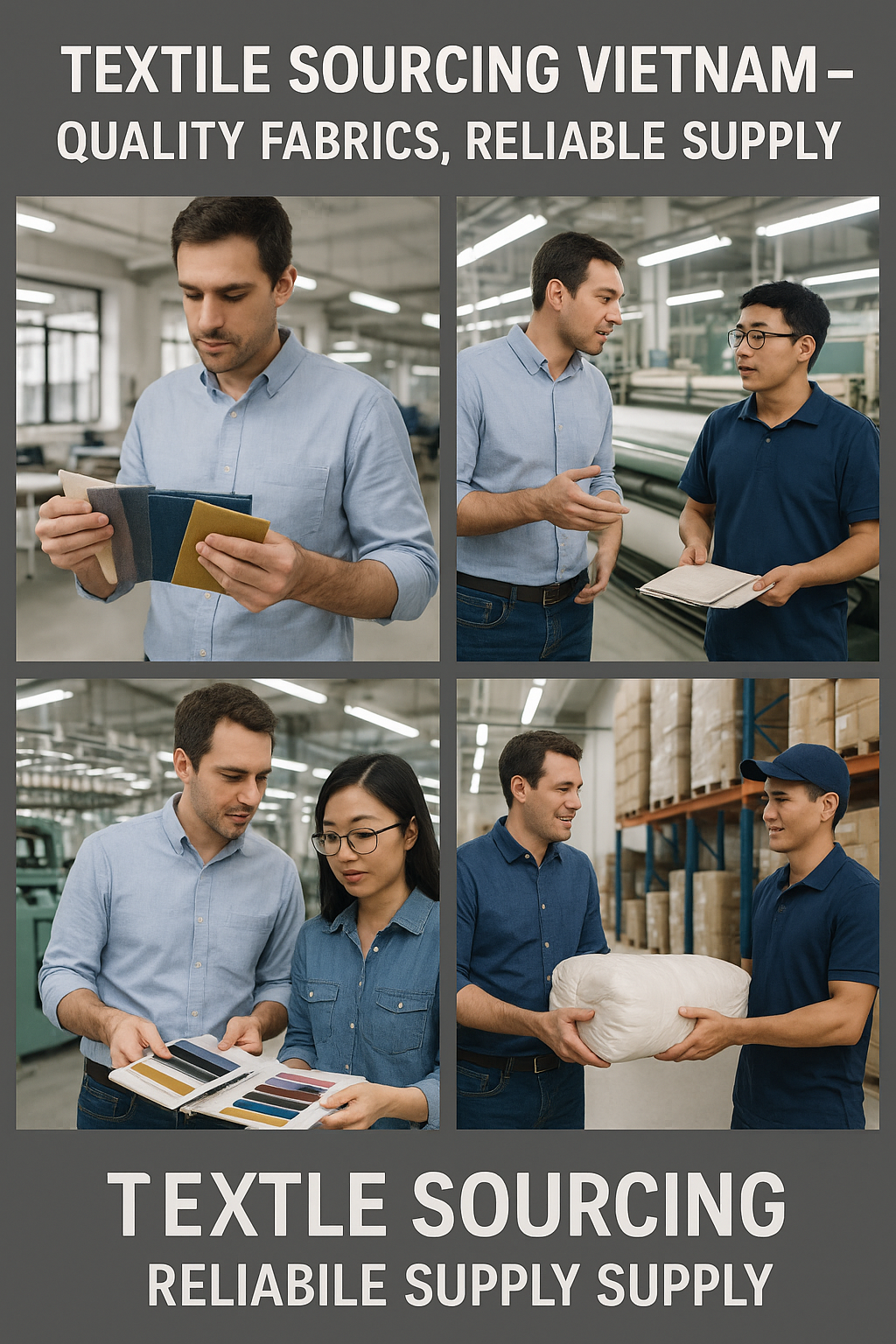
Want to ensure smooth trade operations? Explore Vietnam’s export regulations to avoid costly delays and compliance issues.
Essential Contracts and Agreements for Secure ChinaVietnam Import Transactions
For Vietnam businesses venturing into china importer, establishing a solid legal framework through essential contracts and agreements is paramount to ensuring secure and successful import transactions. These agreements serve as a roadmap, outlining the rights, obligations, and responsibilities of both the Vietnamese importer and the Chinese supplier, thus minimizing potential disputes and safeguarding business interests. By carefully drafting and executing these documents, businesses can mitigate risks associated with international trade and foster long-term, mutually beneficial relationships.
A well-structured sales contract forms the cornerstone of any ChinaVietnam import transaction. This legally binding document meticulously specifies crucial details such as product specifications (including quality standards, materials, and dimensions), agreed-upon pricing, payment terms (currency, payment schedule, and methods), delivery schedules and Incoterms (to clearly define responsibilities for transportation and insurance), and warranty provisions. For instance, specifying the GB standards (Guobiao standards) for product quality within the contract provides a measurable benchmark, reducing ambiguity and potential disagreements later on. Clear and comprehensive clauses related to inspection rights, rejection procedures, and dispute resolution mechanisms are also essential.
Beyond the sales contract, a quality control agreement can further solidify product quality expectations. This agreement outlines the specific quality control procedures that the Chinese supplier must adhere to, including pre-production inspections, in-process inspections, and final inspections before shipment. Incorporating third-party inspection agencies like SGS or Bureau Veritas into the quality control process provides an independent verification layer, enhancing the reliability of the assessment. The agreement should also clearly define the acceptable defect rate (AQL) and the consequences for failing to meet the agreed-upon quality standards.
To protect your intellectual property (IP), particularly if you are importing customized products or proprietary designs, a non-disclosure agreement (NDA) is crucial. This agreement prevents the Chinese supplier from sharing your confidential information, such as designs, specifications, or manufacturing processes, with competitors or unauthorized parties. Moreover, consider including a non-compete clause to restrict the supplier from producing similar products for other clients within a specified geographic region or market segment. This clause can offer an additional layer of protection against potential competition.
Finally, a well-defined dispute resolution clause is essential for addressing disagreements that may arise during the import process. This clause should specify the preferred method of dispute resolution, such as arbitration or litigation, and the governing law that will be applied. Choosing a neutral arbitration body, such as the China International Economic and Trade Arbitration Commission (CIETAC), can provide an impartial forum for resolving disputes. Clear procedures for communication, documentation, and escalation are also vital to ensure a fair and efficient resolution process.

Minimizing Risks in ChinaVietnam Importing: Protecting Your Business
For Vietnamese businesses engaged in china importer activities, understanding and actively minimizing risks is crucial for protecting your investment and ensuring sustainable profitability. This section delves into proactive strategies to safeguard your business throughout the ChinaVietnam import process, from identifying potential pitfalls to implementing robust mitigation measures. By taking a strategic approach to risk management, vietnambizrep empowers your business to navigate the complexities of international trade with confidence.
One of the primary areas of concern is supplier risk, encompassing issues such as product quality deviations, delivery delays, and even fraudulent activities. Implementing a rigorous due diligence process before committing to any supplier is paramount. This includes verifying their business licenses, checking their credit history, and conducting factory audits to assess their production capabilities and quality control systems. For example, consider requesting sample products and subjecting them to thorough testing before placing a large order. Furthermore, independent inspection services can provide on-site quality checks during production, minimizing the risk of receiving substandard goods.
Another critical aspect is financial risk, which can arise from currency fluctuations, payment disputes, or unexpected changes in import duties. To mitigate these risks, consider using secure payment methods such as letters of credit or escrow services, which offer greater protection than traditional wire transfers. Negotiating favorable payment terms with suppliers, such as staged payments based on milestones, can also help to reduce your financial exposure. Staying informed about changes in exchange rates and trade policies is equally essential for proactive financial planning.
Logistical risk is also a significant concern, encompassing potential disruptions to the supply chain due to factors such as port congestion, shipping delays, or customs clearance issues. To minimize these risks, it’s advisable to work with experienced freight forwarders who have a strong understanding of ChinaVietnam trade routes and customs regulations. Diversifying your shipping options, such as using a combination of sea and air freight, can also provide greater flexibility and resilience in the event of unforeseen circumstances. Furthermore, securing cargo insurance can protect your business against financial losses due to damage or loss of goods during transit.
Here are some steps:
- Due Diligence: Thoroughly vet potential suppliers before entering into agreements.
- Secure Payments: Utilize letters of credit or escrow services for added security.
- Quality Control: Implement rigorous inspection processes at various stages of production.
- Logistics Planning: Partner with experienced freight forwarders and diversify shipping options.
- Insurance Coverage: Secure cargo insurance to protect against loss or damage during transit.
By proactively addressing these key risk areas, Vietnamese businesses can significantly enhance their success in ChinaVietnam importing.

Payment Methods for China Importers: Secure and Cost-Effective Options
Choosing the right payment methods is crucial for China importers to ensure secure and cost-effective transactions. As a Vietnam business engaged in China-Vietnam trade, understanding the nuances of various payment options can significantly impact your profitability and risk mitigation efforts. Navigating the complexities of international trade finance requires careful consideration of factors such as security, fees, exchange rates, and the supplier’s preferences.
Selecting the appropriate payment method when importing from China involves evaluating several factors. Considerations should include transaction costs, security protocols, the relationship with your Chinese supplier, and the volume and frequency of your imports. Establishing trust through consistent communication and mutually beneficial arrangements is a foundation for successful and secure transactions.
Here’s a breakdown of popular payment methods, helping you navigate the landscape:
- Telegraphic Transfer (T/T): A common method for China importers, Telegraphic Transfer (T/T) involves direct bank-to-bank transfers. While often favored for its speed, it’s advisable to negotiate a partial upfront payment (e.g., 30%) and the remaining balance upon completion or shipment of goods. This protects you from potential fraud.
- Letter of Credit (L/C): Letter of Credit (L/C) offer a high level of security, especially for large transactions or when working with new suppliers. An L/C is a guarantee from a bank that payment will be made upon presentation of specific documents, ensuring compliance with the agreed-upon terms. Although more secure, L/Cs involve higher fees and complexity.
- Escrow Services: Platforms like Alibaba Trade Assurance act as intermediaries, holding payment until the buyer confirms receipt and satisfaction with the goods. Escrow services provide a layer of protection against scams and non-conforming products.
- PayPal: While convenient for smaller transactions and sample orders, PayPal may not be the most cost-effective for large import volumes due to its relatively higher fees. However, its buyer protection policies can be beneficial.
- RMB Payment (Cross-Border RMB): Paying in Chinese Yuan (RMB) can sometimes offer better exchange rates and simplify transactions if your bank supports Cross-Border RMB payments. Discuss this option with your supplier to see if it’s mutually beneficial.
By carefully evaluating these payment methods and considering your specific business needs, you can minimize risks and optimize your China import operations with vietnambizrep.

Building Long-Term Relationships with China Suppliers: A Strategy for Success
Establishing long-term relationships with China suppliers is crucial for Vietnam businesses aiming for consistent quality, reliable sourcing, and competitive pricing within the dynamic landscape of china import. Building these enduring partnerships transcends mere transactional interactions; it requires a strategic approach focused on mutual benefit, trust, and open communication, ensuring a stable and predictable supply chain for your business in Vietnam. By investing in robust supplier relationships, Vietnamese companies can mitigate risks associated with fluctuating market conditions, secure favorable terms, and gain a competitive edge in the global marketplace.
Cultivating trust forms the bedrock of any successful long-term partnership with Chinese suppliers. This involves demonstrating reliability in your own commitments, such as adhering to payment schedules and clearly communicating your needs and expectations. Regular face-to-face meetings, though sometimes challenging, can significantly enhance understanding and build rapport, allowing for a deeper connection beyond just business transactions. Furthermore, proactively addressing any issues or concerns that arise promptly and constructively fosters a sense of mutual respect and strengthens the partnership’s foundation.
Open and transparent communication is paramount in maintaining a healthy and productive relationship with your Chinese suppliers. Clearly articulate your product specifications, quality standards, and delivery deadlines to avoid misunderstandings and ensure that your supplier is fully aware of your requirements. Regular communication through various channels, such as email, phone calls, and video conferences, helps to keep both parties informed of any changes or challenges that may arise. Providing feedback, both positive and constructive, allows your supplier to continuously improve their performance and better meet your evolving needs.
To safeguard your business interests, establishing clear contractual agreements that outline the terms and conditions of your partnership is vital for mitigating potential risks and fostering a stable relationship with your china suppliers. These agreements should encompass crucial aspects such as product quality, pricing, delivery schedules, and intellectual property protection. A well-defined contract serves as a safeguard, ensuring both parties are protected and aware of their obligations, thus building a foundation of trust and promoting a successful, long-term collaboration in the china import sector.
Beyond the transactional aspects, demonstrating a genuine interest in your China suppliers’ business and well-being can significantly strengthen the relationship. This can involve understanding their business challenges, offering support where possible, and celebrating their successes. Showing appreciation for their efforts, whether through verbal recognition or small gestures of gratitude, can go a long way in building goodwill and fostering a sense of loyalty. By treating your suppliers as valued partners rather than just vendors, you can create a mutually beneficial relationship that lasts for years to come.
Remember, building lasting relationships with China suppliers is an ongoing process that requires consistent effort, commitment, and a genuine desire to create a mutually beneficial partnership. By focusing on trust, communication, and respect, Vietnamese businesses can unlock the full potential of their sourcing relationships and achieve sustainable success in the competitive global marketplace, solidifying their position as effective china importers.
Optimizing Logistics and Shipping from China to Vietnam: Best Practices
Effectively optimizing logistics and shipping is crucial for Vietnam businesses engaged in china importer activities, impacting both cost and efficiency of the supply chain. A streamlined shipping process from China to Vietnam translates directly into improved profitability and competitiveness for Vietnamese enterprises sourcing goods from China.
-
Strategic Route Selection: Determining the optimal shipping route is paramount. Consider factors such as transit time, cost, and the nature of your goods. Direct routes, while potentially faster, might be more expensive. Indirect routes, involving transshipment at ports like Singapore or Hong Kong, could offer cost savings. Analyze historical data and market trends to identify the most efficient and cost-effective paths. For example, using railway lines through Guangxi can sometimes be quicker than sea freight for goods destined for Northern Vietnam.
-
Leveraging Incoterms: Understanding and utilizing Incoterms correctly is essential for clarity in responsibilities and cost allocation between the china importer and the supplier. Common Incoterms used in China-Vietnam trade include FOB (Free on Board), CIF (Cost, Insurance and Freight), and DDP (Delivered Duty Paid). FOB places responsibility for shipping and insurance on the china importer once the goods are loaded onto the vessel, while CIF includes the cost of shipping and insurance to the destination port. DDP places the entire burden of shipping and import duties on the supplier. Choosing the appropriate Incoterm based on your business capabilities and risk tolerance is vital.
-
Consolidating Shipments: For businesses importing smaller quantities, consolidating shipments can lead to significant cost reductions. Combining multiple smaller shipments into a single, larger shipment leverages economies of scale. Consider working with freight forwarders who offer consolidation services, allowing you to share container space with other china importers.
-
Technology Adoption: Embrace technology to enhance visibility and control over your supply chain. Utilize tracking systems to monitor the movement of your goods in real-time. Implement warehouse management systems (WMS) to optimize inventory levels and streamline operations. Data analytics can help identify bottlenecks and inefficiencies in the shipping process, enabling you to make data-driven decisions.
-
Working with Reliable Logistics Partners: Selecting the right logistics partners is a critical decision. Look for companies with a proven track record of successful China-Vietnam shipments, experience in handling your specific type of goods, and a strong network of contacts. A reliable freight forwarder can navigate the complexities of customs clearance, documentation, and transportation, ensuring a smooth and efficient shipping process.
-
Negotiating Rates and Contracts: Actively negotiate shipping rates with logistics providers to secure competitive pricing. Establish clear contracts outlining service levels, responsibilities, and dispute resolution mechanisms. Regularly review your contracts to ensure they remain aligned with your business needs and market conditions.
-
Optimizing Packaging: Packaging plays a vital role in protecting your goods during transit and minimizing shipping costs. Use appropriate packaging materials to prevent damage and breakage. Optimize package dimensions to reduce volumetric weight, which can significantly impact shipping charges. Explore options like flat-pack furniture to reduce space.
By implementing these best practices, vietnambizrep can help china importers streamline their logistics and shipping operations, reduce costs, and improve the overall efficiency of their China-Vietnam trade.
Struggling with shipping goods efficiently? Discover best practices for freight forwarding in Vietnam to optimize your supply chain.
Vietnam Biz Rep helps overseas buyers find suppliers, verify factories, coordinate samples, inspect goods, and follow up production in Vietnam. Learn more about our Vietnam sourcing agent services or contact us to discuss your sourcing requirements.
