
In today’s globalized market, a reliable Vietnam freight forwarder is not just a service, but a crucial partner for businesses aiming to optimize their supply chains and ensure seamless international trade. This article, categorized under vietnambizrep, delves into the multifaceted world of freight forwarding in Vietnam, exploring key aspects such as customs clearance processes, different shipping methods (sea freight, air freight, road transport), warehouse and distribution solutions, and the critical role of supply chain management. We will also analyze the factors to consider when choosing the right freight forwarder, examine the impact of international trade agreements on the industry, and provide practical insights into navigating the evolving landscape of logistics in Vietnam in 2025. By understanding these elements, businesses can make informed decisions to enhance their operational efficiency and achieve a competitive edge in the global marketplace.
What is a Vietnam Freight Forwarder and Why Do You Need One?
Navigating the complexities of international trade with Vietnam requires expertise, and that’s where a Vietnam freight forwarder steps in as a crucial partner. Essentially, a freight forwarder acts as an intermediary between you, the shipper, and various transportation services, managing the intricate logistics of moving goods to or from Vietnam. They orchestrate the entire shipping process, ensuring cargo reaches its destination efficiently and cost-effectively, providing invaluable assistance in the dynamic landscape of Vietnam’s import and export market.
Why, then, is engaging a Vietnam freight forwarder so essential? The answer lies in the multifaceted challenges of international shipping.
- Navigating complex regulations: Vietnam’s trade regulations can be intricate and constantly evolving. A local freight forwarder possesses up-to-date knowledge of these regulations, ensuring compliance and preventing costly delays or penalties.
- Optimizing logistics: From selecting the most appropriate mode of transport (sea freight, air freight, or a combination) to negotiating competitive rates, freight forwarders optimize the entire logistics chain. They leverage their established relationships with carriers and other service providers to secure the best possible terms for your shipments.
- Mitigating risks: International shipping inherently involves risks, such as damage, loss, or delays. A freight forwarder helps mitigate these risks by providing cargo insurance options, ensuring proper packaging and handling, and proactively addressing potential issues that may arise during transit.
- Focusing on your core business: By entrusting your shipping needs to a reliable freight forwarding company, you can free up valuable time and resources to focus on your core business activities, such as product development, sales, and marketing.
- Vietnam freight forwarders such as vietnambizrep are your local export & import experts!
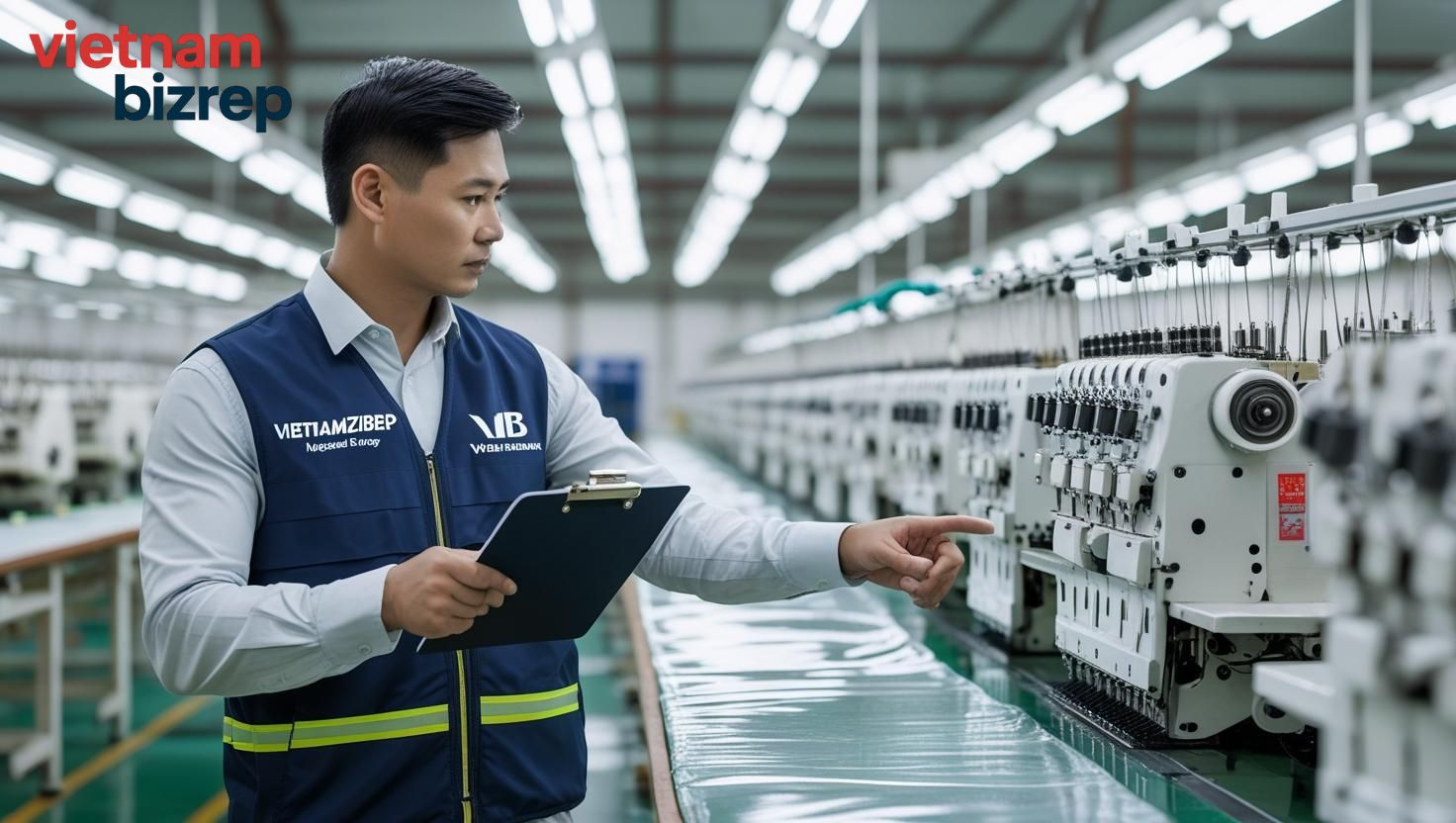
Curious about import possibilities? See what we can import from Vietnam to grow your business.
Key Services Offered by Vietnam Freight Forwarders
Vietnam freight forwarders play a crucial role in facilitating international trade by offering a comprehensive suite of services designed to streamline the movement of goods to and from Vietnam. These services extend beyond simply moving cargo; they encompass a wide range of logistics solutions tailored to meet the diverse needs of businesses engaged in import and export activities. From navigating complex customs regulations to optimizing transportation routes, freight forwarders in Vietnam act as invaluable partners, ensuring efficient and cost-effective supply chain management.
One of the core offerings of a Vietnam freight forwarder is international freight (air & sea). This involves coordinating the transportation of goods via air or ocean carriers, depending on factors such as speed, cost, and the nature of the cargo. Vietnambizrep can assist in selecting the optimal mode of transport and negotiating competitive rates with various carriers. Whether you’re shipping small parcels or oversized equipment, a reliable freight forwarder will manage every aspect of the process, from booking cargo space to tracking shipments in real-time.
- Customs Brokerage: Navigating Vietnam’s customs regulations can be daunting. Freight forwarders offer customs brokerage services, handling all necessary documentation, duty payments, and compliance procedures to ensure smooth clearance of goods.
- Warehousing and Distribution: Many Vietnam freight forwarders provide warehousing and distribution solutions, offering secure storage facilities and efficient order fulfillment services.
- Inland Transportation: Coordinating the movement of goods within Vietnam is crucial. Inland transportation services, including trucking and rail transport, ensure seamless delivery to final destinations.
- Project Cargo Handling: For oversized or complex shipments, project cargo handling expertise is essential. Freight forwarders offer specialized services for managing these challenging logistical undertakings.
Factors to Consider When Choosing a Vietnam Freight Forwarder
Selecting the right Vietnam freight forwarder is a critical decision that can significantly impact the efficiency and cost-effectiveness of your supply chain. Choosing a suitable partner amongst numerous freight forwarding companies in Vietnam demands careful consideration of several key factors. This section outlines the essential aspects to evaluate when seeking a reliable and efficient freight forwarder to manage your shipping needs in Vietnam.
Experience and Expertise in Your Industry:
A crucial aspect to consider is the experience and expertise of the freight forwarder in your specific industry. A freight forwarding provider specializing in your industry will possess in-depth knowledge of the unique challenges and requirements associated with shipping your goods. For instance, a company dealing with perishable goods requires a freight forwarder with experience in temperature-controlled transportation and handling specific customs regulations. Conversely, a business importing textiles will benefit from a forwarder familiar with import quotas, tariffs, and compliance standards related to the garment industry in Vietnam.
Network and Coverage:
The network and coverage of a Vietnam freight forwarder directly influence their ability to handle shipments efficiently across different regions and countries. A strong network includes established relationships with carriers, customs brokers, and warehousing facilities, both within Vietnam and internationally. A freight forwarder with extensive coverage can offer more flexible routing options, faster transit times, and better control over your cargo. Therefore, Vietnambizrep can provide a more competitive edge in the market by ensuring smooth and reliable logistics operations.
Technology and Visibility:
In today’s fast-paced global trade environment, technology and visibility are indispensable for effective supply chain management. A reputable Vietnam freight forwarder should leverage advanced technology solutions to provide real-time tracking, data analytics, and seamless communication. Transportation Management Systems (TMS) and supply chain visibility platforms can provide end-to-end visibility of your shipments, enabling you to monitor progress, identify potential disruptions, and make informed decisions.
Customer Service and Communication:
Effective customer service and communication are paramount when selecting a Vietnam freight forwarder. A responsive and proactive freight forwarder will keep you informed about the status of your shipments, promptly address any concerns or queries, and offer personalized support tailored to your specific needs. Clear and timely communication can help prevent misunderstandings, minimize delays, and build a strong, long-term partnership.
Pricing and Transparency:
While cost is undoubtedly a significant consideration, it’s essential to prioritize pricing and transparency when evaluating Vietnam freight forwarders. Seek a forwarder that provides clear, detailed quotes that outline all applicable charges, including transportation costs, customs duties, handling fees, and other potential expenses. Avoid companies that offer unrealistically low prices or lack transparency in their billing practices, as this could lead to unexpected costs and complications down the line. Instead, opt for a reliable Vietnam freight forwarder offering competitive pricing alongside transparent and honest service.
Searching for trading partners? Explore opportunities with verified Vietnam traders.
Benefits of Partnering with a Reputable Vietnam Freight Forwarder
Navigating the complexities of international trade in Vietnam requires expertise, and partnering with a reputable Vietnam freight forwarder offers a multitude of advantages. These benefits extend beyond simple transportation, encompassing streamlined logistics, cost optimization, and risk mitigation, all crucial for businesses seeking to thrive in the Vietnamese market. By leveraging the knowledge and network of a reliable freight forwarder, companies can focus on their core competencies while ensuring their goods are transported efficiently and compliantly.
-
Reduced Costs and Improved Efficiency: A key benefit lies in the ability of a freight forwarder to negotiate competitive rates with carriers, optimize shipping routes, and consolidate shipments. Their expertise in supply chain management helps to minimize delays, reduce warehousing costs, and improve overall operational efficiency. For instance, vietnambizrep leverages its established relationships with local carriers to secure preferential pricing, ultimately translating into cost savings for its clients.
-
Simplified Logistics Processes: Managing international shipments involves a complex web of documentation, regulations, and procedures. A Vietnam freight forwarder simplifies this process by handling all necessary paperwork, coordinating with customs officials, and providing end-to-end logistics solutions. This streamlined approach frees up valuable time and resources, allowing businesses to focus on their core activities.
-
Enhanced Compliance and Reduced Risks: Ensuring compliance with Vietnam’s import and export regulations is critical to avoid costly penalties and delays. Reputable freight forwarders possess in-depth knowledge of these regulations and can guide businesses through the compliance process, minimizing the risk of errors and ensuring smooth customs clearance. This expertise is particularly valuable given the ever-evolving nature of international trade regulations.
-
Increased Visibility and Control over Your Supply Chain: Modern freight forwarders utilize advanced technology to provide real-time tracking and visibility of shipments. This allows businesses to monitor their goods throughout the entire shipping process, from origin to destination, enabling proactive management and quick resolution of any potential issues. This level of transparency fosters greater control over the supply chain and enhances decision-making.
-
Access to Expertise and Resources: Partnering with a Vietnam freight forwarder provides access to a team of experienced professionals with in-depth knowledge of the local market. This includes expertise in customs brokerage, warehousing, transportation, and other related services. Companies like vietnambizrep offer customized solutions tailored to meet the specific needs of each client, providing valuable guidance and support throughout the entire logistics process.
Common Challenges in Vietnam Freight Forwarding and How to Overcome Them
Navigating the complexities of vietnam freight forwarding presents unique obstacles for businesses. While Vietnam’s growing economy and strategic location offer significant opportunities for international trade, effectively managing freight forwarding operations requires a deep understanding of the local landscape. This section will delve into the common hurdles encountered when shipping goods to and from Vietnam and offer practical strategies to overcome them, ensuring a smoother and more efficient supply chain.
Infrastructure Limitations
Vietnam’s infrastructure, while improving, still faces limitations that can impact freight forwarding. Congestion at ports like Cat Lai in Ho Chi Minh City can lead to delays and increased costs. Similarly, road infrastructure in certain regions may not be suitable for heavy cargo, adding time and complexity to inland transportation. To mitigate these challenges, businesses should:
- Plan shipments well in advance to account for potential delays.
- Consider alternative ports and routes where feasible.
- Partner with a freight forwarder that has strong relationships with local carriers and can navigate infrastructure limitations effectively.
Complex Regulations and Documentation
Vietnam’s regulatory environment for import and export can be complex and constantly evolving. Navigating customs procedures, obtaining the necessary permits, and ensuring compliance with regulations require expertise and attention to detail. Incorrect documentation or a misunderstanding of regulations can result in costly delays, fines, or even shipment seizures. To address this, companies should:
- Engage a customs brokerage service with in-depth knowledge of Vietnamese regulations.
- Maintain meticulous records and documentation for all shipments.
- Stay updated on the latest regulatory changes and ensure compliance.
- Leverage technology solutions that automate documentation processes and provide real-time compliance checks.
Language Barriers
Effective communication is crucial for smooth freight forwarding, but language barriers can pose a significant challenge when working with local partners in Vietnam. Misunderstandings can lead to errors, delays, and increased costs. To overcome this obstacle:
- Partner with a vietnam freight forwarder that has multilingual staff and can effectively communicate with all stakeholders.
- Use clear and concise communication, avoiding jargon and technical terms where possible.
- Employ translation services when necessary to ensure accurate understanding.
Cultural Differences
Cultural nuances can also impact freight forwarding operations in Vietnam. Understanding local customs, business etiquette, and relationship-building practices is essential for successful partnerships. For example, building trust and establishing strong personal relationships are often more important than formal contracts. To navigate these cultural differences:
- Invest time in building relationships with local partners.
- Be patient and understanding of cultural differences in communication styles.
- Seek advice from local experts on business etiquette and customs.
- Respect local customs and traditions to foster positive relationships.
Security Concerns
Like any country, Vietnam faces security concerns related to cargo theft and fraud. Ensuring the safety and security of goods throughout the freight forwarding process is paramount. To minimize security risks, businesses should:
- Work with reputable vietnam freight forwarders that have robust security protocols in place.
- Implement cargo tracking systems to monitor shipments in real-time.
- Consider cargo insurance to protect against potential losses.
- Conduct thorough background checks on all partners and suppliers.
H2: The Role of Technology in Modern Vietnam Freight Forwarding
In today’s rapidly evolving global trade landscape, technology plays a pivotal role in shaping the efficiency and effectiveness of Vietnam freight forwarders. These advancements are not merely supplementary; they are fundamentally transforming how freight forwarding services operate, providing enhanced visibility, control, and optimization across the entire supply chain.
The integration of technology into Vietnam’s freight forwarding industry addresses several key challenges, particularly in overcoming infrastructural limitations and navigating complex regulatory environments. By adopting innovative solutions, freight forwarders can streamline processes, reduce operational costs, and improve overall service delivery.
-
Transportation Management Systems (TMS): TMS platforms enable freight forwarders to optimize routing, manage shipments, and track inventory in real-time. These systems provide a centralized hub for managing all aspects of transportation, from initial booking to final delivery, enhancing efficiency and reducing errors.
-
Supply Chain Visibility Platforms: Real-time tracking and monitoring are now indispensable. Supply chain visibility platforms offer end-to-end transparency, allowing businesses to monitor their shipments at every stage of the journey. This enhanced visibility enables proactive decision-making, minimizing disruptions and improving customer satisfaction.
-
Blockchain Technology: Though still in its early stages of adoption, blockchain holds immense potential for revolutionizing freight forwarding by providing secure and transparent transaction records. This technology can streamline documentation processes, reduce fraud, and enhance trust among stakeholders.
-
Automation and Robotics: Automation in warehousing and logistics operations can significantly improve efficiency and reduce labor costs. From automated guided vehicles (AGVs) to robotic sorting systems, these technologies are transforming how goods are handled and distributed within Vietnam’s supply chain.
The adoption of these technologies is not just about staying competitive; it is about enabling Vietnam freight forwarders to provide superior services, optimize operations, and drive growth in an increasingly interconnected global marketplace. As Vietnam continues to integrate further into global supply chains, the strategic use of technology will be crucial for freight forwarders looking to thrive.
How to Find and Vet Potential Vietnam Freight Forwarders
Finding the right Vietnam freight forwarder is crucial for a smooth and efficient supply chain. Selecting a suitable partner requires careful research and due diligence to ensure they can meet your specific needs and provide reliable freight forwarding services in Vietnam. This section will guide you through the process of identifying and evaluating potential candidates to help you make an informed decision.
The search for a capable freight forwarding company in Vietnam often begins online, but it shouldn’t end there. Let’s delve into several key strategies:
Online Research and Reviews
Start your search by exploring online resources to identify potential Vietnam freight forwarders. Search engines like Google and Bing can provide a list of companies operating in Vietnam. Carefully review their websites, paying attention to their services offered, industry experience, and client testimonials. Check online review platforms such as Trustpilot or industry-specific forums for feedback from other businesses that have used their services. A reputable freight forwarder will typically have a strong online presence and positive reviews highlighting their reliability and expertise.
Industry Associations and Trade Shows
Industry associations, such as the Vietnam Logistics Business Association (VLA), can be valuable resources for finding qualified freight forwarders. These associations often maintain directories of their members, providing a list of pre-screened companies that meet certain industry standards. Attending trade shows and exhibitions related to logistics and supply chain management in Vietnam can also offer opportunities to meet face-to-face with potential partners and learn about their capabilities firsthand. Examples of relevant trade shows include the Vietnam International Logistics Exhibition (VILOG).
Referrals and Recommendations
Leverage your network and seek referrals from other businesses that import or export goods to or from Vietnam. Recommendations from trusted sources can provide valuable insights into the quality and reliability of different freight forwarding companies. Ask about their experiences with specific forwarders, including their communication, responsiveness, and ability to handle challenges.
Due Diligence and Background Checks
Once you’ve identified a shortlist of potential Vietnam freight forwarders, conduct thorough due diligence to verify their credentials and assess their suitability.
Here’s a checklist of key areas to investigate:
- Licensing and certifications: Ensure the forwarder possesses all necessary licenses and certifications to operate legally in Vietnam, including customs brokerage licenses and transportation permits.
- Financial stability: Check the forwarder’s financial stability to ensure they can meet their obligations and handle potential disruptions.
- Insurance coverage: Verify that the forwarder has adequate insurance coverage to protect your goods against loss or damage during transit.
- Compliance record: Investigate the forwarder’s compliance record with relevant regulations, including customs regulations and environmental standards.
- Client references: Request and contact client references to gather feedback on the forwarder’s performance and service quality.
- Security measures: Inquire about the freight forwarder’s security protocols for protecting cargo from theft, damage, and other risks.
By meticulously following these steps, you can significantly increase your chances of partnering with a reputable Vietnam freight forwarder that can effectively manage your logistics needs and contribute to your business’s success.
Navigating the complexities of Vietnam’s freight forwarding regulations and ensuring compliance is crucial for businesses engaged in international trade; understanding these regulations can help streamline operations, avoid costly penalties, and ensure smooth cargo movement. A strong grasp of import/export laws, customs procedures, Incoterms, and necessary licensing significantly impacts the efficiency and profitability of your Vietnam freight forwarder operations.
Understanding and adhering to Vietnam’s import and export regulations is the foundation of compliant freight forwarding. These regulations dictate what goods can enter or leave the country, and they often involve specific documentation requirements, product standards, and potential restrictions based on trade agreements or national security concerns. Businesses need to stay updated on changes in these regulations, as they can impact the types of goods they can ship and the procedures they must follow. For instance, certain products might require special permits from specific government agencies before being imported or exported.
Navigating customs procedures in Vietnam requires meticulous attention to detail. These procedures encompass everything from proper declaration of goods and valuation to payment of duties and taxes. Errors or omissions in customs declarations can lead to delays, fines, or even seizure of goods. Businesses must ensure that all required documentation, such as commercial invoices, packing lists, and certificates of origin, are accurately prepared and submitted on time. A reputable Vietnam freight forwarder can assist in navigating these complex procedures and ensuring compliance with Vietnamese customs laws.
Incoterms (International Commercial Terms) play a vital role in defining the responsibilities of buyers and sellers in international trade transactions. Incoterms specify who is responsible for transportation costs, insurance, and risk of loss at various stages of the shipping process. Familiarizing yourself with common Incoterms such as FOB (Free on Board), CIF (Cost, Insurance, and Freight), and DDP (Delivered Duty Paid) is essential for avoiding disputes and ensuring clarity in your trade agreements. Using the correct Incoterm helps determine the point at which ownership and risk transfer from the seller to the buyer, directly impacting cost allocation and liability.
Operating a freight forwarding business in Vietnam necessitates proper licensing and permits. Obtaining the necessary licenses from the Vietnamese government ensures that your operations are legal and compliant with local regulations. These licenses often involve demonstrating financial stability, technical expertise, and adherence to ethical business practices. Failing to secure the proper licenses can result in legal repercussions and disruptions to your business operations.
Future Trends in Vietnam Freight Forwarding
The future of Vietnam freight forwarding is poised for significant transformation, driven by technological advancements, evolving consumer demands, and the country’s continued economic growth. As a key player in global supply chains, Vietnam’s logistics industry is undergoing rapid modernization, with vietnambizrep committed to staying at the forefront of these changes to best serve its clients. These advancements promise to reshape how goods are transported, managed, and delivered both within and beyond Vietnam’s borders.
One of the most significant future trends is the increased adoption of technology across all aspects of freight forwarding. This includes the implementation of advanced Transportation Management Systems (TMS) for streamlined operations, Supply Chain Visibility Platforms for real-time tracking, and even the exploration of Blockchain technology for enhanced security and transparency. Such technological integrations are essential for optimizing efficiency and reducing operational costs.
The growing ecommerce sector in Vietnam is also a major catalyst for change in the freight forwarding industry. As online shopping continues to surge, the demand for efficient and reliable last-mile delivery services is intensifying. Freight forwarders are adapting by investing in infrastructure, technology, and partnerships to handle the increasing volume of e-commerce shipments and meet the expectations of online consumers. This sector’s expansion necessitates innovative logistics solutions to manage the flow of goods effectively.
Coupled with e-commerce growth is the ongoing expansion of infrastructure throughout Vietnam, including ports, airports, and road networks. These infrastructural improvements are critical for facilitating smoother and faster freight movement, reducing transit times, and lowering transportation costs. The Vietnamese government’s commitment to infrastructure development is further propelling the growth and modernization of the freight forwarding sector.
Finally, there’s a growing focus on sustainability and green logistics within Vietnam’s freight forwarding industry. Businesses are increasingly aware of their environmental impact and are seeking ways to reduce their carbon footprint through eco-friendly transportation options, optimized routing, and sustainable packaging solutions. This shift towards green logistics not only benefits the environment but also enhances brand reputation and appeals to environmentally conscious consumers.
Vietnam Freight Forwarder: Frequently Asked Questions (FAQs)
Navigating the complexities of international shipping can be daunting, which is why understanding the role of a Vietnam freight forwarder is crucial. This FAQ section aims to address common questions about freight forwarding services in Vietnam, providing clarity on key aspects like documentation, transit times, costs, and customs procedures. We hope to equip you with the knowledge necessary to make informed decisions and streamline your logistics operations when importing to or exporting from Vietnam.
What documents are required for shipping to/from Vietnam?
The required documents for shipping to and from Vietnam vary depending on the nature of the goods, origin, and destination. However, some of the most common and essential documents include:
- Commercial Invoice: This document outlines the transaction between the seller and buyer, including details such as price, quantity, and description of goods.
- Packing List: A detailed inventory of the shipment, specifying the contents of each package, weight, and dimensions.
- Bill of Lading (B/L) or Air Waybill (AWB): This serves as a receipt for the shipment and a contract of carriage between the shipper and the carrier. The B/L is used for sea freight, while the AWB is used for air freight.
- Certificate of Origin (C/O): This document certifies the country of origin of the goods, which can be important for customs duties and trade agreements.
- Import/Export License (if required): Certain goods may require specific licenses or permits for import or export.
- Customs Declaration Form: This form is used to declare the goods to customs authorities, providing information about the value, origin, and classification of the goods.
- Other Documents: Depending on the specific goods, you may also need documents such as health certificates, phytosanitary certificates, or inspection reports.
How long does it take to ship goods to/from Vietnam?
Shipping times to and from Vietnam vary widely based on several factors:
- Shipping Method: Air freight is significantly faster than sea freight.
- Origin/Destination: The distance between the origin and destination ports or airports plays a significant role.
- Customs Clearance: Delays in customs clearance can impact the overall transit time.
- Specific Route: The chosen shipping route can affect transit times. Sea freight from North America to Vietnam can take approximately 20-40 days, while air freight typically takes 3-7 days. Intra-Asia shipments are generally faster, with sea freight taking 5-15 days and air freight taking 1-3 days.
- Congestion at Ports: Port congestion can cause delays.
- Weather Conditions: Severe weather can impact sailing schedules and flight times.
What are the common Incoterms used in Vietnam?
Incoterms (International Commercial Terms) define the responsibilities of the seller and buyer in international trade transactions. Some of the most common Incoterms used in Vietnam include:
- FOB (Free on Board): The seller is responsible for delivering the goods to the port of shipment and loading them onto the vessel. The buyer is responsible for all costs and risks from that point onward.
- CIF (Cost, Insurance, and Freight): The seller is responsible for the cost of goods, insurance, and freight to the port of destination. The buyer is responsible for import duties and other costs once the goods arrive.
- EXW (Ex Works): The seller makes the goods available at their premises, and the buyer is responsible for all costs and risks associated with transporting the goods.
- DDP (Delivered Duty Paid): The seller is responsible for delivering the goods to the buyer’s premises and paying all duties and taxes.
- CPT (Carriage Paid To): The seller pays for carriage to the named destination. Risk transfers to buyer upon handing goods over to the first carrier.
How much does it cost to hire a Vietnam freight forwarder?
The cost of hiring a Vietnam freight forwarder depends on several factors:
- Shipment Size and Weight: Larger and heavier shipments generally cost more.
- Shipping Method: Air freight is typically more expensive than sea freight.
- Origin and Destination: Longer distances result in higher transportation costs.
- Services Required: Additional services, such as customs brokerage, warehousing, and insurance, will add to the overall cost.
- Specific Commodities: Some commodities require specialized handling or documentation, which can impact costs.
- Market Conditions: Freight rates can fluctuate based on supply and demand.
While it’s difficult to provide a precise figure without specific shipment details, it’s recommended to obtain quotes from multiple freight forwarding companies to compare prices and services.
What is the role of customs brokerage in freight forwarding?
Customs brokerage is a critical aspect of freight forwarding, ensuring compliance with import and export regulations. A customs broker acts as an intermediary between the importer/exporter and the customs authorities. Their responsibilities include:
- Preparing and submitting customs documentation.
- Calculating and paying duties and taxes.
- Ensuring compliance with all applicable regulations.
- Representing the client in communication with customs officials.
- Providing advice on import/export requirements.
- Expediting the customs clearance process.
Vietnam Biz Rep helps overseas buyers find suppliers, verify factories, coordinate samples, inspect goods, and follow up production in Vietnam. Learn more about our Vietnam sourcing agent services or contact us to discuss your sourcing requirements.
