


Crafting a successful apparel product development strategy is no longer optional – it’s the bedrock for garment manufacturers in Vietnam aiming for sustainable growth and profitability in 2025. This article cuts through the fluff, delivering actionable insights into optimizing your entire product lifecycle, from initial concept design and meticulous fabric sourcing to streamlined production processes and effective quality control. We’ll explore how to leverage cutting-edge technology integration and data-driven market analysis to stay ahead of the curve, ultimately enhancing your supply chain management and maximizing your return on investment.
Streamlining Apparel Product Development: A Comprehensive Guide for Garment Manufacturers in Vietnam
Streamlining apparel product development is crucial for garment manufacturers in Vietnam to enhance efficiency, reduce costs, and maintain competitiveness in the global market. This guide offers a comprehensive overview of strategies and best practices to optimize the entire product development process.
For brands that need hands-on support translating a concept into a production-ready sample, our dedicated clothing design development service walks through that process step by step.
The apparel product development lifecycle is a complex process, but by implementing proven strategies, Vietnamese manufacturers can significantly improve their operations. These strategies encompass various stages, beginning with market research and design, through sourcing, production, quality control and finally, supply chain management. By focusing on process optimization, manufacturers can minimize lead times, improve product quality, and ultimately, increase profitability.
To effectively optimize apparel product development, Vietnamese garment manufacturers should consider the following key areas:
- Market Research & Trend Forecasting: Understanding current market trends and consumer preferences to inform design decisions.
- Efficient Design and Prototyping: Utilizing CAD/CAM technology and rapid prototyping techniques to accelerate the design process.
- Strategic Fabric Sourcing: Establishing relationships with reliable suppliers who offer high-quality, cost-effective materials.
- Optimized Pattern Making & Grading: Employing digital pattern making and grading systems to ensure accurate fit and minimize fabric waste.
- Lean Manufacturing Principles: Implementing lean principles in cutting, sewing, and finishing processes to reduce waste and improve efficiency.
- Rigorous Quality Control: Establishing comprehensive quality control procedures to ensure products meet international standards.
- Effective Supply Chain Management: Optimizing logistics and supply chain operations to minimize lead times and transportation costs.
- Sustainability Initiatives: Integrating sustainable practices into the entire product development process to meet growing consumer demand for eco-friendly apparel.
By adopting these strategies, overseas buyers and other Vietnamese garment manufacturers can achieve significant improvements in their apparel product development processes, leading to enhanced competitiveness and sustainable growth.
Understanding the Apparel Product Development Lifecycle: From Concept to Consumer
The apparel product development lifecycle is a comprehensive process that transforms an initial idea into a finished garment ready for consumers, and understanding each stage is crucial for garment manufacturers to optimize efficiency and profitability. This lifecycle encompasses everything from market research and trend forecasting to design, sourcing, production, quality control, and ultimately, distribution to the end customer. Mastering this process allows Vietnamese apparel manufacturers to reduce lead times, minimize errors, and deliver high-quality products that meet market demands, ultimately enhancing competitiveness in the global market.
The initial phase of the apparel product development lifecycle involves identifying consumer needs and market trends. This requires thorough market research, competitor analysis, and trend forecasting to pinpoint profitable niches and emerging styles. For instance, overseas buyers could analyze recent fashion shows, consumer buying patterns, and social media trends to identify opportunities for sustainable or athleisure wear, aligning product development with current market preferences.
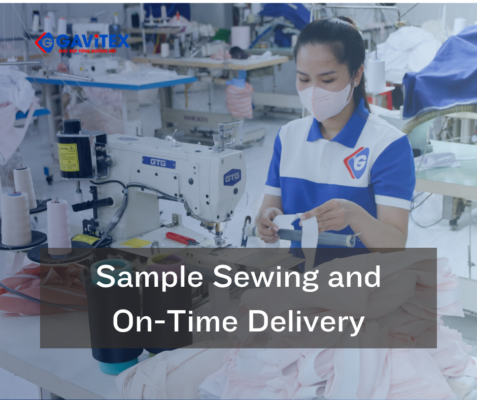
Next is the design and prototyping stage, where initial concepts are translated into tangible garments. This process involves creating sketches, selecting fabrics, developing patterns, and producing prototypes to assess fit, function, and aesthetics. Effective communication and collaboration between designers, pattern makers, and sample sewers are essential to ensure that the final product accurately reflects the initial design intent. This phase also uses digital tools for 3D modeling and virtual prototyping that helps reduce physical samples and accelerate the development process.
The sourcing and procurement phase focuses on obtaining the necessary materials for production, including fabrics, trims, and accessories. Selecting sustainable and cost-effective options is crucial, especially for Vietnamese manufacturers aiming to meet global standards for responsible apparel production. overseas buyers can leverage its network of suppliers to source high-quality materials while minimizing environmental impact.
After sourcing, the production phase begins, encompassing cutting, sewing, embellishment, and finishing processes. Optimizing efficiency and quality control at each stage is paramount to ensuring that the final product meets international standards. Implementing lean manufacturing principles, investing in advanced machinery, and providing comprehensive training to workers can help Vietnamese manufacturers enhance productivity and minimize defects.
Quality control and assurance are integral throughout the entire lifecycle, from initial design to final inspection. Implementing rigorous quality control measures at each stage helps identify and rectify potential issues before they escalate, ensuring that the final product meets or exceeds customer expectations. This includes fabric inspection, pattern checking, in-process inspections, and final garment inspections.
The final stages involve distribution and marketing, bringing the finished product to the consumer. Efficient supply chain management and logistics are crucial for ensuring timely delivery and minimizing costs. Effective marketing strategies are also necessary to create brand awareness and drive sales. overseas buyers can leverage e-commerce platforms and social media channels to reach a wider audience and promote its products effectively.
Market Research & Trend Analysis: Identifying Profitable Apparel Niches for Vietnamese Manufacturers
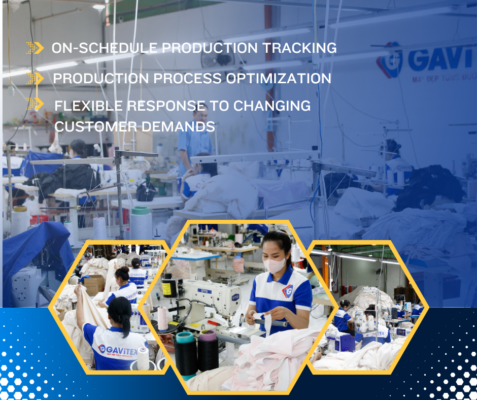
For Vietnamese apparel manufacturers aiming for sustainable growth, market research and trend analysis are crucial first steps in apparel product development. Understanding consumer demands, emerging trends, and competitive landscapes allows businesses like overseas buyers to pinpoint profitable apparel niches, reduce risks, and optimize resource allocation. This section will delve into effective strategies for conducting market research and analyzing trends to inform product development decisions.
To succeed in the global apparel market, Vietnamese manufacturers must adopt a proactive approach to market research. This involves gathering data on consumer preferences, analyzing competitor activities, and identifying emerging trends in the fashion industry. For example, analyzing social media trends, attending trade shows, and reviewing market reports can provide valuable insights into popular styles, colors, and fabrics. Detailed market research helps overseas buyers and other manufacturers understand not only what consumers want now, but also what they will likely demand in the future, enabling them to develop products that resonate with target audiences and stay ahead of the competition.
Moreover, trend analysis plays a vital role in identifying profitable apparel niches. By carefully examining fashion forecasts, runway shows, and consumer behavior patterns, manufacturers can anticipate upcoming trends and develop products that align with these trends. This can involve identifying growth segments such as sustainable fashion, athleisure wear, or inclusive sizing. For instance, the increasing demand for eco-friendly clothing presents a significant opportunity for Vietnamese manufacturers to specialize in producing garments made from organic cotton, recycled polyester, or other sustainable materials. Similarly, the rising popularity of athleisure wear opens doors for manufacturers to create stylish and comfortable activewear that caters to the evolving lifestyles of consumers.
Effective market research and trend analysis empower Vietnamese apparel manufacturers to make informed decisions throughout the product development lifecycle. By understanding the needs and preferences of target customers, identifying emerging trends, and assessing competitive landscapes, manufacturers can develop innovative and profitable apparel products that meet the demands of the global market. This proactive approach ensures that Vietnamese manufacturers remain competitive, adaptable, and well-positioned for long-term success in the ever-evolving fashion industry.
Design & Prototyping: Translating Concepts into Tangible Garments in Vietnam
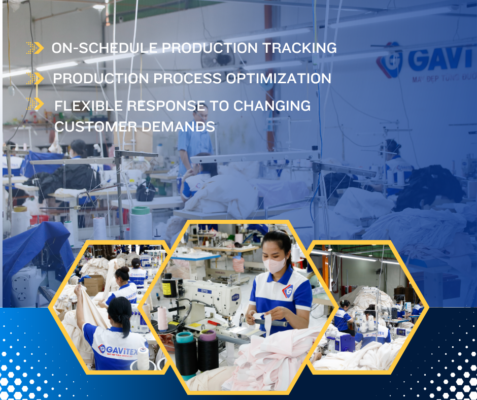
In Vietnam’s dynamic apparel product development landscape, the design and prototyping phase is where abstract ideas transform into tangible, wearable garments. This critical stage bridges the gap between market research and final production, requiring a blend of creativity, technical expertise, and meticulous attention to detail, especially for garment manufacturers aiming for both domestic and international markets. The process demands not only skillful design but also efficient translation of these designs into functional and marketable prototypes.
The design phase involves generating creative concepts based on market trends and consumer preferences, often visualized through sketches, illustrations, or digital designs. Vietnamese manufacturers are increasingly adopting Computer-Aided Design (CAD) software to enhance precision and speed up the design process. Simultaneously, understanding the target audience and garment functionality is crucial to ensure designs align with customer needs and production capabilities. Prototyping follows design, creating physical samples to assess fit, construction, and overall aesthetic appeal.
For Vietnamese garment manufacturers, effective prototyping is essential for identifying and resolving potential issues before mass production. This involves creating sample garments that accurately reflect the intended design, fabric, and construction techniques. The use of 3D prototyping tools can further expedite the process, enabling virtual simulations and reducing the need for multiple physical prototypes. Moreover, Vietnamese manufacturers must navigate the complexities of material sourcing, ensuring that the chosen fabrics and trims meet quality standards while remaining cost-effective. This often involves collaborating closely with local suppliers and leveraging established trade networks.
Fabric Sourcing & Selection: Identifying Sustainable and CostEffective Options in Vietnam
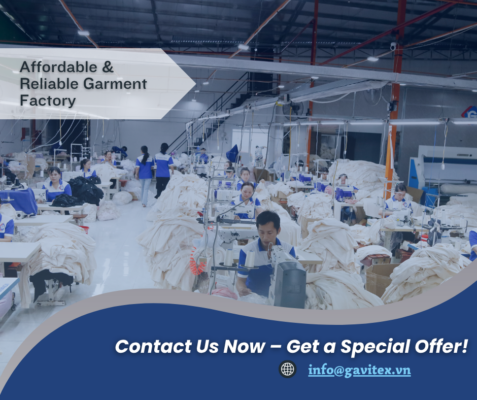
Fabric sourcing and selection is a crucial element of apparel product development for garment manufacturers in Vietnam, demanding a strategic approach to balance cost-effectiveness with sustainability. Selecting the right fabrics is not just about aesthetics; it significantly impacts garment quality, durability, and ultimately, profitability within the competitive landscape of apparel manufacturing.
To effectively source and select fabrics in Vietnam, manufacturers need a comprehensive understanding of the local textile market, evolving trends, and the growing importance of sustainable practices. This includes:
- Identifying Reliable Suppliers: Building strong relationships with reputable fabric suppliers who can consistently provide quality materials at competitive prices.
- Evaluating Fabric Properties: Considering factors such as fiber content, weave, weight, and finish to ensure suitability for the intended garment.
- Exploring Sustainable Options: Prioritizing eco-friendly fabrics like organic cotton, recycled polyester, and innovative materials derived from sustainable sources.
- Negotiating Favorable Terms: Securing advantageous pricing, payment terms, and delivery schedules to optimize cost efficiency.
Vietnam’s textile industry offers a diverse range of fabric options, from traditional cotton and silk to innovative synthetics and blends. Navigating this landscape requires careful consideration of factors such as cost, quality, availability, and sustainability. For instance, utilizing locally produced cotton can reduce transportation costs and support local farmers, while incorporating recycled polyester demonstrates a commitment to environmental responsibility. By carefully evaluating these factors and aligning fabric choices with overall apparel product development goals, Vietnamese garment manufacturers can enhance their competitiveness and create garments that resonate with today’s conscious consumers.
Pattern Making & Grading: Optimizing Fit and Efficiency in Vietnamese Apparel Production
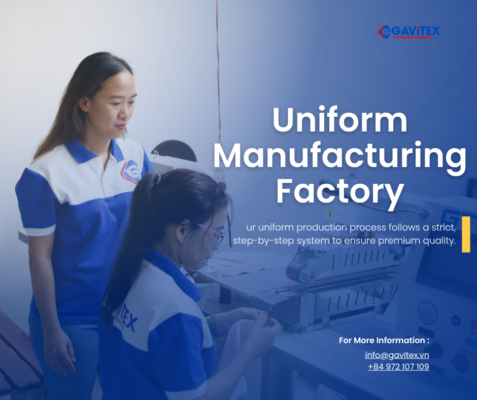
Pattern making and grading are critical stages in apparel product development, directly influencing the fit, quality, and production efficiency of garments manufactured in Vietnam. Mastering these processes allows Vietnamese garment manufacturers to achieve accurate sizing, reduce fabric waste, and ultimately enhance profitability within the competitive apparel industry. This stage acts as a bridge between design and production, transforming creative concepts into workable templates for mass manufacturing.
Effective pattern making involves translating a design sketch or sample garment into a two-dimensional template used for cutting fabric, demanding a blend of technical skill and creative understanding. Whether utilizing traditional manual methods or advanced CAD software, the goal remains consistent: to create precise patterns that accurately reflect the intended design and fit. Poorly constructed patterns can lead to ill-fitting garments, increased material usage, and higher production costs for overseas buyers and other manufacturers.
Grading, the process of scaling patterns to different sizes while maintaining accurate proportions and fit, is equally crucial. This ensures that a garment designed for a specific size looks and fits well across a range of sizes, catering to diverse customer needs and market segments. Accurate grading minimizes the need for alterations, reduces returns, and enhances customer satisfaction, contributing to the overall success of apparel product development. Manufacturers in Vietnam, therefore, must prioritize skilled pattern makers and graders who understand the nuances of size variations and can apply appropriate grading rules.
Optimizing fit and efficiency in pattern making and grading directly translates to significant cost savings for Vietnamese apparel manufacturers. By employing digital pattern making techniques and automated grading systems, companies can minimize material waste, reduce labor costs, and accelerate the production process. Moreover, a focus on accurate fit reduces the need for costly alterations and rework, further improving profitability and strengthening the competitive edge of overseas buyers and other Vietnamese brands in the global market.
Implementing rigorous quality control measures during pattern making and grading is essential to ensure consistent garment sizing and fit. Regularly checking patterns against design specifications and conducting fit tests on sample garments can identify and address potential issues early in the production cycle. By prioritizing quality control throughout these critical stages, Vietnamese apparel manufacturers can uphold international standards and maintain a reputation for producing high-quality, well-fitting garments.
Cutting & Sewing: Enhancing Efficiency and Quality in Apparel Manufacturing Processes in Vietnam
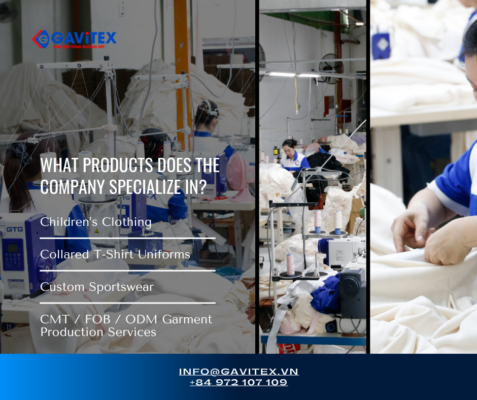
Cutting and sewing form the core of apparel manufacturing processes; therefore, optimizing these stages is crucial for Vietnamese garment manufacturers to improve efficiency, reduce costs, and meet the stringent quality demands of the global market within the broader context of apparel product development. Implementing advanced techniques, investing in skilled labor, and adopting innovative technologies can significantly elevate the competitiveness of Vietnam’s apparel industry.
Optimizing Cutting Processes for Material Efficiency
Efficient cutting is essential for minimizing fabric waste and reducing production costs. Vietnamese manufacturers can enhance cutting room operations through:
- Advanced cutting technologies: Investing in automated cutting machines, such as CNC cutting systems, allows for precise and consistent cuts, minimizing material waste compared to manual methods.
- Marker making optimization: Utilizing computer-aided design (CAD) software to create efficient marker layouts that maximize fabric utilization. Marker making is the process of planning how pattern pieces are arranged on fabric before cutting.
- Spreading techniques: Implementing proper fabric spreading techniques, such as tension-free spreading, prevents fabric distortion and ensures accurate cutting.
Enhancing Sewing Operations for Quality and Productivity
Sewing is where individual garment pieces come together. Enhancing sewing operations improves both the quality and productivity of the manufacturing process:
- Skill development and training: Providing ongoing training to sewing operators ensures they are proficient in various sewing techniques and can handle different fabric types.
- Ergonomics and workstation design: Optimizing workstation layout and providing ergonomic tools reduces operator fatigue and improves efficiency.
- Specialized sewing machines: Investing in specialized sewing machines, such as automated sewing machines for specific tasks (e.g., button attaching, hemming), can significantly increase throughput and improve consistency. For example, using lockstitch machines to avoid unraveling is a common practice.
Implementing Lean Manufacturing Principles
Lean manufacturing principles can be applied to both cutting and sewing processes to eliminate waste, improve workflow, and reduce lead times. By embracing a lean approach, garment manufacturers in Vietnam can streamline their operations and achieve greater efficiency. This includes:
- Value stream mapping: Identifying and analyzing all the steps involved in cutting and sewing to eliminate non-value-added activities.
- 5S methodology: Implementing the 5S methodology (Sort, Set in order, Shine, Standardize, Sustain) to create a clean, organized, and efficient workspace.
- Just-in-time (JIT) inventory management: Minimizing inventory levels by receiving materials and producing garments only when needed.
Ensuring Quality Control Throughout Cutting and Sewing
Maintaining rigorous quality control measures during cutting and sewing is crucial for producing high-quality apparel. Key steps include:
- Pre-cutting inspection: Inspecting fabric for defects before cutting to prevent flawed pieces from entering the production process.
- In-process inspection: Conducting regular inspections during sewing to identify and correct any errors or defects early on.
- Post-sewing inspection: Performing a final inspection of finished garments to ensure they meet quality standards.
By focusing on these key areas, Vietnamese apparel manufacturers can significantly enhance efficiency and quality in their cutting and sewing operations, enabling them to compete effectively in the global marketplace and contribute to sustainable apparel product development.
Embellishment & Finishing: Adding Value to Apparel Products Made in Vietnam
In the competitive apparel product development landscape, embellishment & finishing are crucial processes that add significant value to apparel products made in Vietnam. These techniques go beyond basic garment construction, transforming simple designs into high-value, desirable items for consumers.
The Vietnamese garment industry has seen a surge in demand for value-added services. This increased demand is driven by shifting consumer preferences and the need for differentiation in a crowded market. These processes provide Vietnamese manufacturers with opportunities to boost profitability and attract international clients.
Several embellishment techniques are commonly employed by garment manufacturers in Vietnam:
- Embroidery: From traditional hand-embroidery to advanced computerized embroidery, this adds intricate designs and textures.
- Printing: Screen printing, digital printing, and heat transfer allow for diverse graphic applications.
- Appliqués: Fabric cutouts are sewn onto garments, providing a unique layered effect.
- Beading & Sequins: Adding glamour and visual appeal through hand-sewn or machine-applied embellishments.
- Washing & Dyeing: Techniques like garment dyeing, stonewashing, and tie-dye create unique textures and color variations.
Beyond aesthetics, finishing processes improve garment performance and durability. These include:
- Wrinkle Resistance: Treatments that minimize creasing.
- Water Repellency: Coatings that protect against moisture.
- Antimicrobial Finishes: Inhibiting bacterial growth and odor.
- Softening: Enhancing the fabric’s feel and comfort.
Implementing effective quality control measures during embellishment & finishing is essential. This is to ensure that products meet international standards and client expectations. This includes inspecting for proper application, colorfastness, and durability.
Quality Control & Assurance: Ensuring Apparel Meets International Standards in Vietnam
In the realm of apparel product development, quality control and assurance are paramount for Vietnamese garment manufacturers aiming to meet rigorous international standards. This entails implementing comprehensive strategies and processes throughout the production lifecycle to guarantee the consistency, durability, and safety of apparel products. By adhering to these standards, Vietnamese manufacturers can enhance their competitiveness, build trust with global buyers, and ultimately drive sustainable growth in the dynamic apparel industry.
Effective quality control (QC) in apparel manufacturing is not merely about identifying defects at the final stage; it’s about embedding quality assurance (QA) throughout the entire apparel product development process. This proactive approach necessitates a multi-faceted strategy encompassing:
- Raw Material Inspection: Verifying that fabrics, trims, and other components meet specified quality parameters before production begins.
- In-Process Quality Checks: Monitoring critical parameters like stitch density, seam strength, and dimensional stability during cutting, sewing, and finishing stages.
- Final Inspection: Conducting thorough assessments of finished garments to identify any defects or non-conformities before packaging and shipment.
To consistently meet international standards such as those set by the International Organization for Standardization (ISO), American Society for Testing and Materials (ASTM), or specific buyer requirements, Vietnamese manufacturers must invest in robust QC systems. This includes well-defined inspection protocols, trained quality control personnel, and appropriate testing equipment. For example, overseas buyers could implement a statistical process control (SPC) system to monitor key process parameters and identify potential issues early on, minimizing defects and improving overall efficiency.
Furthermore, embracing transparency and traceability is crucial. Establishing clear documentation procedures for all stages of production, from raw material sourcing to final inspection, enables manufacturers to identify and address the root causes of quality issues promptly. This commitment to continuous improvement not only enhances product quality but also strengthens relationships with customers who demand accountability and reliability. Meeting global benchmarks for responsible apparel production hinges on demonstrating a steadfast dedication to quality control and assurance at every step.
Costing & Pricing Strategies: Maximizing Profitability for Vietnamese Apparel Manufacturers
Developing effective costing and pricing strategies is crucial for Vietnamese apparel manufacturers to maximize profitability in a competitive global market. Understanding the intricacies of apparel product development costs and implementing strategic pricing models enables businesses to achieve sustainable growth and maintain a competitive edge. This section delves into proven methodologies and best practices tailored for the Vietnamese apparel industry, focusing on optimizing revenue while ensuring cost-effectiveness throughout the manufacturing process.
A fundamental step in achieving profitability is accurately calculating the cost of goods sold (COGS). This involves meticulously tracking all direct costs, such as raw materials (fabric sourcing, embellishments), direct labor (cutting & sewing), and manufacturing overhead (factory rent, utilities). Furthermore, indirect costs like design & prototyping, quality control, and supply chain management must be factored in, allocating these expenses appropriately to each garment produced. Accurate cost accounting provides a solid foundation for informed pricing decisions.
Several pricing strategies can be employed to maximize profitability. Cost-plus pricing, where a predetermined markup is added to the COGS, offers a straightforward approach. However, it’s essential to consider market research & trend analysis to understand competitor pricing and customer willingness to pay. Value-based pricing, which sets prices based on perceived value to the customer, can be effective for garments with unique designs, high-quality materials, or strong branding. Competitive pricing involves setting prices relative to competitors, aiming to capture market share.
Effective cost management is paramount. Vietnamese apparel manufacturers should explore strategies to reduce costs without compromising quality. This may include:
- Negotiating favorable terms with suppliers: Securing competitive pricing for fabric sourcing and other raw materials directly impacts profitability.
- Optimizing production processes: Implementing lean manufacturing principles in cutting & sewing and other processes reduces waste and improves efficiency.
- Investing in technology: Automation and digital tools can streamline apparel product development and supply chain management, leading to cost savings.
- Improving quality control: Minimizing defects reduces rework and waste, contributing to higher profitability.
Adopting lean manufacturing principles, focusing on waste reduction, and implementing technology solutions can significantly contribute to cost optimization and improved profitability for Vietnamese apparel manufacturers. By carefully analyzing costs, understanding market dynamics, and implementing strategic pricing models, businesses can achieve sustainable financial success in the competitive apparel industry.
Supply Chain Management & Logistics: Optimizing for Efficiency in Vietnam’s Apparel Industry
Supply chain management and logistics are critical components for Vietnamese apparel manufacturers seeking to enhance efficiency and competitiveness in the global market for apparel product development. Effective supply chain strategies allow garment businesses like overseas buyers to streamline operations, reduce costs, and improve responsiveness to customer demands, all essential for maintaining a competitive edge in Vietnam’s dynamic apparel industry.
A well-optimized supply chain in the apparel industry directly translates to increased profitability for Vietnamese manufacturers. This involves a holistic approach, encompassing everything from raw material sourcing and production planning to warehousing, transportation, and final delivery to the consumer, ensuring each stage is as efficient and cost-effective as possible.
Several key strategies can be implemented to optimize supply chain management and logistics within Vietnam’s apparel sector:
- Strategic Sourcing: Establish strong relationships with reliable suppliers of high-quality fabrics and trims to ensure a consistent flow of materials at competitive prices. For example, overseas buyers could partner with local Vietnamese textile mills known for their sustainable practices and competitive pricing.
- Inventory Management: Implement Just-in-Time (JIT) inventory practices to minimize warehousing costs and reduce the risk of obsolete stock. This requires accurate demand forecasting and close coordination with suppliers.
- Efficient Transportation: Optimize transportation routes and modes to reduce lead times and shipping costs. This includes leveraging Vietnam’s extensive network of ports and highways.
- Technology Adoption: Implement supply chain management (SCM) software and other digital tools to improve visibility, communication, and collaboration across the entire supply chain.
- Collaboration: Foster strong relationships with all supply chain partners, including suppliers, manufacturers, distributors, and retailers, to improve communication, coordination, and responsiveness.
- Risk Management: Develop contingency plans to mitigate potential disruptions to the supply chain, such as natural disasters, political instability, or economic downturns.
For example, reducing lead times can be achieved through a combination of faster transportation, streamlined customs clearance procedures, and improved communication between suppliers and manufacturers. Utilizing technology like blockchain can also enhance transparency and traceability within the supply chain. By focusing on these key areas, Vietnamese apparel manufacturers can build more resilient, efficient, and competitive supply chains that drive profitability and sustainable growth in the apparel product development lifecycle.
Sustainability & Ethical Sourcing: Meeting Global Standards for Responsible Apparel Production in Vietnam
Sustainability and ethical sourcing are no longer optional extras but fundamental requirements for Vietnamese apparel manufacturers aiming to thrive in the global marketplace, playing a crucial role in enhancing apparel product development. By prioritizing environmentally and socially responsible practices, Vietnamese garment businesses can not only meet evolving consumer demands but also gain a competitive edge and contribute to a more sustainable future. This involves actively pursuing responsible apparel production methods that minimize environmental impact and uphold fair labor standards.
Adopting sustainable materials is a key aspect of responsible apparel production. This encompasses utilizing organic cotton, recycled polyester, and innovative fabrics derived from sustainable sources like bamboo or pineapple leaves. For example, several Vietnamese textile mills are now offering certified organic cotton options, enabling manufacturers to create garments with a significantly lower environmental footprint. Furthermore, investing in water-efficient dyeing and finishing techniques can drastically reduce water consumption and pollution, aligning with global sustainability goals.
Beyond environmental concerns, ethical sourcing necessitates ensuring fair labor practices throughout the supply chain. This entails:
- Paying fair wages to workers.
- Providing safe and healthy working conditions.
- Respecting workers’ rights, including freedom of association and collective bargaining.
Implementing robust monitoring systems and collaborating with organizations like the Fair Labor Association (FLA) can help Vietnamese apparel manufacturers ensure compliance with international labor standards and build trust with global brands and consumers. Meeting global standards also means embracing transparency and traceability, allowing consumers to understand the origins of their garments and the impact of their purchases. This could involve utilizing technologies like blockchain to track the journey of a garment from raw materials to finished product, fostering greater accountability and consumer confidence.
Technology & Innovation: Leveraging Digital Tools to Transform Apparel Product Development in Vietnam
Digital tools are revolutionizing apparel product development in Vietnam, offering garment manufacturers unprecedented opportunities to enhance efficiency, accuracy, and creativity. The integration of technology into every stage of the garment production lifecycle, from initial design to final production, is enabling Vietnamese companies like overseas buyers to compete more effectively in the global marketplace by optimizing resource utilization, minimizing waste, and accelerating time-to-market.
The Vietnamese apparel industry stands to gain significantly from embracing technological advancements across several key areas:
- Virtual Design and 3D Prototyping: Ditch physical prototypes for digital models with software like CLO3D or Browzwear. This enables faster design iterations, reduced material waste, and improved communication between design and production teams. For example, a company can test multiple design variations and fabric drape simulations virtually before committing to a physical sample.
- AI-Powered Trend Forecasting: Utilizing AI algorithms to analyze vast amounts of data—social media trends, sales data, runway shows—helps identify emerging trends and predict consumer demand. This allows manufacturers to proactively develop products that resonate with target markets, minimizing the risk of overstocking unpopular items.
- Automated Pattern Making and Grading: Software solutions like Optitex or Gerber AccuMark automate the traditionally manual and time-consuming processes of pattern making and grading. This leads to increased accuracy, reduced labor costs, and faster turnaround times for customized orders.
- Smart Fabric Sourcing Platforms: Digital platforms connect Vietnamese manufacturers with global fabric suppliers, providing access to a wider range of materials, real-time pricing information, and streamlined procurement processes. This ensures access to the best quality and most cost-effective fabrics for apparel production.
- Digital Printing and Customization: Advanced printing technologies enable on-demand customization of garments, allowing for personalized designs and small-batch production. This caters to the growing demand for unique, personalized apparel and reduces the need for large-scale production runs.
- Robotics and Automation in Manufacturing: Implementing robotics in tasks like cutting, sewing, and finishing operations improves efficiency, reduces errors, and addresses labor shortages. Automated cutting machines ensure precise fabric utilization, minimizing waste and maximizing material yield.
- Data Analytics for Quality Control: Employing data analytics to monitor and analyze production data allows for early detection of defects and inconsistencies. This proactive approach to quality control minimizes errors, reduces rework, and ensures that apparel meets international standards.
- Supply Chain Management (SCM) Software: Cloud-based SCM platforms provide end-to-end visibility into the entire supply chain, enabling real-time tracking of materials, inventory management, and improved collaboration with suppliers and customers. This increased transparency and efficiency can significantly reduce lead times and optimize supply chain logistics.
By strategically adopting these digital tools, Vietnamese garment manufacturers can significantly enhance their apparel product development processes, boost competitiveness, and position themselves for long-term success in the evolving global apparel market.
Compliance & Regulations: Navigating the Legal Landscape of Apparel Manufacturing in Vietnam
Understanding the legal landscape is crucial for Vietnamese garment manufacturers aiming for successful apparel product development and long-term sustainability. Successfully navigating compliance and regulations in Vietnam ensures smooth operations, avoids costly penalties, and builds trust with international partners and consumers.
Vietnamese apparel manufacturers must adhere to a complex web of regulations covering various aspects of their business, from labor laws and environmental protection to trade regulations and intellectual property rights. These legal frameworks are designed to ensure fair labor practices, environmental sustainability, and product safety, aligning Vietnamese manufacturing with global standards and contributing to the overall competitiveness of the sector.
- Labor Laws: Compliance with Vietnamese labor laws is paramount, including regulations on minimum wage, working hours, overtime compensation, and social insurance.
- Environmental Regulations: Garment manufacturers must adhere to environmental regulations concerning waste management, water usage, and air emissions, ensuring sustainable production practices.
- Trade Regulations: Understanding import and export regulations, customs procedures, and trade agreements is essential for seamless international trade. This includes navigating tariffs, quotas, and rules of origin.
- Product Safety Standards: Compliance with Decree 77/2016/ND-CP regarding textile and apparel product safety is mandatory. This includes regulations for Formaldehyde and Azo dyes.
- Intellectual Property Rights: Protecting intellectual property is critical. Manufacturers must respect trademarks, copyrights, and patents, and avoid producing counterfeit goods.
Understanding and adhering to these regulations requires a proactive approach from Vietnamese apparel manufacturers. Seeking legal counsel, conducting regular audits, and implementing robust compliance programs can help ensure businesses operate within the bounds of the law and maintain a positive reputation in the global marketplace. For example, overseas buyers actively engages with legal experts to stay abreast of regulatory changes and implements rigorous internal controls to ensure compliance.
Vietnam Biz Rep supports overseas buyers with garment supplier search, factory verification, sample coordination, production follow-up, and quality inspection in Vietnam. Learn more on our clothing sourcing agent page or visit Vietnam sourcing agent for our full range of services. Contact Vietnam Biz Rep to discuss your sourcing requirements.
