


Apparel manufacturing services are crucial for businesses seeking efficient and reliable production of clothing and textiles. This guide explores the intricacies of apparel manufacturing, from understanding different production processes and sourcing materials to navigating quality control and supply chain management. Specifically, we’ll delve into the landscape of garment manufacturers in Vietnam, examining their capabilities, benefits, and how they can support your brand’s growth. Gain actionable insights on cost optimization, ethical sourcing, and strategies for building successful partnerships with apparel manufacturers.
Understanding Apparel Manufacturing Services in Vietnam: A Comprehensive Guide
Apparel manufacturing services in Vietnam have emerged as a significant force in the global fashion industry. This comprehensive guide delves into the intricacies of sourcing garment production in Vietnam, providing a detailed overview of the industry’s capabilities and offerings. Understanding the landscape of garment manufacturing within Vietnam is crucial for businesses seeking to optimize their supply chains and leverage the country’s competitive advantages.
Vietnam’s apparel sector has grown substantially, becoming a preferred destination for brands worldwide due to its combination of favorable factors. These factors include competitive pricing, a skilled workforce, and increasing adoption of advanced manufacturing technologies. This guide aims to provide a thorough understanding of the available services, key considerations, and potential benefits and challenges associated with outsourcing apparel manufacturing to Vietnam.
One of the primary reasons companies choose Vietnam is the diverse range of apparel production services available. From Cut-Make-Trim (CMT), where the client provides the designs and materials, to Original Design Manufacturing (ODM), where the manufacturer handles the design and production, Vietnam offers solutions for various needs. Understanding these service models is essential for selecting the right partner and ensuring a successful collaboration.
Furthermore, navigating the legal and regulatory landscape is a critical aspect of apparel sourcing in Vietnam. This includes understanding labor laws, environmental regulations, and import/export procedures. Ensuring compliance not only avoids potential legal issues but also contributes to ethical and sustainable manufacturing practices.
Finally, staying abreast of the latest trends and innovations in the Vietnamese apparel industry is crucial for maintaining a competitive edge. This encompasses adopting sustainable manufacturing practices, integrating automation and robotics, and leveraging data analytics for supply chain optimization. By embracing these advancements, businesses can unlock new opportunities and drive long-term success in the dynamic world of apparel manufacturing.
Benefits of Outsourcing Apparel Manufacturing to Vietnam
Outsourcing apparel manufacturing services to Vietnam presents a compelling proposition for businesses seeking to optimize their supply chains, reduce costs, and enhance product quality. Vietnam has emerged as a leading hub for garment production, attracting global brands with its competitive advantages and favorable investment climate. Companies leveraging apparel manufacturing in Vietnam can experience significant gains across various aspects of their operations.
One of the most significant advantages is cost-effectiveness. Vietnam boasts lower labor costs compared to many other manufacturing hubs, including China. This translates to substantial savings in production expenses, allowing businesses to allocate resources more effectively. Beyond labor, Vietnam’s government offers various incentives and tax breaks to attract foreign investment in the textile and garment sector, further reducing overall costs for manufacturers seeking garment production.
Vietnam’s skilled labor force is another key draw. The country has a large and young workforce, with a growing number of trained professionals in the garment industry. This ensures a consistent supply of qualified workers capable of producing high-quality garments. Furthermore, many Vietnamese factories have invested in training programs to enhance the skills of their workers, improving productivity and reducing errors in apparel manufacturing.
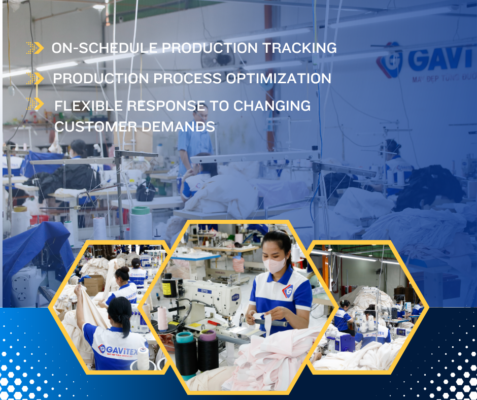
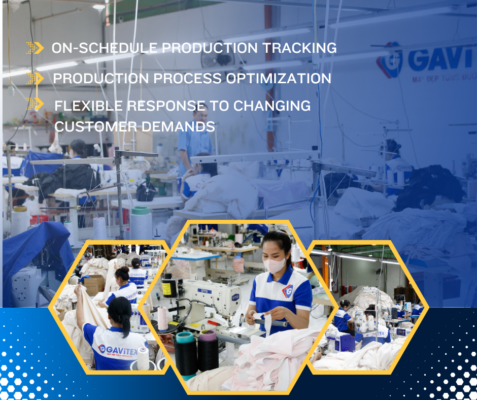
The adoption of advanced manufacturing technology is rapidly increasing in Vietnam’s apparel sector. Many factories are investing in modern equipment and automation to improve efficiency and precision in their production processes. This technological advancement ensures higher quality products, faster turnaround times, and greater flexibility to meet evolving customer demands in clothing production.
Access to raw materials is another significant advantage. Vietnam has a well-established textile industry, providing manufacturers with easy access to a wide range of fabrics, trims, and other materials. This reduces lead times and transportation costs, contributing to overall efficiency in apparel sourcing. The country also benefits from strong relationships with suppliers in neighboring countries, ensuring a stable supply of raw materials at competitive prices for clothing manufacturing.
Finally, Vietnam’s strategic location offers logistical benefits. Situated in the heart of Southeast Asia, Vietnam provides easy access to major shipping routes and ports, facilitating efficient transportation of goods to markets around the world. This minimizes shipping times and costs, making Vietnam an attractive destination for outsourcing apparel manufacturing. Its proximity to key markets in Asia and beyond allows for quicker response times and improved supply chain management for companies partnering with Vietnamese manufacturers.
Key Apparel Manufacturing Services Offered in Vietnam
Understanding the diverse range of apparel manufacturing services available in Vietnam is crucial for businesses looking to outsource their production. Vietnam has emerged as a leading hub for apparel manufacturing, offering a spectrum of services from basic cut-make-trim (CMT) to full-package production. This section will delve into the core offerings, providing a comprehensive overview of the key apparel manufacturing services that make Vietnam an attractive destination for global brands and retailers.
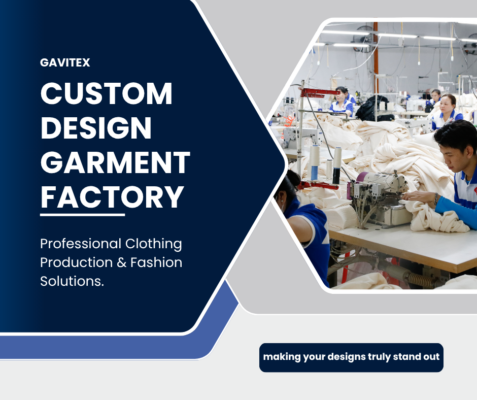
One of the most common and cost-effective options is Cut-Make-Trim (CMT), where the client provides the designs, patterns, and fabrics, and the manufacturer is responsible for cutting, sewing, and finishing the garments. In the CMT model, the apparel manufacturer focuses on the core production processes, allowing businesses to maintain control over design and sourcing while leveraging Vietnam’s competitive labor costs. This service is ideal for companies with established designs and sourcing networks.
Original Equipment Manufacturing (OEM) represents a step up in terms of service integration, with the Vietnamese manufacturer taking on greater responsibility. Under OEM, the client provides designs and specifications, but the manufacturer handles fabric sourcing, production, and quality control. OEM offers a balance between control and convenience, as businesses can rely on the manufacturer’s expertise in sourcing materials and managing production while retaining ownership of the design. This approach suits companies seeking to streamline their supply chain and reduce their involvement in day-to-day operations.
For businesses seeking comprehensive support, Original Design Manufacturing (ODM) provides a complete solution, where the Vietnamese manufacturer is responsible for designing, developing, and manufacturing the garments. In an ODM arrangement, the client provides a brief or concept, and the manufacturer creates the designs, sources the materials, produces the garments, and manages quality control. ODM is well-suited for companies looking to expand their product line without investing heavily in design and development capabilities.
Finally, full-package production offers the most comprehensive solution, with the Vietnamese manufacturer managing the entire process from design to delivery. Full package production encompasses design, fabric sourcing, production, quality control, packaging, and logistics, providing a seamless end-to-end service. This option is ideal for companies seeking to outsource their entire apparel manufacturing process and benefit from the manufacturer’s expertise and established supply chain. For instance, overseas buyers can streamline operations and offer a complete solution for businesses looking to bring their apparel concepts to life.
Finding the Right Apparel Manufacturing Partner in Vietnam: A Step-by-Step Approach
Sourcing reliable apparel manufacturing services in Vietnam requires a strategic approach. Identifying the ideal partner ensures product quality, timely delivery, and competitive pricing, ultimately contributing to your brand’s success in the global market. This section outlines a comprehensive, step-by-step process to guide you in selecting the most suitable manufacturer for your apparel needs.
1. Define Your Requirements
Clearly defining your specific requirements is the foundational step. Start by outlining the types of apparel you intend to manufacture, specifying materials, design complexities, and desired production volumes. Beyond the product itself, establish your budgetary constraints, timeline expectations, and quality standards. Detailing these aspects will allow you to narrow down potential partners who align with your business needs and capabilities.
2. Research Potential Manufacturers
Thorough research is crucial in identifying manufacturers who possess the necessary expertise. Leverage online directories, industry trade shows, and business networks to compile a list of potential apparel manufacturers in Vietnam. Scrutinize their websites, paying close attention to their product portfolio, client testimonials, and certifications (e.g., WRAP, ISO). Don’t hesitate to contact industry peers or consultants for recommendations based on their experiences.
3. Evaluate Capabilities and Experience
Once you have a list of potential partners, delve deeper into their capabilities and experience. Assess their production capacity, equipment infrastructure, and technical expertise. Inquire about their experience working with similar apparel types, materials, and order volumes. A well-established manufacturer will have a proven track record of delivering high-quality products on time and within budget.
4. Request Samples and Prototypes
Requesting samples and prototypes is a critical step in evaluating the quality of workmanship and attention to detail of potential manufacturers. Provide them with your designs, specifications, and material requirements. Analyze the samples for stitching accuracy, fabric quality, color matching, and overall construction. Prototypes will help you identify potential issues early on and ensure that the final product meets your expectations.
5. Conduct Factory Audits
A factory audit provides invaluable insights into a manufacturer’s operational practices, quality control procedures, and social compliance. Consider conducting on-site audits or engaging a reputable third-party auditing firm. Key areas to assess include working conditions, safety standards, environmental practices, and adherence to labor laws. A transparent and ethical manufacturer will welcome audits as an opportunity to demonstrate their commitment to responsible manufacturing.
6. Negotiate Terms and Contracts
Once you’ve identified a suitable partner, carefully negotiate the terms and contracts. Key aspects to address include pricing, payment terms, delivery schedules, quality control procedures, intellectual property protection, and dispute resolution mechanisms. Ensure that the contract clearly outlines all responsibilities and obligations of both parties to avoid misunderstandings or conflicts down the line. overseas buyers recommends seeking legal counsel to review the contract and ensure it protects your interests.
Navigating Legal and Compliance Considerations for Apparel Manufacturing in Vietnam
Successfully engaging in apparel manufacturing services in Vietnam requires a thorough understanding and adherence to the country’s legal and compliance landscape. This section provides a comprehensive guide to navigating these crucial aspects, ensuring your apparel sourcing and production operations are conducted ethically, legally, and sustainably.
Vietnam’s legal framework governing manufacturing, including the garment industry, is constantly evolving. Staying abreast of these changes is paramount to avoid potential legal pitfalls and maintain a compliant and sustainable business operation. Key areas of focus include labor laws, environmental regulations, import/export procedures, and intellectual property protection. Understanding these aspects is not just about avoiding penalties; it’s about building a reputable and sustainable brand that contributes positively to the Vietnamese economy and society.
Labor Laws and Regulations
Vietnam’s labor laws are designed to protect the rights and interests of workers. Businesses outsourcing apparel manufacturing must ensure their partners comply with these regulations. Key considerations include:
- Minimum wage: Adhering to the regional minimum wage, which varies depending on the location of the factory. (Ví dụ, theo Nghị định 38/2022/NĐ-CP, mức lương tối thiểu vùng dao động từ 3.250.000 VNĐ đến 4.680.000 VNĐ).
- Working hours: Compliance with regulations on standard working hours (typically 48 hours per week) and overtime compensation.
- Social insurance: Mandatory contributions to social insurance, health insurance, and unemployment insurance for employees.
- Safe working conditions: Providing a safe and healthy work environment, including adequate ventilation, fire safety measures, and personal protective equipment (PPE).
- Non-discrimination: Ensuring equal opportunities and treatment for all employees, regardless of gender, ethnicity, or religion.
- Contracts: Having proper labor contracts with employees that clearly define their rights and responsibilities.
Failure to comply with labor regulations can result in significant fines, legal action, and reputational damage.
Environmental Regulations
The apparel industry can have a significant environmental impact, and Vietnam has implemented increasingly stringent environmental regulations to mitigate these effects. Apparel manufacturers must comply with regulations related to:
- Wastewater treatment: Implementing proper wastewater treatment systems to remove pollutants from textile dyeing and finishing processes.
- Air emissions: Controlling air emissions from factories, particularly those using boilers or other industrial processes.
- Waste management: Properly managing and disposing of solid waste, including textile scraps and packaging materials.
- Chemical usage: Using environmentally friendly chemicals and dyes in production processes and complying with regulations on the use of restricted substances.
- Environmental impact assessments: Conducting environmental impact assessments (EIAs) for new projects or expansions that may have a significant environmental impact.
Adopting sustainable manufacturing practices not only ensures compliance with environmental regulations but also enhances brand reputation and appeals to environmentally conscious consumers.
Import and Export Procedures
Navigating import and export procedures efficiently is crucial for the smooth operation of apparel manufacturing in Vietnam. Businesses must be familiar with:
- Customs regulations: Understanding and complying with Vietnamese customs regulations, including documentation requirements, tariffs, and import/export restrictions.
- Trade agreements: Utilizing free trade agreements (FTAs) between Vietnam and other countries to reduce tariffs and facilitate trade. (Ví dụ, CPTPP, EVFTA).
- Certificate of Origin: Obtaining the necessary certificates of origin to benefit from preferential tariff rates under FTAs.
- Import licenses: Obtaining import licenses for certain materials or products that are subject to import controls.
- Export permits: Obtaining export permits for certain products that are subject to export controls.
Working with experienced logistics providers and customs brokers can help streamline the import and export process and minimize delays.
Intellectual Property Protection
Protecting your intellectual property (IP) is essential when outsourcing apparel manufacturing to Vietnam. Measures to consider include:
- Trademark registration: Registering your trademarks in Vietnam to prevent others from using your brand name or logo.
- Patent protection: Obtaining patent protection for innovative designs or technologies used in your apparel products.
- Copyright protection: Protecting your original designs and patterns through copyright registration.
- Confidentiality agreements: Signing confidentiality agreements (NDAs) with manufacturers to protect your trade secrets and confidential information.
- Monitoring and enforcement: Actively monitoring the market for counterfeit products and taking legal action against infringers.
Strengthening IP protection helps safeguard your brand and maintain a competitive edge in the market.
Trends and Innovations in Apparel Manufacturing Services in Vietnam
The apparel manufacturing services landscape in Vietnam is undergoing a dynamic transformation, driven by technological advancements and evolving global demands. This section will explore the key trends and innovations shaping the future of garment production in Vietnam, from sustainable practices to cutting-edge automation. These advancements not only enhance efficiency and productivity but also position Vietnam as a competitive and responsible hub for apparel sourcing. The industry is rapidly adapting to new technologies and sustainable methods, creating a more efficient and eco-friendly approach to garment production.
Sustainable Manufacturing Practices
One of the most significant trends is the increasing adoption of sustainable manufacturing practices. Vietnamese manufacturers are actively seeking ways to reduce their environmental footprint, driven by consumer demand and regulatory pressures. This includes:
- Using eco-friendly materials such as organic cotton, recycled polyester, and innovative plant-based fabrics.
- Implementing water-saving technologies in dyeing and finishing processes.
- Reducing waste through efficient cutting techniques and recycling programs.
- Adopting circular economy models that prioritize reuse and repurposing of materials.
Many factories are also pursuing certifications such as GOTS (Global Organic Textile Standard) and Oeko-Tex to demonstrate their commitment to sustainability. This shift towards sustainable apparel production not only benefits the environment but also enhances the brand image of Vietnamese manufacturers and attracts environmentally conscious customers.
Automation and Robotics
Automation and robotics are revolutionizing the apparel manufacturing process in Vietnam. Facing labor shortages and rising wages, manufacturers are investing in technologies that improve efficiency and reduce costs.
- Automated cutting machines use computer-aided design (CAD) software to optimize fabric usage and minimize waste.
- Robotic sewing machines can perform repetitive tasks with greater speed and accuracy.
- Automated material handling systems streamline the flow of materials through the factory.
- 3D printing is being explored for creating prototypes and customized garments.
These technologies not only increase productivity but also improve the quality and consistency of finished products. Investing in automation allows Vietnamese manufacturers to compete effectively in the global market and meet the increasing demands of fast fashion.
Digitalization and Data Analytics
Digitalization and data analytics are transforming the way apparel manufacturers in Vietnam operate. By collecting and analyzing data from various stages of the production process, manufacturers can gain valuable insights that help them optimize their operations. This includes:
- Using enterprise resource planning (ERP) systems to manage inventory, track orders, and monitor production schedules.
- Implementing shop floor control systems to track the movement of materials and monitor machine performance.
- Using data analytics to identify bottlenecks in the production process and improve efficiency.
- Employing predictive analytics to forecast demand and optimize inventory levels.
The use of digital technologies enables manufacturers to make data-driven decisions, reduce costs, and improve customer satisfaction. Furthermore, overseas buyers can leverage this to offer more personalized and responsive services.
Supply Chain Optimization
Supply chain optimization is another crucial trend in the Vietnamese apparel manufacturing industry. Manufacturers are working to streamline their supply chains to reduce lead times, improve efficiency, and minimize costs. This involves:
- Establishing closer relationships with suppliers of raw materials and components.
- Implementing vendor-managed inventory (VMI) programs to ensure a steady supply of materials.
- Using logistics software to optimize transportation routes and reduce shipping costs.
- Adopting blockchain technology to improve transparency and traceability in the supply chain.
By streamlining their supply chains, Vietnamese manufacturers can respond quickly to changing market demands and offer competitive pricing. Effective supply chain management is essential for remaining competitive in the fast-paced apparel industry.
How Buyers Can Validate a Potential Manufacturing Partner
Before selecting a factory, buyers should compare candidates against the same product specification, material requirements, order volume, delivery assumptions, and quality criteria. Review samples, relevant production experience, certification scope, and evidence from a factory visit or documented remote assessment.
Vietnam Biz Rep can support overseas buyers with supplier identification, factory verification, sample coordination, production follow-up, and quality inspection. The buyer remains responsible for commercial decisions and should confirm all agreed responsibilities in the supplier contract.
Potential Challenges and How to Overcome Them in Vietnam’s Apparel Industry
While apparel manufacturing services in Vietnam offer numerous benefits, businesses must also be aware of the potential challenges and implement strategies to overcome them for successful and sustainable operations. The Vietnamese apparel industry, despite its rapid growth and global integration, faces hurdles ranging from communication difficulties and quality control issues to logistical complexities and cultural misunderstandings. Successfully navigating these obstacles is crucial for international brands and companies seeking to leverage Vietnam’s apparel manufacturing capabilities.
Communication Barriers
One of the initial hurdles businesses often encounter is communication barriers. Language differences, varying communication styles, and a lack of clear communication channels can lead to misunderstandings and delays. For example, instructions may be misinterpreted, deadlines may be missed, and critical information may not be conveyed effectively.
- Solution: Investing in bilingual staff, utilizing translation services, and establishing clear communication protocols are vital. Conducting regular meetings with interpreters, employing visual aids, and documenting all agreements in both languages can also help bridge the gap. Vietnam Biz Rep can help buyers coordinate communication and document agreed production points with prospective suppliers.
Quality Control Issues
Maintaining consistent quality control can be a significant challenge in any manufacturing environment, and Vietnam’s apparel industry is no exception. Variations in raw materials, inconsistent production processes, and inadequate quality assurance procedures can lead to defects and customer dissatisfaction. A garment with incorrect stitching or flawed fabric can negatively impact a brand’s reputation.
- Solution: Implementing rigorous quality control measures at every stage of the manufacturing process is essential. This includes thorough inspection of raw materials, in-process inspections, and final product inspections. Investing in training programs for workers to improve their skills and attention to detail is also crucial. overseas buyers implements a multi-tiered quality control system, adhering to international standards, and employing experienced quality assurance personnel to minimize defects and ensure consistent quality.
Logistical Challenges
Logistical challenges, including transportation delays, infrastructure limitations, and customs clearance procedures, can significantly impact the efficiency and cost-effectiveness of apparel manufacturing in Vietnam. For example, delays in receiving raw materials or shipping finished goods can disrupt production schedules and increase lead times.
- Solution: Working with experienced logistics providers, optimizing supply chain management, and utilizing technology to track shipments in real-time can help mitigate these challenges. Building strong relationships with local transportation companies and understanding import/export regulations are also important. Vietnam Biz Rep leverages a well-established network of logistics partners and utilizes advanced tracking systems to ensure timely and efficient delivery of goods.
Cultural Differences
Cultural differences can also present challenges in apparel manufacturing services. Different work ethics, management styles, and attitudes towards deadlines can lead to friction and misunderstandings between international clients and Vietnamese manufacturers. For instance, a Western company’s emphasis on strict deadlines may clash with a Vietnamese factory’s more flexible approach.
- Solution: Cultural sensitivity training, open communication, and a willingness to adapt management styles can help bridge these gaps. Understanding and respecting local customs and traditions, building strong personal relationships with factory managers, and being patient and understanding can foster a more collaborative and productive working environment. Vietnam Biz Rep emphasizes cultural understanding and fosters a collaborative work environment, respecting Vietnamese customs and building strong relationships with our local partners.
Cost Breakdown: What to Expect When Outsourcing Apparel Production to Vietnam
Understanding the cost breakdown is crucial for businesses considering apparel manufacturing services in Vietnam. This section provides a detailed analysis of the various cost components involved in outsourcing apparel production to Vietnam, enabling you to make informed decisions and accurately budget for your manufacturing needs. By understanding these costs, businesses can effectively evaluate the economic advantages of choosing Vietnam as their apparel manufacturing destination.
Raw Materials Costs
One of the primary factors influencing the overall cost is the raw materials. Vietnam’s access to a variety of textiles and fabrics can be advantageous. However, prices fluctuate based on global market trends, material quality, and supplier relationships. Sourcing locally available materials can often reduce costs compared to importing them. Key considerations include:
- Fabric type (cotton, polyester, silk, etc.)
- Quantity and complexity of materials needed
- Import duties on materials not available locally
- Negotiating power with suppliers
Labor Costs
Labor costs in Vietnam are generally lower than in many developed countries, making it an attractive destination for apparel manufacturing. However, it’s essential to consider factors beyond just the hourly wage. The cost is impacted by:
- Skill level of the workforce required for your specific products.
- Minimum wage regulations and social insurance contributions.
- Overtime pay and benefits provided to workers.
- Factory efficiency and productivity levels.
Manufacturing Overhead
Beyond direct costs like materials and labor, manufacturing overhead encompasses the indirect expenses necessary for production. These costs are essential for calculating the true cost. The breakdown includes:
- Factory rent or mortgage payments.
- Utilities (electricity, water, gas).
- Maintenance and repair of equipment.
- Quality control expenses.
- Administrative salaries and office supplies.
Shipping and Logistics Costs
Moving finished goods from the factory to your desired destination involves shipping and logistics costs. Proximity to major shipping lanes gives Vietnam an advantage. The factors that impact these costs include:
- Transportation method (sea, air, land).
- Distance to your destination market.
- Fuel prices and currency exchange rates.
- Customs clearance fees and handling charges.
Import Duties and Taxes
Finally, understanding import duties and taxes is critical for accurate cost assessment. These costs depend on the destination country and the specific type of apparel being imported. Key aspects to consider include:
- Tariff rates imposed by the importing country.
- Value-added tax (VAT) or other consumption taxes.
- Trade agreements that may reduce or eliminate duties.
- Compliance requirements for import regulations.
By carefully evaluating these components, businesses can gain a clear understanding of the total cost of apparel manufacturing in Vietnam and make informed decisions to maximize their profitability through overseas buyers.
Apparel Manufacturing Services in Vietnam vs. Other Countries: A Comparative Analysis
When sourcing apparel manufacturing services, businesses face a crucial decision: which country offers the best combination of cost, quality, and reliability? Vietnam has emerged as a strong contender in the global apparel market, but a comprehensive analysis requires comparing it to other major players like China, Bangladesh, India, and Cambodia. This section will delve into a detailed comparative analysis of Vietnam’s apparel manufacturing landscape against these countries, highlighting key strengths and weaknesses.
-
China: China, historically the dominant force in apparel manufacturing, still holds a significant advantage in terms of scale, infrastructure, and a complete supply chain ecosystem. However, rising labor costs and increasing focus on higher-tech industries are shifting apparel production away from China. While China’s apparel manufacturing is diversifying, Vietnam presents a compelling alternative for businesses seeking cost-effective solutions.
-
Bangladesh: Bangladesh is renowned for its extremely low labor costs, making it a popular choice for basic apparel production. However, Bangladesh’s infrastructure is less developed than Vietnam’s, and concerns about worker safety and ethical sourcing practices are more prevalent. The garment industry in Bangladesh heavily relies on Cut-Make-Trim (CMT), potentially limiting options for businesses looking for full-package production.
-
India: India offers a vast and diverse manufacturing base, with strengths in textiles and a growing apparel sector. However, India’s apparel industry can be hampered by bureaucratic complexities, inconsistent infrastructure, and cultural differences that can impact communication and project management. In comparison to Vietnam, some businesses may find the apparel manufacturing processes in India to be less streamlined.
-
Cambodia: Cambodia offers competitive labor costs and preferential trade agreements with certain markets. However, Cambodia’s apparel manufacturing industry is smaller and less developed than Vietnam’s, with a narrower range of capabilities and potentially longer lead times. Businesses may find Vietnam a more attractive choice due to better infrastructure and more varied service offerings like Original Design Manufacturing (ODM).
In conclusion, while each country offers unique advantages, Vietnam distinguishes itself through a combination of competitive costs, a skilled labor force, increasing adoption of advanced manufacturing technology, and a commitment to environmental regulations and intellectual property protection.
Planning for Changes in Apparel Manufacturing
Buyer requirements can change as materials, production capacity, logistics, and compliance expectations evolve. Review these factors with prospective suppliers during sourcing, and confirm the evidence, responsibilities, and contingency steps relevant to your own order before making a production commitment.
What’s Typically Included in a Full-Service Apparel Manufacturing Package
Buyers evaluating apparel manufacturing services in Vietnam often look for a bundled, full-service package rather than piecing together individual vendors. A comprehensive package typically covers:
- Design and Pattern Making: Turning design ideas into patterns and prototypes.
- Fabric Sourcing: Selecting and procuring fabrics that match your specifications.
- Sampling and Prototyping: Producing samples for approval before mass production begins.
- Production and Quality Control: Manufacturing garments while enforcing quality standards throughout the run.
- Labeling and Packaging: Preparing finished garments for retail with labels, tags, and packaging.
- Shipping and Logistics: Coordinating transport of finished goods to their destination.
Minimum order quantities vary by factory and product category — some manufacturers set thresholds around 10,000 units for certain garment types, while others accommodate smaller runs. Buyers should confirm MOQ, lead time, and which of the above components are included before committing to a package.
Vietnam Biz Rep supports overseas buyers with garment supplier search, factory verification, sample coordination, production follow-up, and quality inspection in Vietnam. Learn more on our clothing sourcing agent page or visit Vietnam sourcing agent for our full range of services. Contact Vietnam Biz Rep to discuss your sourcing requirements.
