

Unlocking the potential of Vietnam’s booming textile industry starts with identifying the right partners: This comprehensive guide provides an invaluable List of clothing manufacturers in Vietnam, crucial for businesses seeking reliable and cost-effective production. Navigating the Vietnamese garment landscape requires a deep understanding of factory locations, specialized production capabilities (including knitwear, woven garments, and outerwear), and minimum order quantities (MOQs). This article, categorized under garment manufacturers in Vietnam, will equip you with practical insights into assessing manufacturer credibility, understanding supply chain dynamics, and ultimately, sourcing high-quality apparel from Vietnam in 2025. Whether you’re focused on private label manufacturing, custom apparel design, or finding a sustainable clothing manufacturer, this list will be your indispensable resource.
Finding the Right Clothing Manufacturer in Vietnam: A Comprehensive Guide
Sourcing clothing manufacturers in Vietnam can be a strategic move for businesses seeking cost-effective and high-quality production. This comprehensive guide provides a roadmap to navigate the Vietnamese garment industry, ensuring you find a partner that aligns with your brand’s needs and goals. Vietnam has emerged as a prominent hub for apparel manufacturing, attracting global brands due to its skilled workforce, competitive pricing, and established infrastructure. However, the key to success lies in finding a manufacturer that meets your specific requirements in terms of production capabilities, quality standards, and ethical compliance.
Before embarking on your search, clearly define your needs and expectations. Begin by outlining the specific types of garments you intend to produce (e.g., sportswear, casual wear, outerwear), your desired production volume, and your target price point. Understanding your product specifications, including fabric requirements, design complexity, and quality expectations, is crucial for identifying manufacturers with the appropriate expertise and capabilities. Furthermore, consider your brand’s ethical and social responsibility standards, as this will influence your selection criteria.
The next step involves researching and identifying potential clothing manufacturers. Online directories, industry trade shows, and referrals from other businesses can be valuable resources. Websites like Alibaba, Global Sources, and Thomasnet list numerous Vietnamese clothing factories. When evaluating potential partners, consider their specializations. Some manufacturers focus on specific product categories, such as knitwear or woven garments, while others offer a broader range of capabilities. For instance, Vietnam Biz Rep is well positioned to leverage our network of trusted manufacturers in Vietnam to source the ideal partner for your specific requirements, ensuring a seamless and efficient production process. Look for manufacturers with experience working with similar brands or producing similar types of clothing.
Building this initial shortlist is easier with a curated clothing manufacturers in Vietnam directory, which groups factories by specialty and production scale. Once you have a shortlist of potential manufacturers, delve deeper into their capabilities and credentials. Request detailed information about their production capacity, equipment, quality control processes, and certifications. Inquire about their experience with different fabrics and garment types, as well as their ability to handle complex designs and customizations. Request samples of their previous work to assess their quality and craftsmanship. Crucially, verify their compliance with ethical and social standards, such as fair labor practices and environmental sustainability.
Finally, consider visiting the factory in person to conduct a thorough assessment of their operations and capabilities. A factory visit provides an opportunity to observe their production processes, meet their management team, and assess their overall suitability as a long-term partner. This allows you to get a first-hand look at their facilities, equipment, and working conditions, and to discuss your specific needs and concerns with their representatives. By following these steps, you can increase your chances of finding the right clothing manufacturer in Vietnam, establishing a successful partnership that supports your brand’s growth and success.
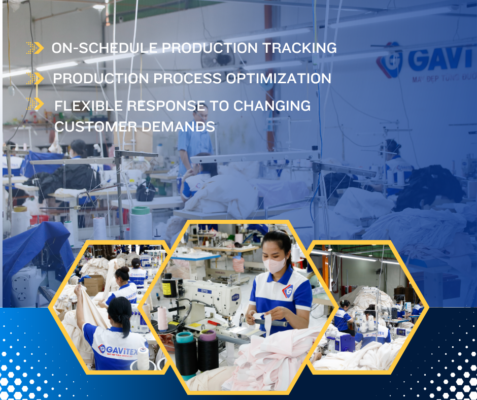
Discover the secrets to sourcing top-tier apparel factories and suppliers in Vietnam. Learn more in our detailed list of clothing manufacturers in Vietnam.
Top Clothing Manufacturing Hubs in Vietnam: Identifying Key Regions
Vietnam has emerged as a prominent destination for clothing manufacturing, attracting global brands and retailers. Understanding the top clothing manufacturing hubs in Vietnam is crucial for businesses seeking reliable and efficient production partners. These regions offer varying strengths in terms of infrastructure, labor availability, and specialized manufacturing capabilities, impacting a company’s sourcing decisions.
Several key regions in Vietnam are renowned for their concentration of garment factories and textile production. Ho Chi Minh City and its surrounding provinces, such as Binh Duong and Dong Nai, form a major hub in the South, benefiting from established infrastructure and a skilled workforce. The Red River Delta region in the North, including Hanoi, Hai Phong, and surrounding areas, is another significant center, boasting a long history of textile and garment production. Finally, the Central region, with cities like Da Nang and Hue, is also gaining prominence as a rising star in garment manufacturing, offering competitive labor costs and improving infrastructure.
Each of these hubs presents unique advantages for clothing manufacturers.
- Ho Chi Minh City and surrounding areas: This region is a powerhouse due to its advanced infrastructure, well-established supply chains, and access to international ports. (These factors facilitate smooth export processes). Many factories here specialize in producing high-end fashion apparel and cater to international brands demanding stringent quality standards. However, labor costs can be higher compared to other regions.
- Red River Delta (Hanoi, Hai Phong): This area boasts a deep-rooted tradition in textile and garment production. The availability of a large workforce with experience in garment manufacturing makes it attractive for companies seeking mass production capabilities. Moreover, the region is actively investing in modernizing its infrastructure and attracting foreign investment.
- Central Vietnam (Da Nang, Hue): This region is emerging as a competitive alternative, offering lower labor costs and a growing manufacturing base. Government initiatives aimed at attracting investment and developing infrastructure are contributing to the region’s growth. While still developing, Central Vietnam is a promising location for businesses looking for cost-effective manufacturing solutions.
Selecting the right manufacturing hub depends on a company’s specific needs and priorities, considering factors like production scale, product type, budget, and desired quality standards. By carefully evaluating the strengths and weaknesses of each region, businesses can make informed decisions and establish successful partnerships with clothing manufacturers in Vietnam.
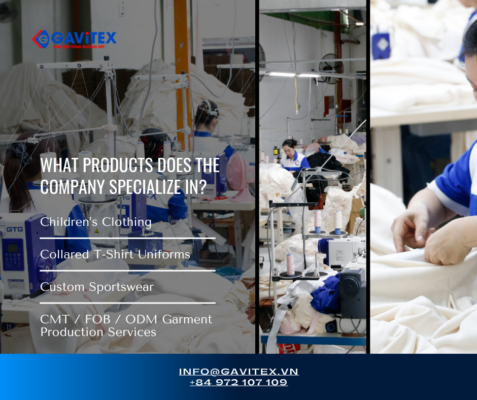
Types of Clothing Manufacturers in Vietnam: Specializations and Capabilities
Navigating the landscape of clothing manufacturers in Vietnam requires understanding the distinct types of businesses operating within the industry, each possessing unique specializations and capabilities. From handling basic cutting and sewing to offering comprehensive design and manufacturing solutions, Vietnamese factories cater to a wide spectrum of client needs. Grasping these differences empowers businesses to identify the ideal partner, ensuring alignment with specific production requirements and fostering successful, long-term collaborations.
There are three primary types of clothing manufacturers in Vietnam: Cut-Make-Trim (CMT), Original Equipment Manufacturing (OEM), and Original Design Manufacturing (ODM). Each model represents a different level of service and responsibility assumed by the manufacturer, directly impacting the client’s involvement in the production process. Selecting the right type of manufacturer is crucial for optimizing costs, maintaining control over design, and ensuring timely delivery.
Cut-Make-Trim (CMT) Manufacturers
CMT manufacturers represent the most basic level of service, focusing solely on cutting, making, and trimming garments based on client-provided designs and materials. In this model, the client is responsible for supplying all raw materials, including fabrics, trims, and accessories. CMT manufacturers are ideal for businesses with established designs and sourcing capabilities, seeking cost-effective labor for garment assembly. For example, a fashion brand with its own fabric suppliers might choose a CMT manufacturer to handle the sewing and finishing stages of production.
Original Equipment Manufacturing (OEM)
OEM manufacturers offer a more comprehensive service, handling both production and material sourcing. Clients provide the designs and technical specifications, while the OEM manufacturer procures the necessary fabrics, trims, and accessories. This model is suitable for businesses seeking to outsource the entire manufacturing process while retaining control over the design. Many international brands partner with Vietnamese OEM manufacturers to leverage their expertise in sourcing quality materials at competitive prices.
Original Design Manufacturing (ODM)
ODM manufacturers provide the most comprehensive solution, offering design, manufacturing, and material sourcing services. Clients can select from the manufacturer’s existing designs or collaborate on creating new ones. ODM is ideal for businesses seeking a turnkey solution, where the manufacturer handles all aspects of product development and production. An example would be a startup fashion company leveraging an ODM manufacturer’s design expertise to create a unique clothing line.
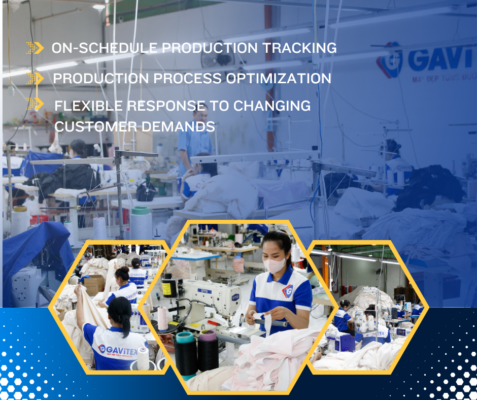
Uncover the capabilities of various OEM clothing manufacturers in Vietnam and find the perfect fit for your apparel needs. Explore our comprehensive list of leading clothing factories and suppliers.
Evaluating Clothing Manufacturers: Key Factors to Consider Before Partnering
Finding the right clothing manufacturers in Vietnam requires a comprehensive evaluation process, as this decision significantly impacts product quality, cost-effectiveness, and overall brand reputation. Selecting a suitable garment manufacturer transcends merely finding a supplier; it involves establishing a strategic alliance built on trust, transparency, and mutual goals to optimize your clothing production. Beyond Vietnam’s appeal as a cost-effective sourcing destination, careful consideration of key factors is critical for a successful and sustainable partnership with a Vietnamese clothing manufacturer.
Assessing the production capacity and capabilities of a potential partner is paramount. Determining if the manufacturer can handle your order volume, meet deadlines, and accommodate diverse product lines is essential. Inquire about their machinery, workforce size, and existing workload to ensure they can realistically meet your production needs, especially during peak seasons. For instance, overseas buyers would verify if the factory possesses specialized equipment for specific fabric types or garment designs relevant to our clothing line.
Quality control standards and certifications are non-negotiable. A reputable manufacturer should have robust quality control processes in place, from raw material inspection to final product assessment. Look for certifications such as ISO 9001 or WRAP to ensure adherence to international quality standards. Don’t hesitate to request samples and conduct on-site inspections to verify the quality of their workmanship and materials.
Ethical and social compliance is increasingly crucial for brand image and consumer trust. Ensure the manufacturer adheres to fair labor practices, provides safe working conditions, and complies with environmental regulations. Request information about their policies on worker wages, working hours, and environmental impact. Supporting manufacturers with strong ethical standards aligns with sustainable business practices and resonates positively with socially conscious consumers.
Communication and responsiveness are vital for a smooth working relationship. Effective communication channels, prompt responses to inquiries, and a willingness to address concerns are indicators of a reliable partner. Assess their communication skills during the initial contact phase and consider language proficiency as a factor. Clear and open communication minimizes misunderstandings and ensures efficient collaboration throughout the production process.
Finally, carefully evaluate pricing and minimum order quantities (MOQs). Obtain detailed quotes that break down all costs, including materials, labor, and shipping. Compare quotes from different manufacturers to ensure competitive pricing. Also, understand their MOQs and assess if they align with your order volumes. Negotiating favorable terms is crucial, but prioritize a fair and sustainable pricing structure that benefits both parties.
Before you commit, are you sure you’ve considered everything? Check out our list of top apparel factories & suppliers in Vietnam to ensure you’re making the right choice.
Due Diligence and Verification: Ensuring a Reliable Partnership
In the complex landscape of clothing manufacturers in Vietnam, conducting thorough due diligence and verification is paramount to establishing a reliable and successful partnership. Selecting the right clothing manufacturer requires a meticulous process, going beyond initial impressions to assess their true capabilities and operational integrity. This ensures that your brand, like overseas buyers, is associated with quality, ethical practices, and consistent delivery.
Verifying a potential manufacturing partner’s credentials is an essential safeguard in mitigating risks. A deep dive into their certifications, financial stability, and adherence to international standards provides crucial insights. By thoroughly scrutinizing these factors, you’re not just selecting a vendor; you’re investing in a partnership built on transparency and trust.
Factory Audits and Inspections
Factory audits and inspections form a cornerstone of the due diligence process. These assessments offer a firsthand view into the manufacturer’s operational capabilities, quality control measures, and compliance with ethical and safety standards. Engaging a reputable third-party audit firm ensures an objective evaluation, providing you with an unbiased report on the factory’s strengths and weaknesses. For example, a factory audit will assess if the factory meets WRAP (Worldwide Responsible Accredited Production) standards, demonstrating their commitment to ethical labor practices.
Legal Compliance and Contracts
Ensuring legal compliance and contracts are in place is crucial for safeguarding your interests. A legally sound contract should clearly outline the scope of work, quality standards, delivery timelines, payment terms, and dispute resolution mechanisms. Engaging legal counsel familiar with Vietnamese business law is highly recommended to navigate the intricacies of local regulations and ensure that the contract is enforceable and protects your brand, overseas buyers. Verifying the manufacturer’s business license and tax registration is another important step in confirming their legitimacy.
Communication and Language Barriers
Addressing communication and language barriers is critical for smooth operations and clear understanding. Appointing a dedicated liaison with strong language skills and industry knowledge can bridge the gap. Regular communication channels, detailed tech packs, and visual aids can minimize misunderstandings and ensure that your requirements are accurately conveyed and executed. Overcoming these barriers can pave the way for a more collaborative and productive relationship with your Vietnamese clothing manufacturer.
Building a Successful Relationship with Your Vietnamese Clothing Manufacturer
Establishing a strong, collaborative relationship with your Vietnamese clothing manufacturer is crucial for ensuring consistent quality, timely delivery, and ultimately, the success of your brand, like overseas buyers, in the competitive apparel market. This involves clear communication, mutual respect, and a proactive approach to problem-solving. A successful partnership goes beyond a simple transactional agreement; it’s a strategic alliance built on trust and shared goals.
Clear Communication and Expectations are the bedrock of any successful business relationship. This involves not only overcoming language barriers but also ensuring that technical specifications, quality standards, and deadlines are clearly defined and understood by both parties. Providing detailed tech packs, samples, and consistent feedback throughout the production process minimizes misunderstandings and potential errors.
- Detailed Tech Packs: Include all necessary information, such as measurements, materials, construction details, and grading rules.
- Regular Communication: Schedule regular check-ins to discuss progress, address concerns, and provide feedback.
- Visual Aids: Use photos, videos, and sketches to clarify design details and quality expectations.
Beyond communication, establishing clear payment terms and agreements is essential for a smooth and trustworthy partnership. Clearly define payment schedules, acceptable methods of payment, and any penalties for late payments or non-compliance. A well-drafted contract protects both your interests and those of the manufacturer, providing a framework for resolving disputes and ensuring fair compensation for services rendered.
Successfully managing production and logistics requires proactive planning and coordination. Implementing a robust system for tracking orders, monitoring production progress, and managing shipping logistics can prevent delays and ensure timely delivery of your garments. Building a contingency plan to address potential supply chain disruptions is also critical for maintaining a consistent flow of goods. This often involves diversifying suppliers or establishing buffer stocks of key materials.
Want to ensure a long-term partnership? Start by selecting the right manufacturer. See our curated list of clothing manufacturers in Vietnam for a head start.
Navigating Cultural Differences: Building Stronger Business Relationships in Vietnam
Successfully establishing and maintaining strong business relationships with clothing manufacturers in Vietnam requires more than just identifying the right supplier; it demands a deep understanding and skillful navigation of Vietnamese cultural nuances. These cultural aspects significantly impact communication styles, negotiation strategies, and overall business etiquette, ultimately influencing the success of your manufacturing partnerships. A proactive approach to cultural awareness fosters trust and mutual respect, paving the way for long-term, fruitful collaborations within the Vietnamese garment industry.
Understanding the concept of face (“mặt” in Vietnamese) is crucial. Maintaining harmony and avoiding causing embarrassment or loss of face is paramount in Vietnamese business culture. Public criticism or direct confrontation should be avoided at all costs. Instead, address concerns privately and diplomatically, focusing on collaborative problem-solving rather than assigning blame. For instance, when discussing quality issues, frame the conversation as a mutual effort to improve production processes rather than directly accusing the manufacturer of negligence.
Another essential element is building rapport and trust. Vietnamese business culture values long-term relationships built on personal connections. Spend time getting to know your manufacturing partners on a personal level, showing genuine interest in their families and well-being. This can involve sharing meals, participating in social events, or simply engaging in informal conversations before diving into business matters. Regular communication and demonstrating a commitment to the relationship beyond transactional interactions will strengthen the bond and foster loyalty.
Furthermore, understanding hierarchical structures is key. Vietnamese society, and by extension, many businesses, operates within a hierarchical framework. Respect for seniority and authority is deeply ingrained. Always address the most senior person in the room first and show deference to their opinions. When communicating, ensure that your message is conveyed through the appropriate channels and that you acknowledge the chain of command.
Finally, be patient and flexible. Business dealings in Vietnam may take longer than anticipated. Decision-making processes can be more complex and involve multiple stakeholders. Avoid rushing the process or pressuring your partners. Demonstrate patience and flexibility, and be prepared to adapt your plans as needed. This adaptability will be viewed favorably and contribute to building a strong, enduring partnership with your Vietnamese clothing manufacturer.
Common Challenges and How to Overcome Them When Working with Vietnamese Manufacturers
Sourcing clothing manufacturers in Vietnam presents numerous opportunities, but it’s crucial to acknowledge the potential challenges that businesses may encounter and implement strategies to overcome them. While Vietnam has become a global hub for garment production, understanding these hurdles is essential for a successful and mutually beneficial partnership. These challenges can range from communication breakdowns and quality control issues to supply chain disruptions and cultural differences.
Language Barriers and Communication Issues
One of the primary challenges is the language barrier. Although many Vietnamese manufacturers have English-speaking representatives, nuances can still get lost in translation, leading to misunderstandings and errors. To mitigate this:
- Invest in a translator or interpreter, especially during critical discussions and negotiations.
- Use visual aids, diagrams, and detailed specifications to minimize ambiguity.
- Establish clear communication protocols and designated points of contact on both sides.
- Buyers should using project management software that supports multiple languages.
Quality Control Concerns and Mitigation Strategies
Maintaining consistent quality control can be another significant hurdle. While Vietnamese factories are capable of producing high-quality garments, differences in standards and expectations can lead to discrepancies. Here’s how to tackle it:
- Implement rigorous quality control procedures at every stage of production.
- Conduct regular factory audits and inspections to identify and address potential issues early on.
- Provide detailed product specifications and samples to ensure clear expectations.
- Consider engaging a third-party quality control company to oversee production and ensure compliance with your standards, which is a service overseas buyers provides.
Supply Chain Disruptions and Contingency Planning
Like any global manufacturing hub, Vietnam’s garment industry is susceptible to supply chain disruptions. These can stem from natural disasters, political instability, or global economic fluctuations. Proactive planning is essential:
- Diversify your sourcing options to reduce reliance on a single manufacturer or region.
- Maintain a buffer stock of key materials to mitigate potential shortages.
- Develop a contingency plan to address potential disruptions and ensure business continuity.
- overseas buyers emphasize the importance of staying informed about potential risks and having alternative transportation routes in place.
Trends and Future of Clothing Manufacturing in Vietnam
The clothing manufacturing industry in Vietnam is experiencing significant shifts, with trends pointing towards a more sustainable, technologically advanced, and globally integrated future. As brands increasingly seek reliable and cost-effective production bases, understanding these evolving trends is crucial for businesses looking to establish or strengthen their presence in the Vietnamese market.
Sustainability is becoming a major driving force in the Vietnamese garment industry. Consumers are demanding eco-friendly products, pushing manufacturers to adopt sustainable practices such as using organic cotton, recycled materials, and water-saving technologies. overseas buyers can leverage this trend by partnering with factories that prioritize environmental responsibility and offer certifications like GOTS (Global Organic Textile Standard) or Oeko-Tex.
Technological advancements are revolutionizing clothing manufacturing in Vietnam. Automation, robotics, and AI-powered solutions are enhancing efficiency, reducing lead times, and improving product quality. Factories are investing in advanced machinery for cutting, sewing, and finishing processes, as well as implementing digital platforms for supply chain management and production tracking. This technological transformation enables manufacturers to offer greater flexibility and customization to their clients.
Trade agreements and regulations play a significant role in shaping the future of the Vietnamese clothing manufacturing sector. Vietnam has benefited from various free trade agreements (FTAs), such as the CPTPP (Comprehensive and Progressive Agreement for Trans-Pacific Partnership) and the EVFTA (EU-Vietnam Free Trade Agreement), which provide preferential access to key markets. These agreements reduce tariffs and other trade barriers, making Vietnam an attractive destination for foreign investment and boosting its export competitiveness.
Before finalizing any supplier, buyers are advised to conduct a Vietnam factory audit to assess production facilities and compliance. A local supplier verification service can help confirm certifications, capacity, and business legitimacy.
Vietnam Biz Rep supports overseas buyers with garment supplier search, factory verification, sample coordination, production follow-up, and quality inspection in Vietnam. Learn more on our clothing sourcing agent page or visit Vietnam sourcing agent for our full range of services. Contact Vietnam Biz Rep to discuss your sourcing requirements.
